Why Backyard Chickens Are Having a Moment in San Antonio
What once felt like a niche, rural hobby has officially made its way into suburban and urban neighborhoods: backyard chickens. According to a recent San Antonio Express-News article, more Americans—and San Antonians in particular—are embracing small flocks not just for fresh eggs, but for connection, sustainability, and a slower pace of life.
The trend has been building quietly for years. The American Pet Products Association estimates that about 11 million U.S. households now keep backyard chickens, with total backyard bird populations potentially reaching as high as 85 million nationwide. What’s notable isn’t just the scale, but where this is happening—backyards in cities, not just farms.
Why Chickens Appeal to Urban and Suburban Homeowners
For many households, chickens represent more than food production. They offer a hands-on experience with nature, a way to teach children responsibility, and a sense of self-reliance that feels increasingly valuable. As the Express-News notes, new chicken owners are often surprised that the biggest reward isn’t the eggs—it’s the interaction. Chickens are social, curious animals, each with their own personality.
There’s also a growing awareness around where food comes from and how it’s produced. Backyard chickens allow homeowners to participate directly in that process, even on a small scale.
What San Antonio Allows—and What It Requires
San Antonio’s local ordinances make backyard chickens possible, but with clear guidelines. Under current city rules, residents may keep up to eight domestic fowl without a permit, and only one may be a rooster. Coops must meet setback and containment standards, including being placed at least 50 feet from neighboring dwellings or otherwise complying with enclosure requirements.
The article also emphasizes responsible care. Chickens need secure, well-ventilated coops that protect them from predators like raccoons, hawks, and stray dogs. Adequate space—at least six square feet per bird—along with clean bedding, fresh water, and a balanced diet are essential to keeping a healthy flock.
Chickens as Pets, Not Just Livestock
Veterinary experts quoted in the Express-News highlight that chicken ownership comes with real responsibility. Daily health monitoring is critical, and not every veterinarian is experienced with poultry, so finding avian or exotic care in advance is recommended. Cleanliness, proper nutrition, and preventative care make the difference between a charming hobby and a stressful one.
Still, the trend shows no signs of slowing. Backyard chickens reflect a broader lifestyle shift toward intentional living—where home, outdoor space, and personal values intersect.
What This Means for Homeowners
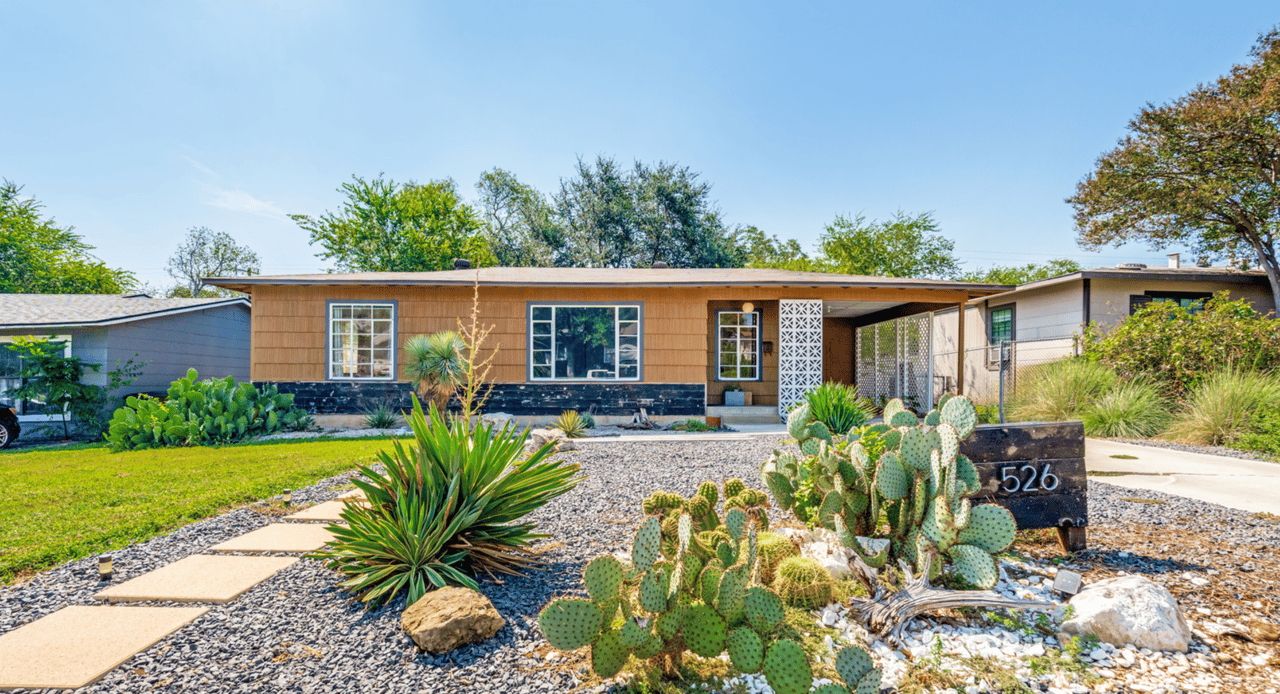
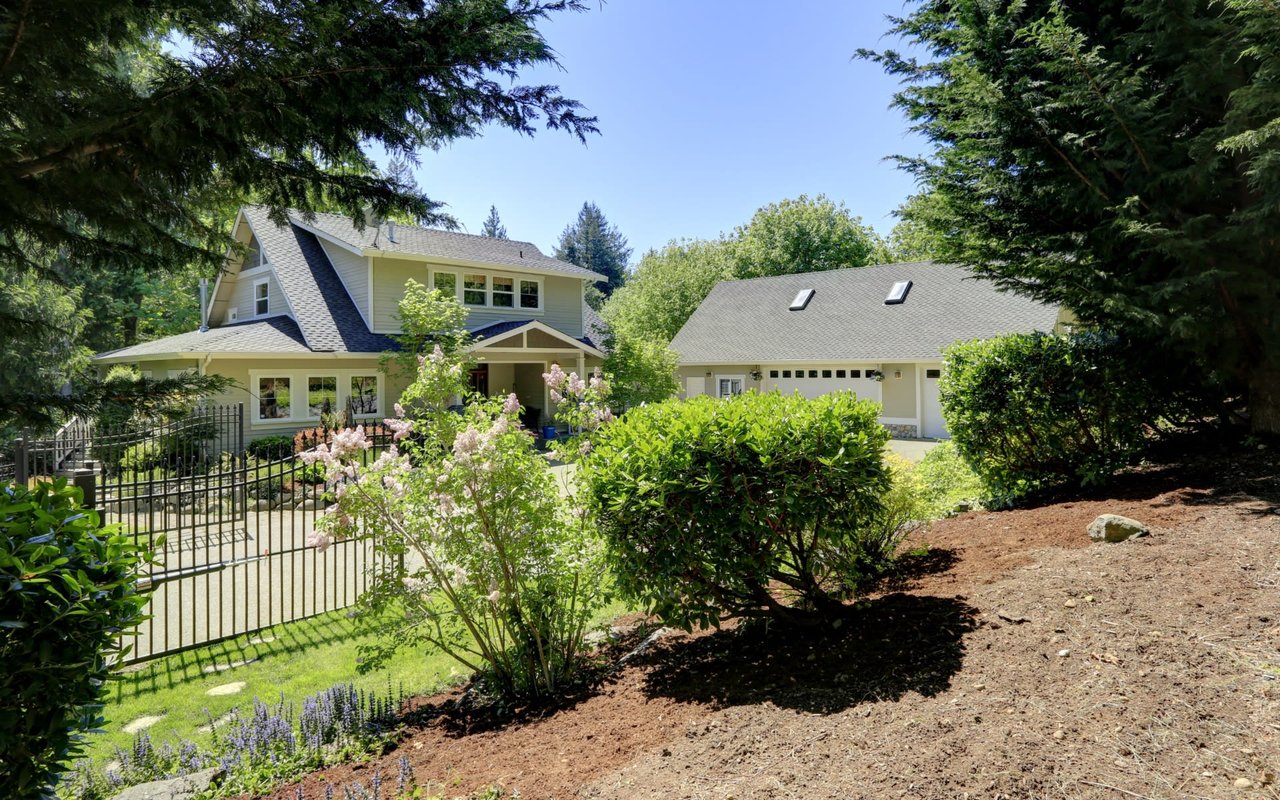
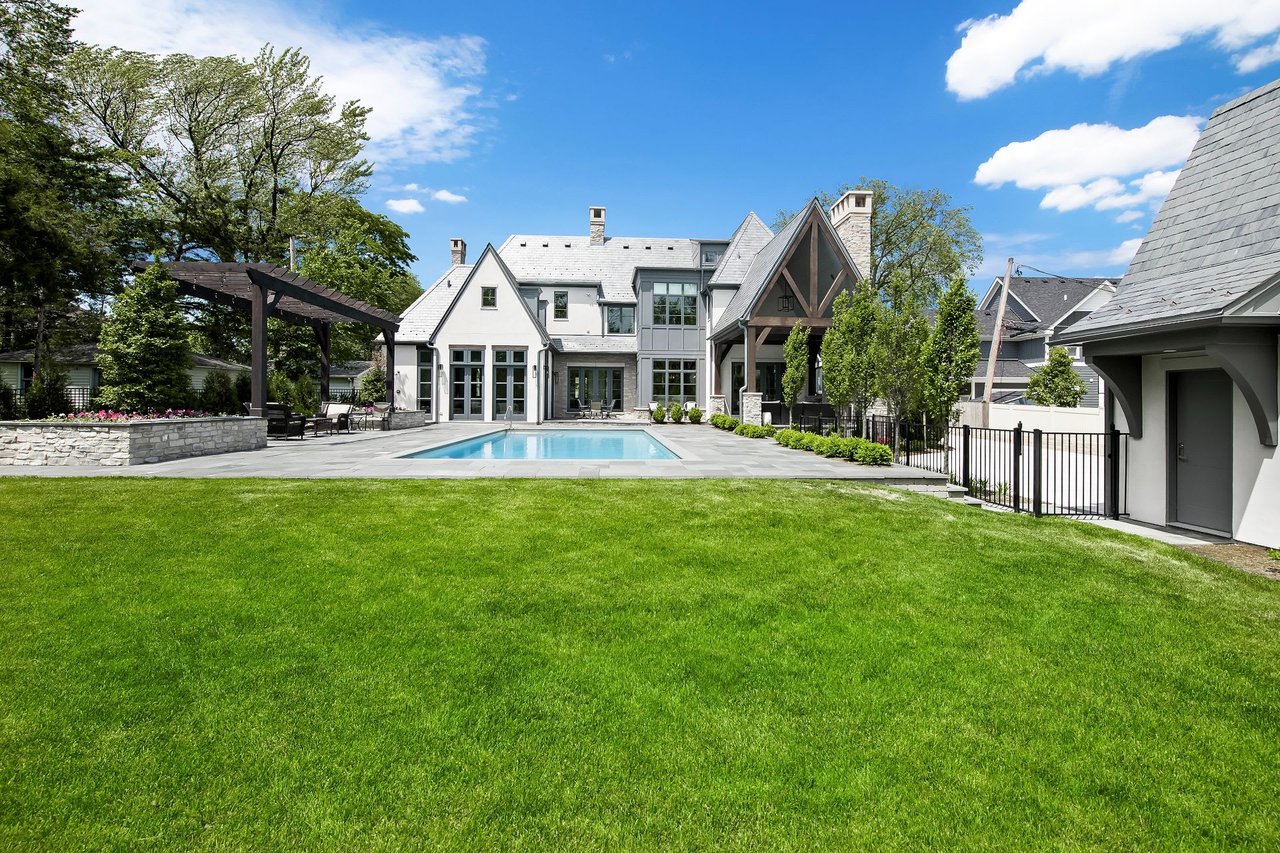
As lifestyle priorities evolve, features like yard size, zoning flexibility, and neighborhood regulations matter more than ever. Whether it’s space for a garden, a chicken coop, or simply room to breathe, today’s buyers are thinking differently about how they use their homes.
If you’re considering buying or selling in 2026—and lifestyle factors like outdoor space are part of the equation—Caroline Decherd and Susanne Marco with Park Properties Group are a great resource.
They understand how neighborhood rules, lot layouts, and city ordinances shape what’s possible, and they’re happy to help you think strategically about your next move.