San Antonio Home Pricing Strategy: How to Price Your Home Competitively in a Buyer's Market
How can homeowners in San Antonio price their homes competitively in a buyer's market?
To price your home competitively in San Antonio’s buyer's market, research local trends, prioritize home improvements, and work with an experienced real estate agent to set a strategic price that attracts buyers.
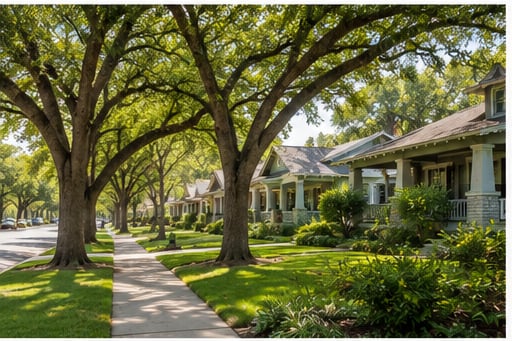
In San Antonio's established neighborhoods, such as Alamo Heights, Monte Vista, and Olmos Park, understanding the dynamics of a buyer's market is crucial for homeowners looking to sell. With more homes for sale than buyers, it's essential to adopt a strategic approach to pricing. This article will guide you through the process of pricing your home competitively, ensuring you attract the right buyers while maximizing your investment.
Understand the Local Market Dynamics
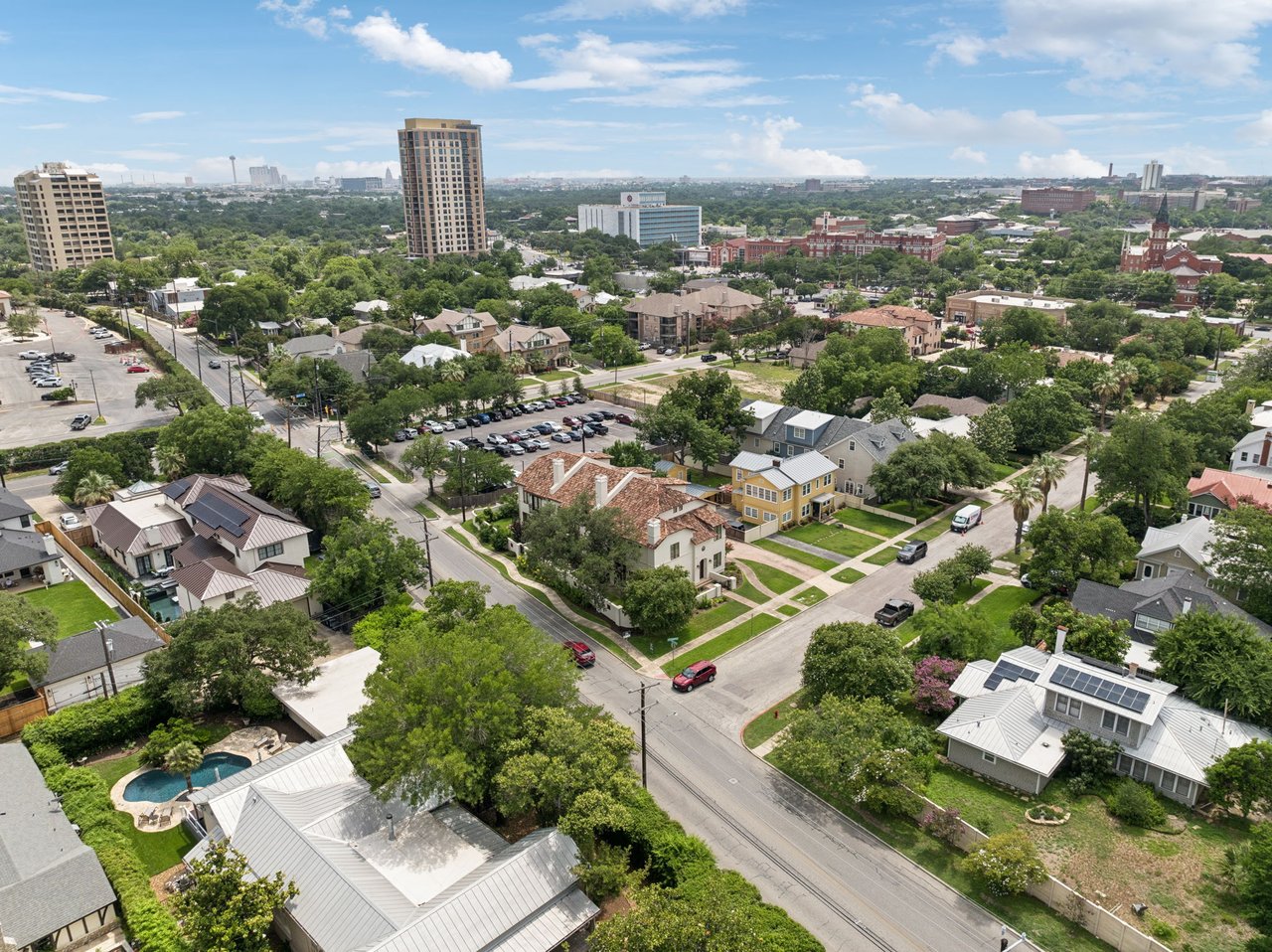
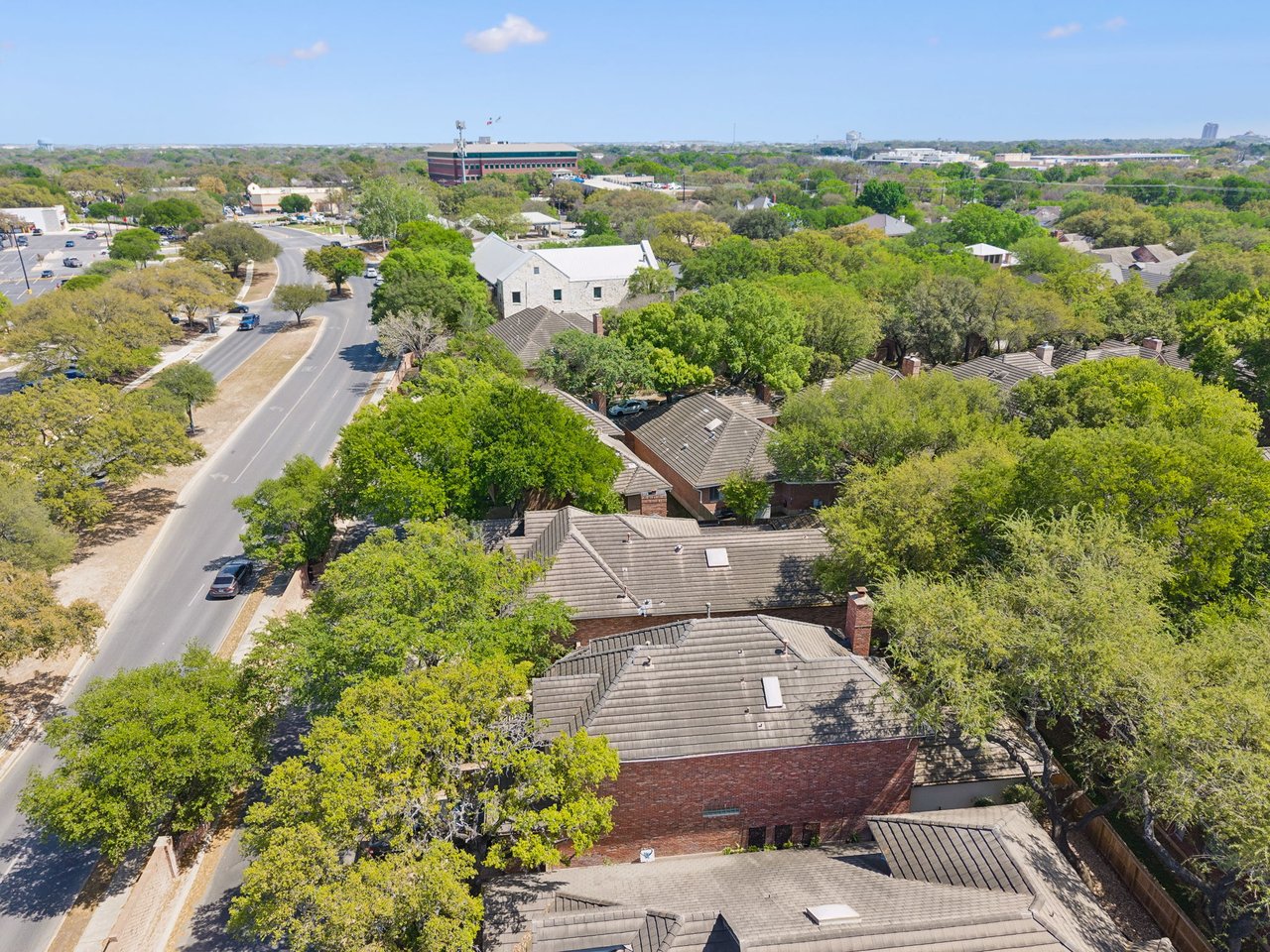
Begin by gaining a comprehensive understanding of the current market conditions in your neighborhood. San Antonio's housing market can vary significantly from one area to another, with factors such as school districts, amenities, and historical significance playing a crucial role in home valuation.
Research recent sales in your area by examining comparable homes, also known as "comps." These are homes similar in size, condition, and location that have recently sold. Look for patterns in pricing and days on market to identify trends. For instance, if homes in Monte Vista are selling quickly at slightly lower prices, you might consider a similar strategy.
Utilize resources like the San Antonio Board of REALTORS® (SABOR) and local MLS listings to gather accurate and up-to-date information. This data will help you establish a realistic price range that reflects current market conditions.
Additionally, consider the broader economic factors affecting the San Antonio housing market. Interest rates, employment rates, and population growth can all influence buyer behavior. Stay informed about these elements to better predict market trends.
Enhance Your Home's Appeal
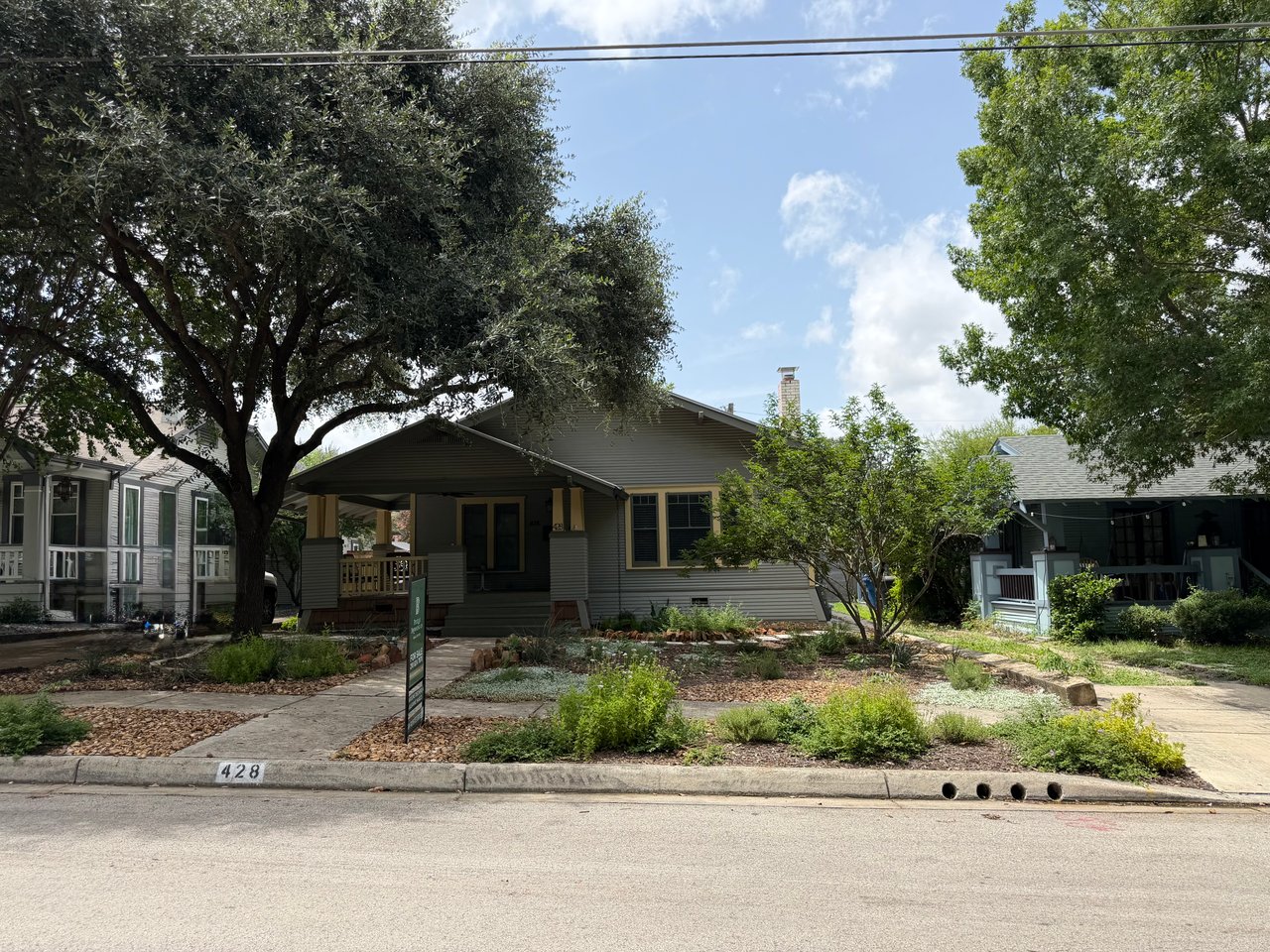
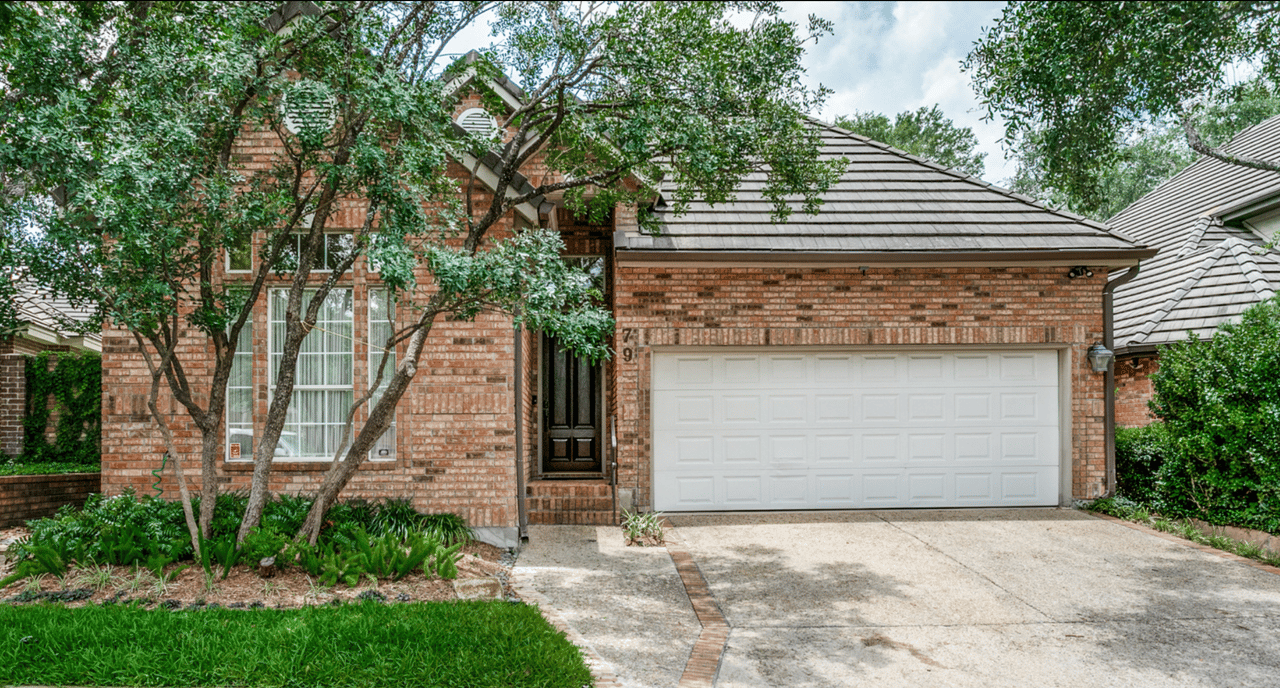
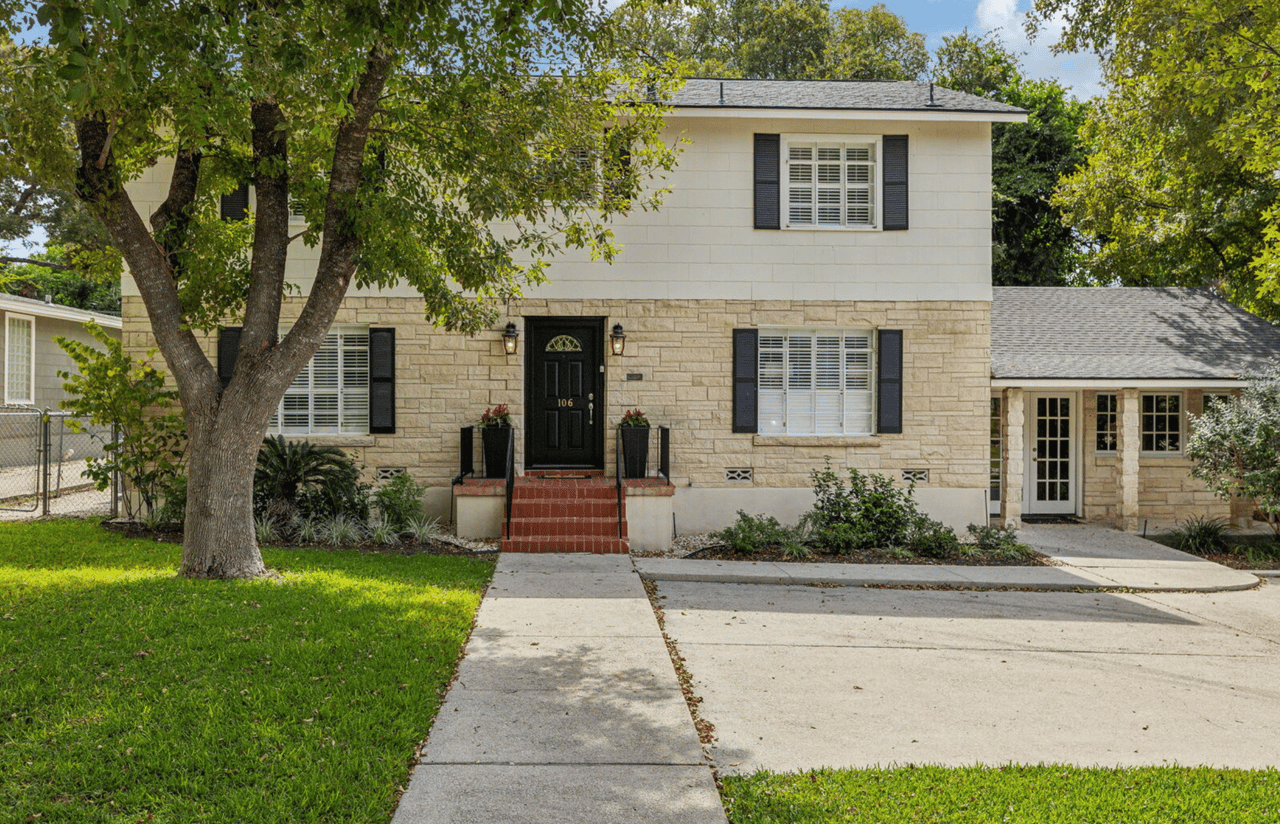
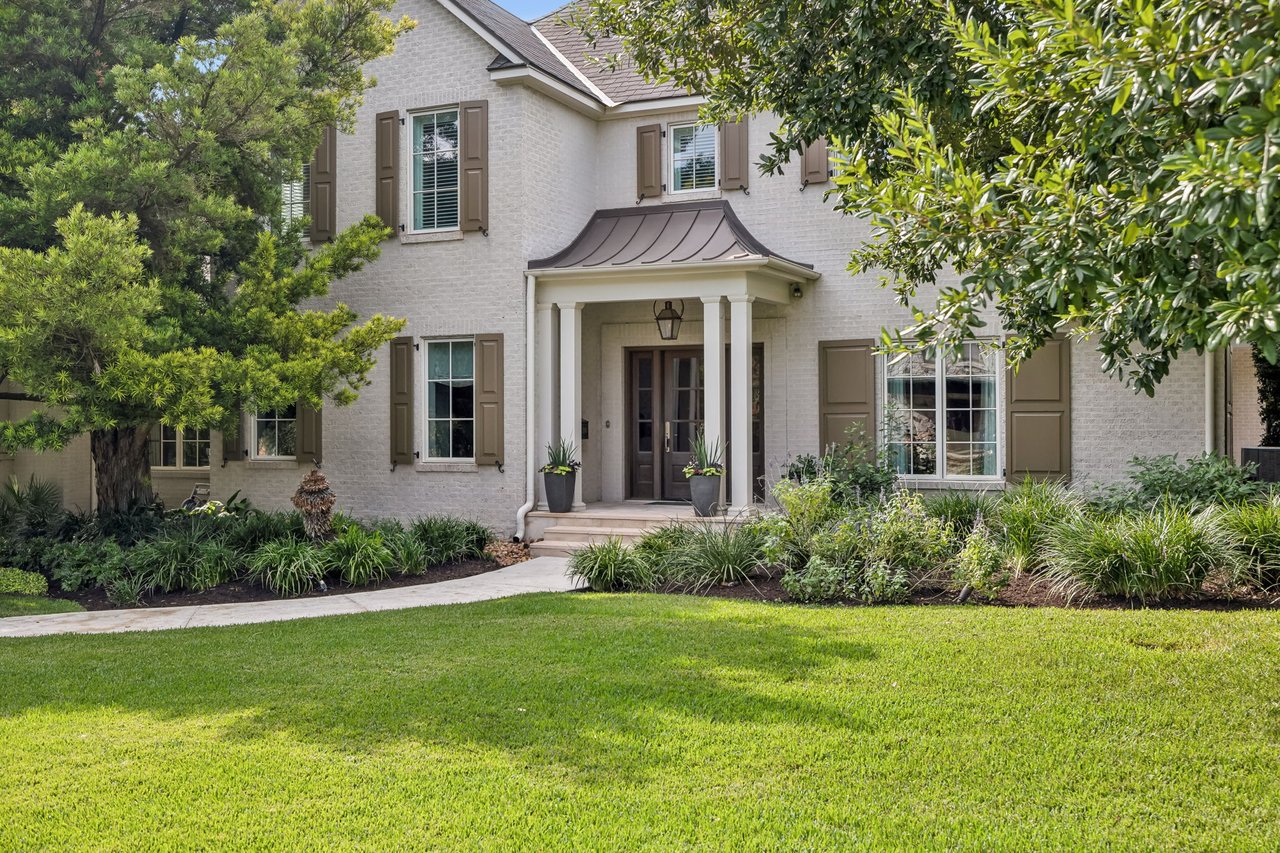
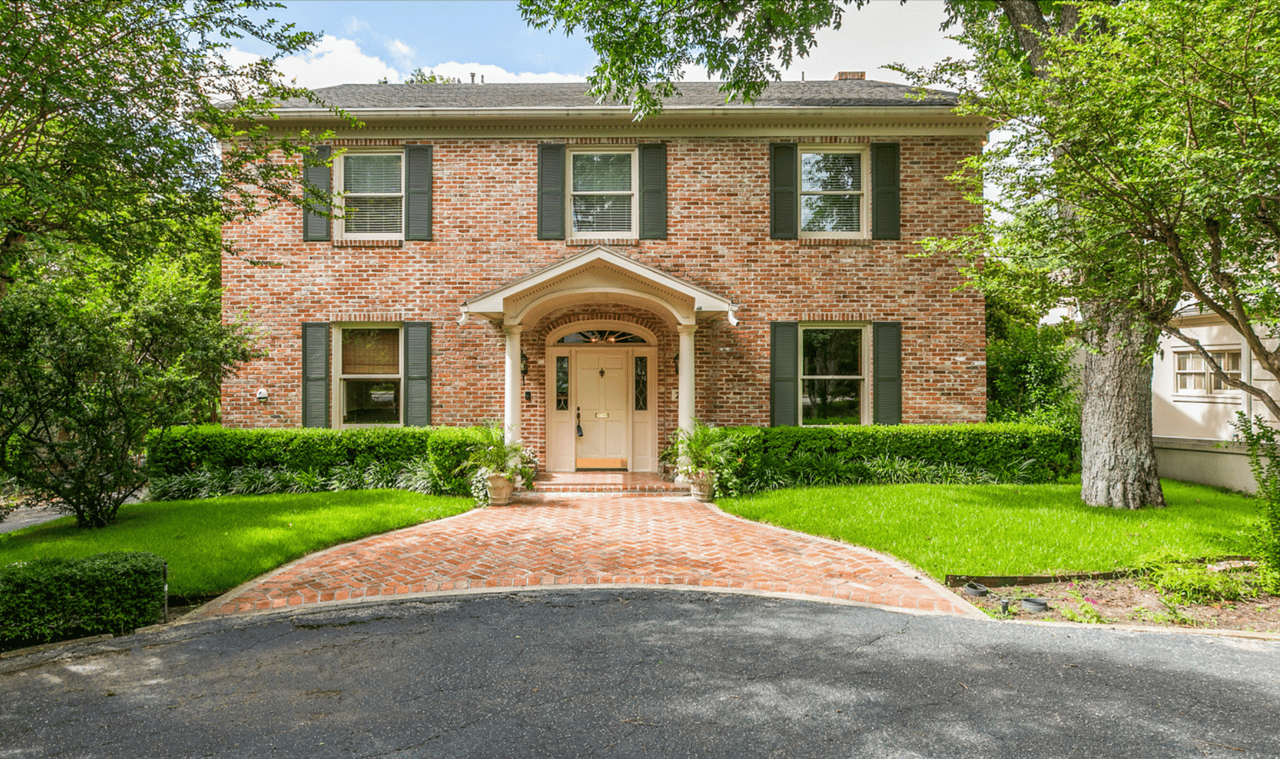
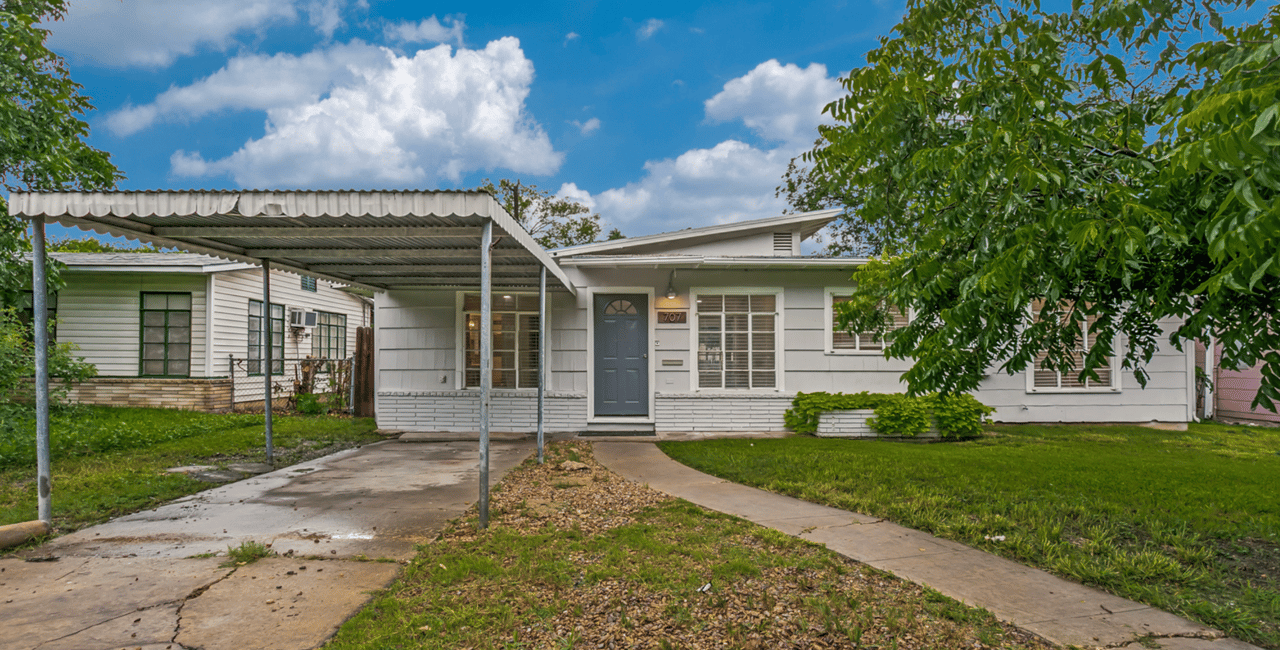
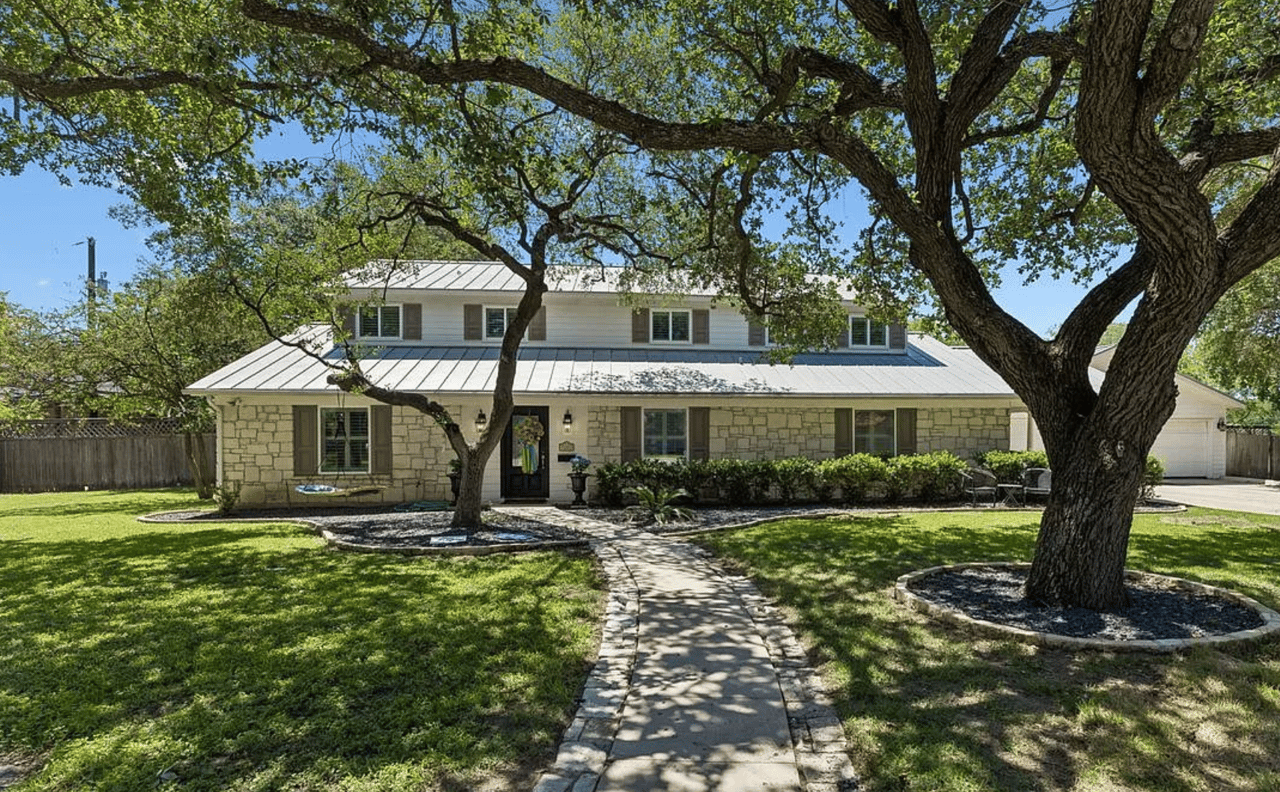
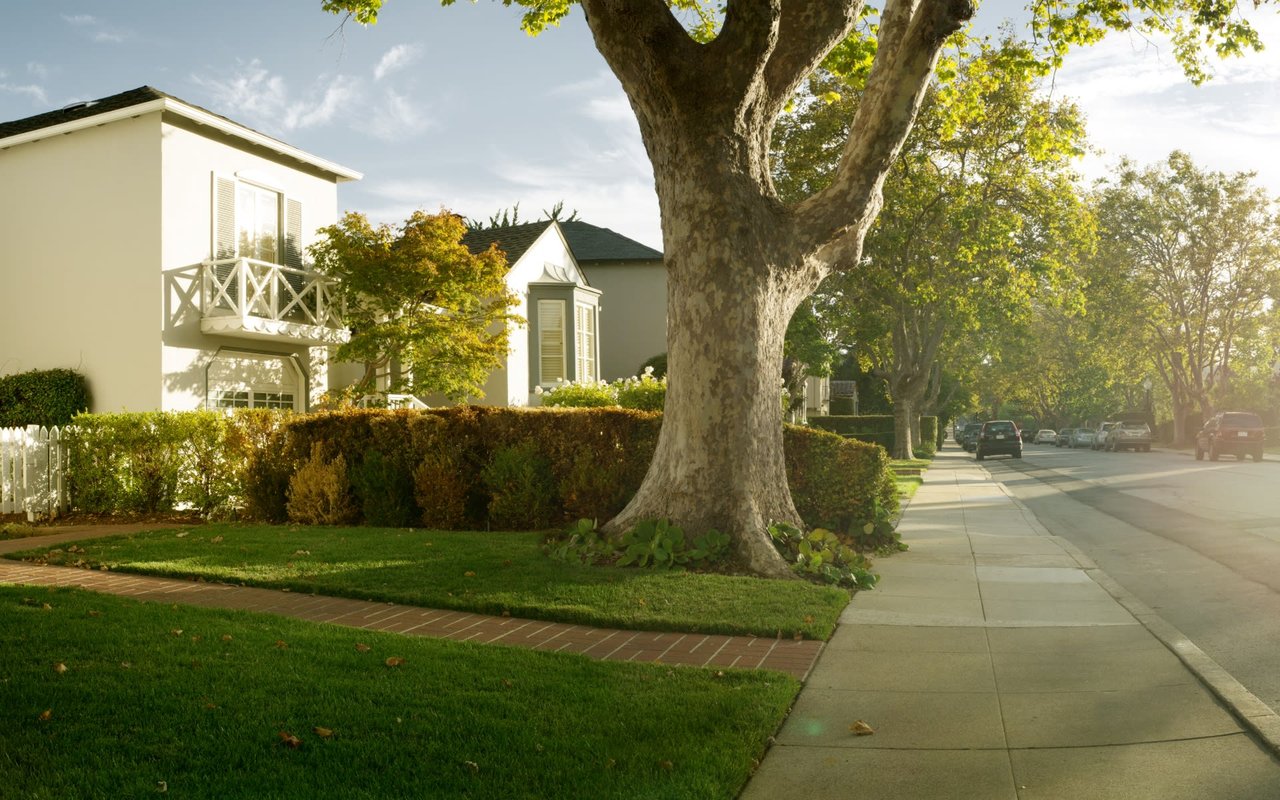
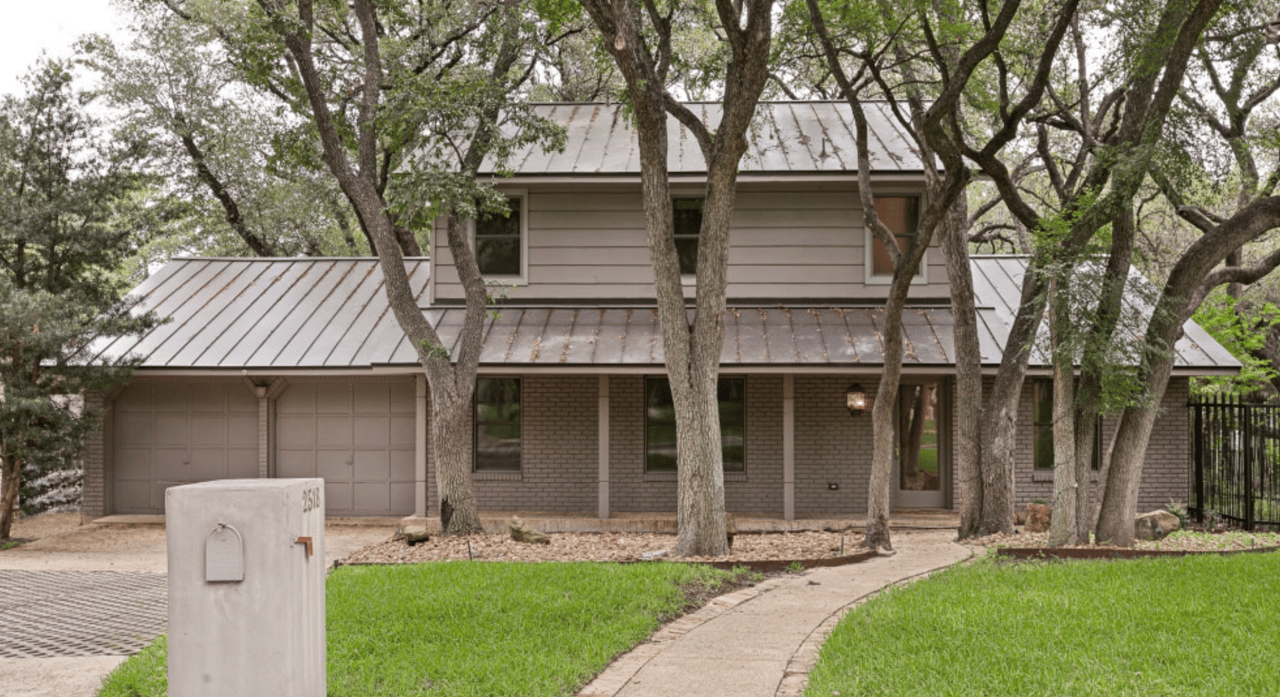
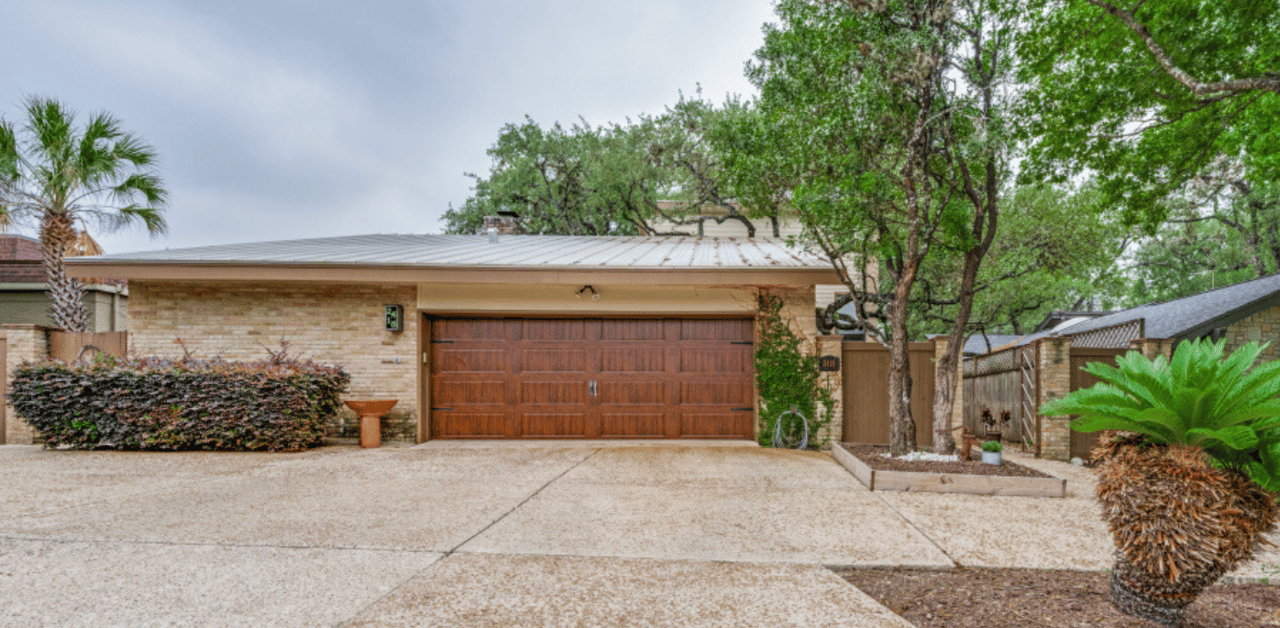
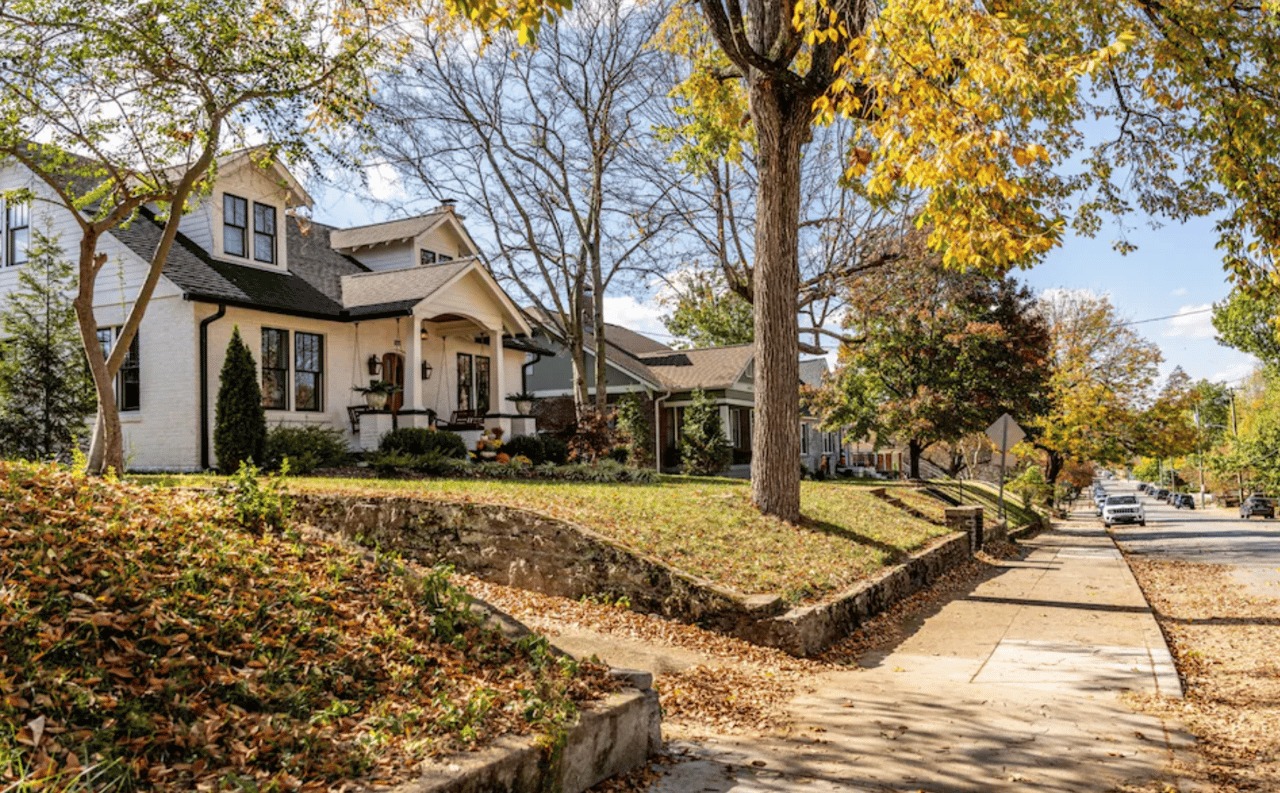
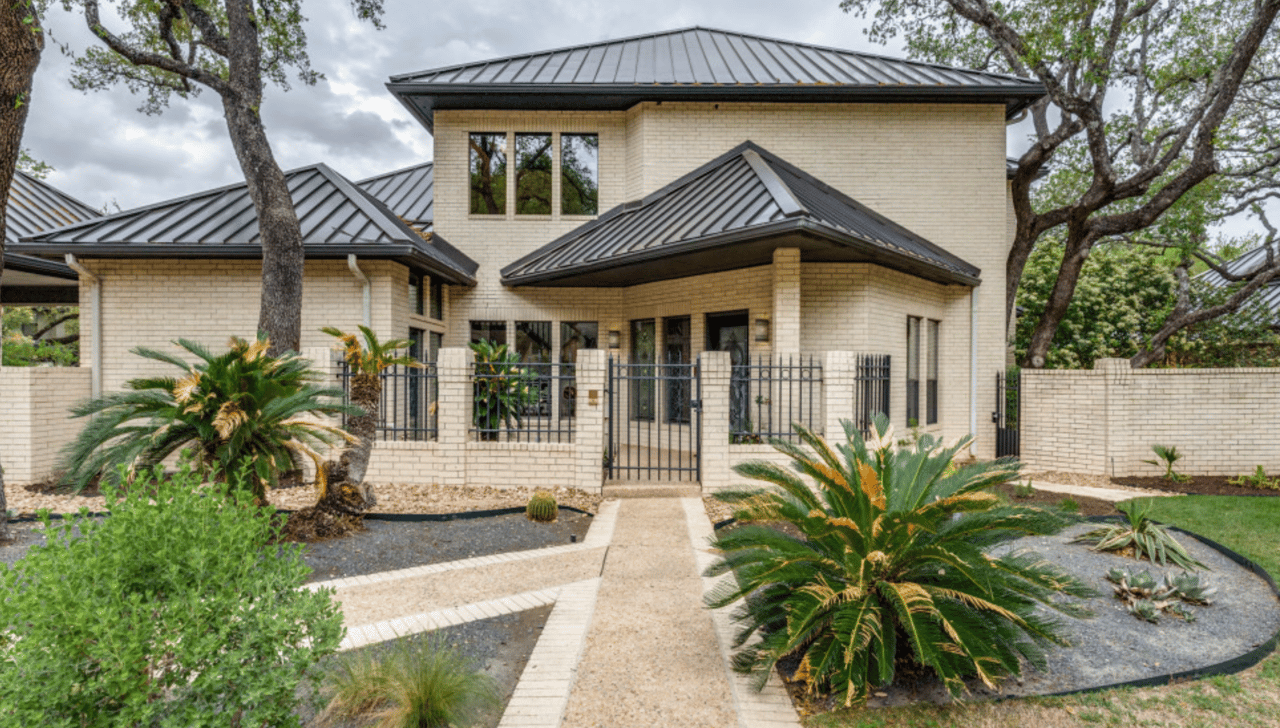
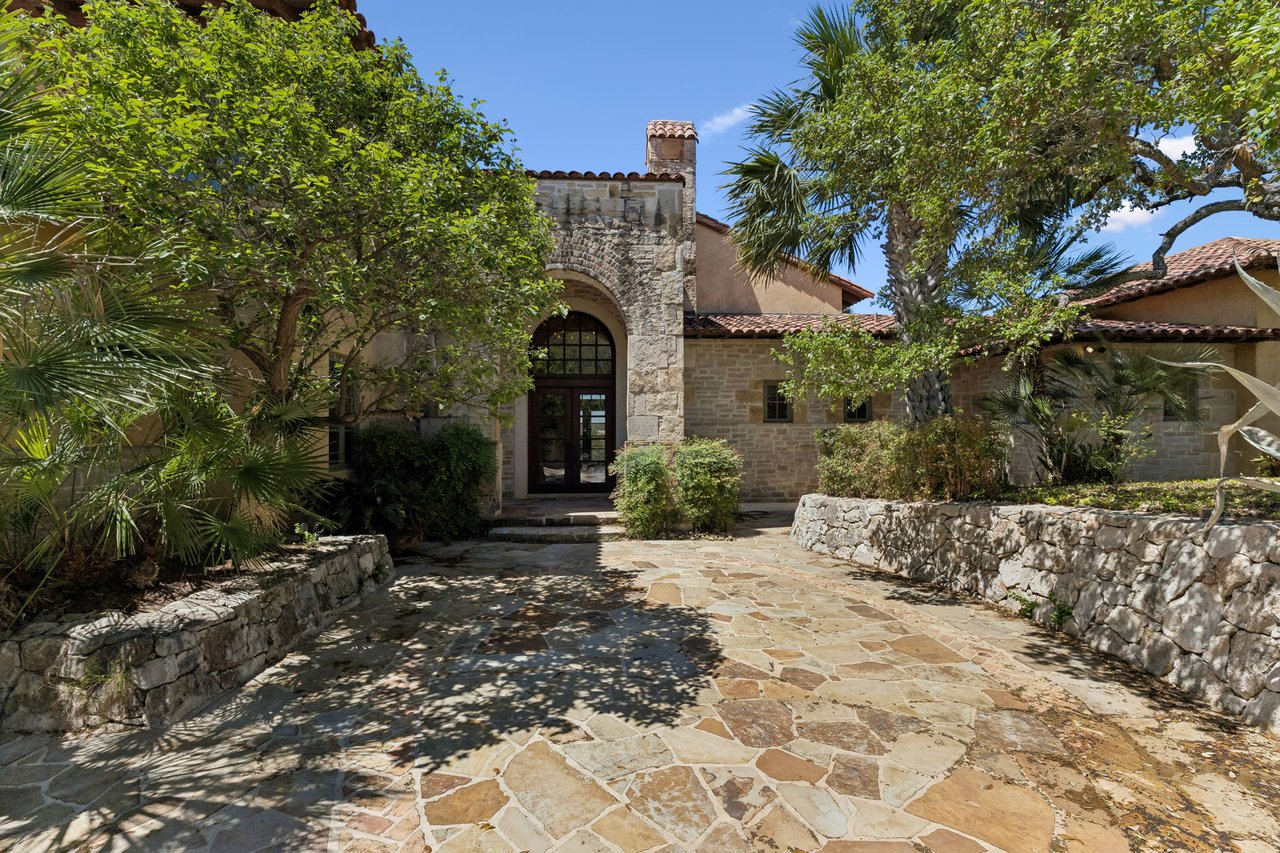
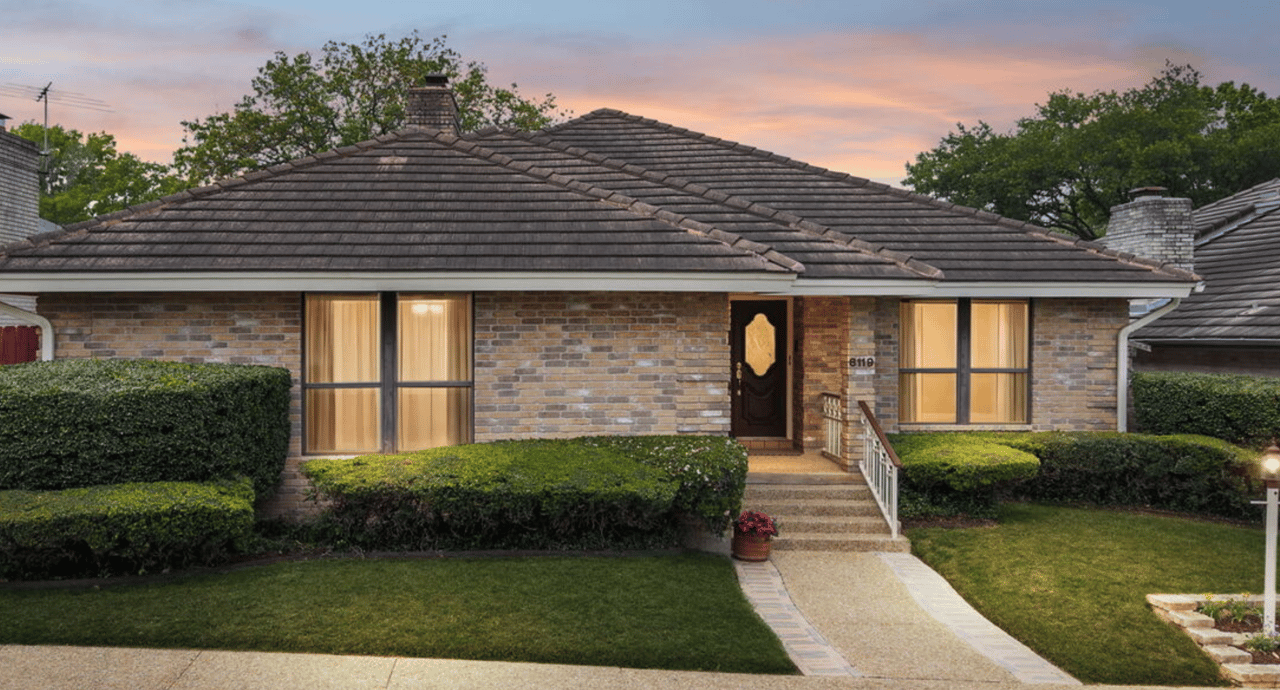
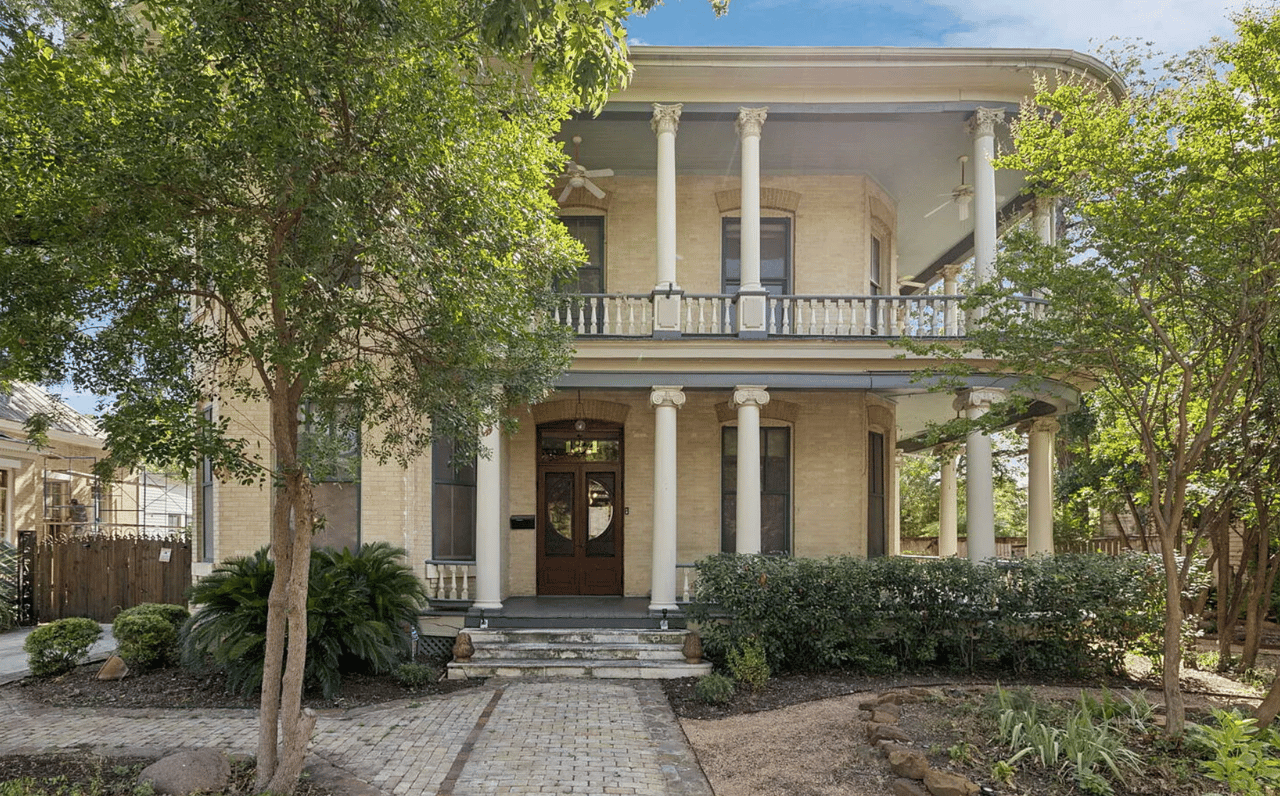
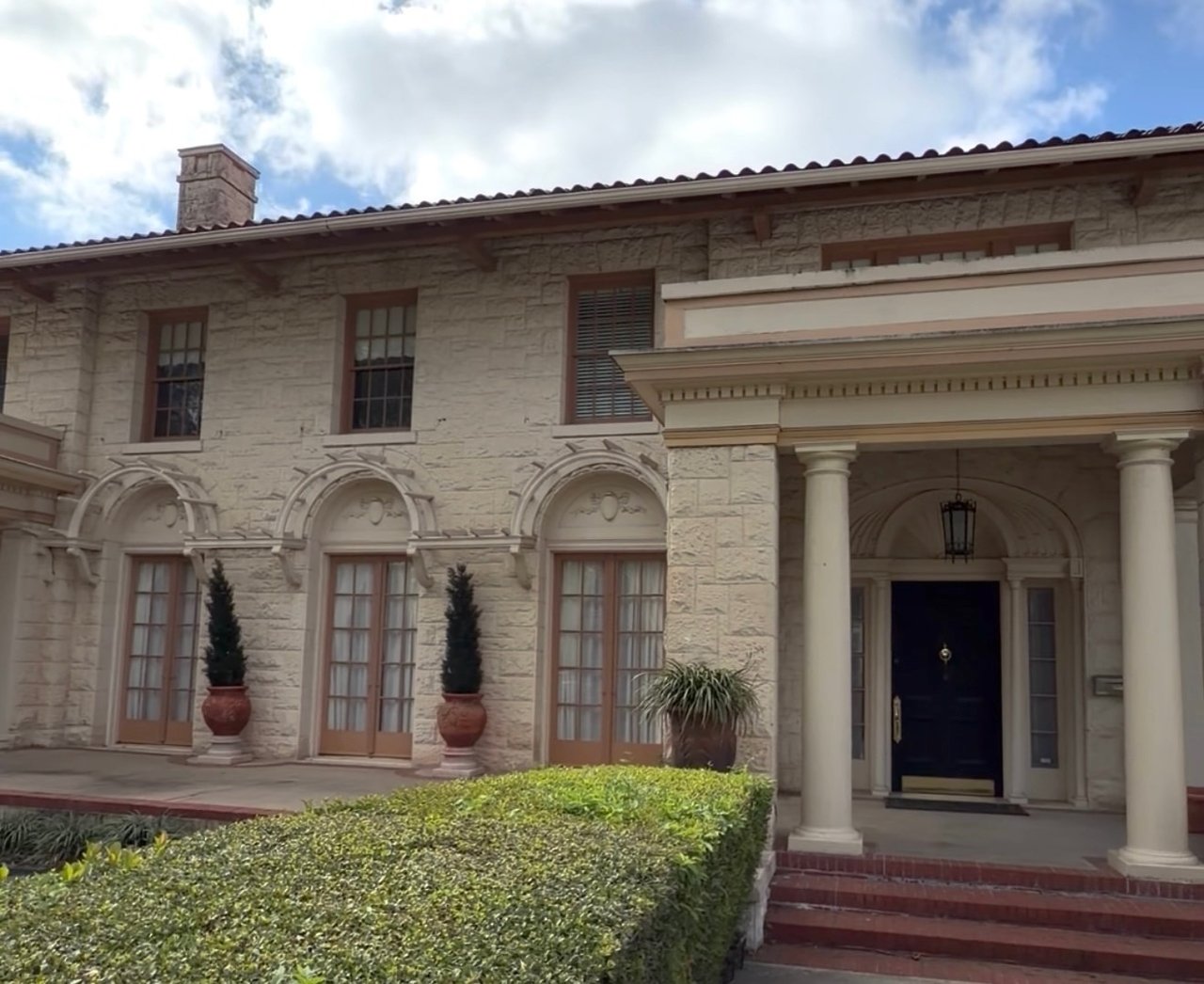
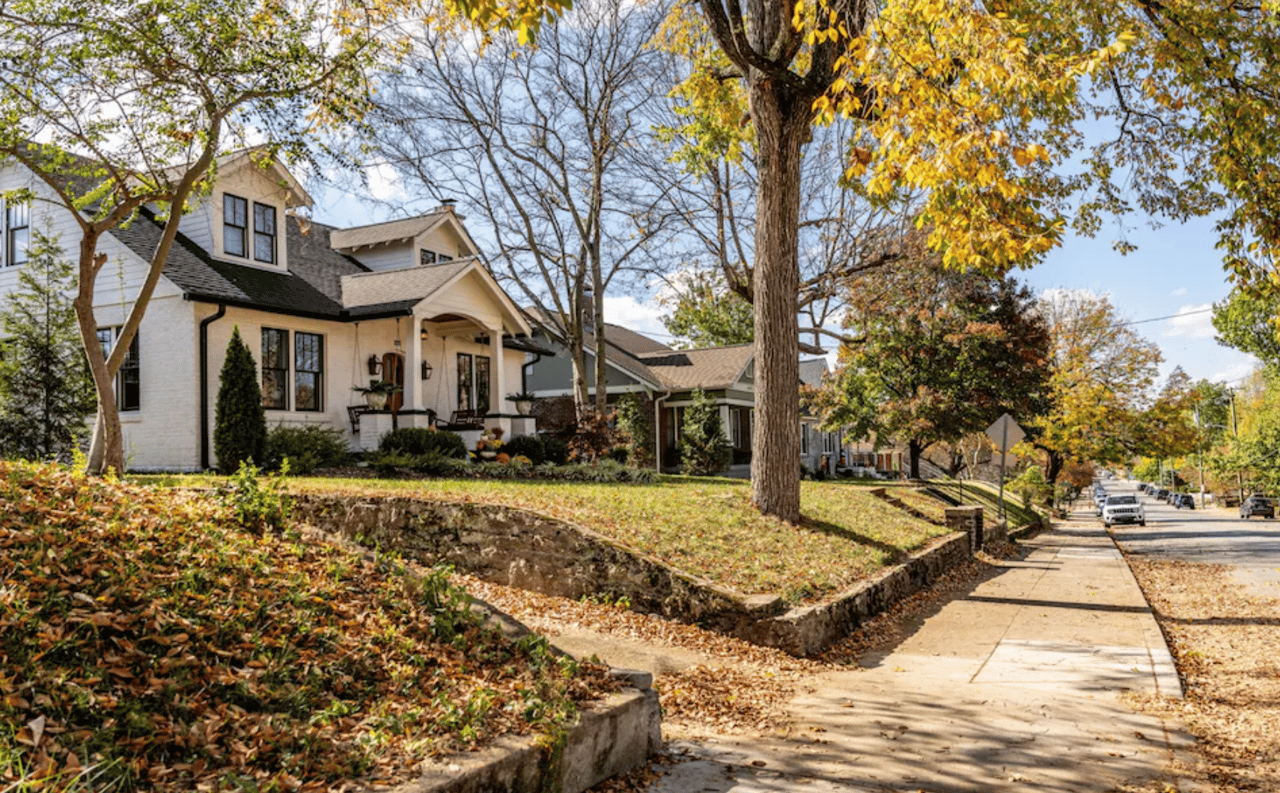
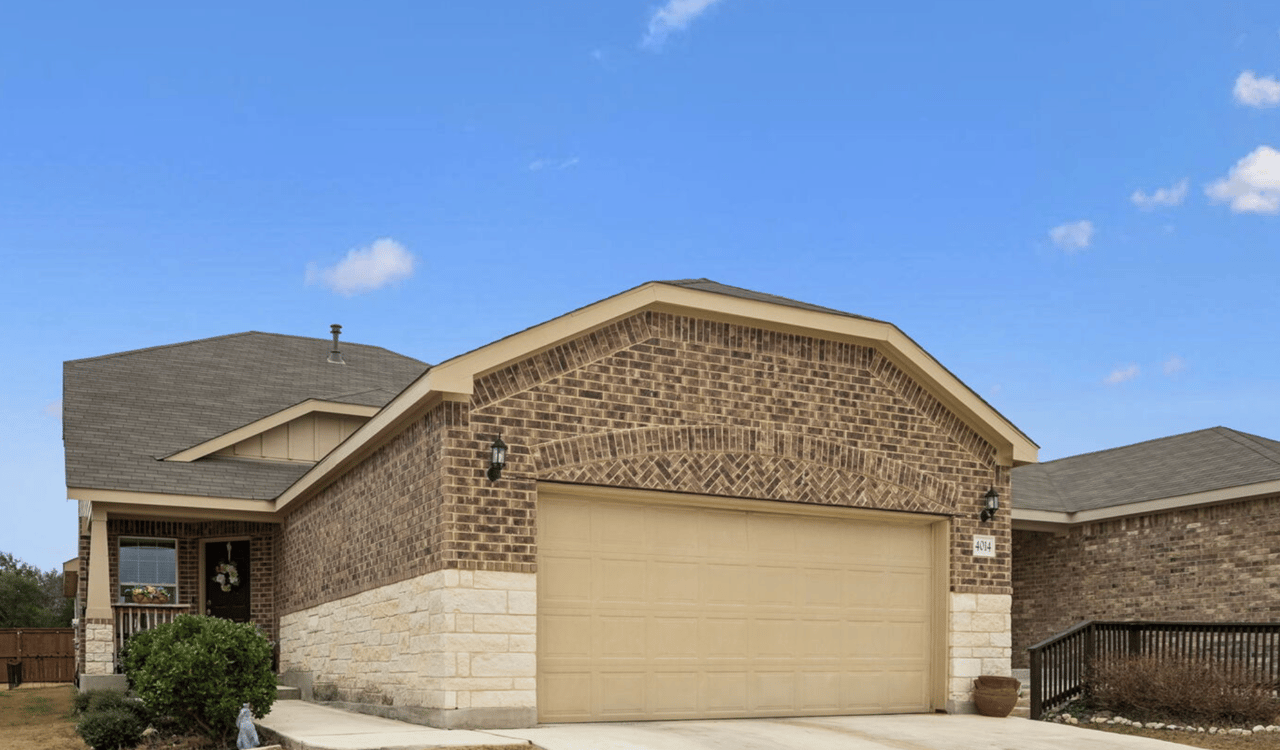
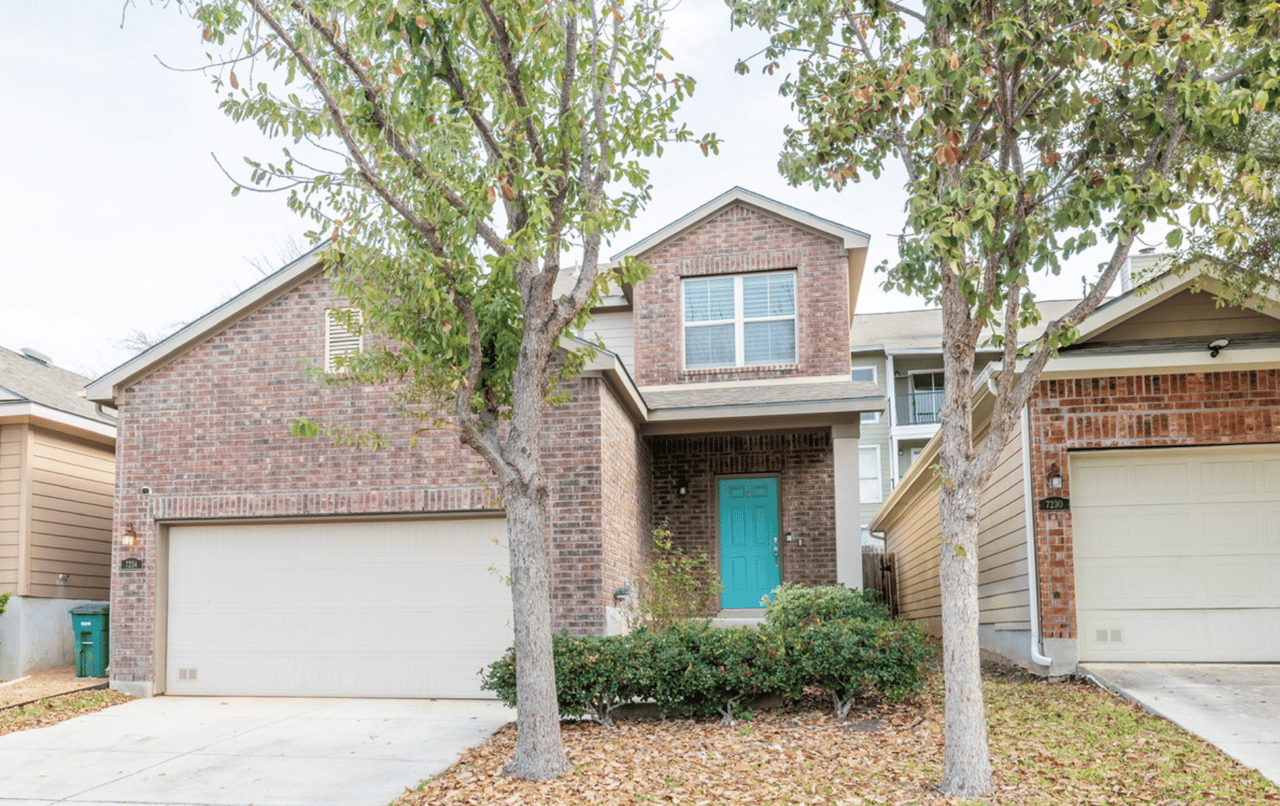
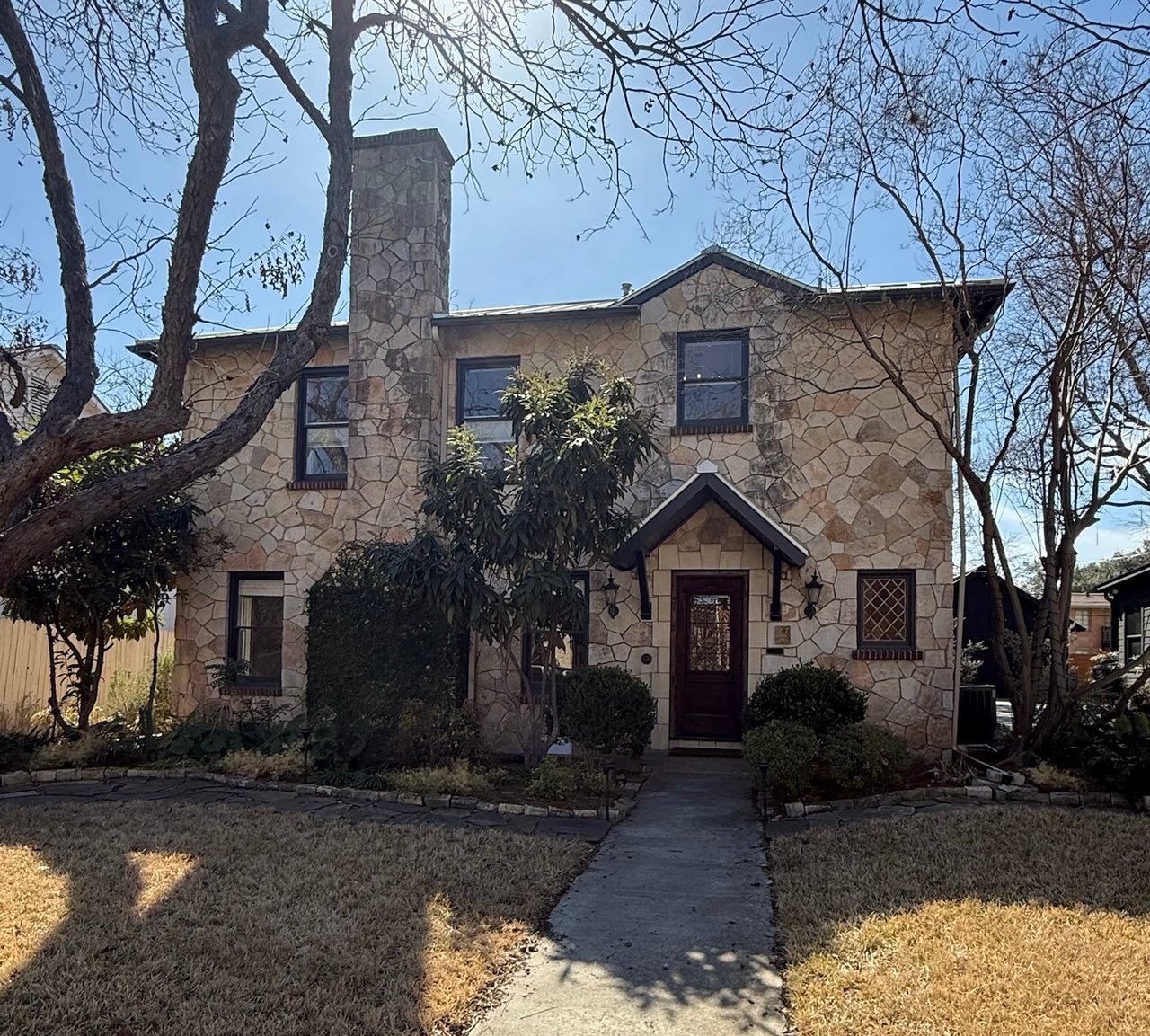
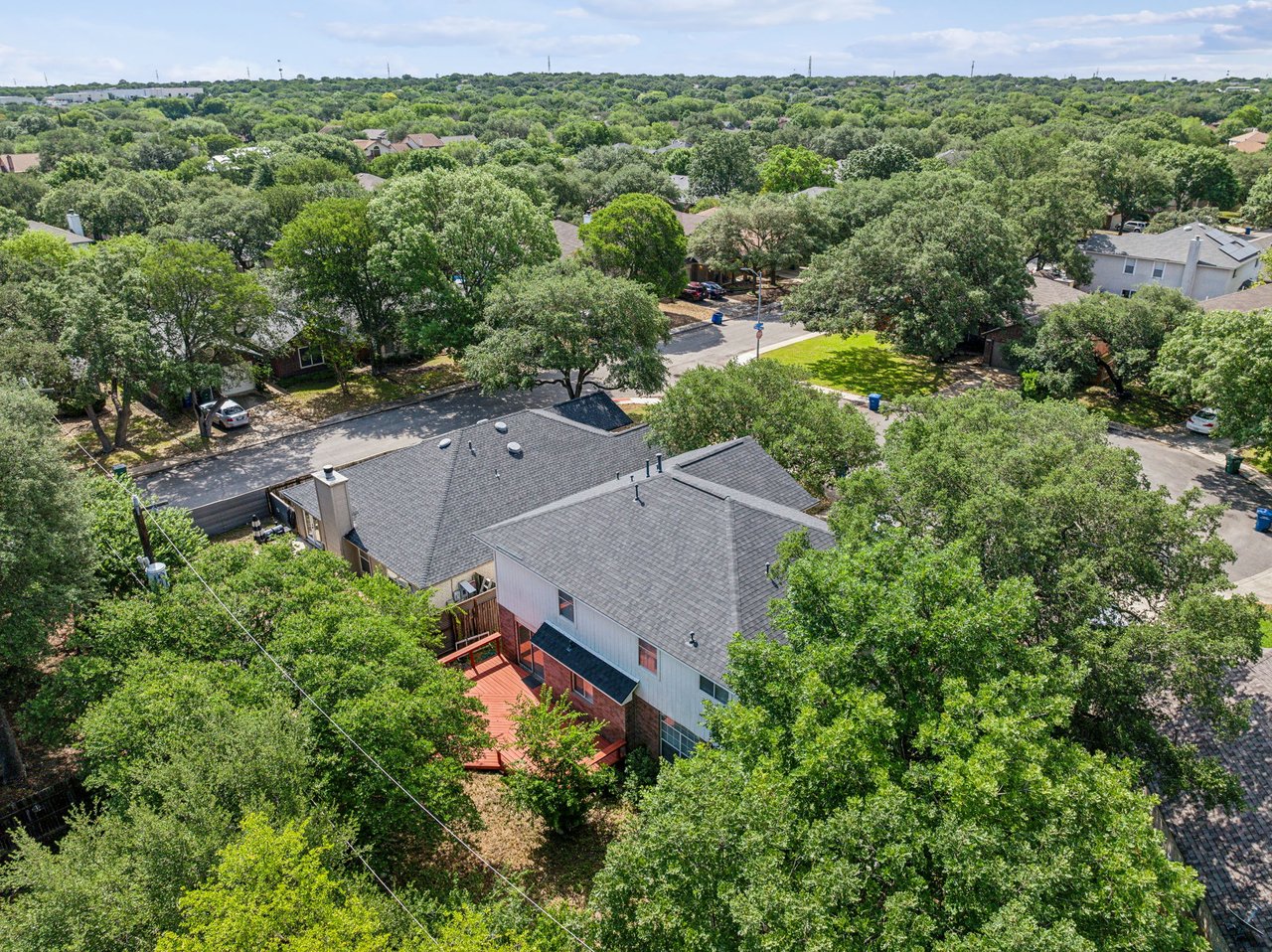
In a buyer's market, making your home stand out is key. Begin with curb appeal, as first impressions are crucial. A well-maintained lawn, fresh paint, and clean landscaping can significantly enhance your home's attractiveness.
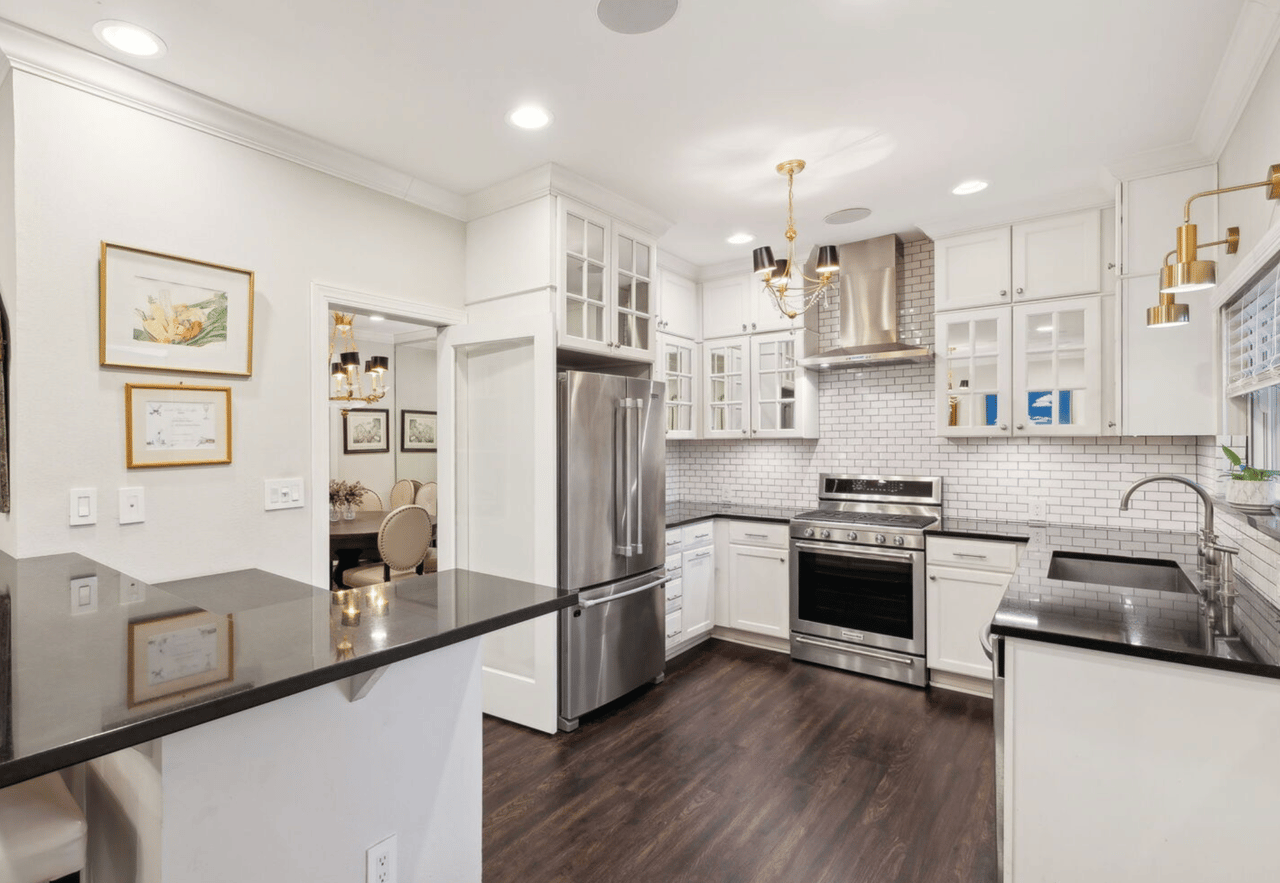
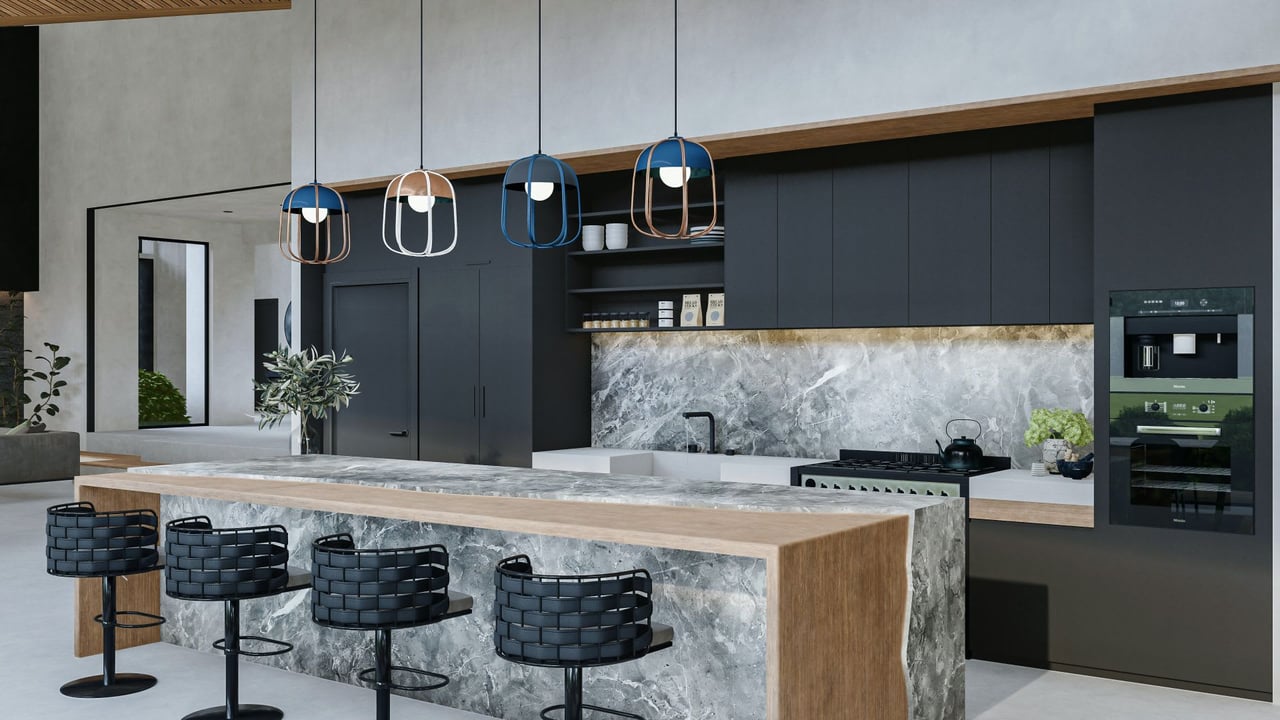
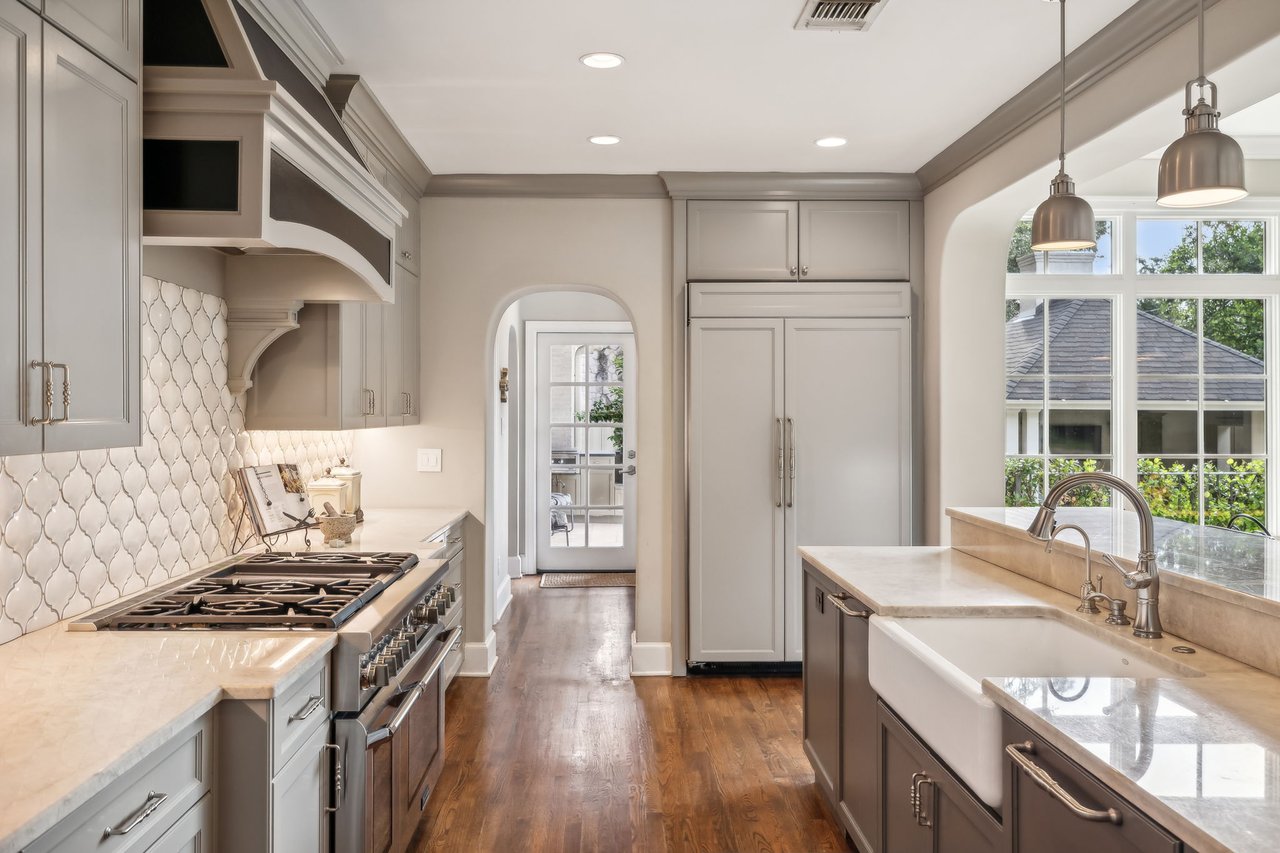
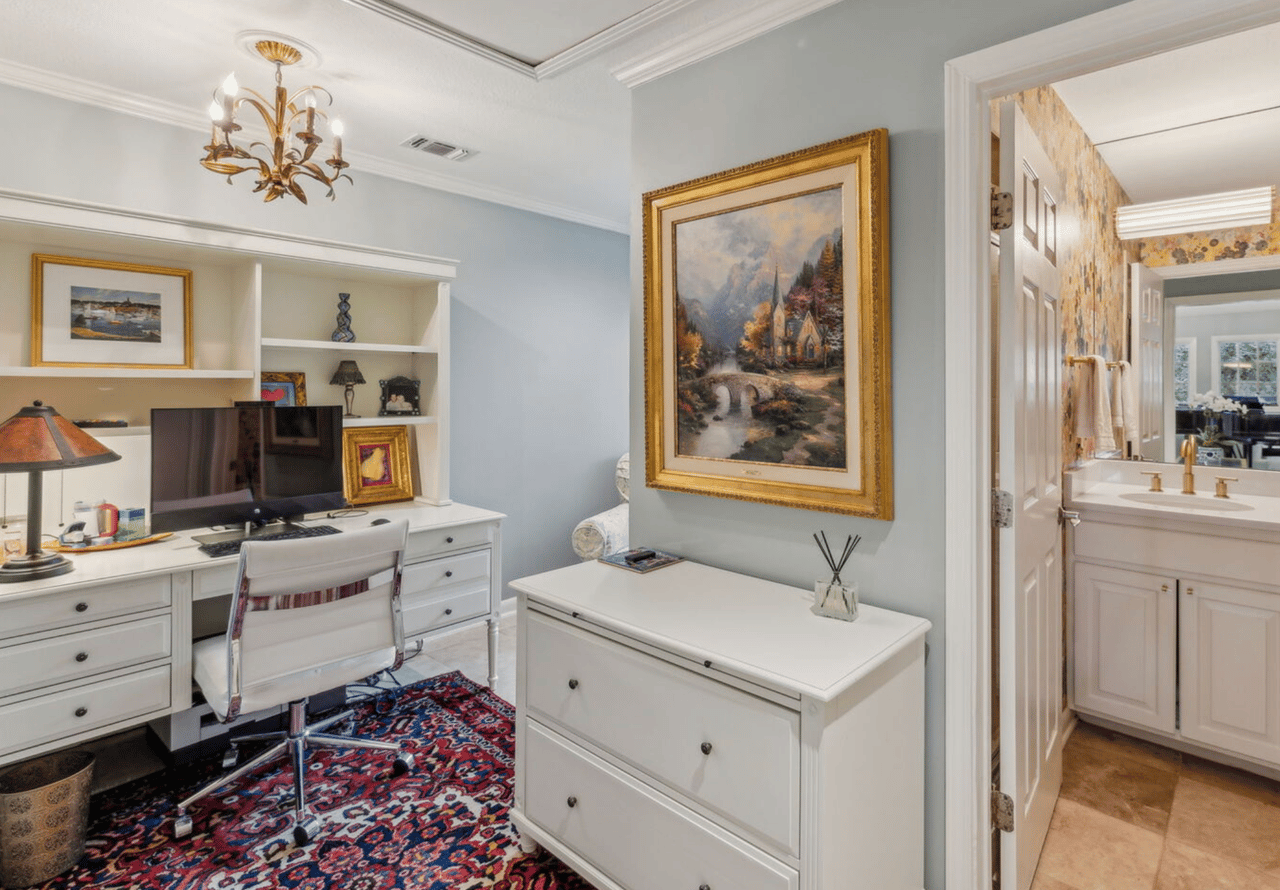
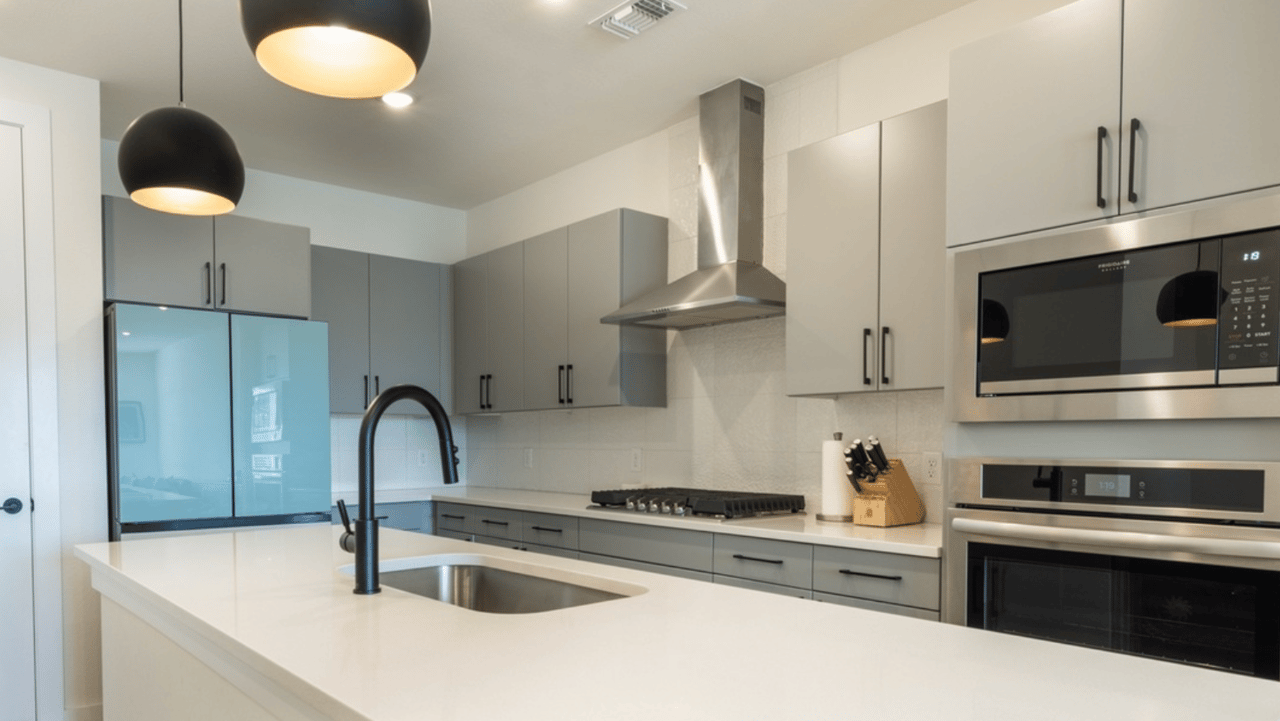
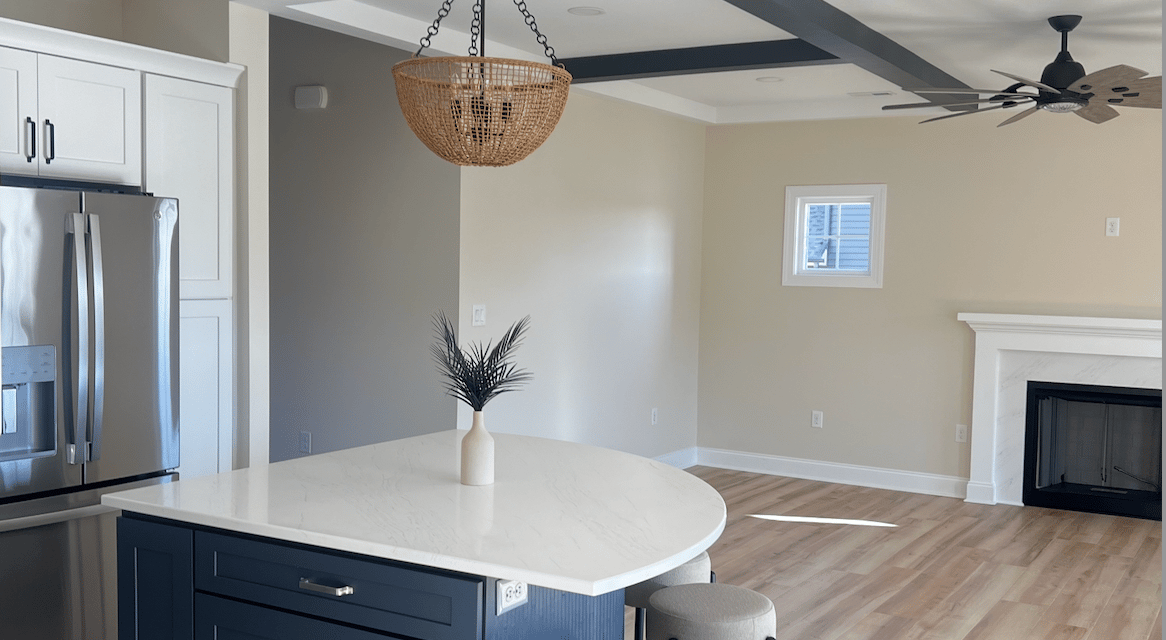
Inside, focus on updates that offer the highest return on investment. Kitchens and bathrooms often provide the best value, so consider modernizing these spaces with new fixtures or appliances. Even small updates, like replacing cabinet hardware or light fixtures, can make a big difference.
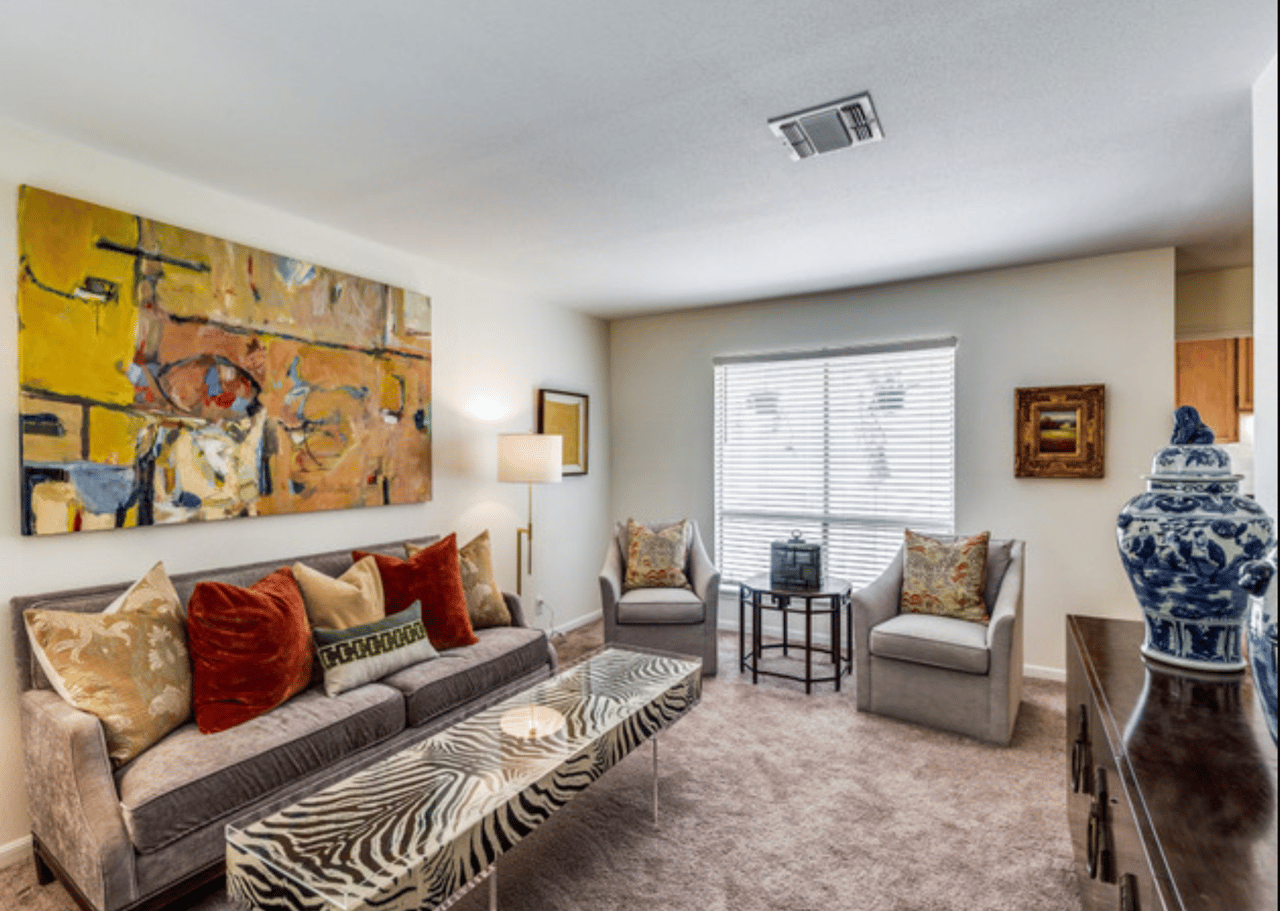
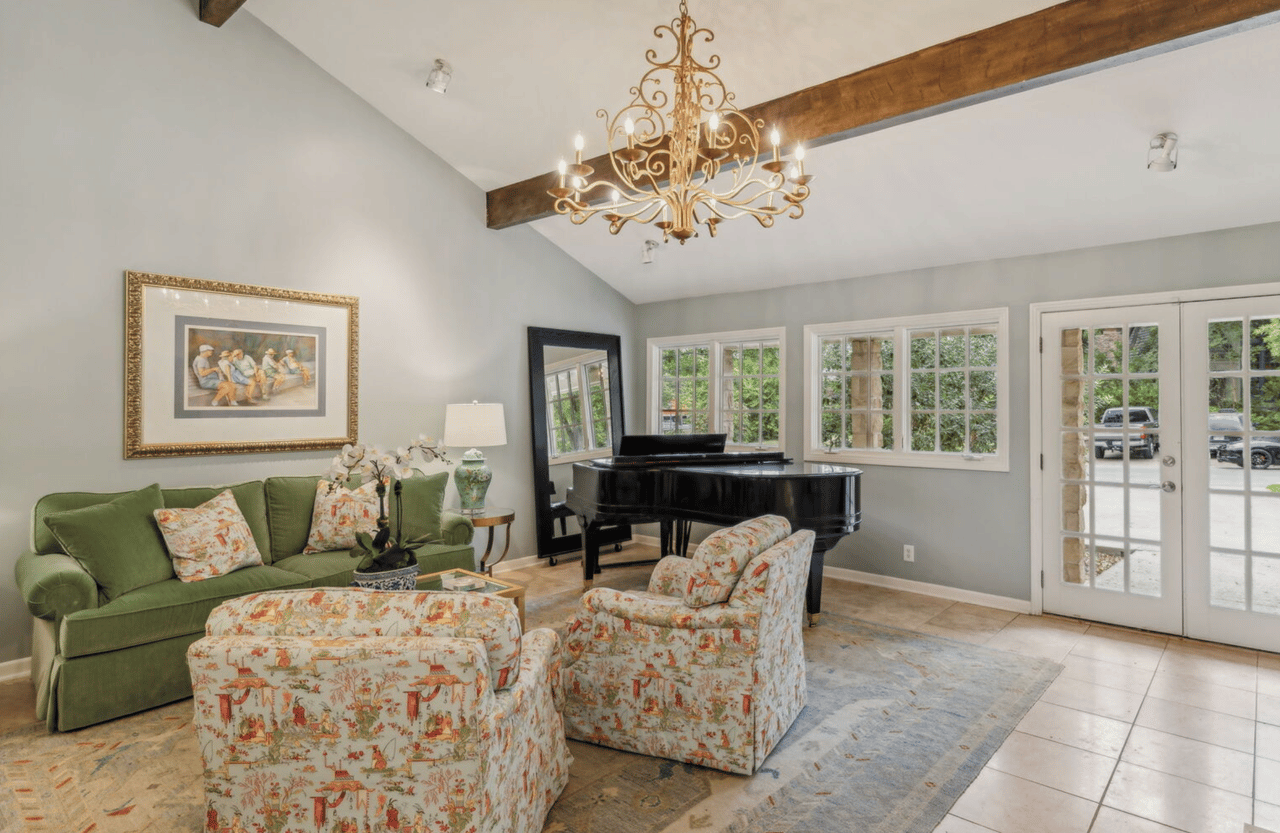
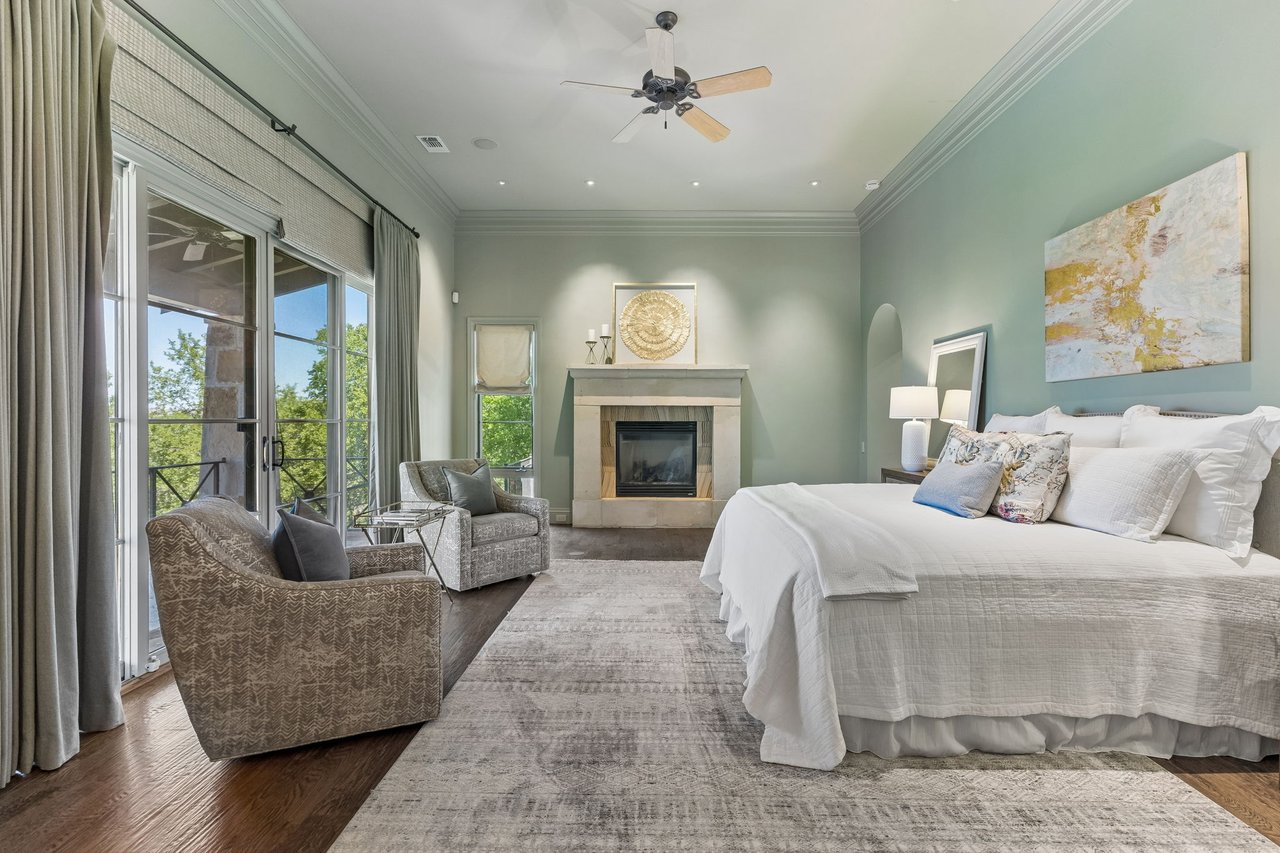
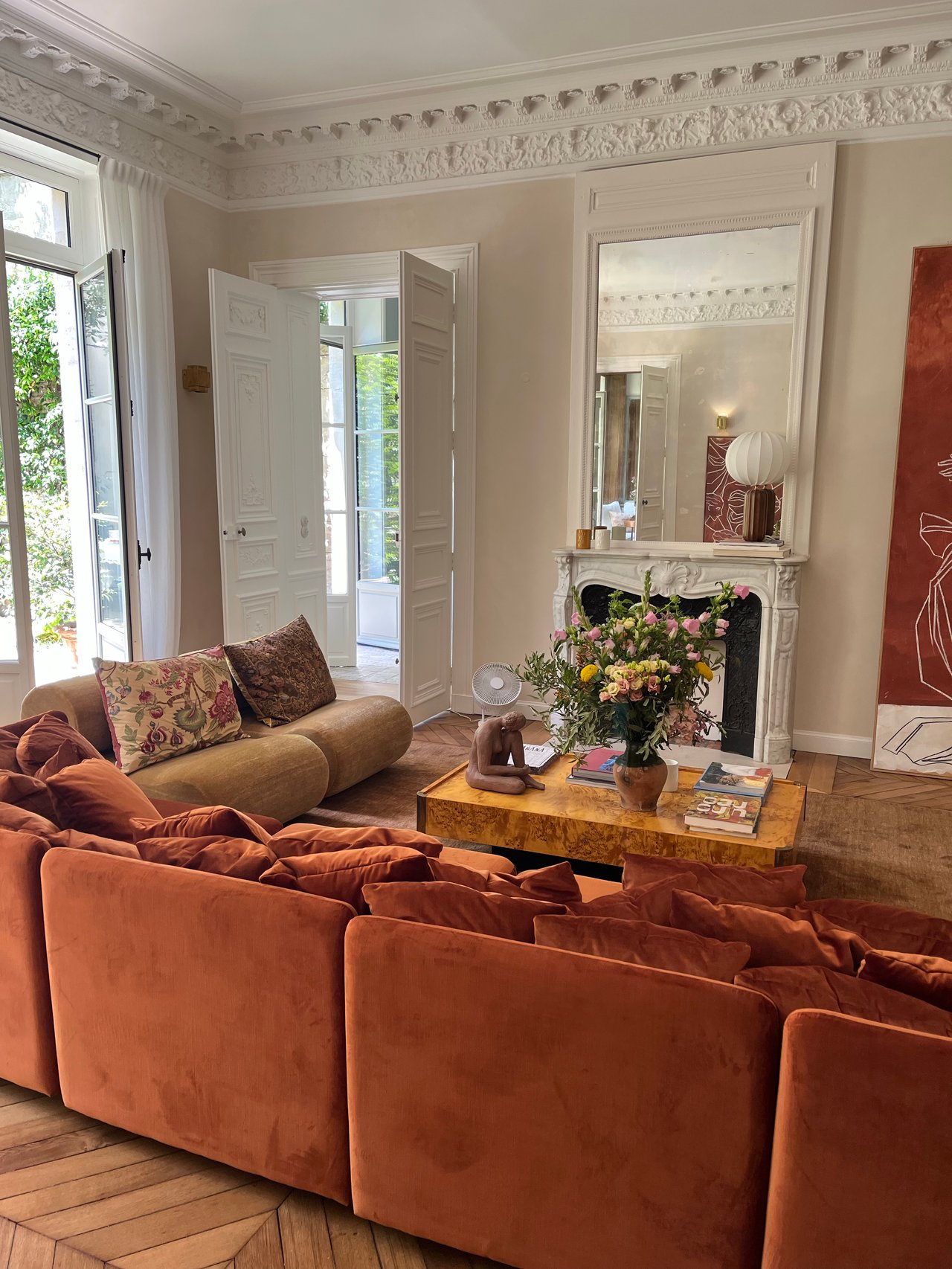
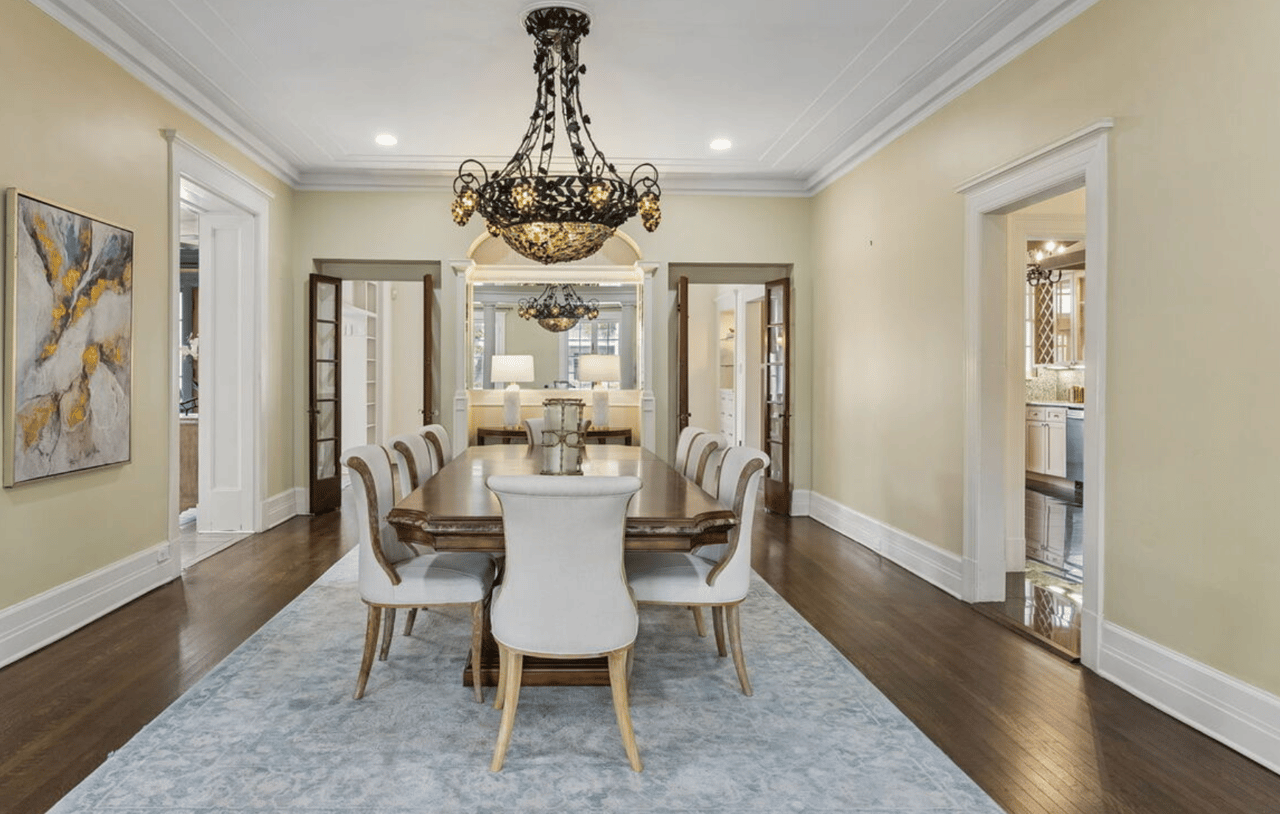
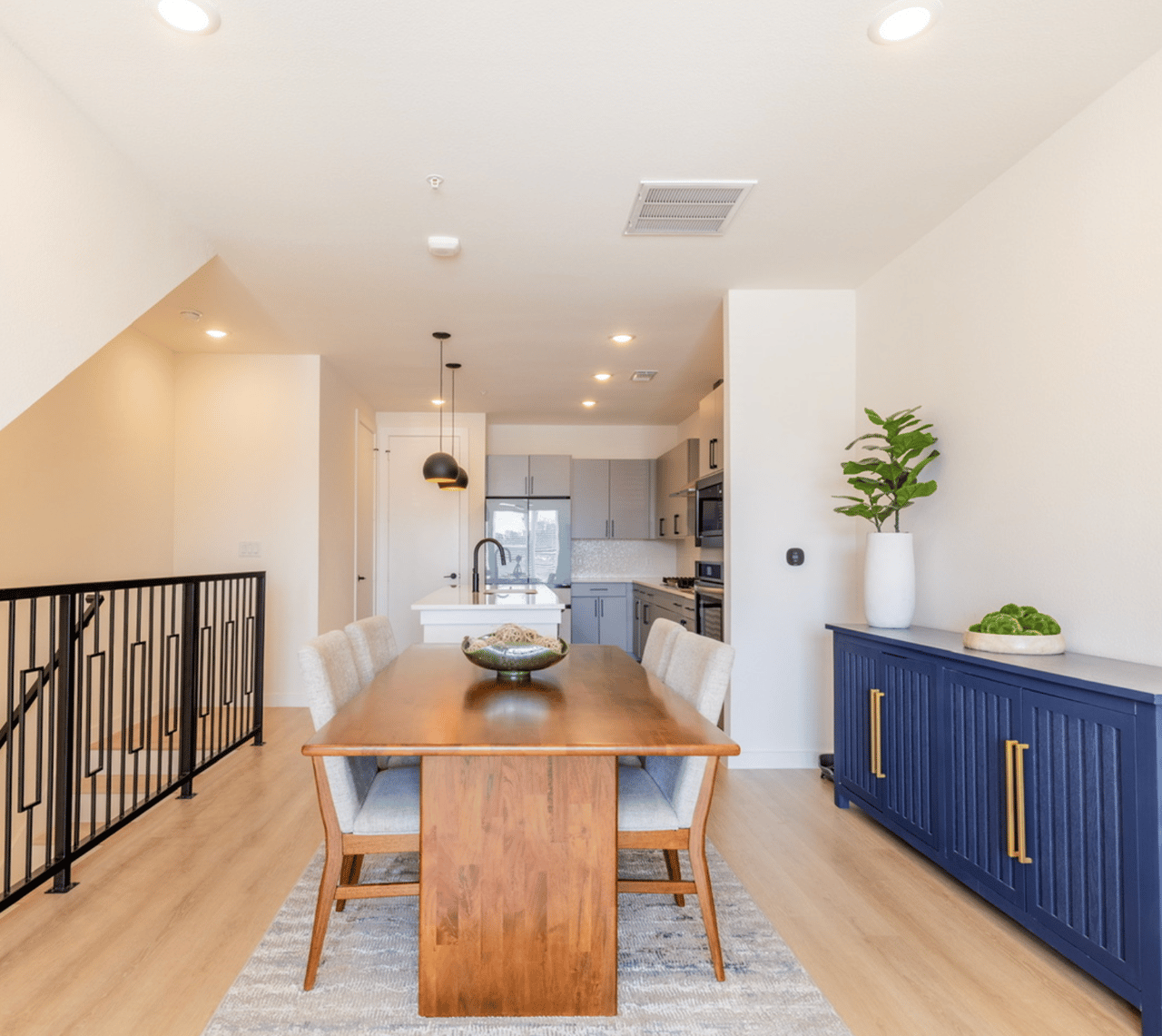
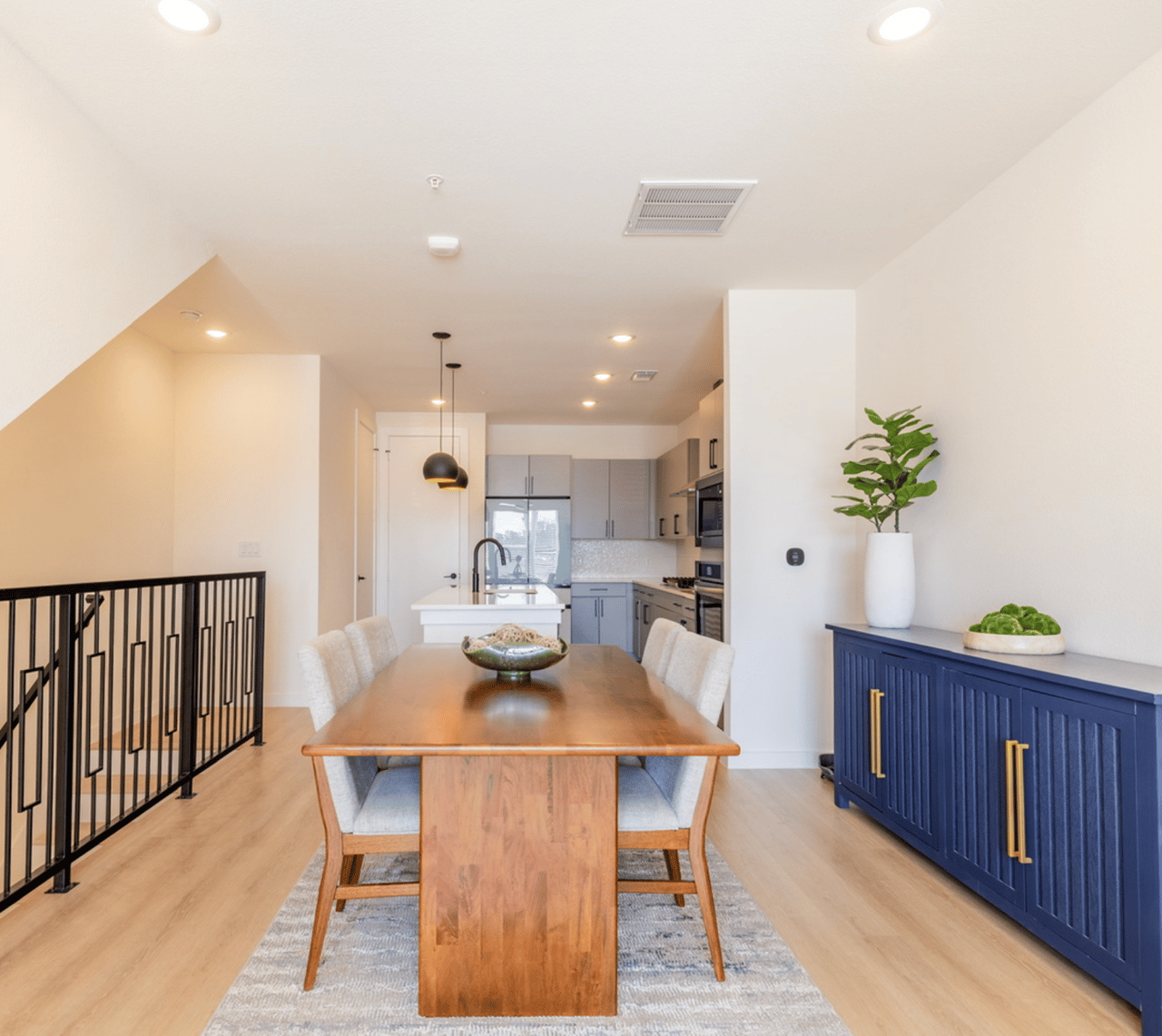
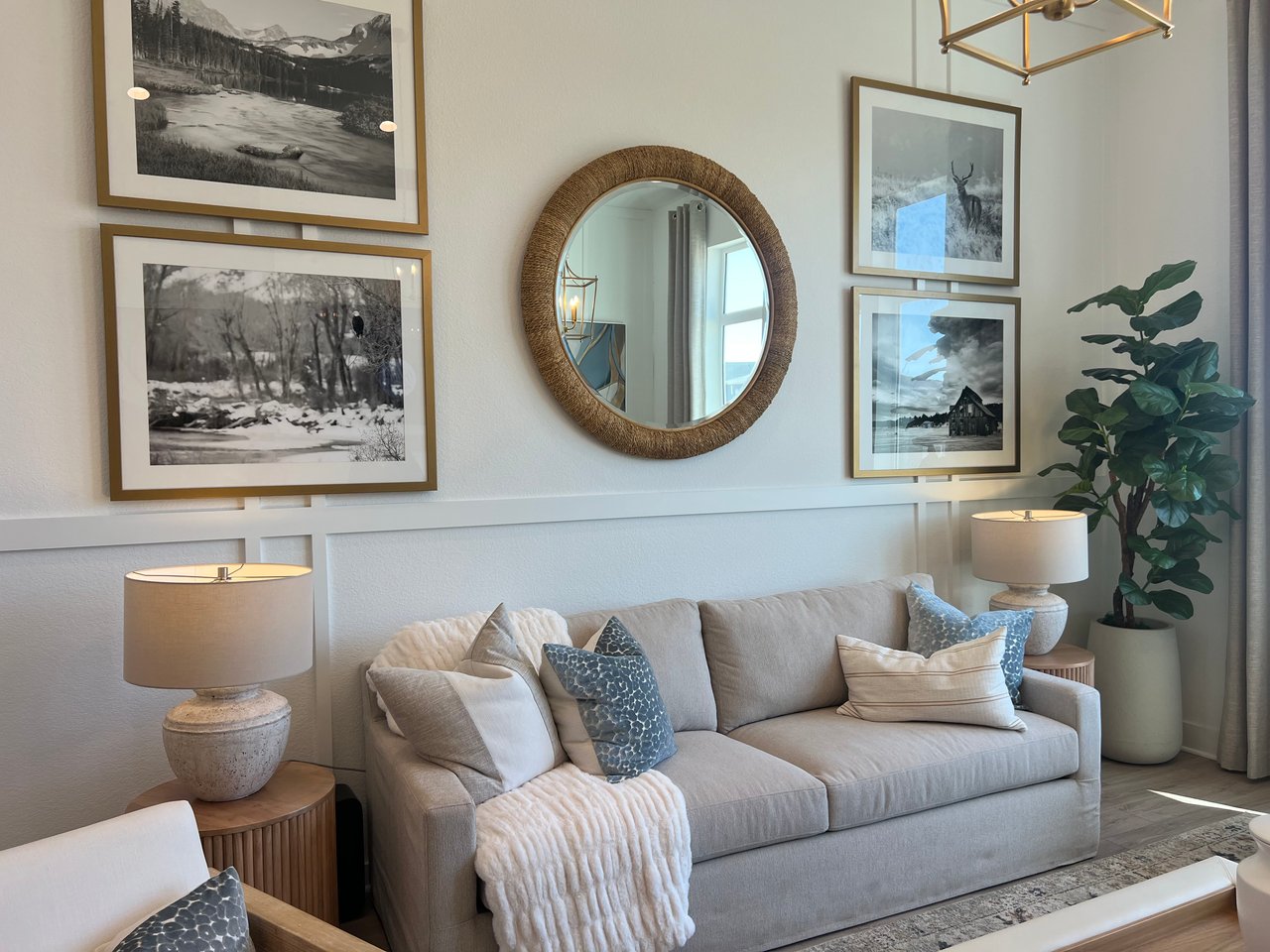
Decluttering and staging your home is also essential. Buyers need to visualize themselves living in the space, so create an environment that is both welcoming and neutral. Professional staging can highlight your home's best features and make it more appealing to potential buyers.
- Update kitchen appliances and countertops
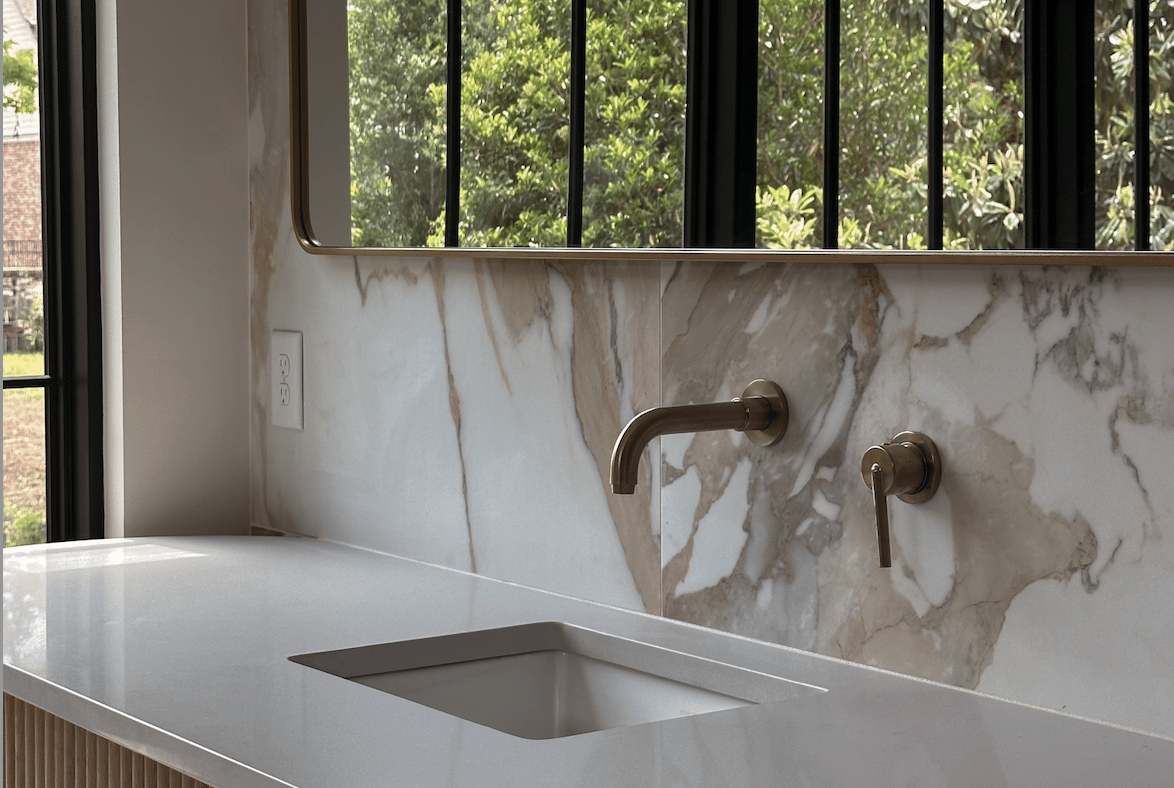
- Modernize bathroom fixtures and tiles
- Apply fresh paint in neutral colors
- Enhance lighting with energy-efficient bulbs
These improvements not only attract more buyers but can also justify a competitive asking price.
Strategically Set Your Asking Price
Setting the right price is a delicate balance. Price too high, and you risk your home sitting on the market; price too low, and you leave money on the table. Collaborate with a knowledgeable real estate agent who understands the intricacies of San Antonio's market to determine the best pricing strategy.
Your agent can perform a comparative market analysis (CMA) to provide insights into pricing strategies. Consider pricing slightly below the market value to generate interest and potentially incite a bidding war. However, ensure this aligns with your financial goals and market conditions.
Be aware of psychological pricing tactics, such as pricing just under a round number (e.g., $399,000 instead of $400,000) to make your home appear more affordable and attract budget-conscious buyers.
Flexibility is also essential. Be prepared to adjust your price based on feedback from showings and market responses. An agile approach can help you stay competitive without sacrificing your bottom line.
Maximize Your Home's Exposure
Once your home is priced, ensuring maximum visibility is key. Utilize a mix of traditional and digital marketing strategies to reach the widest audience possible.
Work with your agent to create professional listings with high-quality photos and detailed descriptions. Highlight unique features and recent upgrades to entice buyers. Additionally, leverage social media platforms and real estate websites to broaden your reach.
Open houses and virtual tours can also enhance exposure. They provide potential buyers with an opportunity to experience your home in person or from the comfort of their own homes, increasing the likelihood of offers.
- Professional photography and video tours
- Social media marketing campaigns
- Open houses and virtual showings
- Engaging property descriptions
These strategies can significantly increase interest in your home, leading to quicker sales and potentially higher offers.
Negotiate Offers Effectively
Receiving an offer is exciting, but effective negotiation is crucial to ensure a favorable outcome. Evaluate each offer carefully, considering not just the price but also the terms and contingencies.
Work closely with your agent to understand the buyer's motivations and leverage this information during negotiations. Whether it's a quick closing date or flexibility on repairs, identifying what the buyer values can help you negotiate more effectively.
Be open to counteroffers and willing to find a middle ground that satisfies both parties. Your agent's expertise can be invaluable in guiding these discussions and ensuring compliance with Fair Housing Act and RESPA regulations.
Remember, the highest offer isn't always the best. Consider the buyer's financial stability and the likelihood of a successful closing when making your decision.
FAQ Section
1 - What is the current average home price in San Antonio's established neighborhoods?
The average home price varies by neighborhood, but as of recent data, homes in areas like Alamo Heights and Olmos Park often range from $400,000 to over $1 million, depending on size and features.
2 - How long should I expect my home to be on the market in San Antonio?
In a buyer's market, homes may stay on the market longer, typically 60 to 90 days. However, a well-priced and marketed home can sell more quickly.
3 - Is it worth investing in home staging?
Yes, staging can significantly impact buyer perception and often leads to quicker sales and higher offers. It helps buyers envision living in your home, increasing its appeal.
Pricing your home competitively in San Antonio’s buyer's market requires a strategic approach and a deep understanding of local dynamics.
By researching market trends, enhancing your home's appeal, and working with a skilled real estate agent, you can position your property to attract serious buyers. As you navigate this process, remember that flexibility and responsiveness to market feedback are your allies in achieving a successful sale. Whether you're selling a charming bungalow in Monte Vista or a modern home in Northwood, these strategies will help you make informed decisions that align with your long-term goals.
Caroline Decherd & Susanne Marco | Top San Antonio Realtors