Beyond Price: Smart Negotiation Strategies in Residential Real Estate
In residential real estate, negotiation is often misunderstood. Many buyers and sellers focus solely on price — celebrating a small reduction or holding firm on a number — while overlooking terms that can have just as much financial impact.
According to established real estate negotiation research, the strongest outcomes come from evaluating the entire deal, not just the purchase price. Credits, timelines, repairs, and included items can add real value when handled strategically. This is where experience matters.
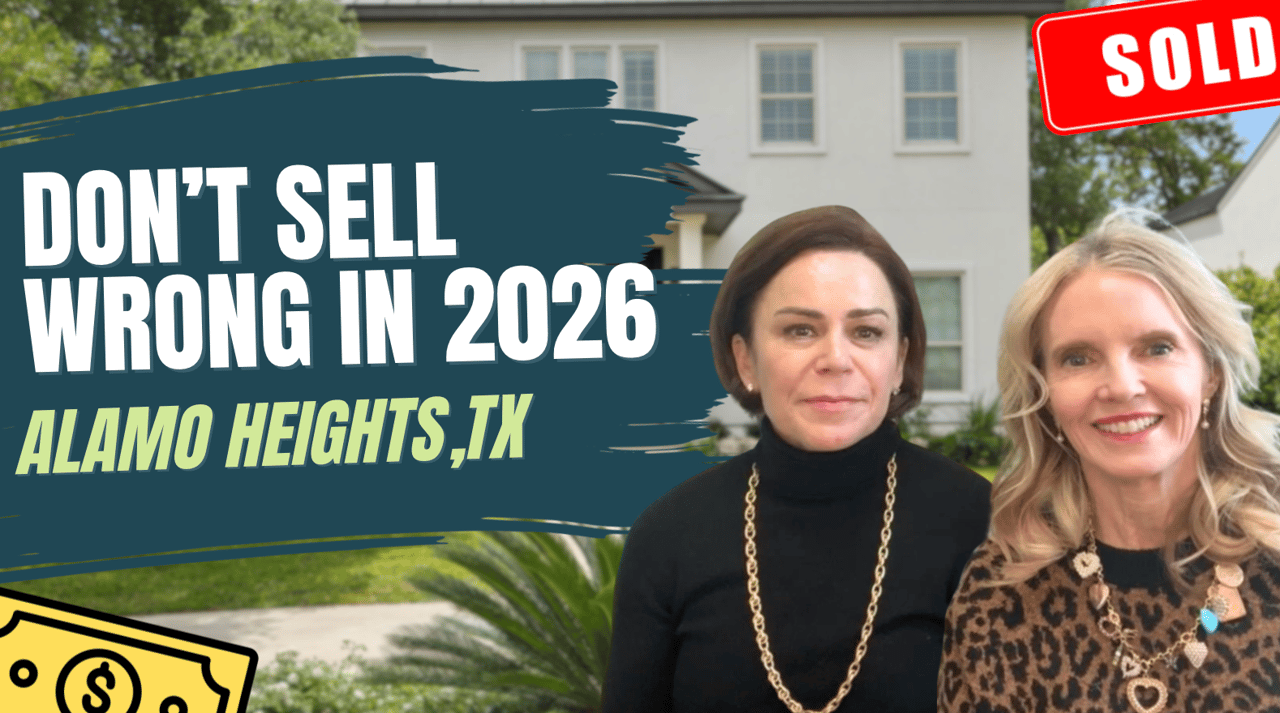
At Park Properties Group, Caroline Decherd and Susanne Marco guide clients through negotiations with a focus on leverage, clarity, and long-term value — not just headline numbers.
Negotiation Is the Entire Package, Not Just the Price
A real estate deal is a combination of components: purchase price, contingencies, inspection outcomes, closing timelines, repairs, and included items. Industry research consistently shows that improving terms — rather than pushing only for a lower price — often produces a better overall result for both buyers and sellers.
Successful negotiation starts by identifying priorities. Buyers and sellers who understand their must-haves versus nice-to-haves are better positioned to make smart trade-offs during negotiations.
Key Non-Price Negotiation Levers That Add Value
1. Timelines and Closing Flexibility
Adjusting the closing date or possession timeline can be a powerful tool. Flexibility may allow a buyer’s offer to stand out in a competitive situation or help a seller coordinate a purchase, relocation, or school schedule — without changing the price.
2. Inspection Credits and Repairs
Inspection negotiations don’t have to mean asking for every repair. Many buyers opt for credits at closing, which allow them to choose contractors and finishes later. Sellers often prefer this approach as well, since it can be simpler and faster than coordinating repairs.
3. Seller-Paid Costs and Upgrades
Seller concessions — such as paying a portion of closing costs, covering prepaid expenses, or contributing toward an interest-rate buydown — can significantly reduce a buyer’s upfront costs. In some cases, targeted upgrades or warranties provide value without reducing the contract price.
4. Furnishings and Included Items
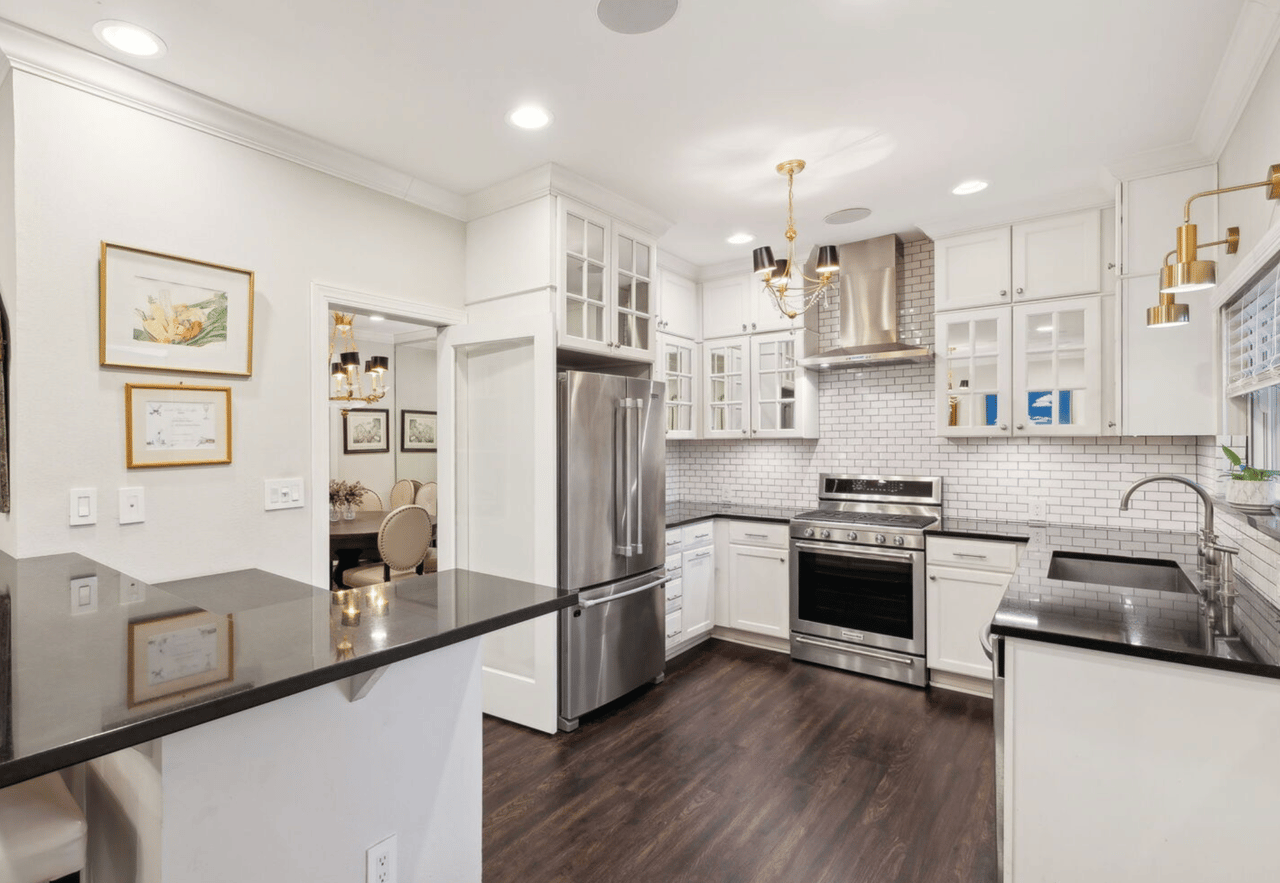
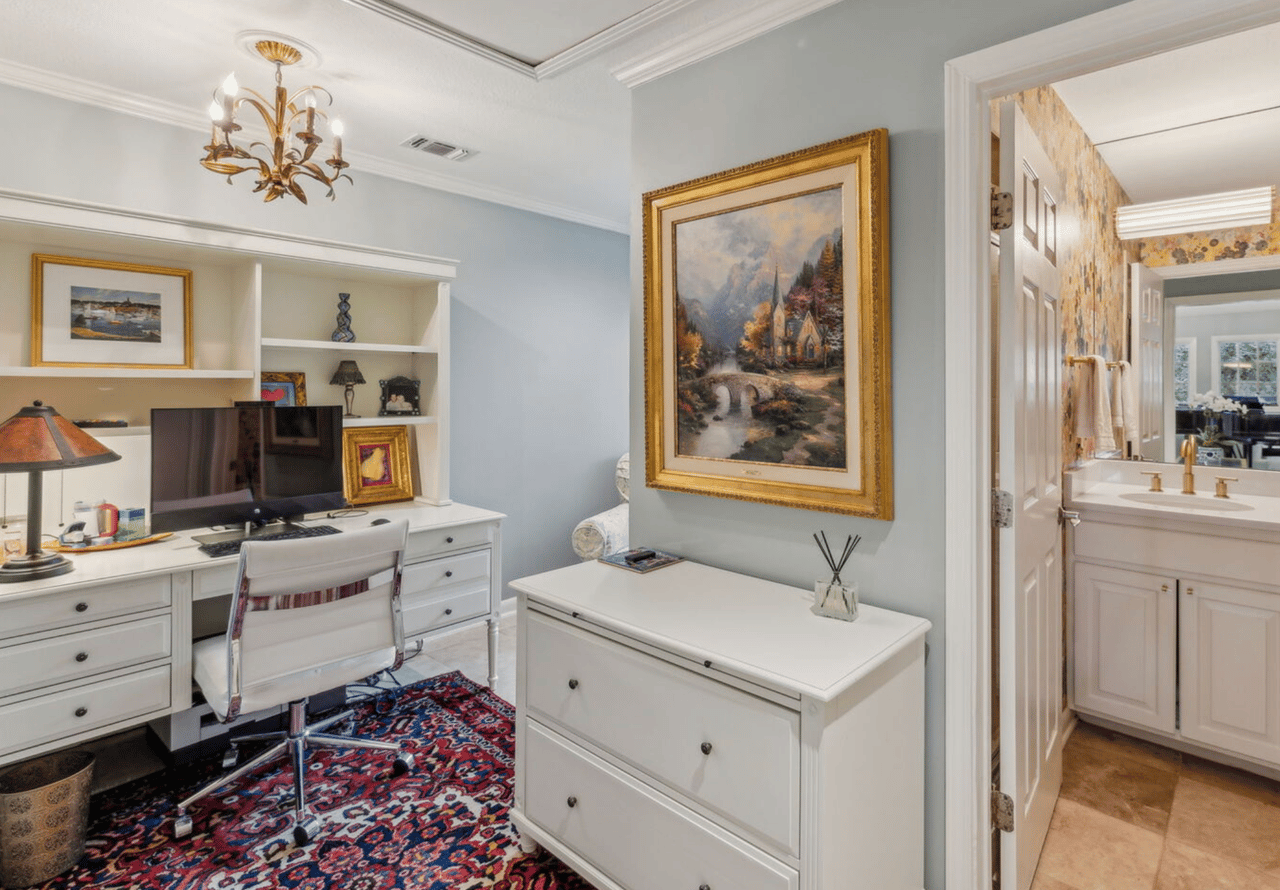
High-value items like appliances, custom window treatments, or built-ins can meaningfully affect a buyer’s post-closing expenses. Including these items can help bridge gaps in negotiation while preserving the seller’s pricing strategy.
Strategy Matters: What to Ask for — and When
Effective negotiation follows a sequence. Price and major terms are typically addressed in the initial offer, while inspection and appraisal provide structured opportunities to refine the agreement.
Rather than asking for everything at once, experienced agents prioritize the most valuable items and frame requests as trades — giving something to get something — instead of one-sided demands.
Negotiation Isn’t Pushy — It’s Professional
Negotiation works best as problem-solving, not confrontation. Clear communication, respect for the other party’s priorities, and skilled representation help keep emotions out of the process and protect both sides from unnecessary risk.
This is where seasoned agents make a measurable difference.
How Experience Protects More Than the Price
Caroline Decherd and Susanne Marco approach negotiation with a holistic lens — identifying leverage points such as days on market, seller motivation, and competing offers. Their role is to track not just the final price, but the full collection of credits, repairs, timing advantages, and included items that can add up to significant value.
Because in real estate, every dollar counts — and smart negotiation is knowing exactly what to ask for, when to ask, and what to trade.
Thinking about buying or selling?
Connect with Park Properties Group to work with advisors who negotiate beyond the price — and protect the full value of your transaction.