Should You Sell Your San Antonio Home in 2026? Timing, Pricing Strategy, and Market Conditions for Established Neighborhoods
Is 2026 the right year to sell your home in San Antonio’s established neighborhoods?
In 2026, homeowners should evaluate San Antonio’s housing market trends, neighborhood dynamics, and broader economic conditions to determine whether selling is the right strategic move.
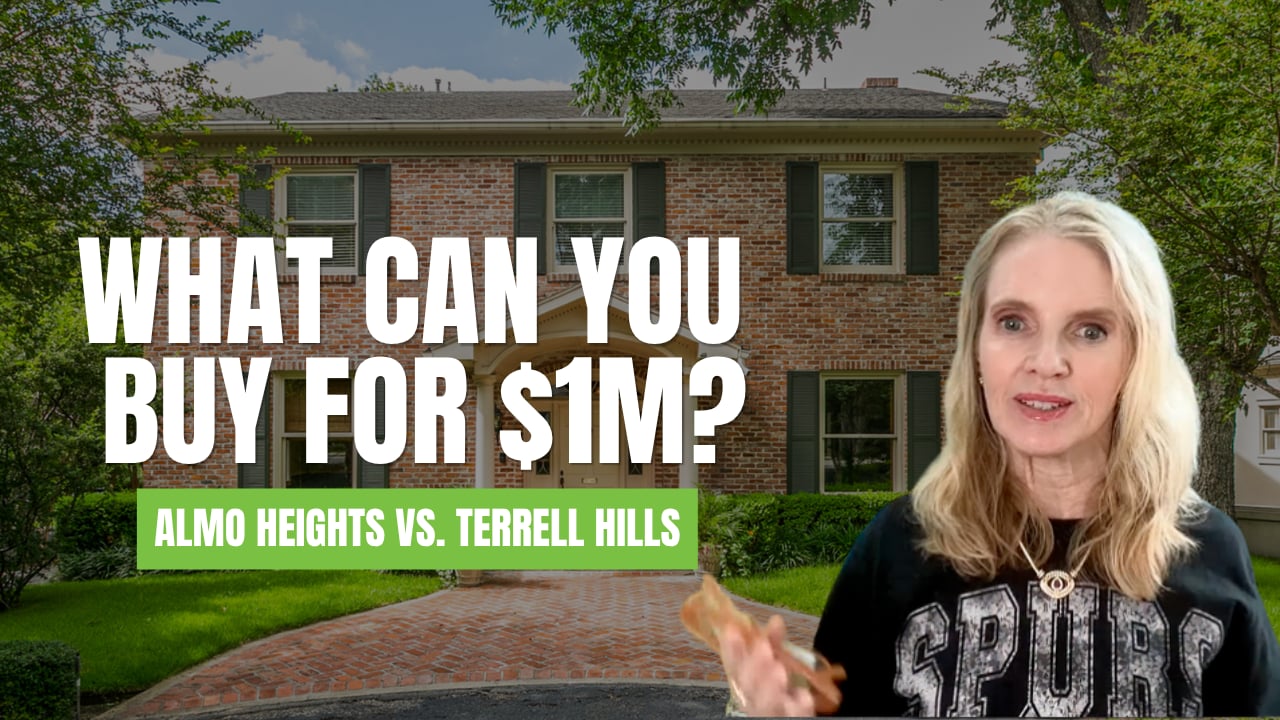
If you own a home in one of San Antonio’s established neighborhoods — such as Alamo Heights, Monte Vista, Olmos Park, or Northwood — you’re positioned within some of the city’s most desirable residential markets. But deciding whether 2026 is the ideal time to sell requires understanding local market conditions, buyer demand, timing, and pricing strategy.
This guide explores the key factors shaping San Antonio’s housing market in 2026 and offers practical insights to help you maximize value and make informed decisions.
Understanding the 2026 Housing Market in San Antonio
The San Antonio real estate market in 2026 is expected to experience a balance of stability and continued growth, influenced by economic conditions, migration trends, and buyer demand across established neighborhoods.
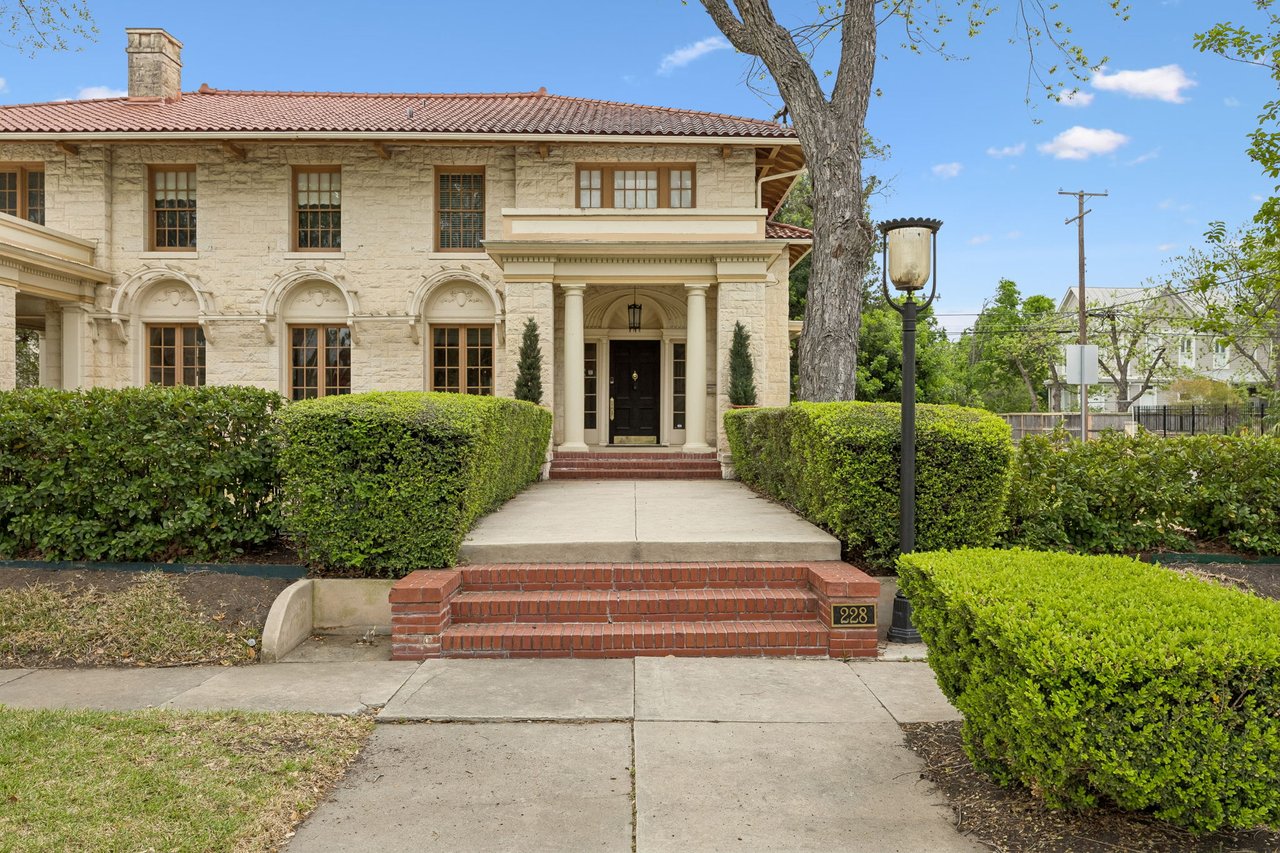
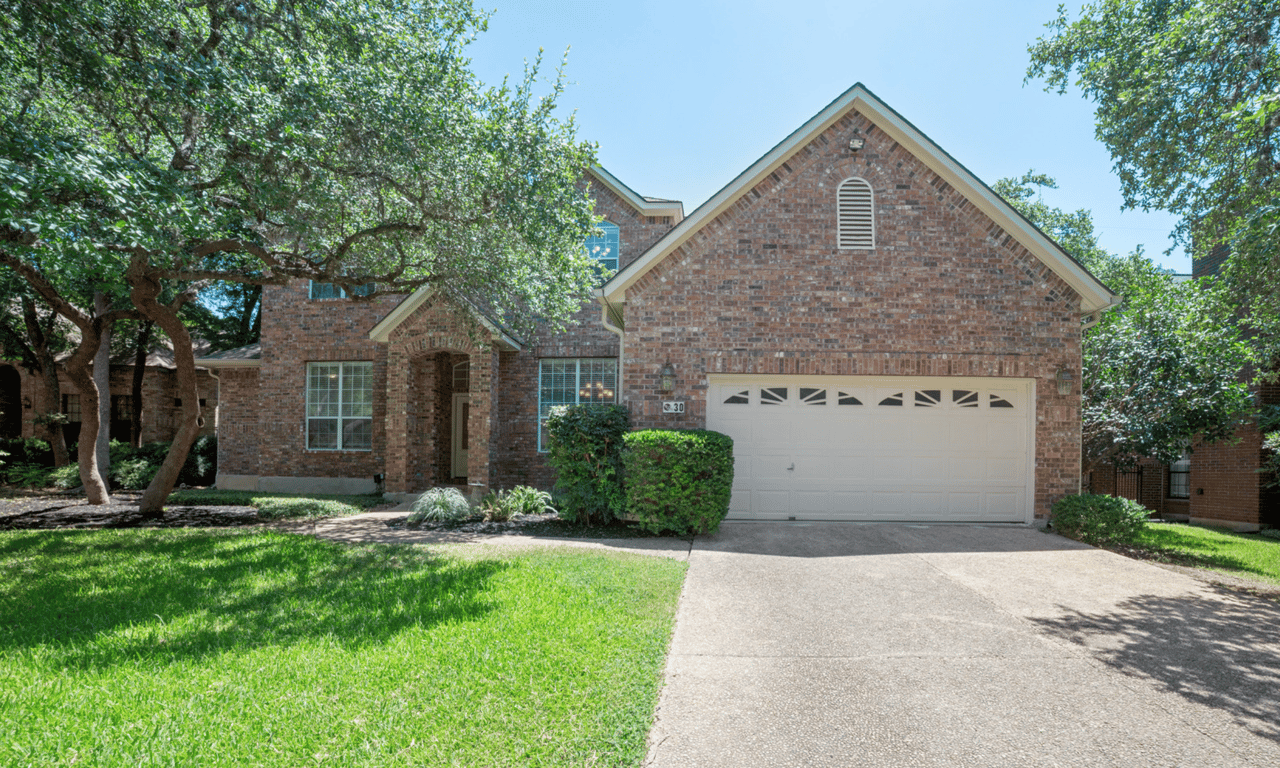
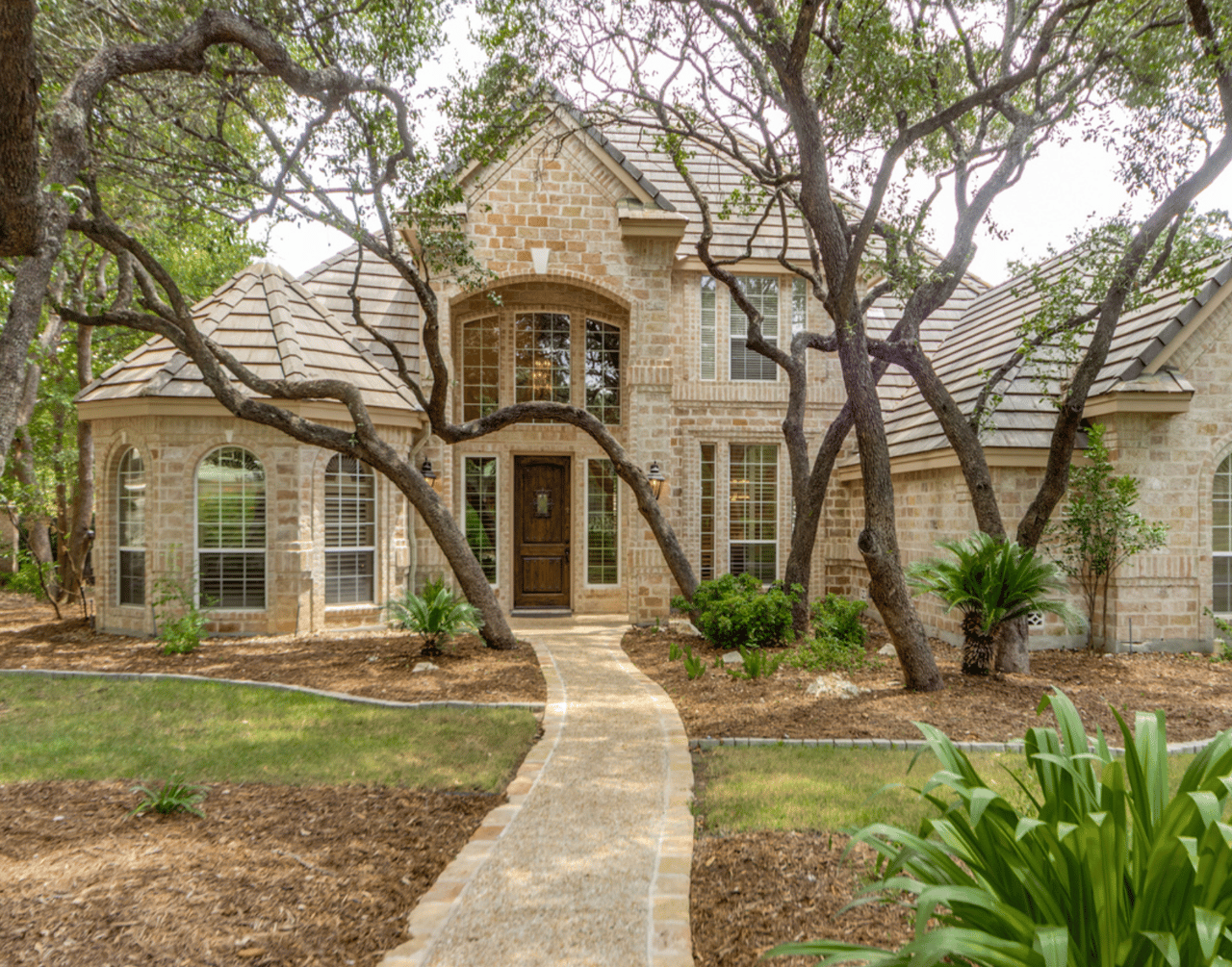
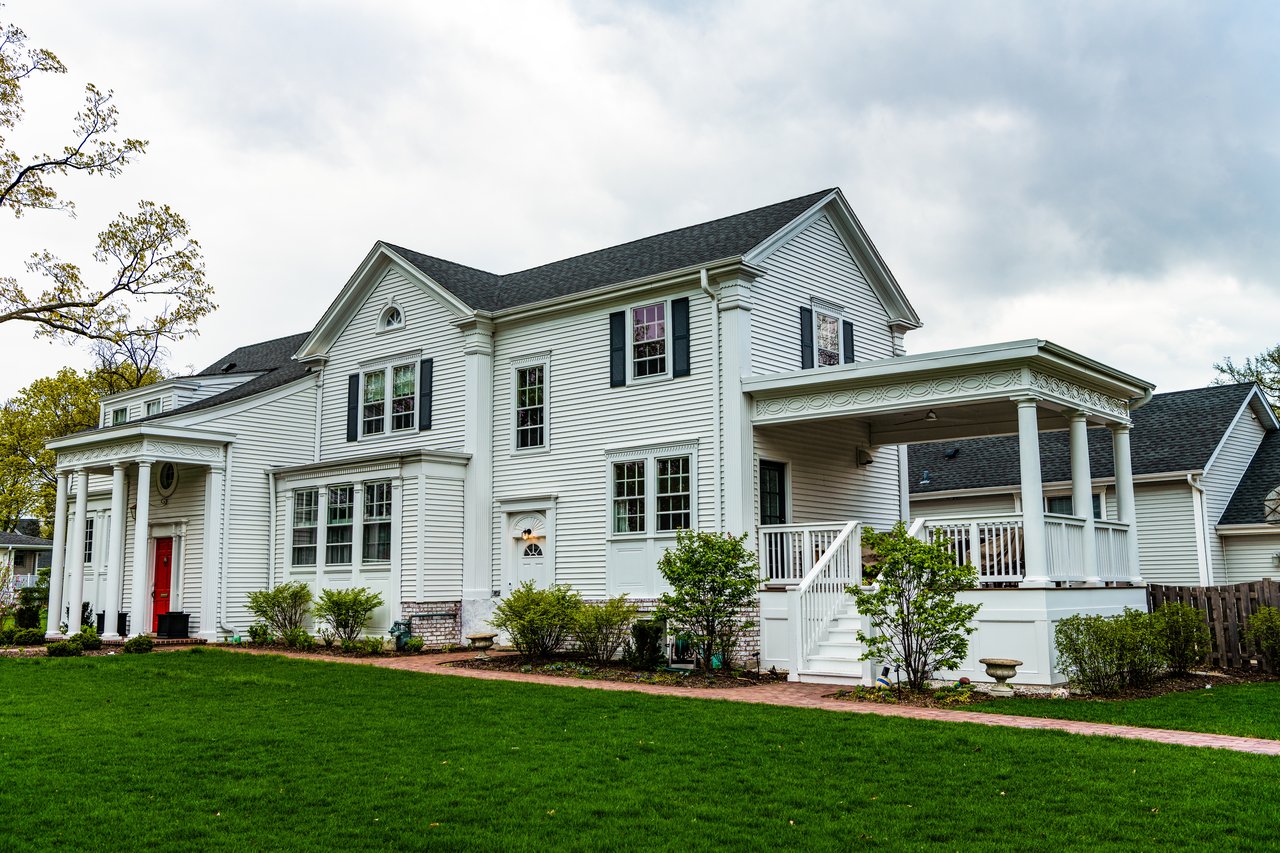
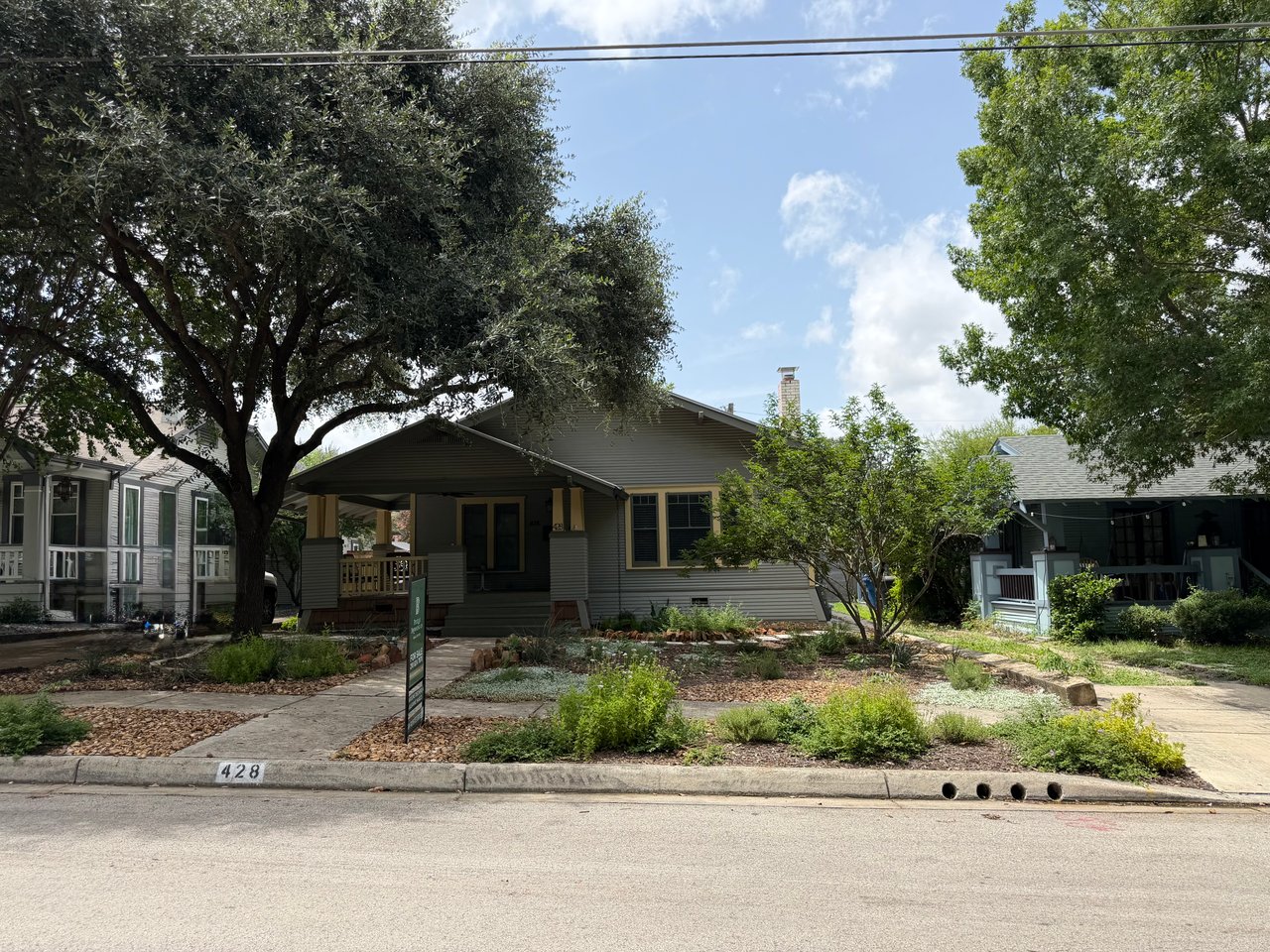
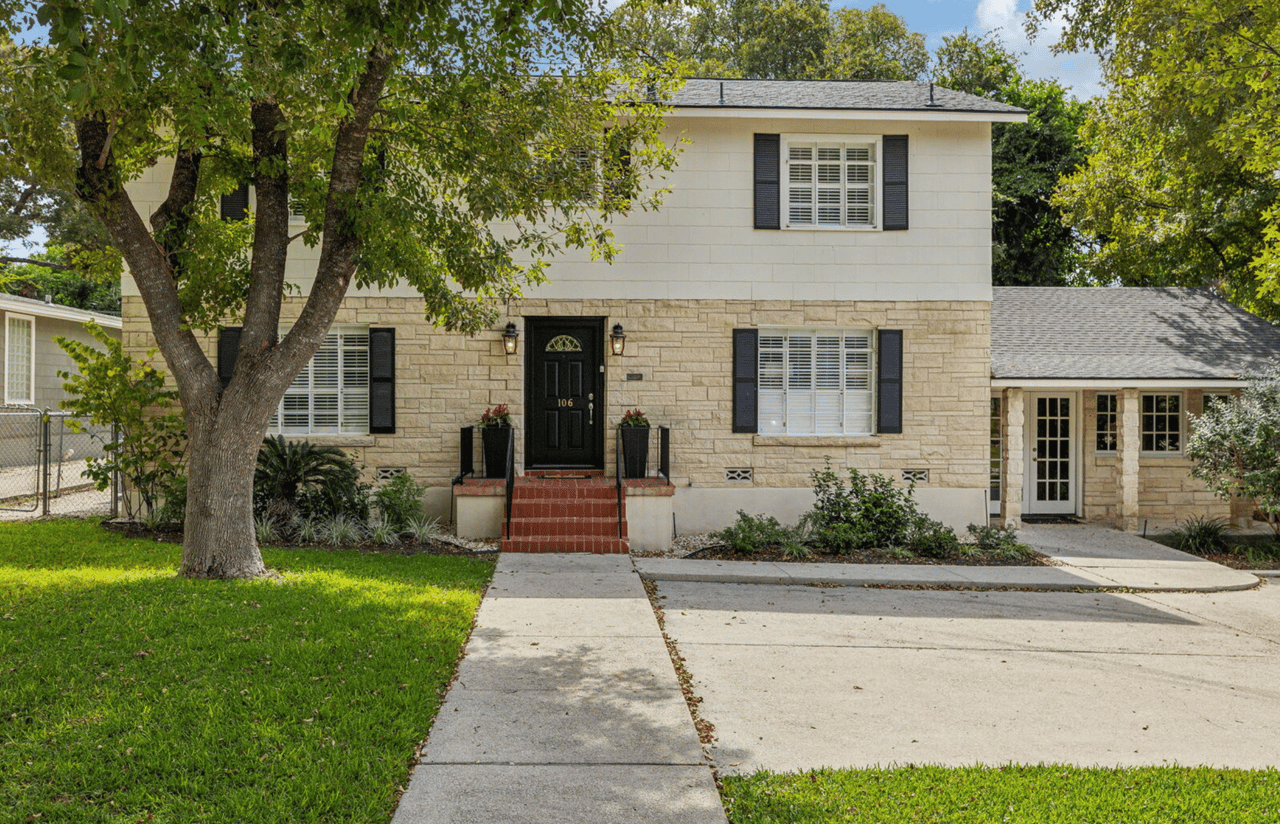
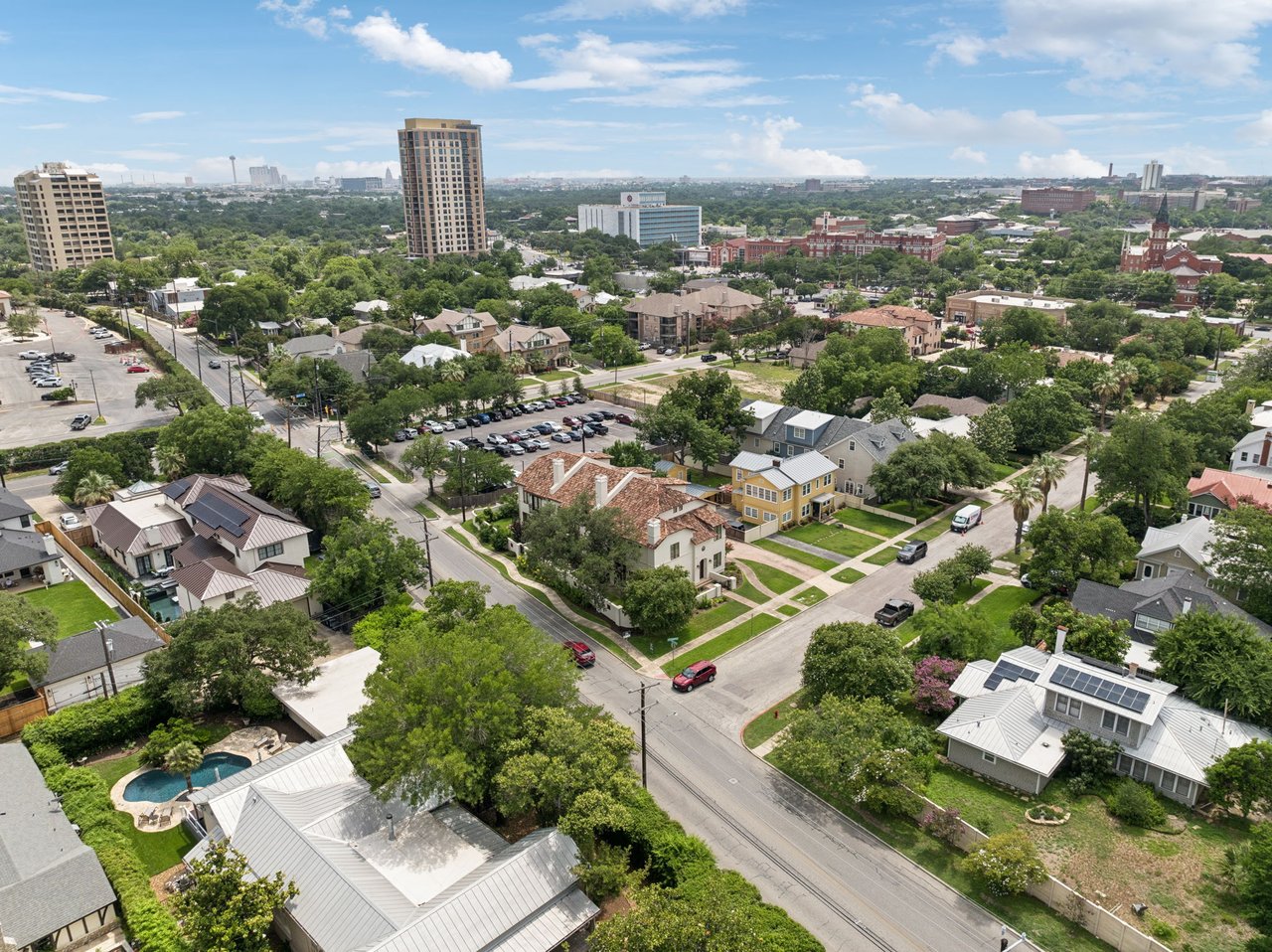
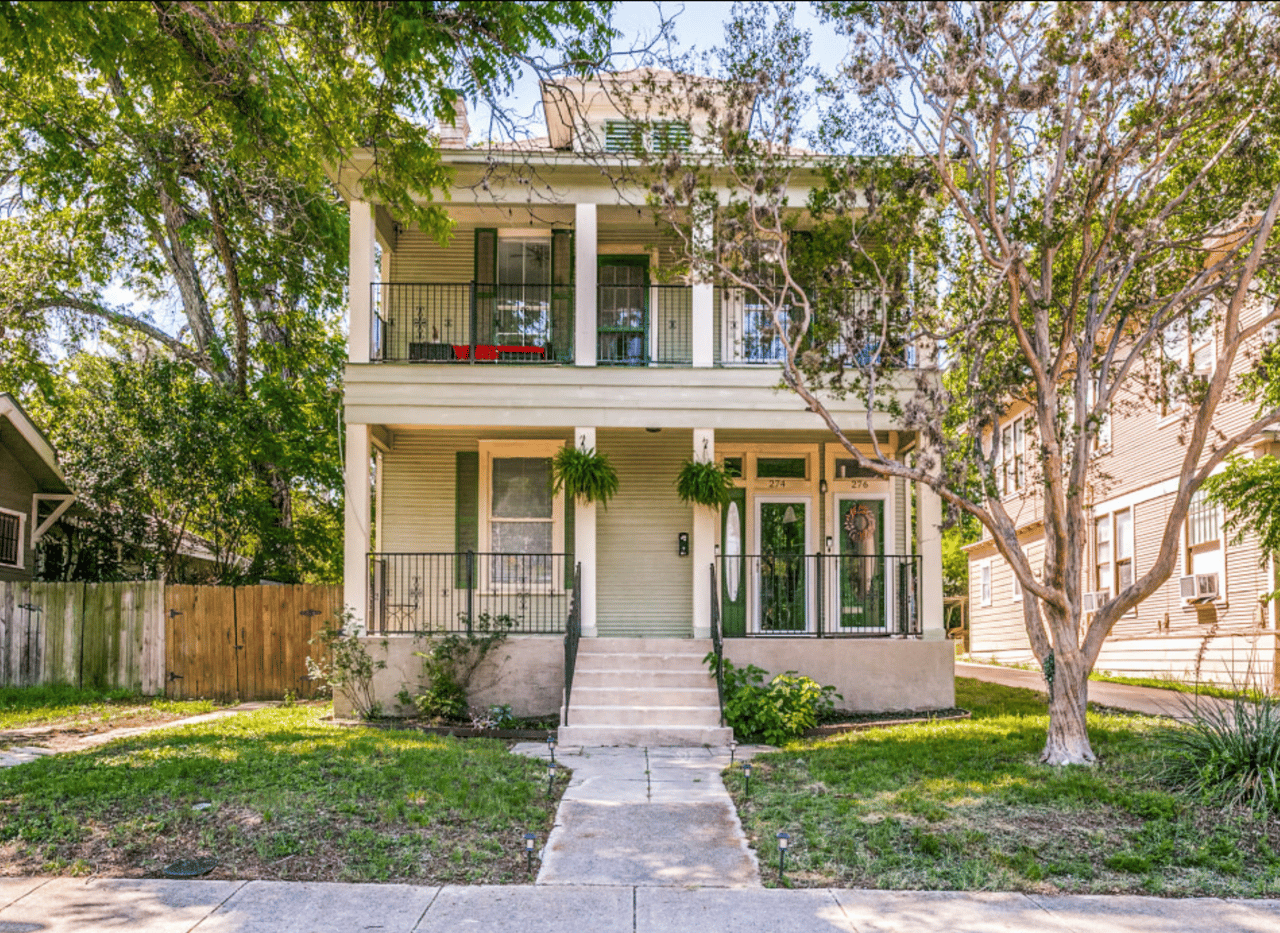
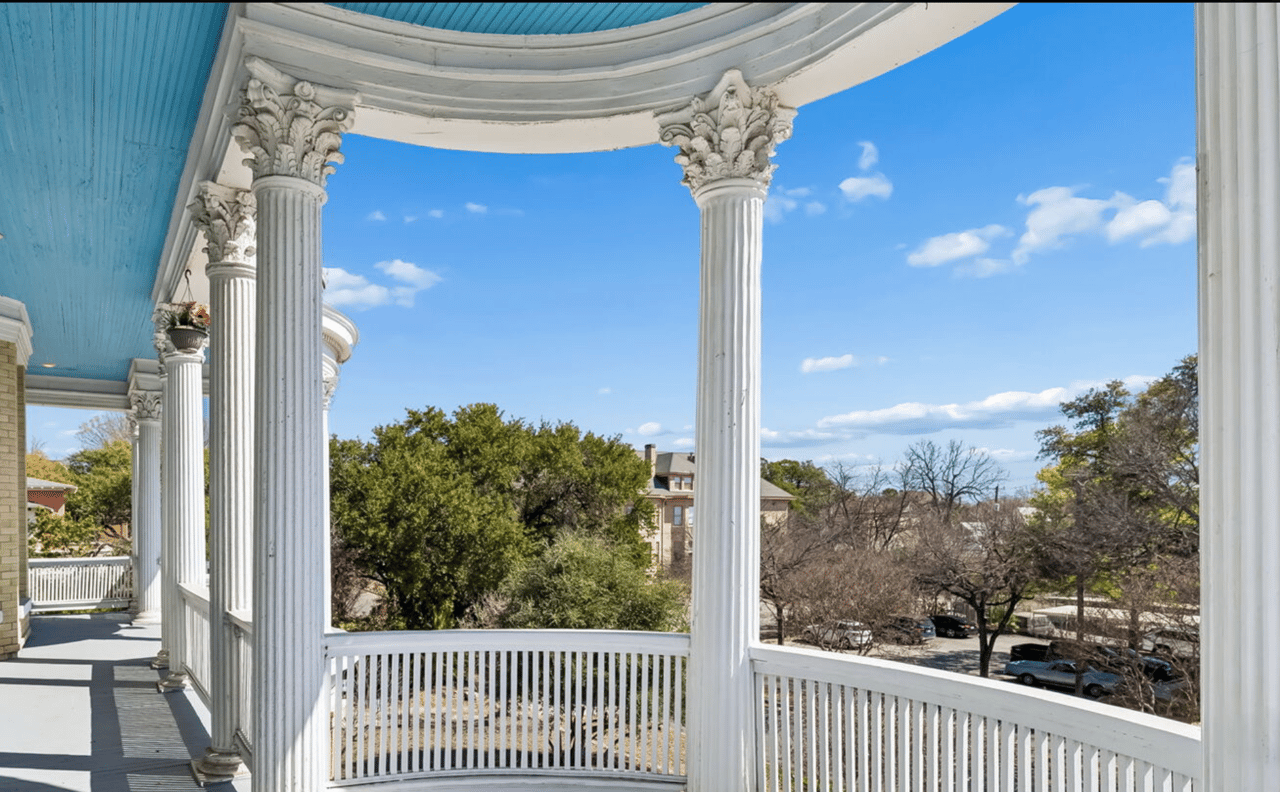
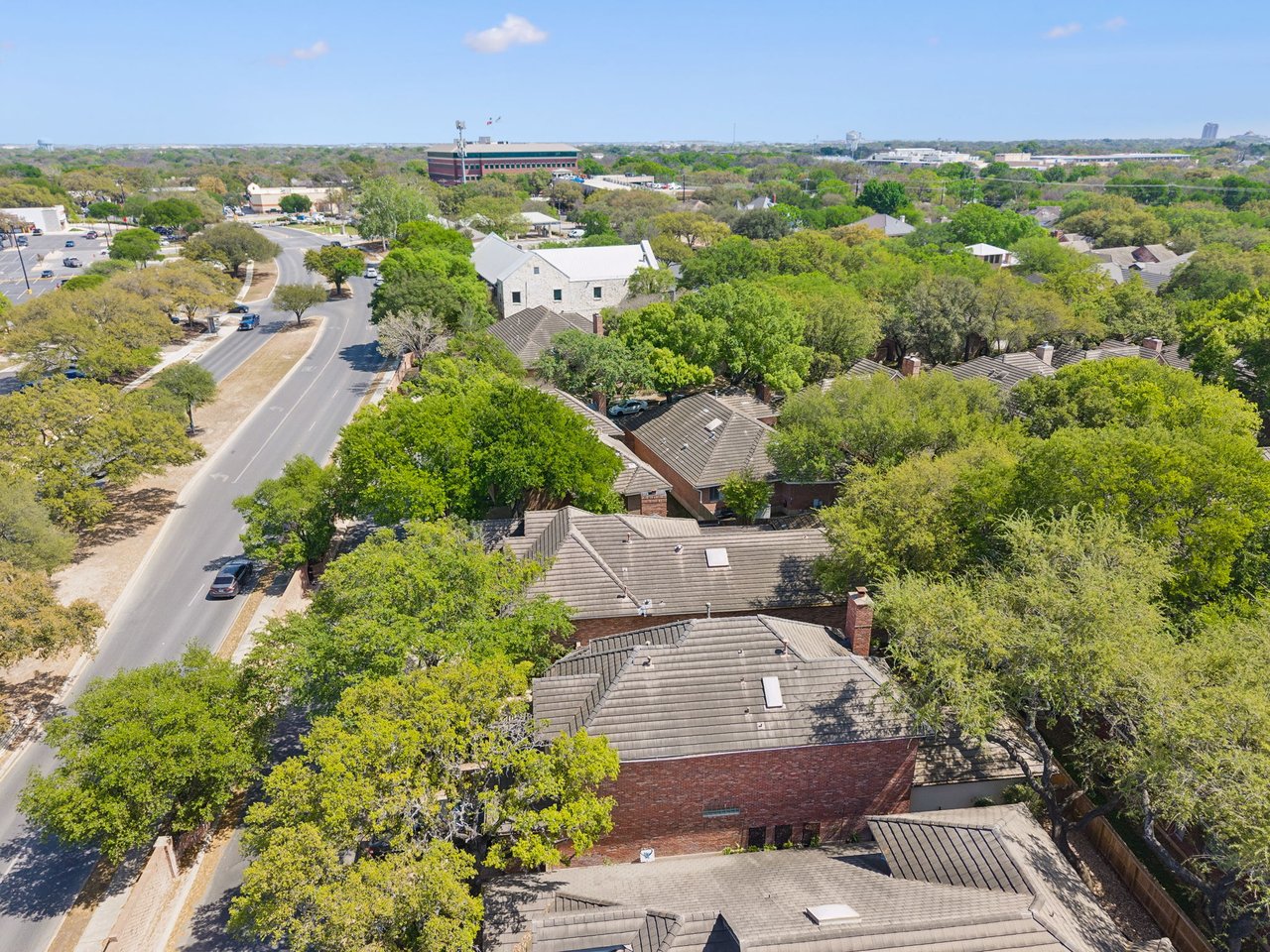
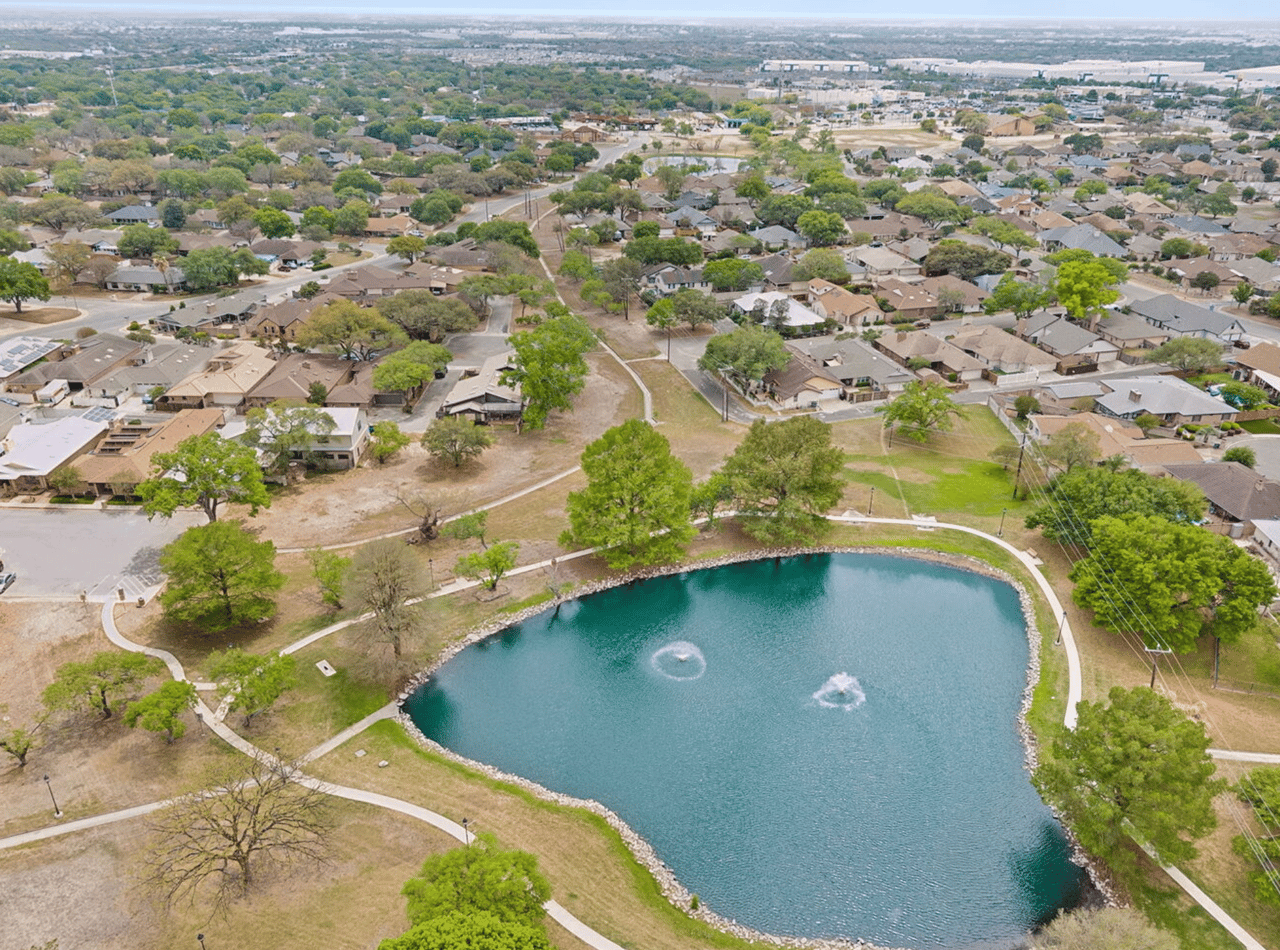
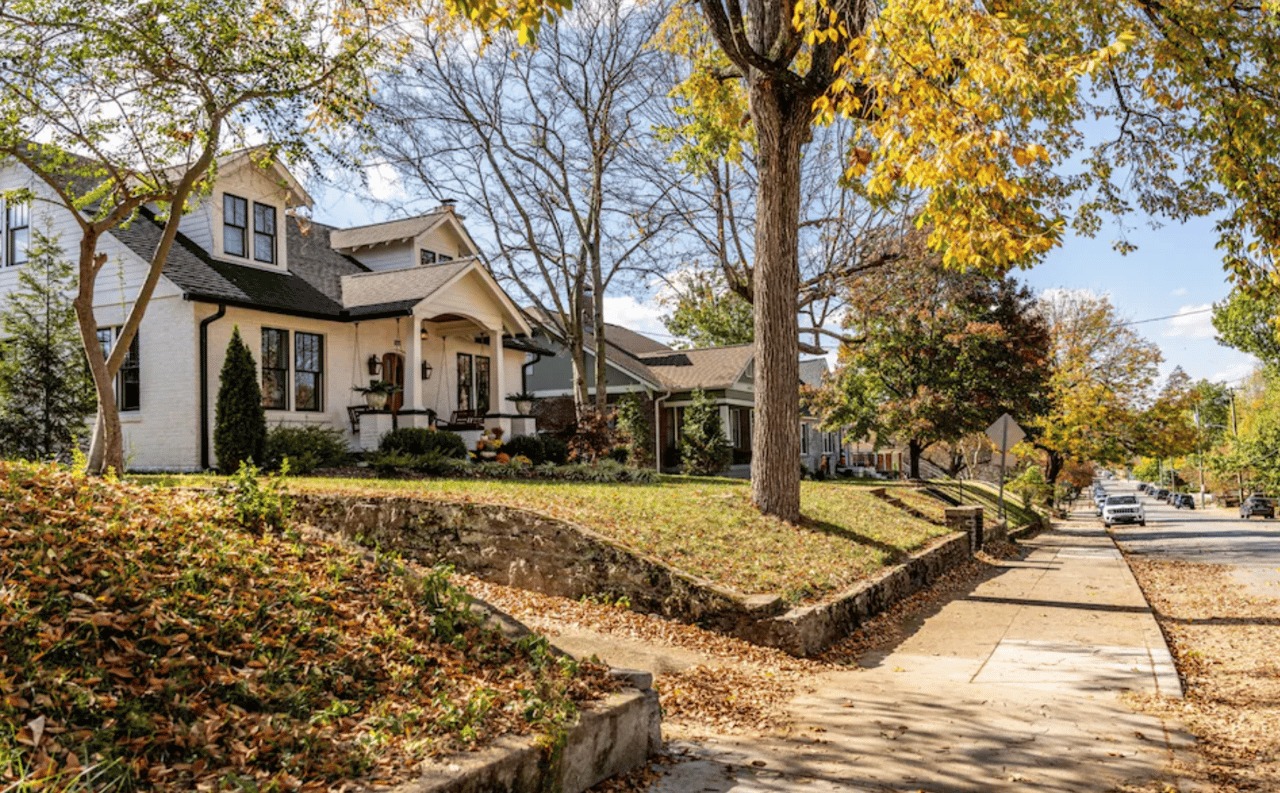
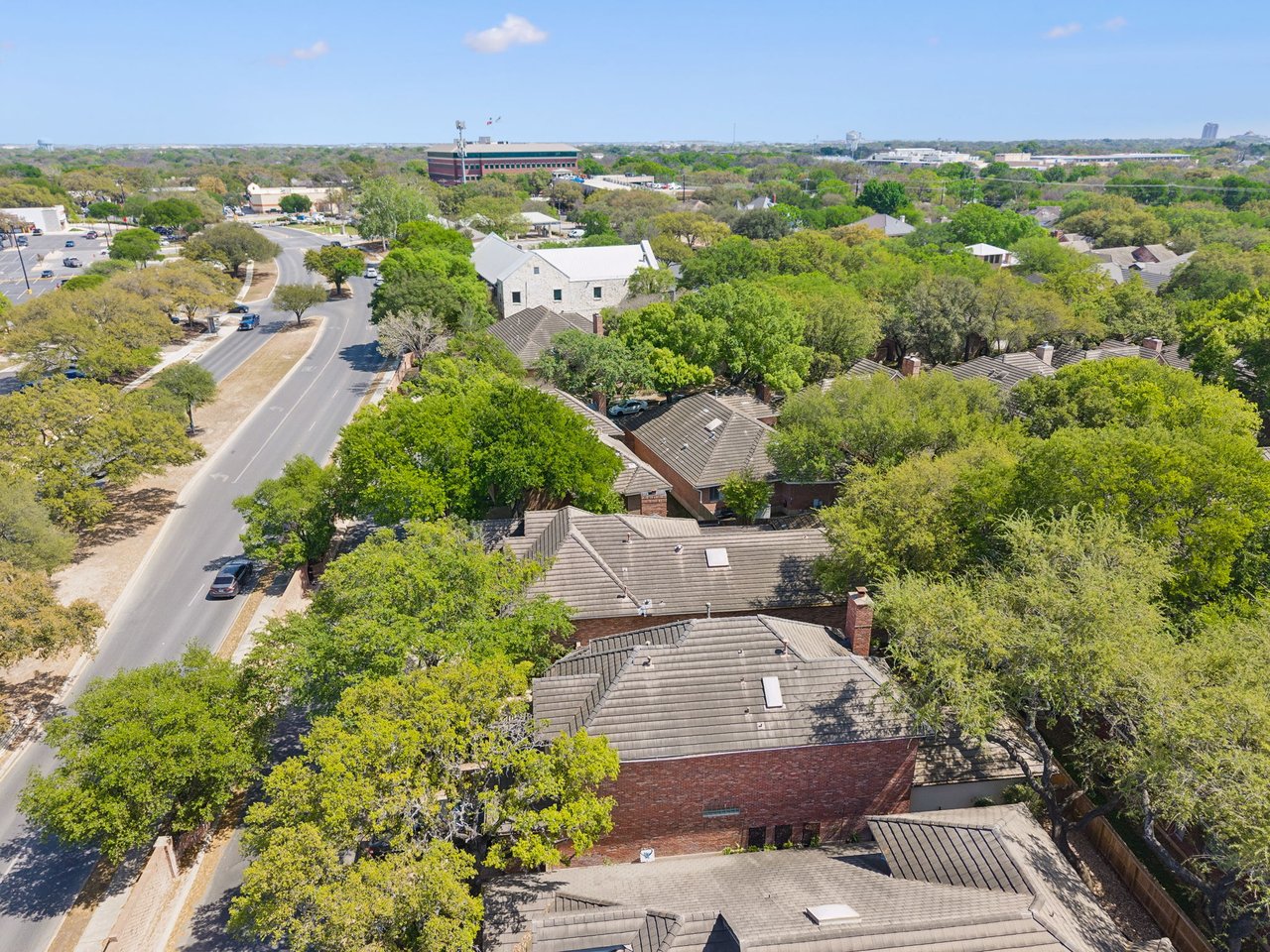
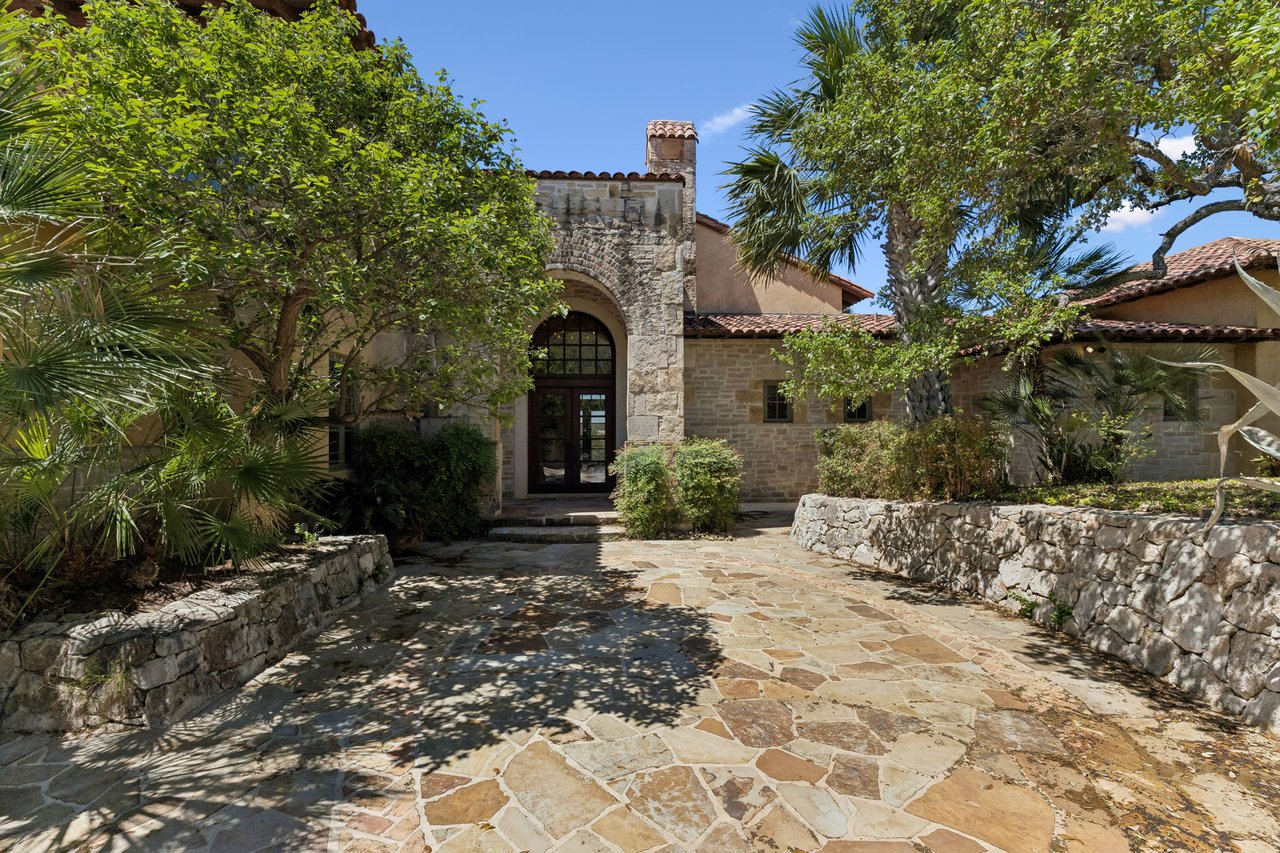
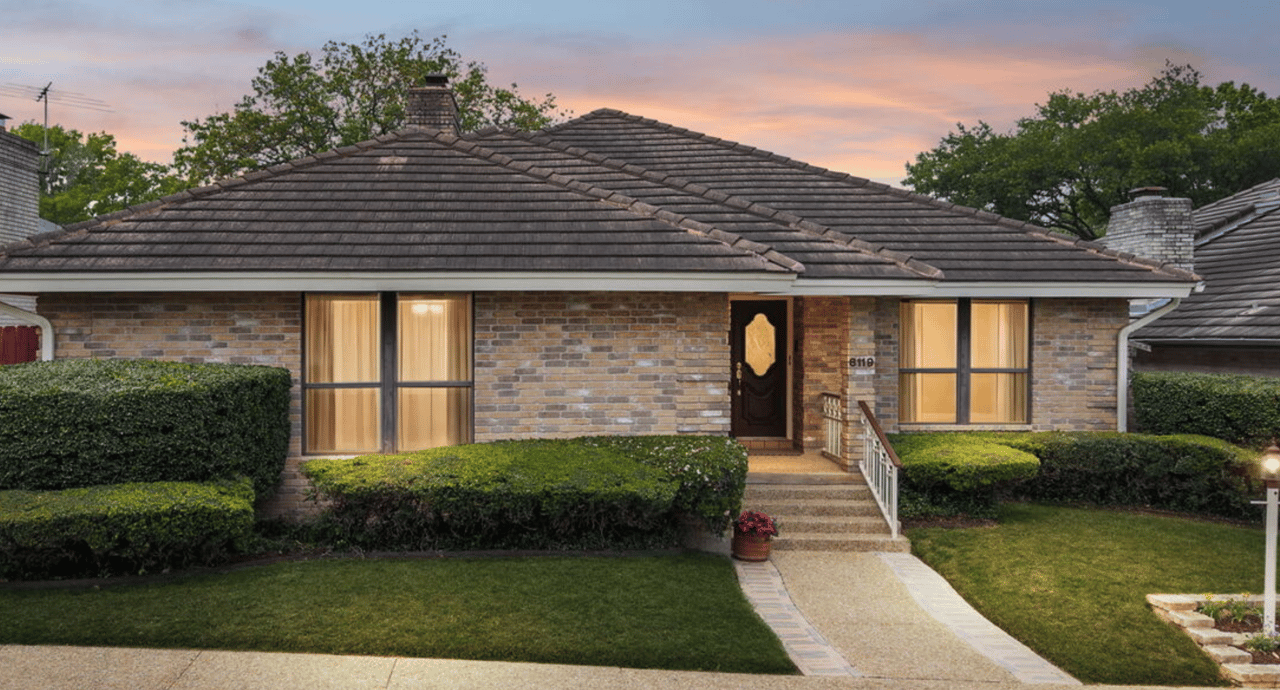
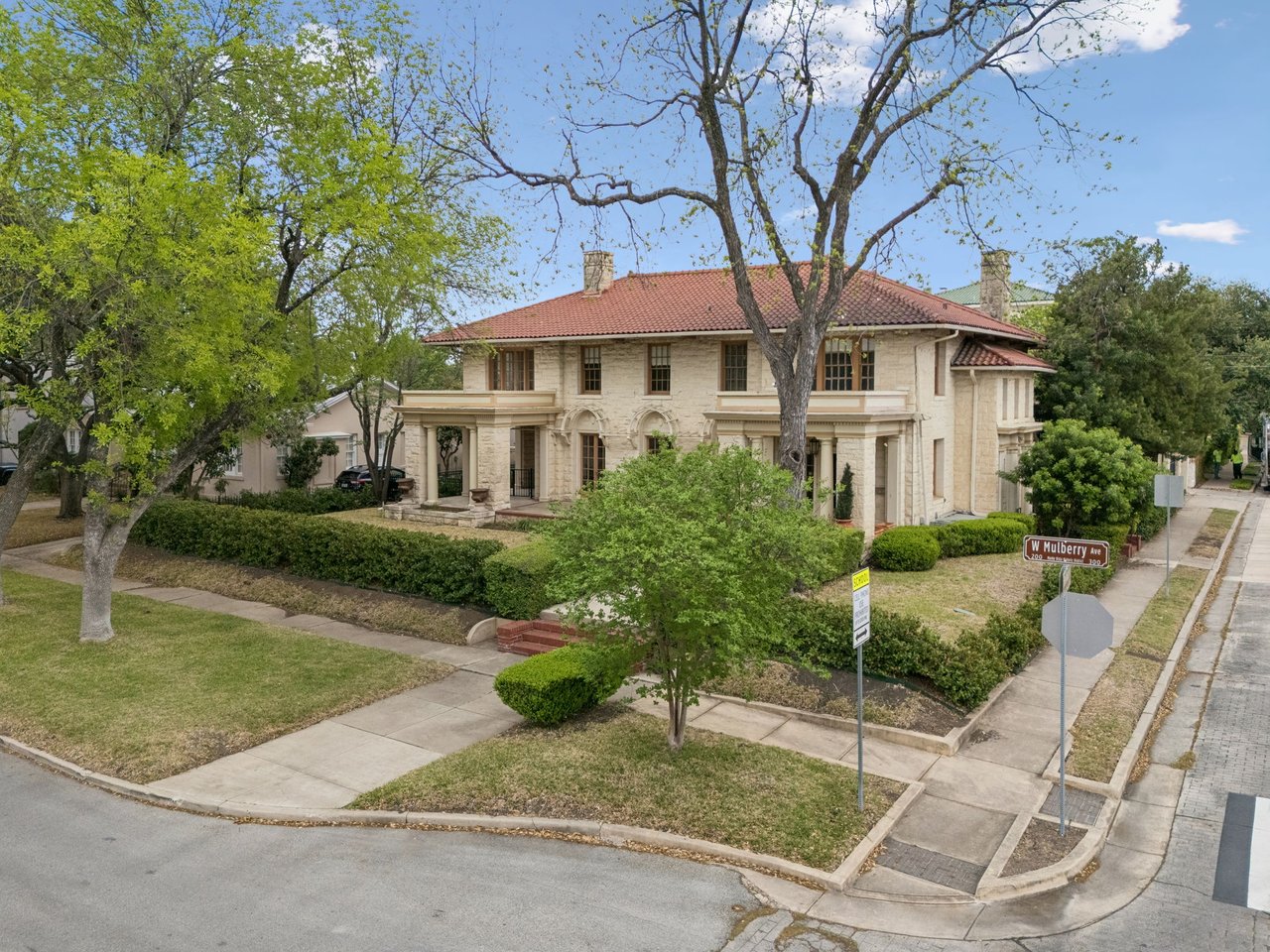
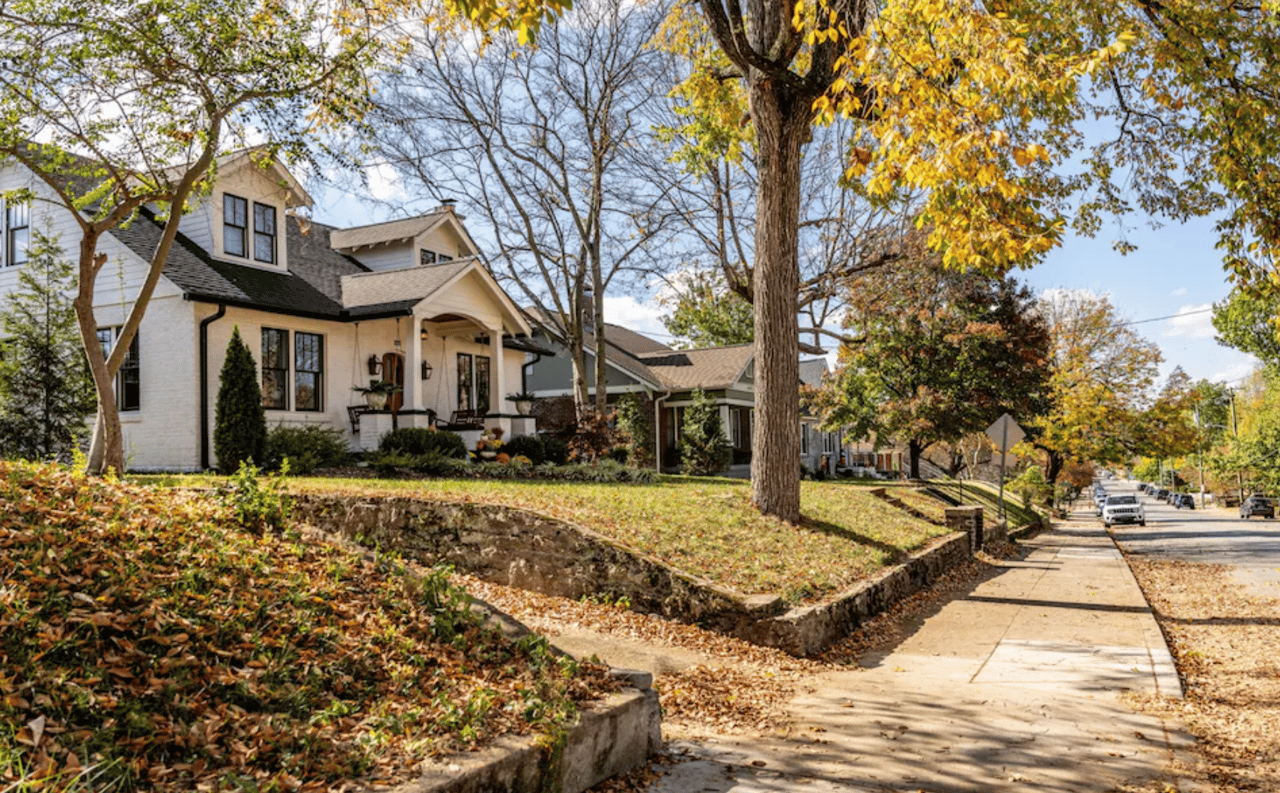
Areas like Alamo Heights, Olmos Park, Monte Vista, and Northwood continue to attract buyers seeking architectural character, mature landscaping, strong community identity, and proximity to employment centers and cultural amenities.
San Antonio’s expanding economy and steady population growth are expected to support housing demand throughout the year. Mortgage rate fluctuations and Federal Reserve policy decisions may also impact buyer activity, potentially creating windows of opportunity for sellers.
However, homeowners should remain aware of local economic shifts, inventory levels, and property tax changes that could influence pricing and buyer behavior. Staying informed through local market reports and guidance from experienced real estate professionals is essential when evaluating timing.
Timing Your Home Sale for Maximum Return
Timing can significantly affect both buyer interest and final sale price. Traditionally, spring and early summer remain the strongest selling seasons, as families often prefer moving during school breaks and warmer months.
In 2026, however, market timing may require a more strategic approach. Factors such as neighborhood inventory, local economic development, and buyer demand can create opportunities throughout the year.
For example, announcements involving major employers, infrastructure improvements, or increased relocation activity can drive heightened demand in established neighborhoods. Conversely, increased inventory or new construction nearby may create additional competition for sellers.
Working with a real estate professional who understands your specific neighborhood can help identify optimal listing windows based on local trends, absorption rates, and seasonal buyer activity.
Crafting a Competitive Pricing Strategy
Accurate pricing remains one of the most important components of a successful home sale. In San Antonio’s established neighborhoods, pricing strategy should combine historical sales data, current market conditions, and neighborhood-specific demand.
Start by reviewing recent comparable sales in your area, paying close attention to factors such as:
- Square footage and lot size
- Architectural style and age
- Condition and renovations
- Location within the neighborhood
- Unique amenities or upgrades
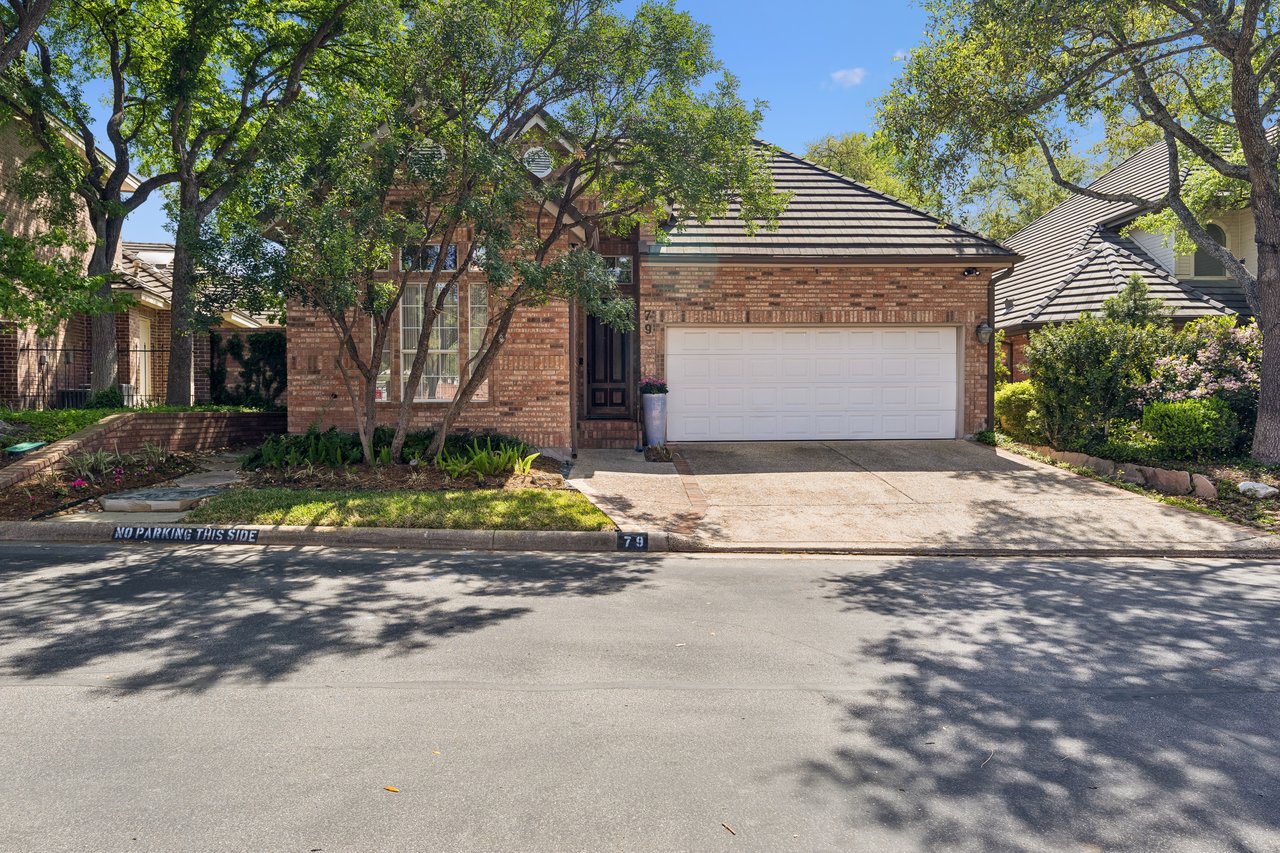
A renovated home in Monte Vista, for example, may command a different premium than a similarly sized property in Northwood due to differences in buyer demographics, architectural appeal, and walkability.
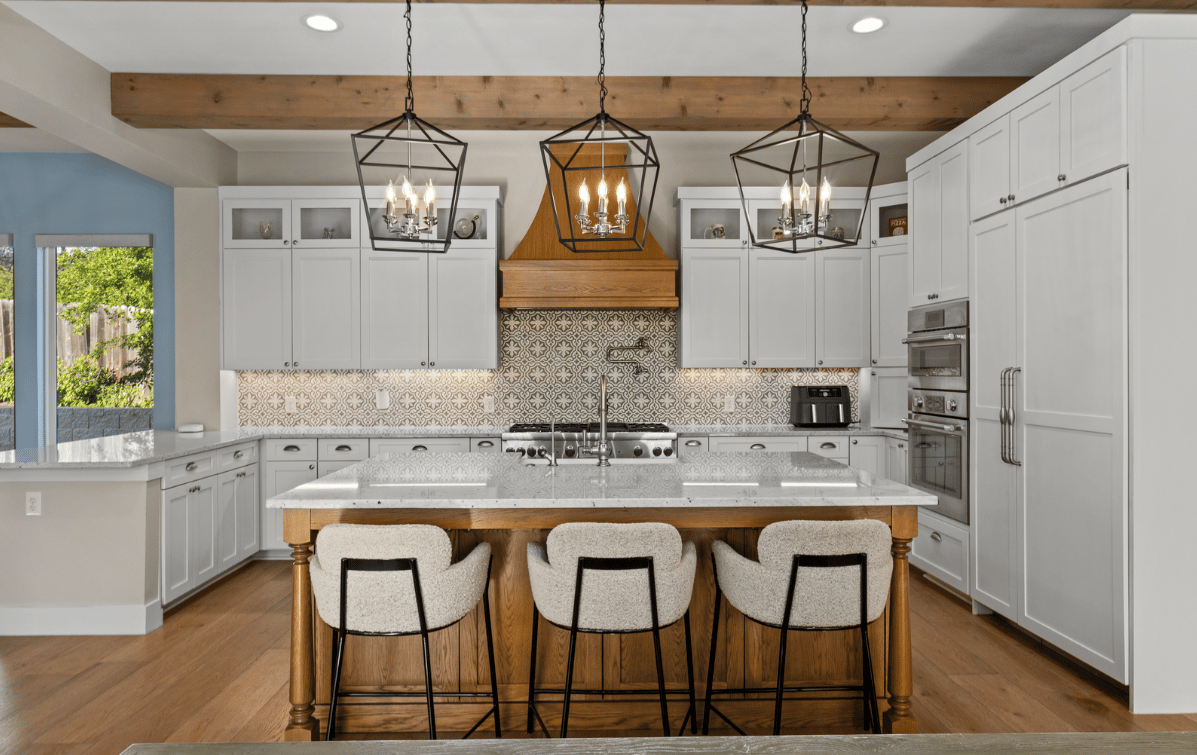
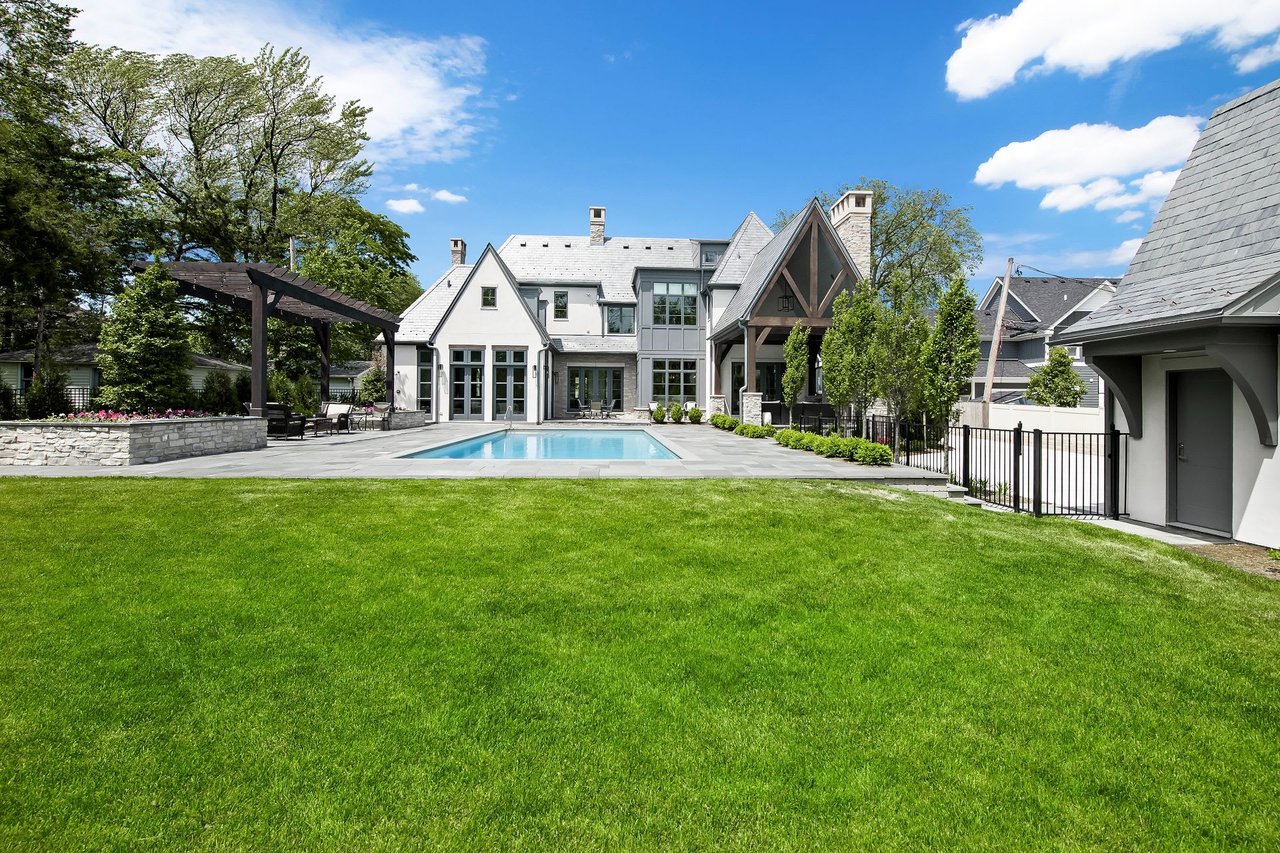
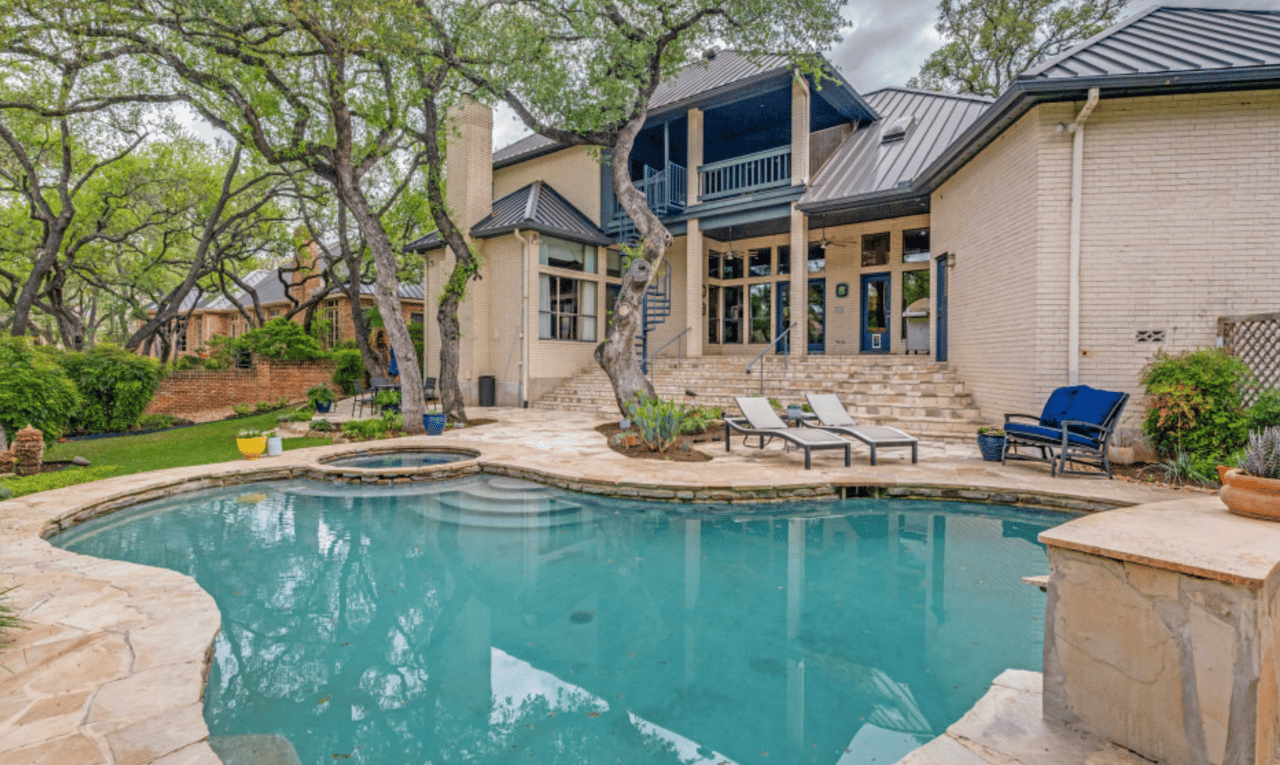
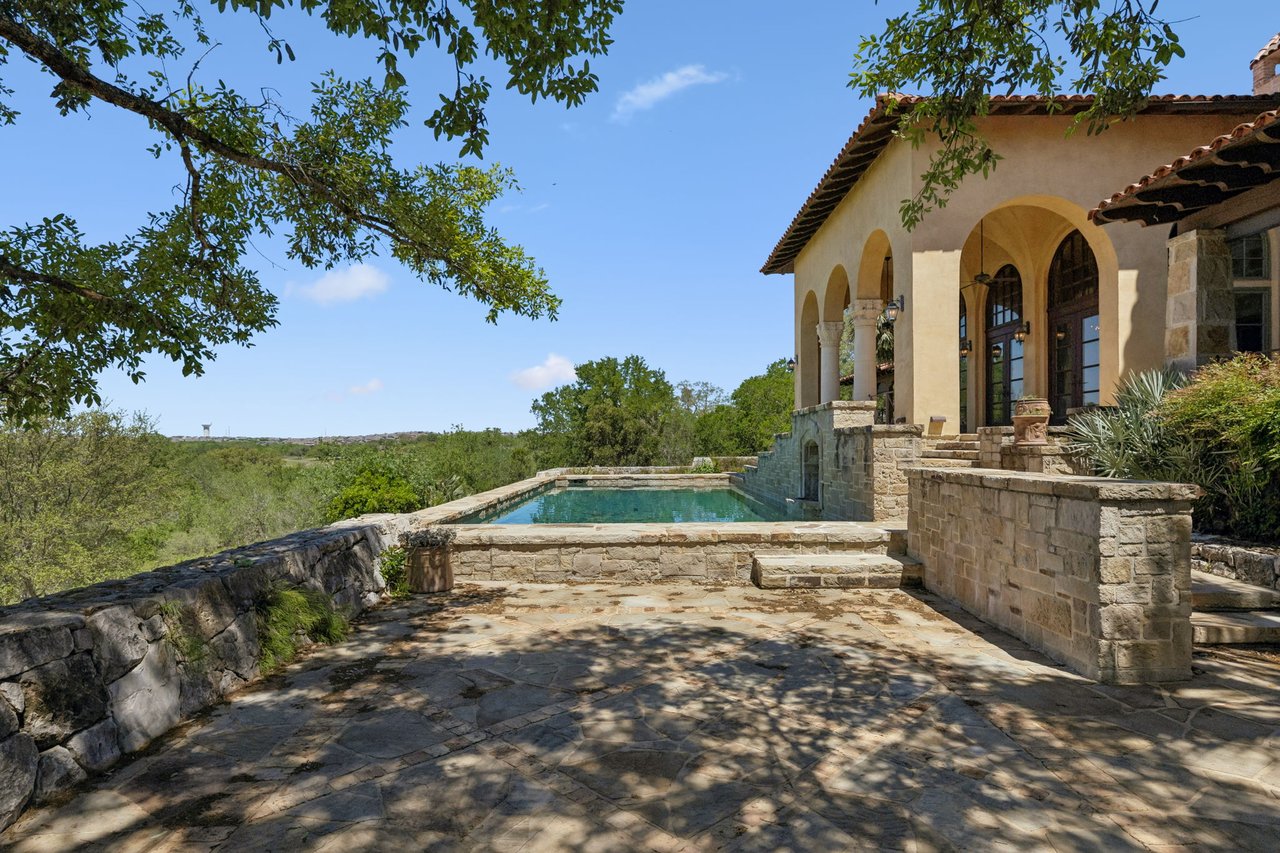
Custom renovations, outdoor living spaces, energy-efficient improvements, and preserved historic details can also strengthen pricing potential. A comparative market analysis (CMA) prepared by an experienced local agent can help position your property competitively while maximizing value.
Enhancing Curb Appeal and Home Presentation
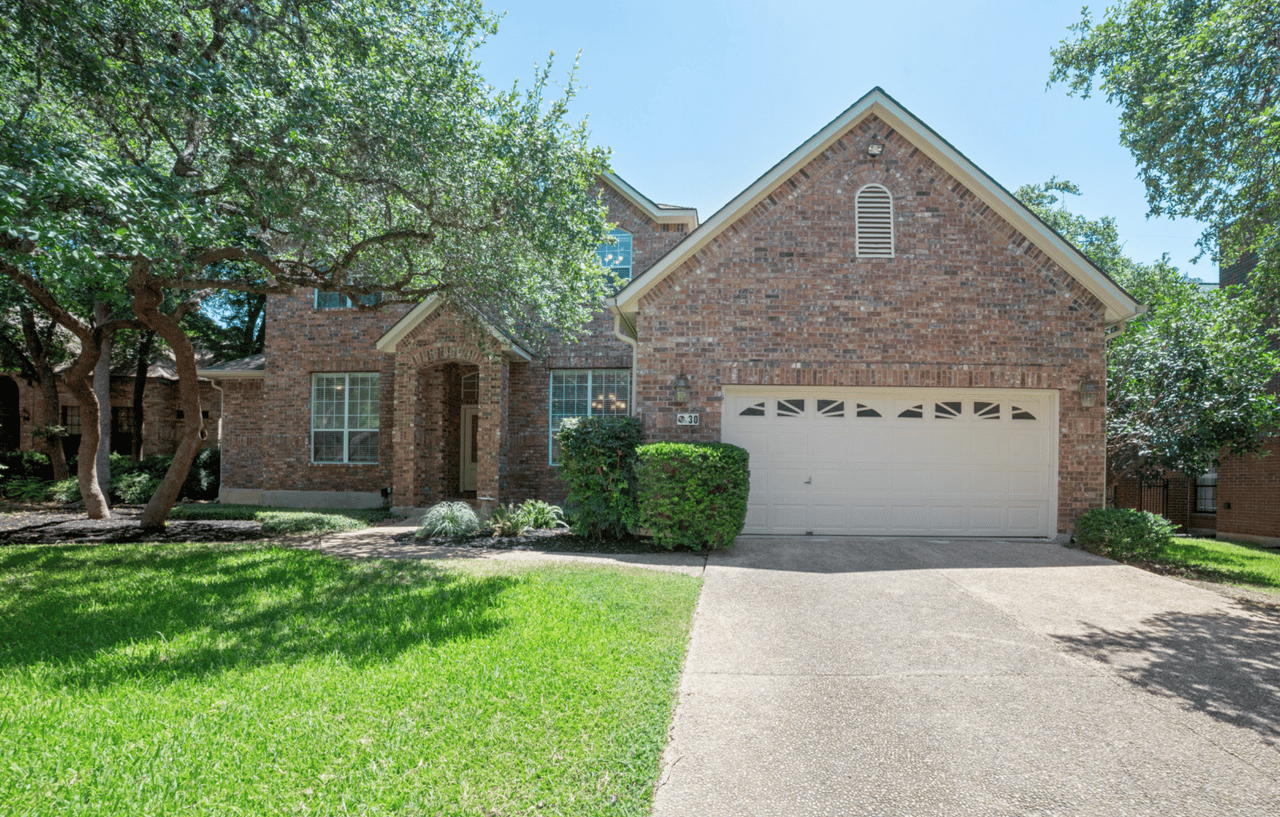
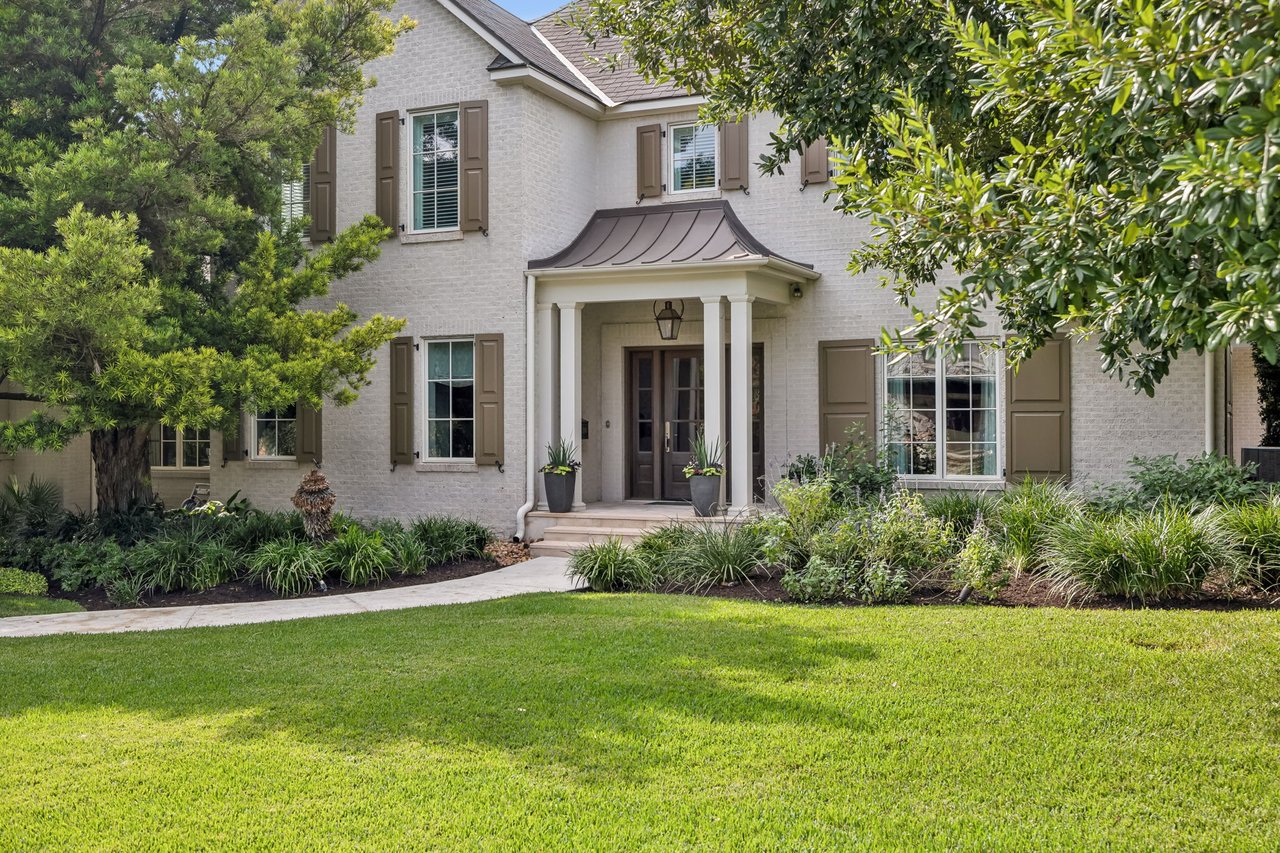
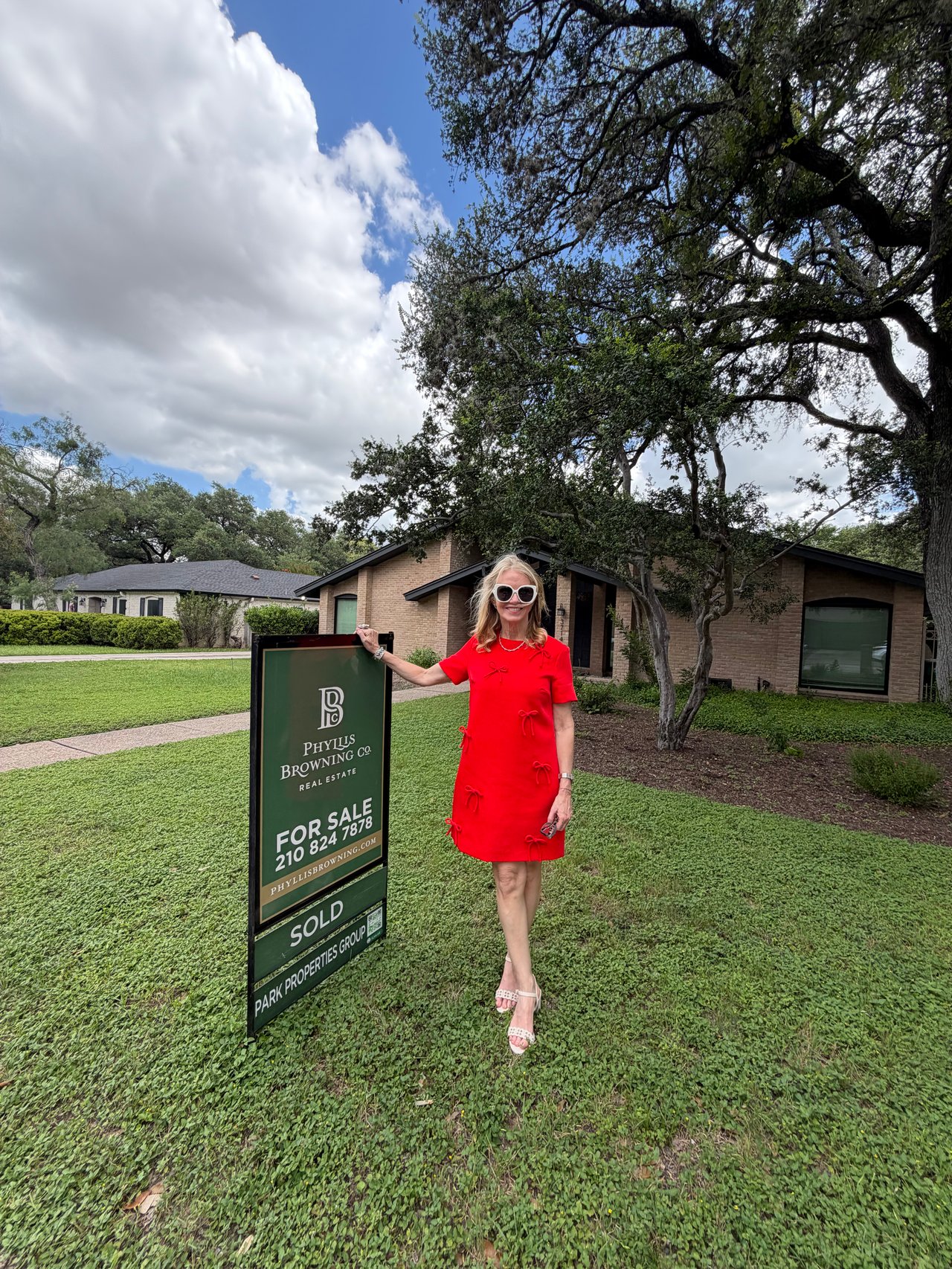
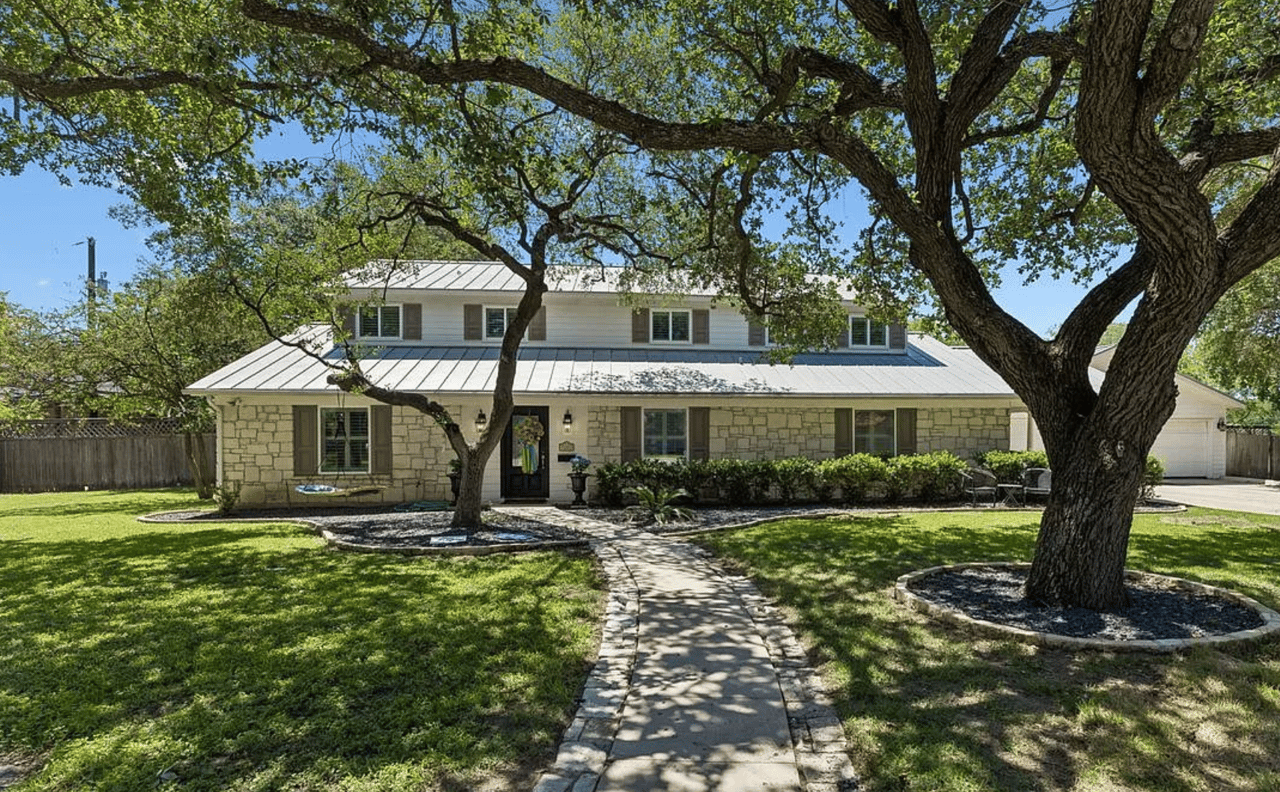
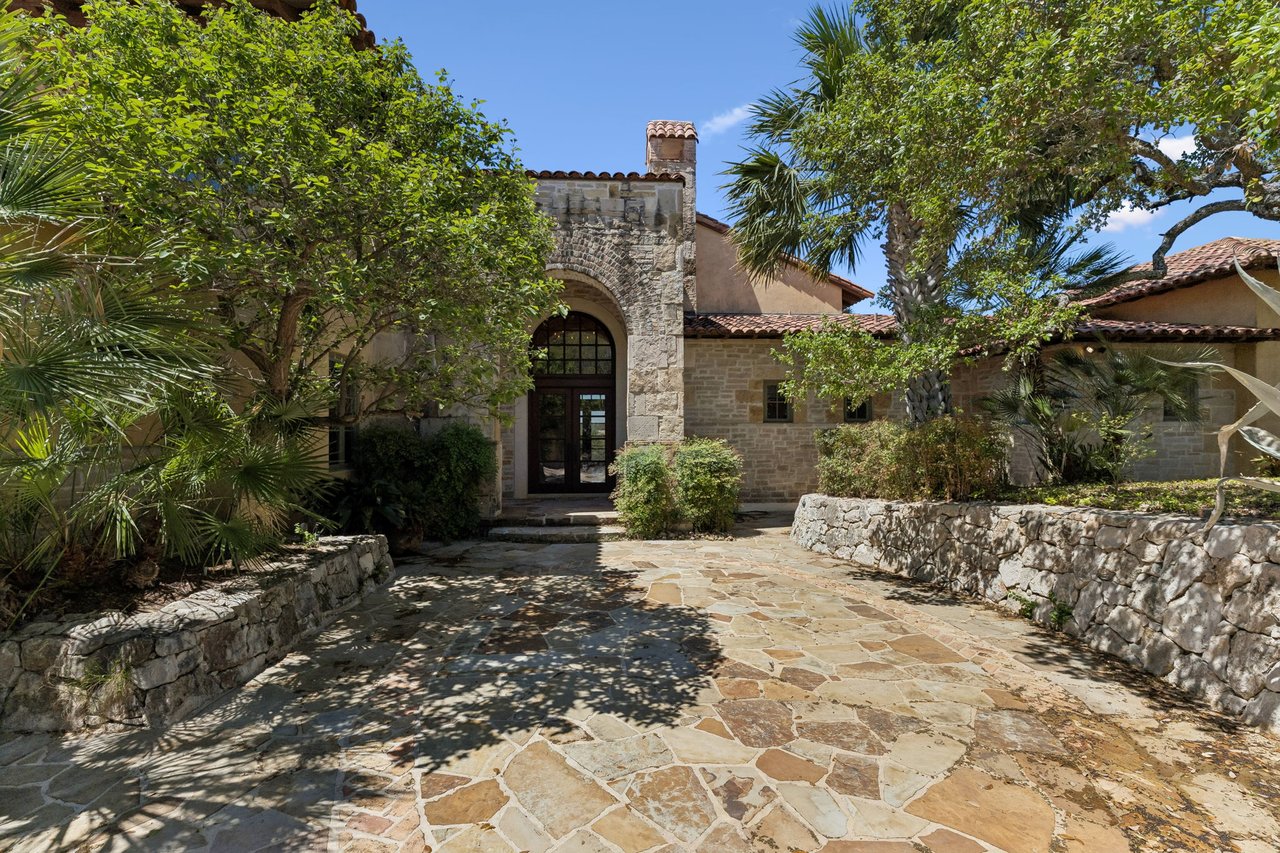
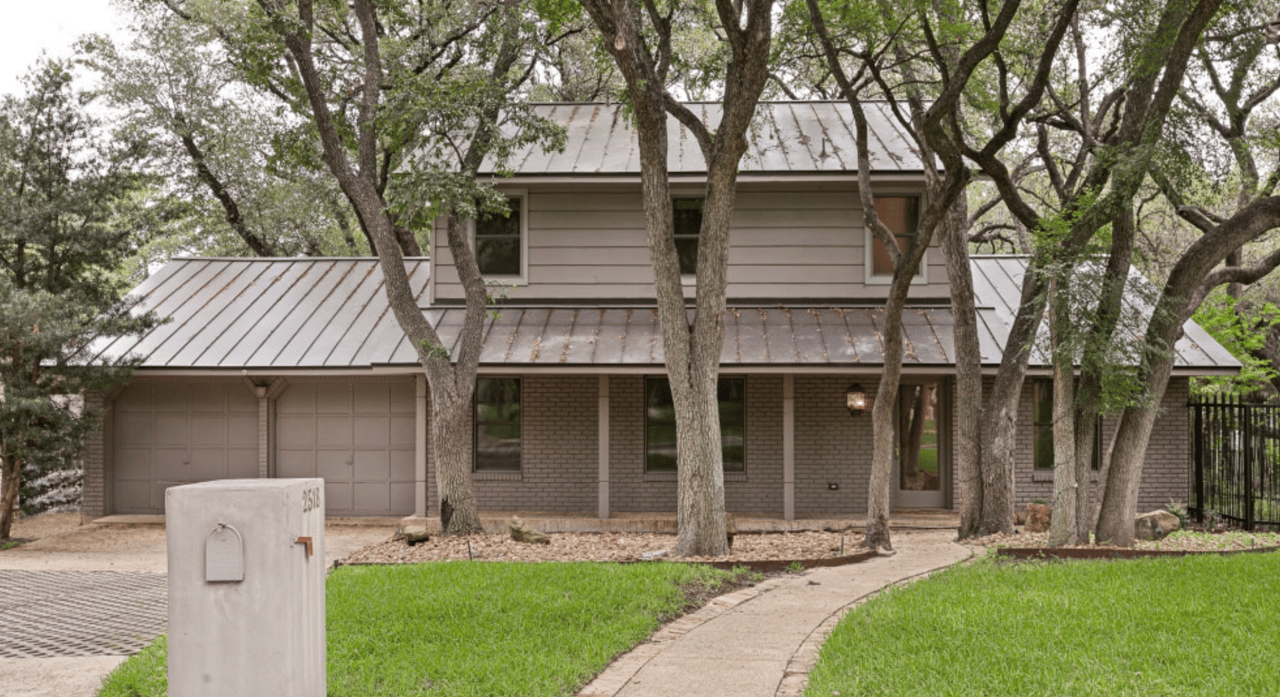
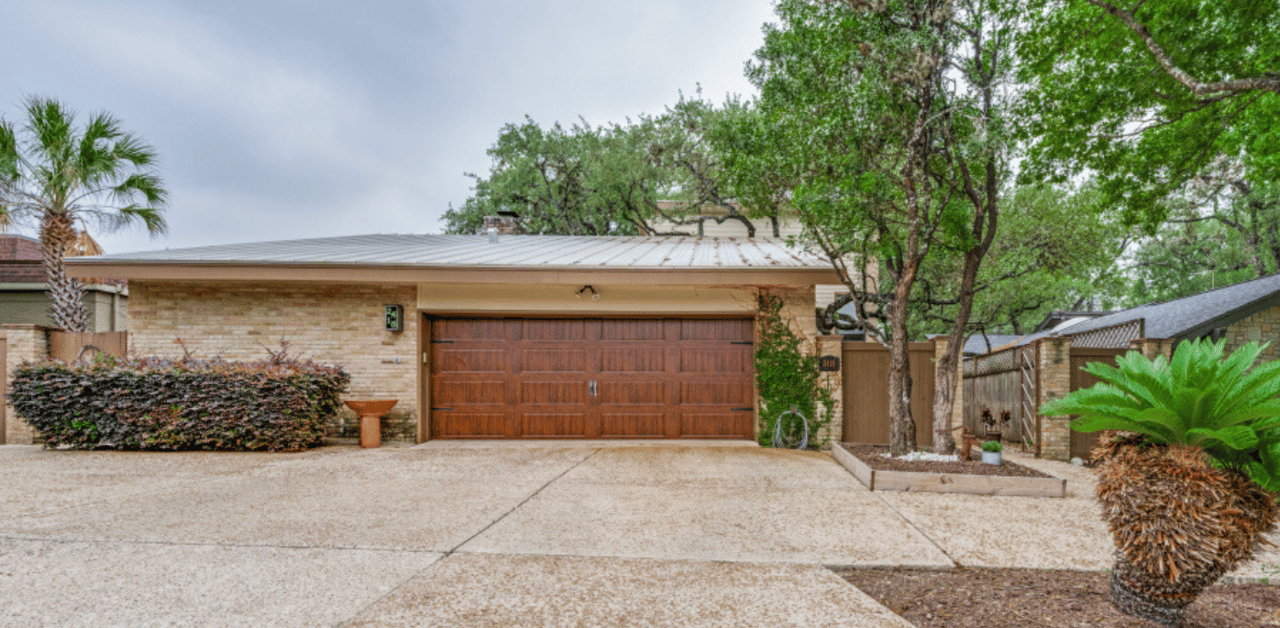
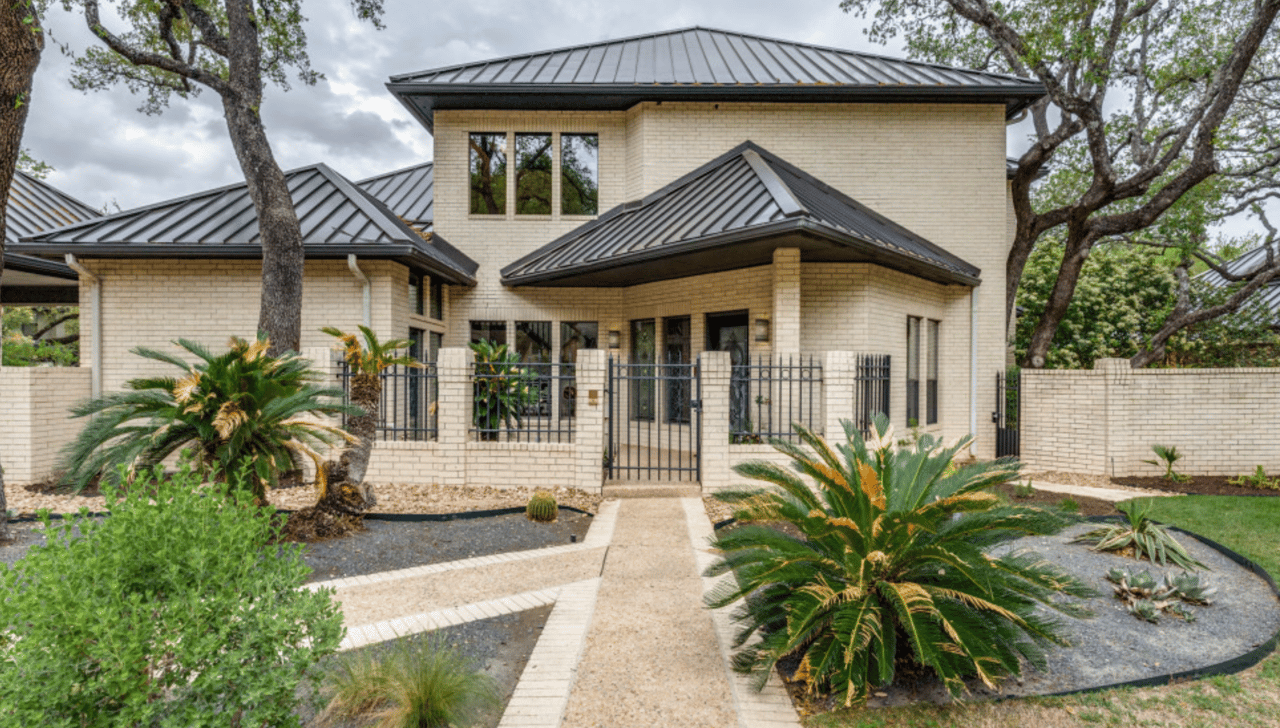
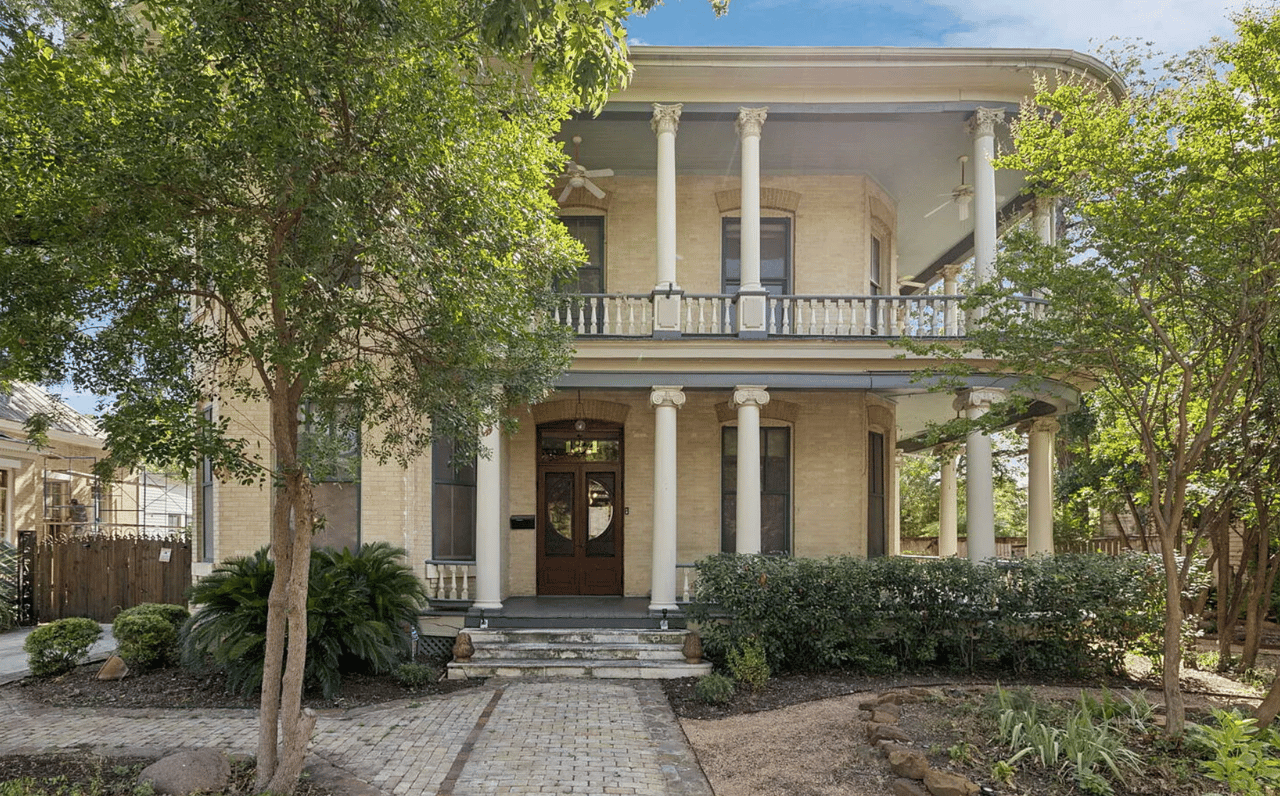
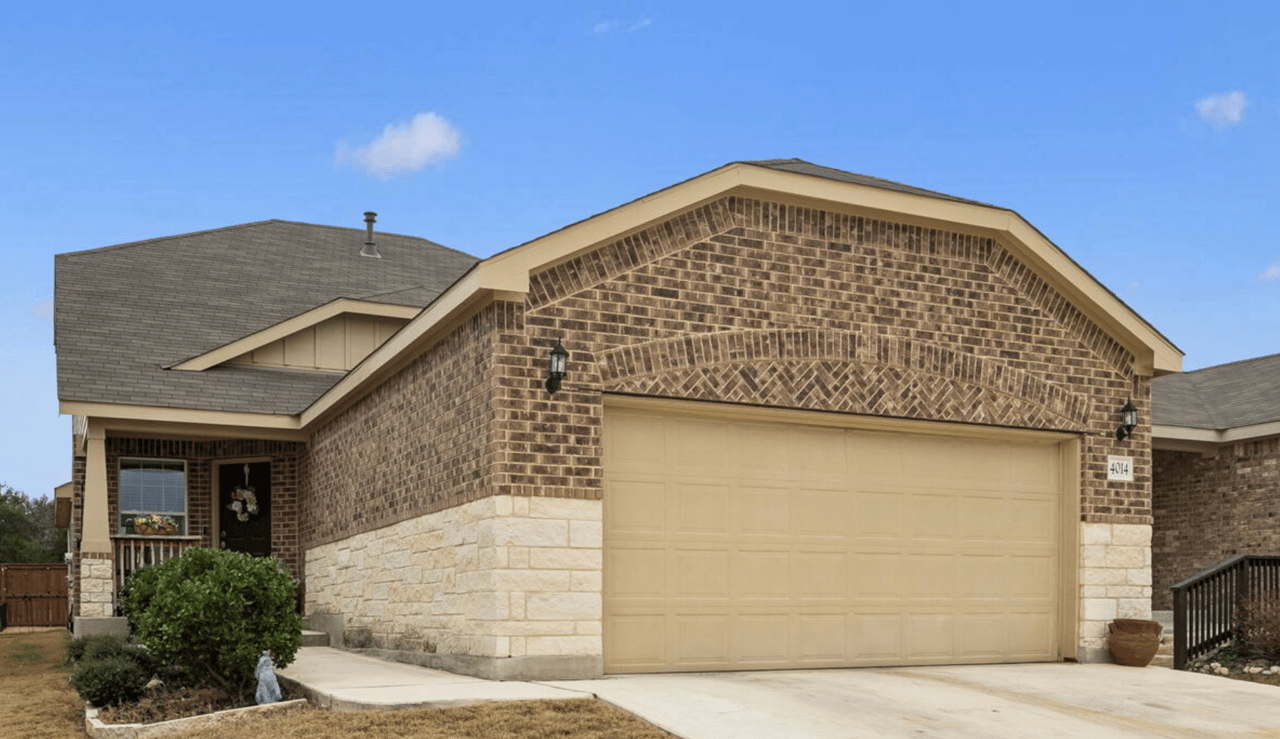
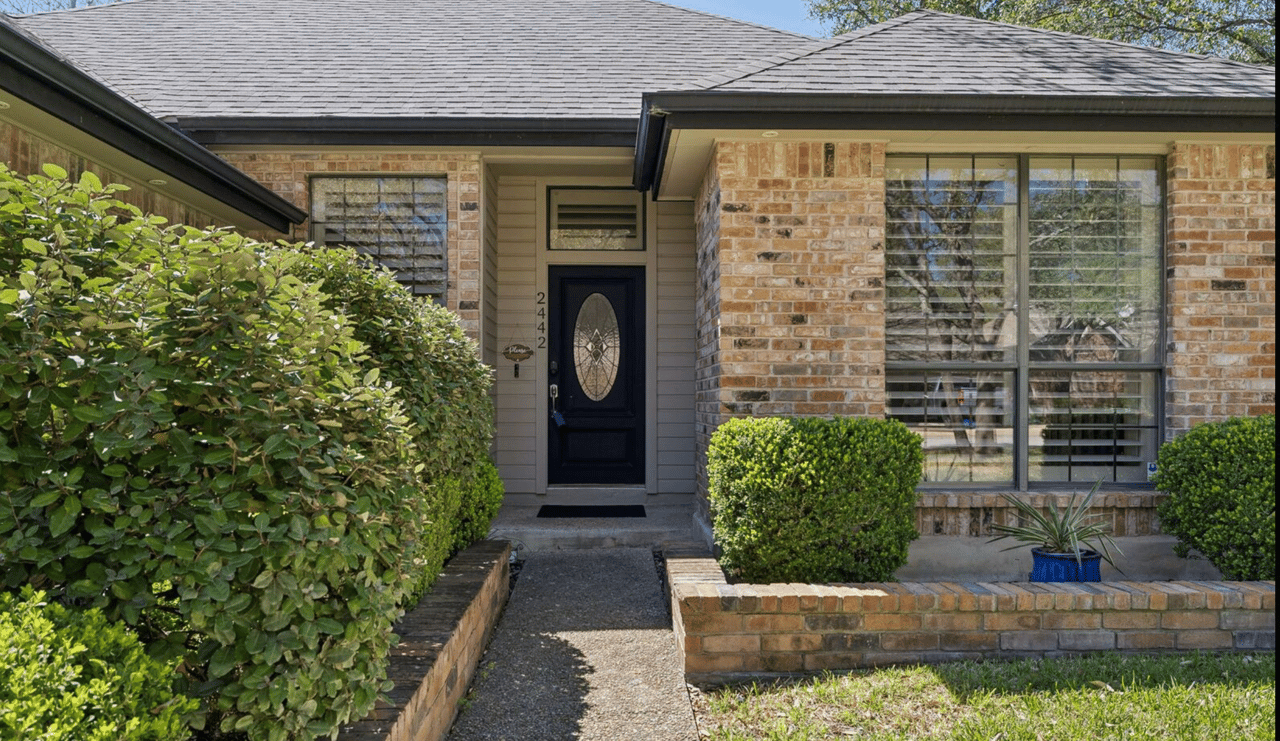
First impressions strongly influence buyer perception. Enhancing curb appeal and preparing your home for showings can improve both buyer interest and overall marketability.
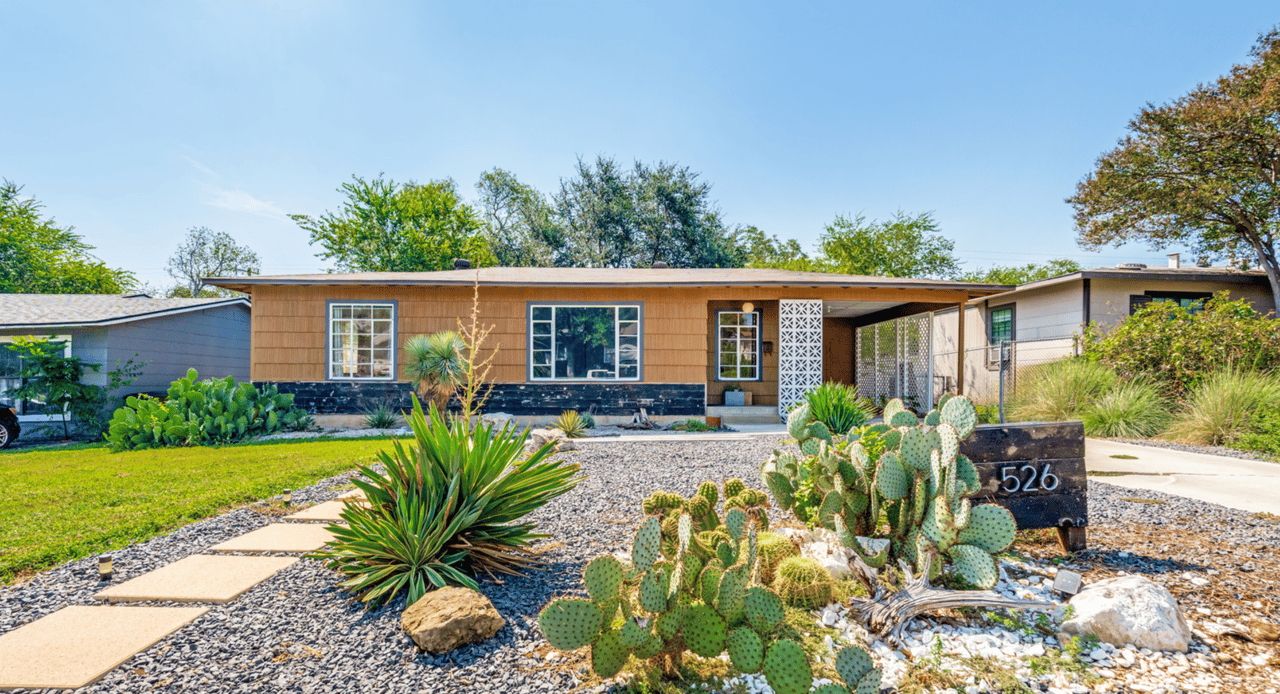
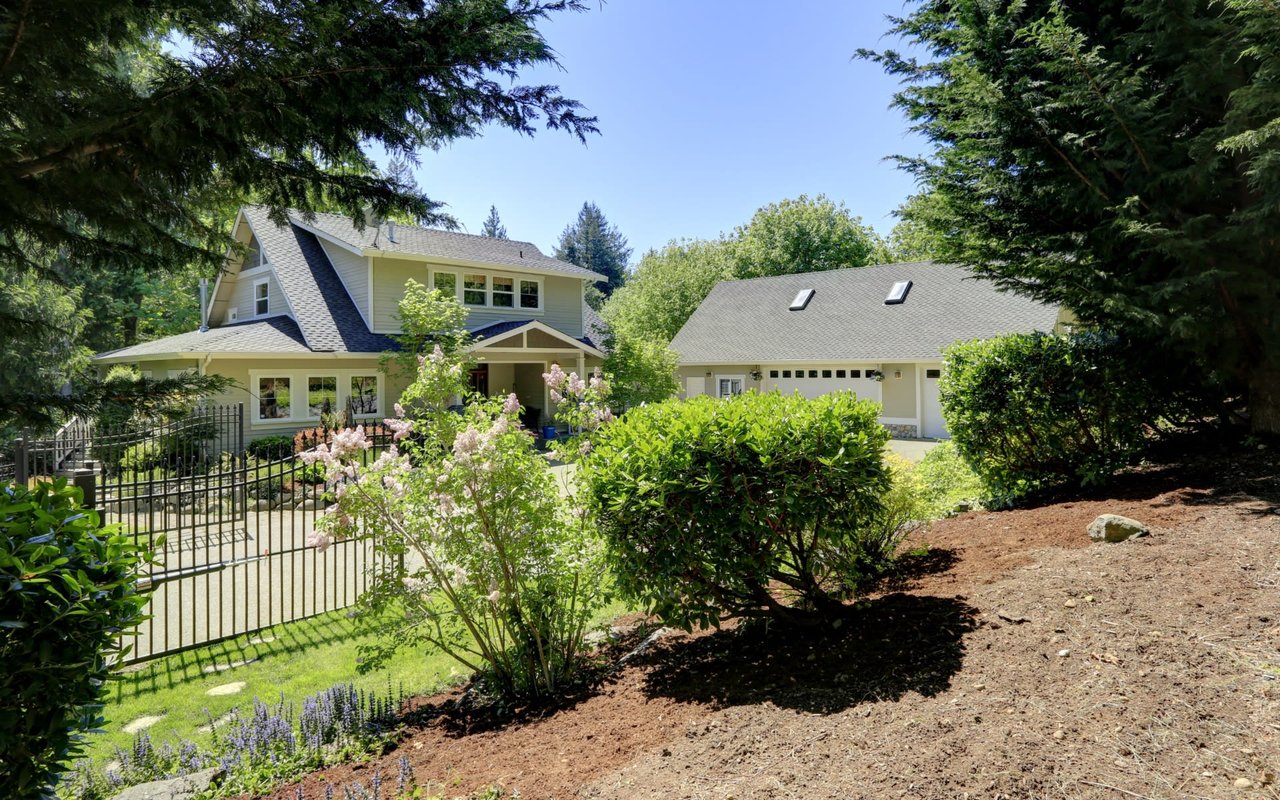
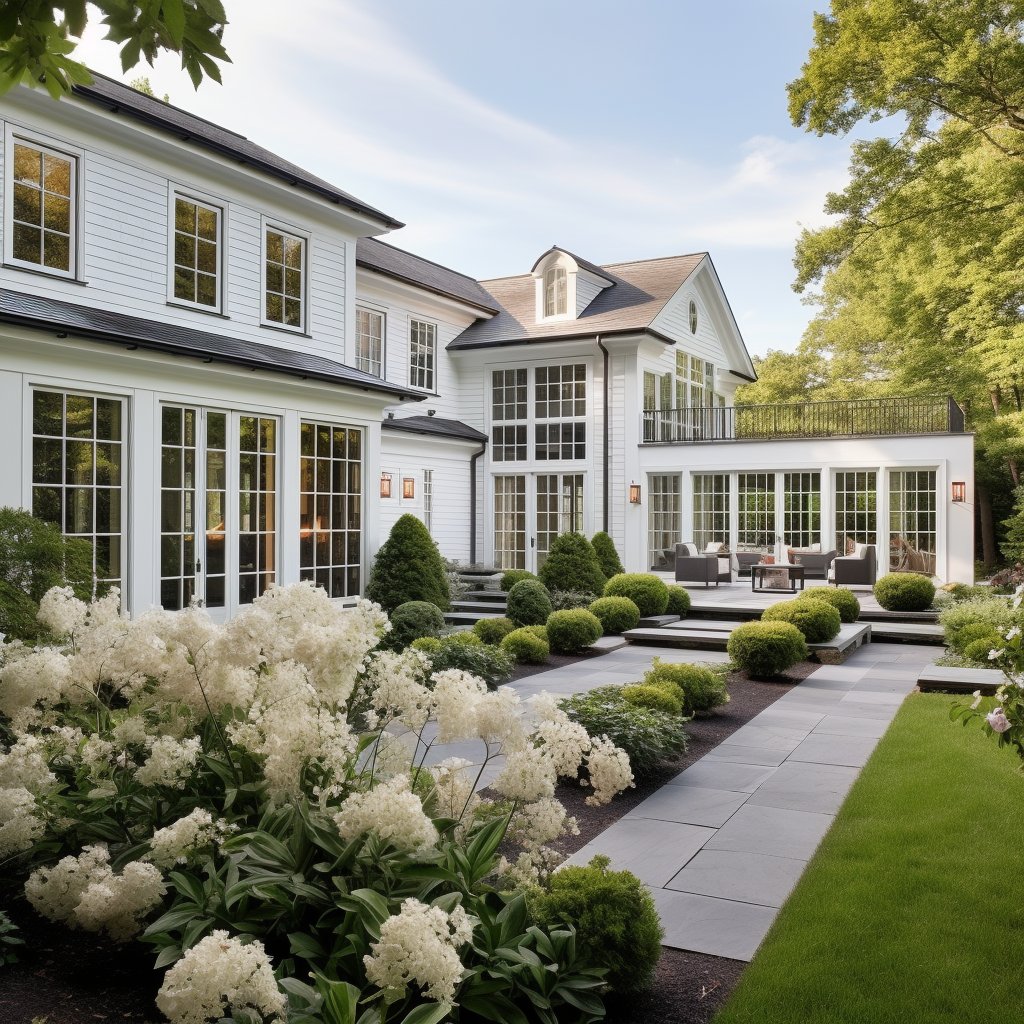
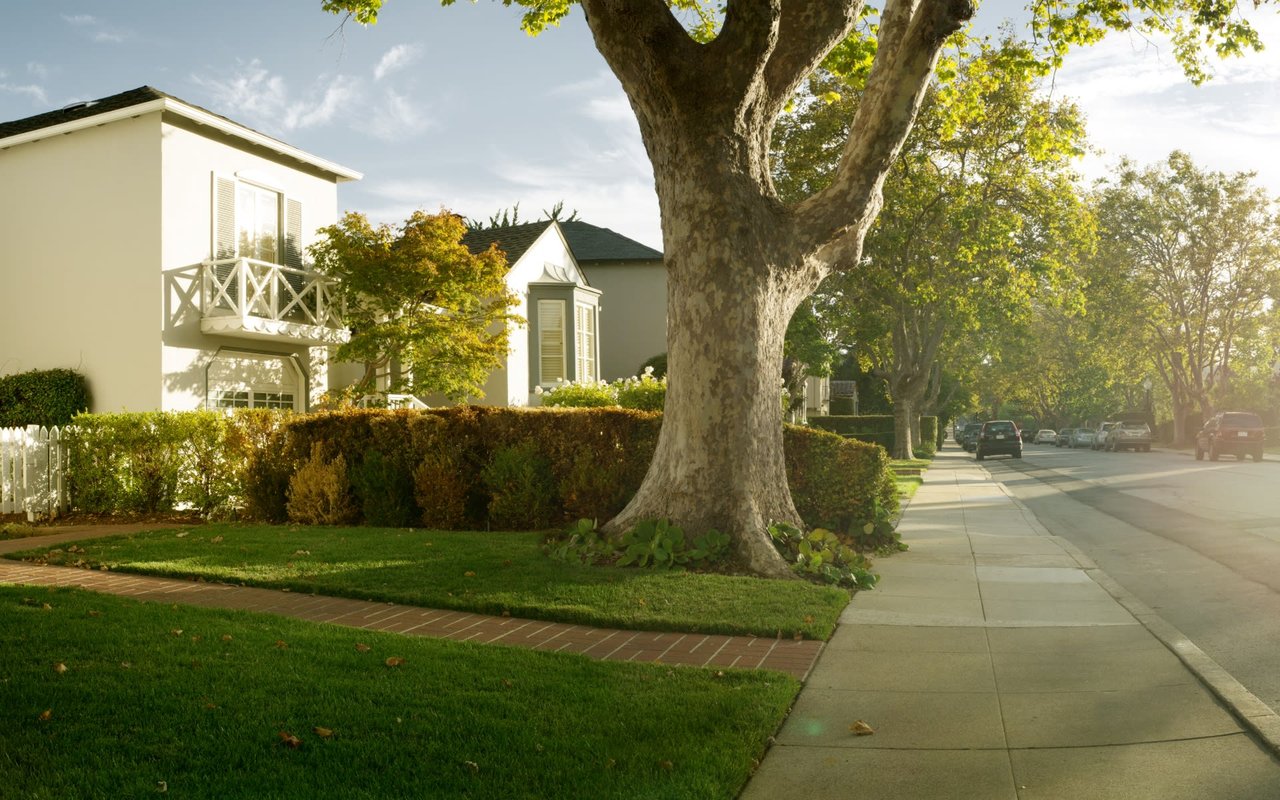
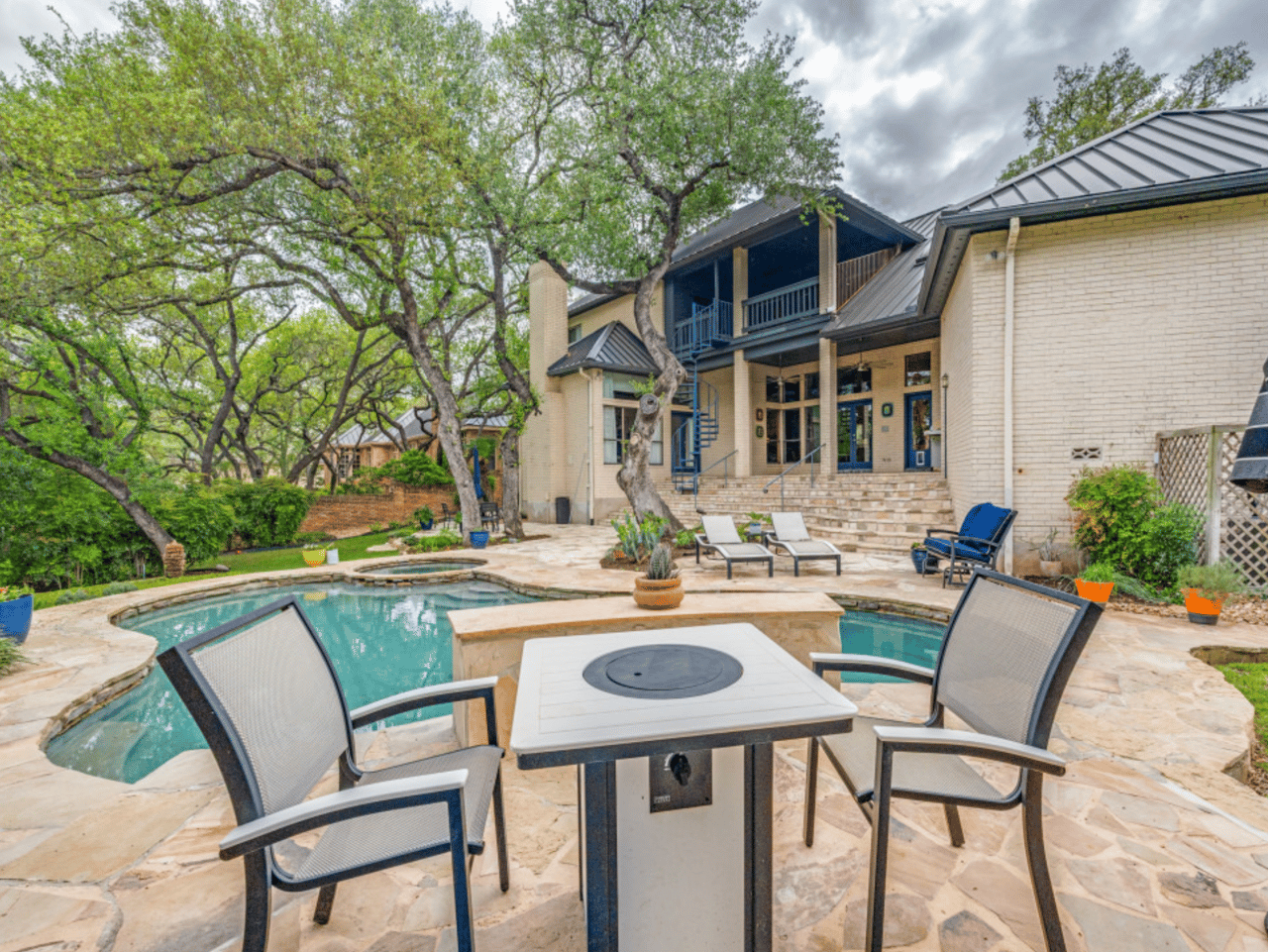
In established neighborhoods, where mature landscaping and architectural character are major selling points, thoughtful presentation matters. Simple updates such as fresh paint, landscape maintenance, updated lighting, and decluttering can create a more polished appearance.
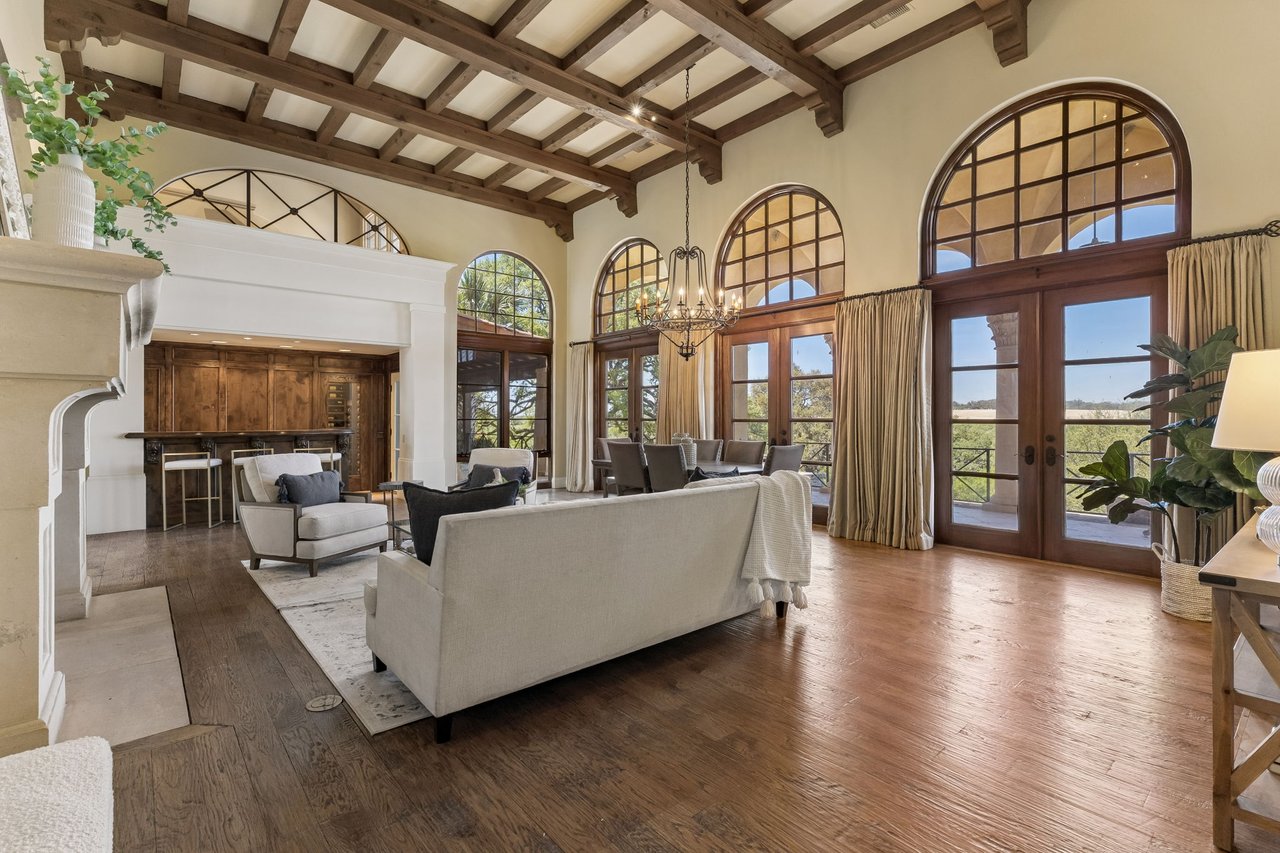
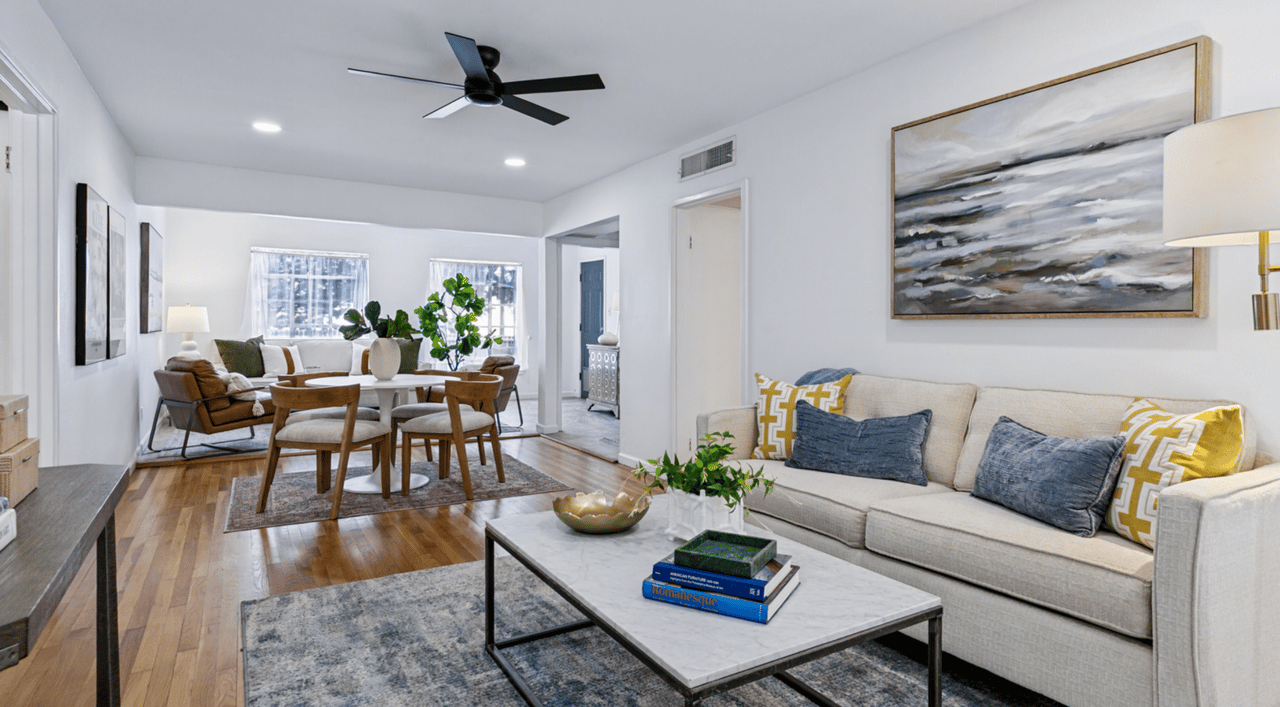
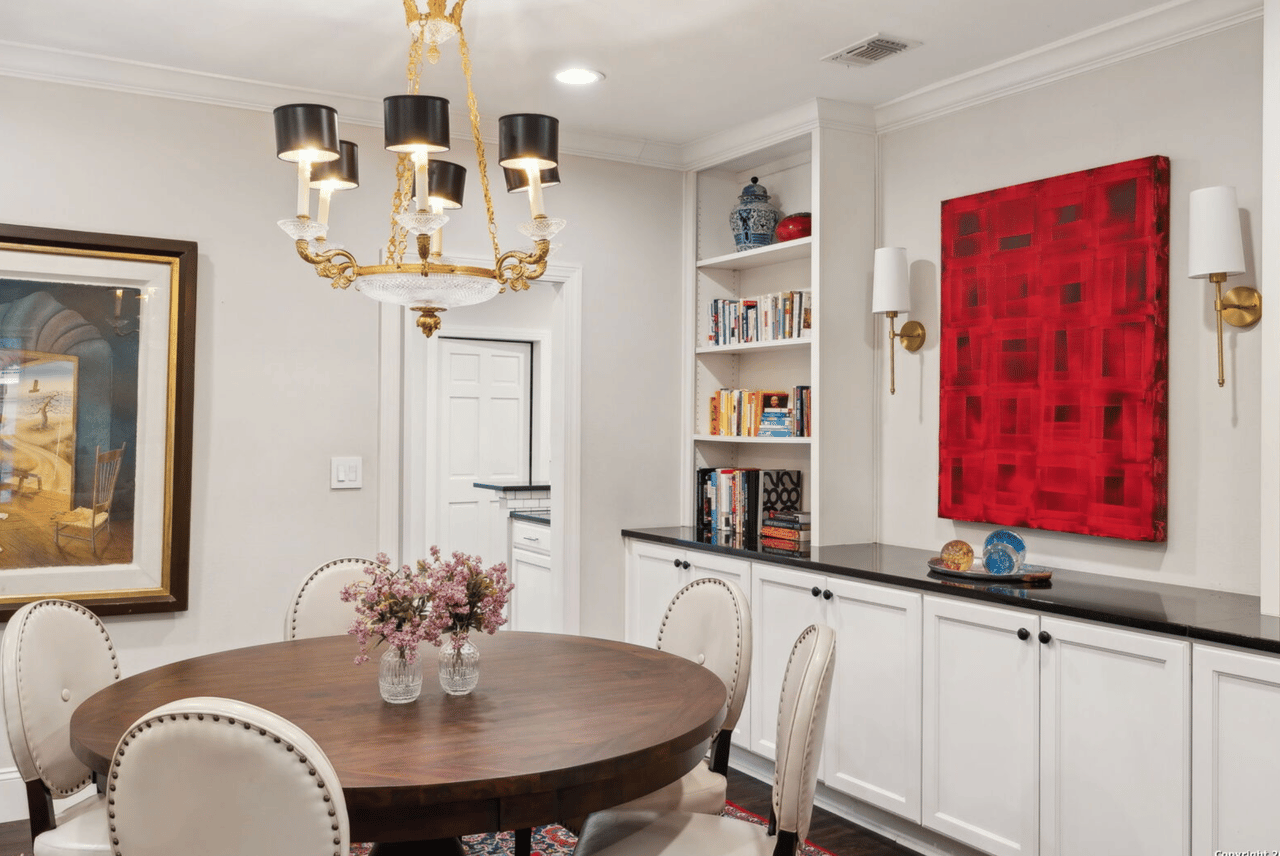
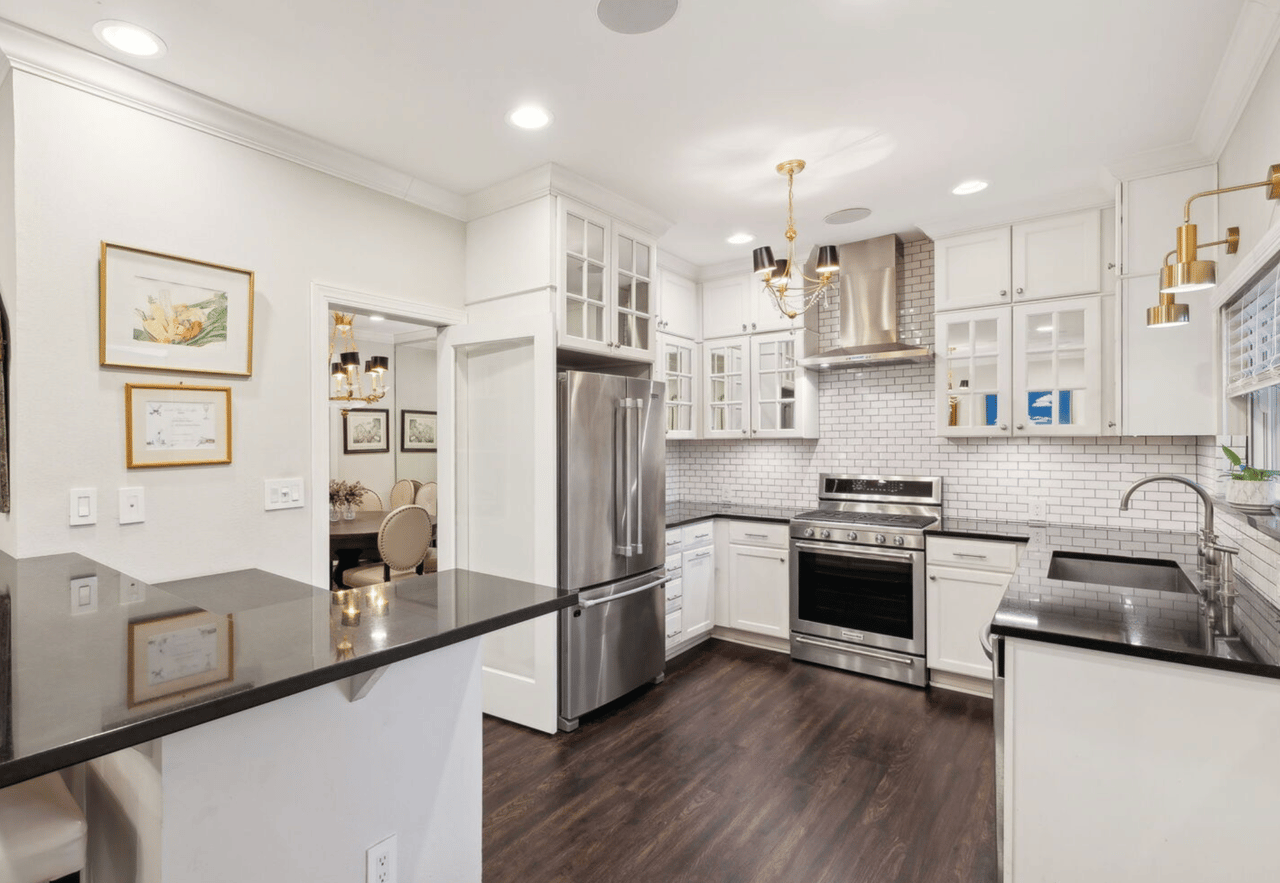
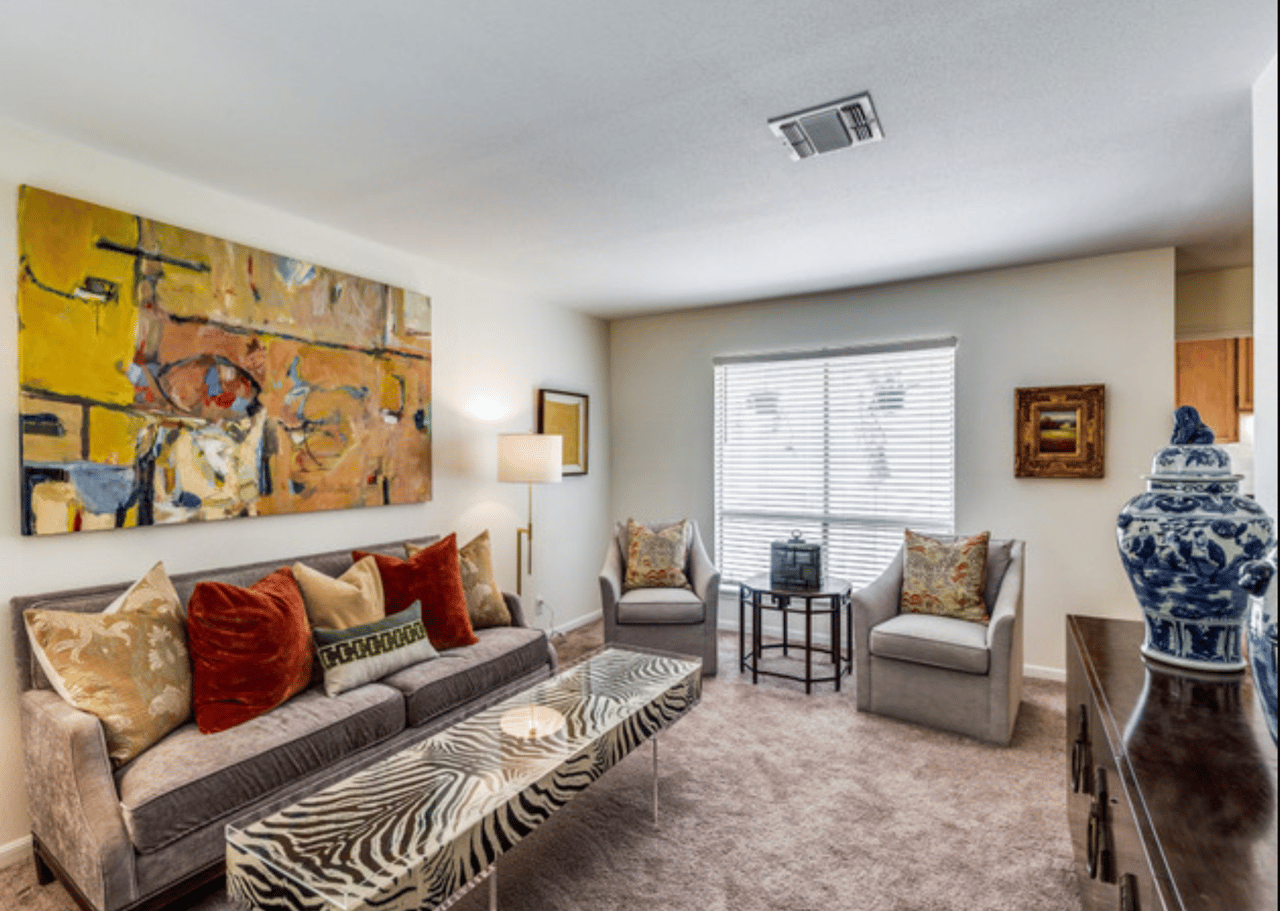
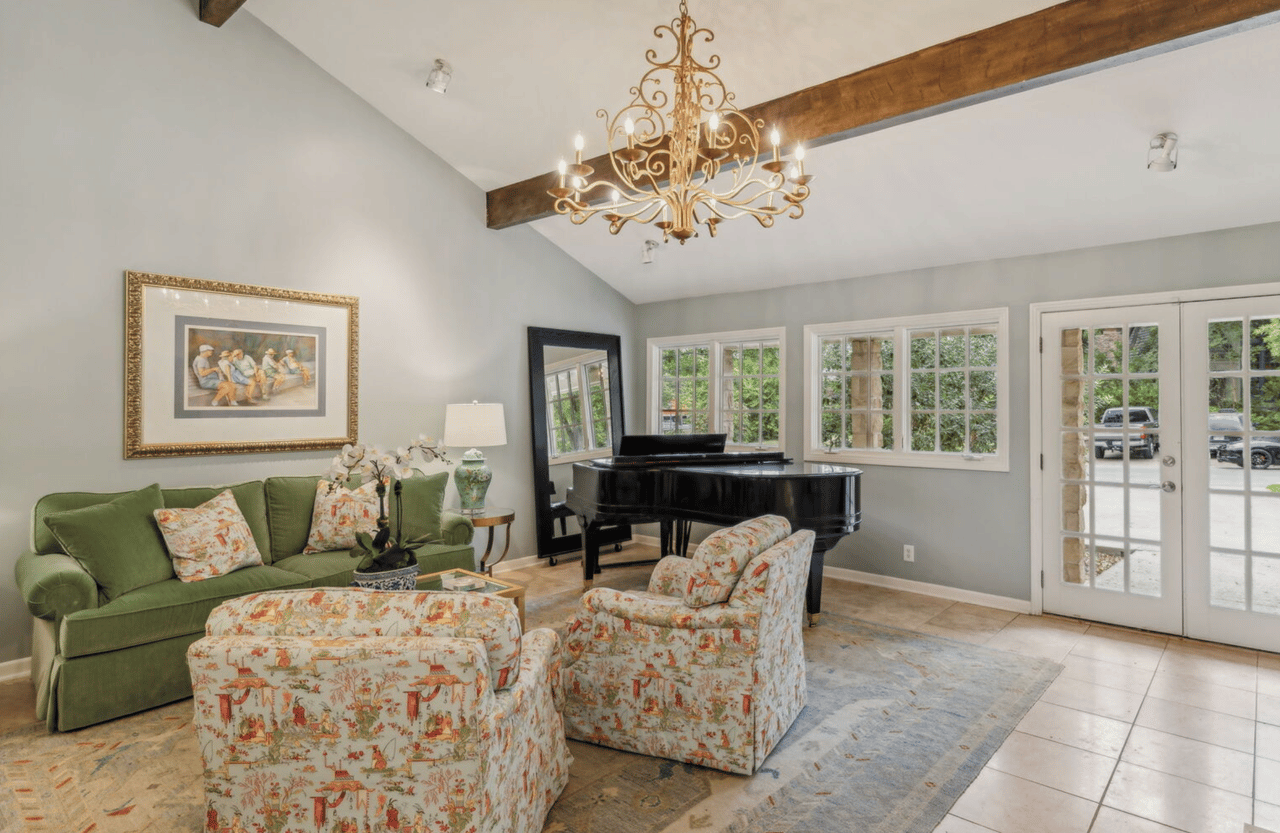
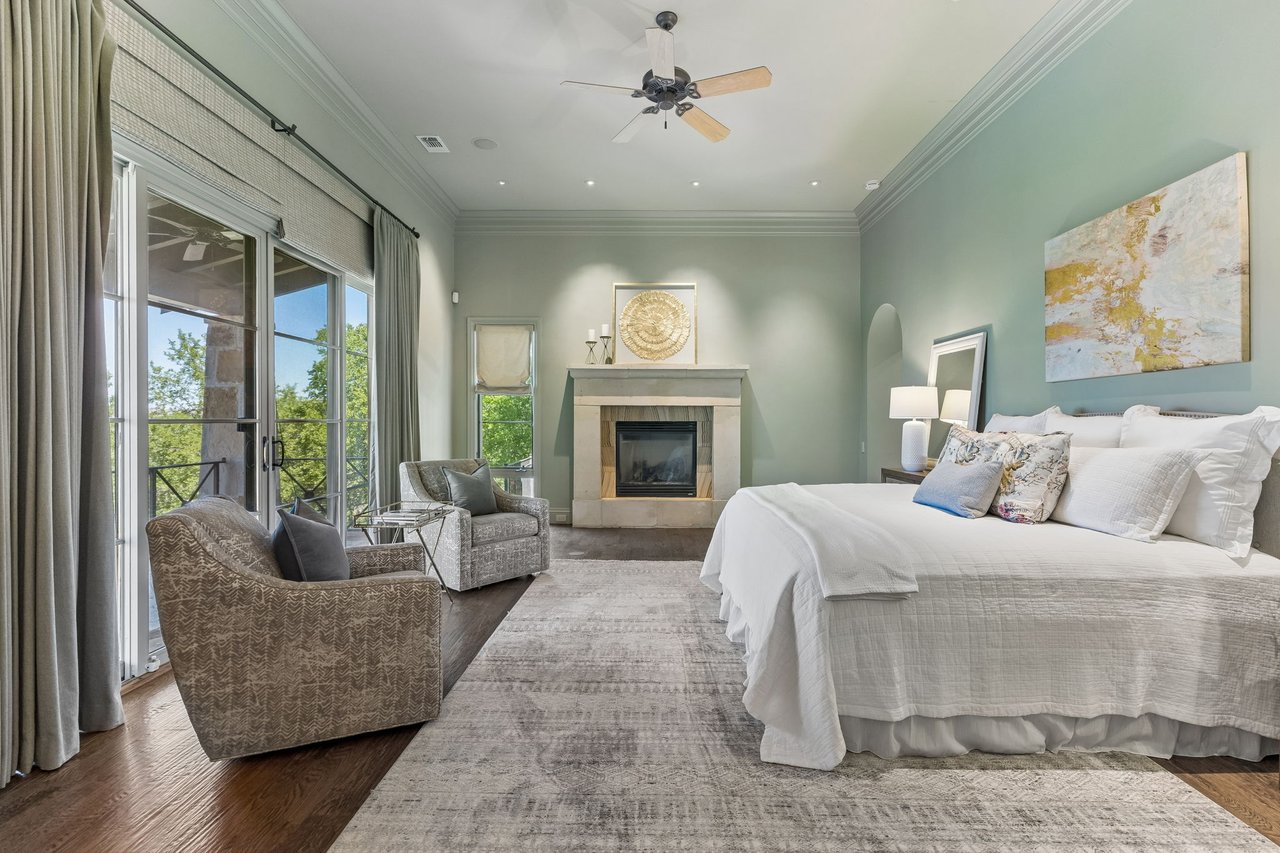
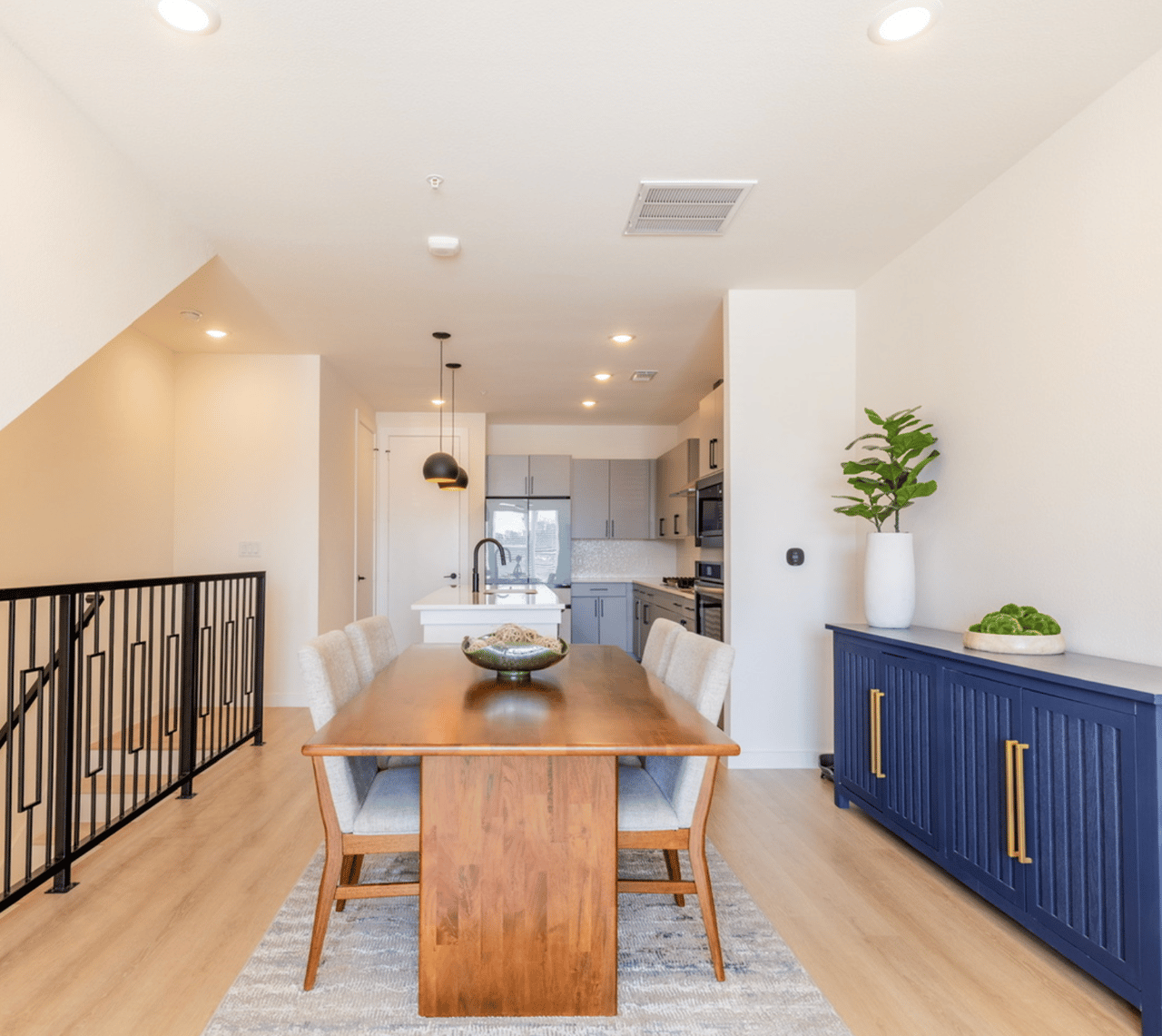
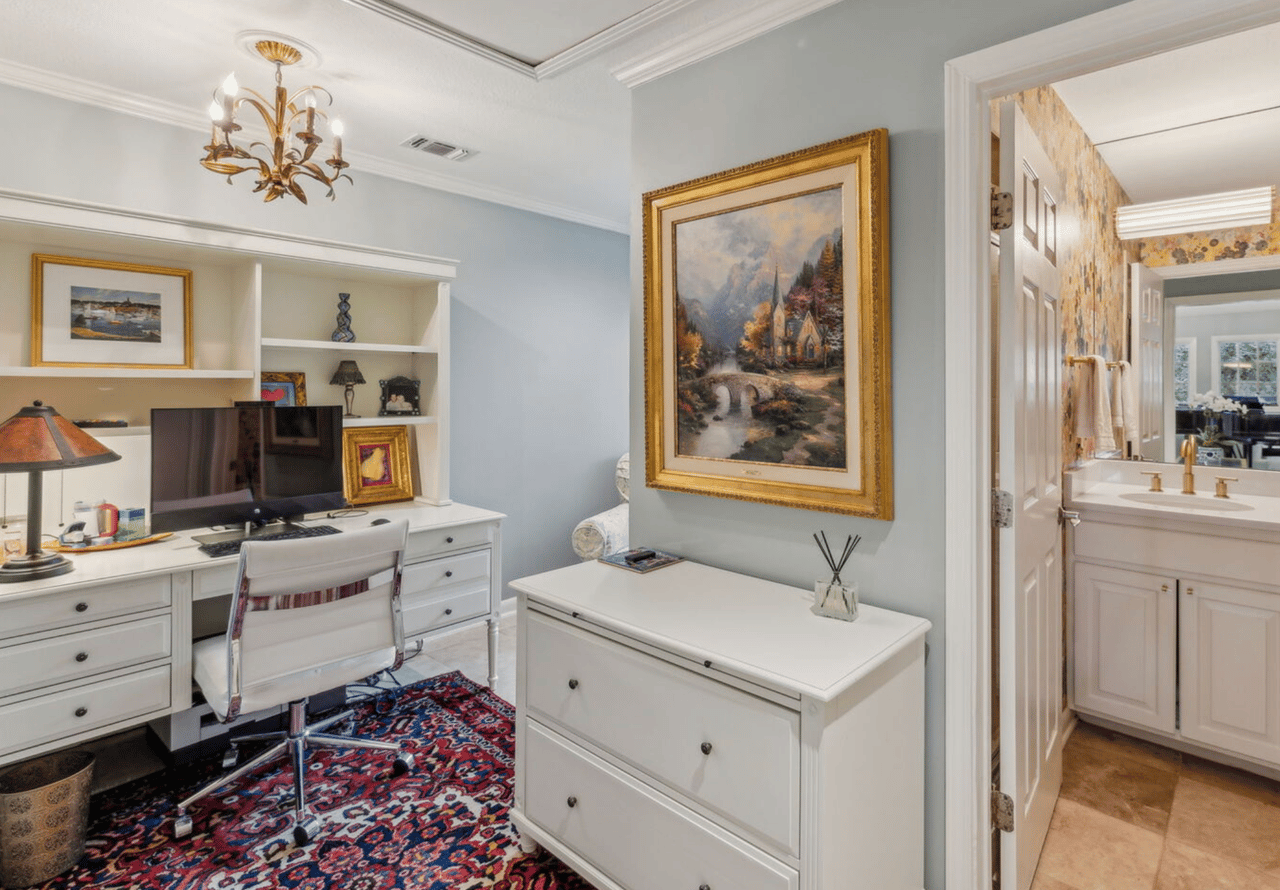
Inside the home, neutral styling and strategic staging can help buyers visualize the property’s potential. Professional staging may also highlight architectural details, improve room flow, and create a stronger emotional connection during showings.
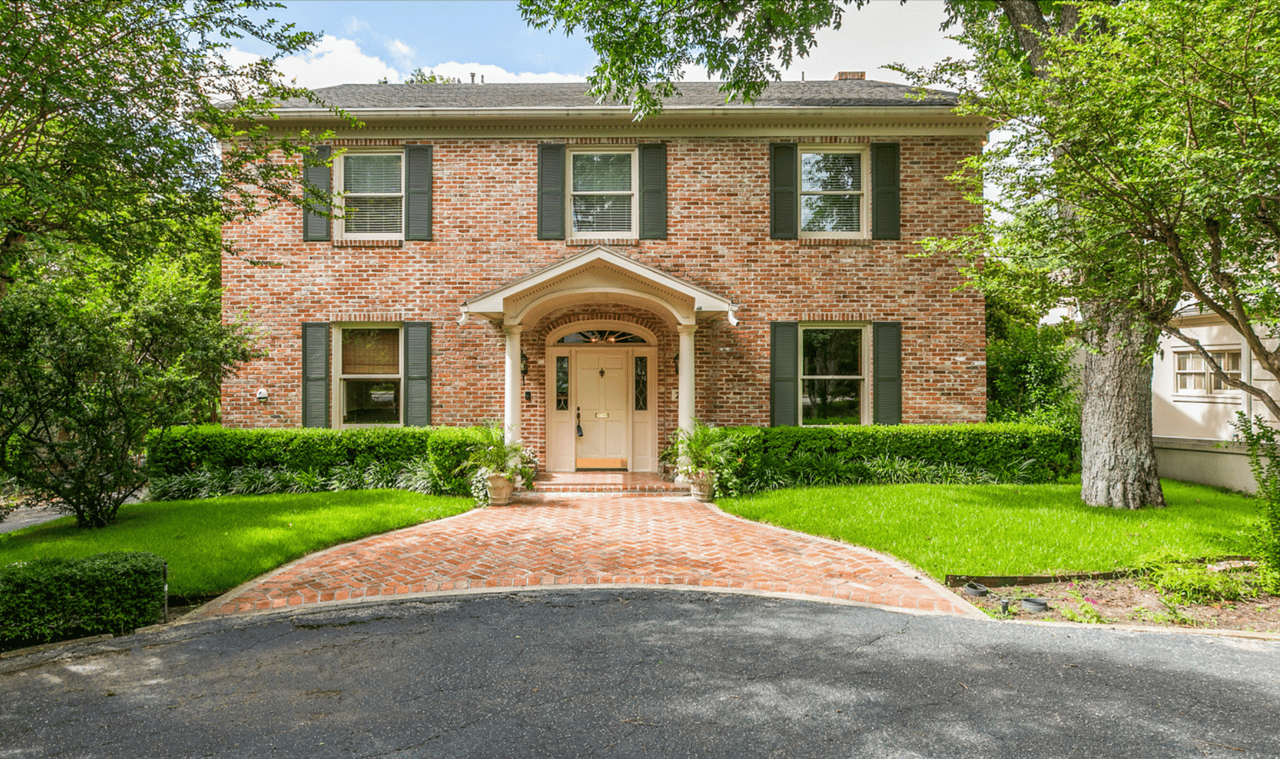
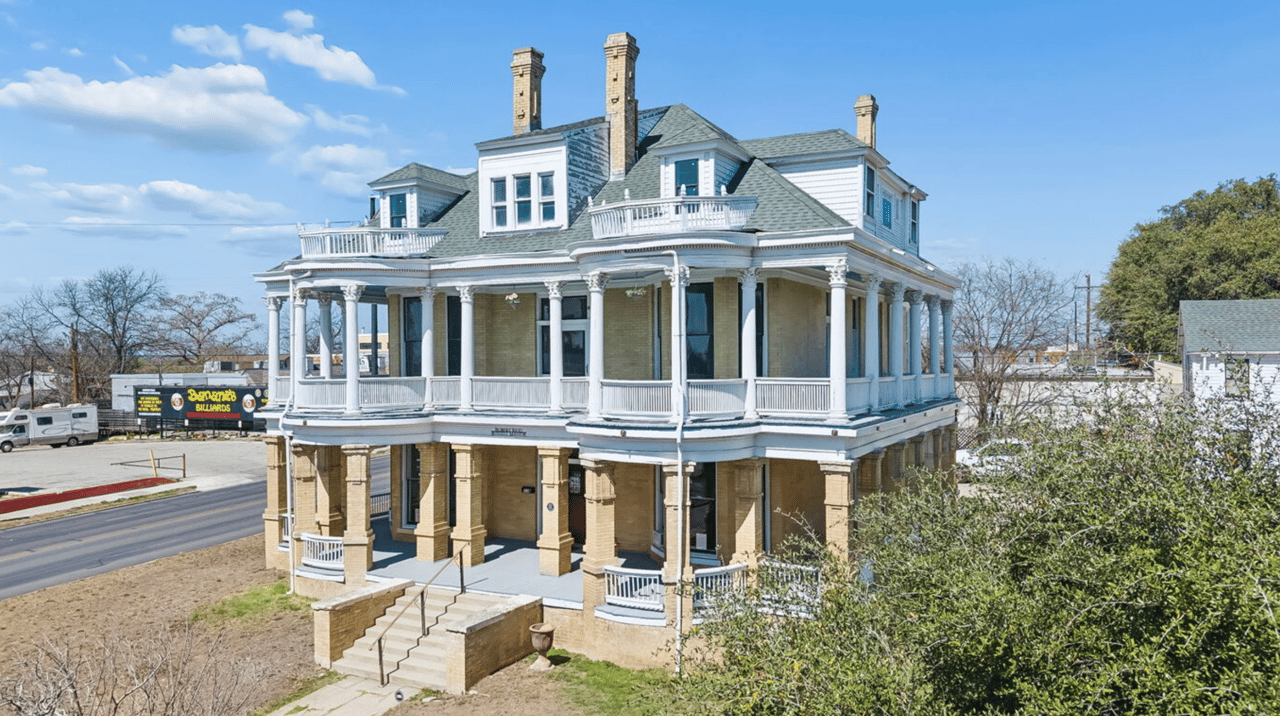
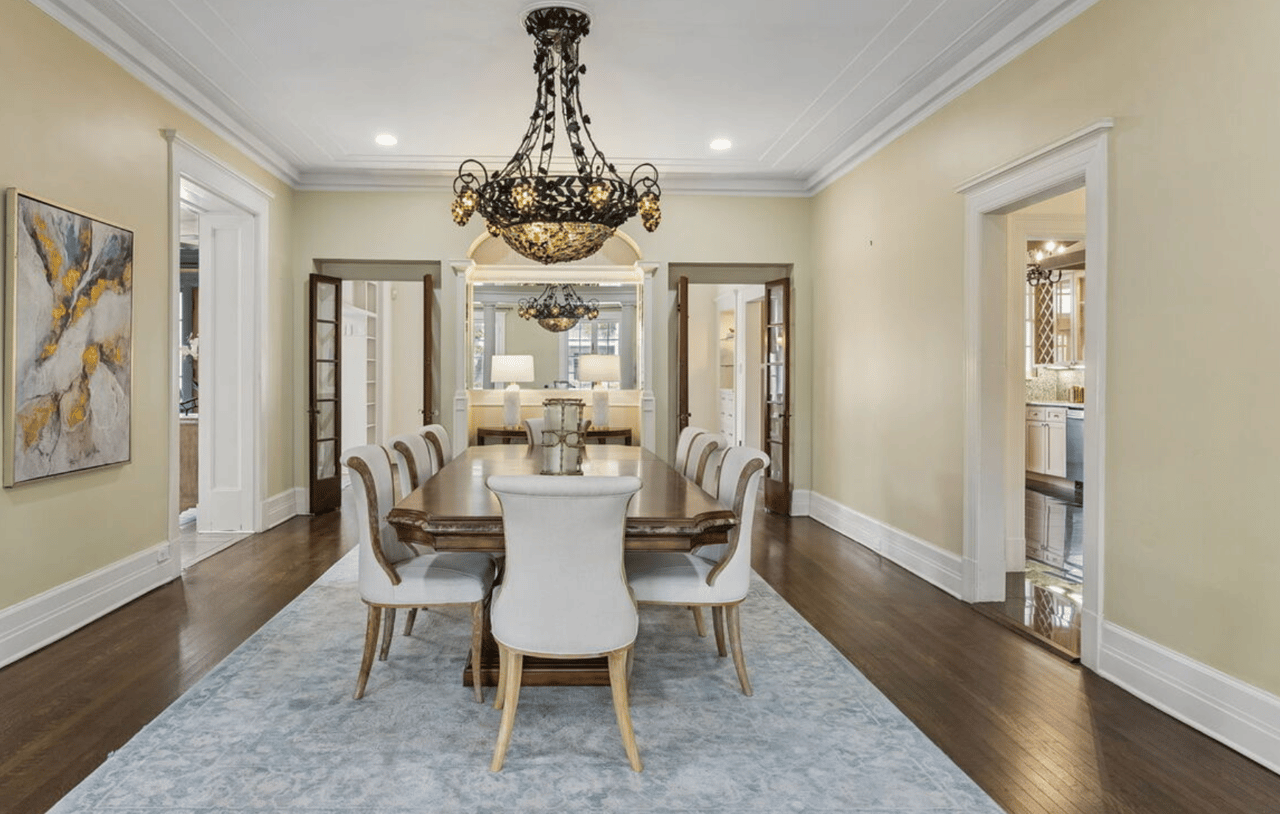
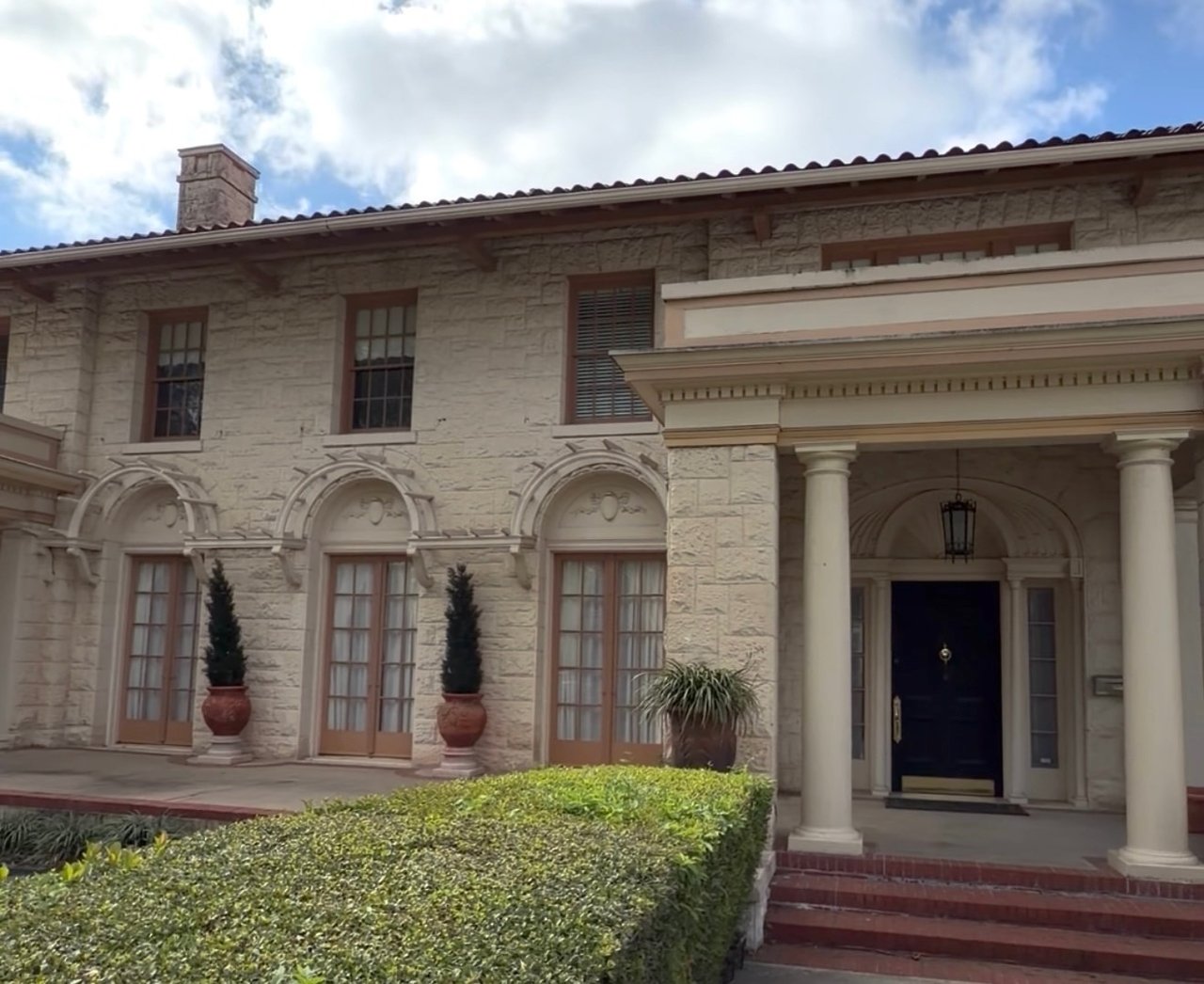
Buyers in neighborhoods like Alamo Heights and Olmos Park often appreciate homes that balance preserved character with modern functionality. Maintaining original design elements while incorporating updated systems and finishes can create broader appeal.
Navigating the Selling Process with Confidence
Selling a home involves multiple stages, including pricing, marketing, negotiations, inspections, disclosures, and closing. Understanding each step can help reduce stress and improve the overall selling experience.
Working with experienced professionals who understand Texas real estate regulations and local market dynamics is especially important in luxury and established neighborhoods.
A knowledgeable real estate agent can help:
- Develop an accurate pricing strategy
- Create targeted marketing campaigns
- Coordinate professional photography and staging
- Manage negotiations and buyer communication
- Navigate inspections, disclosures, and contracts
Ultimately, the goal is to position your home effectively while aligning the sale with your financial and lifestyle goals. With the right preparation and market insight, sellers can navigate San Antonio’s 2026 housing market with greater confidence and clarity.
FAQs
What is the best time to sell a home in San Antonio?
Spring and early summer are traditionally the strongest seasons for home sales, though local market conditions in 2026 may create opportunities throughout the year.
How do I price my home competitively in San Antonio?
Use a comparative market analysis (CMA), review recent neighborhood sales, and consider your home’s unique features and upgrades. Working with a local real estate professional can help improve pricing accuracy.
What improvements add the most value in established neighborhoods?
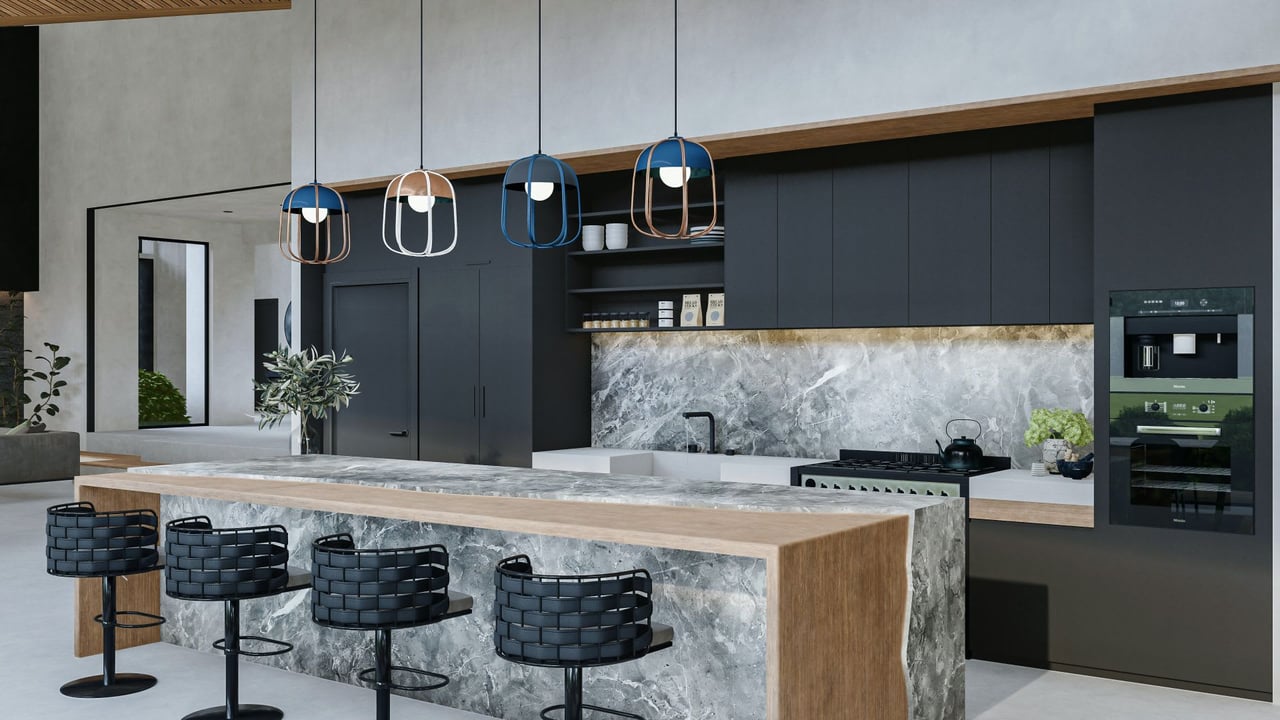
Enhancements that improve curb appeal, preserve architectural character, and modernize key systems — such as kitchens, bathrooms, and energy-efficient upgrades — often provide strong returns.
Selling your San Antonio home in 2026 requires careful evaluation of timing, market conditions, neighborhood trends, and pricing strategy. By staying informed and working with experienced professionals, homeowners can position their properties effectively and maximize long-term value.