San Antonio Home Sellers: It’s Still a Workable Market in Early 2026 — But Strategy Matters
Heading into January 2026, San Antonio remains a workable market for sellers, but the era of “name your price and wait for multiple offers” is behind us. Buyers now have more choices, homes are spending longer on market, and competitive pricing plus strong presentation are essential for success.
What the Current Market Looks Like for Sellers
Late-December data shows roughly 360–391 homes closing each week in the greater San Antonio area, with median sale prices settling in the low-to-mid-$300,000s even during the slower holiday period. This confirms that well-positioned listings are still selling regularly—but timing, pricing, and presentation are key.
Local market commentary has increasingly described San Antonio as shifting toward a balanced or slightly buyer-leaning market, with more active listings and longer days on market than we saw during the pandemic-era seller’s market.
Prices, Inventory & Days on Market
Looking at late 2025 data, price trends illustrate softening rather than collapsing home values:
- One October 2025 report shows a median sale price around $258,000, roughly 2.6% lower year-over-year.
- Other mid-2025 figures place median prices nearer $310,000, with averages around $382,000—confirming a mild pullback rather than a market downturn.
Inventory remains elevated compared with the recent past: by August 2025, active listings surpassed ~17,000, up about 15% year-over-year, and months of inventory hovered near 6.1 months. These levels shift leverage toward buyers and highlight the need for pricing that reflects today’s market realities.
What This Means If You List Now
Although homes are selling, the market no longer rewards unrealistic pricing:
- Listings priced in line with recent comps tend to sell efficiently. Those set above neighborhood norms linger or adjust downward over time.
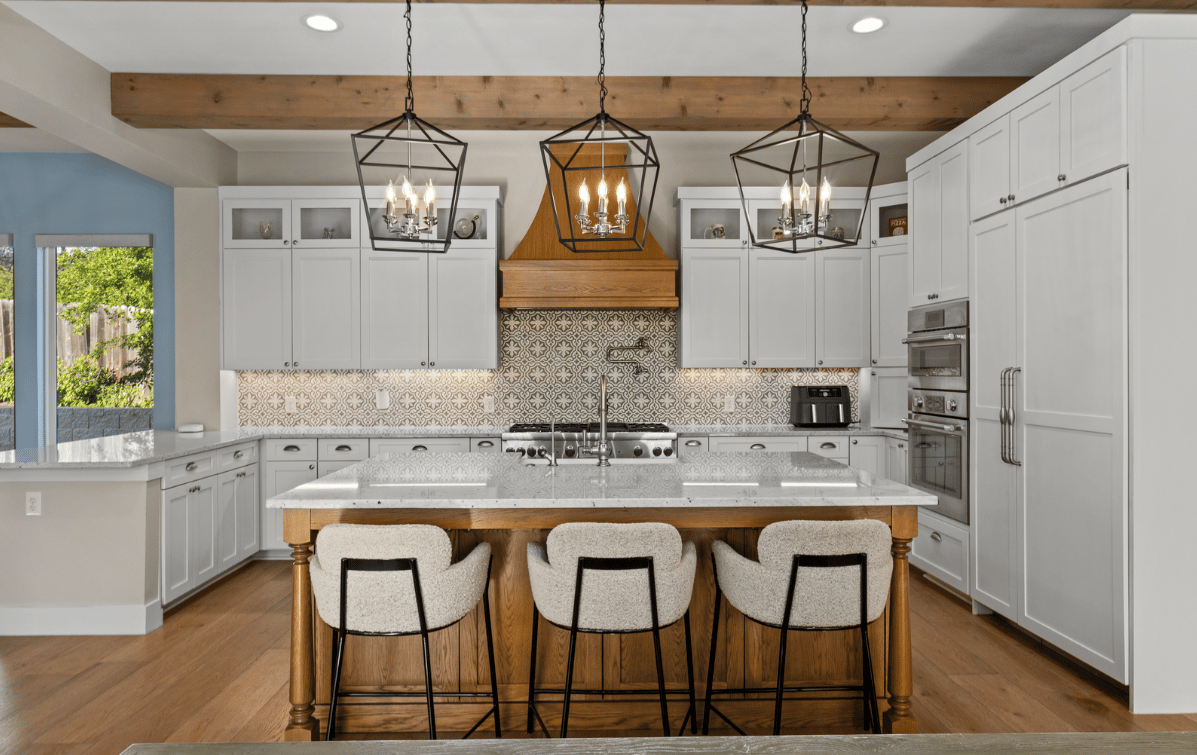
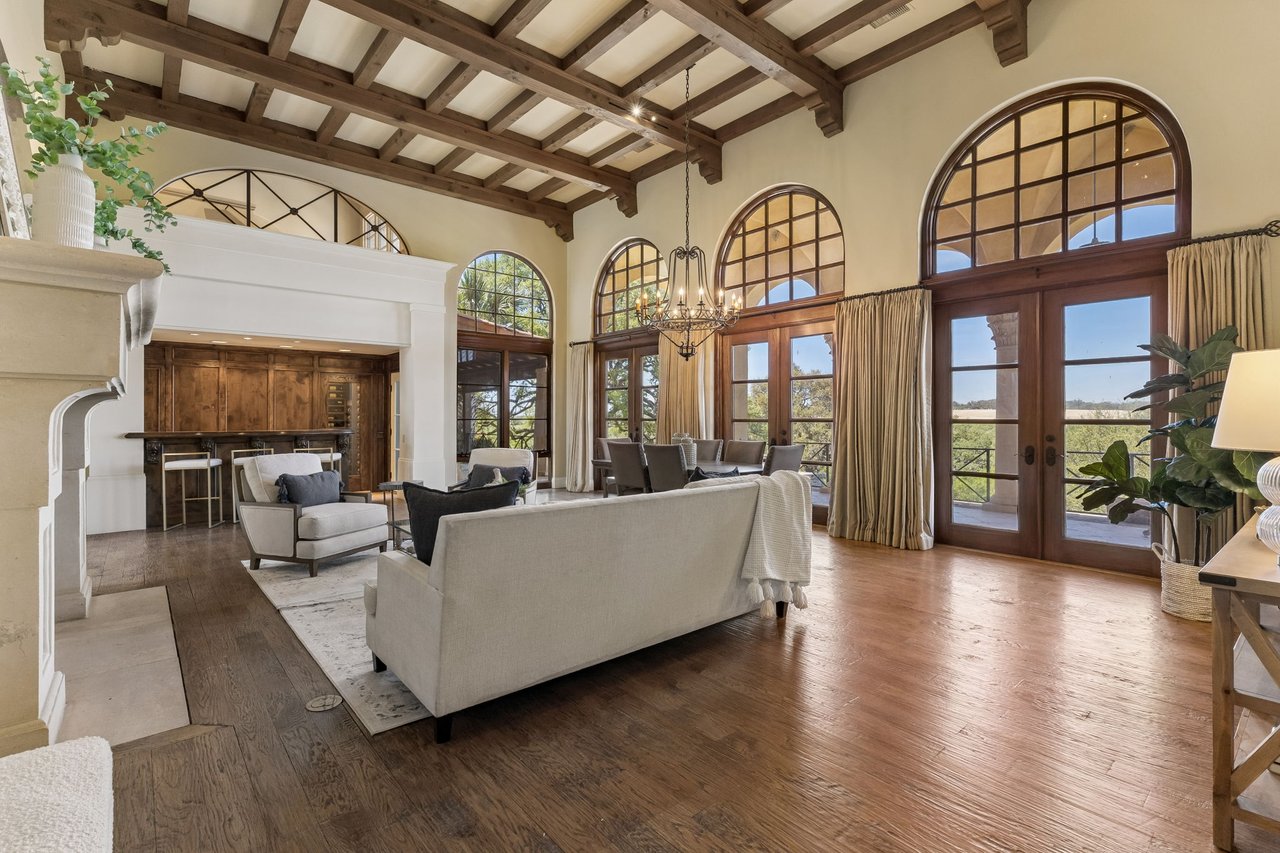
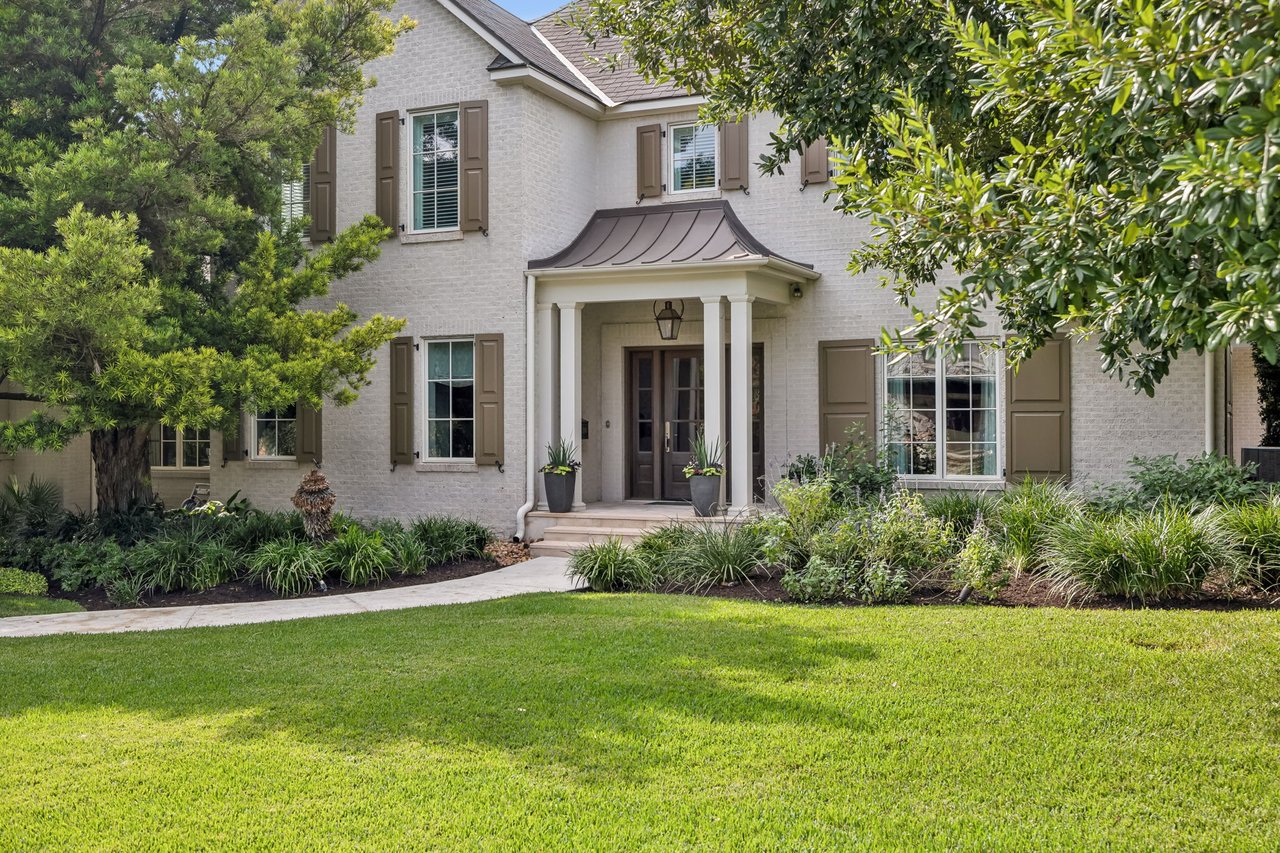
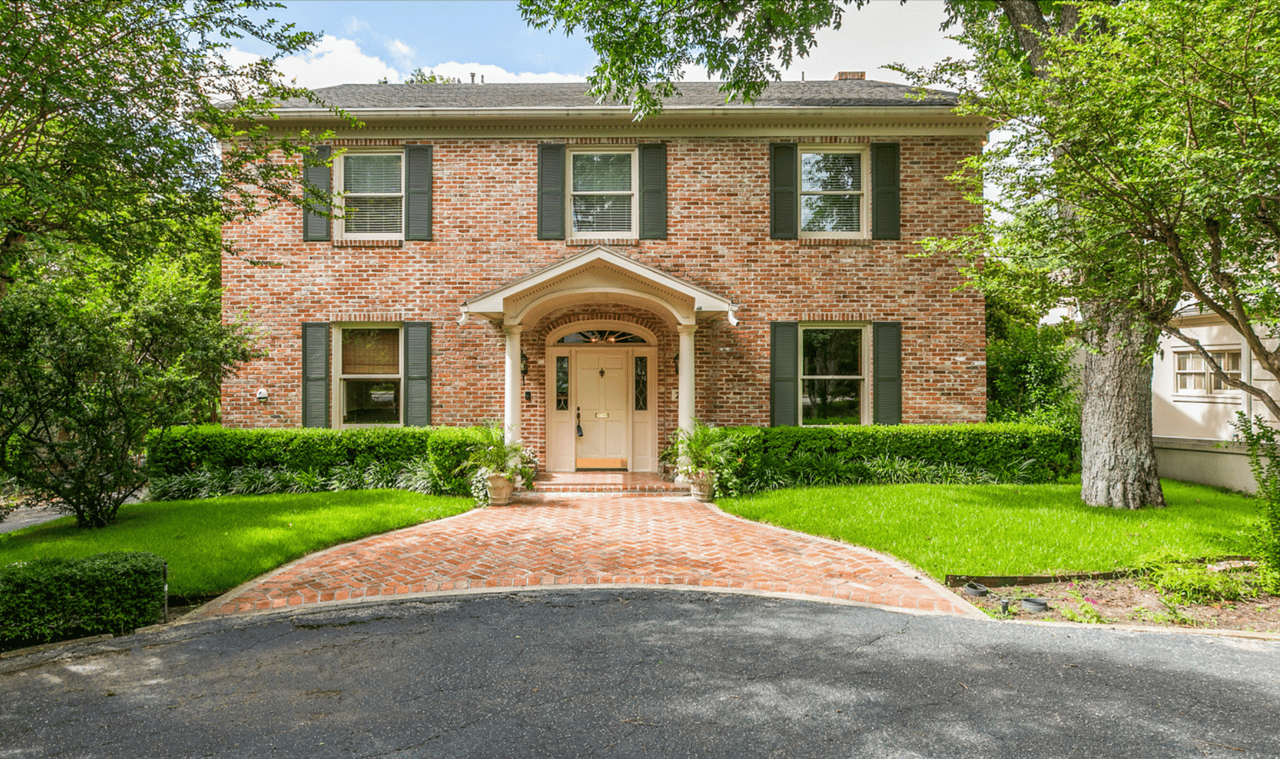
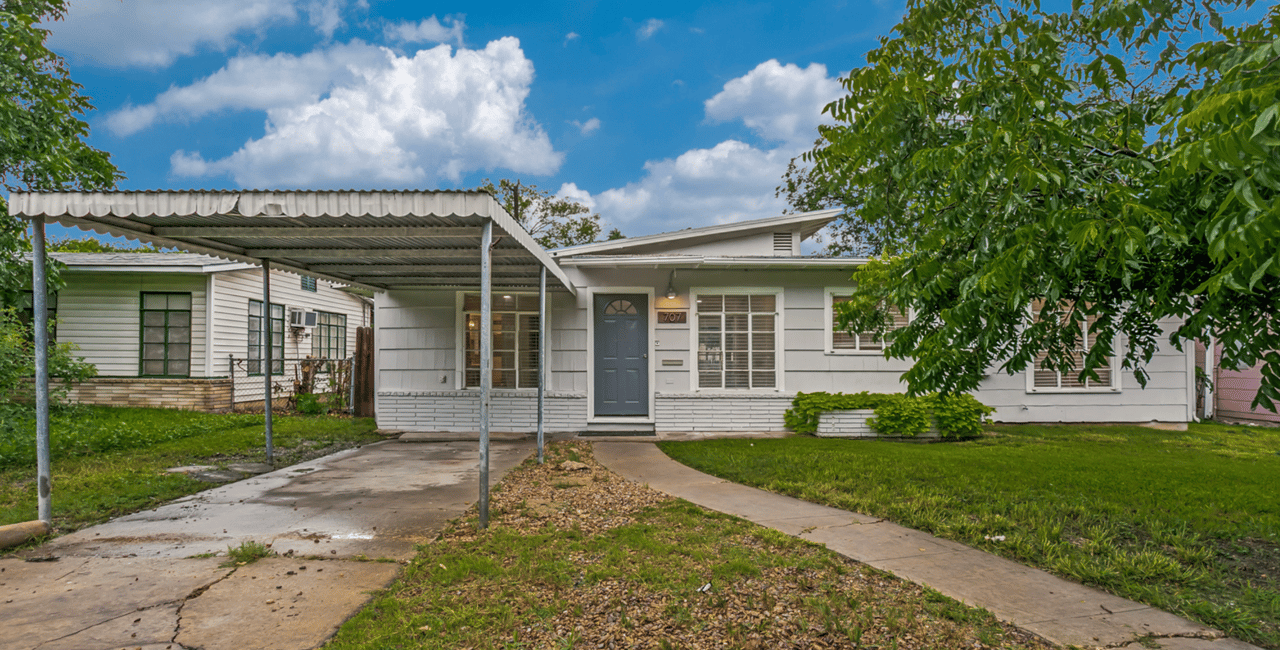
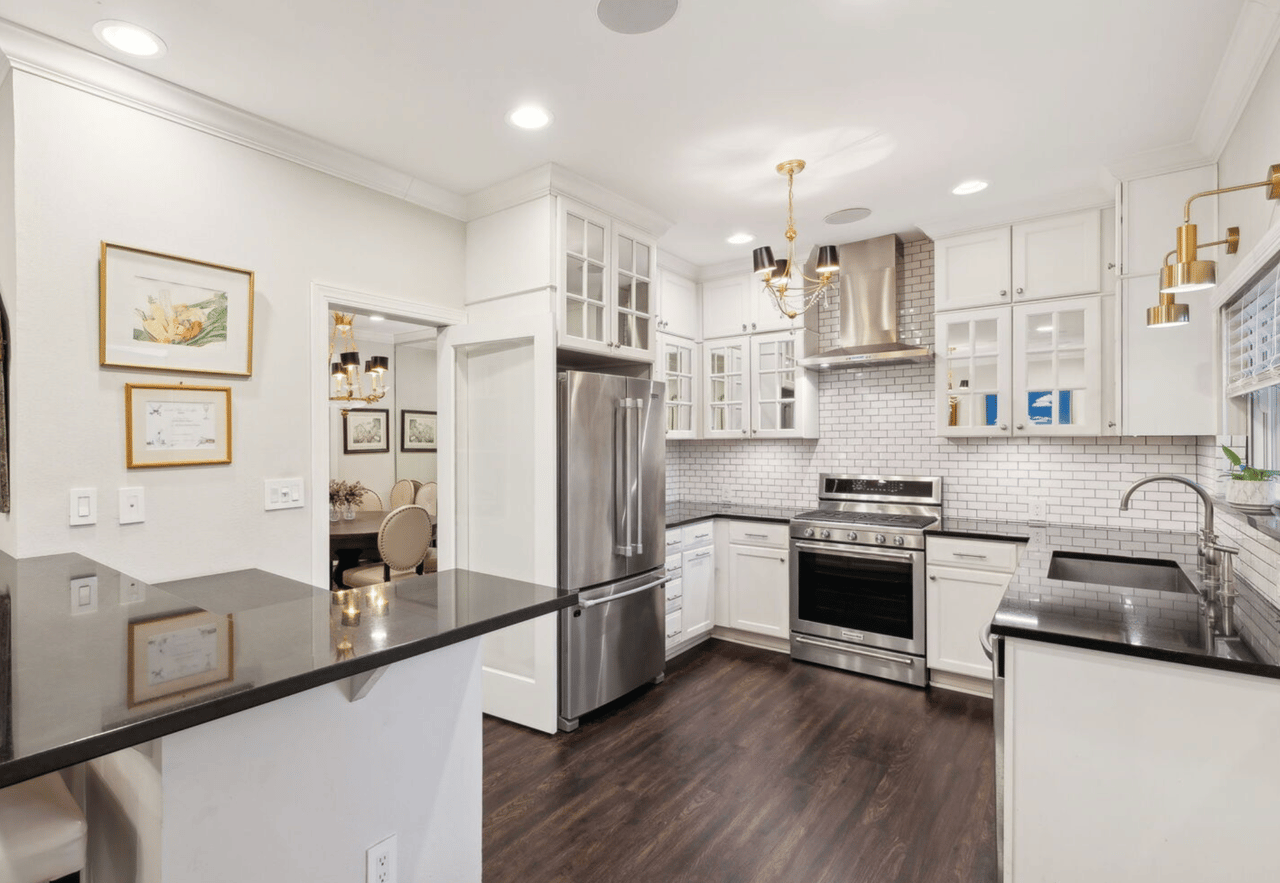
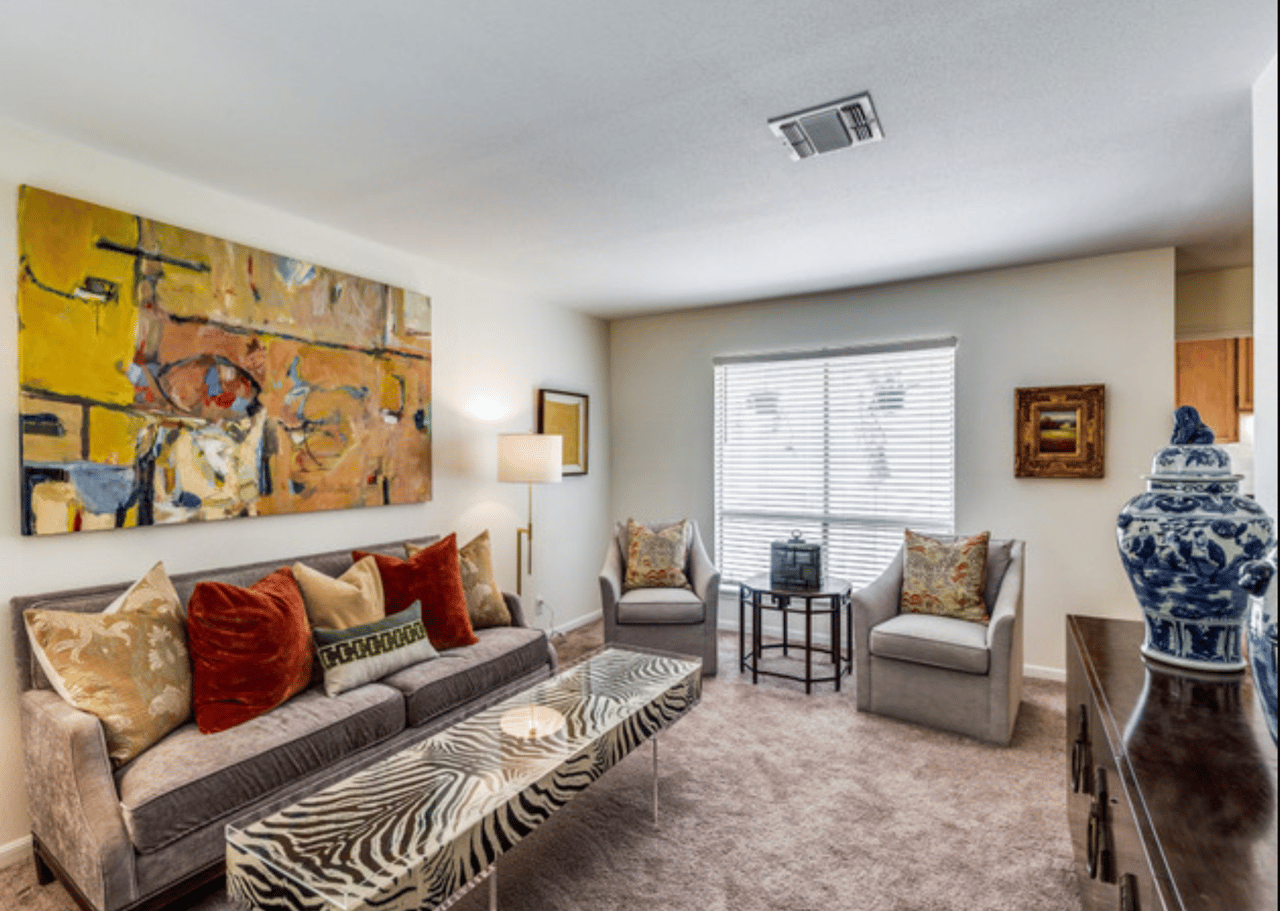
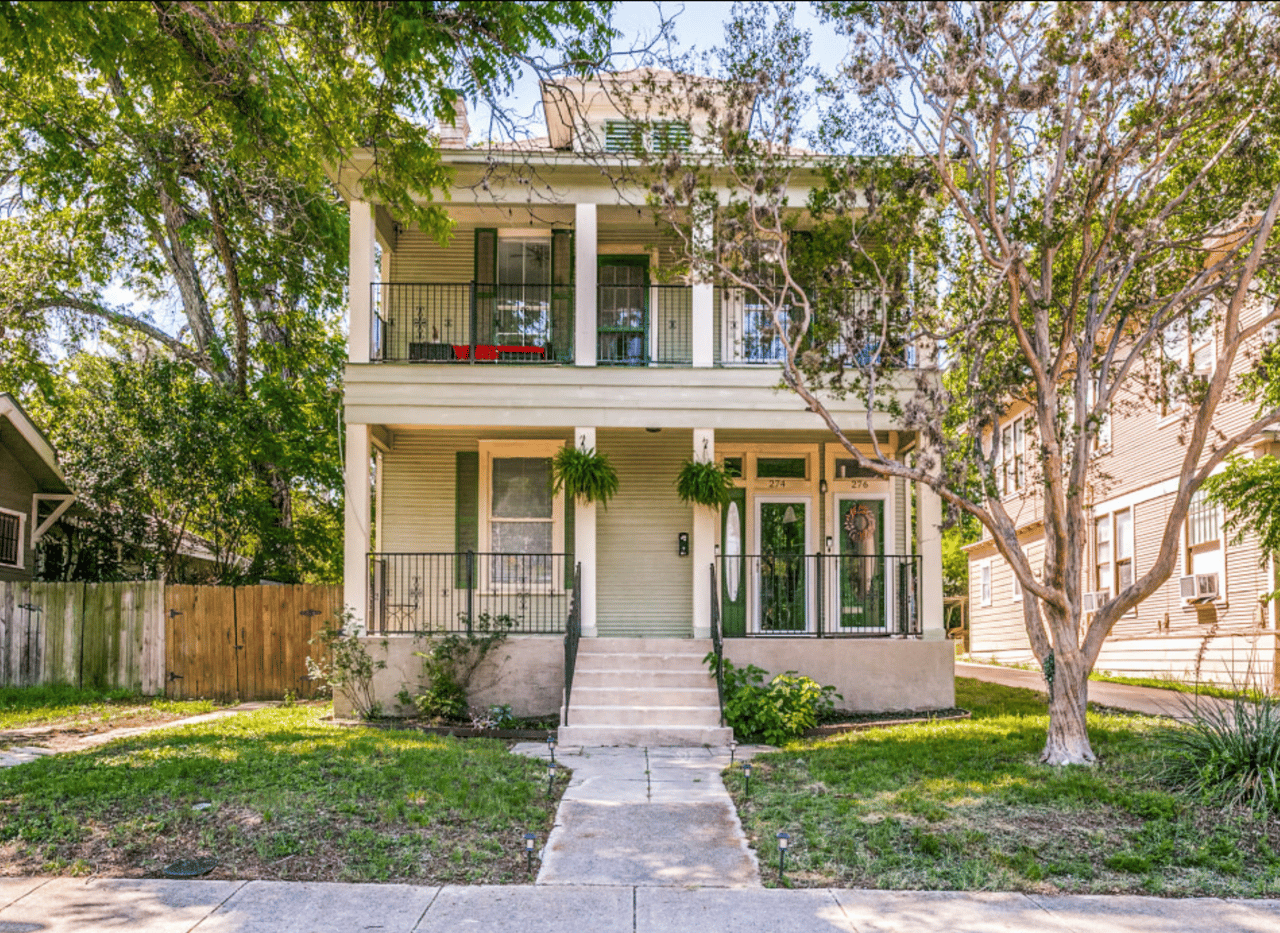
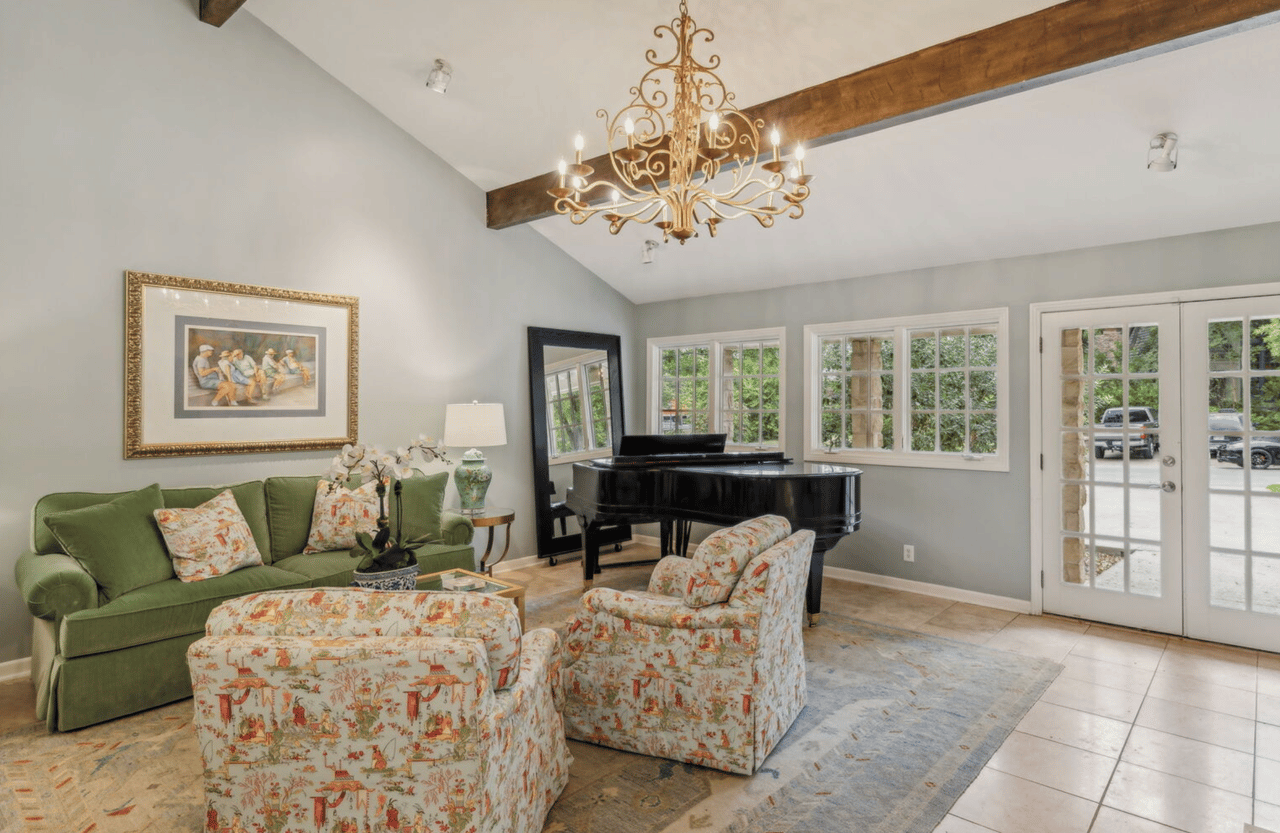
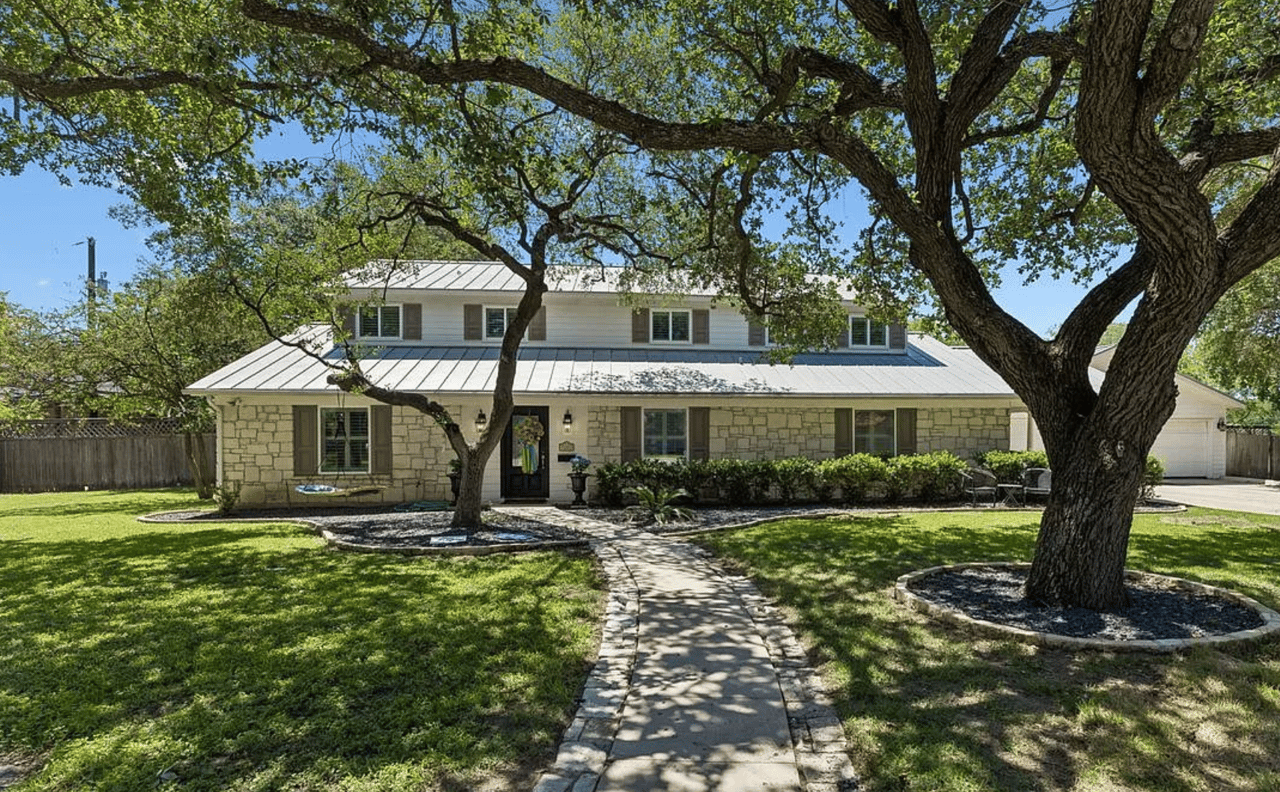
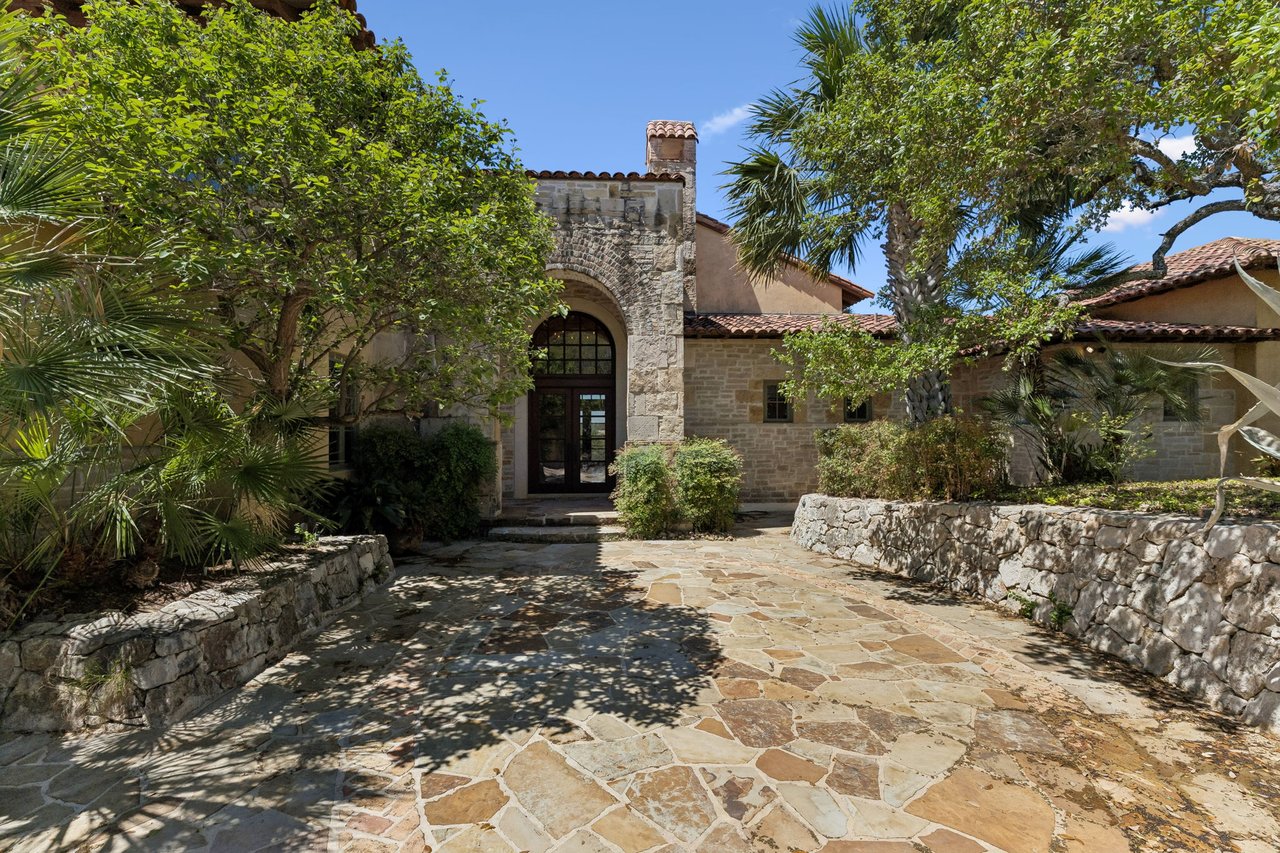
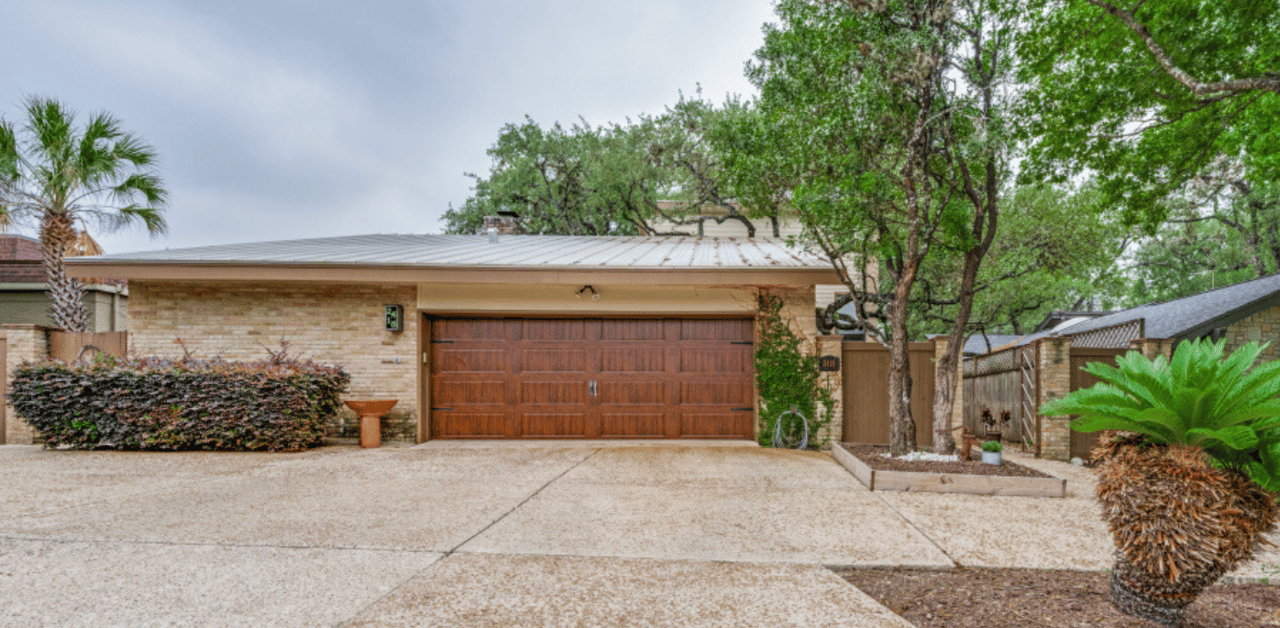
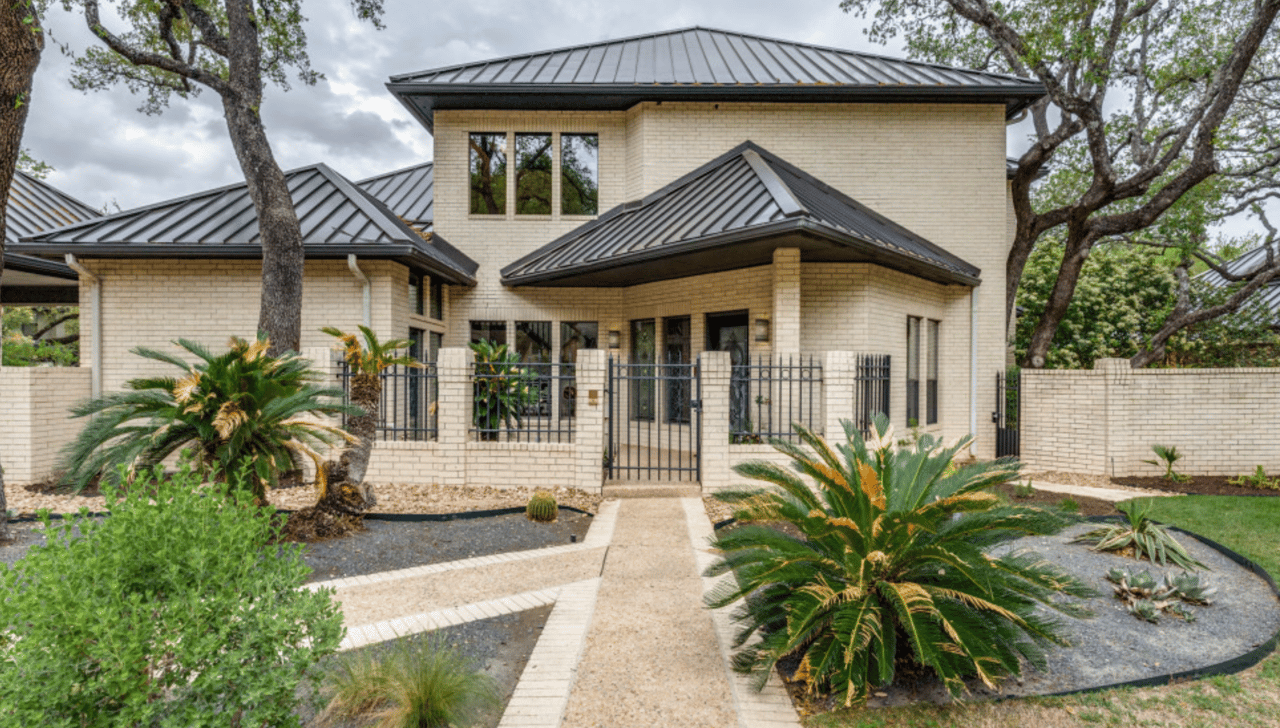
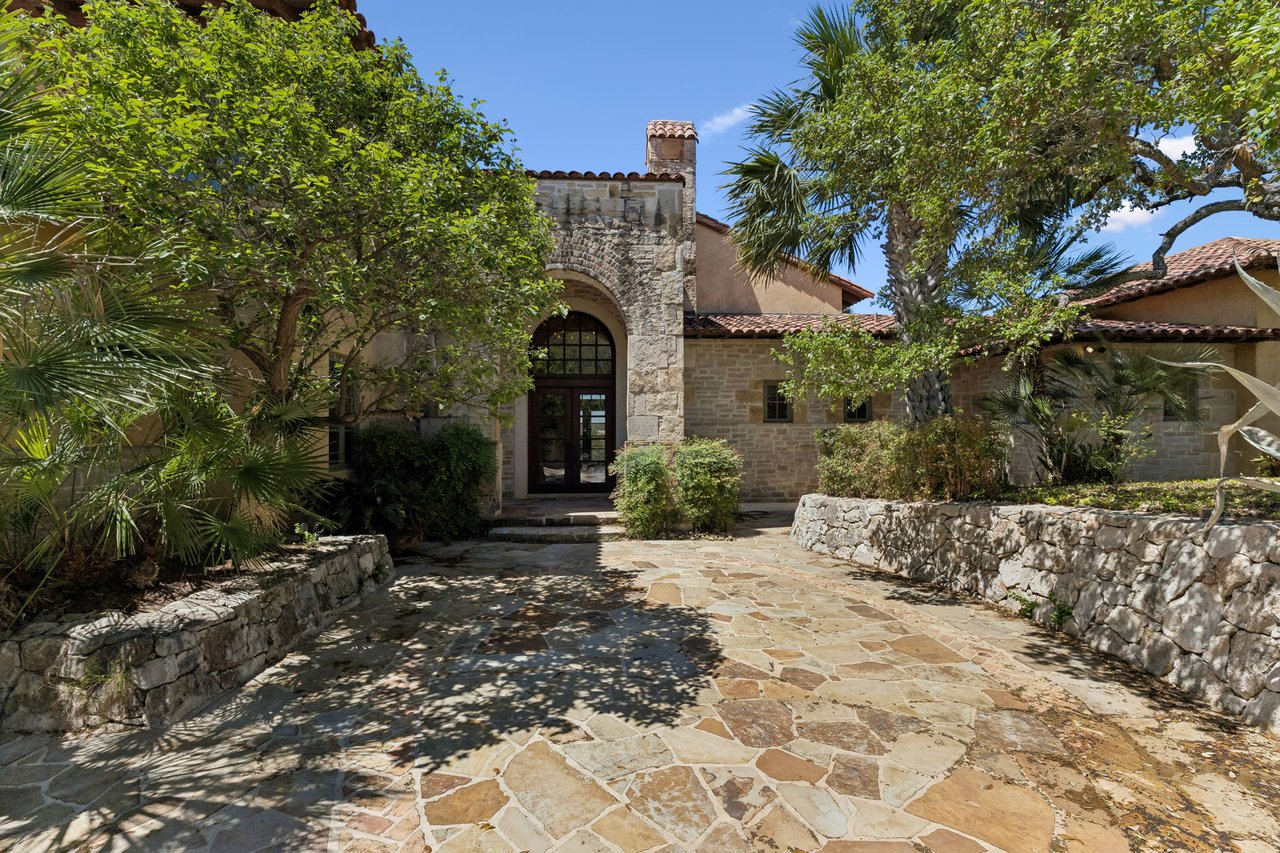
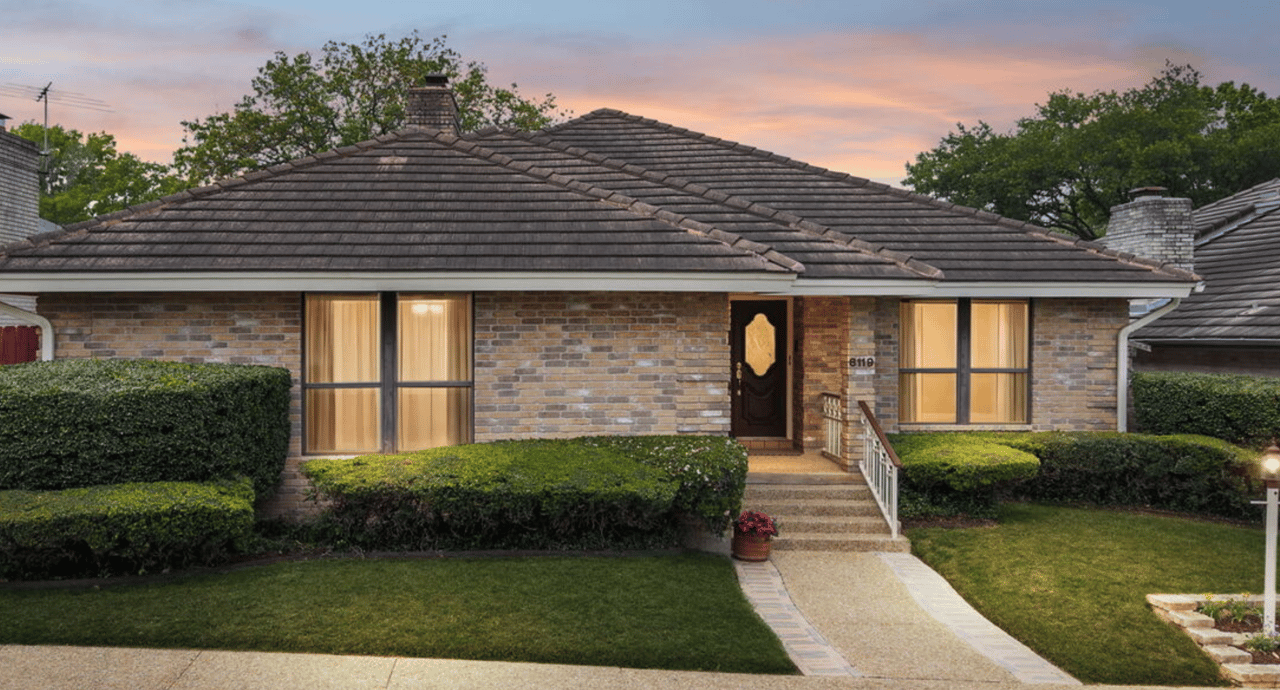
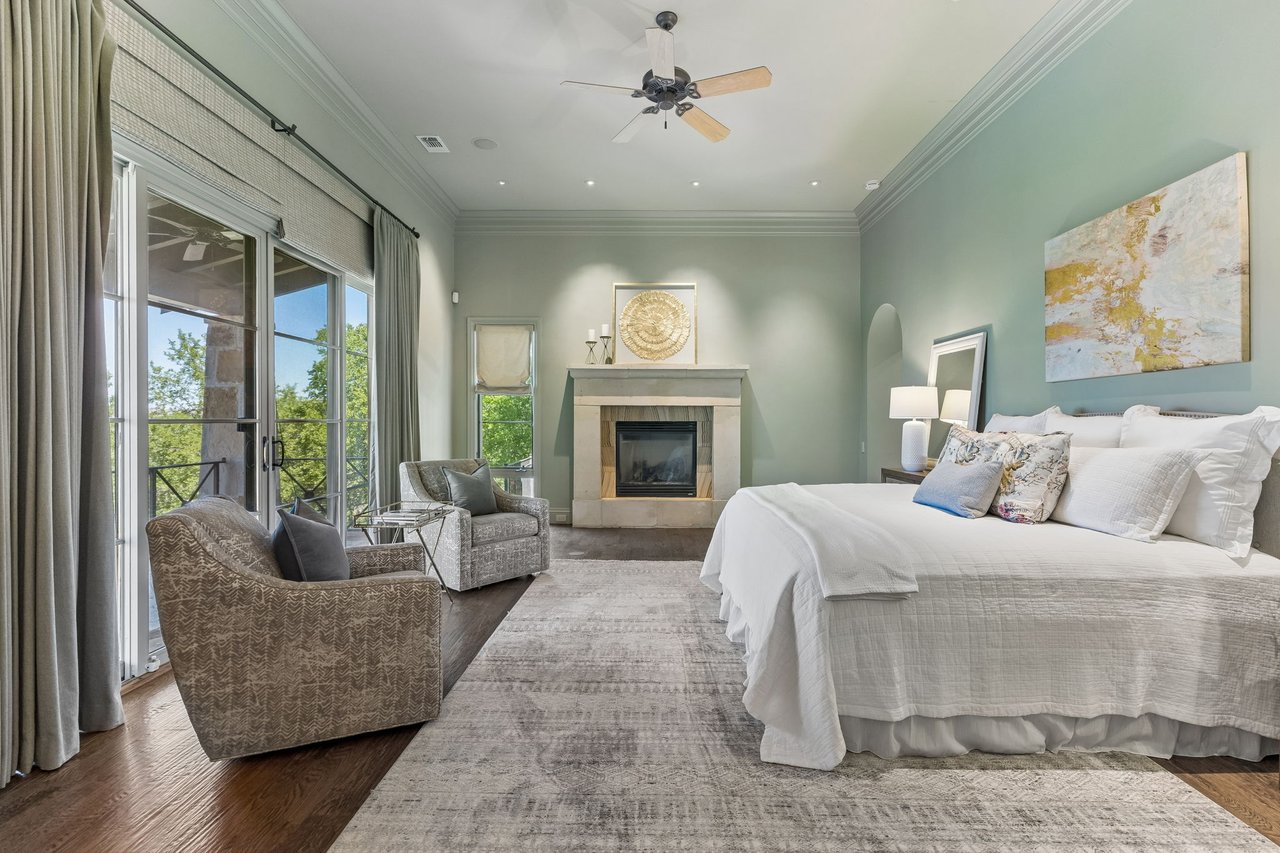
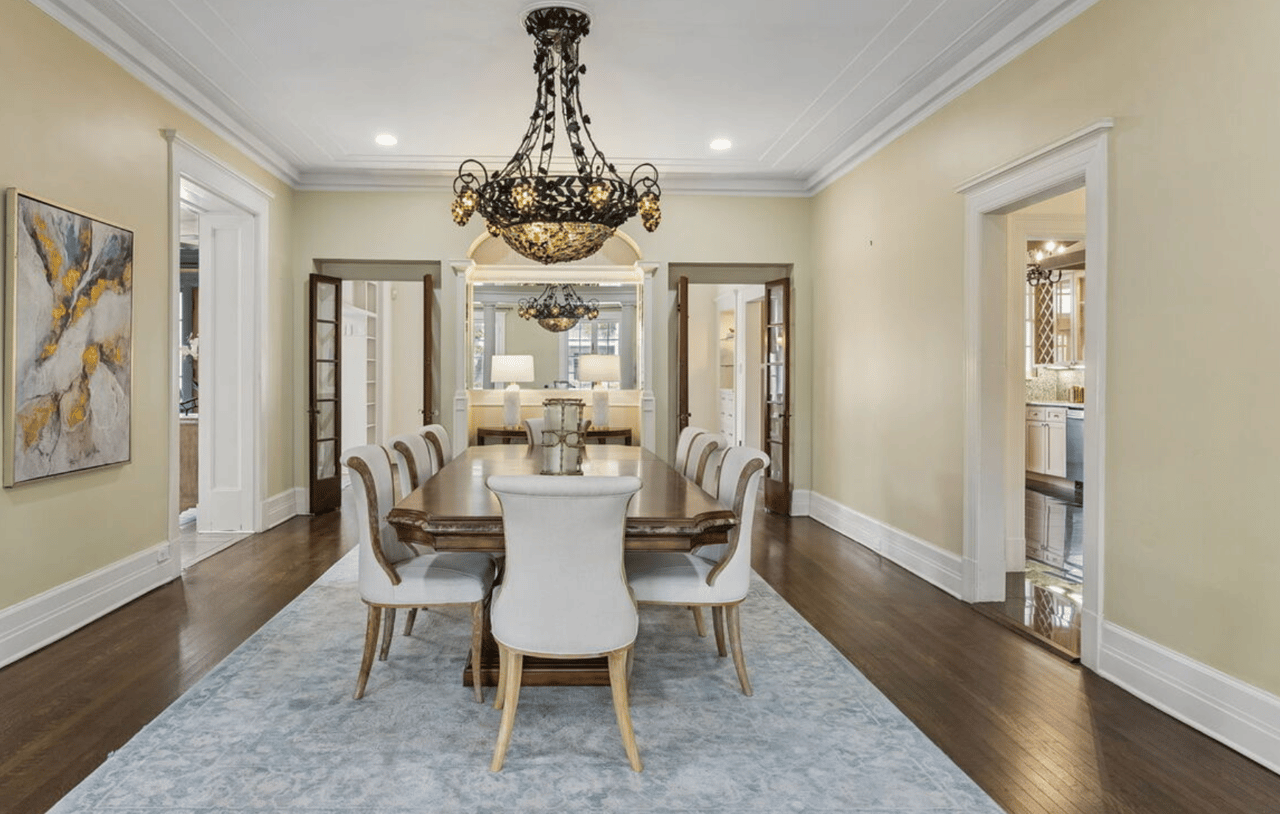
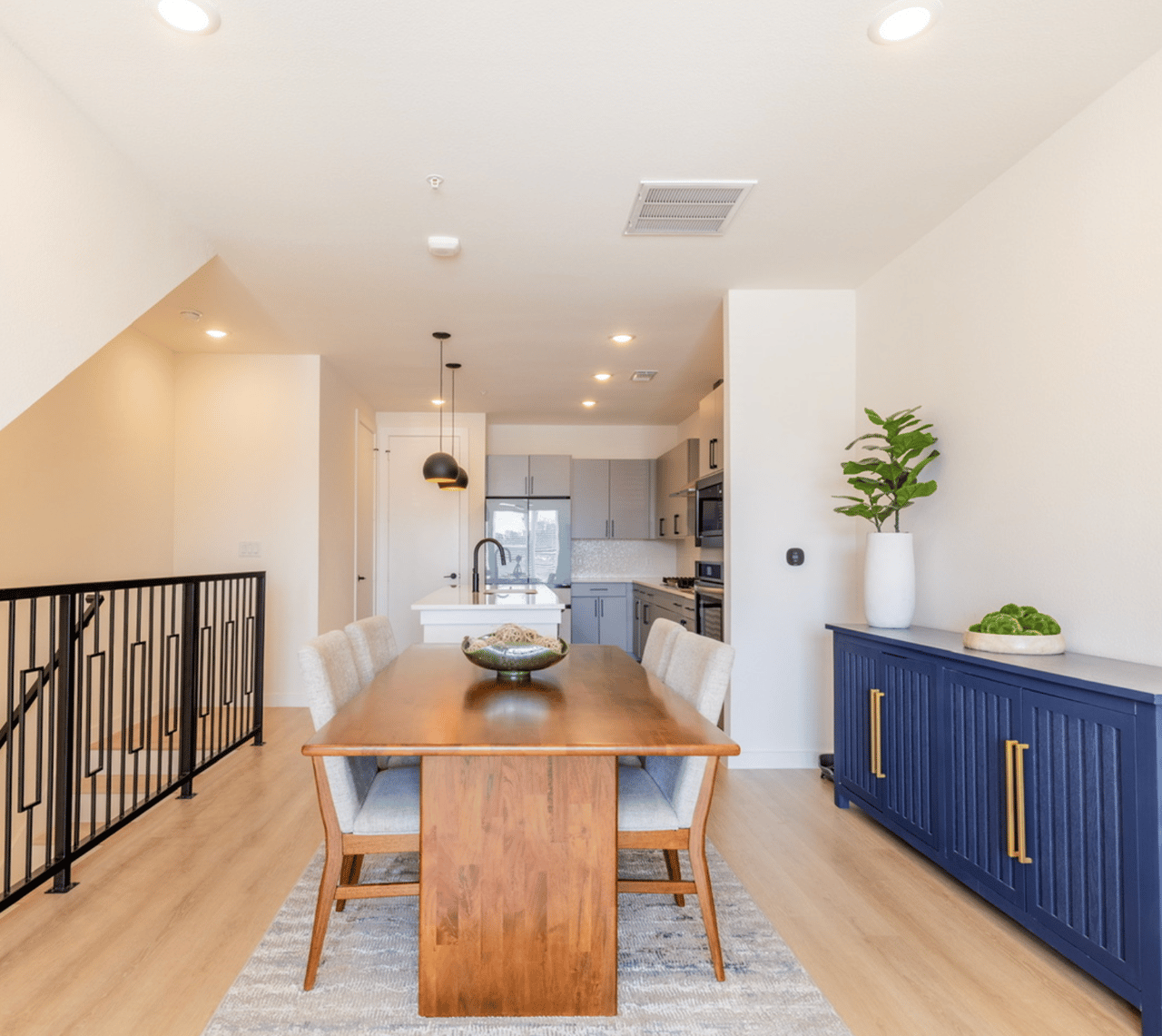
- Focusing on strong photography, staging, and curb appeal helps your home stand out in a crowded inventory.
- Offering small incentives—like closing cost assistance, minor repair credits, or rate buydowns—can differentiate your listing from nearby competition.
- Many sellers find success timing their listing to capture spring demand (January–March), when buyer activity historically increases.
Sell Now… Or Wait?
Selling now can make sense if:
- You want to unlock equity while prices are still strong by historical standards and forecasts call for modest growth (roughly 2.5–4.5% by early 2026).
- You’re planning to buy another home and want to take advantage of similar balanced conditions on both sides of your transaction.
Waiting may make sense if:
- You can comfortably hold the property and target potential later gains in market activity.
- You’re in a neighborhood experiencing oversupply pressure, where some micro-markets may see slight localized price softness.
How to Decide for Your Specific Home
The most accurate way to assess your selling potential is a hyper-local CMA (Comparative Market Analysis) that looks at:
- Recent closed sales in your subdivision
- Pricing trends and list-to-sold ratios
- Days on market for competing listings
If your home is updated, in a high-demand school zone, or close to job centers and military bases, you may still attract strong interest with the right strategy—even in a balanced market.
Need Personalized Market Guidance?
Caroline Decherd and Susanne Marco are San Antonio real estate experts who help sellers understand where leverage exists today, how pricing and presentation should align with current conditions, and what strategies produce results in every market phase. Reach out to them to evaluate your home’s unique position and plan your best sale for 2026.