How San Antonio’s Job Market Is Shaping Real Estate in 2025
San Antonio’s housing market continues to be closely tied to the strength of its job market—and 2025 is proving to be a pivotal year. With major employment growth, wage increases, and a shifting economic landscape, both buyers and sellers are feeling the ripple effects across residential neighborhoods and luxury segments.
Strong Job Growth and Rising Wages
San Antonio remains one of Texas’s fastest-growing job markets in 2025. According to the Texas A&M Real Estate Research Center and the Federal Reserve Bank of Dallas, approximately 34,000 new jobs were added this year—a 2.6–3.7% annual increase. The city’s largest gains came in education, health services, trade, transportation, and utilities, sectors that continue to attract new residents and relocation buyers.
Wages also climbed at one of the fastest rates in the state, rising 8–9% year-over-year to an average hourly rate of $31.70, outpacing both Texas and national averages. This increase in earning power has strengthened homebuyer confidence and supported stable demand even as higher interest rates continue to affect affordability.
Employment Growth Meets Market Balance
Despite economic expansion, San Antonio’s unemployment rate has edged slightly higher—hovering between 4.0% and 4.4% in mid-2025. That increase reflects a larger labor force as more people enter the job market to take advantage of new opportunities.
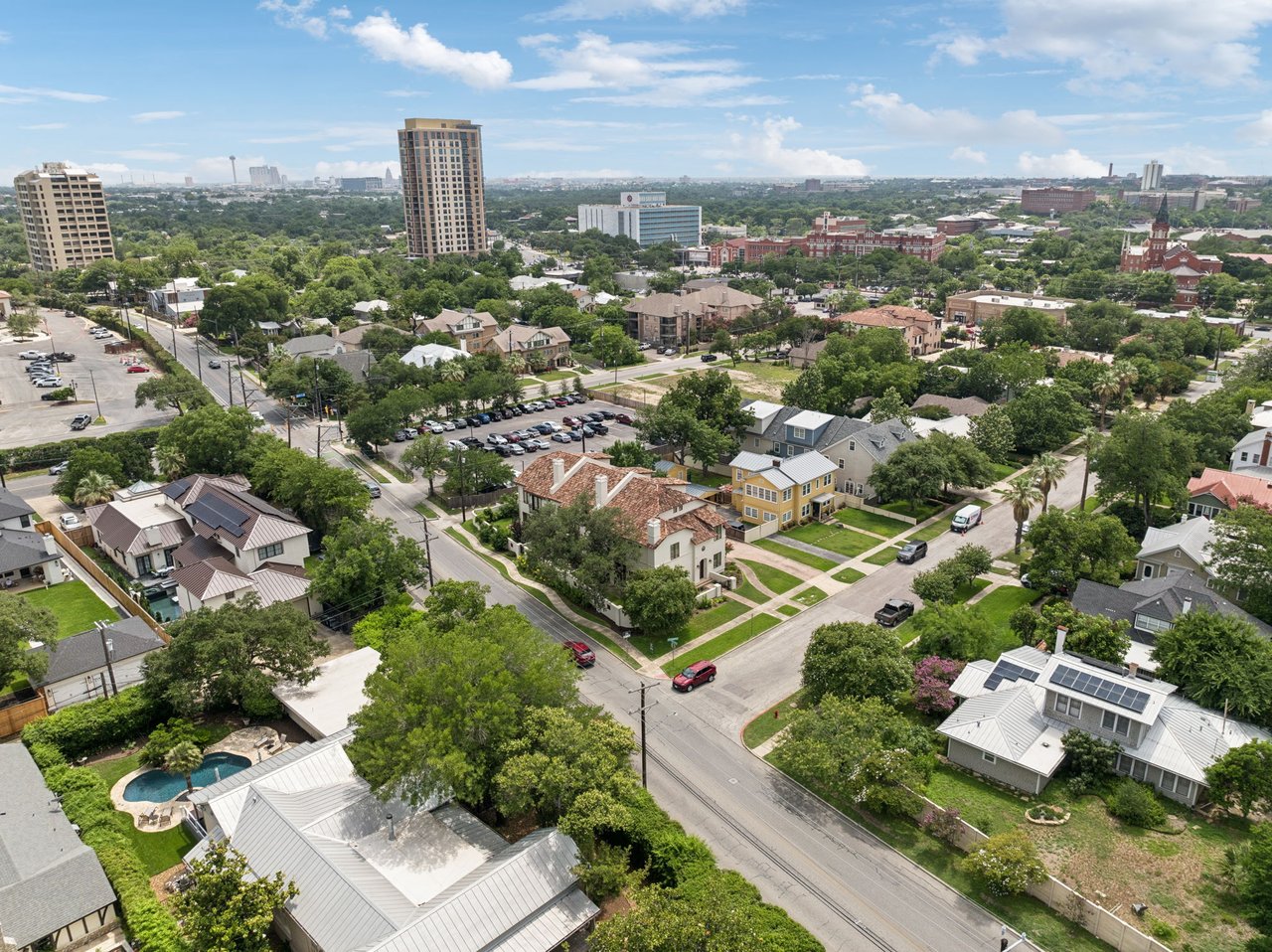
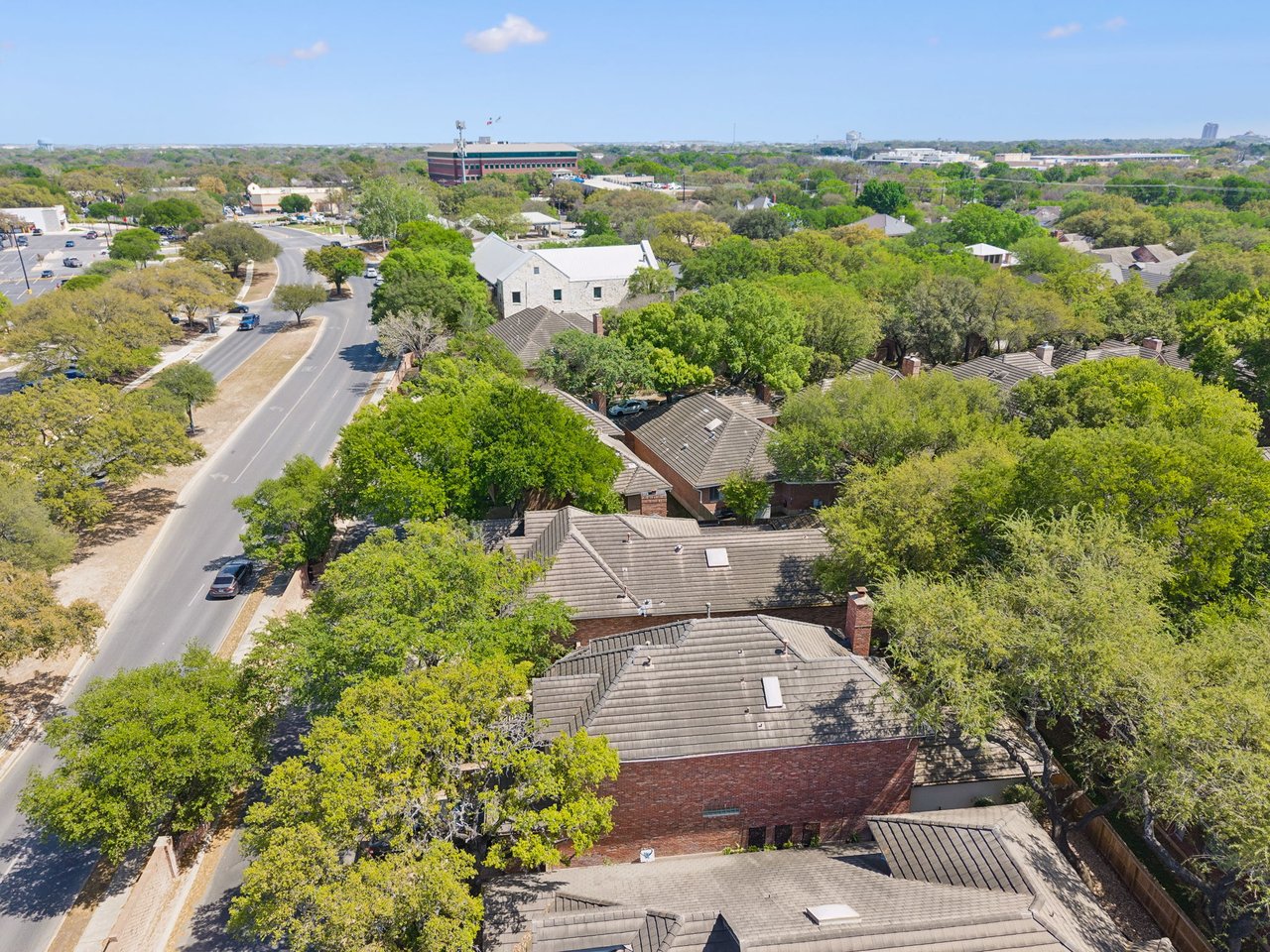
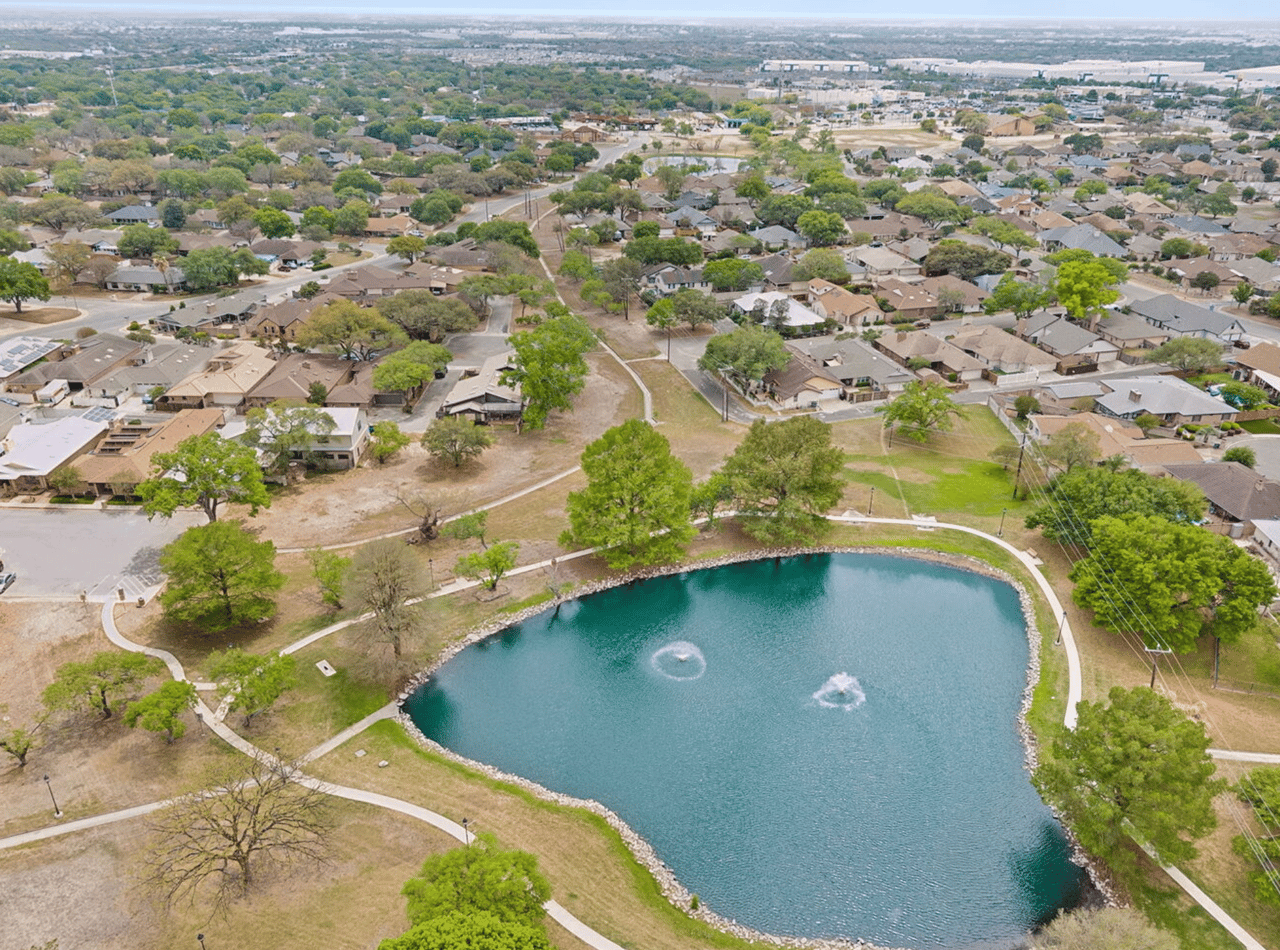
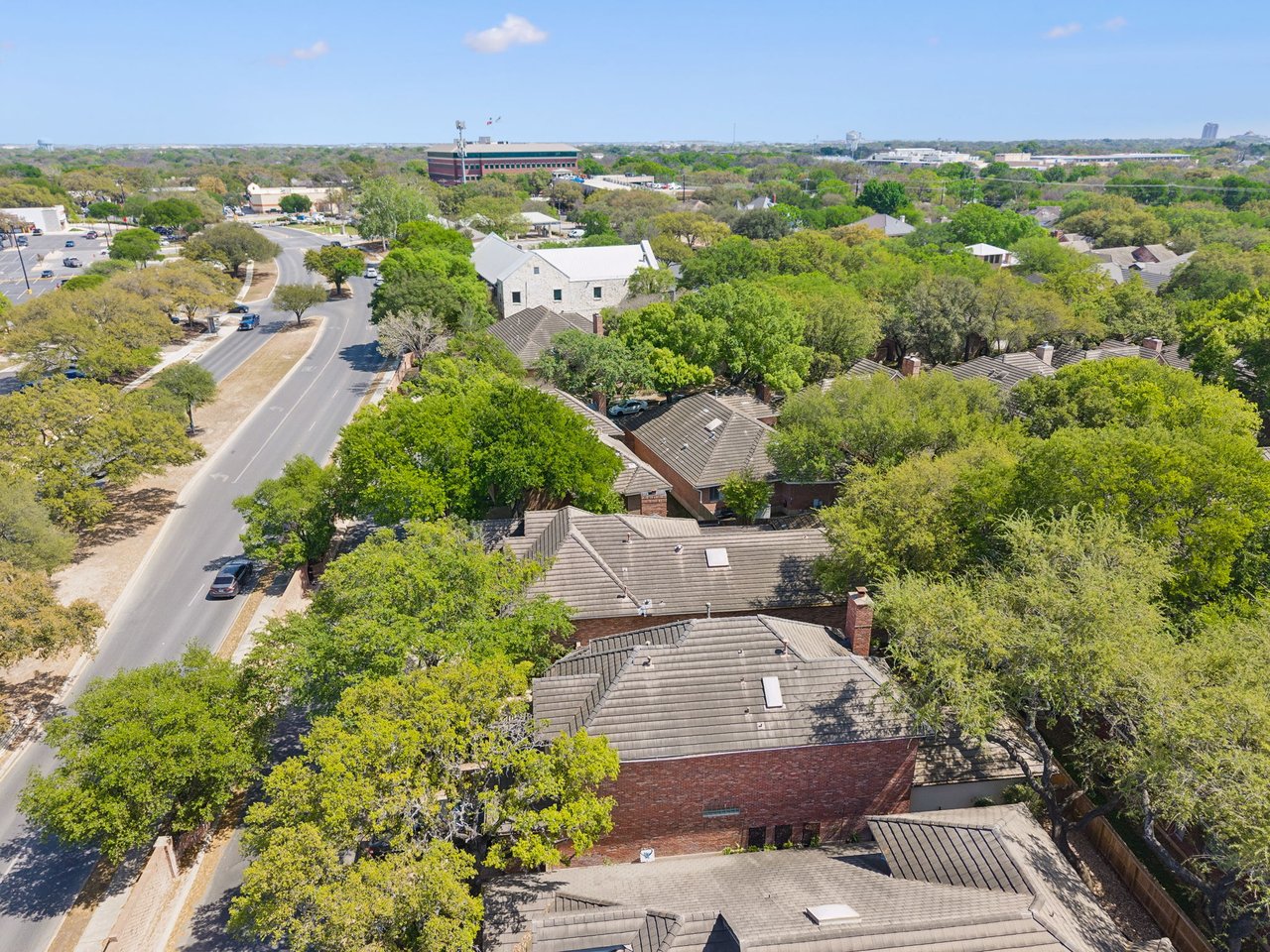
This combination of rising wages and workforce growth has created a more balanced real estate environment. Neighborhoods near employment hubs such as the Medical Center, Port San Antonio, and the downtown tech corridor are seeing steady absorption, while suburban areas remain competitive due to relocation and family migration.
How Employment Trends Influence Housing
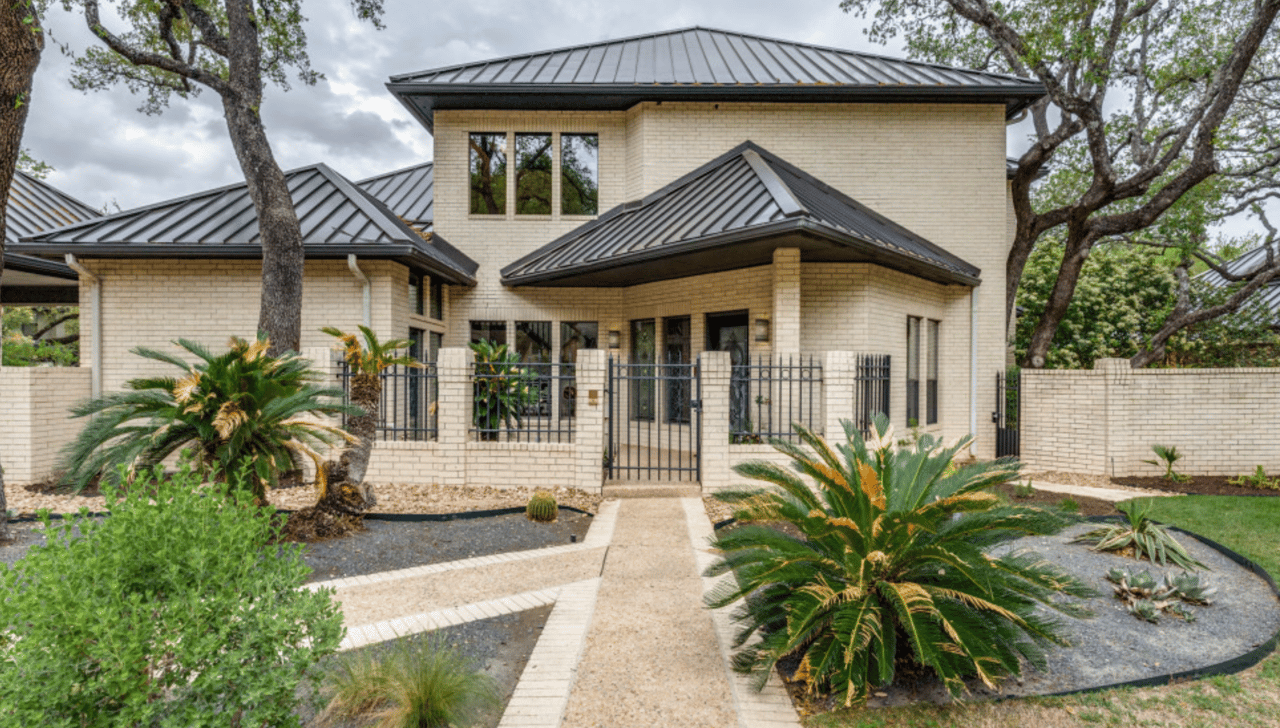
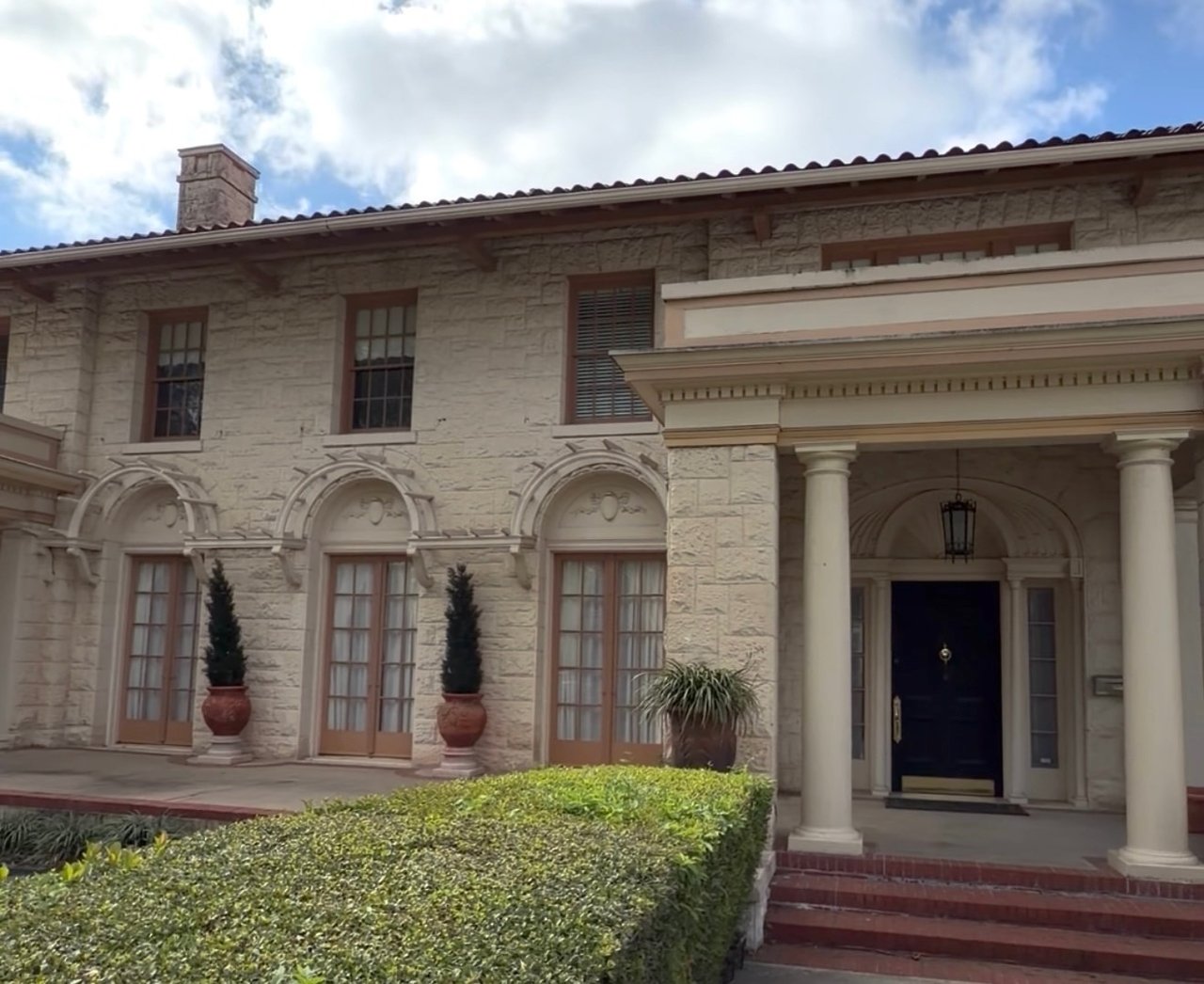
Job stability and income growth translate directly into housing demand. Expanding industries like cybersecurity, life sciences, advanced manufacturing, and higher education are drawing new professionals into the city, supporting purchases in the $400,000–$900,000 range and stabilizing luxury demand in areas such as Alamo Heights, Olmos Park, and Terrell Hills.
However, analysts note that a significant portion of job growth is concentrated in mid-wage roles, which can limit affordability at the upper end of the market. As a result, luxury listings may experience longer days on market while midrange homes continue to see steady demand.
Strategic Positioning for Buyers and Sellers
For buyers, rising wages are improving confidence and expanding purchasing power, particularly as mortgage rates stabilize. For sellers, aligning pricing strategy with demand in job-supported neighborhoods remains essential.
Caroline Decherd and Susanne Marco of Park Properties Group specialize in helping clients navigate these shifts using local employment data, neighborhood analytics, and market trends to position listings effectively.
In Summary
San Antonio’s economy continues to outperform much of the nation, reinforcing its appeal as a place to live, work, and invest. With strong job growth and rising wages, the housing market remains on solid footing—but strategic positioning is key in an increasingly balanced environment.
For personalized insights on how job market trends may affect your home’s value or next purchase, connect with Caroline Decherd and Susanne Marco at Park Properties Group.