San Antonio Housing Market 2026: Why Forecasts Point to a “Soft Landing,” Not a Crash
As San Antonio heads into 2026, housing forecasts consistently point toward a soft-landing scenario, not a dramatic downturn. Rather than sharp price swings, most projections call for stable home values with modest gains, supported by balanced inventory levels and steady—though more cautious—buyer demand across the metro.
San Antonio Price Trends Heading Into 2026
Local data shows a market that has cooled from its pandemic highs but remains fundamentally stable. A November median sale price of approximately $315,000 sat below the prior peak yet still registered about 5% year-over-year growth, signaling moderation rather than collapse. This pattern aligns with broader regional outlooks describing San Antonio price movement in 2026 as flat to low single-digit appreciation, following corrections and plateaus seen in parts of 2024 and 2025.
What Major Forecasts Say About 2026
Several forecasts reinforce this stability narrative. A San Antonio–specific outlook referencing Realtor.com data projects roughly 0.2% median price growth for the San Antonio–New Braunfels area in 2026—an intentionally narrow range that underscores steadiness over volatility.
Nationally, housing outlooks cluster around similar expectations. Broad U.S. forecasts anticipate 0–2% annual price growth, while Redfin projects the median U.S. home sale price to rise by about 1%, further supporting the idea of a soft landing rather than a sharp correction.
Local Factors Supporting a Soft Landing in San Antonio
Market commentary consistently highlights rising inventory without oversupply as a stabilizing force in San Antonio. Increased listings have shifted conditions closer to balance, giving buyers more choice while avoiding the excesses that typically trigger steep price declines.
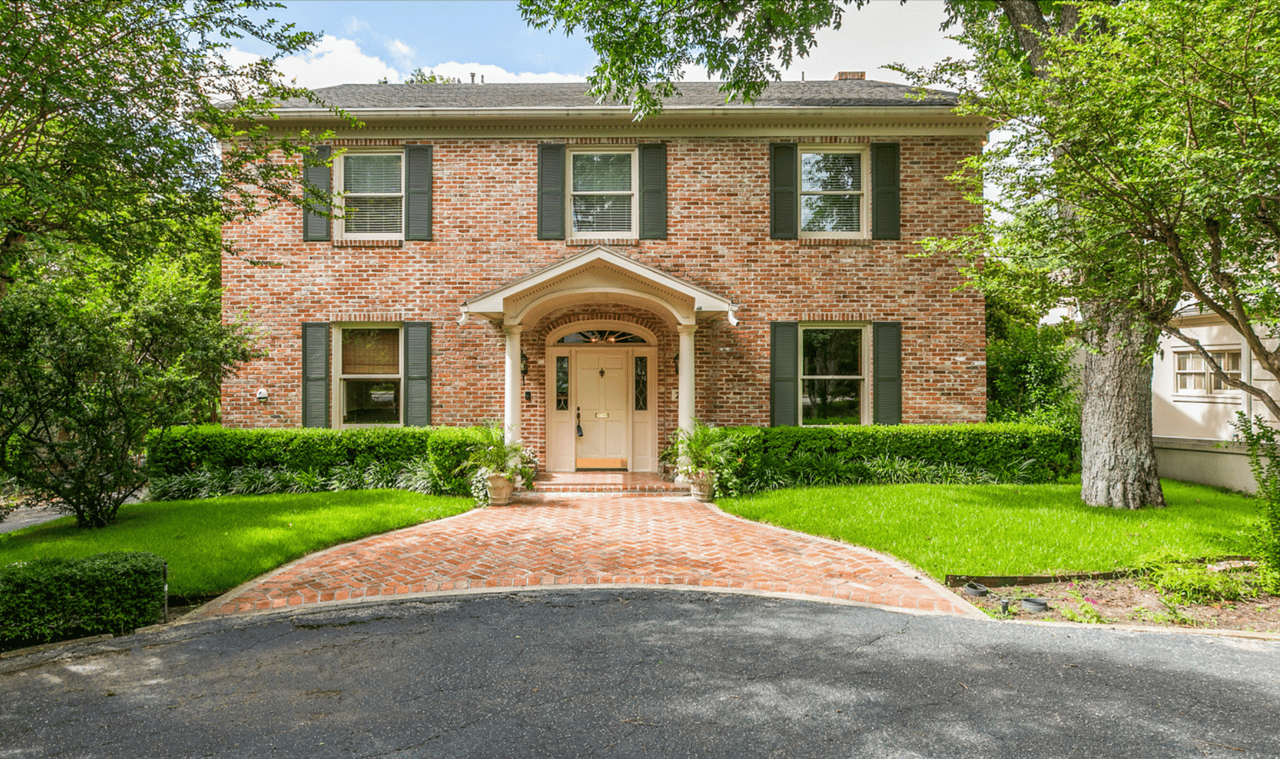
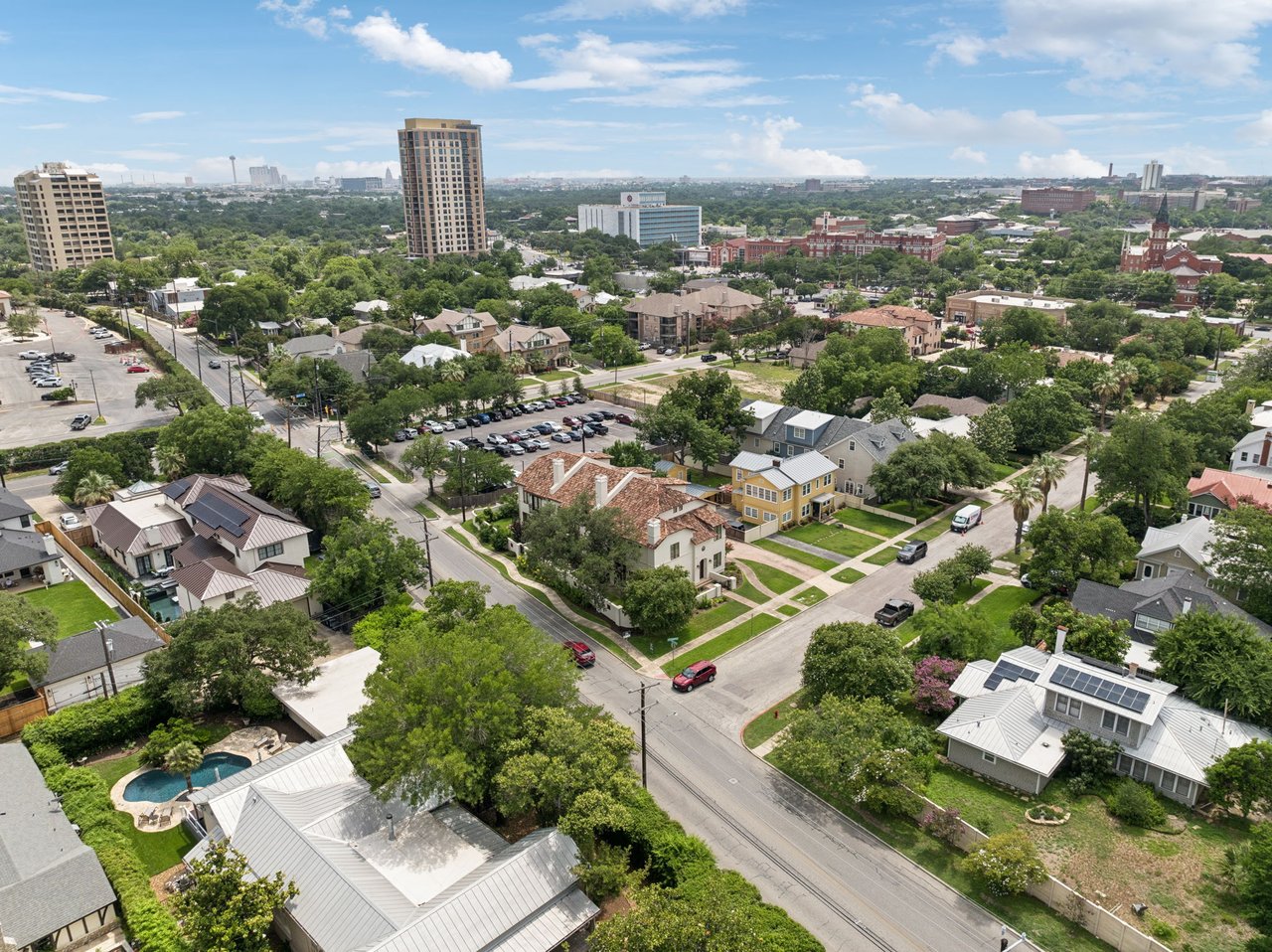
Forecasts also emphasize that price behavior will be highly neighborhood-specific. New-construction-heavy corridors may experience softer pricing or incentives as builders compete, while established in-town neighborhoods and strong school zones are widely expected to hold value more consistently.
Why a 2008-Style Crash Is Considered Unlikely
Analysts largely dismiss comparisons to the mid-2000s housing crash. National economic outlooks describe 2026 housing fundamentals as slow, stable, and resilient, with no broad signs of credit-driven stress. Delinquency rates remain relatively low, and homeowners generally carry less speculative leverage than during the previous housing boom.
Together, these factors reduce the likelihood of a housing-led recession or widespread price collapse, even as the market adjusts to higher interest rates and more cautious buyers.
What This Means for San Antonio Buyers and Homeowners
For homeowners, forecasts suggest resale values are likely to hold, with many projections pointing to appreciation ranging from just over 1% up to around 4%, depending on neighborhood and price point. For buyers, slower price growth, increased inventory, and mortgage rates expected to hover slightly above 6% create conditions that favor negotiation and choice, not bargain-basement pricing.
Get a Local, Data-Driven Perspective
In a market defined by nuance rather than extremes, broad headlines matter far less than hyper-local insight. Caroline Decherd and Susanne Marco of Park Properties Group help San Antonio buyers and homeowners interpret neighborhood-level trends, price trajectories, and timing decisions with clarity. If you’re planning a move in 2026—or simply want to understand what stability really means for your home’s value—their data-driven guidance can help you plan with confidence instead of speculation.