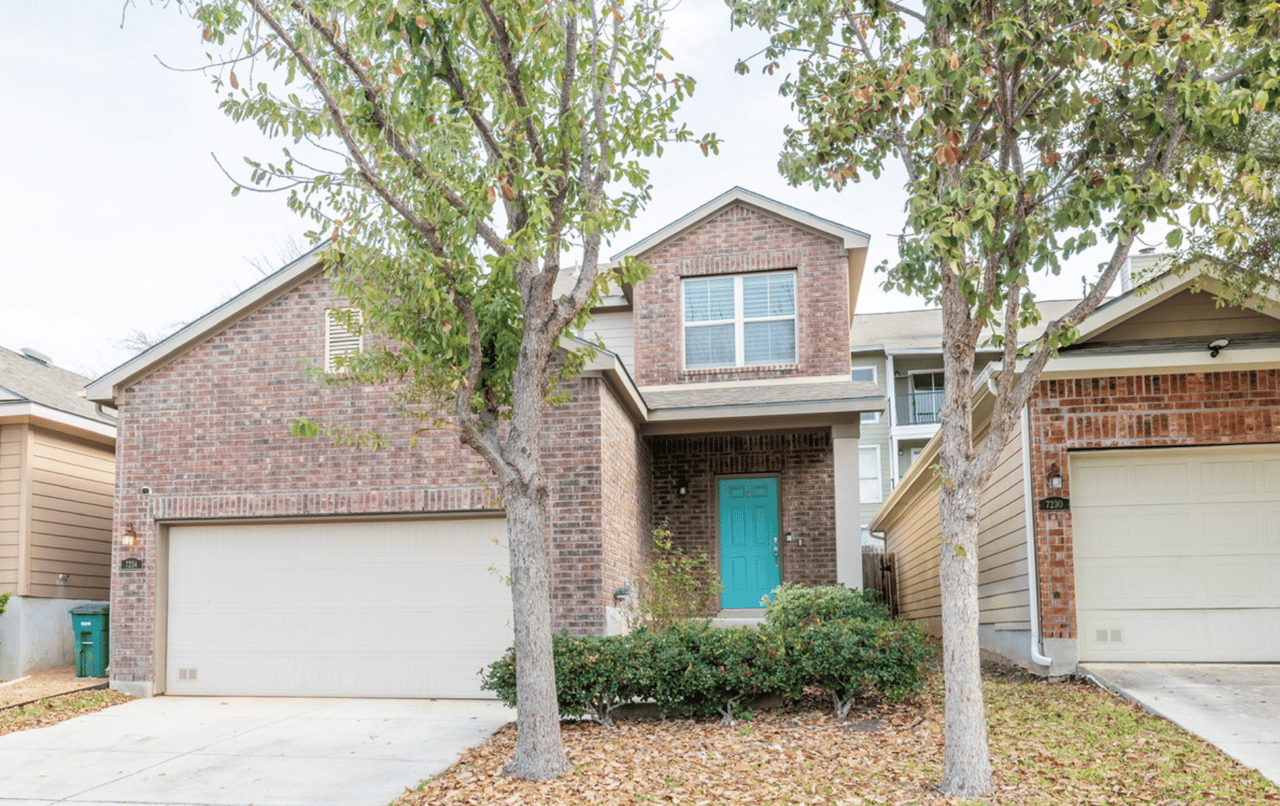
What Does the Texas Option Period Mean for Home Sellers?
In Texas, the option period is a negotiated window — typically 7 to 10 days — after a purchase contract is signed during which the buyer can terminate for any reason and receive their earnest money back. The seller keeps the non-refundable option fee (usually $100–$500) regardless. For sellers, this means your home is under contract but not fully committed: the buyer is still evaluating the property, and they hold the unconditional right to walk until the option period clock expires. Once it ends, the buyer loses that broad exit right and the deal becomes significantly more firm.
You accepted an offer. The contracts are signed. And then someone tells you that the buyer can still walk away — for any reason — for the next 7 to 10 days.
That's the option period, and it's one of the most misunderstood parts of the Texas home sale process for sellers. Most sellers expect that an accepted offer means a deal. In Texas, it means the beginning of a defined evaluation window — and knowing exactly how it works puts you in a much stronger position to navigate it.
Here's what you need to know.
What the Option Period Actually Means for You as the Seller
The Texas option period is a negotiated number of calendar days, written directly into the TREC One to Four Family Residential Contract, during which the buyer has an unrestricted right to terminate. They don't have to give a reason. Bad inspection result, cold feet, better house down the street — any of it works. The contract is terminated, they get their earnest money back from the title company, and you're back on the market.
What the buyer pays you for this right is the option fee — a small, non-refundable payment made directly to you (not the title company) within three business days of the contract's effective date. In most San Antonio transactions, this runs $100 to $500, though on higher-value luxury homes it can be negotiated significantly higher. You keep this fee no matter what happens. If the buyer terminates on day three, the option fee stays with you.
The earnest money is a different story. That's a larger good-faith deposit — typically 1% of the purchase price on San Antonio luxury homes — held by the title company. During the option period, it's fully refundable to the buyer if they terminate. After the option period ends, the rules change considerably.
One thing sellers often ask: can you negotiate the option period terms? Yes — and you should. You can counter an offer with a shorter option period, a higher option fee, or both. In the current San Antonio market, where luxury homes above $500K are averaging 75 to 90 days on market and buyers have more negotiating power than they did two years ago, a 10-day option period is increasingly standard. For complex, older properties in Alamo Heights, Monte Vista, or Olmos Park — where buyers may need a general inspection plus a sewer scope, structural engineer, and HVAC assessment — that timeline is often reasonable. But if a buyer is asking for 14 days on a straightforward home, it's worth a conversation. Our post on seller flexibility with pricing and contingencies covers how to think through these negotiations.
What Sellers Can and Can't Do During the Option Period
Your home is technically under contract — but it's not fully sold. Here's how to think about your rights and limitations during this window:
You can still market the property. You can accept backup offers and negotiate a second contract, though you can't finalize it until the first contract is terminated. In a market where buyers are taking longer to commit, having a backup in your pocket provides real peace of mind. Many of our sellers in Alamo Heights and Terrell Hills actively pursue this — if the primary buyer walks, the backup can be executed immediately.
You cannot accept a competing primary offer while the first contract is active. The existing buyer has priority until they terminate or the option period expires.
You will likely receive an amendment request. The buyer's inspector will almost always find something — especially in older homes with cast iron plumbing, original windows, aging HVAC systems, or foundation that's moved over decades. In San Antonio's historic neighborhoods, that list can be long. The buyer will often send an amendment asking for repairs, a price reduction, or a credit at closing. You're not obligated to agree, but refusing reasonable requests during the option period is one of the most common reasons deals fall apart. If you counter-refuse on something real, the buyer may terminate — and you restart your days-on-market count, which buyers notice.
How you respond to inspection feedback matters. This isn't just about the money. A buyer who feels heard and treated fairly is far more likely to close. A buyer who feels stonewalled often looks for the first exit. We walk every client through this conversation as part of our listing strategy — if you want to understand how we approach it, here's our full approach.
How the Option Period Works in San Antonio's 2026 Market
The dynamics have shifted from the peak seller's market years. In 2021 and 2022, buyers routinely waived option periods or accepted 3-day windows just to stay competitive. That's gone. Today, 7 to 10 days is the norm, and sophisticated buyers — particularly in the luxury segment — use the full window.
For sellers in Alamo Heights, Terrell Hills, Olmos Park, and Monte Vista, there are a few things worth anticipating:
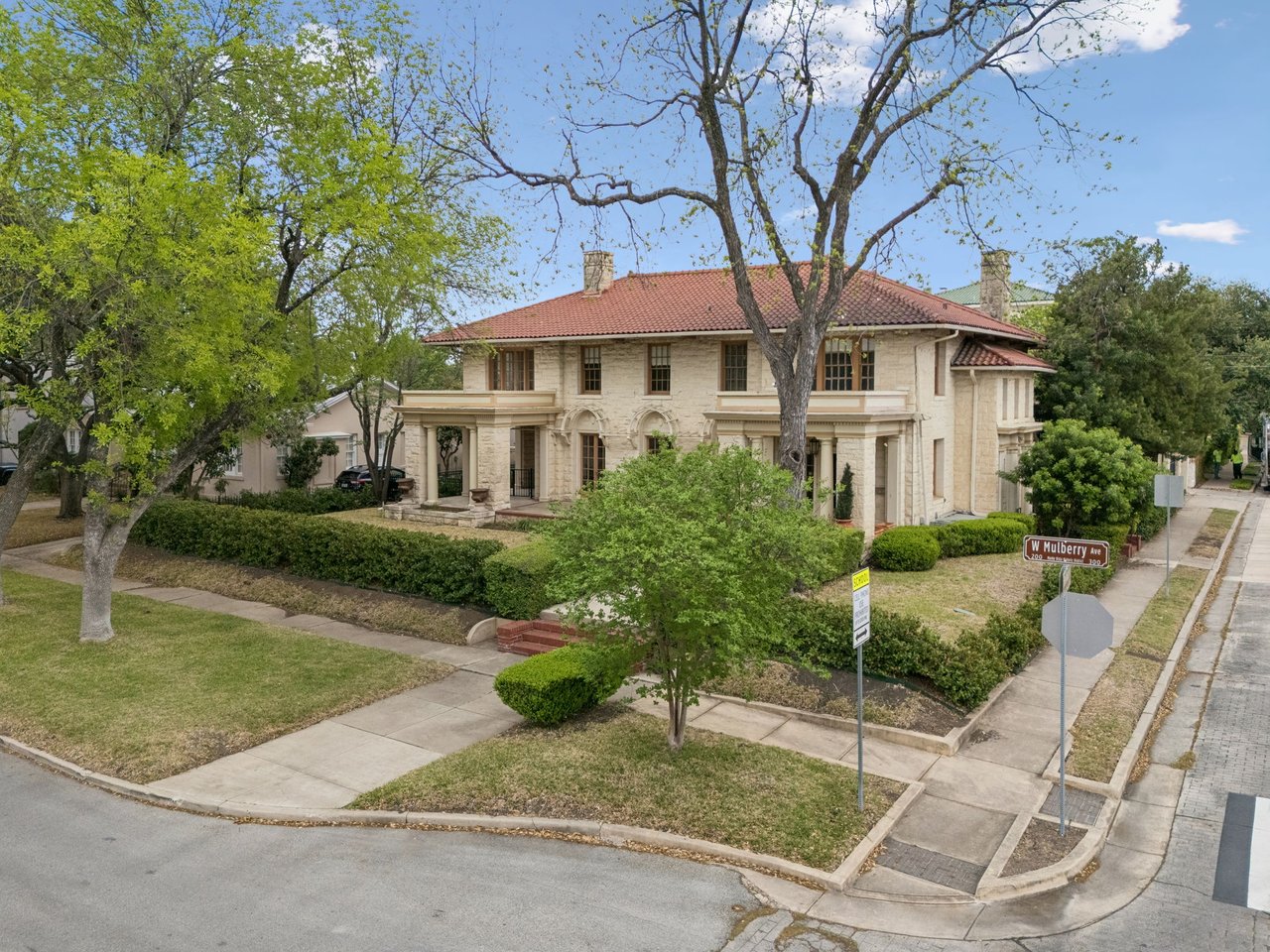
- Older homes attract longer inspection processes. Homes built in the 1920s through 1940s — which make up the bulk of the historic inventory in 78209 and 78212 — often need multiple specialty inspectors. Budget for a 10-day option period on these properties and plan for it.
- Sewer scopes are now standard. Cast iron drain lines in older SA homes corrode, root-intrude, and collapse. Buyers know this. A sewer scope takes a day to schedule and an hour to run. If you've never had yours done, consider getting a pre-listing inspection before you go active — it removes a major unknown from the option period conversation.
- The option fee is negotiable and often underused. If a buyer is asking for 12 days, ask for an option fee that reflects it. A $1,500 or $2,000 option fee on a $900,000 home is still a rounding error in the transaction, but it signals serious intent from the buyer and compensates you more fairly for the extended limbo.
For a broader look at negotiation strategy beyond just the option period, our post on smart negotiation in residential real estate is worth a read.
What Happens When the Option Period Ends
At 5:00 PM local time on the final day of the option period, the buyer's unconditional right to terminate expires. If they haven't sent written notice of termination, they're locked in — but not unconditionally.
The buyer still has contractual protections after the option period: the financing contingency remains active, and if an appraisal comes in low, that triggers a separate negotiation. But the broad "I changed my mind" exit is closed. From this point, backing out without a valid contractual basis means they're in default — and the earnest money dispute enters a different tier of complexity.
For sellers, the moment the option period clock expires is when a deal genuinely feels like a deal. Until then, plan accordingly — keep your home in showing condition, respond to inspection requests thoughtfully, and don't make any major financial decisions based on that contract alone.
If you're preparing to list in Alamo Heights, Terrell Hills, Olmos Park, or Monte Vista and want to talk through what the option period typically looks like for homes like yours — what inspectors find, how buyers behave, and how we structure responses to protect your net — we're here for that conversation. Get a complimentary home valuation at consumer.hifello.com and we'll use it as a starting point. Or if you'd rather just talk first, schedule 30 minutes with Caroline and Susanne — no agenda, just answers.
Frequently Asked Questions
Can a buyer back out during the option period in Texas?
Yes — for any reason, no explanation required. They lose the option fee, which is non-refundable and goes directly to the seller. Their earnest money, held by the title company, is returned in full. This is the buyer's unconditional exit window, and it's a standard part of every Texas real estate transaction.
What is the option fee in Texas and who keeps it?
The option fee is a small, non-refundable payment — typically $100 to $500, though negotiable — paid directly to the seller within three business days of the contract's effective date. The seller keeps this fee regardless of whether the buyer terminates or closes. It compensates the seller for taking the home off the market during the evaluation window.
Can I accept another offer while my home is under contract during the option period?
You can market the property and negotiate a backup contract, but you can't finalize a second contract while the first is active. If the primary buyer terminates, you can immediately execute the backup. Many San Antonio sellers in the current market actively pursue a backup during the option period for exactly this reason.
How long is the option period in Texas?
It's fully negotiable. In San Antonio's 2026 market, 7 to 10 days is the standard range. Luxury homes and older historic properties — particularly in neighborhoods like Alamo Heights, Monte Vista, and Olmos Park — sometimes warrant 10 to 14 days to allow time for specialty inspections. The length, along with the option fee, is negotiated as part of the offer.
What happens to earnest money if the buyer backs out in Texas?
If termination happens within the option period, the earnest money — held by the title company — is returned to the buyer. The seller keeps only the option fee. If the buyer backs out after the option period ends without a valid contractual basis, the earnest money dispute becomes more complex and typically requires a signed release from both parties or goes to mediation.