Why Does a Luxury Home in San Antonio's Tri-Cities Appraise Low?
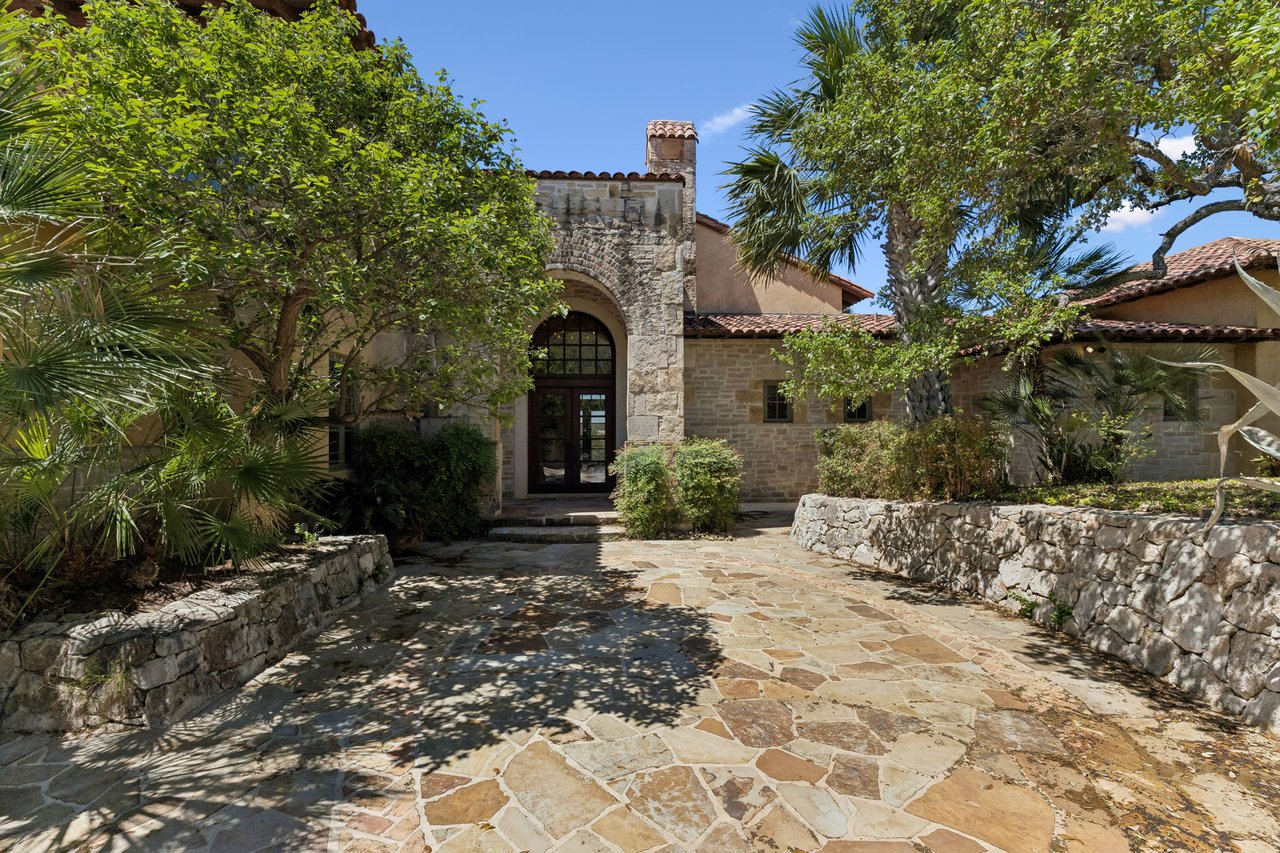
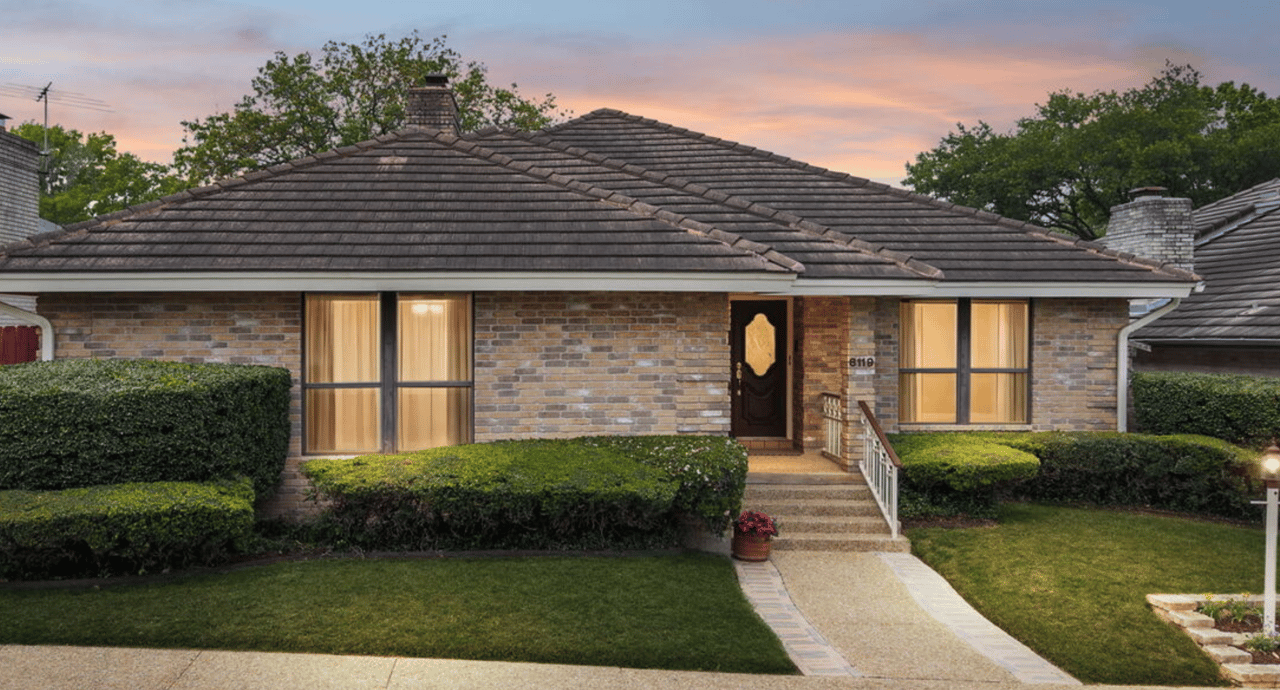
Luxury homes in Olmos Park, Terrell Hills, and Alamo Heights often appraise below contract price because there simply aren't enough recent, comparable closed sales nearby to support the number. Appraisers are required to use sold properties similar in size, age, and features — and in neighborhoods with only a handful of transactions a year, a pool, guest house, or architect-designed detail rarely has a clean match. When that happens, your buyer's loan is based on the lower appraised value, not your sale price, which can shrink your proceeds or stall the deal unless you've planned for it.
By Caroline Decherd & Susanne Marco | June 26, 2026
You found a buyer. You agreed on a price. Then the appraisal comes back $35,000 under contract, and the deal you thought was done is suddenly back on the table.
This happens more often in Olmos Park, Terrell Hills, and Alamo Heights than most sellers expect — and it's rarely because your home isn't worth what you're asking. It's because of how appraisals actually work in a market this small and this specific.
Why Appraisers Struggle With Thin-Comp Neighborhoods
An appraisal isn't an opinion of what your home is worth to you, or even to your buyer. It's a documented case built from recent, closed sales of similar homes nearby — typically within the last six months, within a tight radius, with comparable square footage, lot size, and condition.
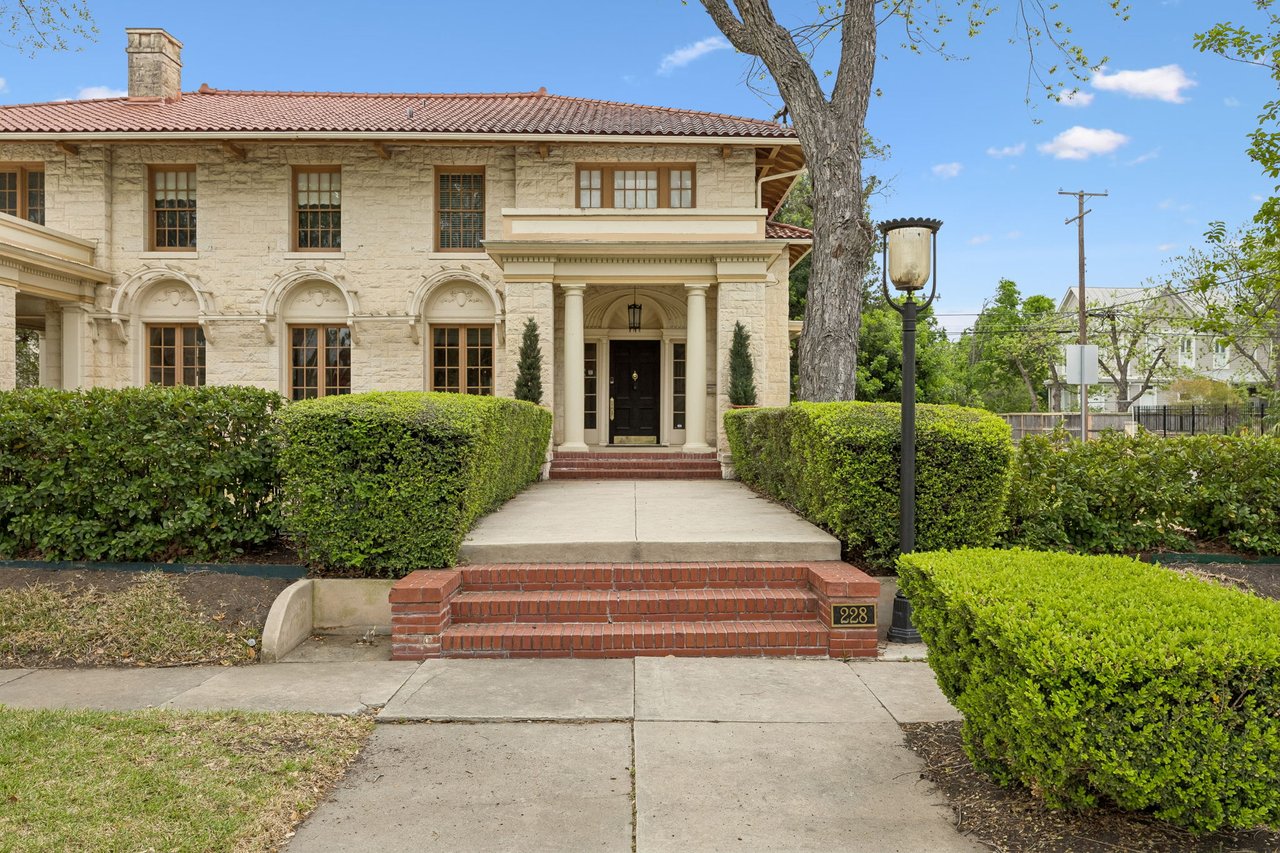
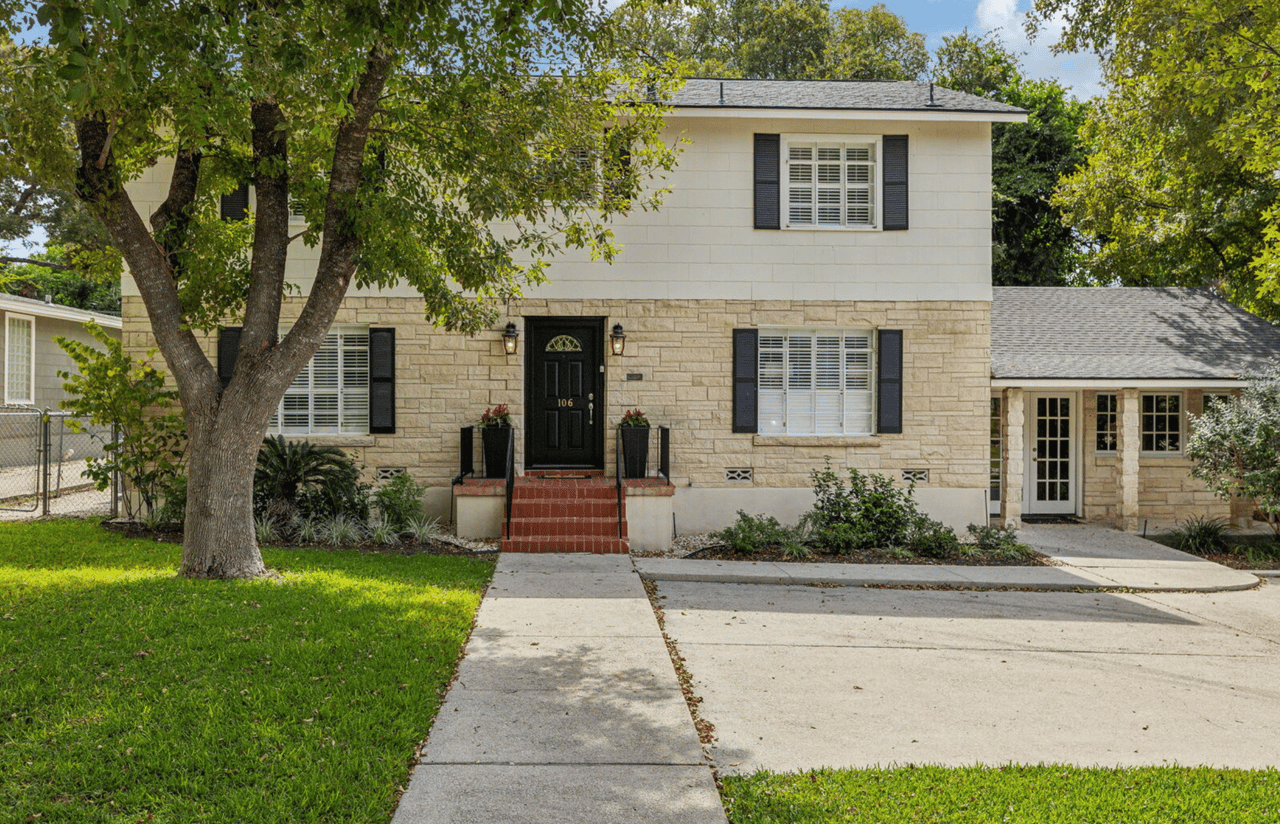
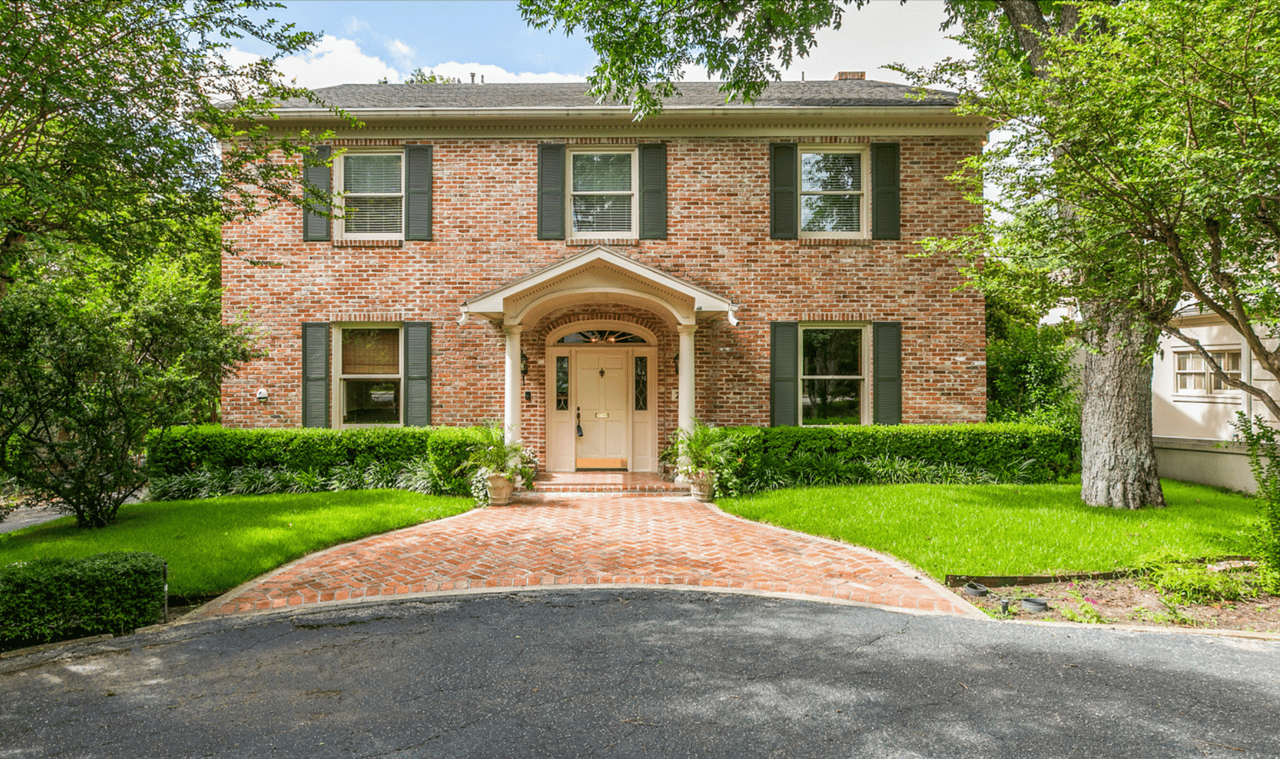
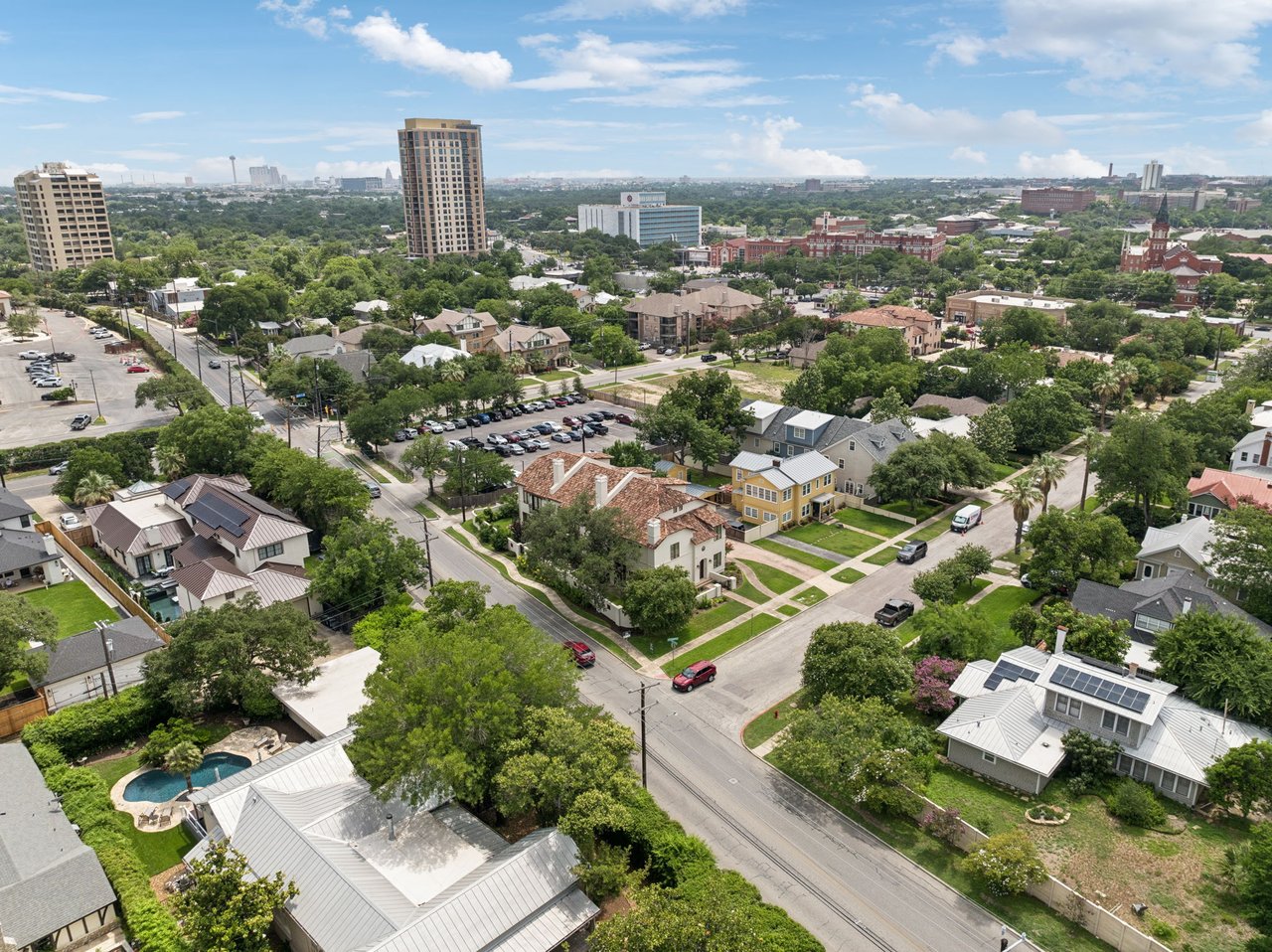
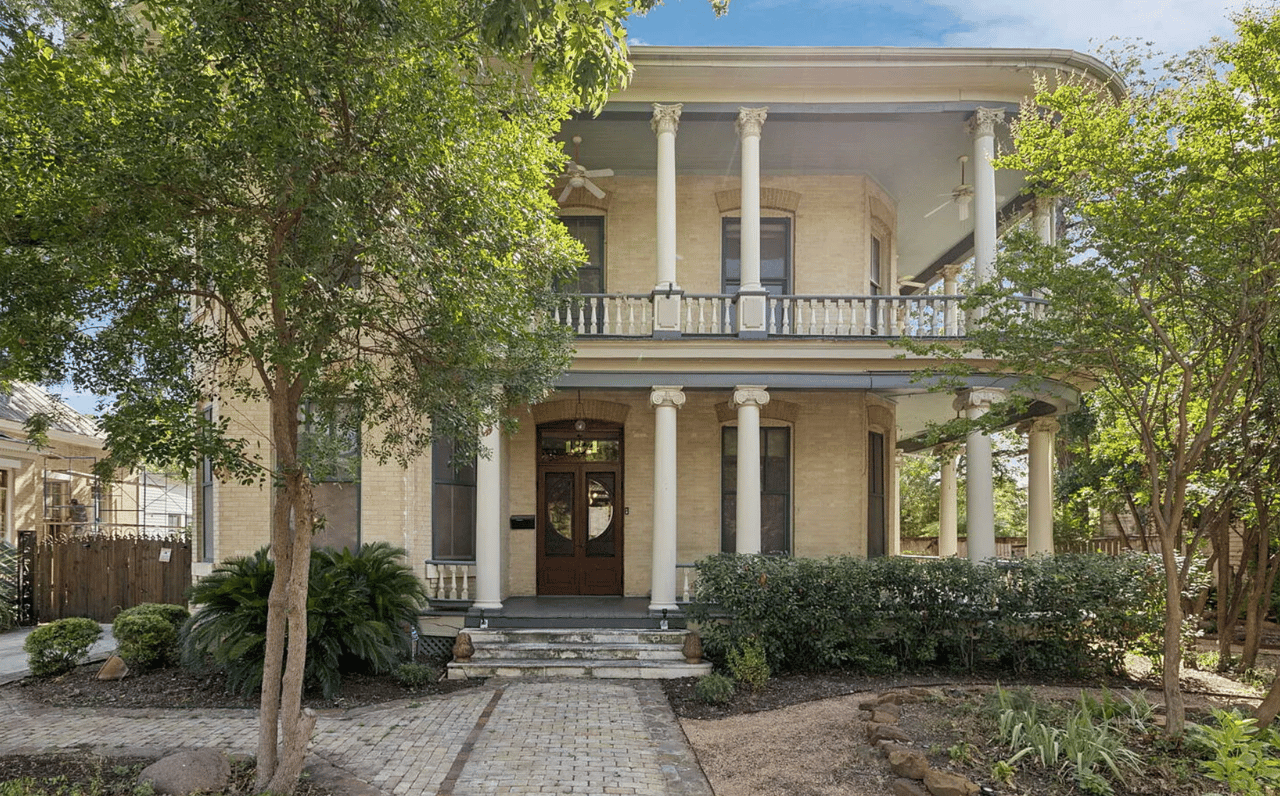
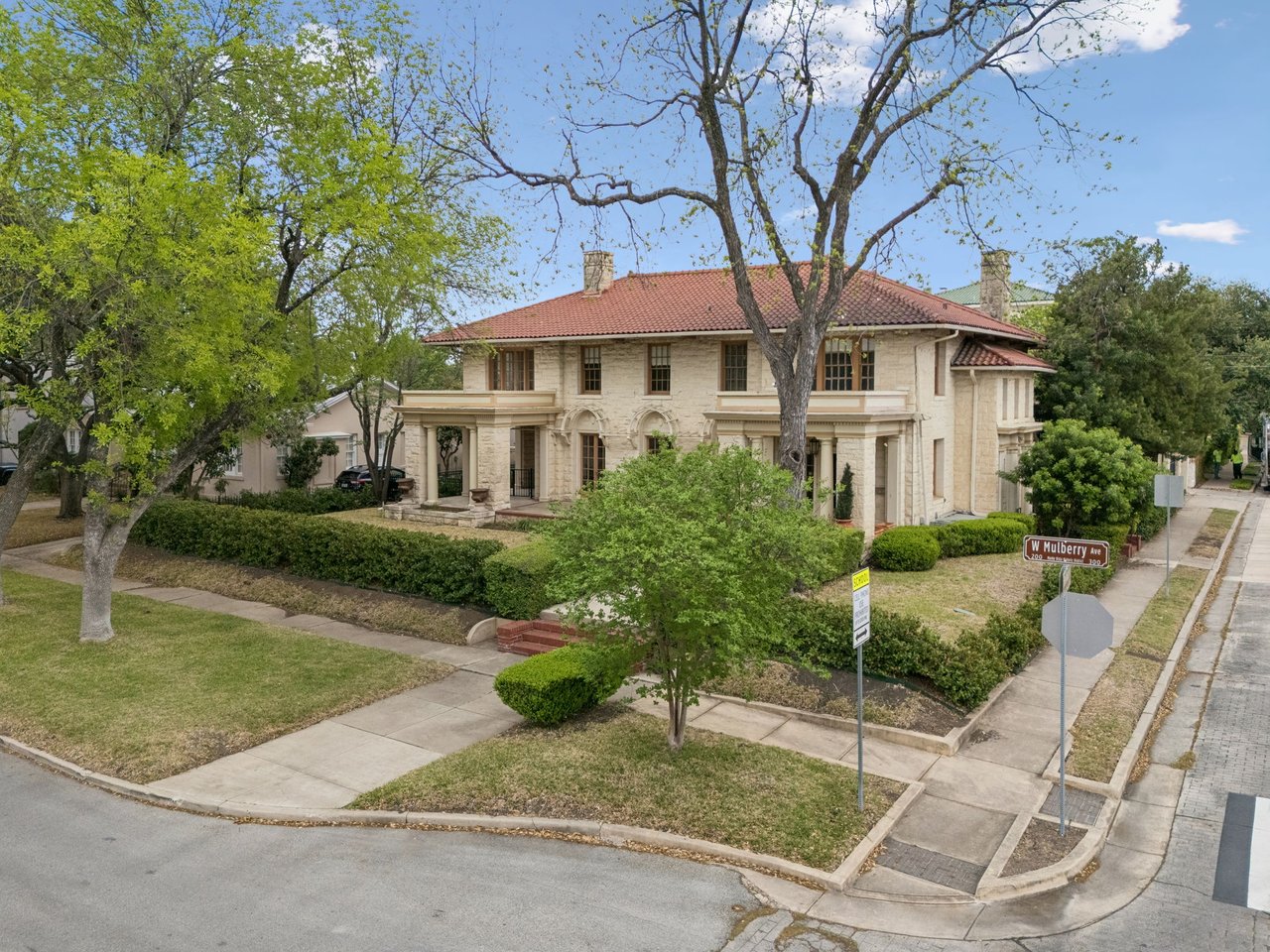
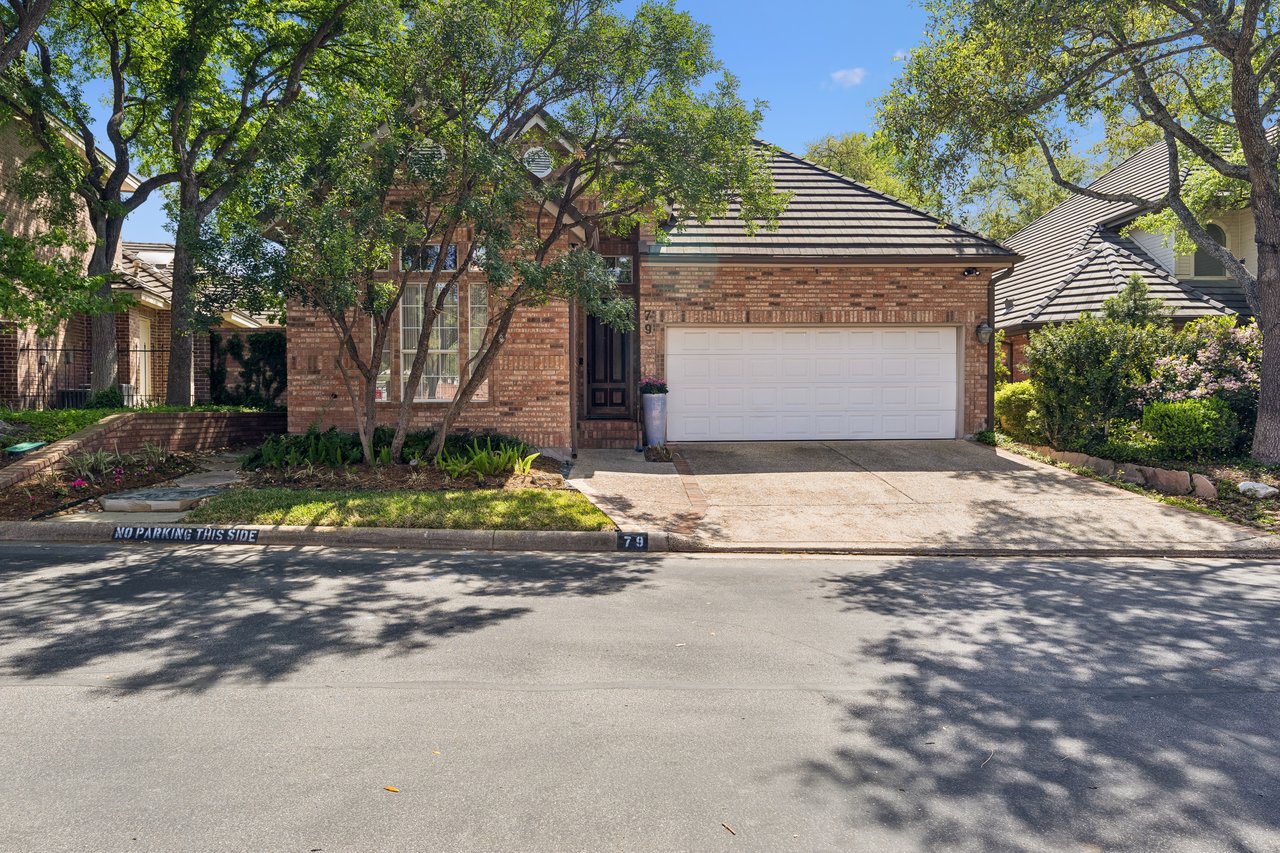
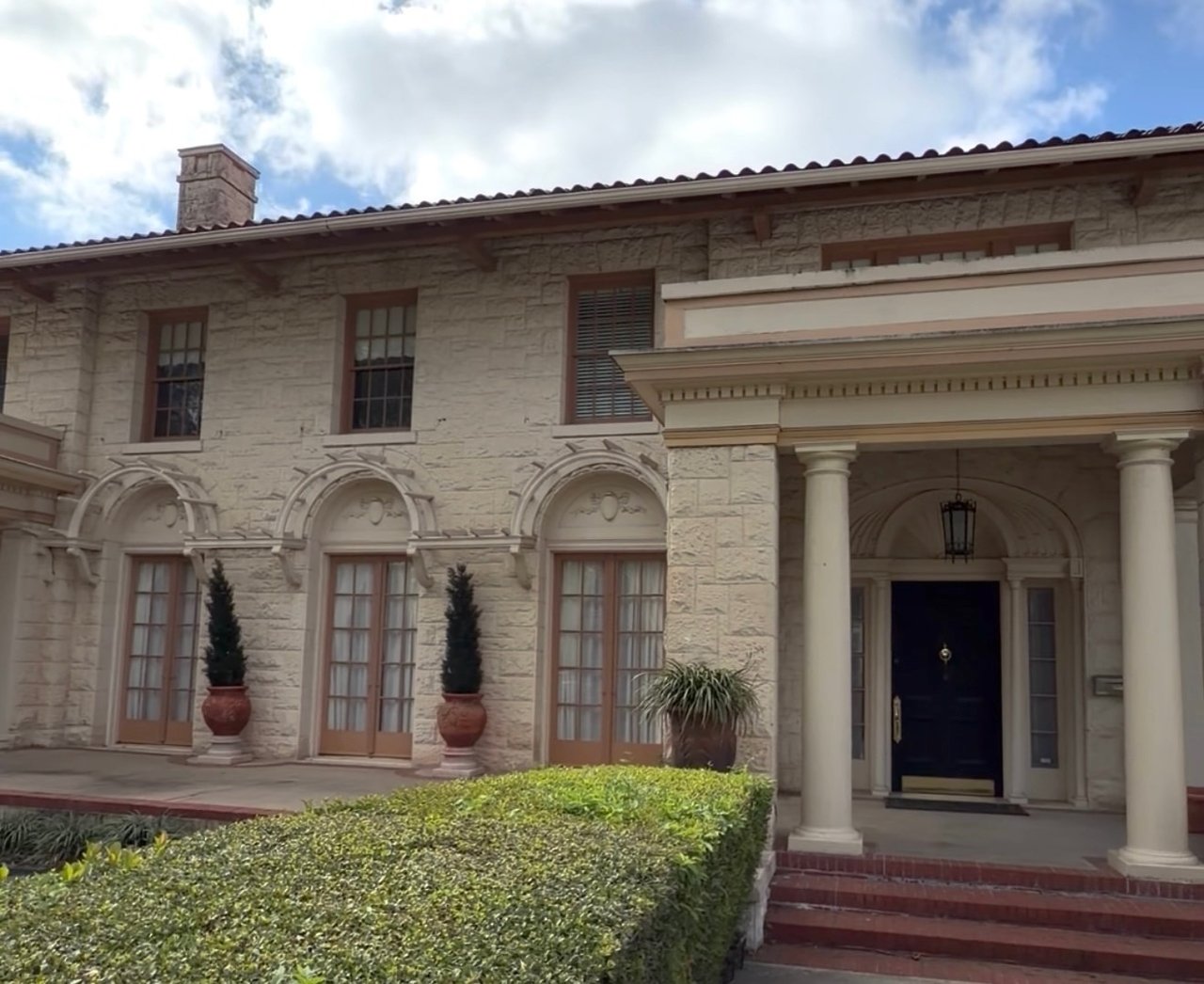
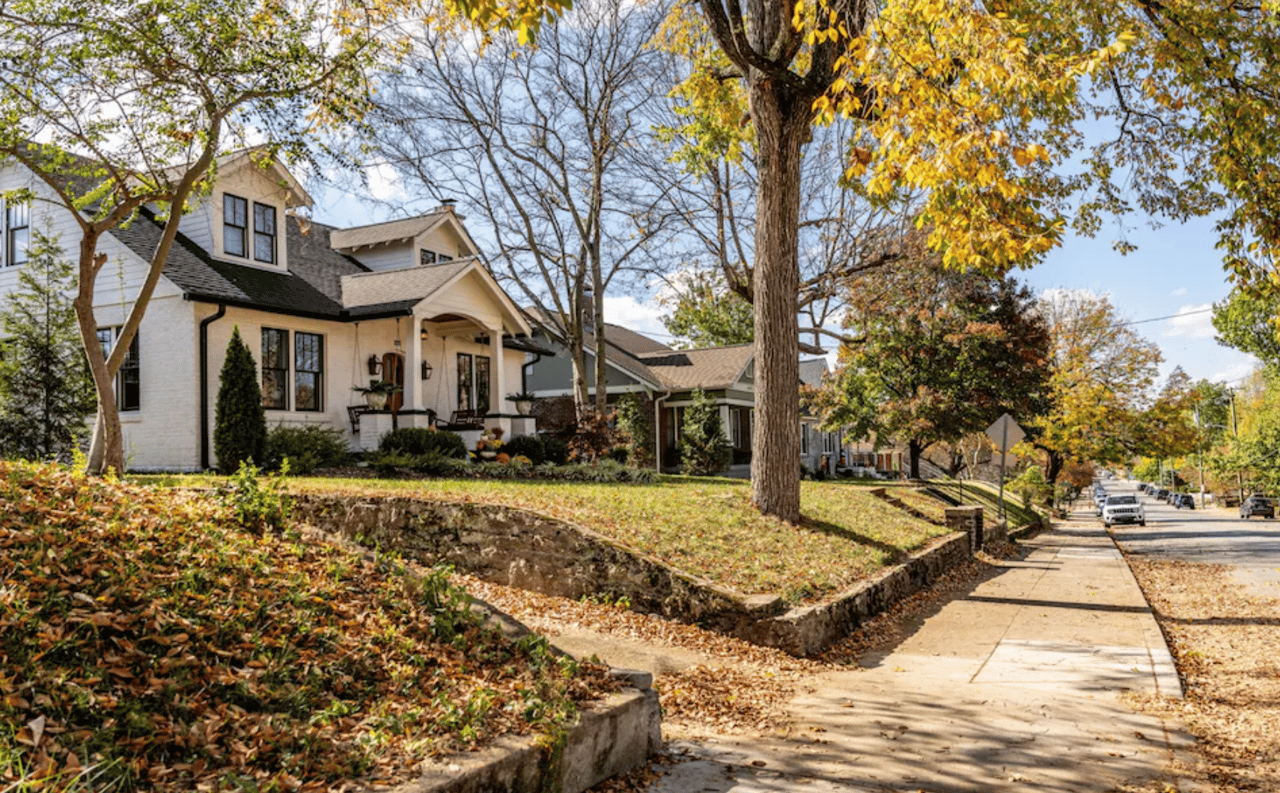
In a high-volume subdivision, that's straightforward. In Olmos Park, it's a real problem. The neighborhood sees only a few dozen closed sales in a typical year, and far fewer at the $1M-plus level where most of its homes sit. Terrell Hills isn't much bigger. Alamo Heights has more overall inventory, but its mix of custom and historic homes still doesn't compare cleanly — a 1920s Spanish Colonial two streets from a 2015 architect-designed build aren't real comps to each other, even when they're priced similarly.
Market conditions add another layer right now. Bexar County's average appraised home value actually dipped slightly in 2026 — about 0.11% — which sounds minor, but it matters here. When the broader market is flat or softening, appraisers lean more conservative, because they're required to support value with what's already closed, not with what's pending or trending upward in your specific pocket of the Tri-Cities. That lag works against sellers in a fast-moving micro-market and against homes that don't have built-in comps to begin with.
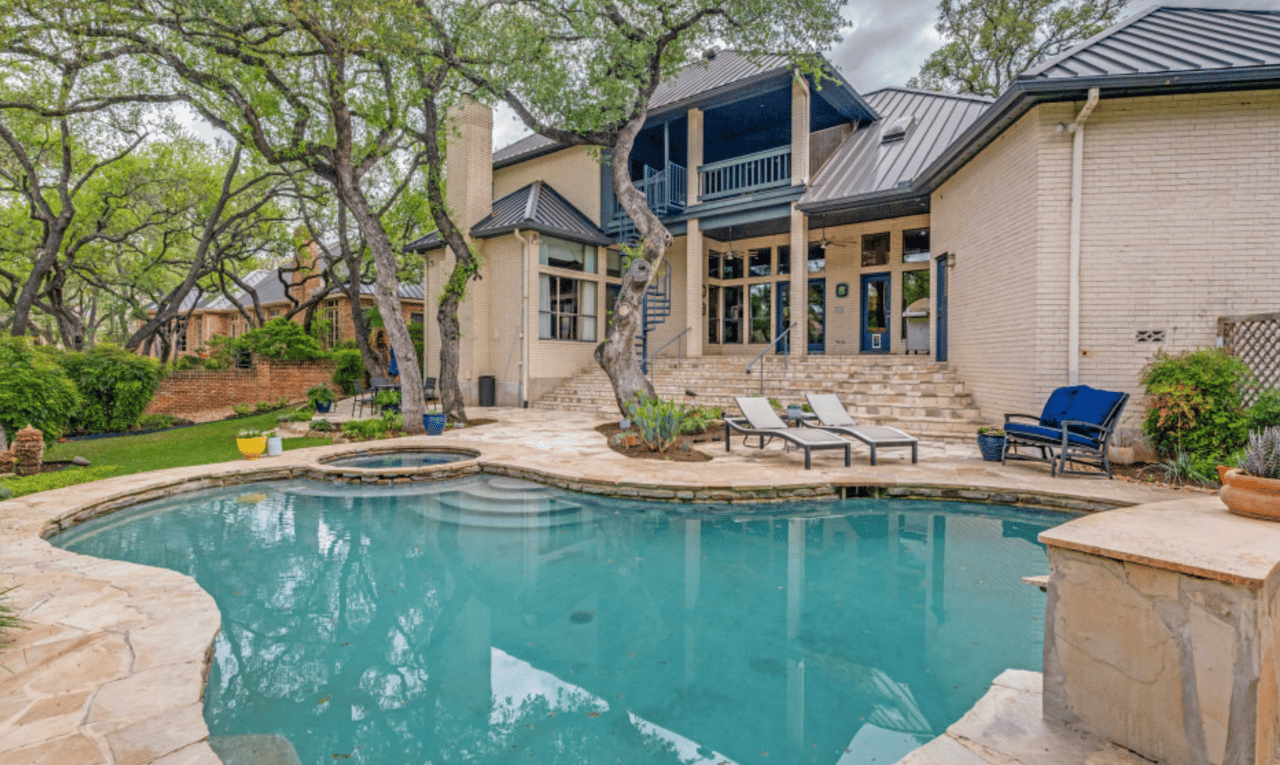
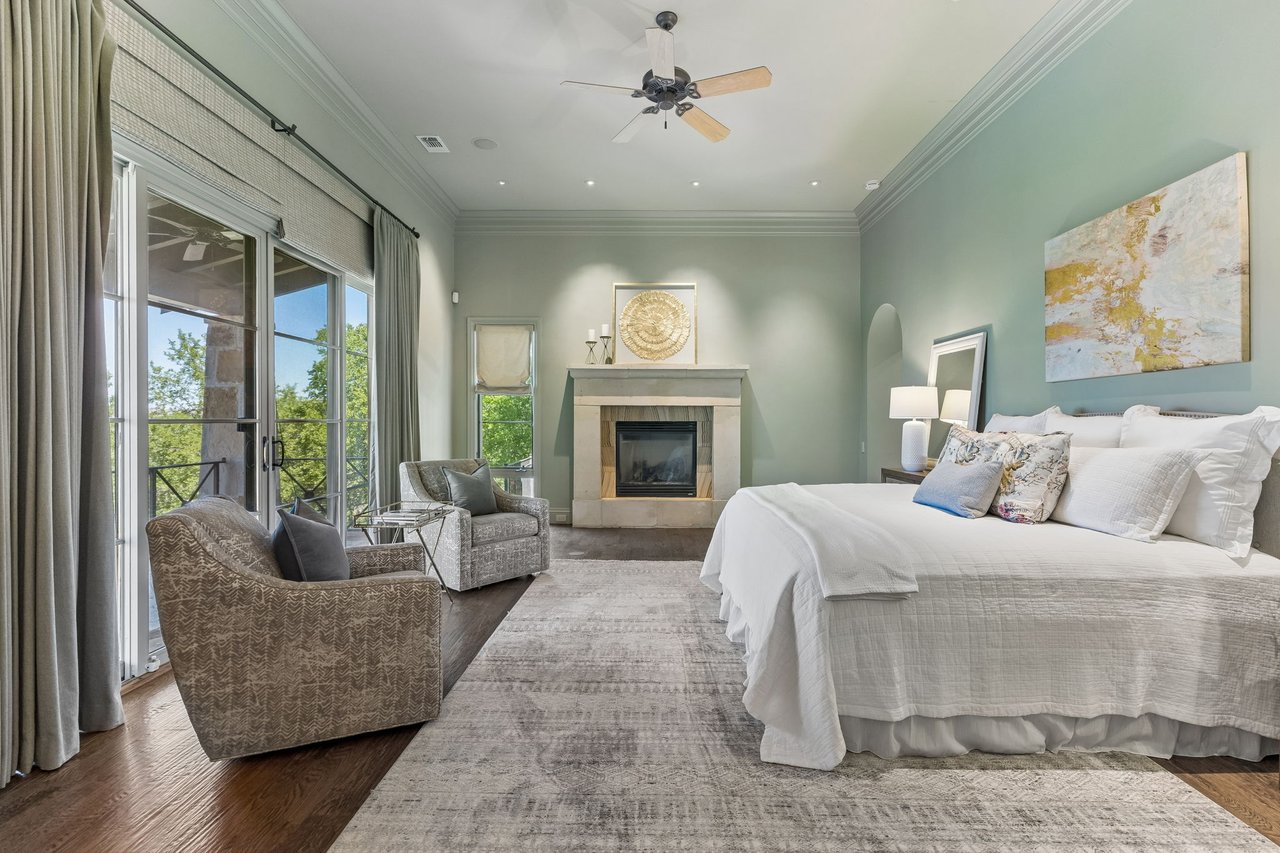
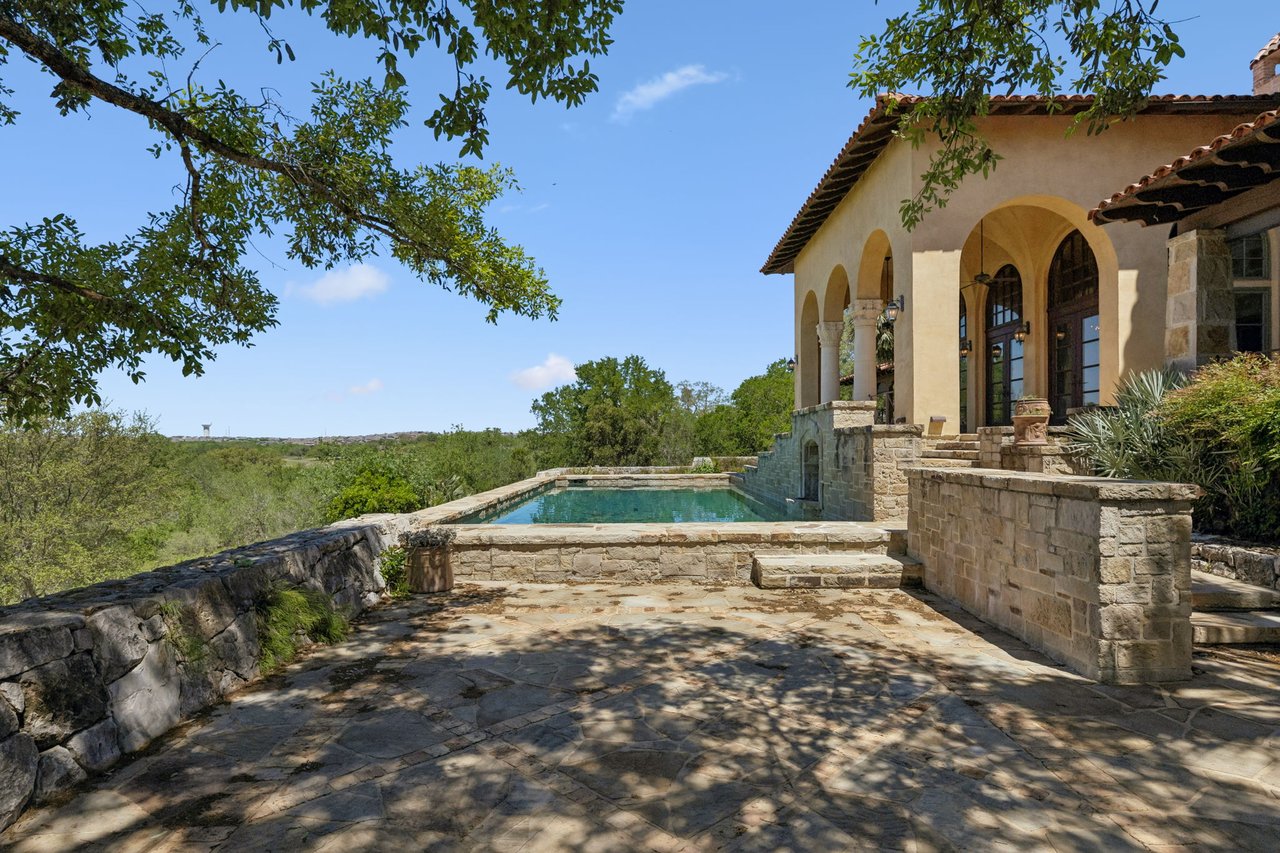
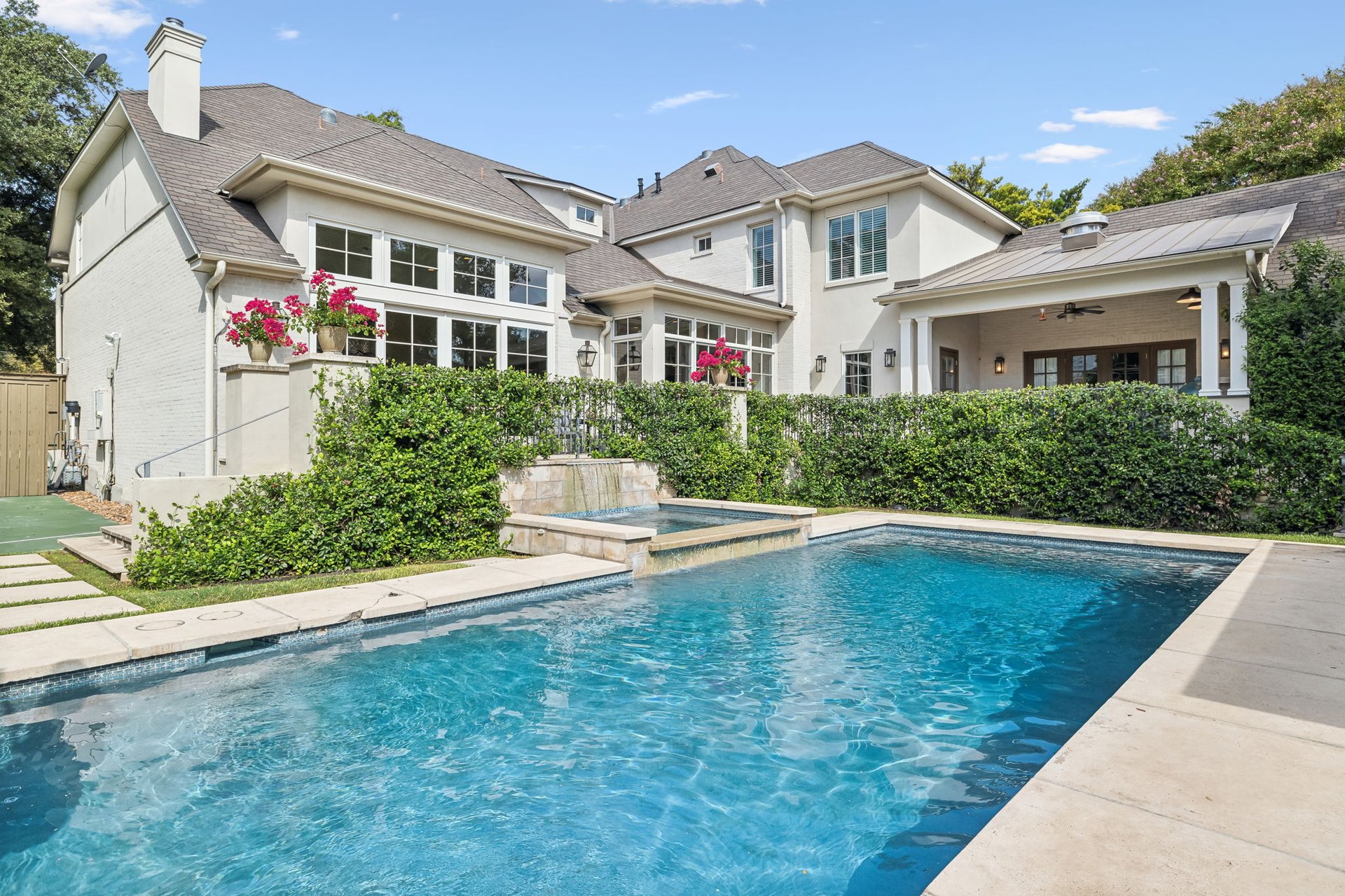
Unique features compound the problem. A pool, a guest house, a primary suite addition, or an architect-designed detail can genuinely add value — but if there's no recent sale nearby with the same feature, the appraiser either widens the search radius (sometimes pulling in lower-priced areas outside the Tri-Cities) or applies a standard per-square-foot adjustment that undervalues something genuinely distinctive. Either way, the number can land under what the market just told you your home was worth.
What Happens When the Appraisal Comes in Low
In Texas, the standard TREC contract ties financing to the appraised value, not the contract price. Your buyer's lender won't loan more than the home appraises for, which means the gap between what you agreed to and what the appraisal supports has to go somewhere. From there, a few things typically happen:
- The buyer covers the difference in cash. This is the cleanest outcome for you as the seller, but it depends on whether your buyer has the extra funds and the willingness to use them.
- You and the buyer renegotiate the price. Often down toward the appraised value, sometimes to a number in between — this is where your net proceeds take the hit.
- The buyer walks, under the financing contingency. If your contract has a financing or appraisal contingency and no resolution is reached, the buyer can terminate and get their earnest money back. This is one of the moments where the Texas option period and how your contract is structured really matter — the protections and deadlines you negotiated up front shape how much leverage you have here.
- You dispute the appraisal. You can supply additional comps or point out errors, but the lender — not you — decides whether to send the appraiser back out or order a second opinion. Success is mixed, and it's not a strategy to count on.
Whichever path you end up on, it changes the math on what you actually walk away with. If you've already run your closing cost breakdown for a sale at your contract price, a renegotiated number means redoing that math at a lower starting point.
How Tri-Cities Sellers Can Get Ahead of It
The sellers who avoid this aren't lucky — they planned for it before they ever listed.
Pull real comps before you price, not after you're under contract. Not just what's active on the MLS, but what an appraiser will actually accept as comparable: recent, closed, similar in size and condition. In a thin market like Olmos Park, this often means going back further or casting a slightly wider net than a typical CMA would, and knowing which of those sales genuinely support your number.
Document your upgrades. Permits, contractor invoices, before-and-after photos — anything that gives an appraiser something concrete to point to when adjusting for a renovated kitchen, a new pool, or an addition. Appraisers can't credit value they can't verify.
Price from data, not aspiration. An overpriced listing widens the exact gap that creates appraisal problems in the first place — we've written before about why overpricing your home can cost you, and a low appraisal is often where that mistake actually shows up and costs real money.
Know where current pricing sits before you commit to a number. Our latest Tri-Cities market comparison breaks down where Alamo Heights, Olmos Park, and Terrell Hills actually stand right now, which is the starting point for any pricing conversation that won't get derailed by a surprise appraisal later.
Consider the buyer's financing, not just their offer price. A well-qualified buyer with a sizable down payment carries less appraisal-gap risk than a thin-margin buyer stretching to the top of their budget, even if the second offer looks better on paper.
None of this guarantees a clean appraisal — there's no way to fully control what a third party concludes about your specific home. But it's the difference between being blindsided by a low number and already knowing what's driving it before the appraiser ever walks through the door.
Frequently Asked Questions
What happens if the appraisal comes in lower than my home's sale price?
Your buyer's lender will only finance up to the appraised value, not your contract price. The buyer covers the gap in cash, you renegotiate the price, or — if there's an unresolved financing contingency — the buyer can terminate the contract and get their earnest money back.
Can I challenge a low appraisal?
Yes, but the lender decides whether to act on it, not you. You can submit additional comparable sales or point out factual errors, and sometimes that prompts a second look. It's worth trying, but it isn't a reliable fix, so it shouldn't be your only plan.
Does a low appraisal always kill the deal?
No. Most low appraisals get resolved through renegotiation or the buyer making up the difference in cash. Deals fall apart more often when there's no financing contingency cushion built into the contract or when neither side has room to move on price.
Why are appraisals harder in Olmos Park than in other San Antonio neighborhoods?
Olmos Park has a small number of annual sales, especially at higher price points, so appraisers often can't find a truly comparable recent sale nearby. That forces wider searches or broader adjustments, which can pull your number down even when your home is genuinely worth more.
Should I get my own appraisal before listing?
It's not required, but a pre-listing pricing conversation that pulls real, appraiser-grade comps can flag the same risk before you're under contract — when you still have time to price, document, or negotiate around it instead of discovering it mid-transaction.
If you're getting ready to list a home in Olmos Park, Terrell Hills, or Alamo Heights, the smartest move is running your specific comps with someone who already knows which sales an appraiser in this market will actually use — before a buyer's lender finds the gap for you. Schedule a call and we'll walk through it together.
About Caroline Decherd & Susanne Marco
Caroline Decherd and Susanne Park are luxury real estate specialists serving Alamo Heights, Terrell Hills, Olmos Park, and San Antonio's historic central neighborhoods. With deep roots in the community and decades of combined experience, they guide buyers and sellers through one of Texas's most distinctive luxury markets.