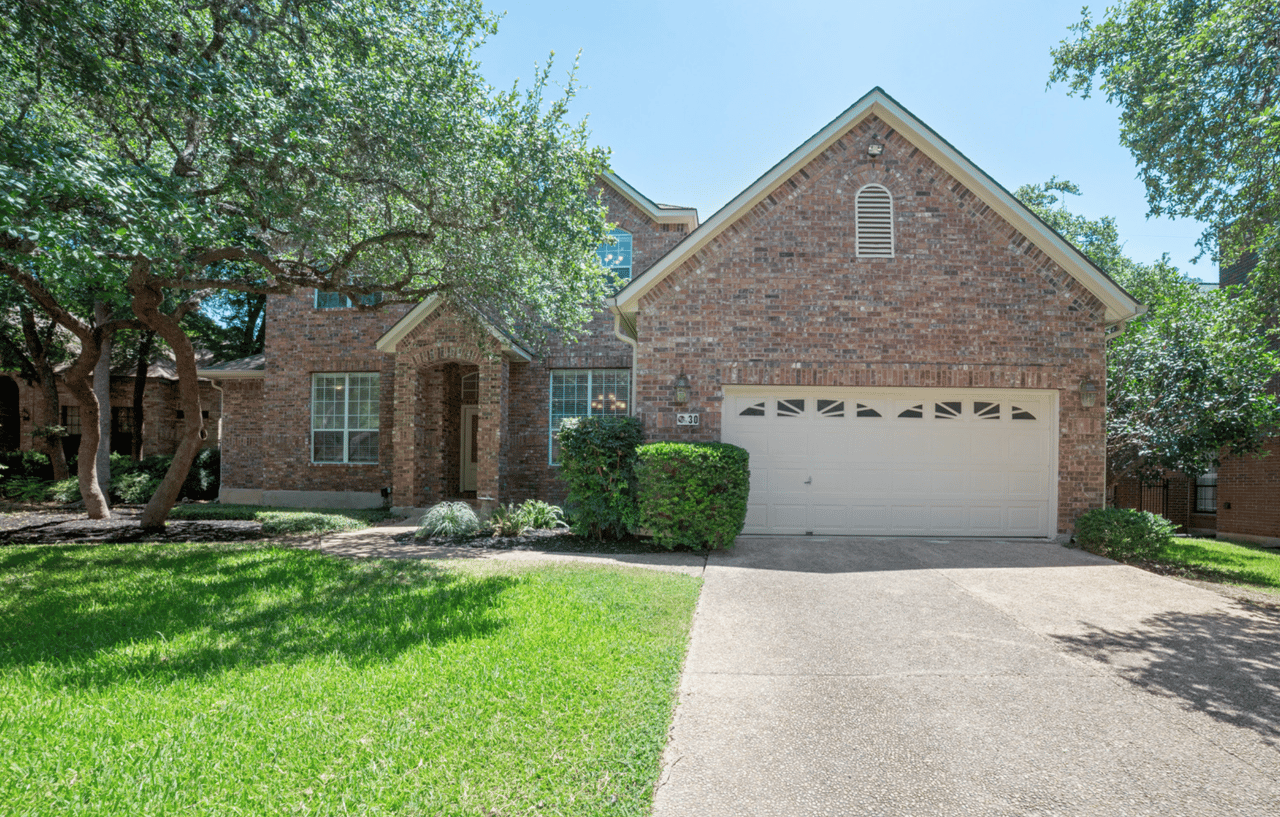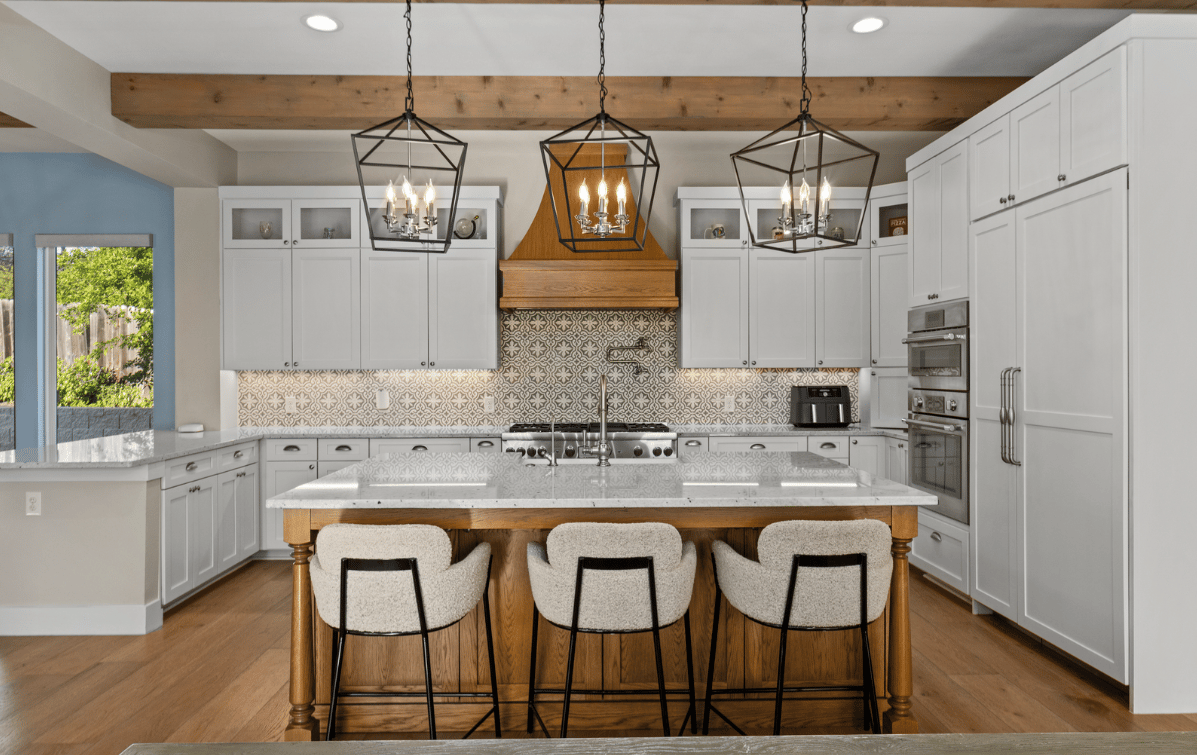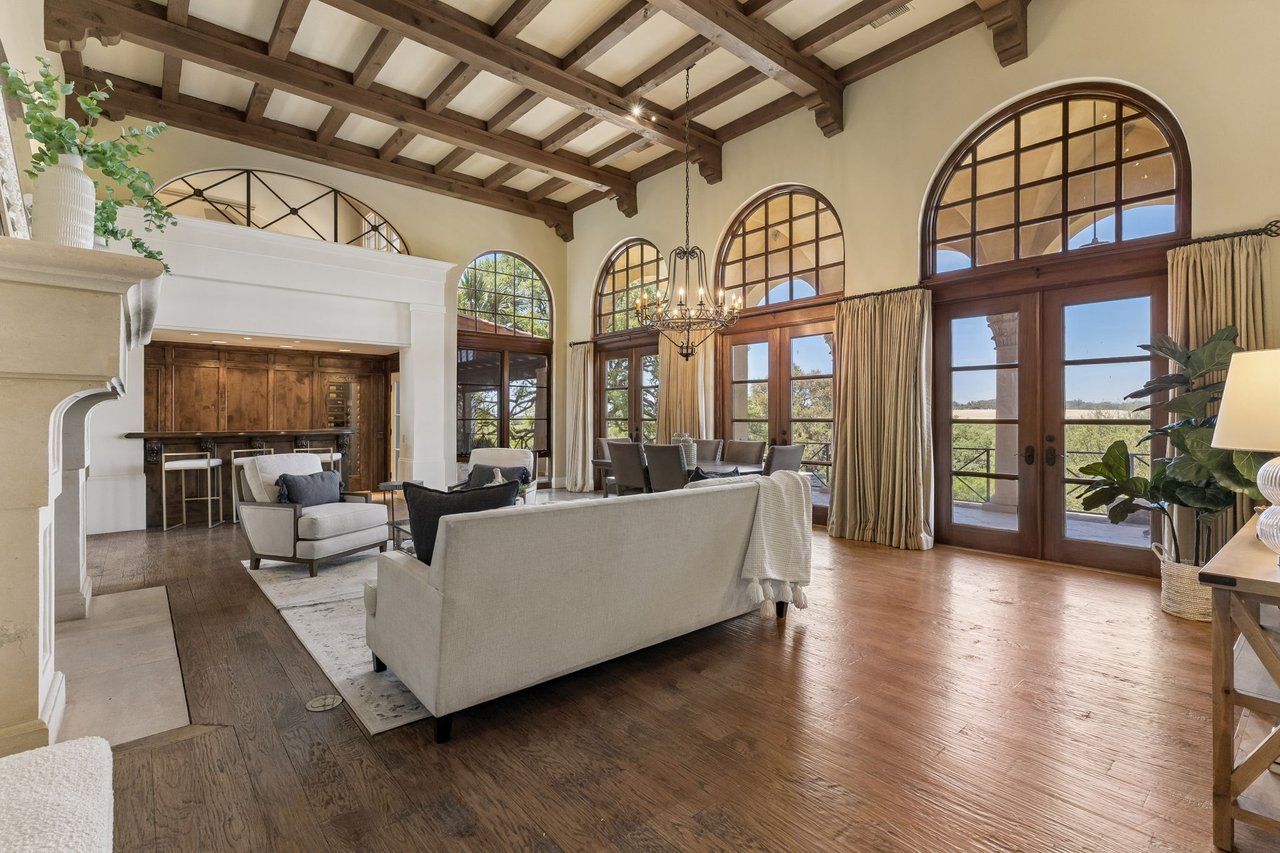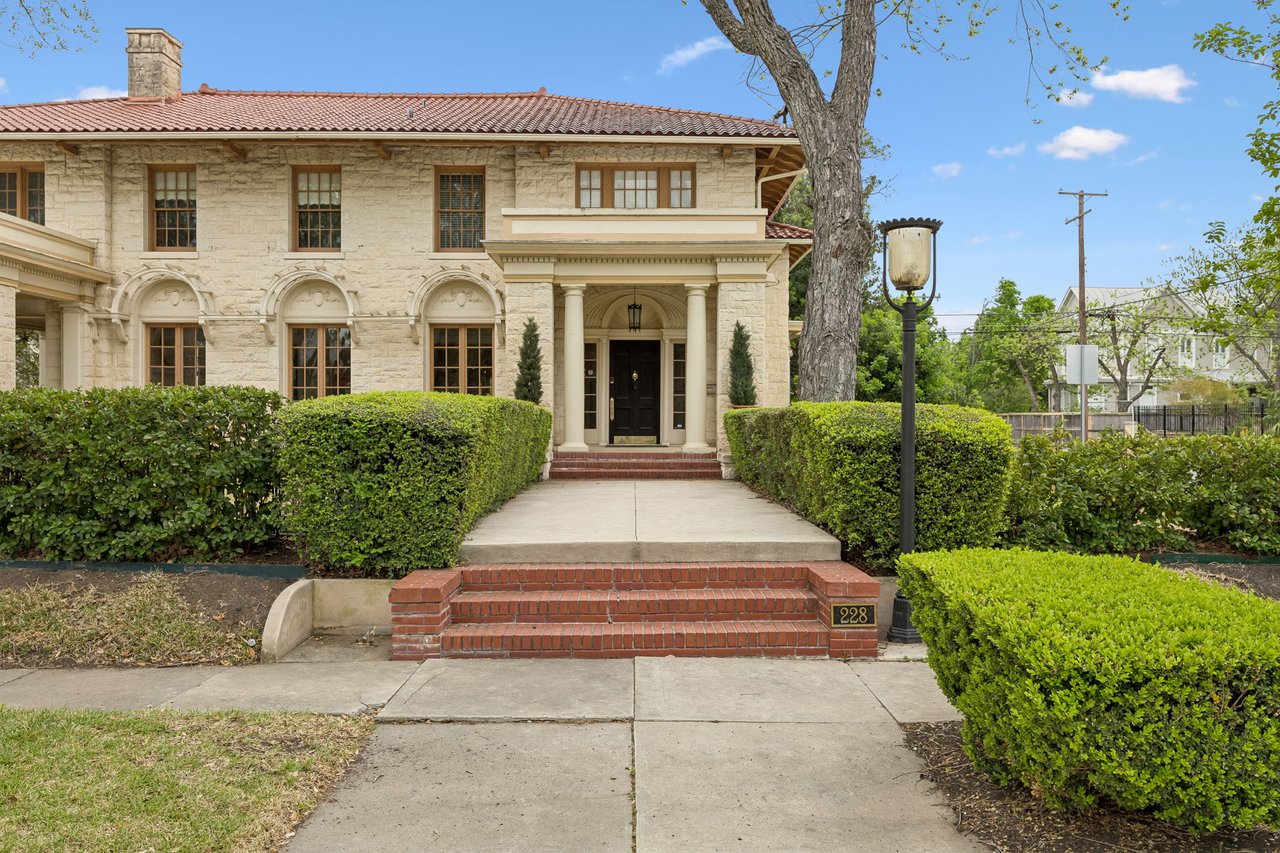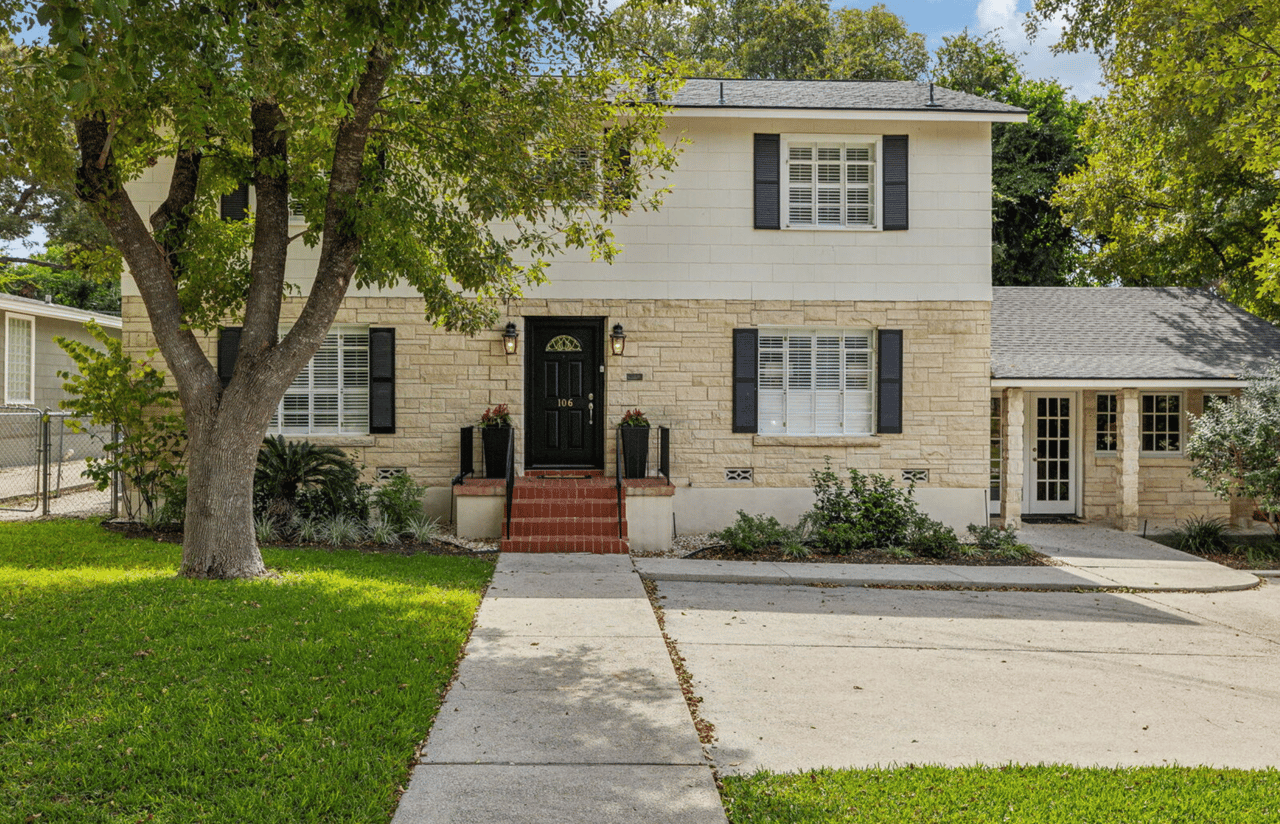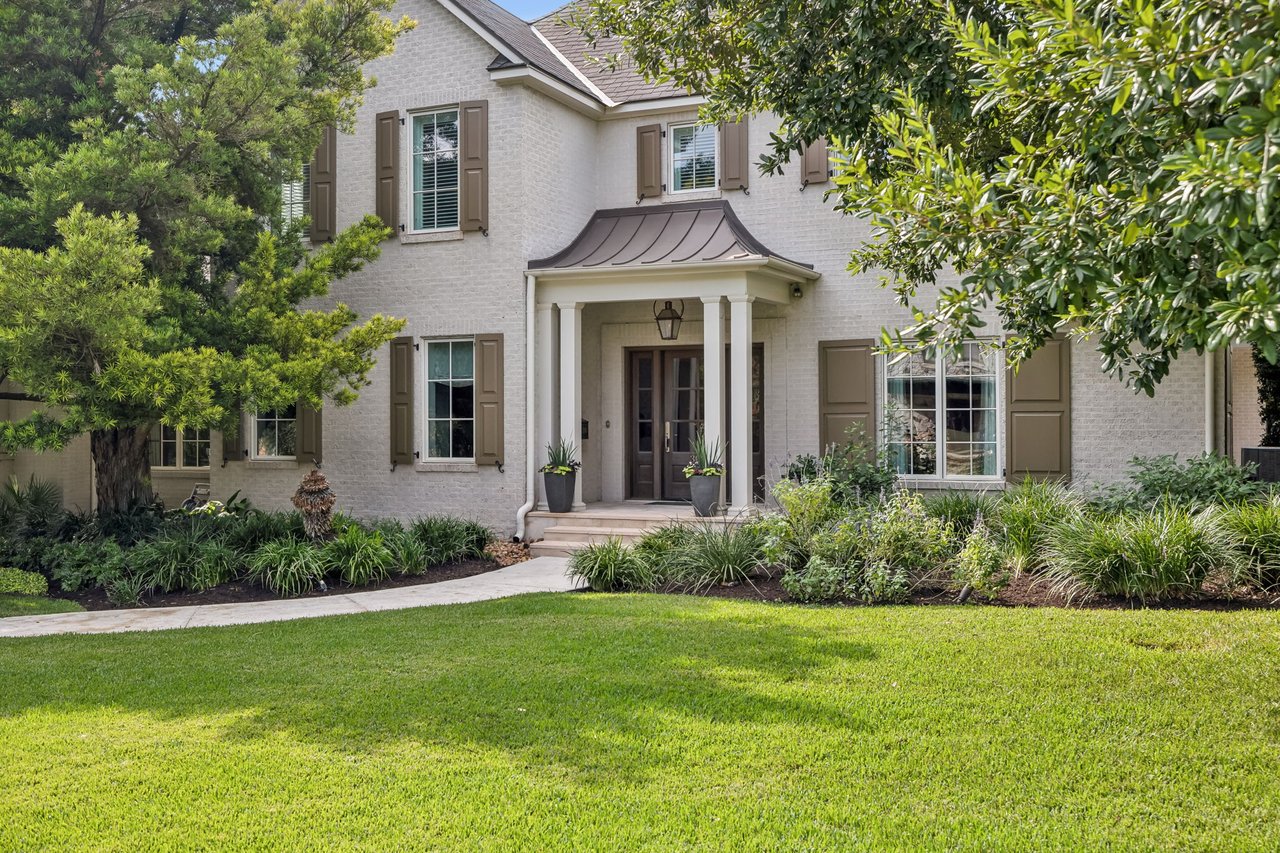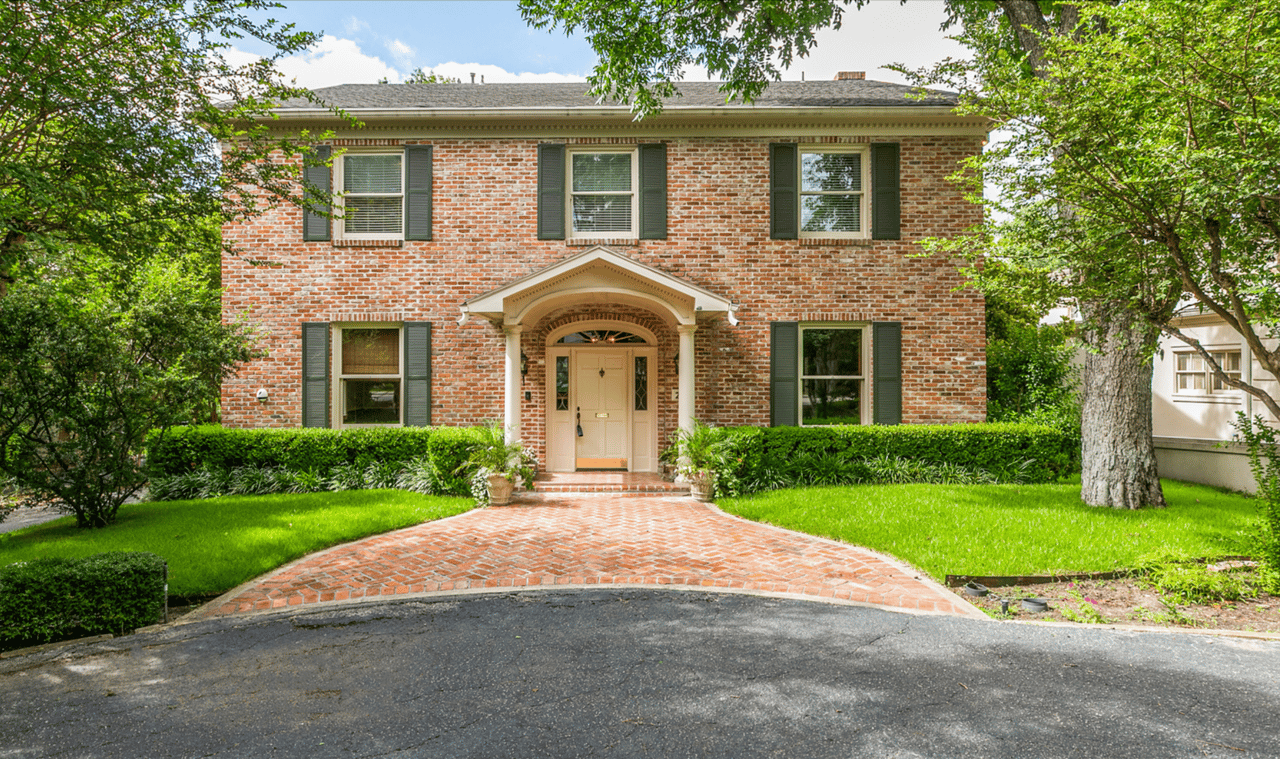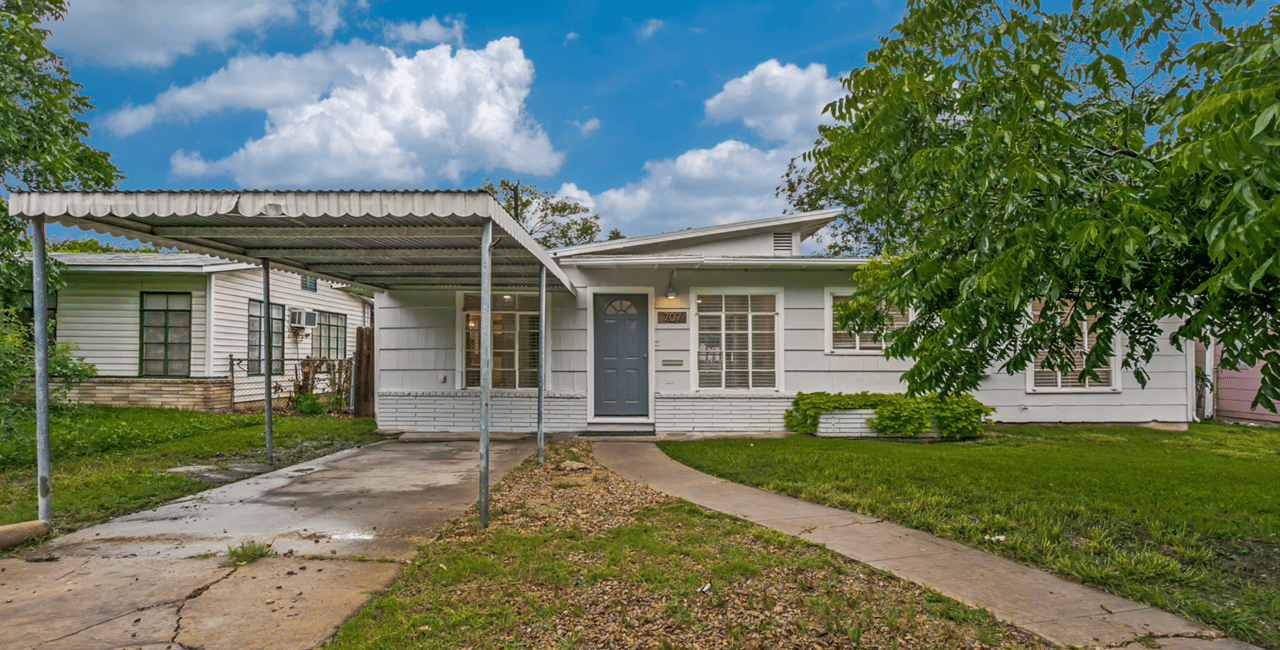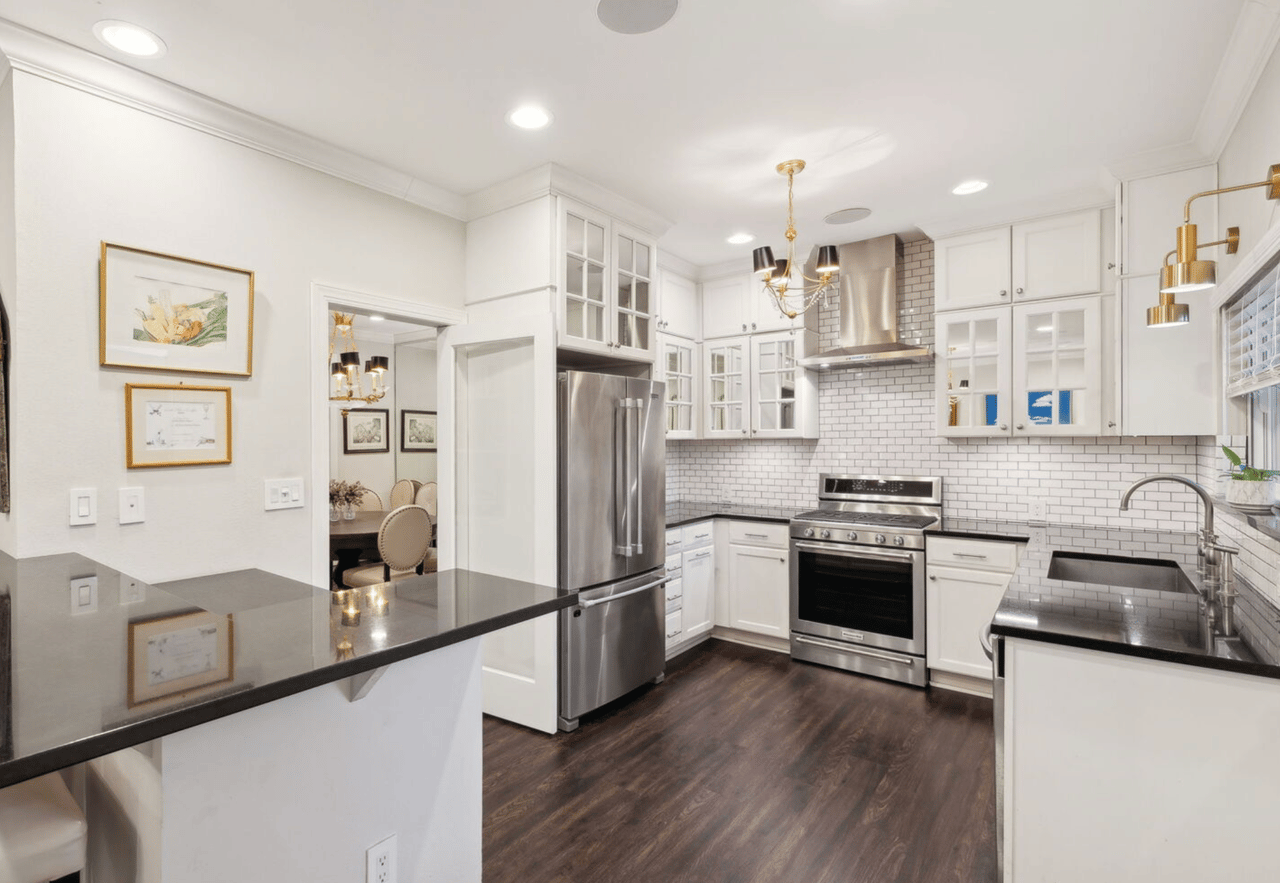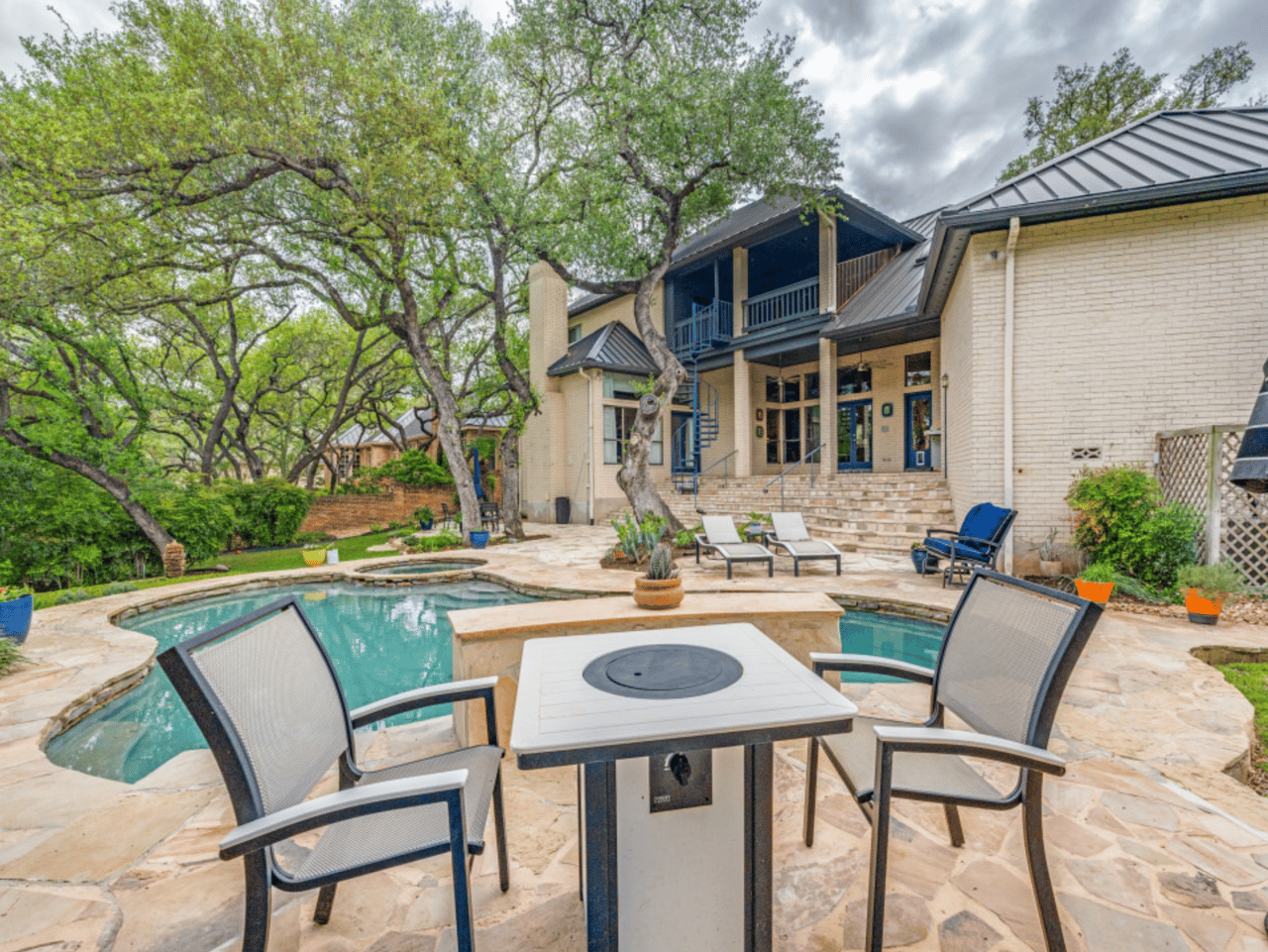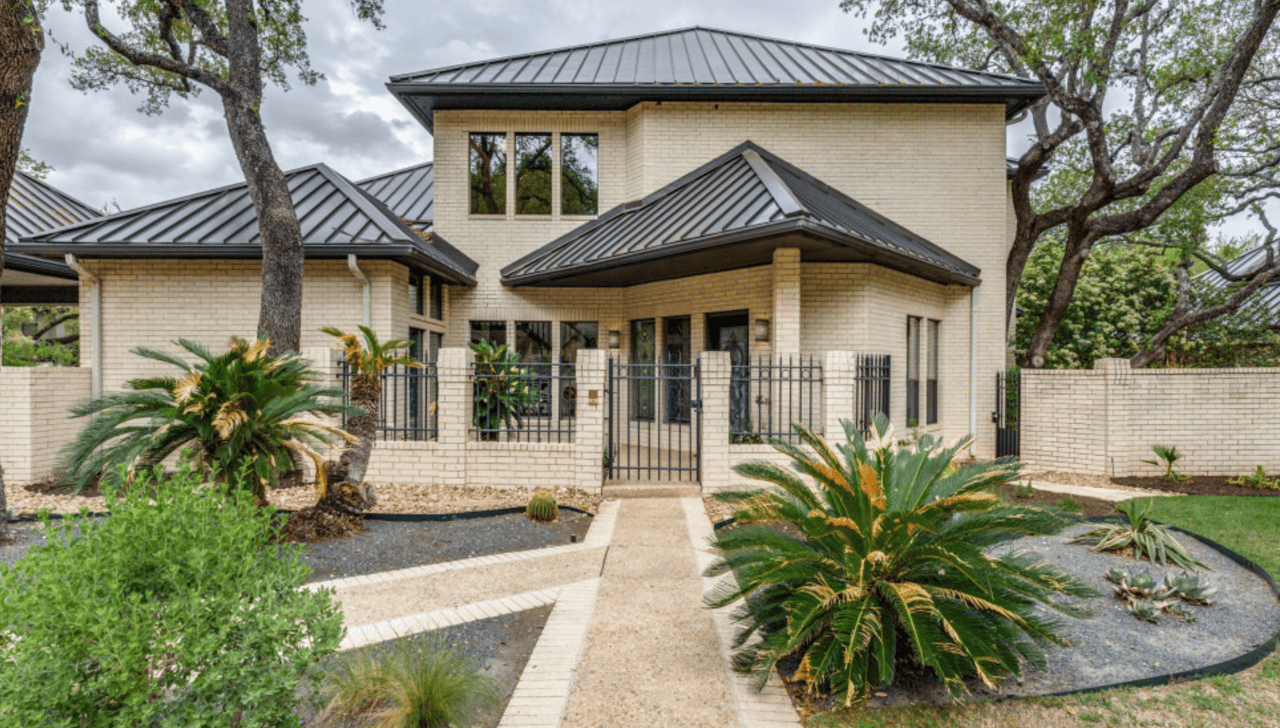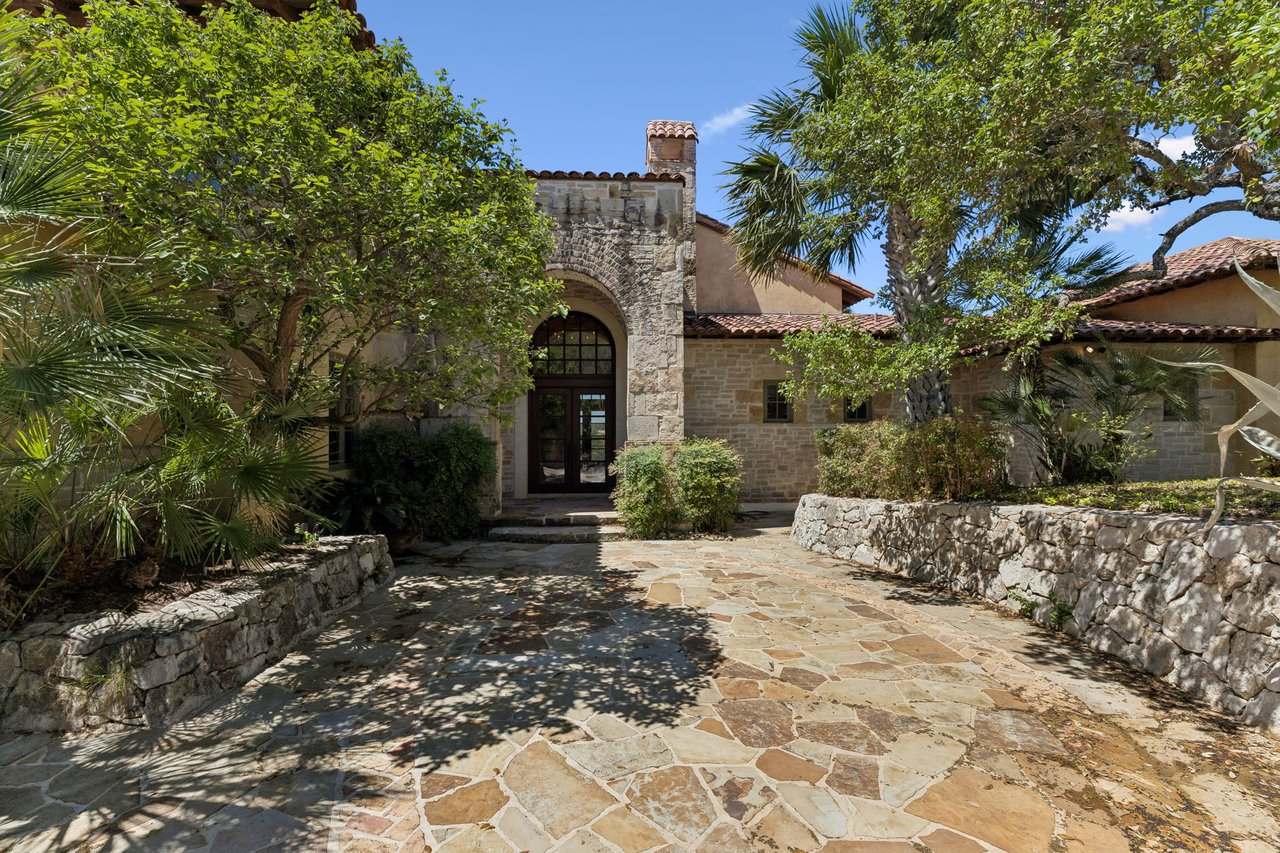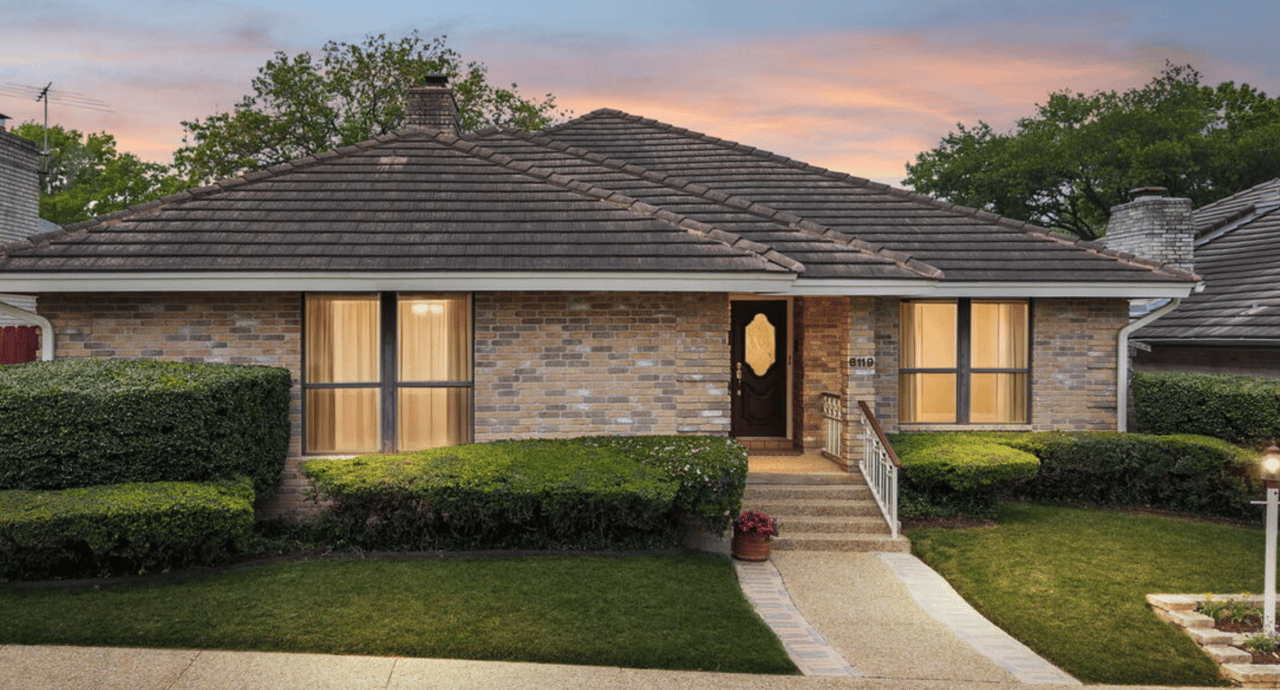
What staging mistakes cause Alamo Heights homes to sit on the market?
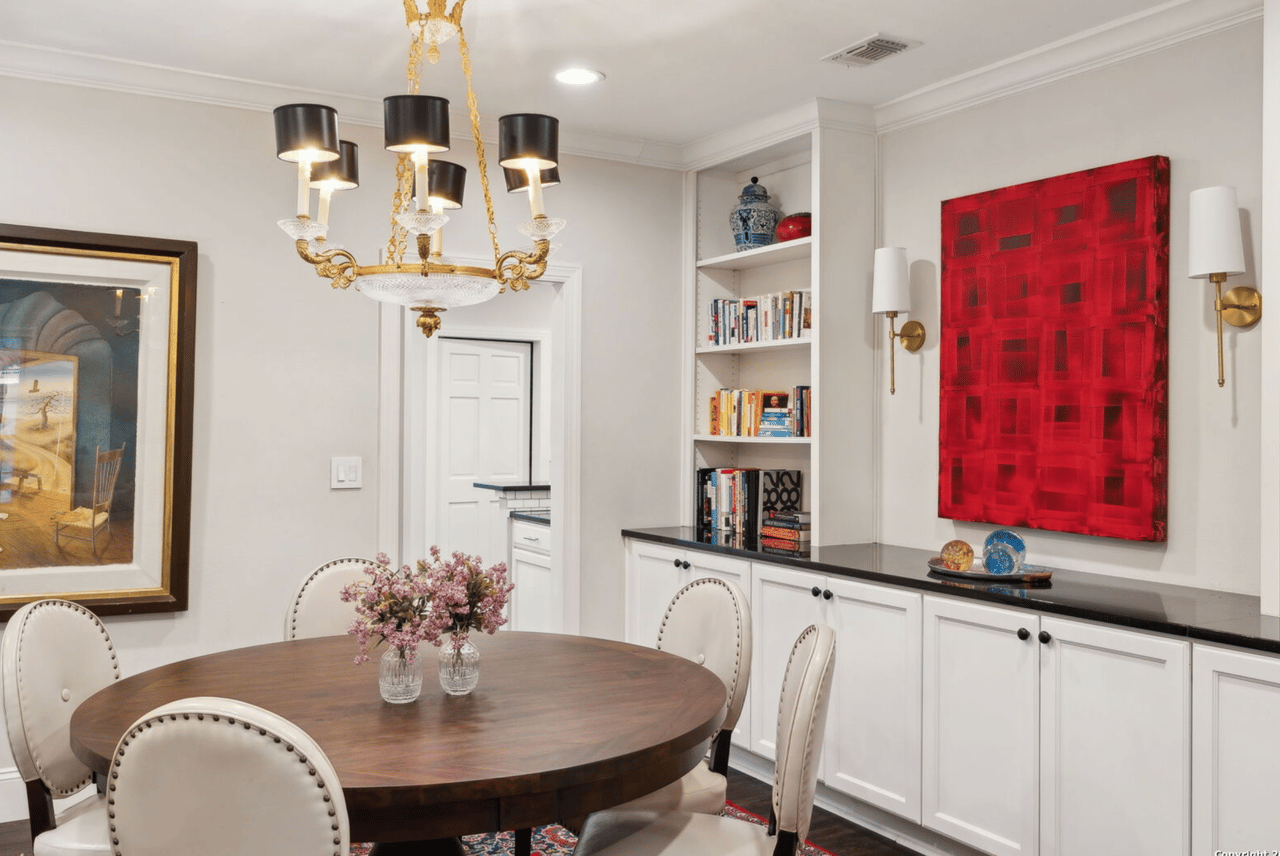
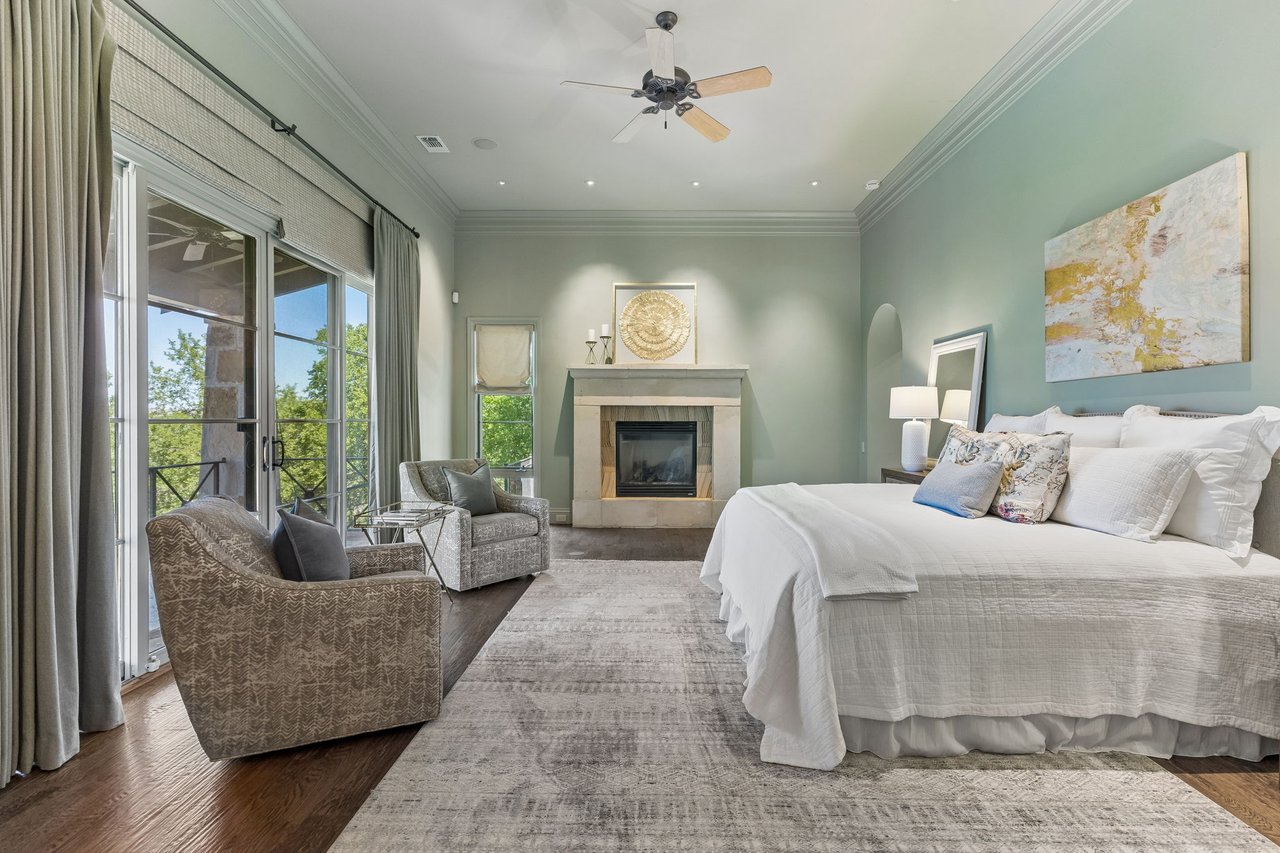
The seven most common staging mistakes Alamo Heights sellers make are: too much furniture that overwhelms the space, furniture that's too personal or stylistic, visual distractions that compete with the home, treating staging like decoration instead of strategy, not staging with photography in mind, assuming every home needs the same approach, and waiting too long to start the process. These mistakes create buyer hesitation, slow decision-making, and cost sellers leverage they didn't know they had.
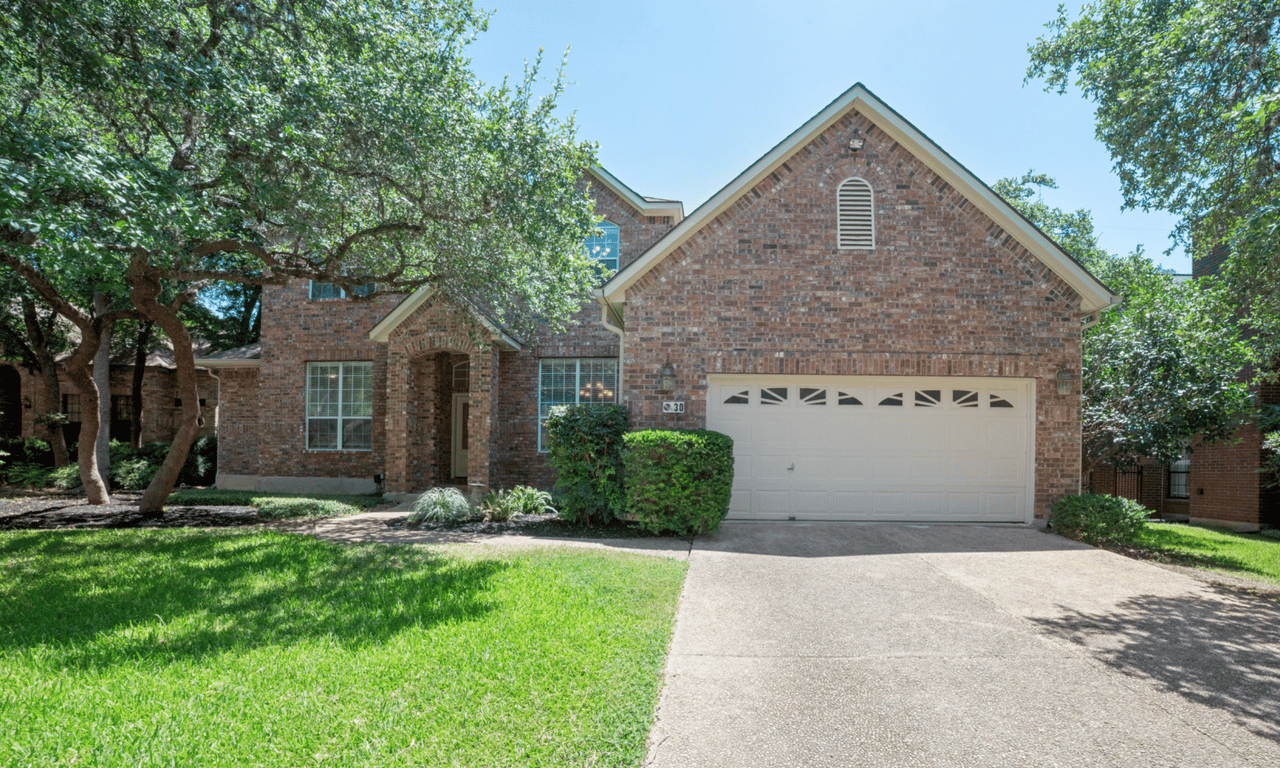
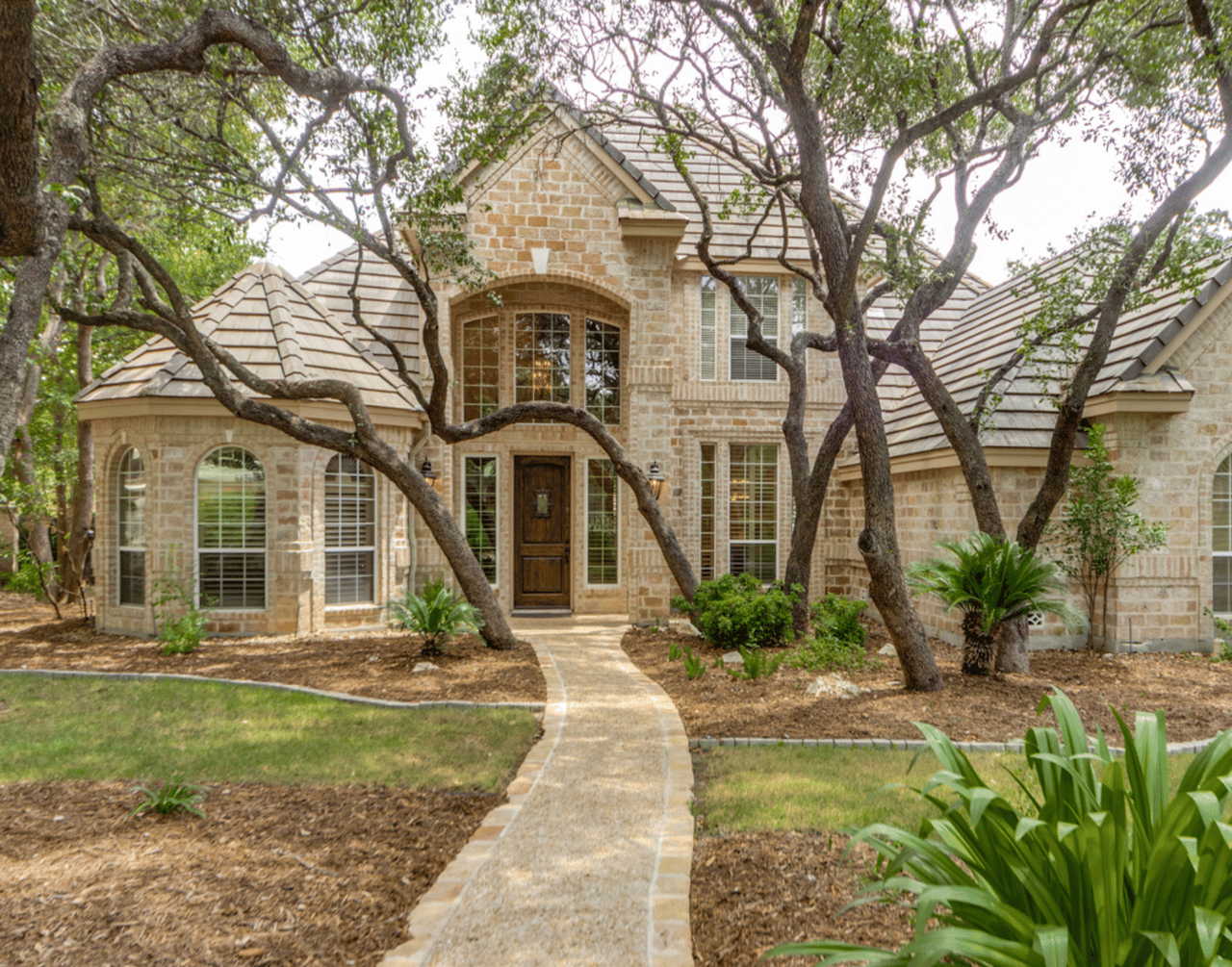
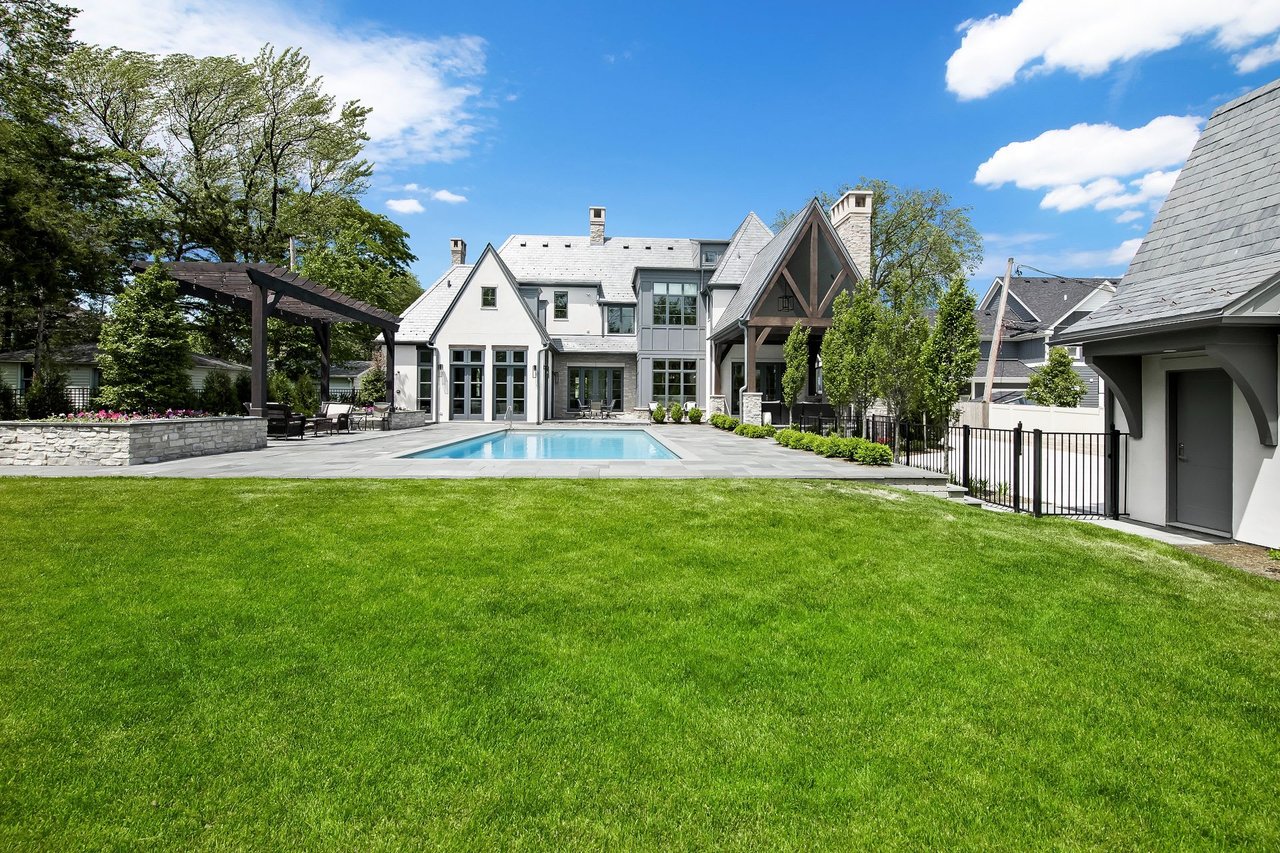
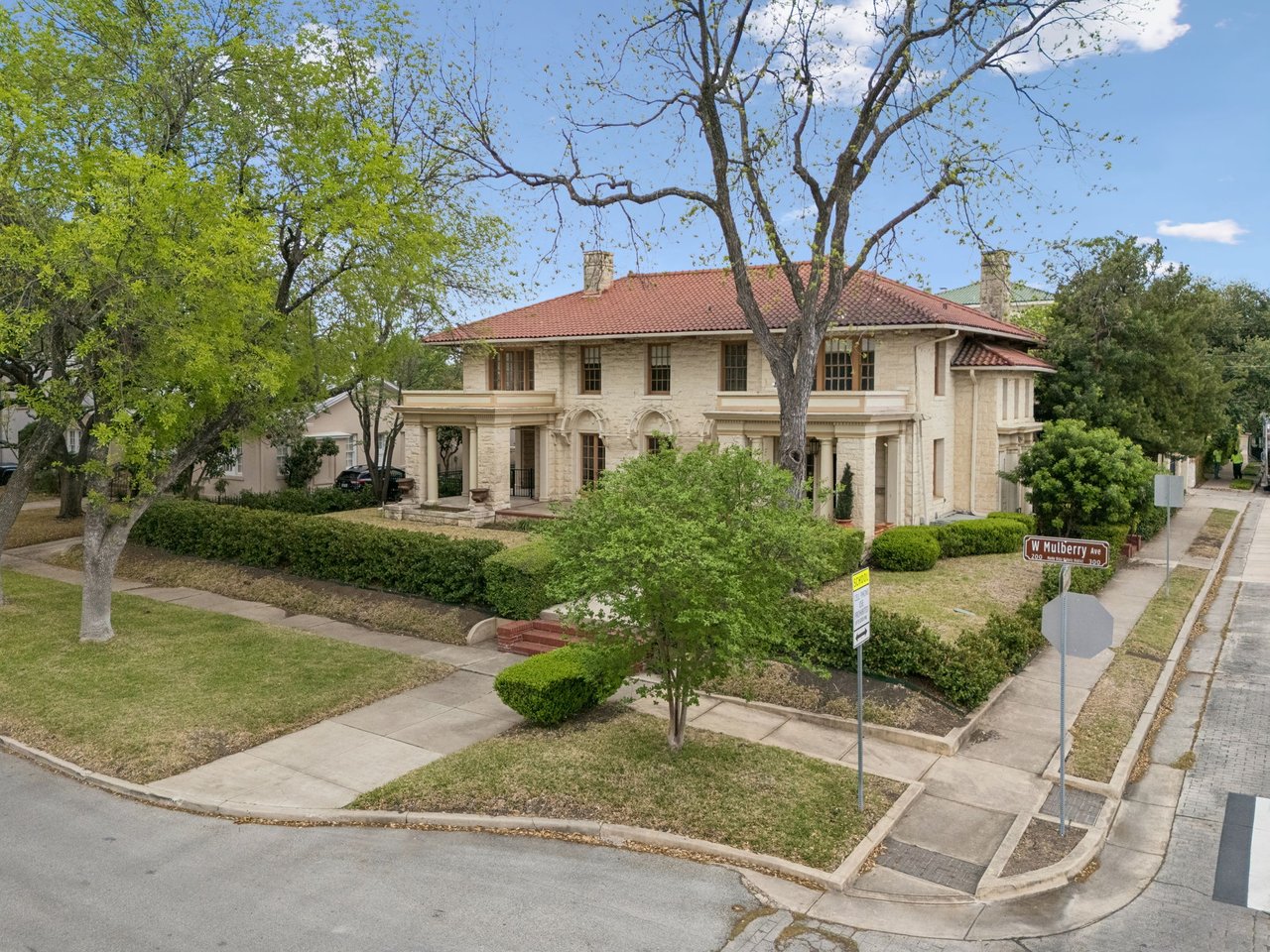
Some Alamo Heights homes come to market and generate immediate momentum. Others — sometimes nearly identical homes on the same street — sit. In most cases, the difference isn't the price, the location, or the market. It's how the home is presented and how quickly a buyer can understand it.
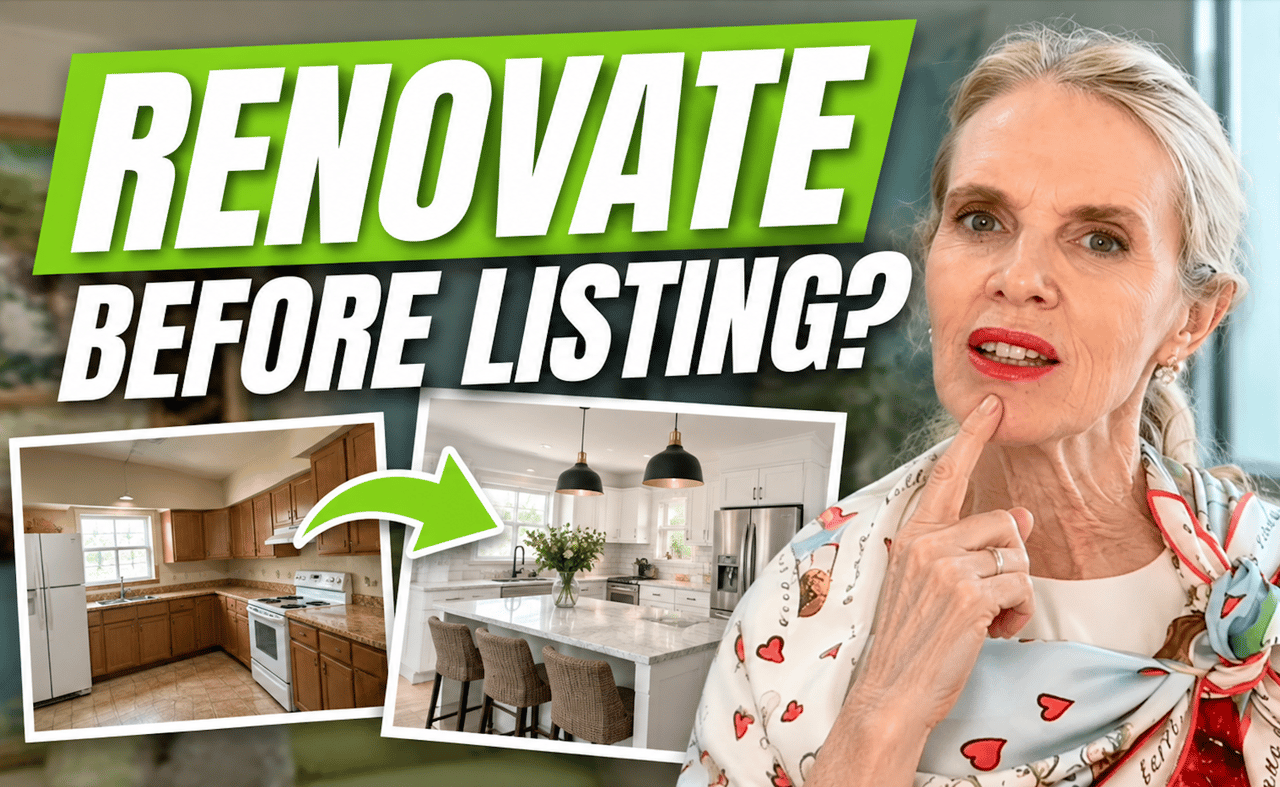
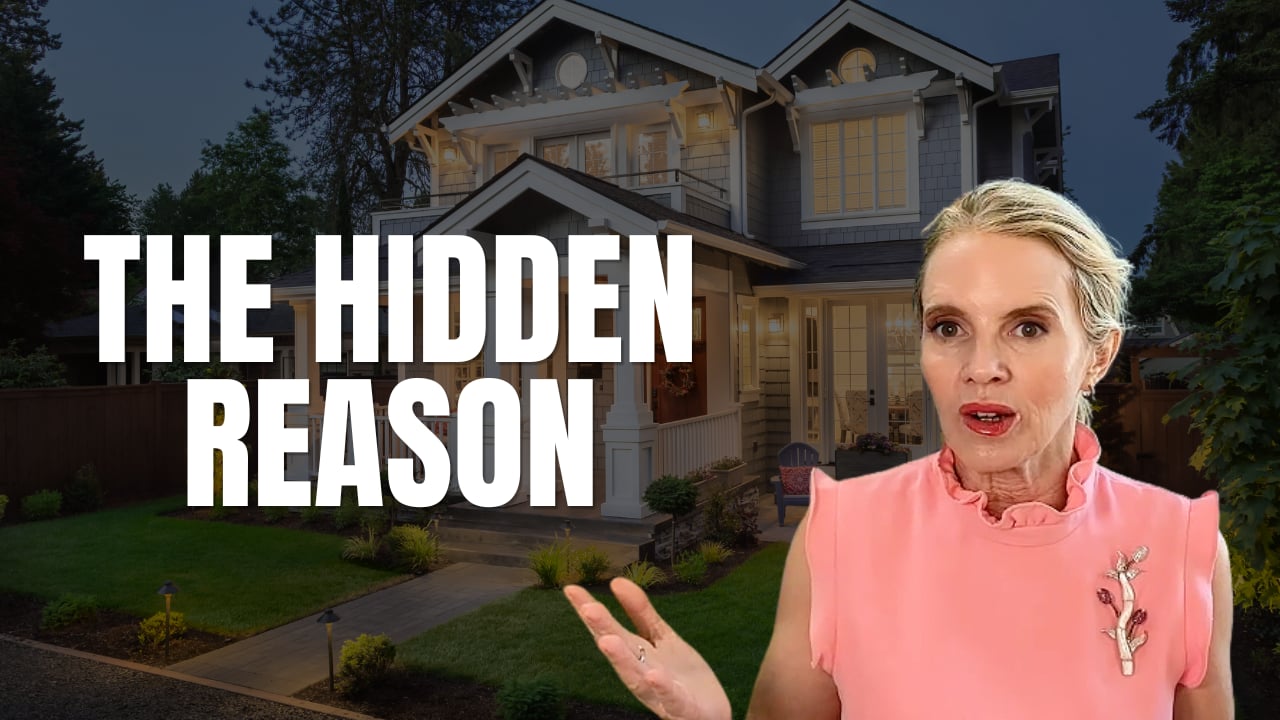
This video walks through the 7 staging mistakes I see over and over before listing — and includes a real case study: a home that came to Park Properties Group after not selling with another agent. We changed the presentation — not the home — and received a strong offer in the first week.
The 7 Mistakes
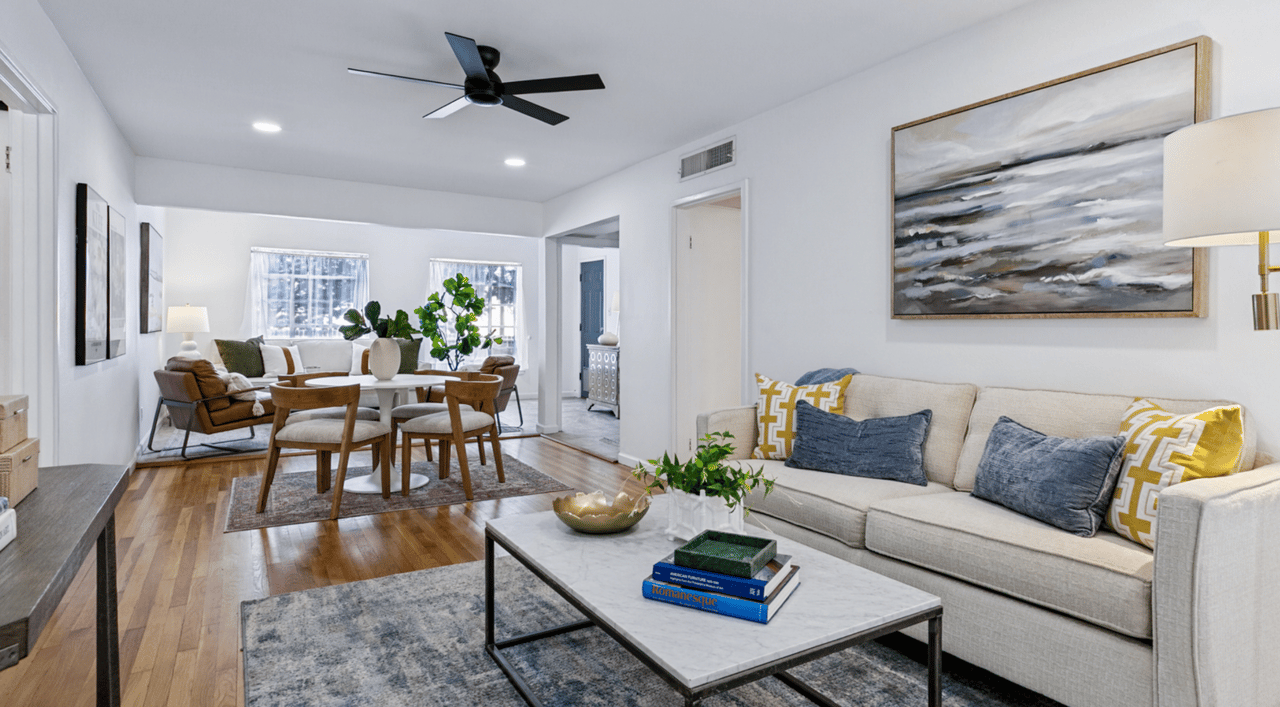
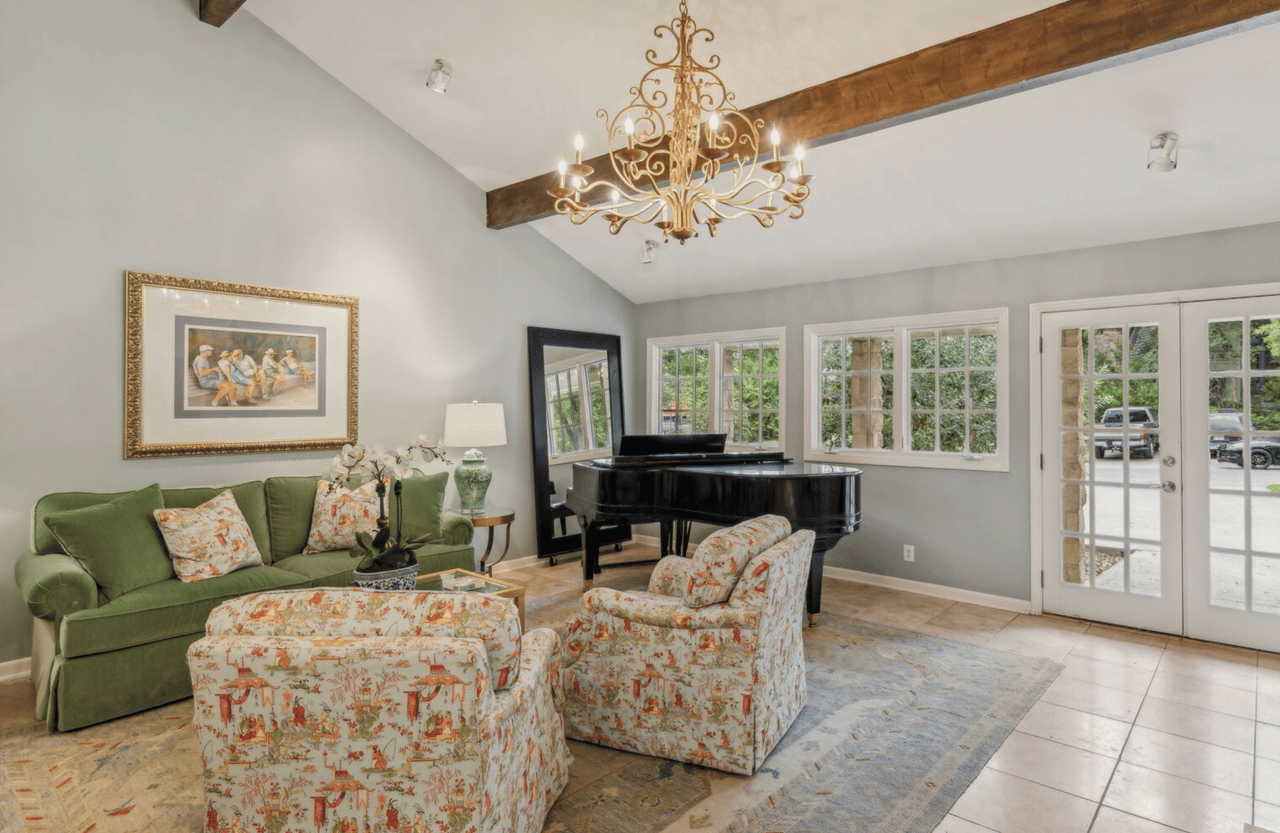
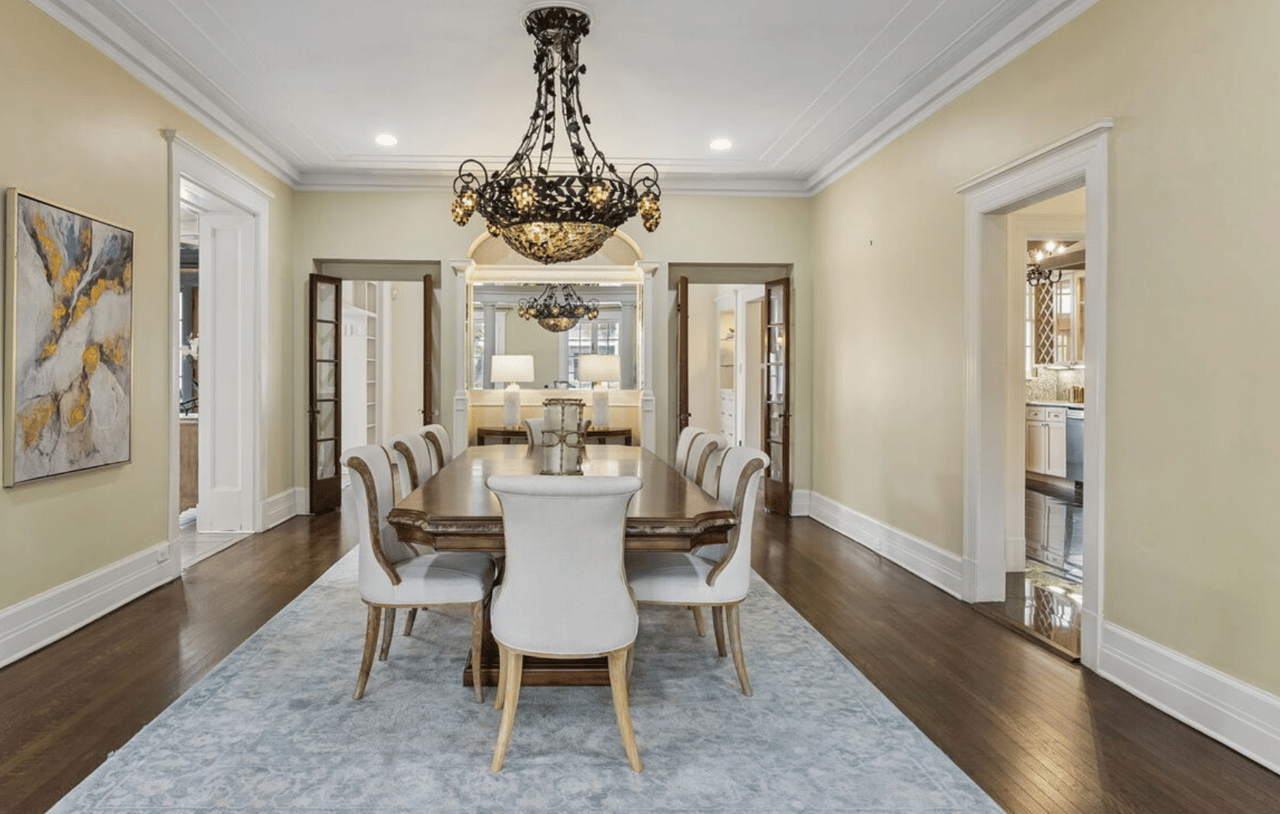
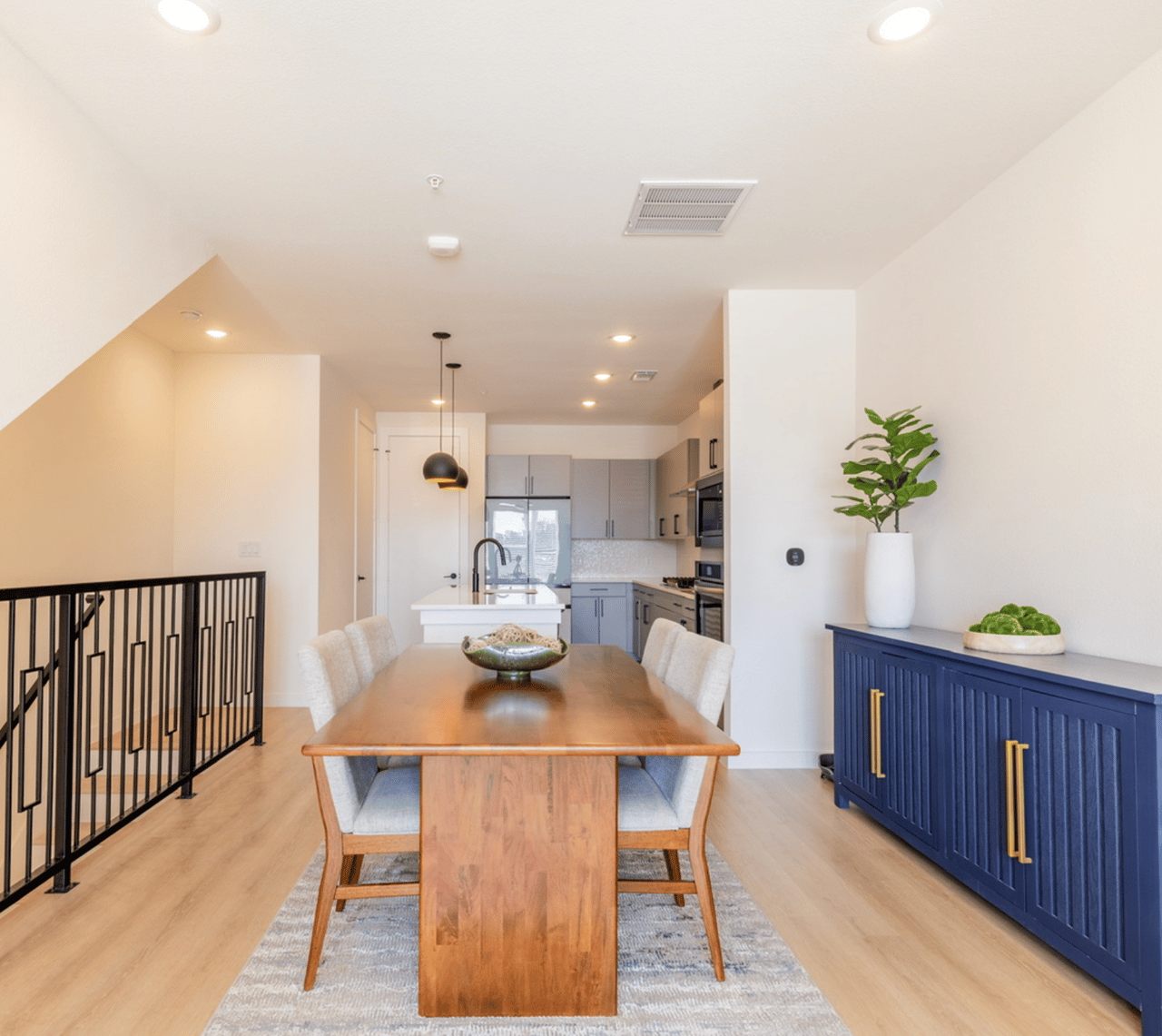
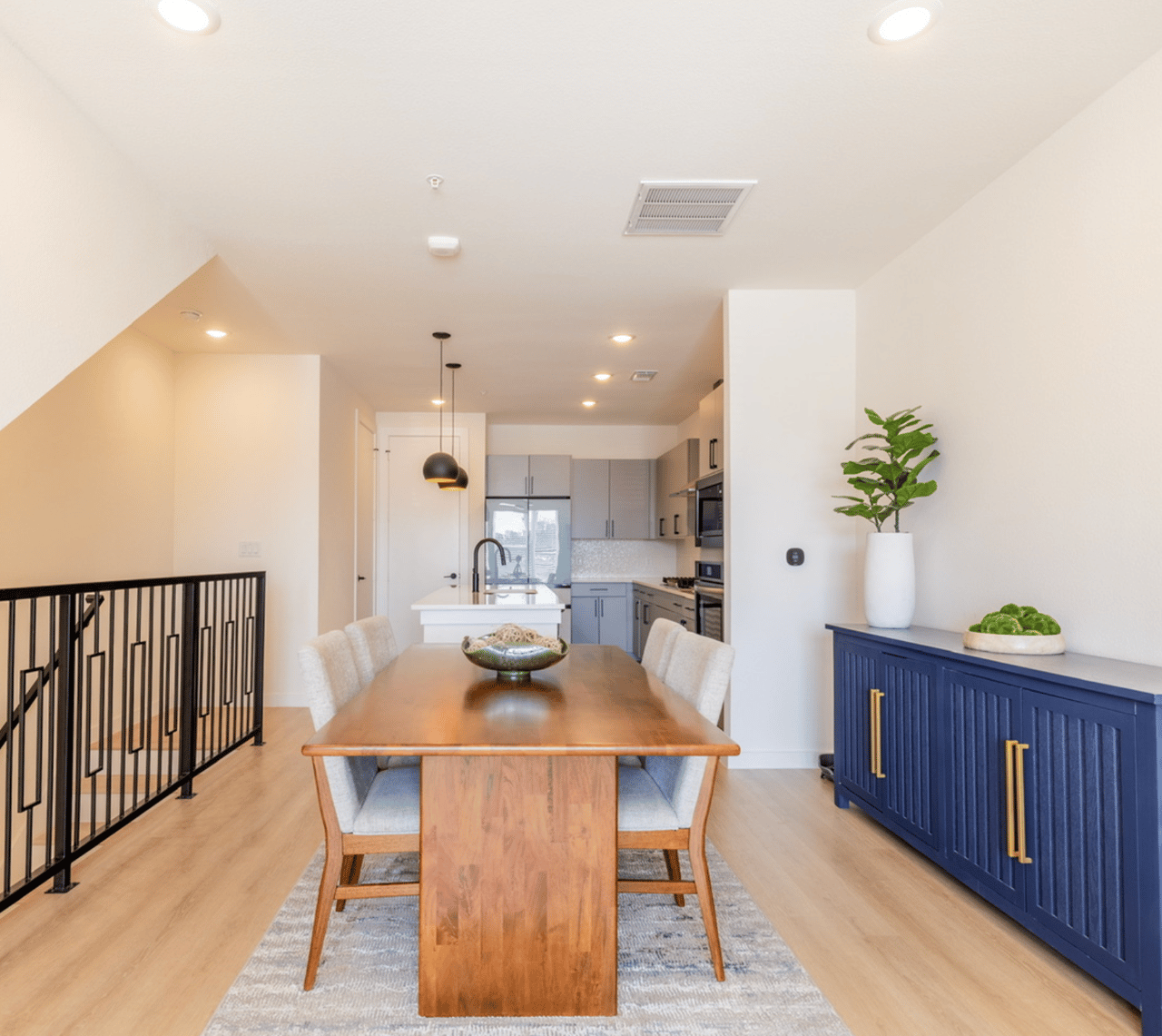
1. Too much furniture that overwhelms the space. Alamo Heights homes have distinctive proportions — higher ceilings, specific room layouts, architectural details that define the space. When furniture crowds those details out, buyers remember the furniture, not the home. The goal is for the room to read. When in doubt, take half of it out.
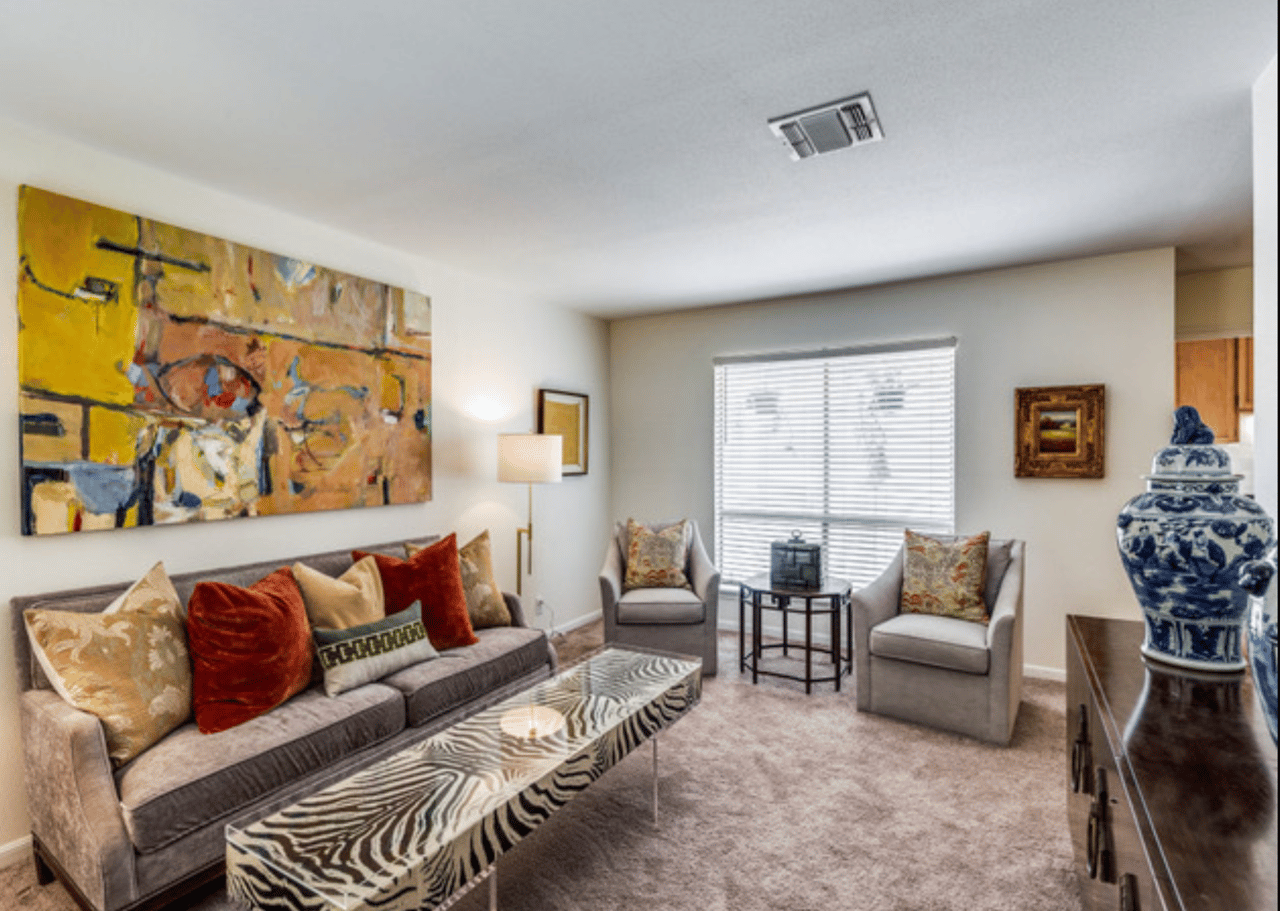
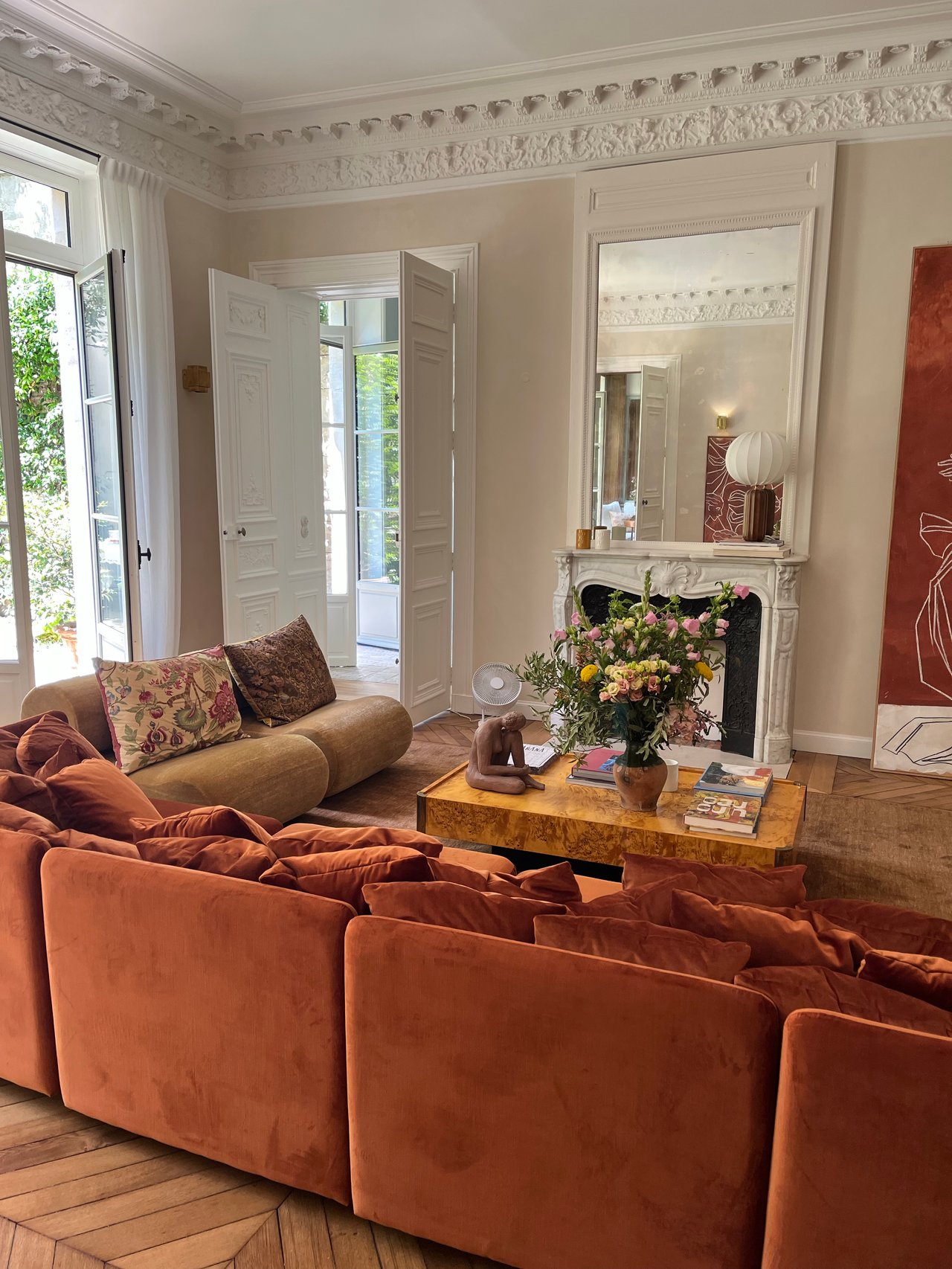
2. Furniture that's too personal or stylistic. A living room staged around a very specific aesthetic — maximalist, highly curated, or intensely personal — asks the buyer to see past it. Many can't. The more neutral and intentional the backdrop, the easier it is for buyers to project their own lives into the space.
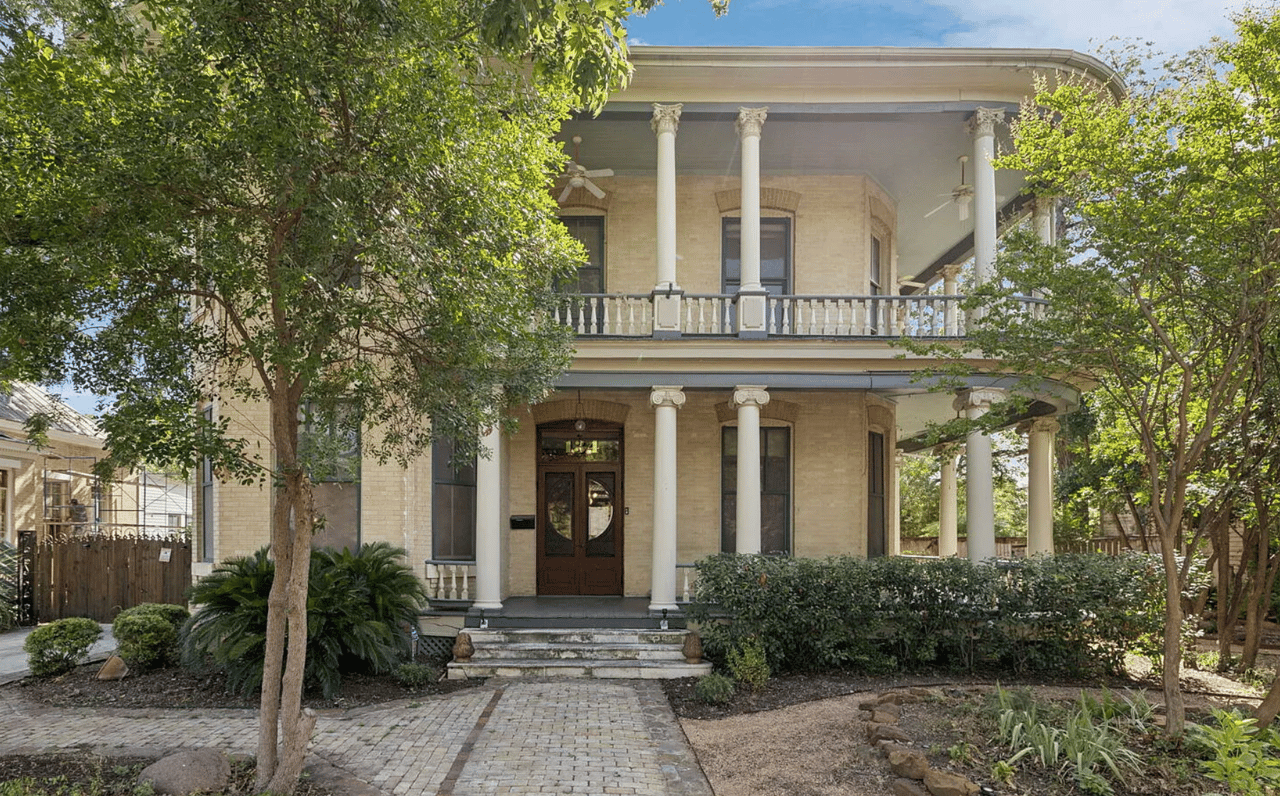
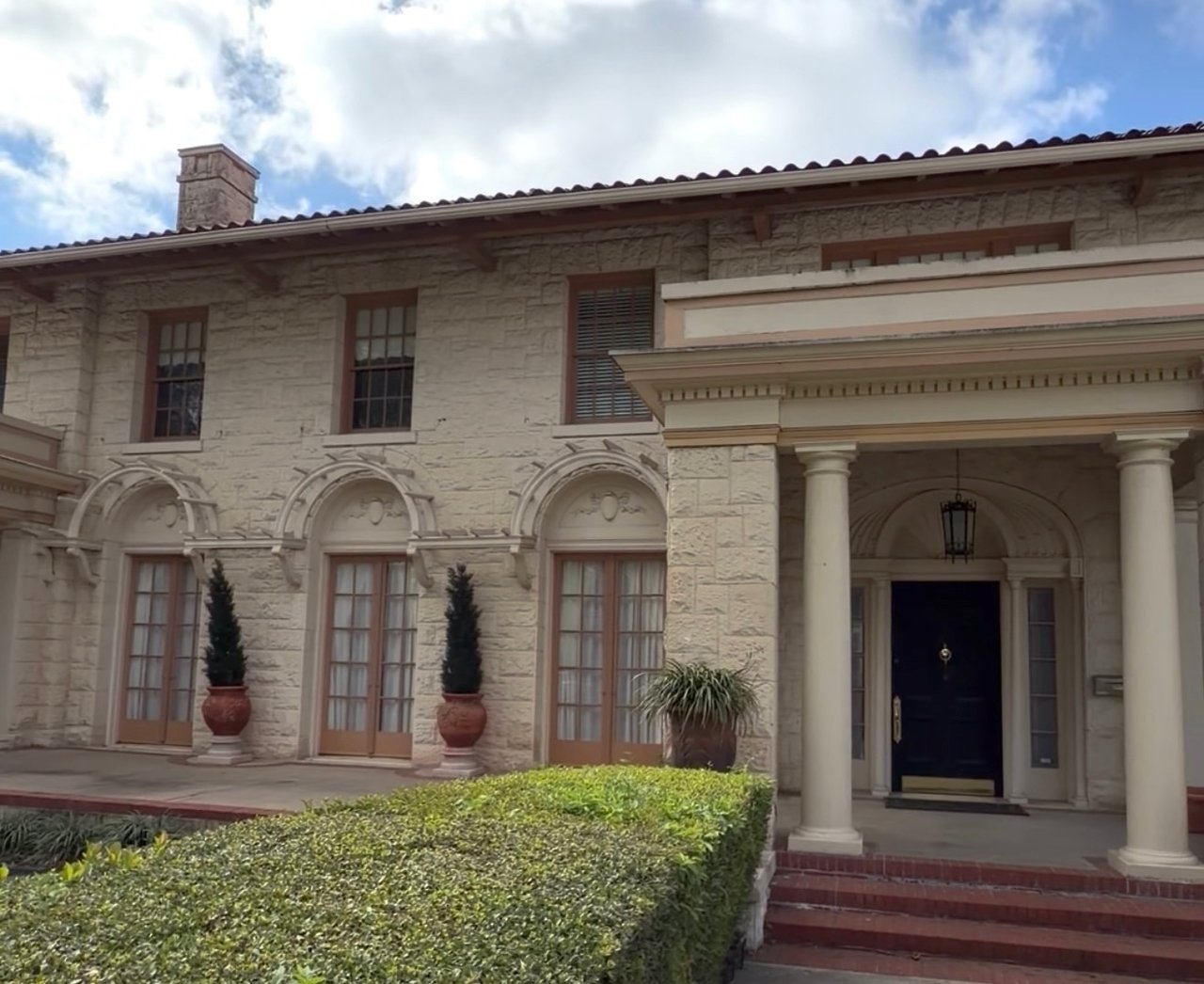
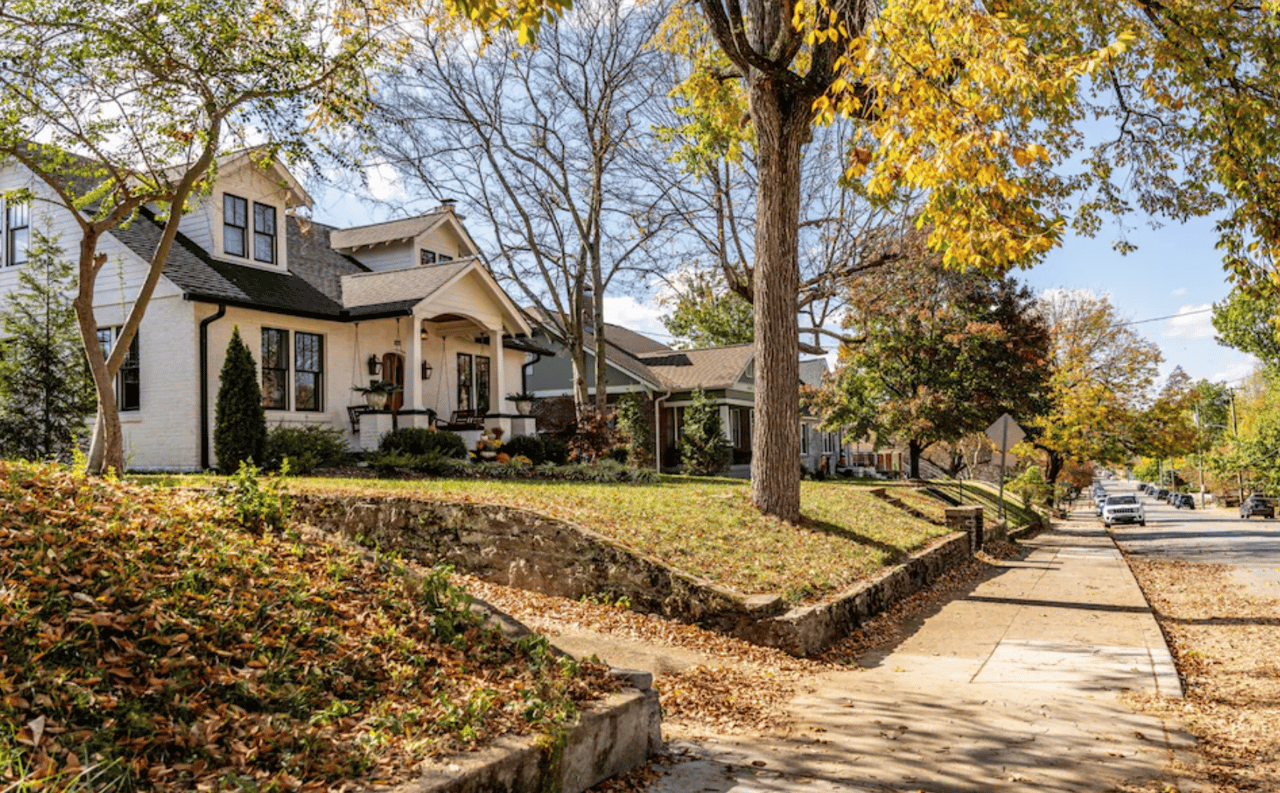
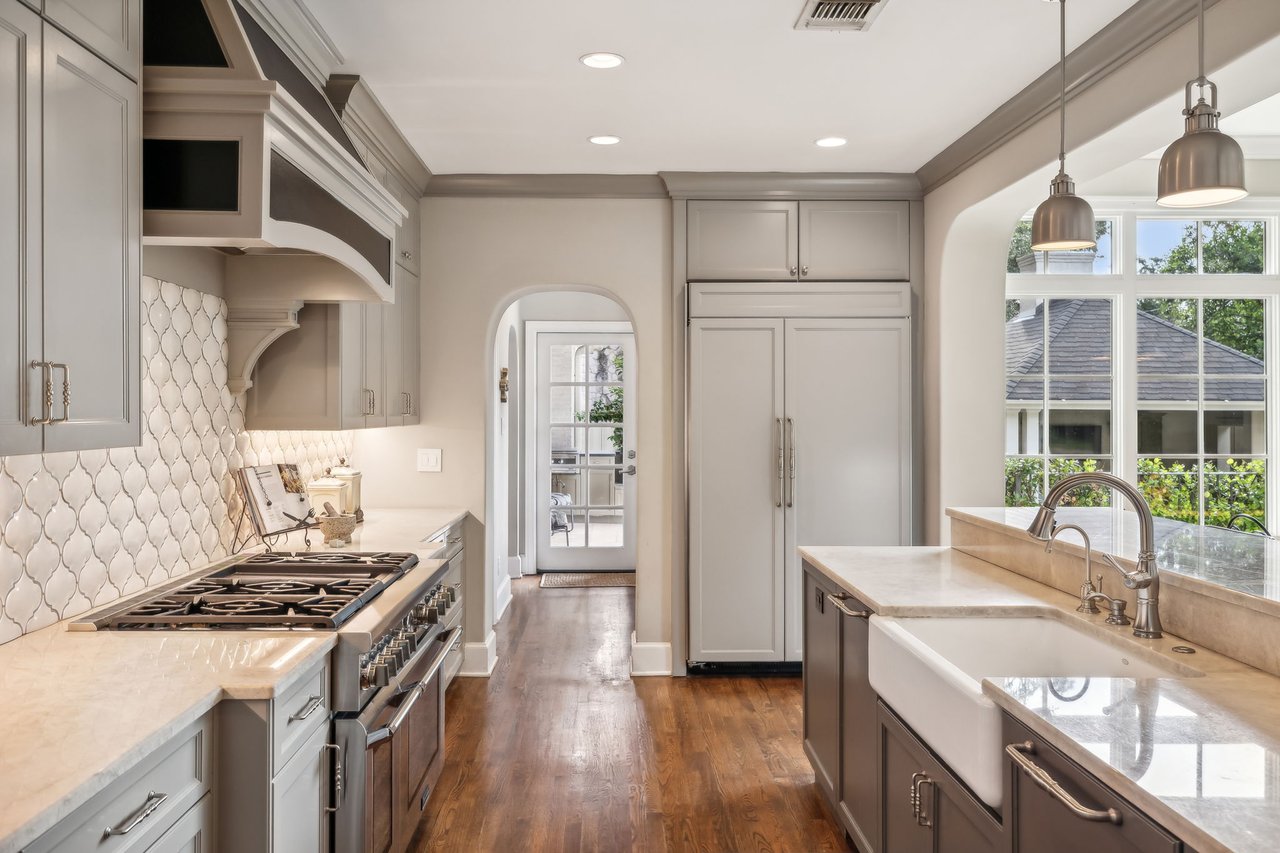
3. Visual distractions that compete with the home. Busy art, collections, gallery walls, loud textiles, and overcrowded surfaces all pull the eye away from what buyers should be noticing: the architecture, the light, the floor plan. In historic homes especially, the original details are the selling point. Let them be.
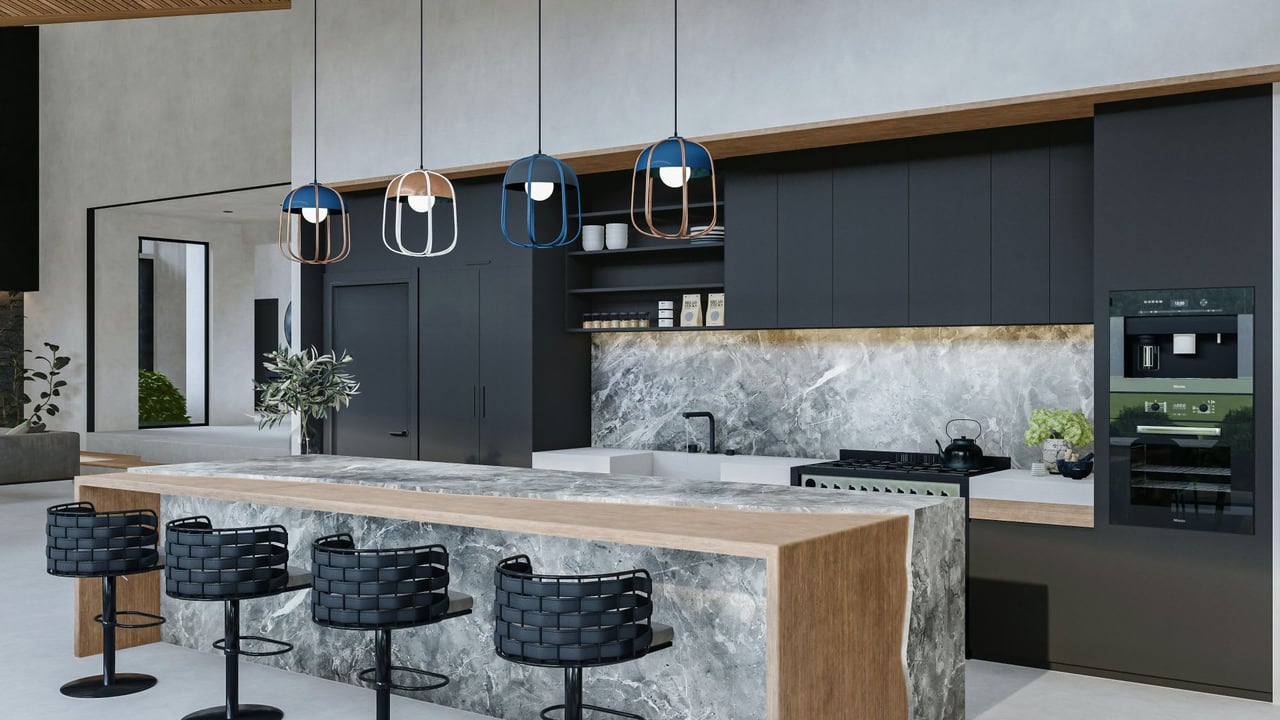
4. Treating staging like decoration, not strategy. Staging isn't about making the home look pretty. It's about guiding the buyer's eye, creating a clear hierarchy of what to notice first, and removing anything that introduces doubt or slows the mental transaction. Every decision should serve that goal, not an aesthetic preference.
5. Not staging with photography in mind. The first showing happens online. If the listing photos don't create momentum, many buyers won't schedule a visit. Staging for photography means thinking about how a room reads in a frame — not just how it feels in person. These are different problems with different solutions.
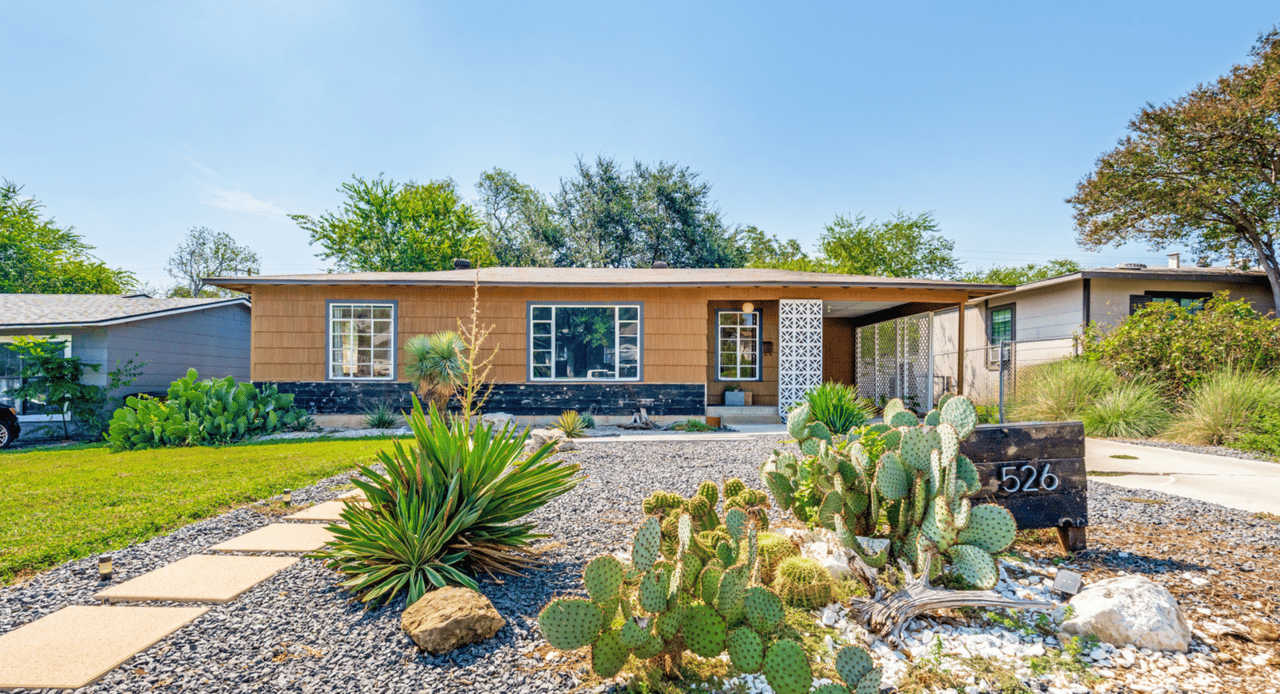
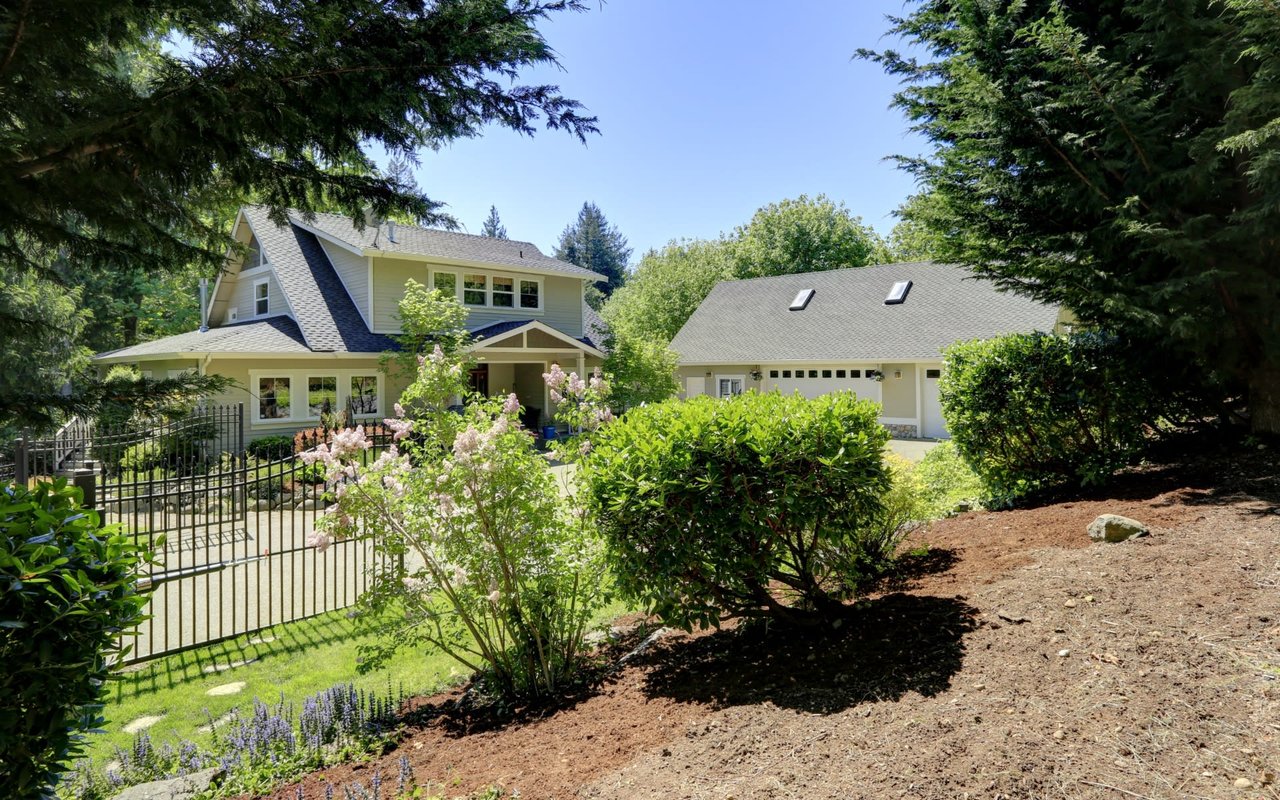
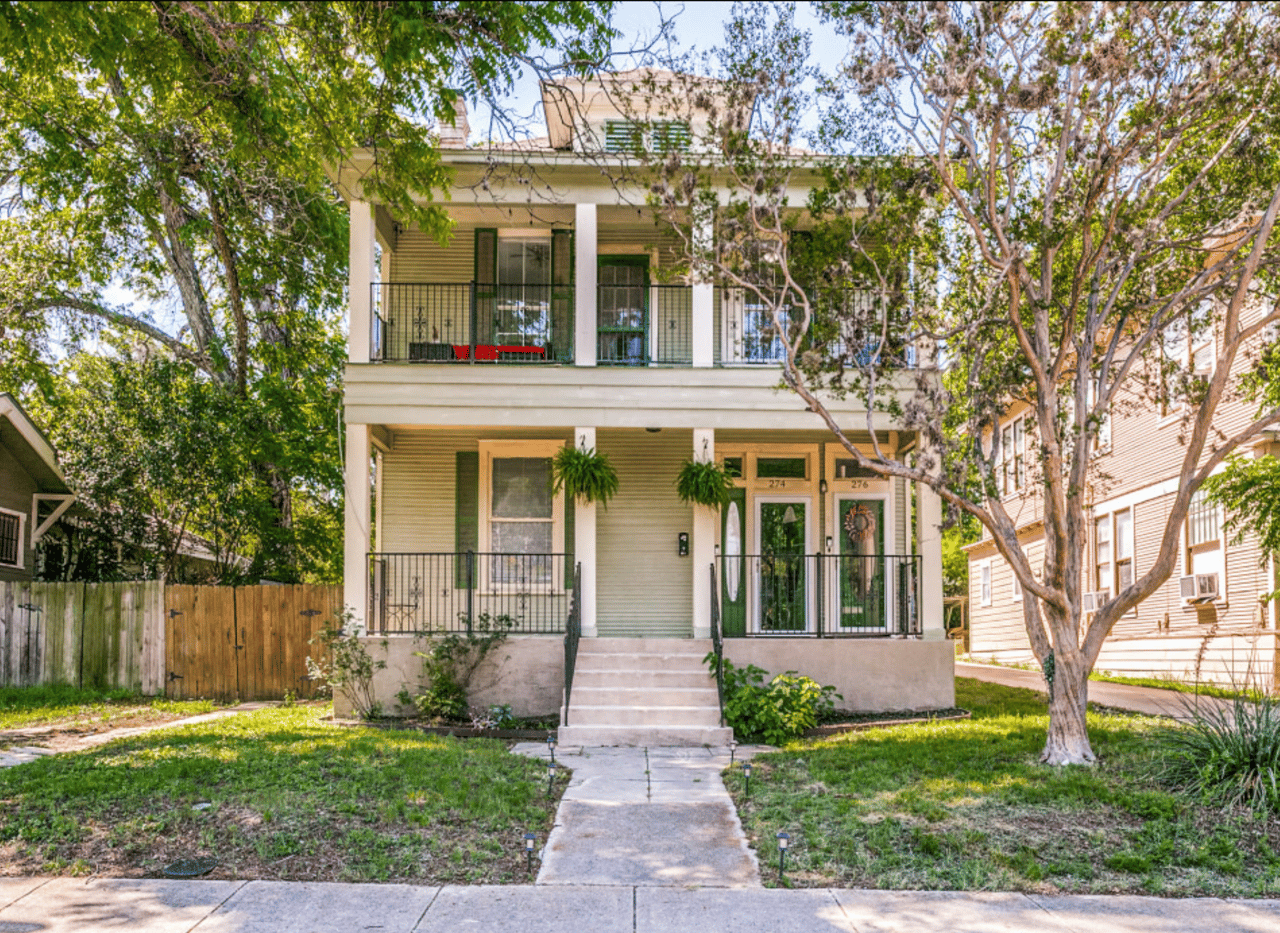
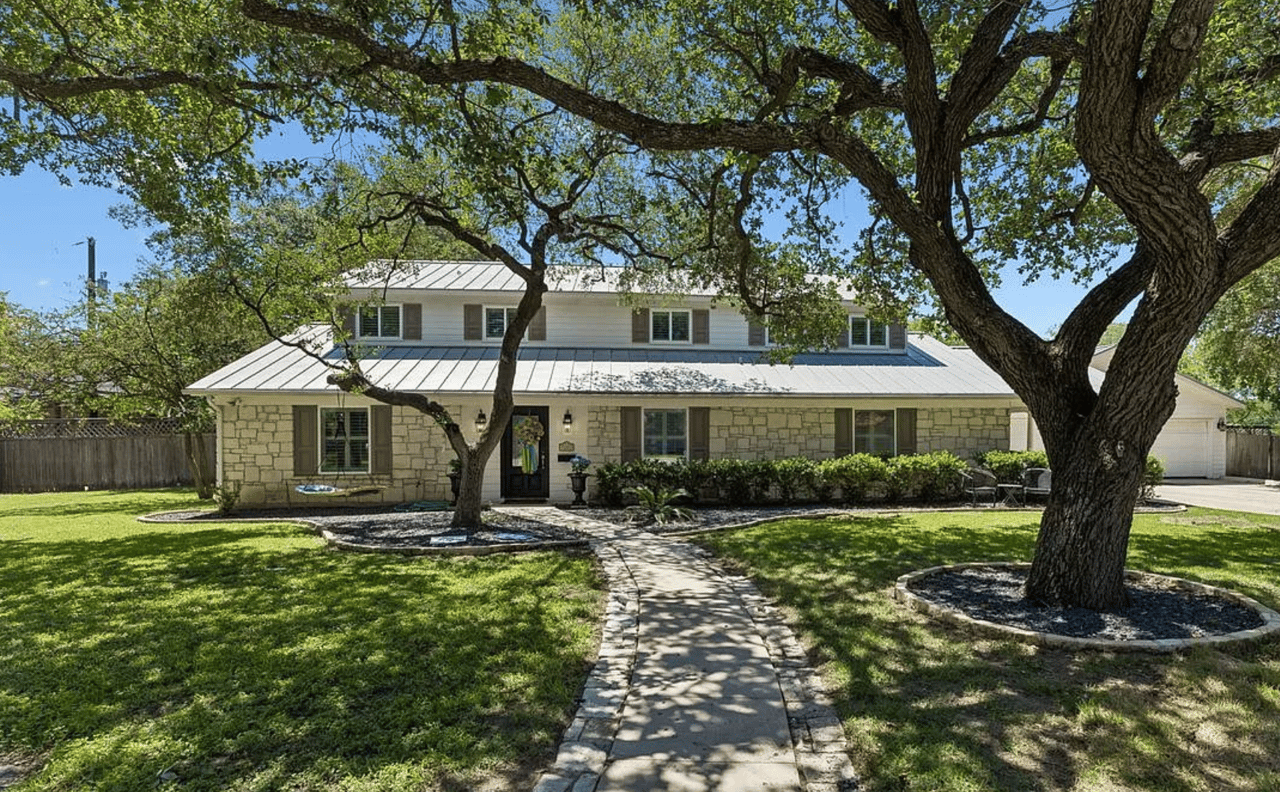
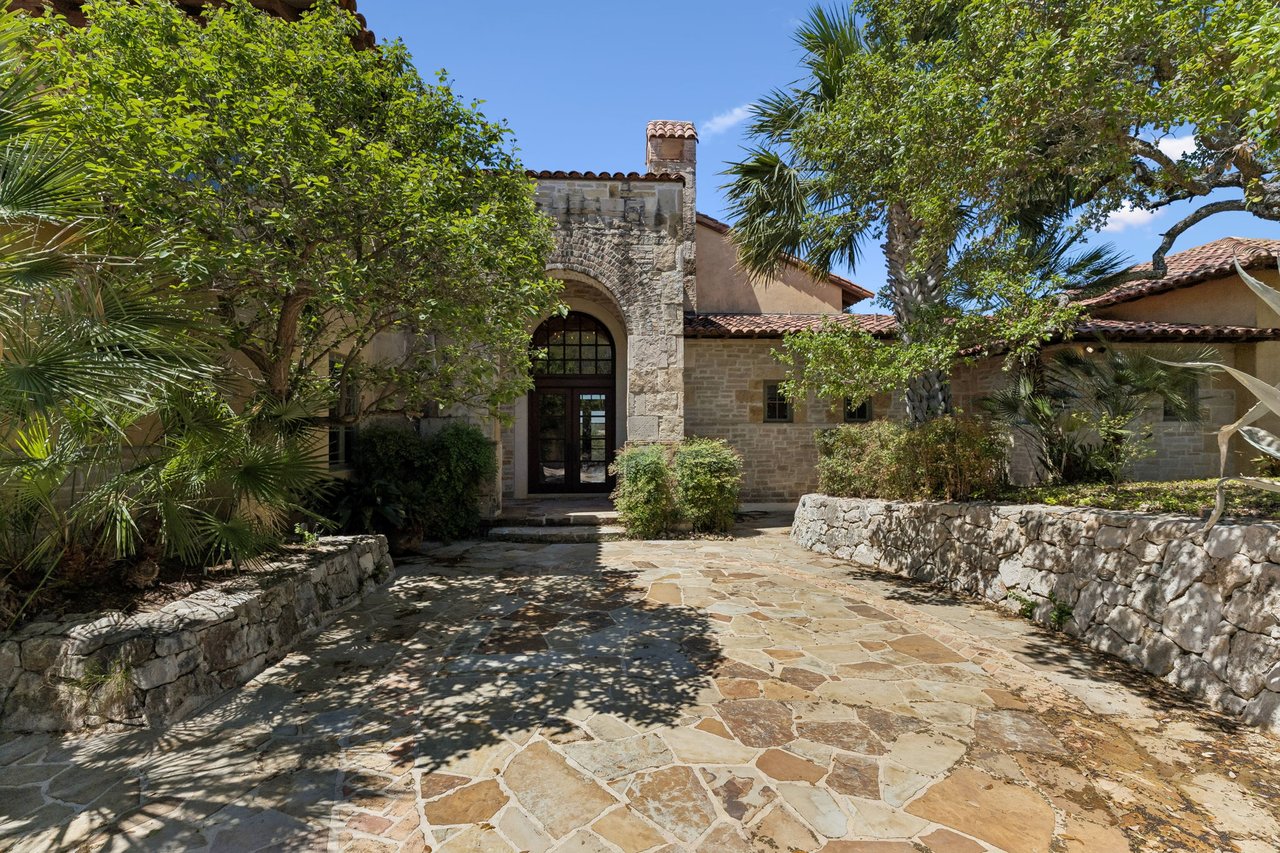
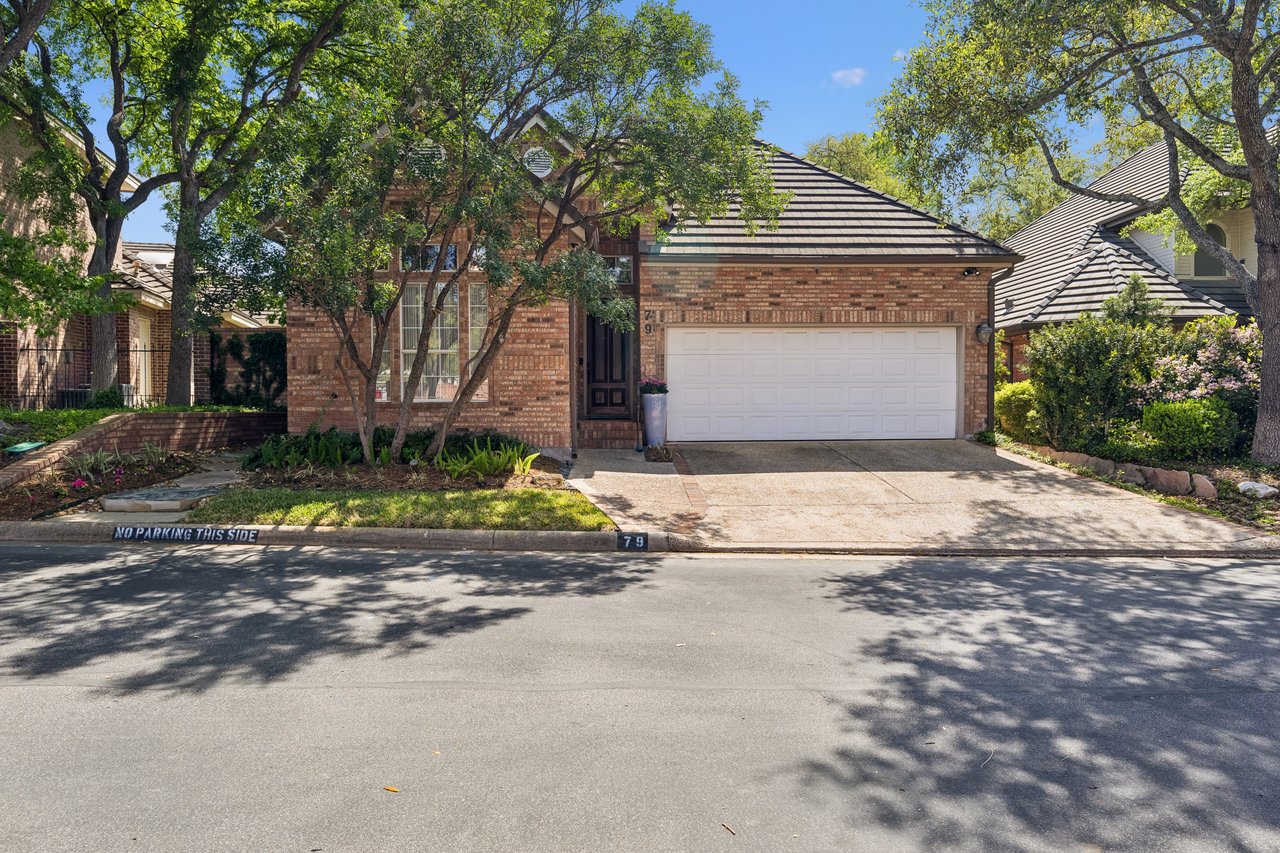
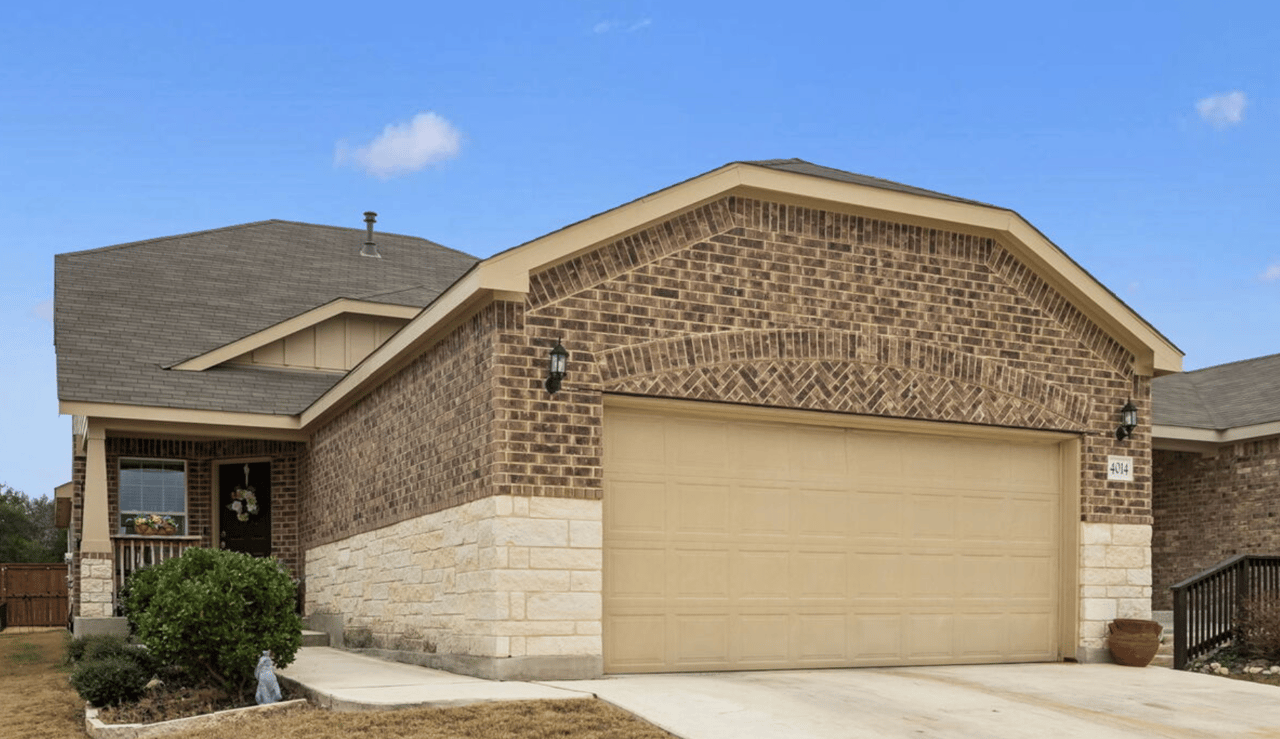
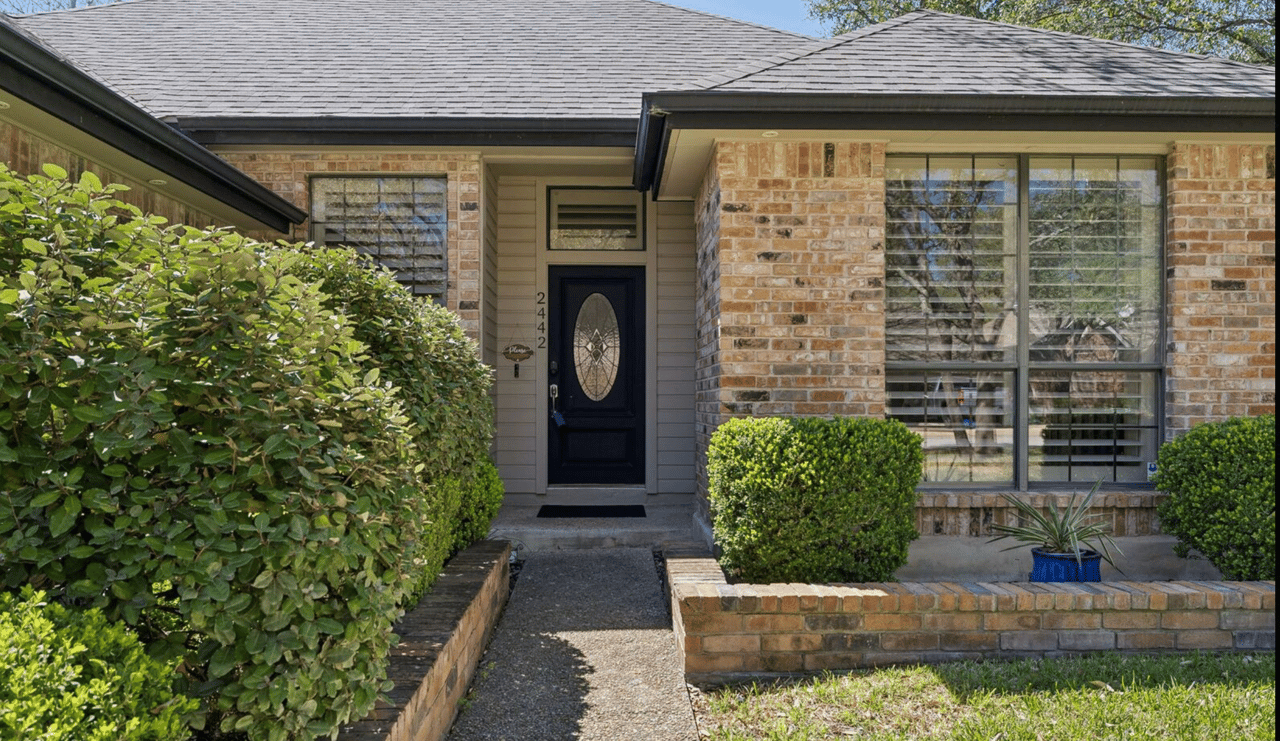
6. Assuming every home needs the same approach. A 1920s Tudor in Alamo Heights and a 1970s ranch in the same zip code need completely different staging strategies. The architecture, the buyer profile, the price point, and the home's specific strengths all shape the right approach. One-size-fits-all staging frequently undersells the home.
7. Waiting too long to start the process. Staging decisions made the week before listing are reactive. The homes that present best are the ones where the presentation strategy was decided early — giving enough time to edit, rearrange, bring in select pieces, or address small repairs that photography would otherwise highlight.
Schedule a conversation with Caroline: https://calendly.com/carolinedecherd/30min Seller's guide: https://parkpropertiesgroup.com/sellers
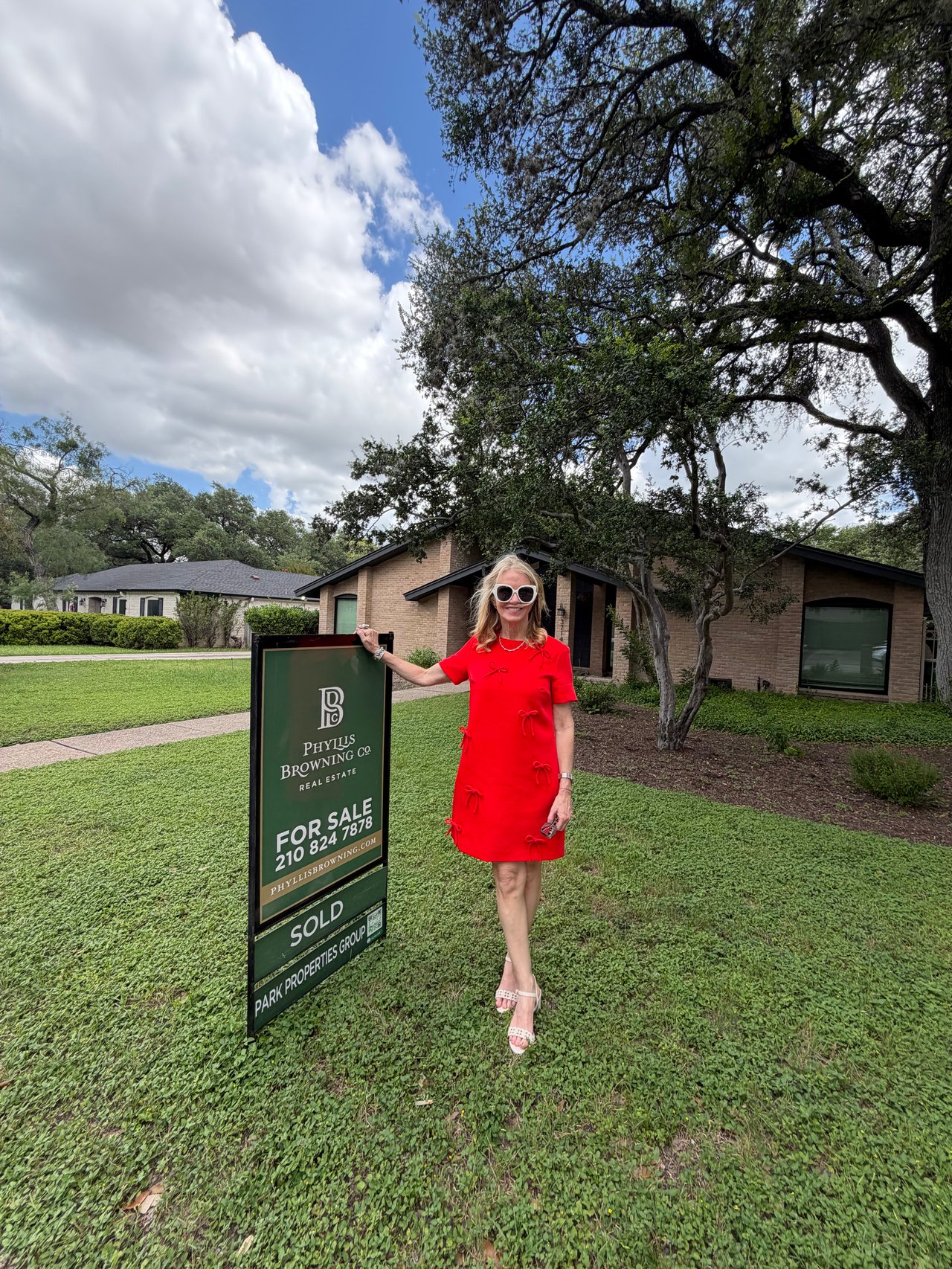
About Caroline Decherd Caroline Decherd is a luxury and historic home specialist with Park Properties Group at Phyllis Browning Company, serving Alamo Heights, Terrell Hills, Olmos Park, Monte Vista, and San Antonio's established central neighborhoods. parkpropertiesgroup.com | (210) 313-2904