Why isn't my Alamo Heights home getting showings?
If your Alamo Heights home is listed but showings are slow, the problem is almost never the market — it's one or more specific, fixable issues with how the home is positioned, presented, or marketed. The seven most common causes are: weak online presence, photos that don't stop the scroll, price positioning that's off against active competition, showing availability that makes buyers choose someone else, curb appeal that fails the drive-by test, marketing that doesn't reach relocation and luxury buyers outside the MLS, and days-on-market accumulation that hasn't been addressed with a real relaunch strategy.
You did the prep. The photos are done. The sign is in the yard.
And the showings aren't coming the way you expected.
This is a frustrating place to be — and it's also one of the most common calls I get. Here's what I tell every seller who's in it: this is almost never a market problem. It's usually two or three specific things happening at the same time, all of them fixable once you know what to look for.
Here are the seven places to start.
Fix #1: Look at Your Online Presence Like a Buyer Would
Pull up your listing right now on Zillow, Realtor.com, and Redfin. Open it on your phone. You have about ten seconds before a buyer's attention moves to the next property.
What do you see? Is the first photo the best photo? Is the description compelling or generic? Does the listing communicate what makes this home worth scheduling a showing?
Buyers in Alamo Heights — and the relocation buyers coming from Austin, Houston, and out of state — are making their short list before they ever contact an agent. If your listing doesn't earn a click in that ten-second window, the showing never happens.
Look at three or four active competing listings at the same price point. How does yours compare? Not in features — in presentation. That gap is where you start.
Fix #2: Your Photos Are Either Working or They're Not
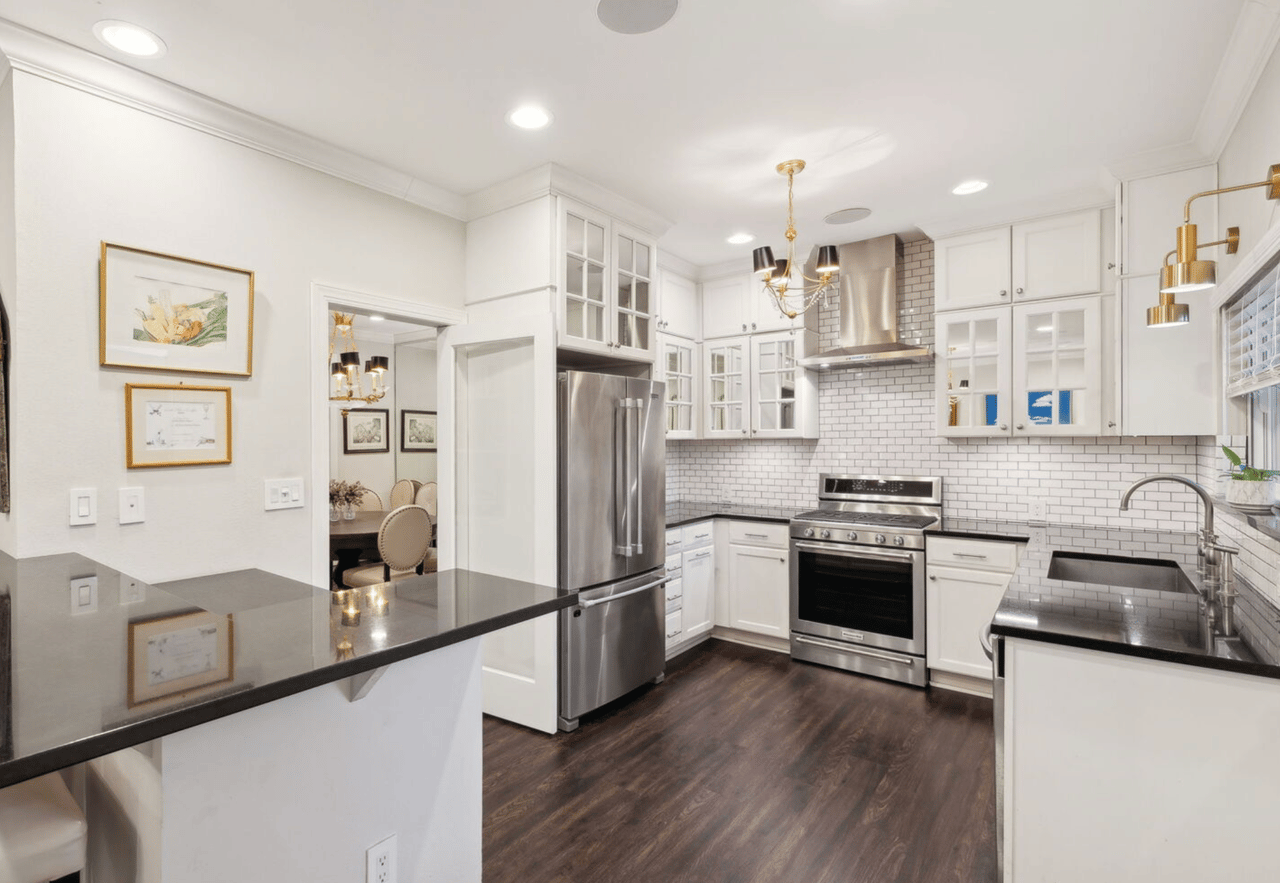
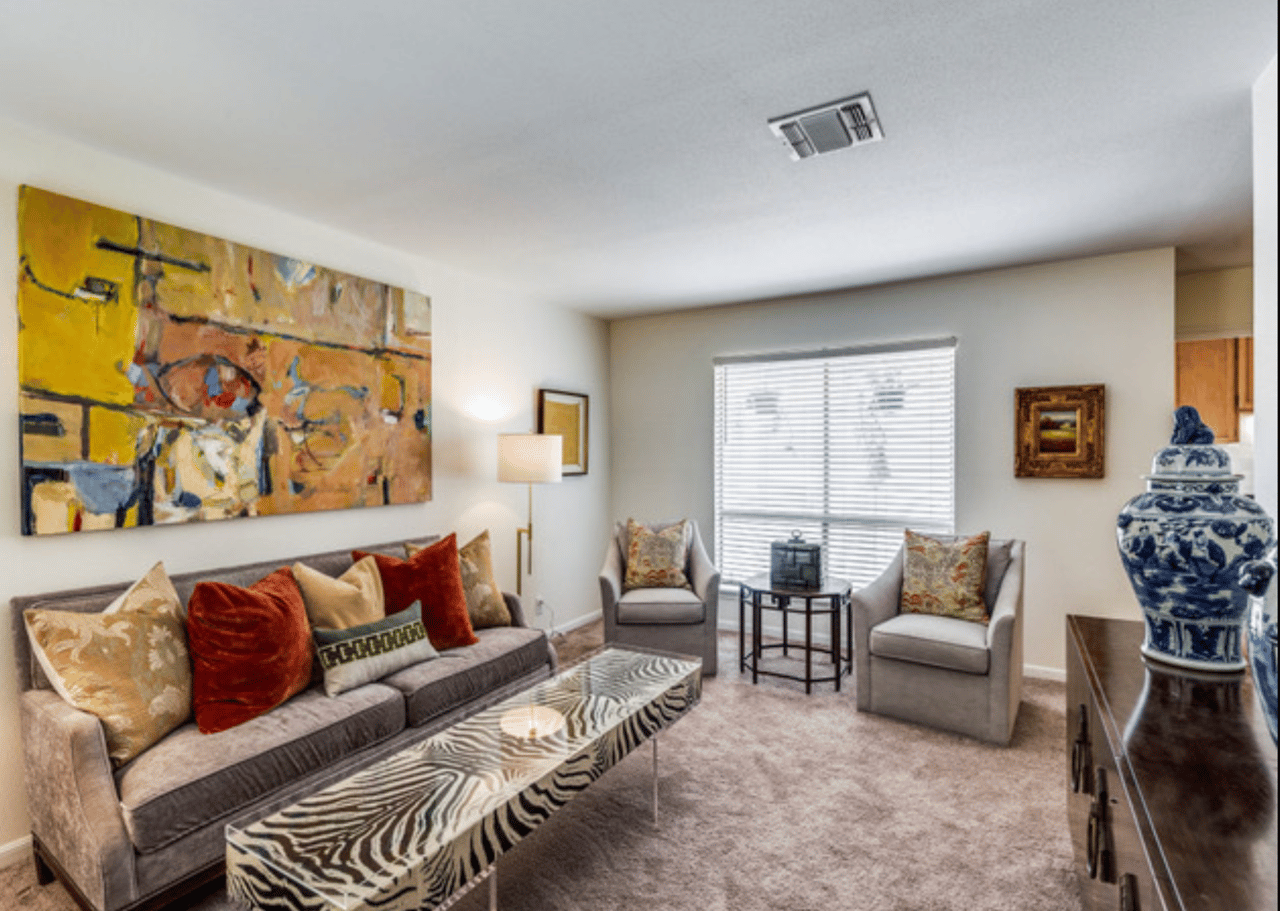
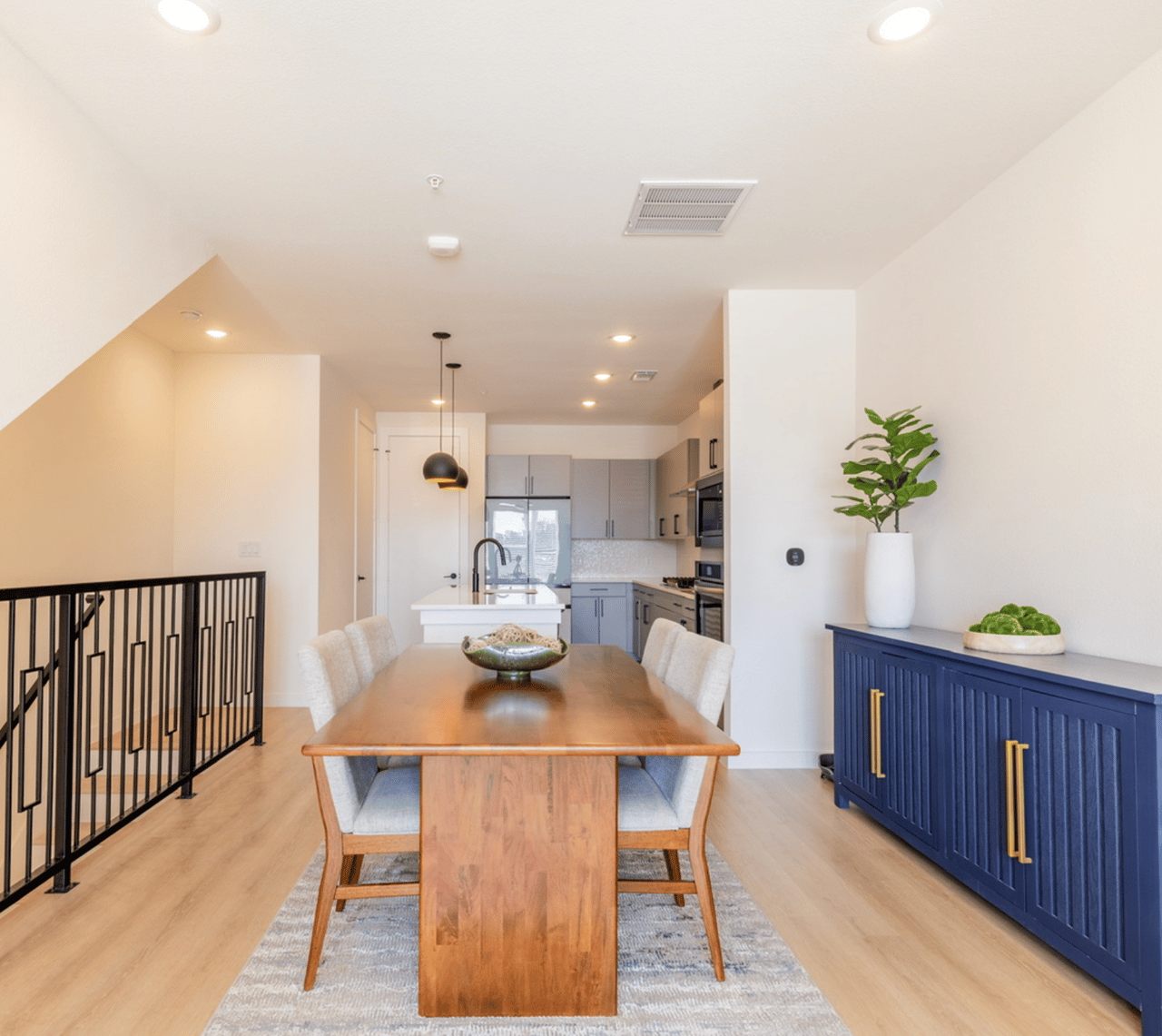
Professional photography is the baseline, not the differentiator. What matters is whether your photos are actually stopping the scroll.
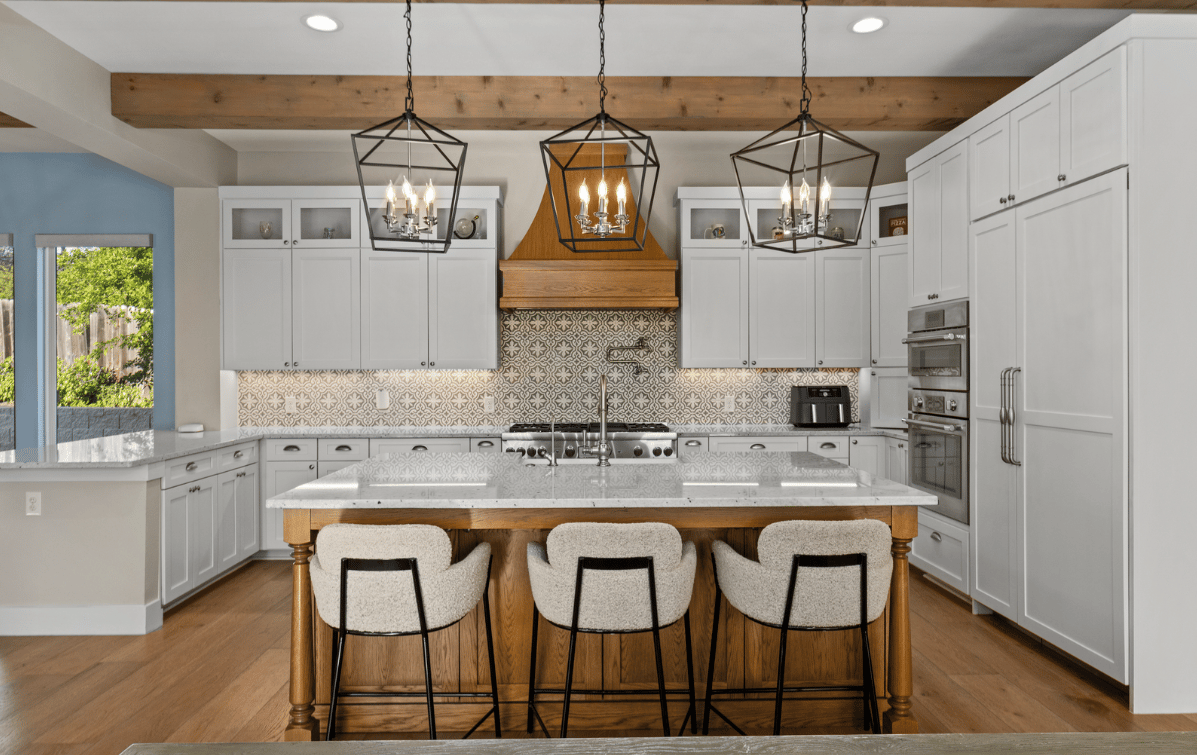
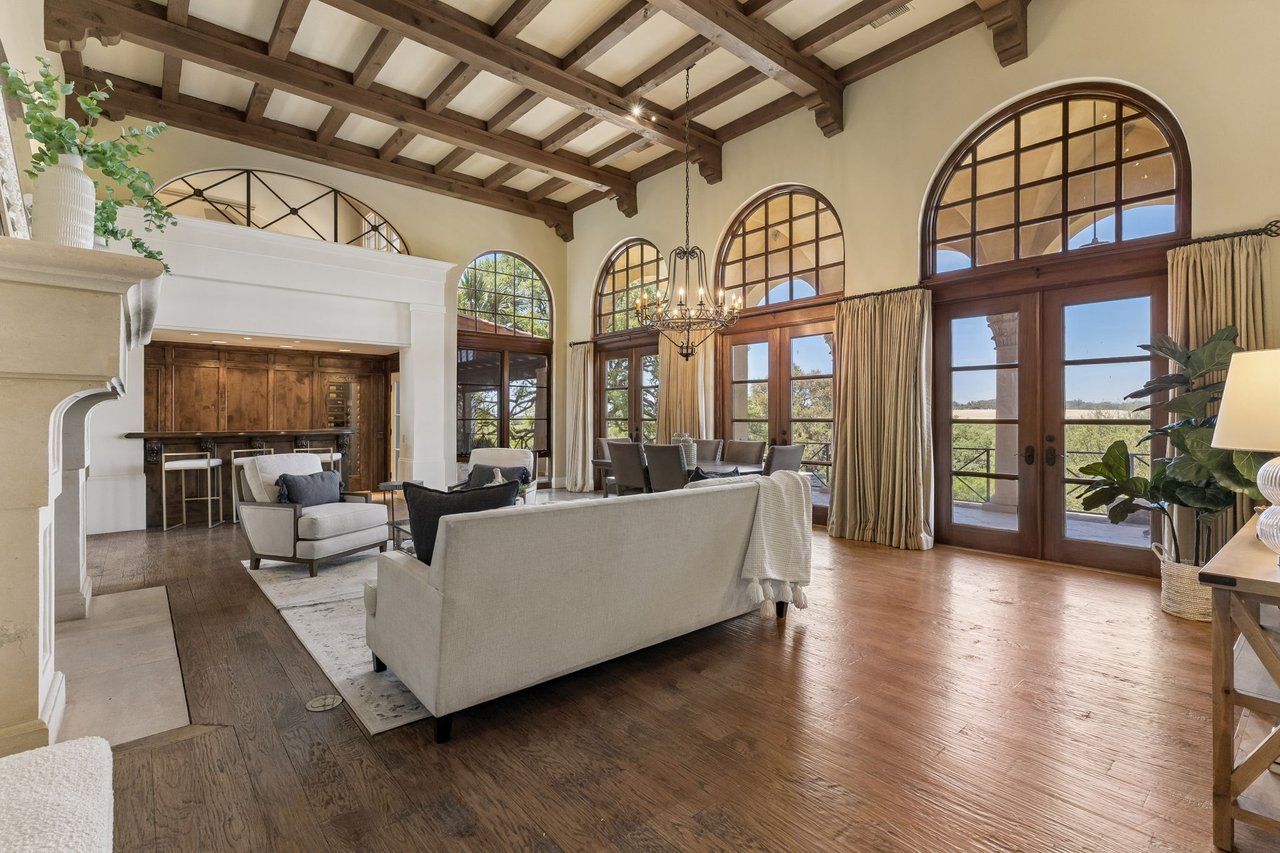
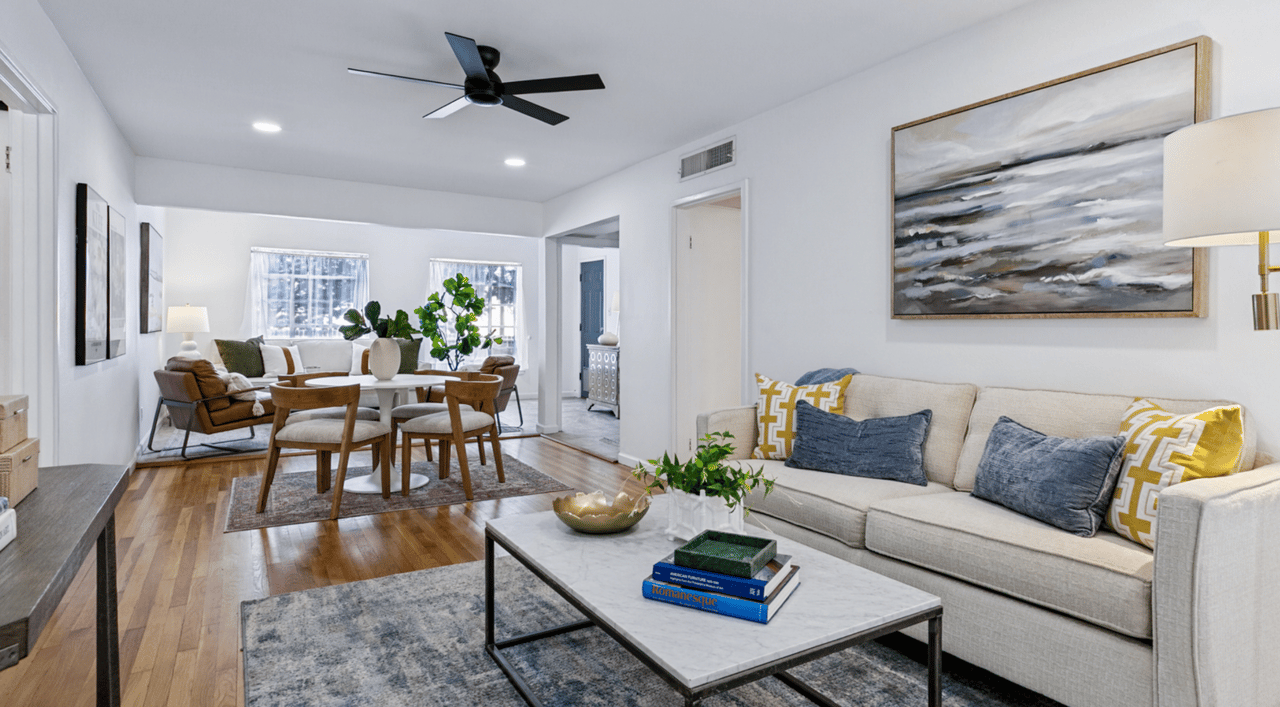
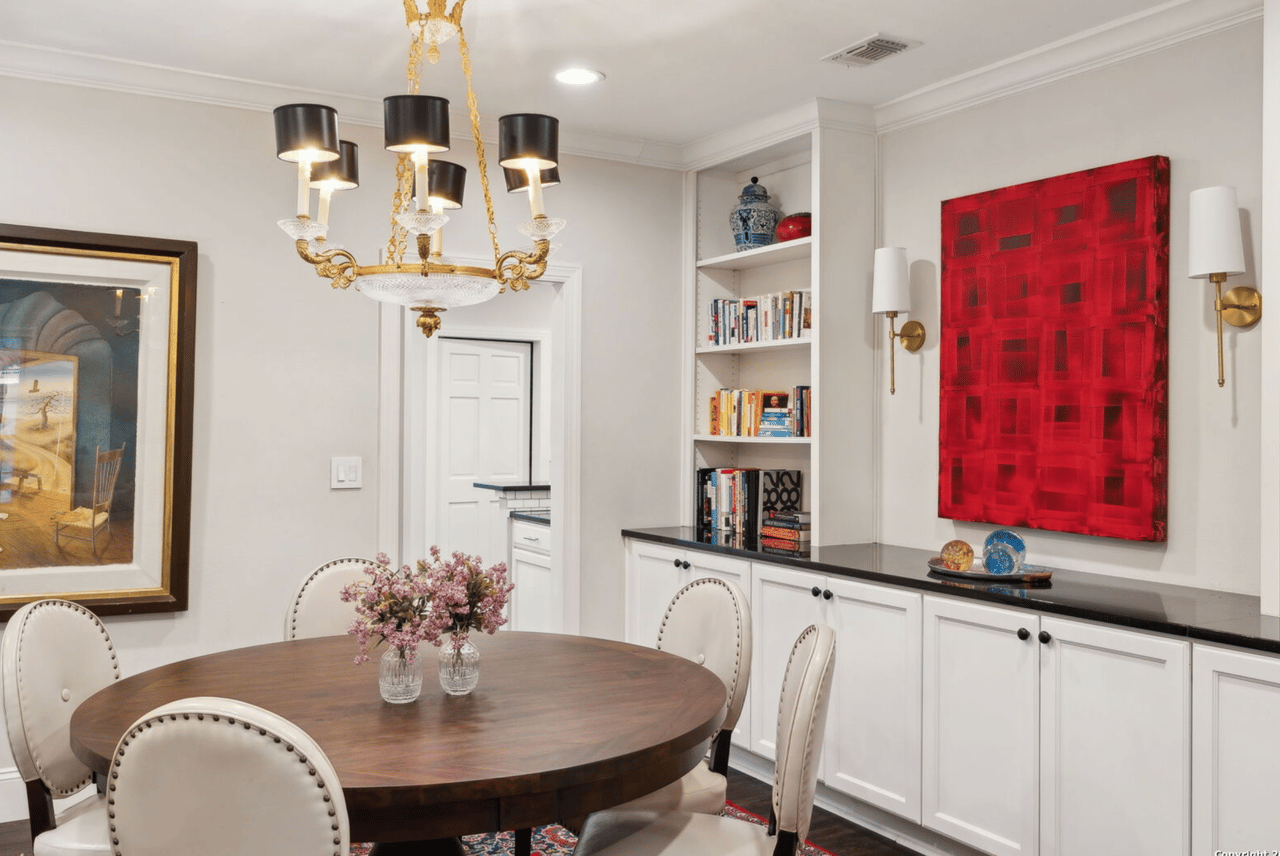
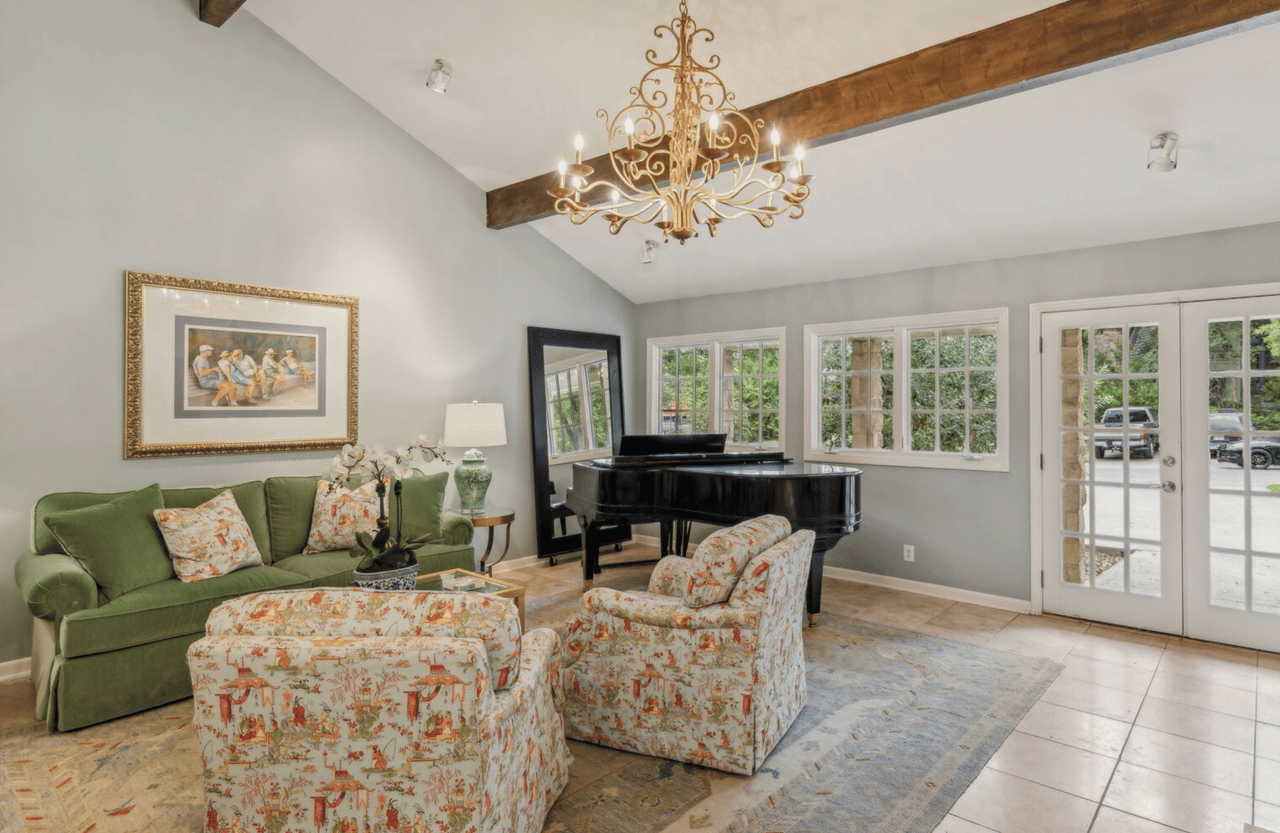
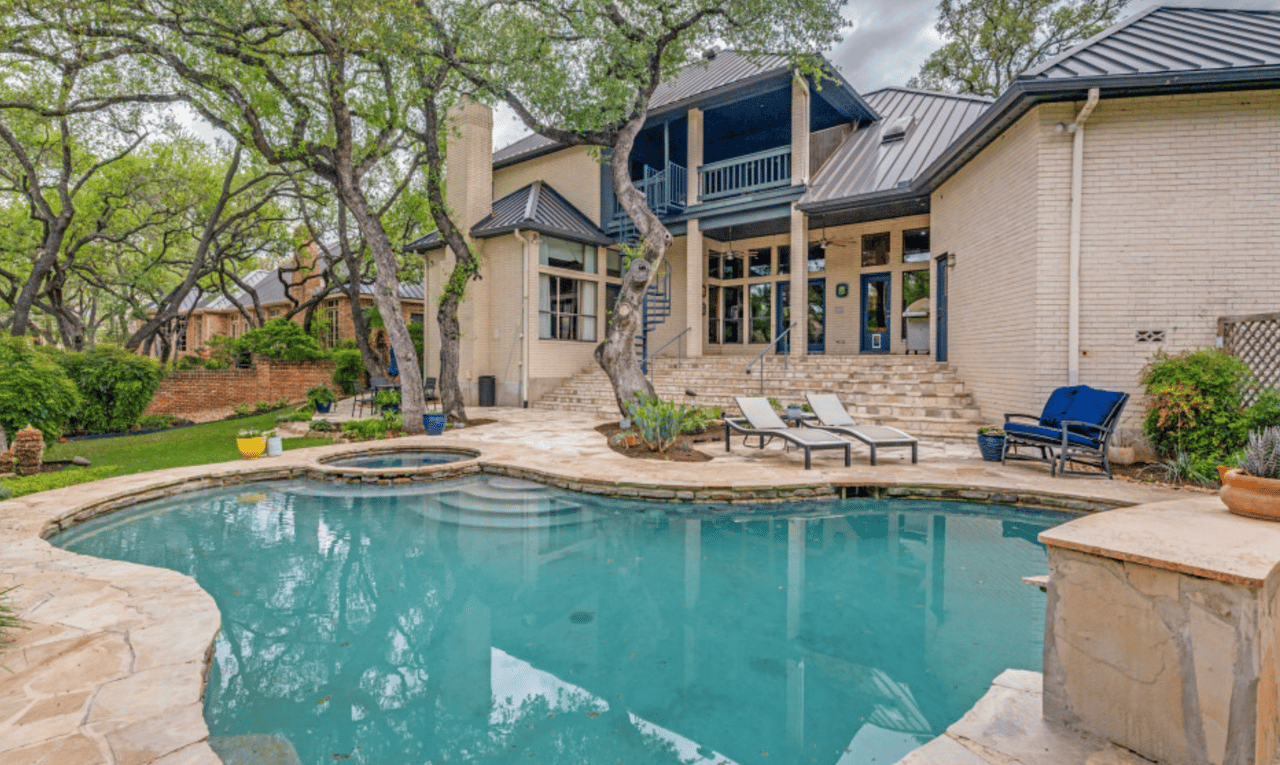
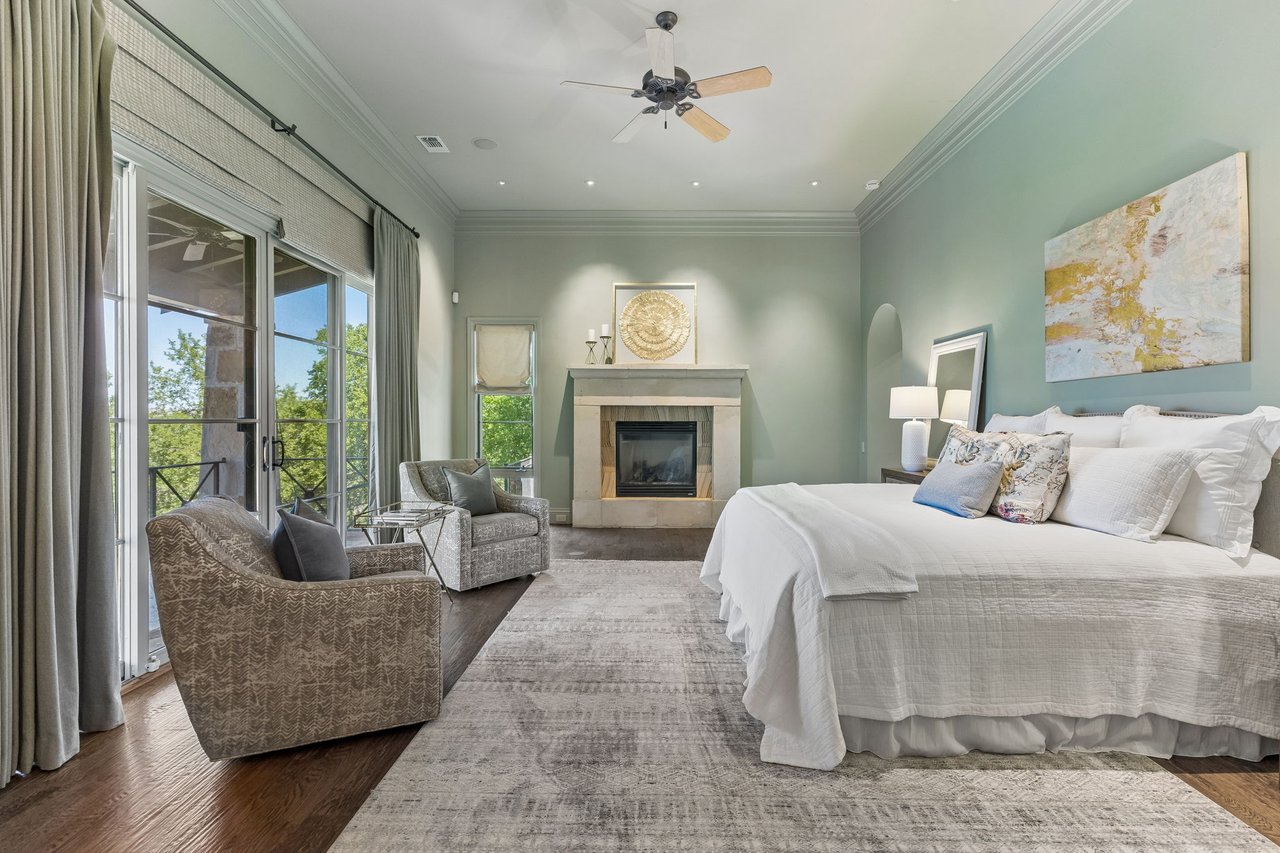
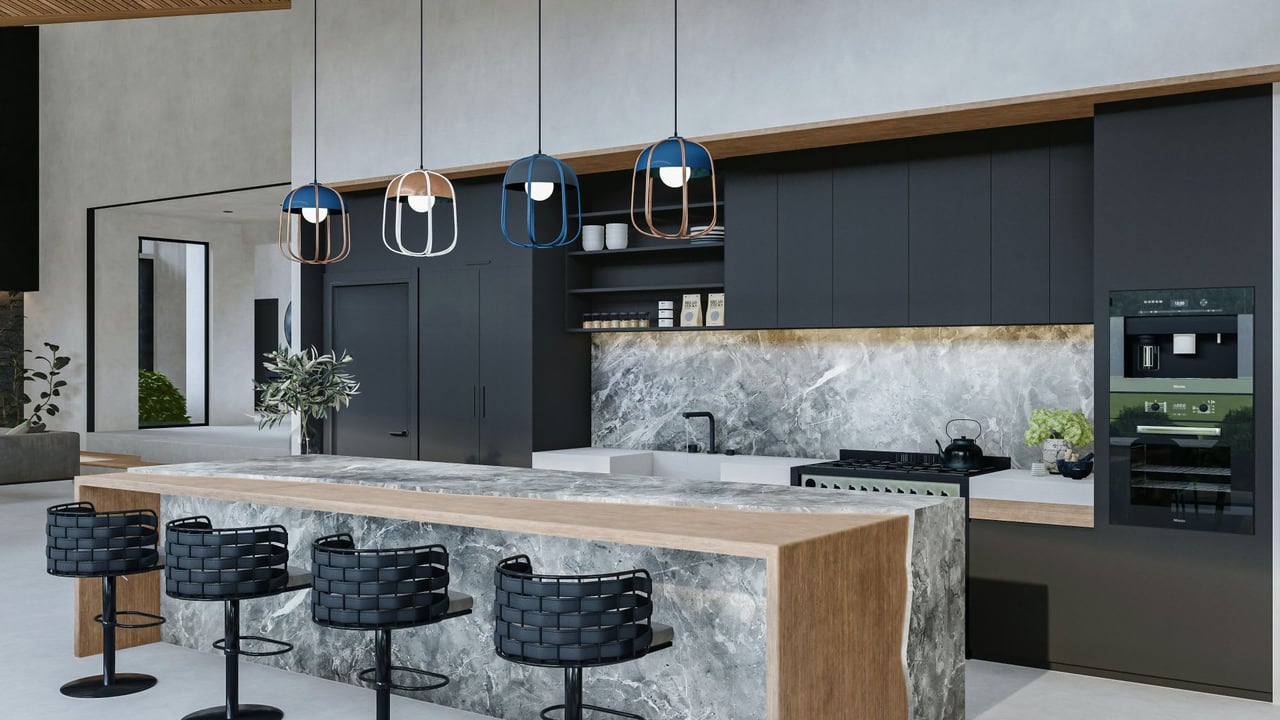
A few things that separate photos that generate showings from photos that don't: natural light and accurate color (dark, yellow-toned rooms sell nothing), composition that shows the flow and scale of the space, a hero shot as the first image that leads with the strongest feature of the home, and an exterior photo taken at the right time of day.
If the photos were shot on a cloudy day, in a room with the wrong lights on, or don't reflect how the home looks after your staging and prep work — it's worth reshooting. The cost of a reshoot is less than one week of carrying costs on a home that isn't moving.
Fix #3: Price Positioning Against Active Competition
This is the conversation most sellers want to avoid, so I'll be direct: if your showing volume is low from day one, pricing is usually part of the picture.
The question isn't whether your home is worth what you're asking. The question is whether buyers perceive it as a strong value compared to what else is active on the market right now — not what sold six months ago, but what's available today, that buyers are comparing you to in real time.
Pull the actives. What is a buyer getting for $25,000 less than your asking price? What are they getting for $25,000 more? If your home is not clearly competitive in that band, the showing volume will reflect it. Pricing isn't a statement about what your home is worth — it's a strategy to generate the kind of interest that gets you to the offer table.
Fix #4: Make Showings as Easy as Possible to Schedule
Buyer's agents work on tight timelines. When a client says they want to see a home, the agent is trying to book that showing today or tomorrow — not next week when you're back from travel.
Restricted showing windows, same-day notice requirements, and occupied homes that need 24-hour lead time all create friction that makes agents show something else first. And often that something else becomes the offer.
A lockbox with flexible showing hours — particularly in the late afternoon and on weekends when most buyers are available — removes the friction. If your home is occupied and scheduling is genuinely complicated, talk to your agent about what a realistic showing window looks like. Even expanding by two or three hours can make a measurable difference in volume.
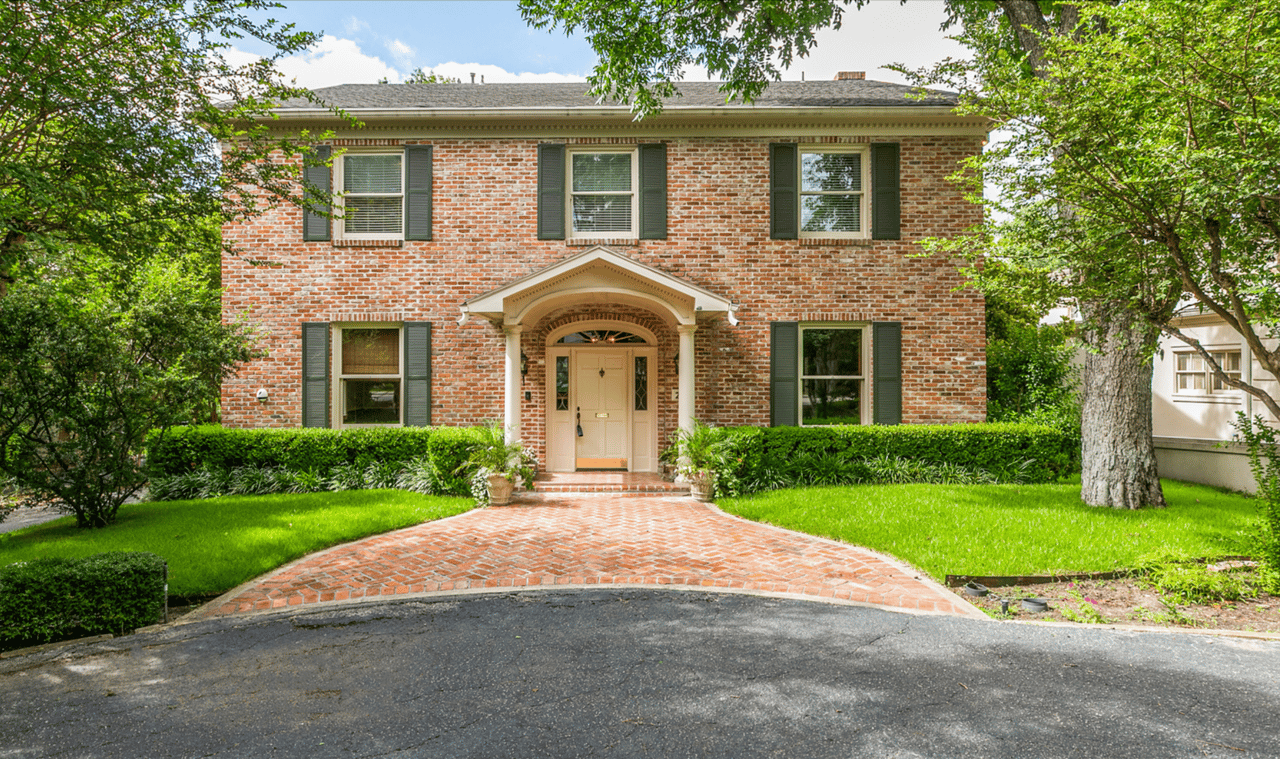
Fix #5: Curb Appeal & the Drive-By Factor
Here's something most sellers don't know: buyer's agents often drive by a property before they book a showing.
They're vetting whether it's worth their client's time. And they're doing it quickly — slowing down in front of your home, taking in the exterior, the yard, the street presence, and making a judgment call.
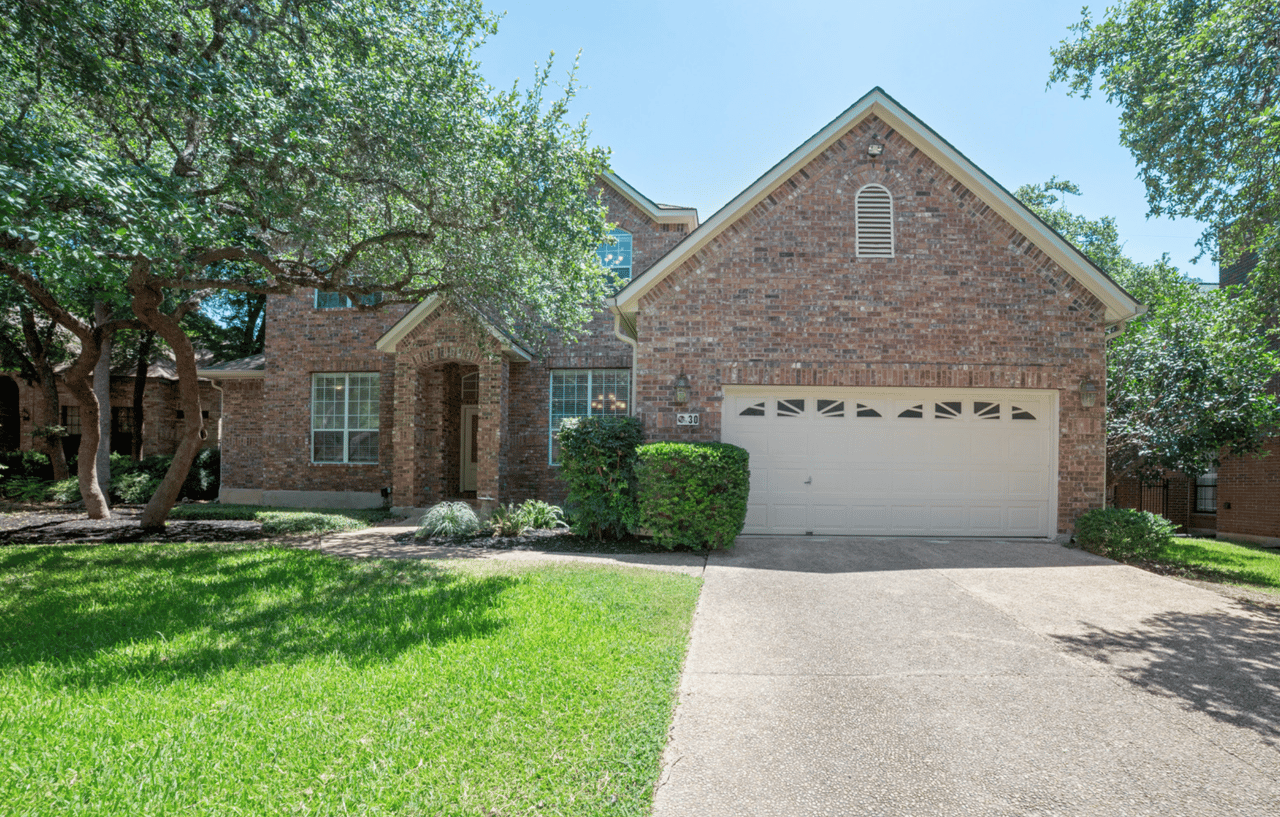
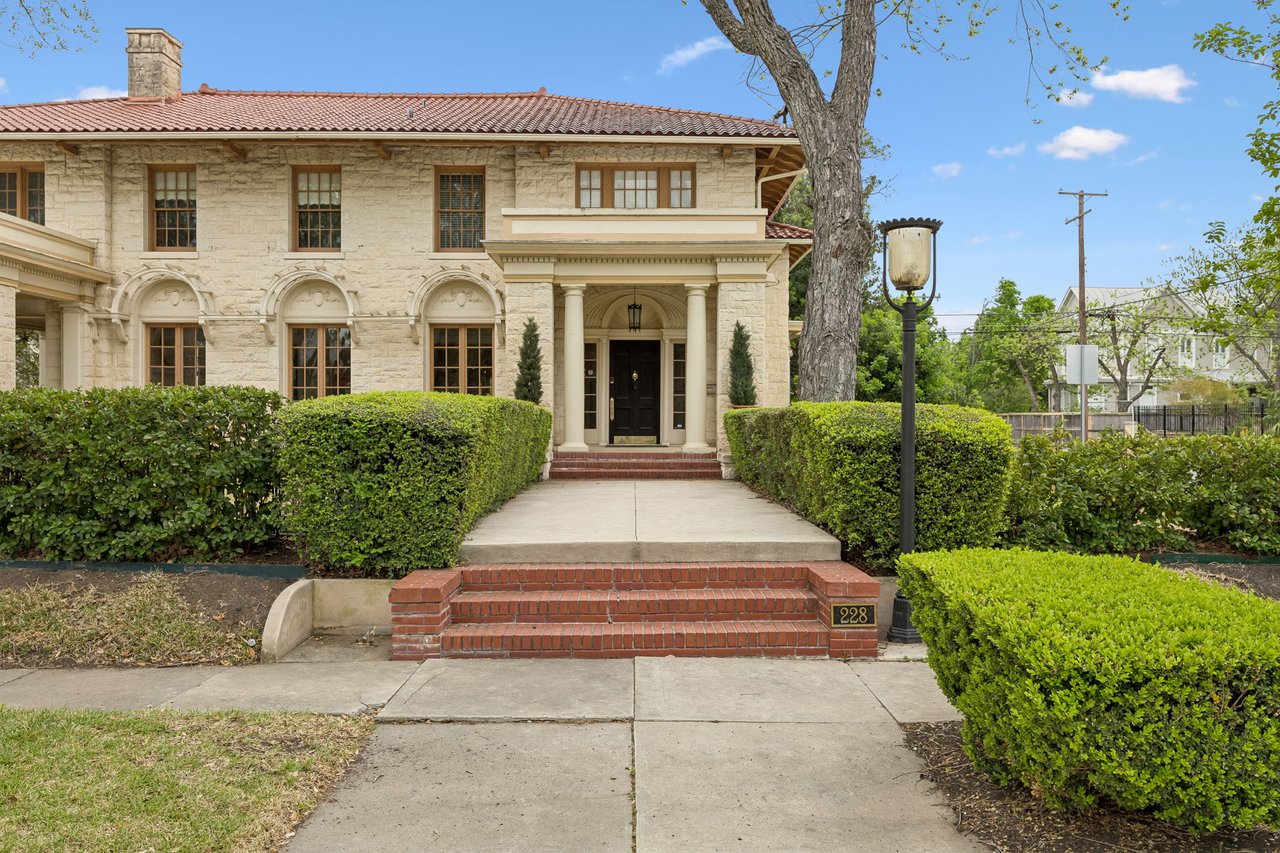
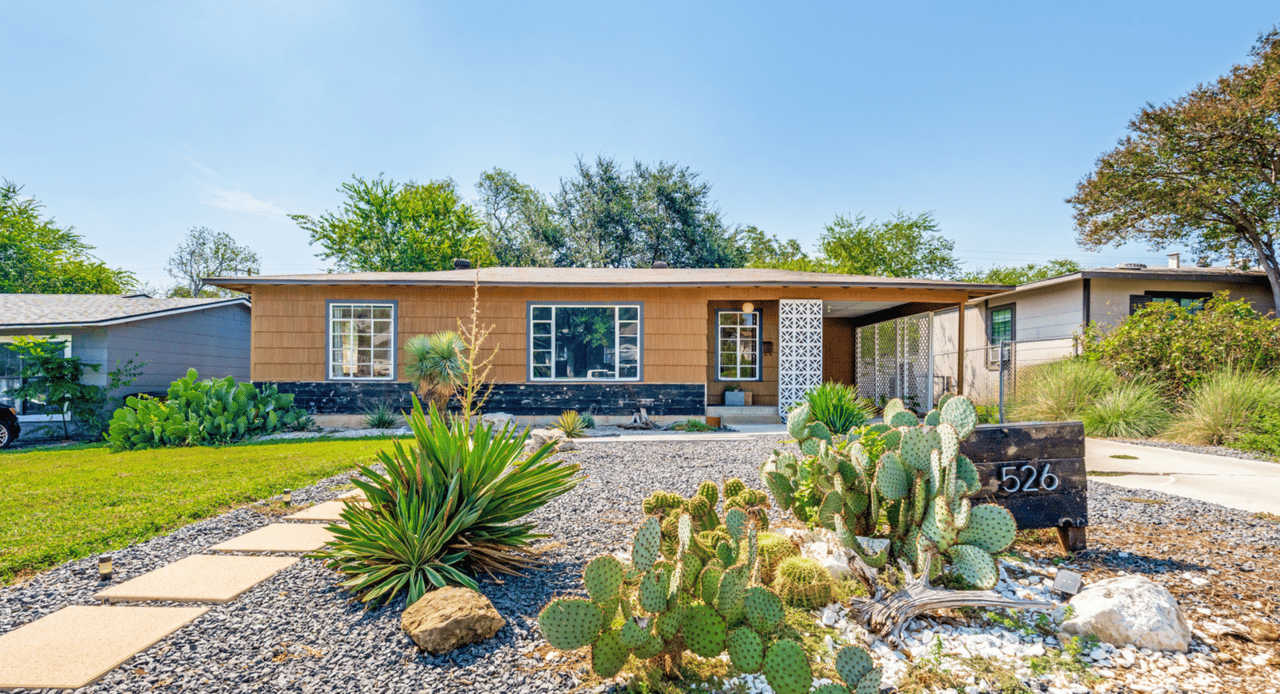
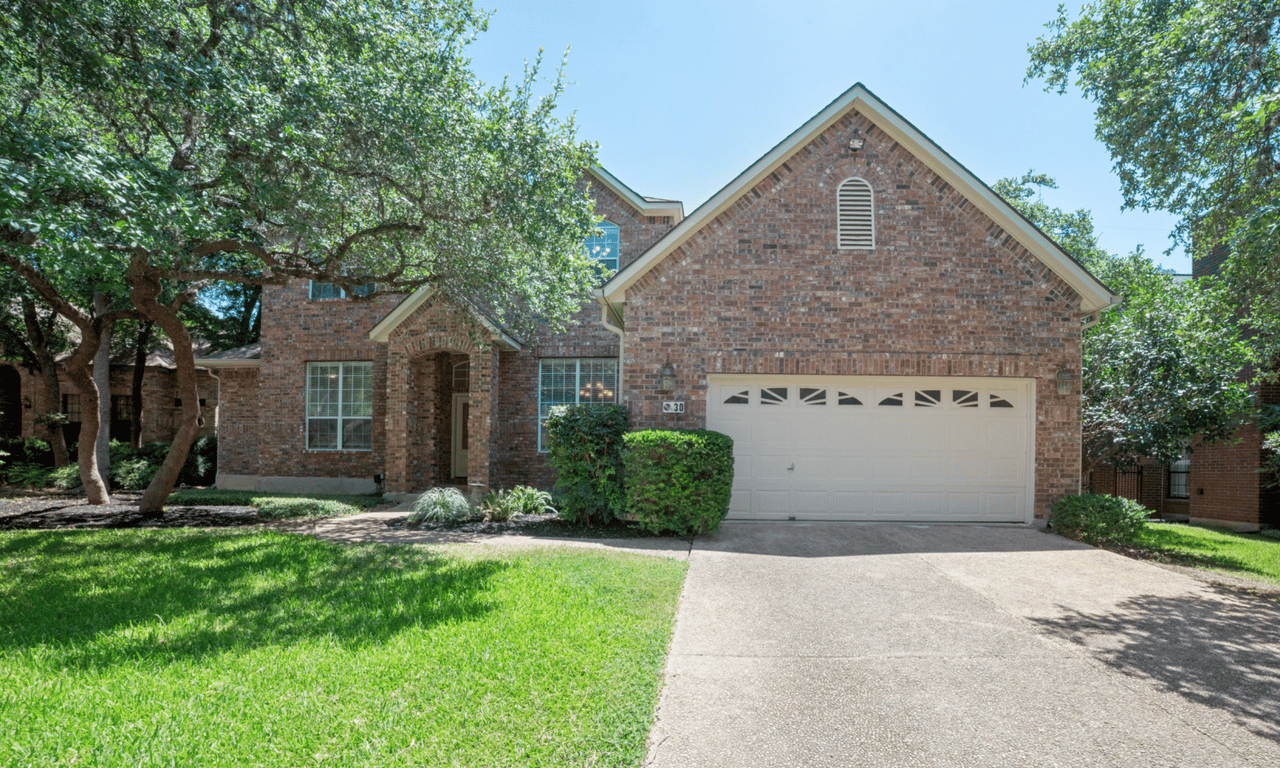
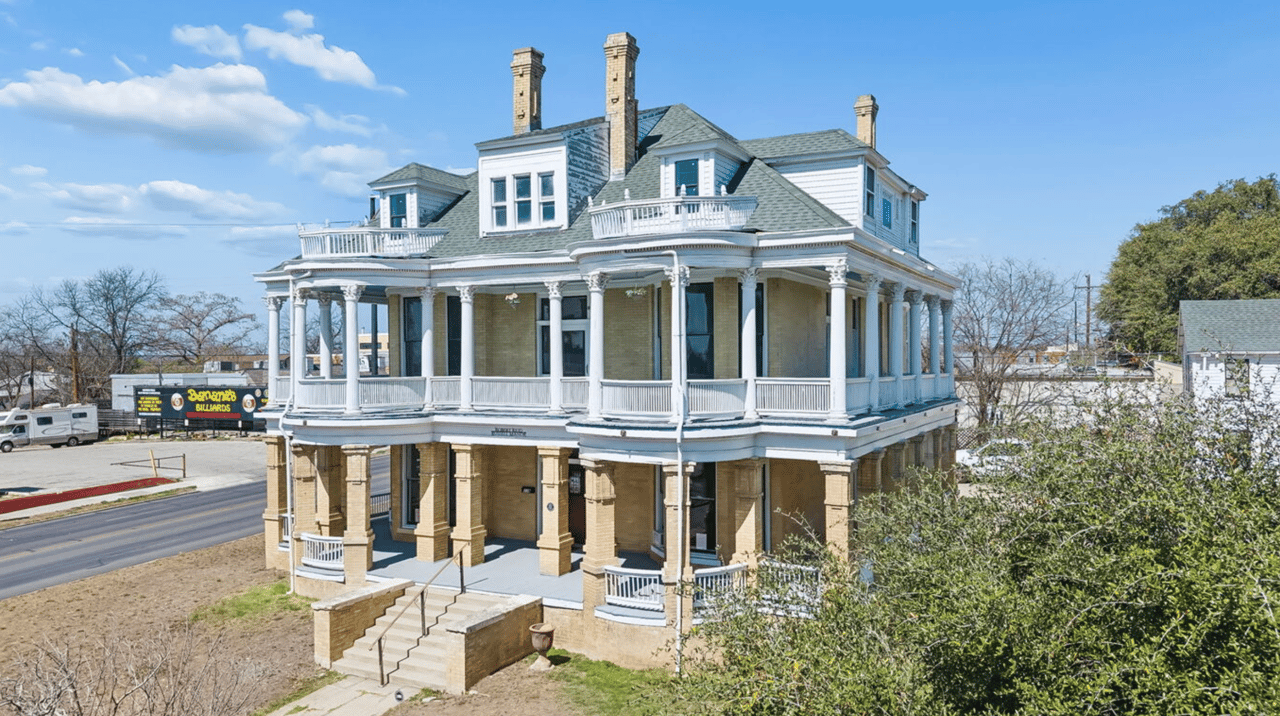
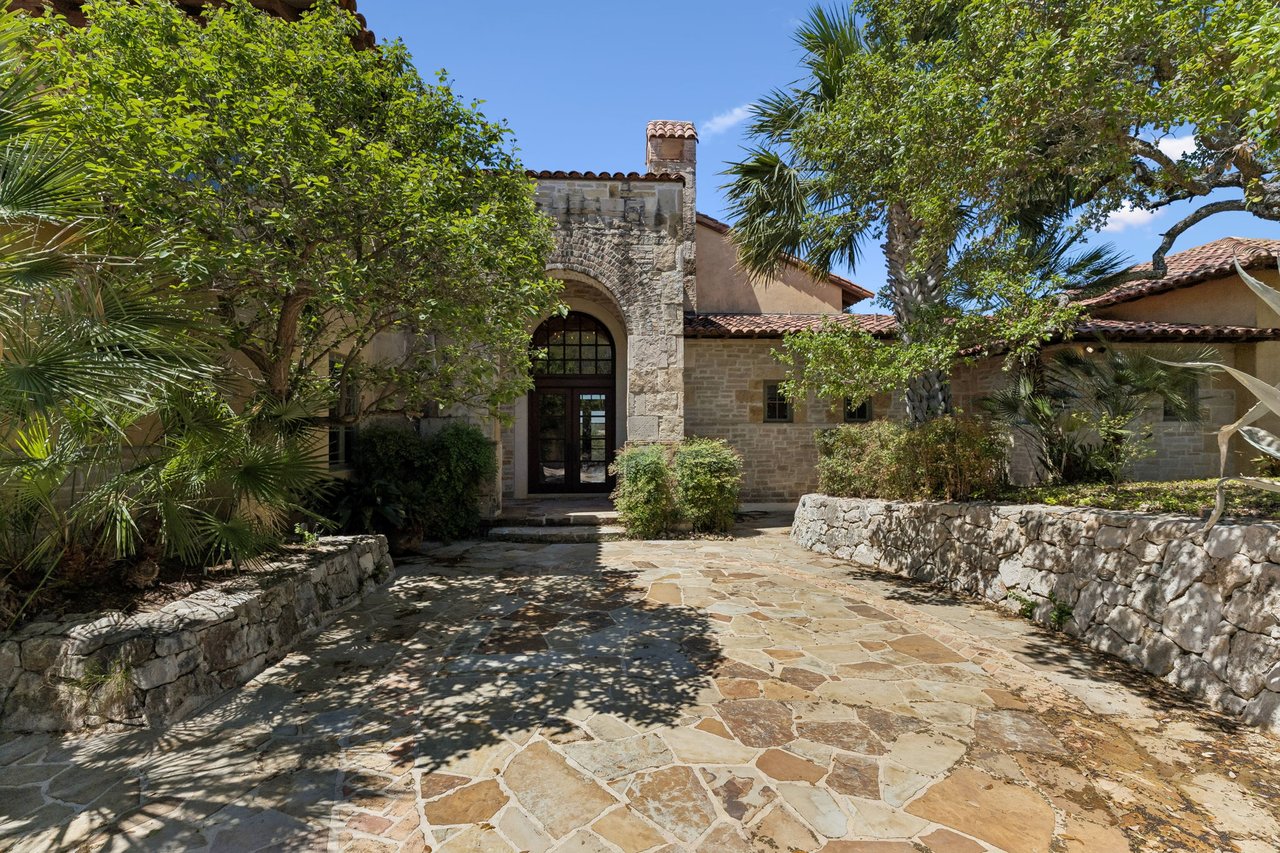
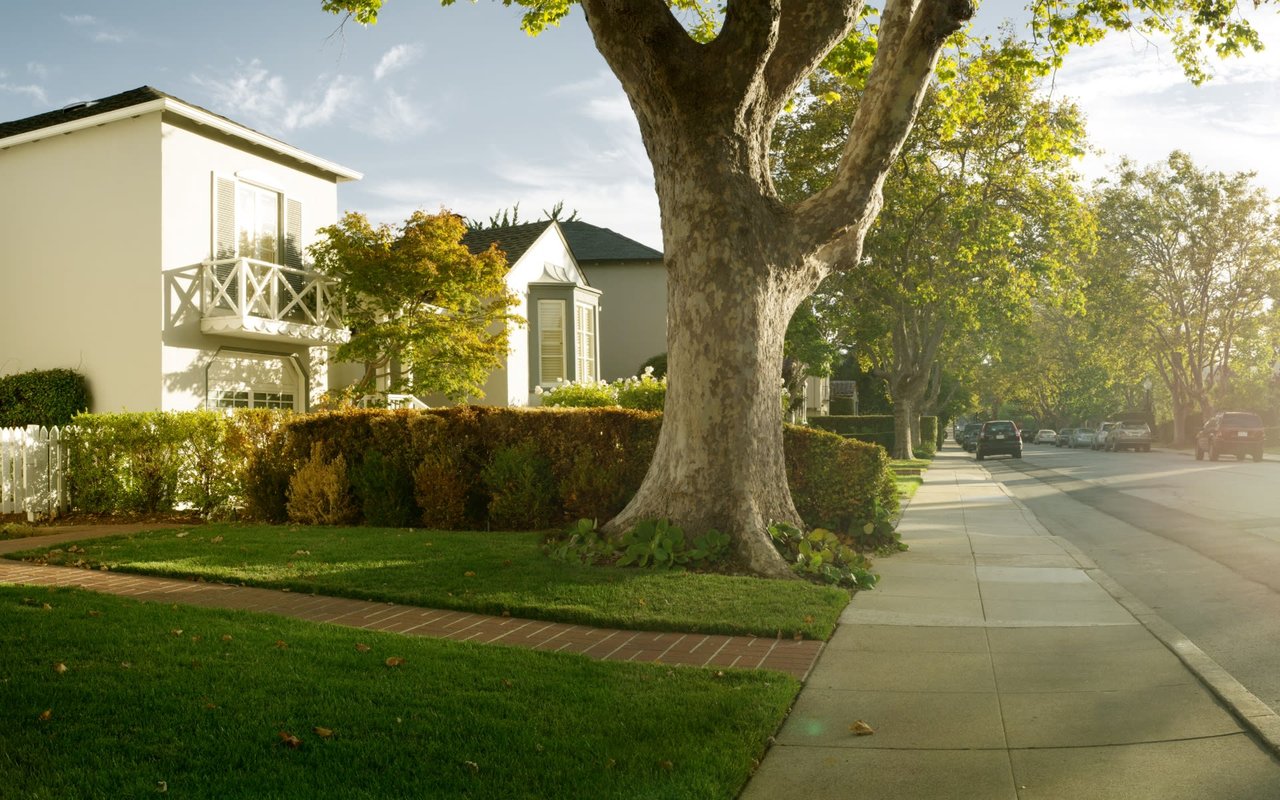
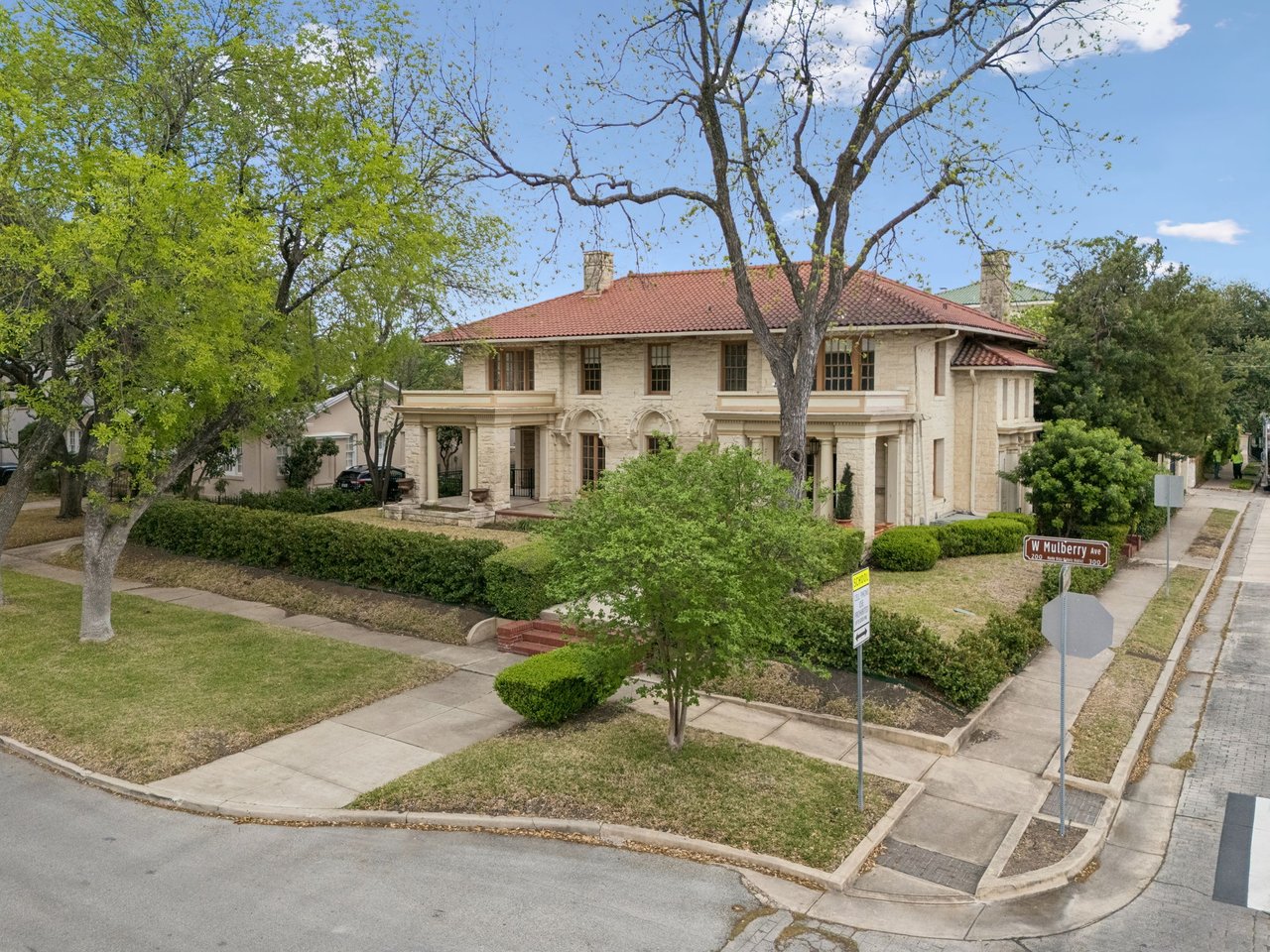
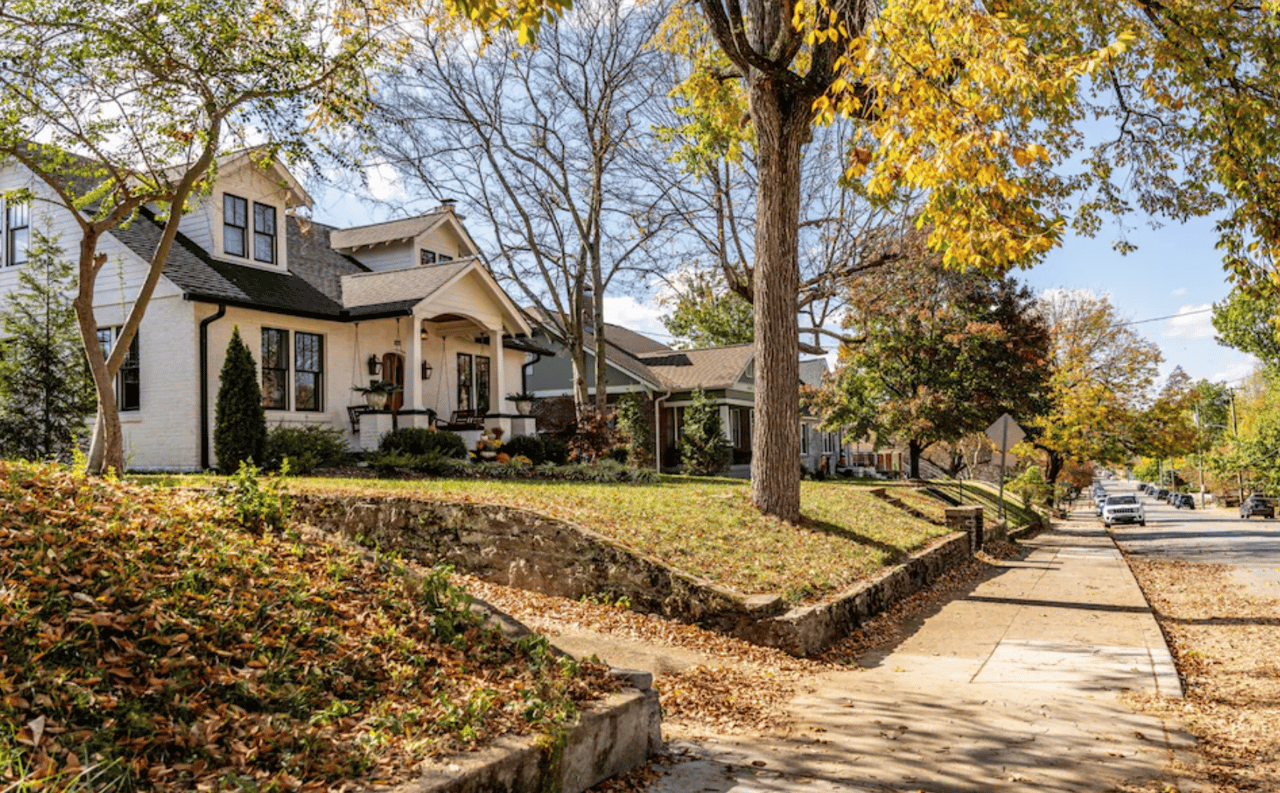
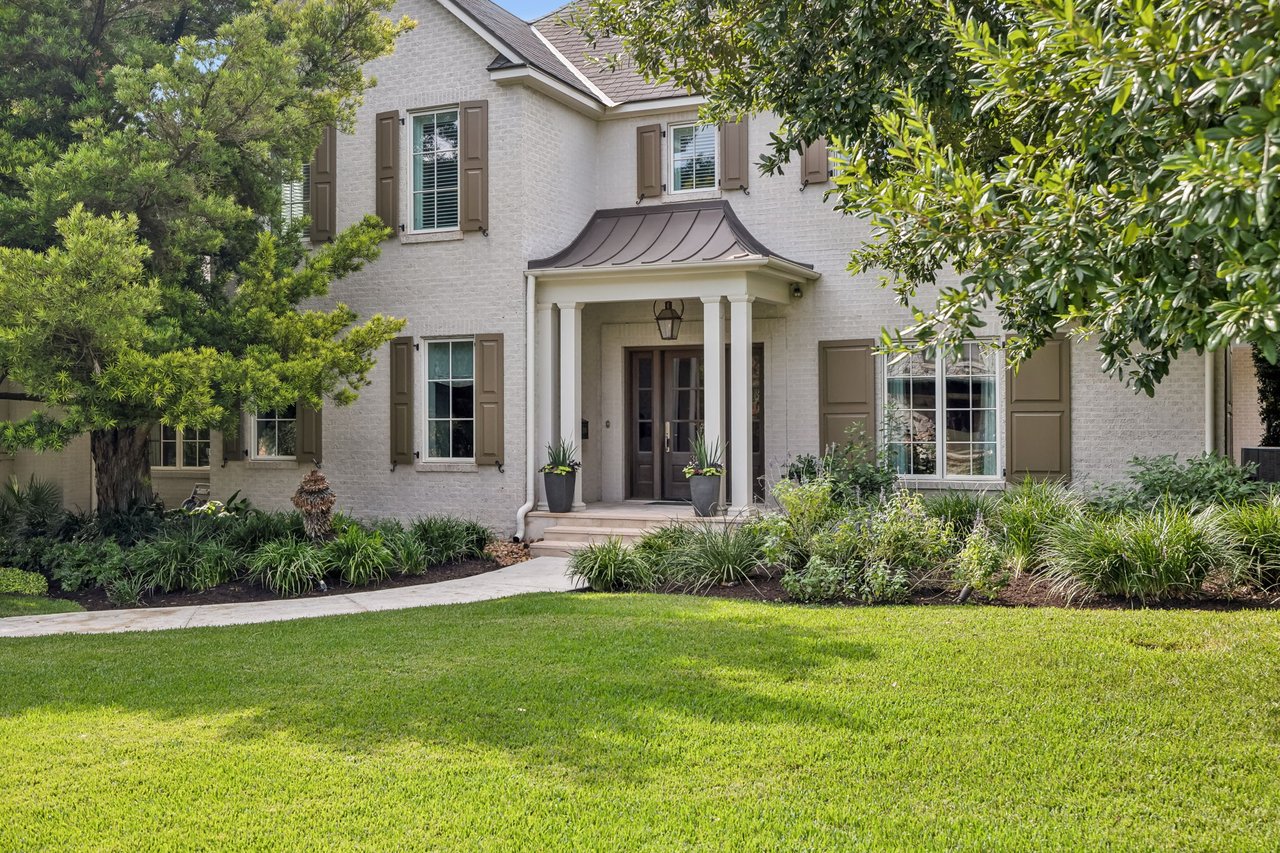
If the first impression from the street doesn't match the price point, the showing doesn't get booked. This is particularly true in Alamo Heights, where the neighborhood standards are high and buyers have strong expectations about exterior presentation.
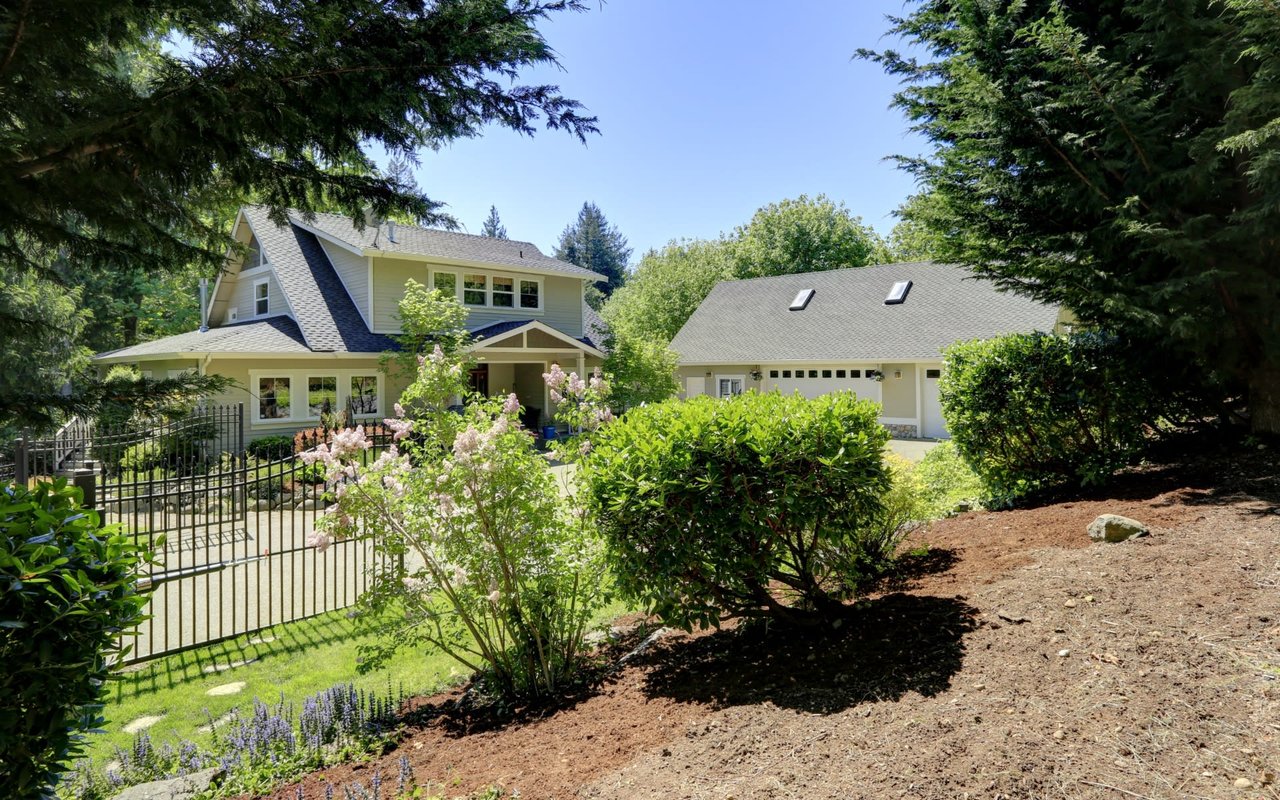
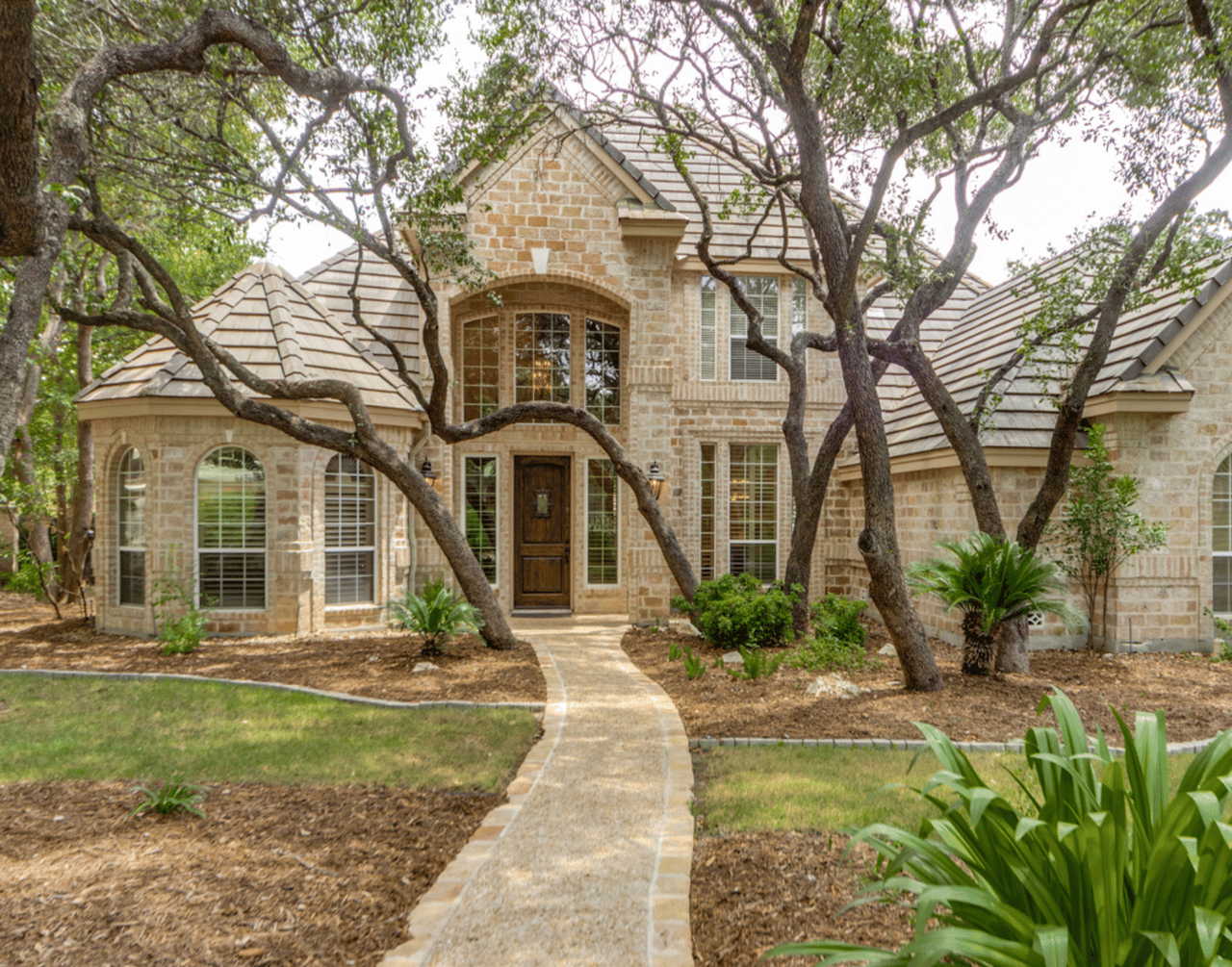
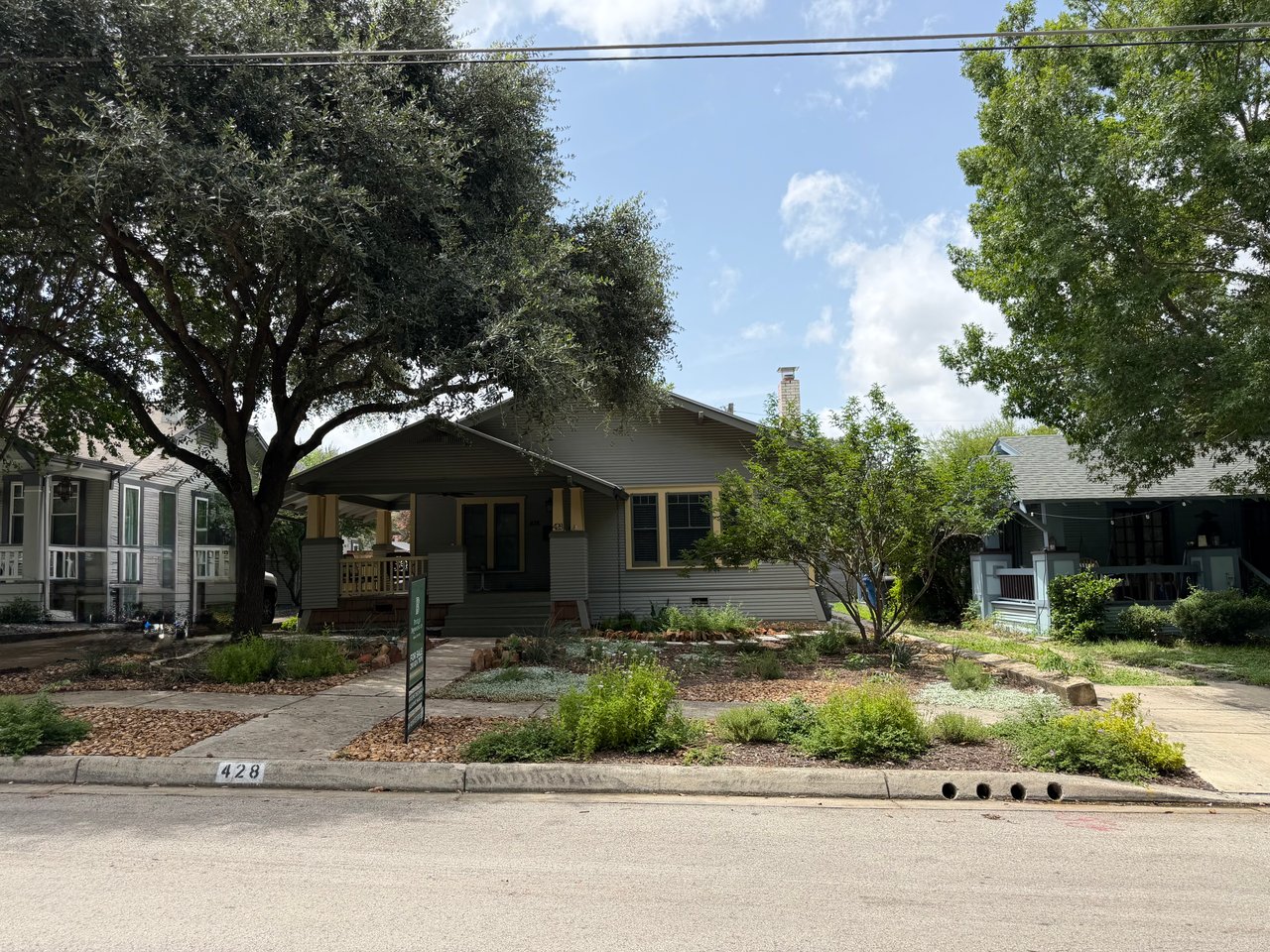
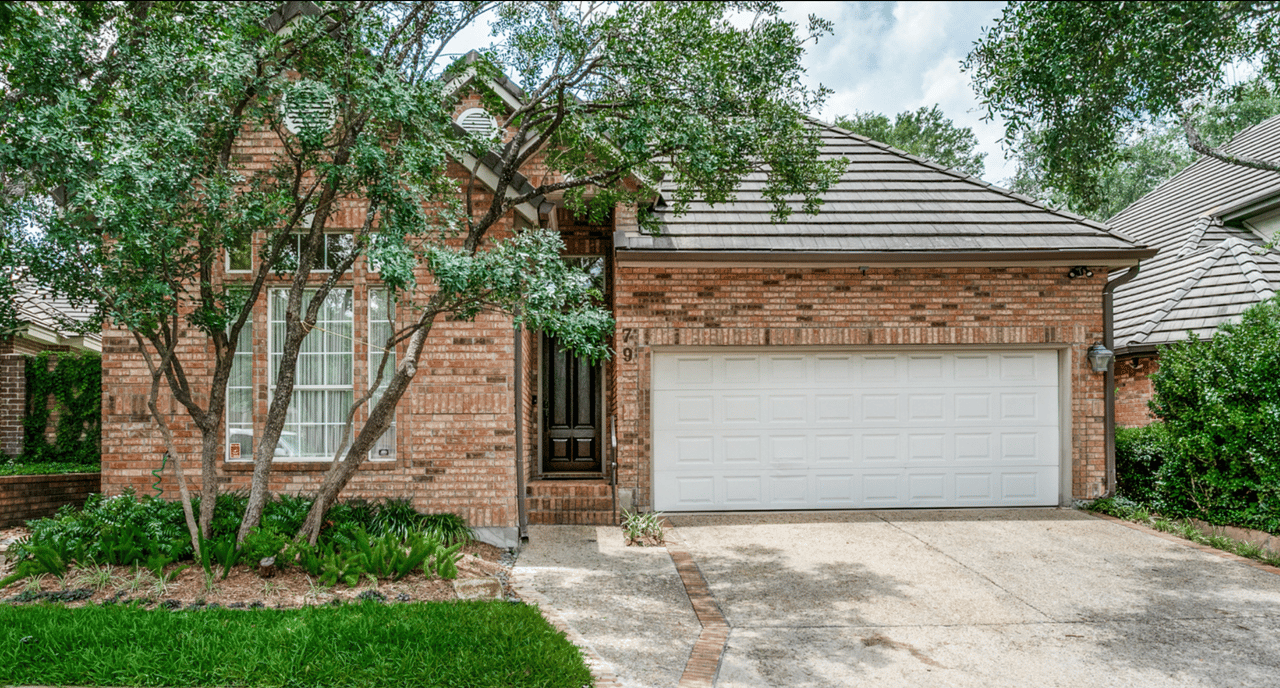
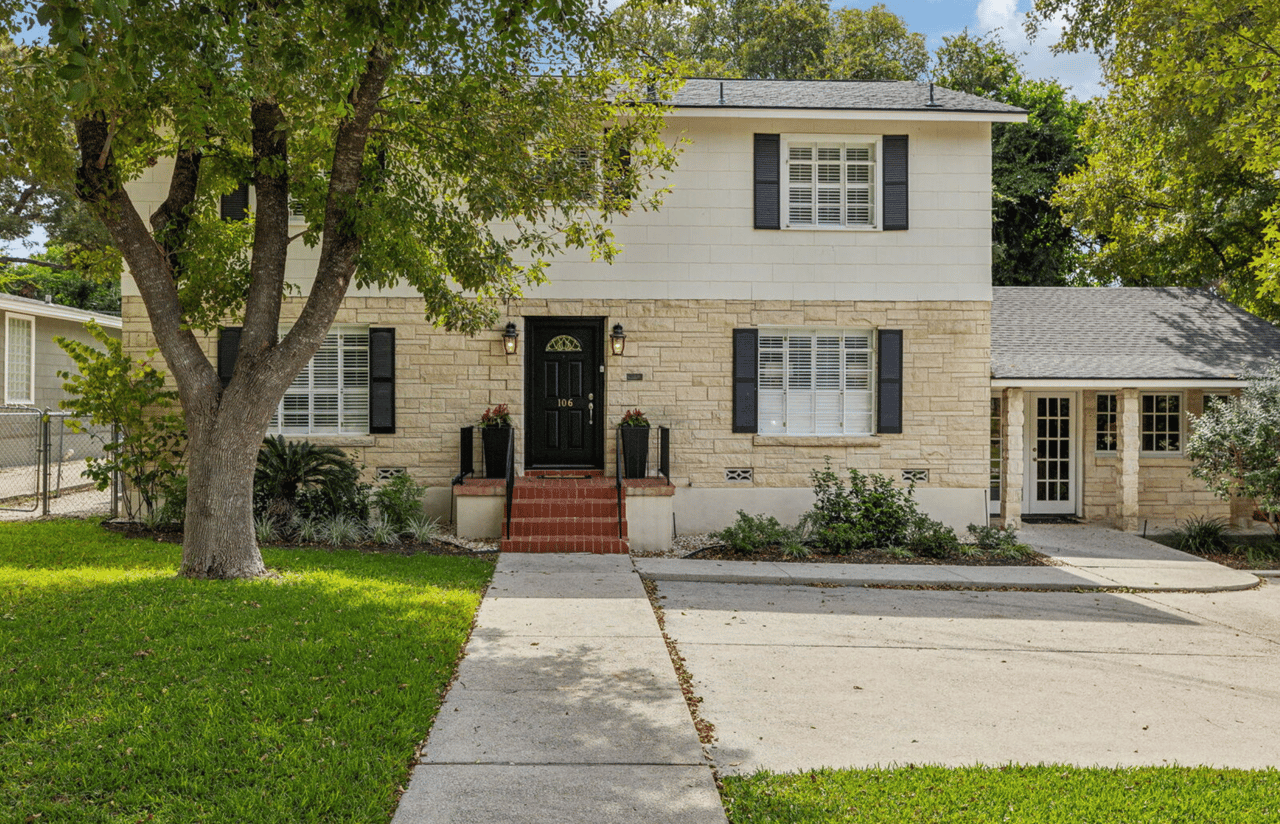
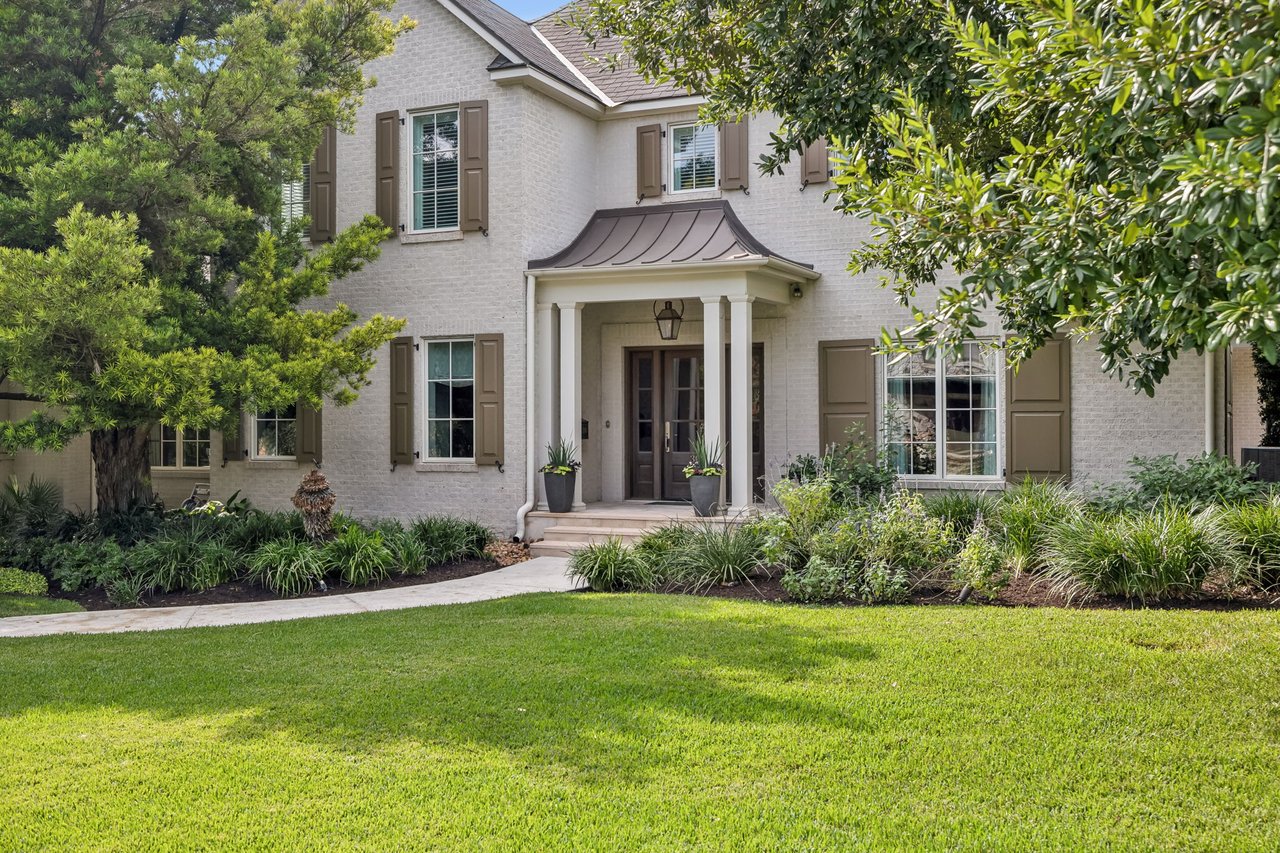
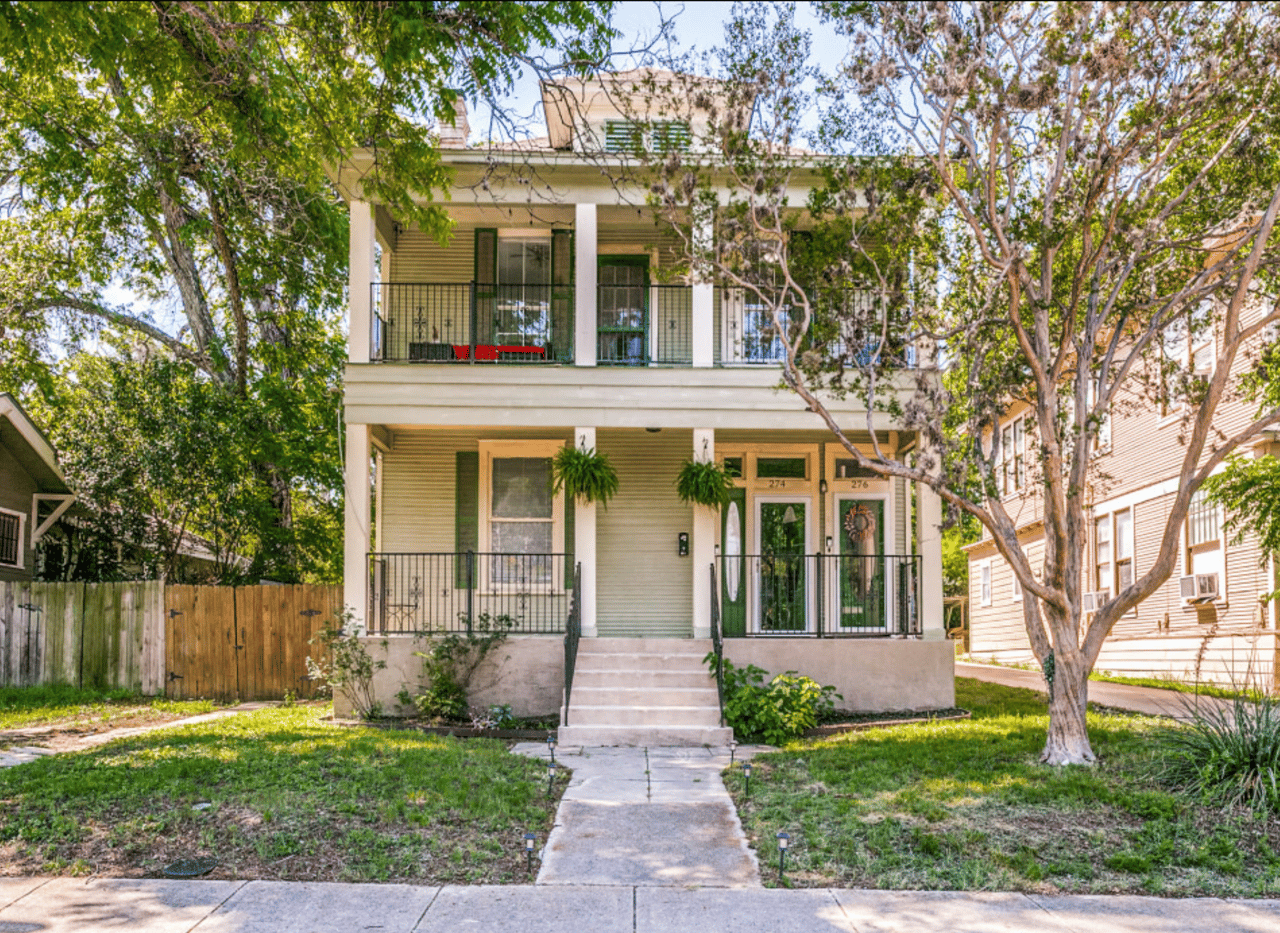
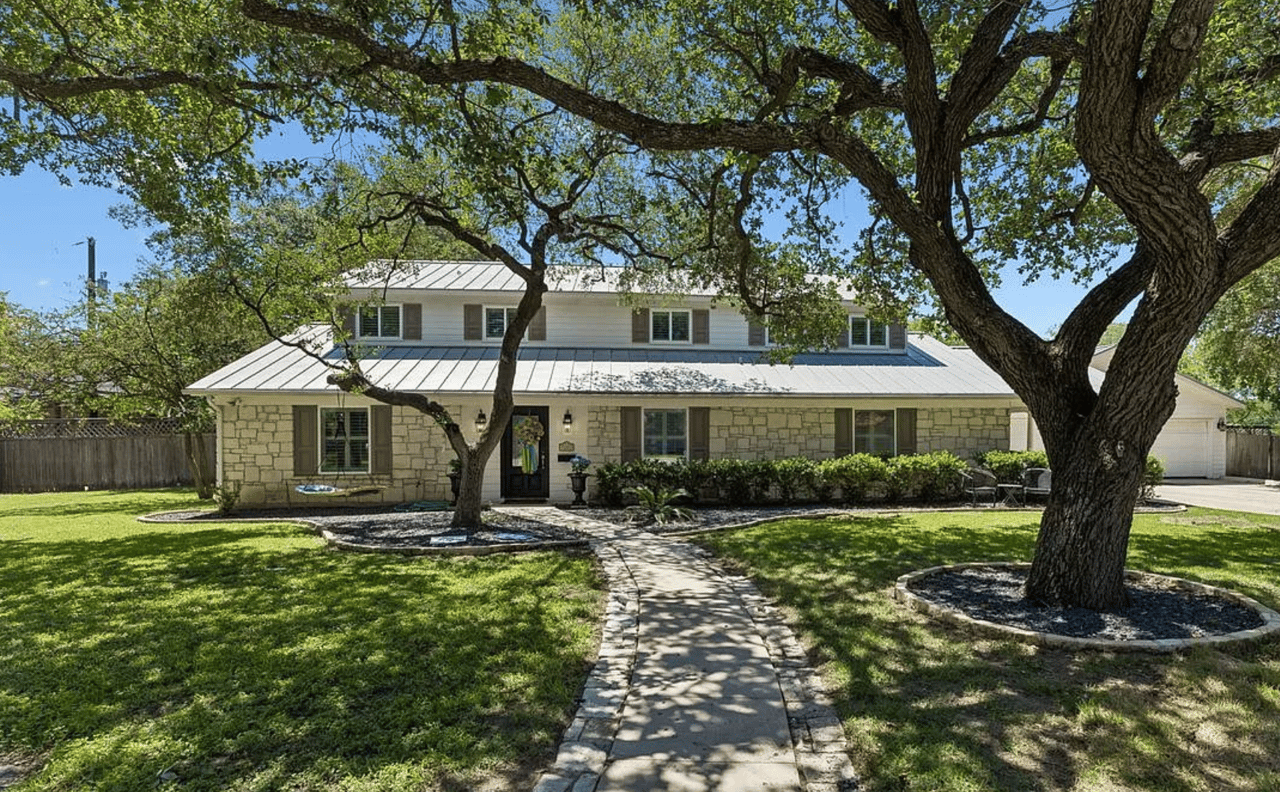
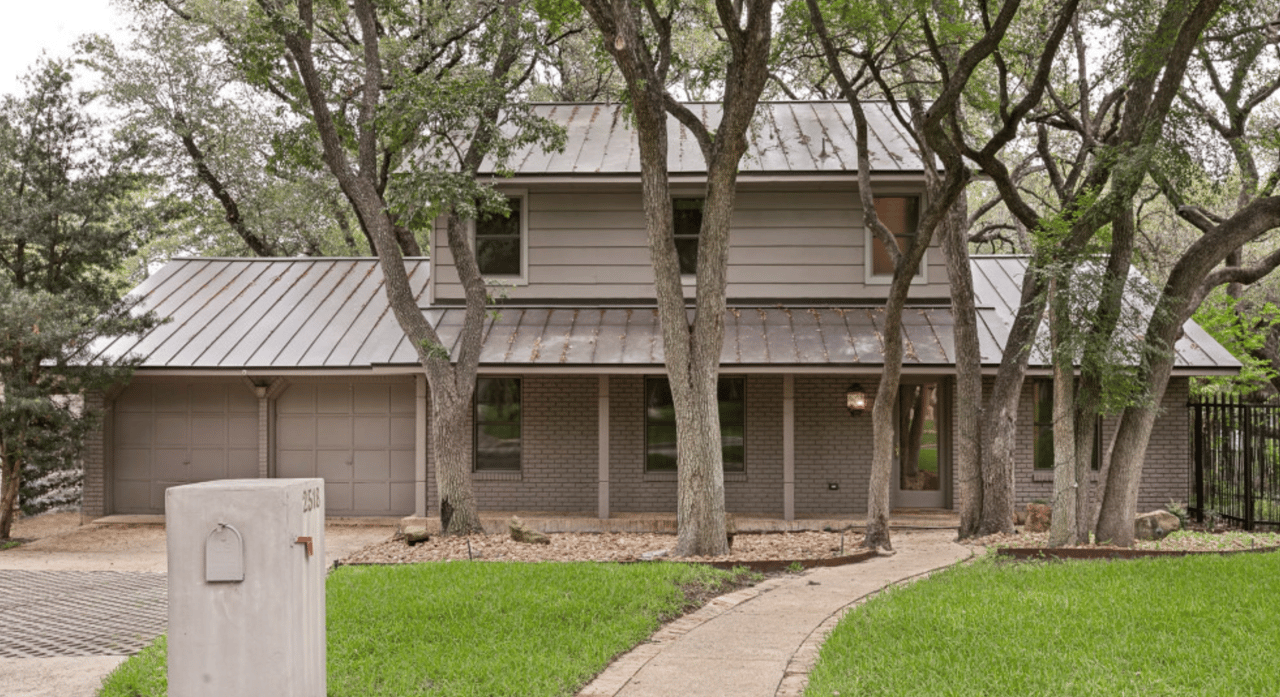
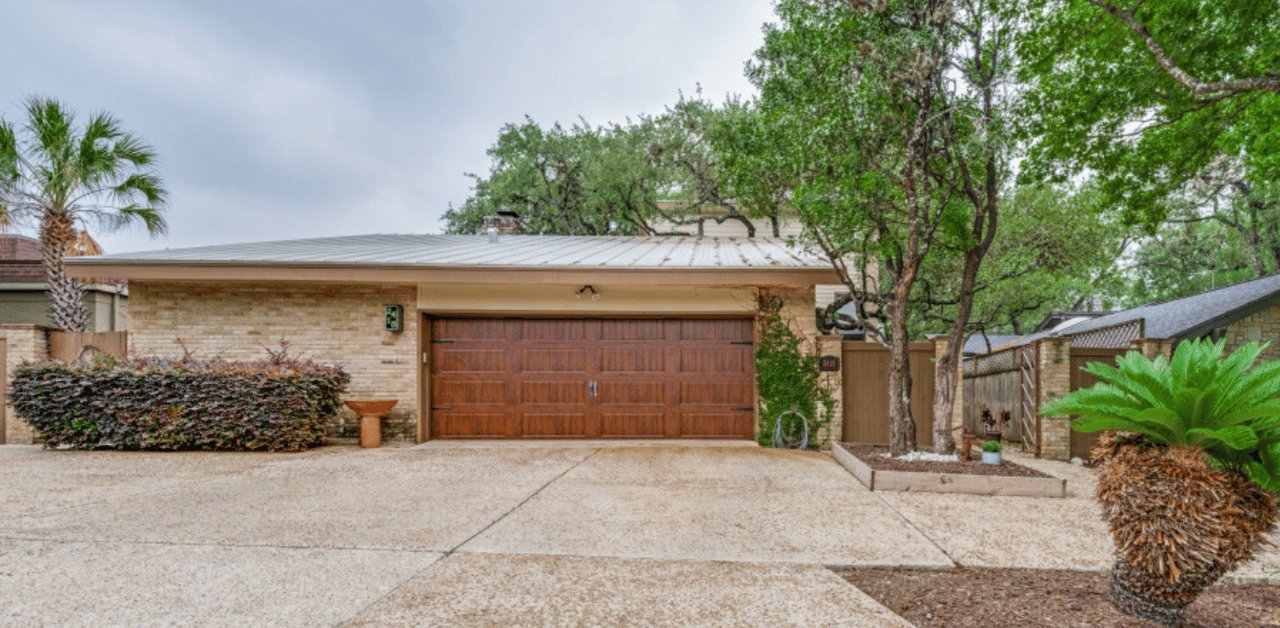
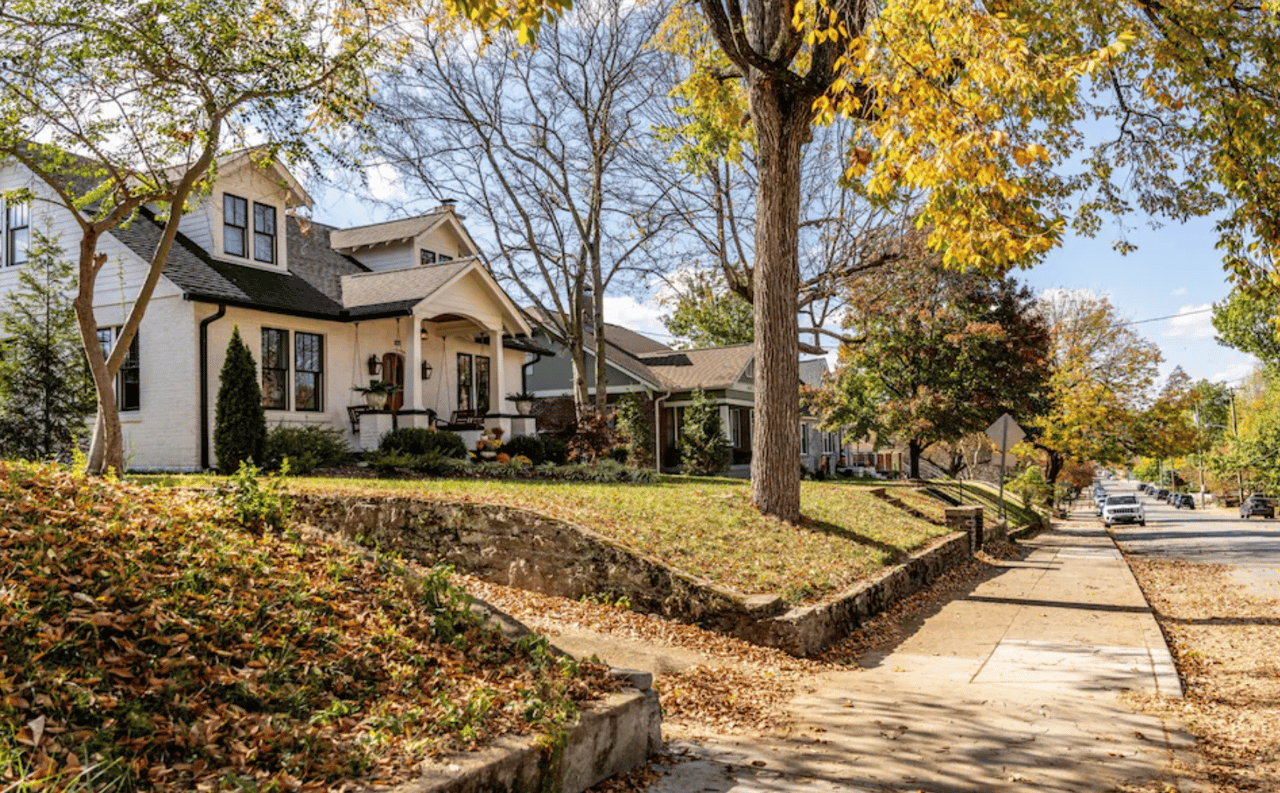
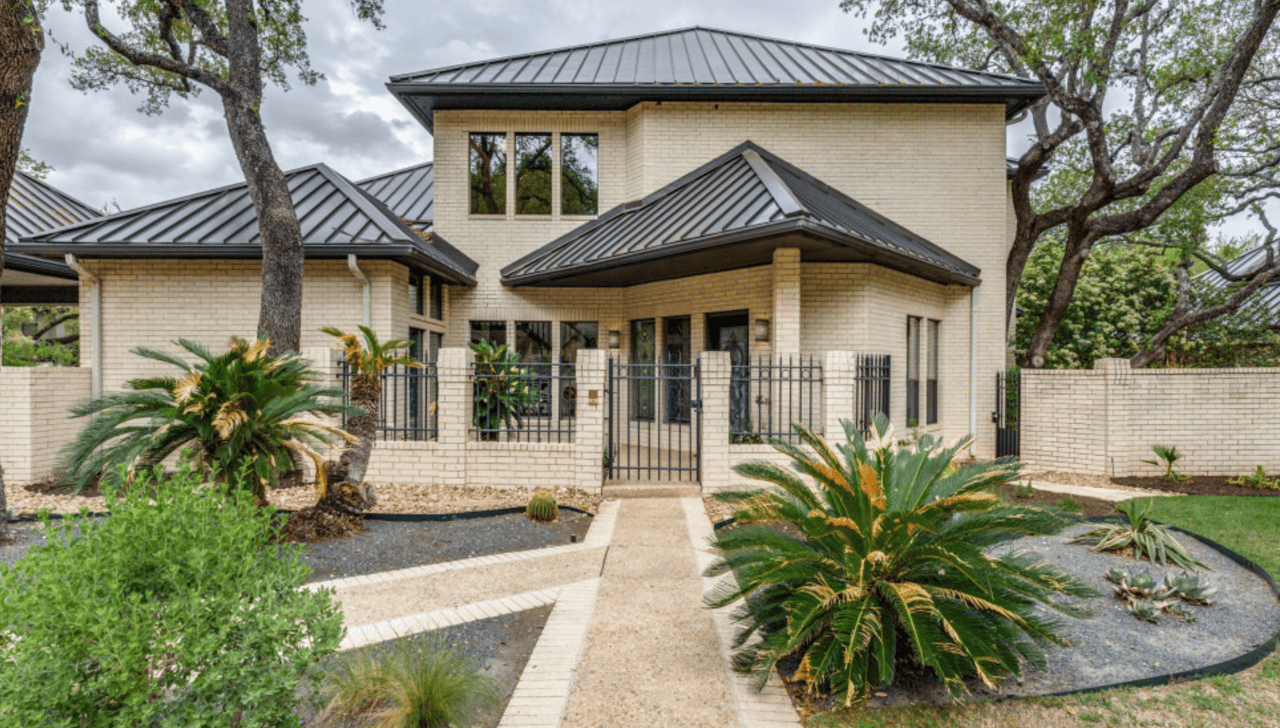
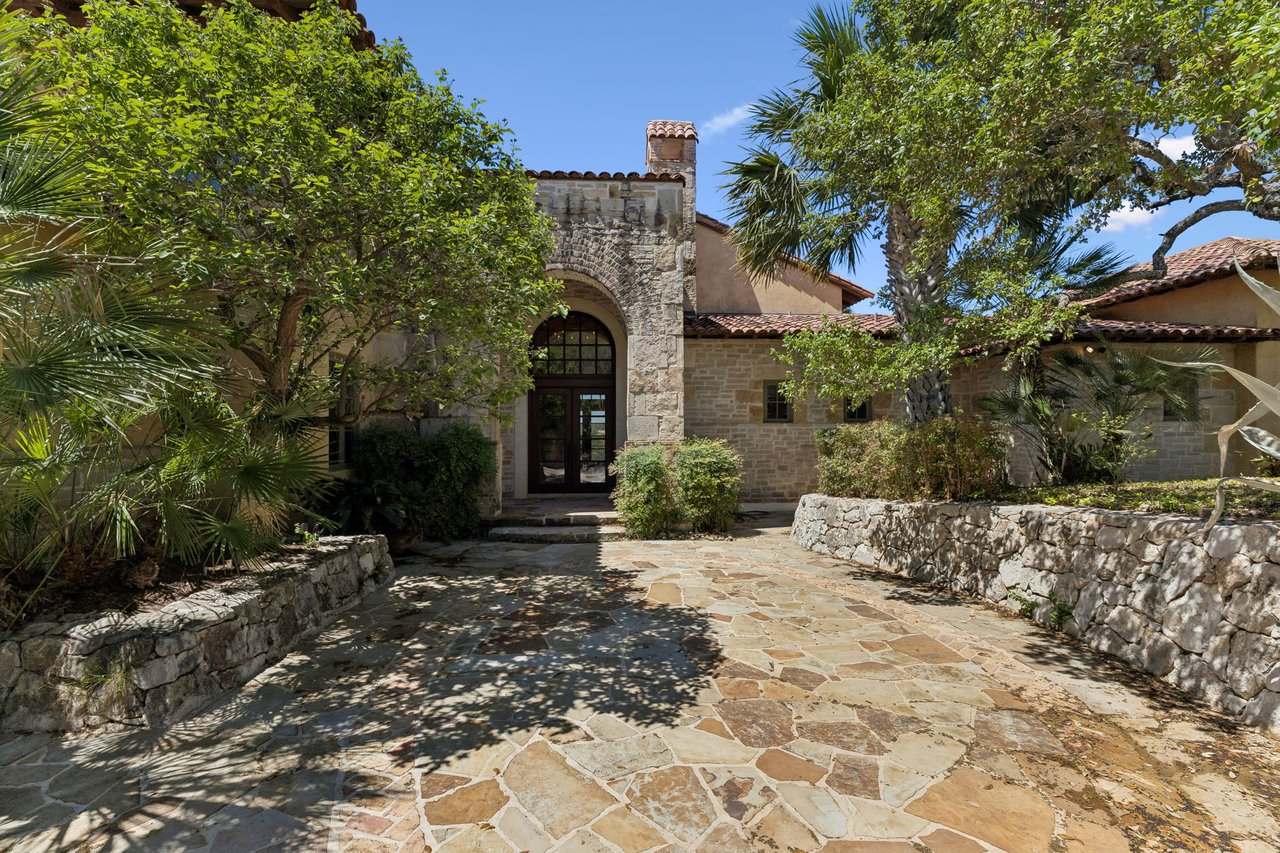
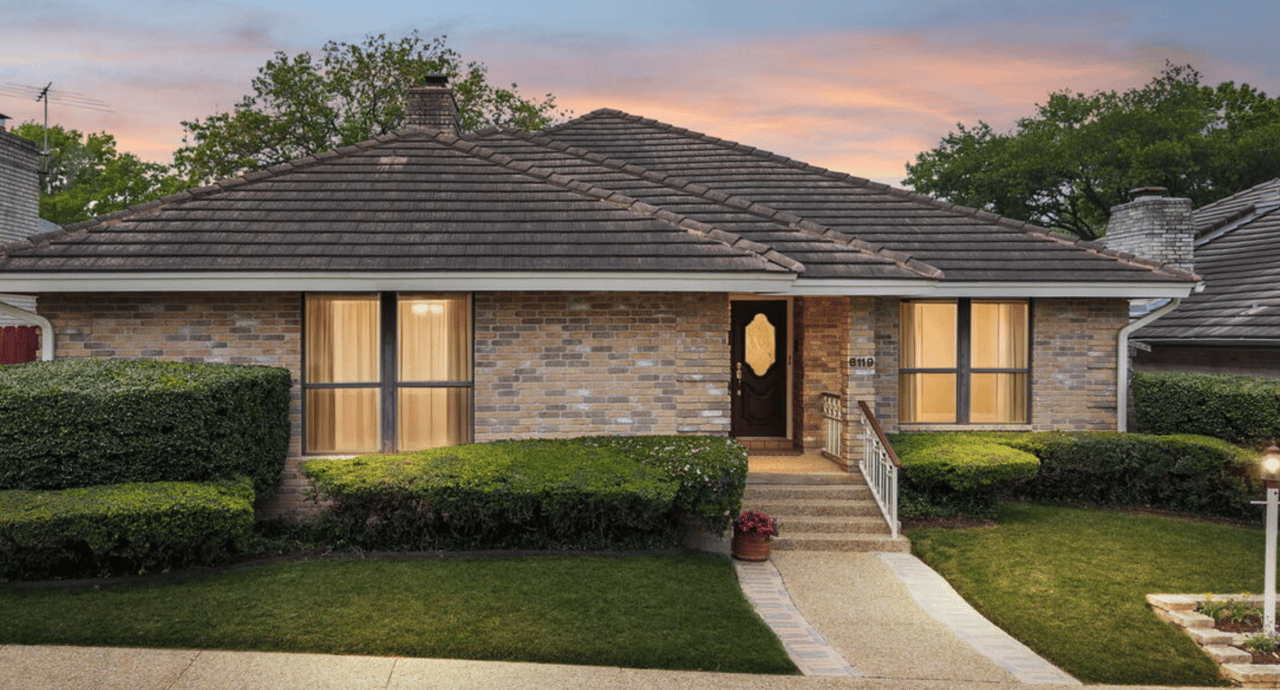
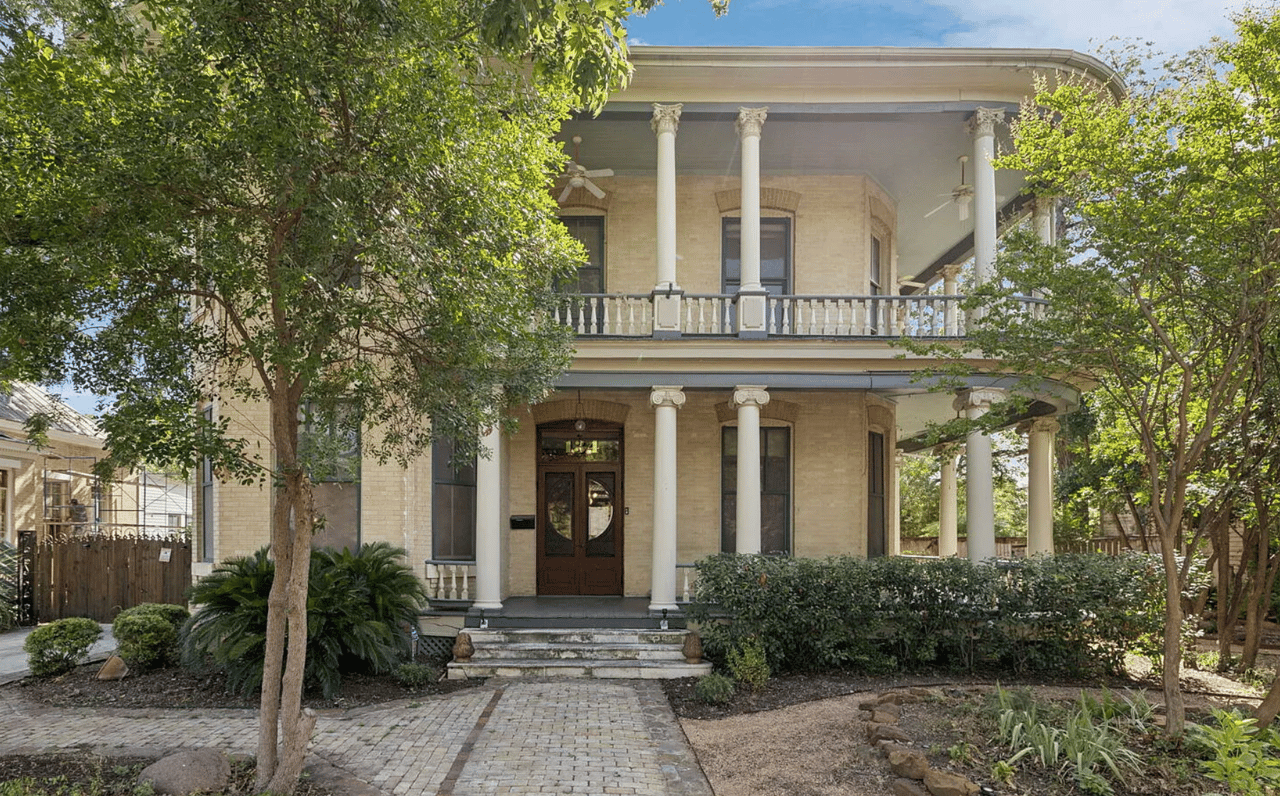
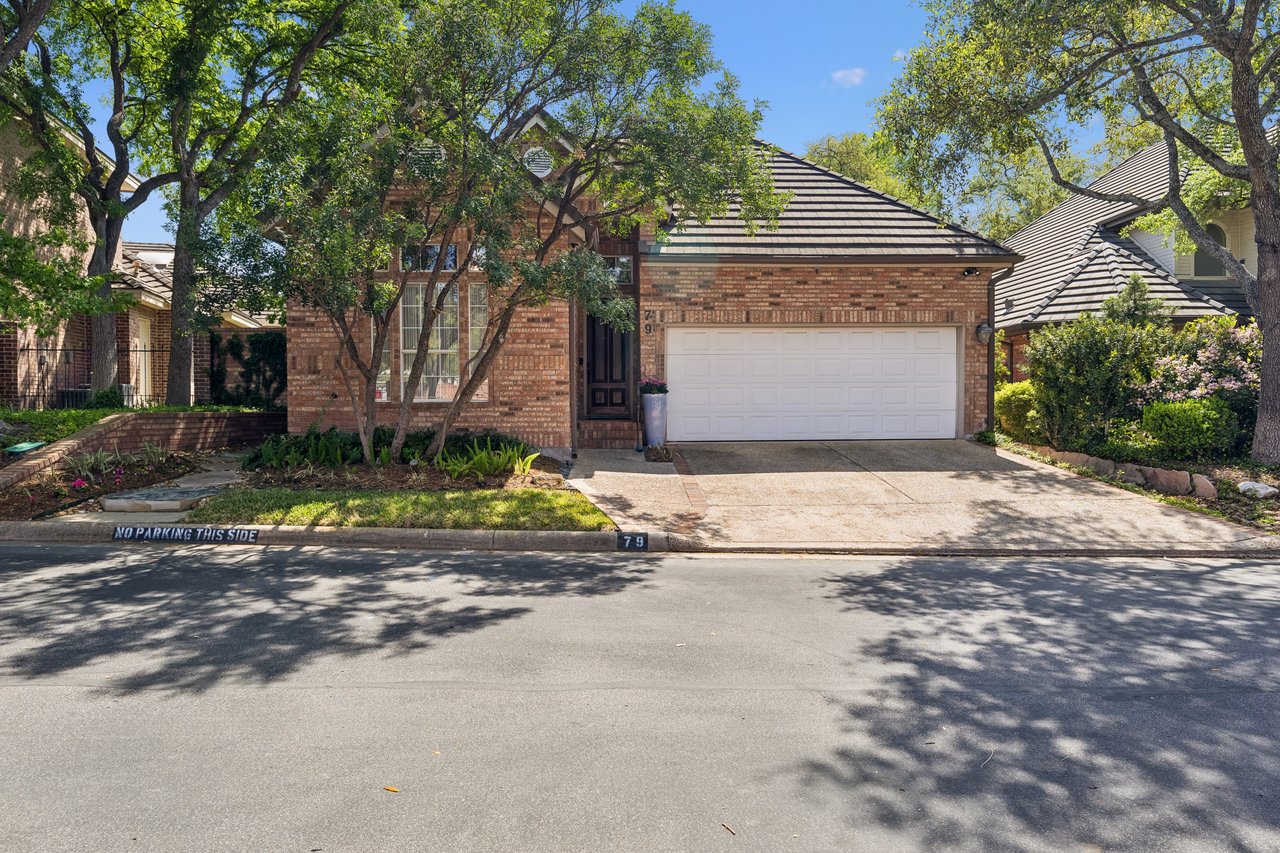
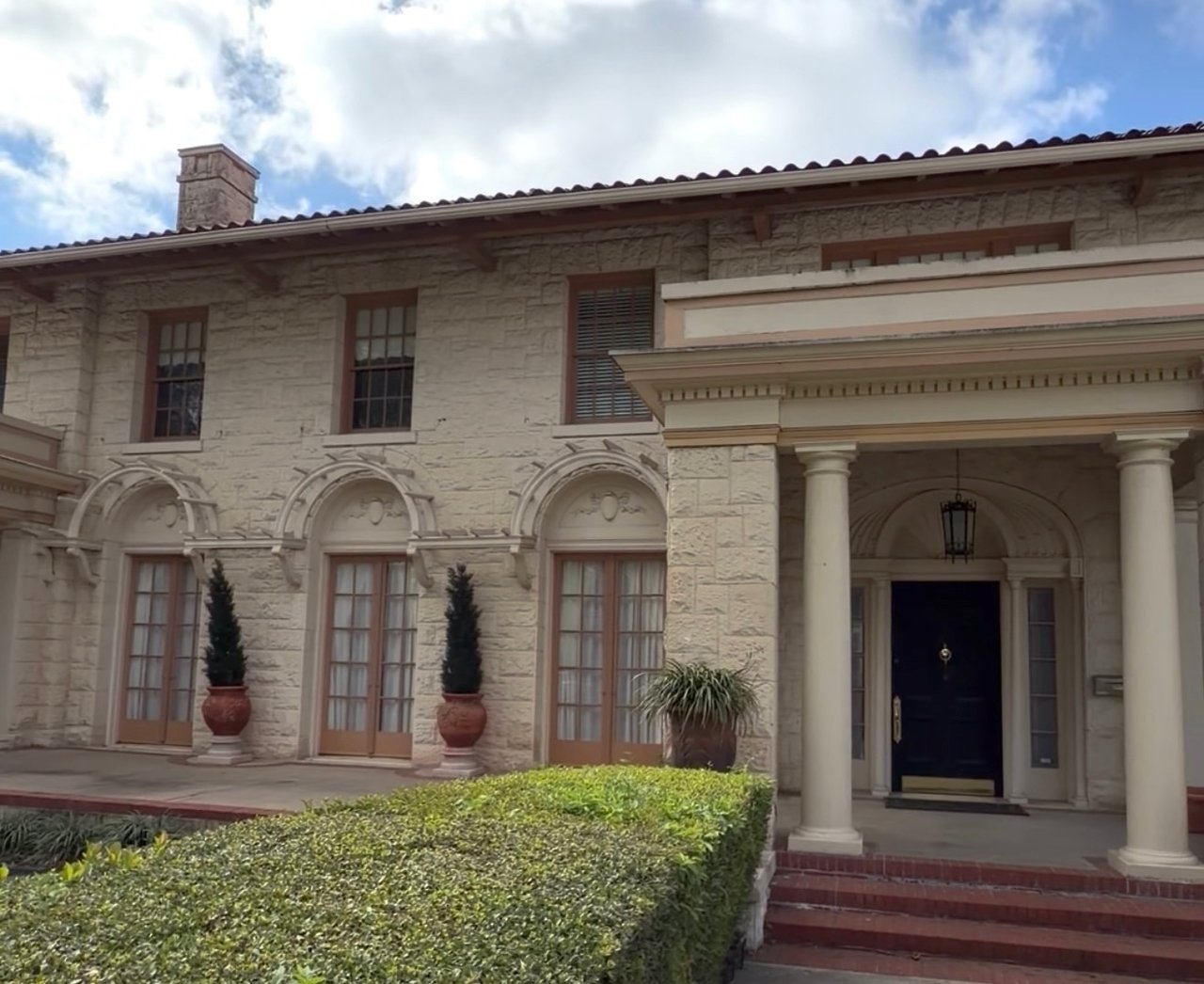
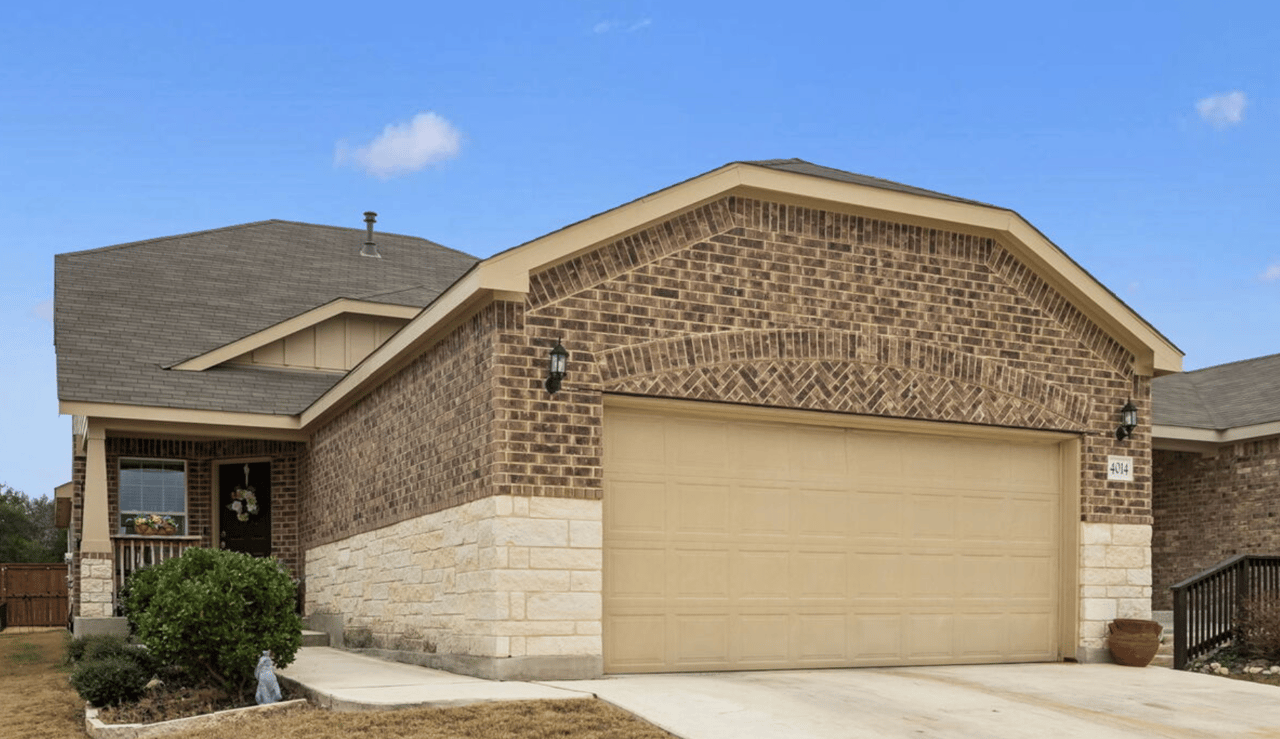
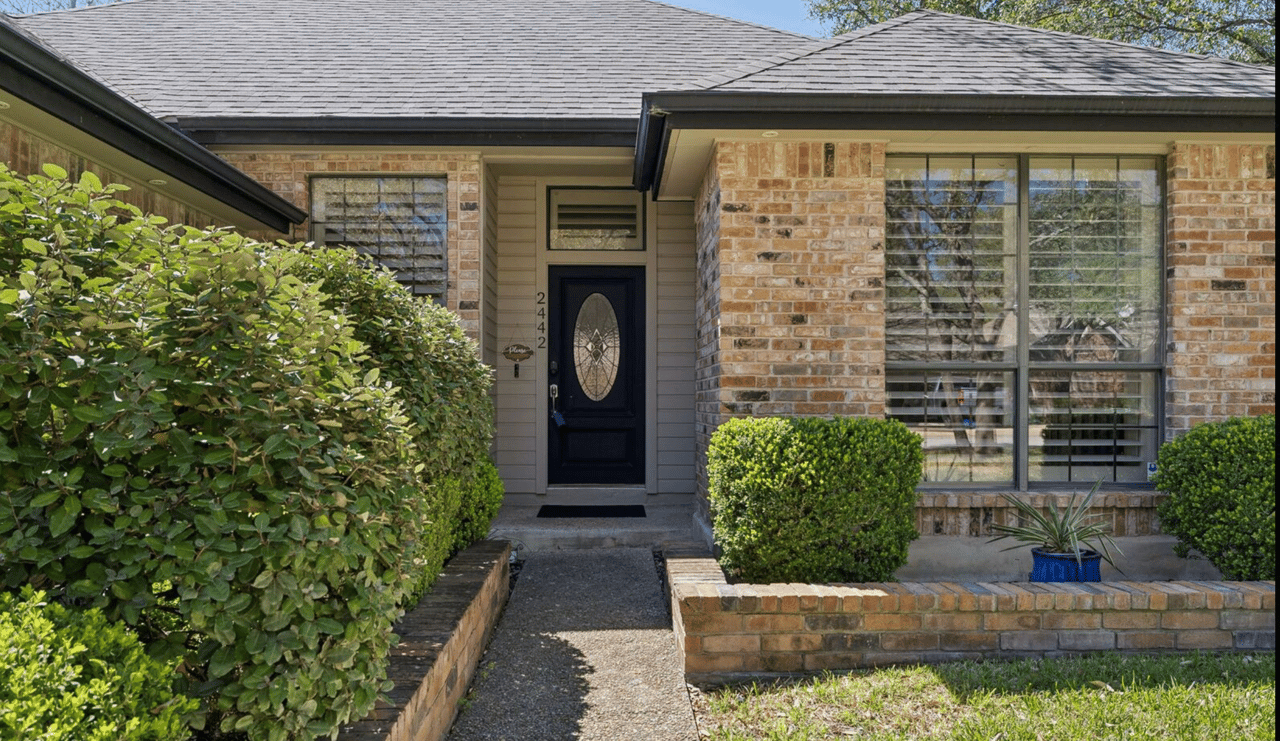
Walk to the street and look at your home the way a buyer's agent would. Front door, landscaping, gutters, driveway condition, any deferred maintenance that's visible from 30 feet. The exterior photo in your listing sets an expectation. The actual drive-by either confirms it or undermines it.
Fix #6: Marketing Beyond the MLS
The MLS is where agents find listings. It's not where most luxury and relocation buyers start their search.
Buyers relocating from Austin, Houston, and out of state are on Instagram, Facebook, and YouTube. They're asking AI assistants which San Antonio neighborhoods are worth considering. They're watching video walkthroughs and neighborhood content before they ever schedule a flight.
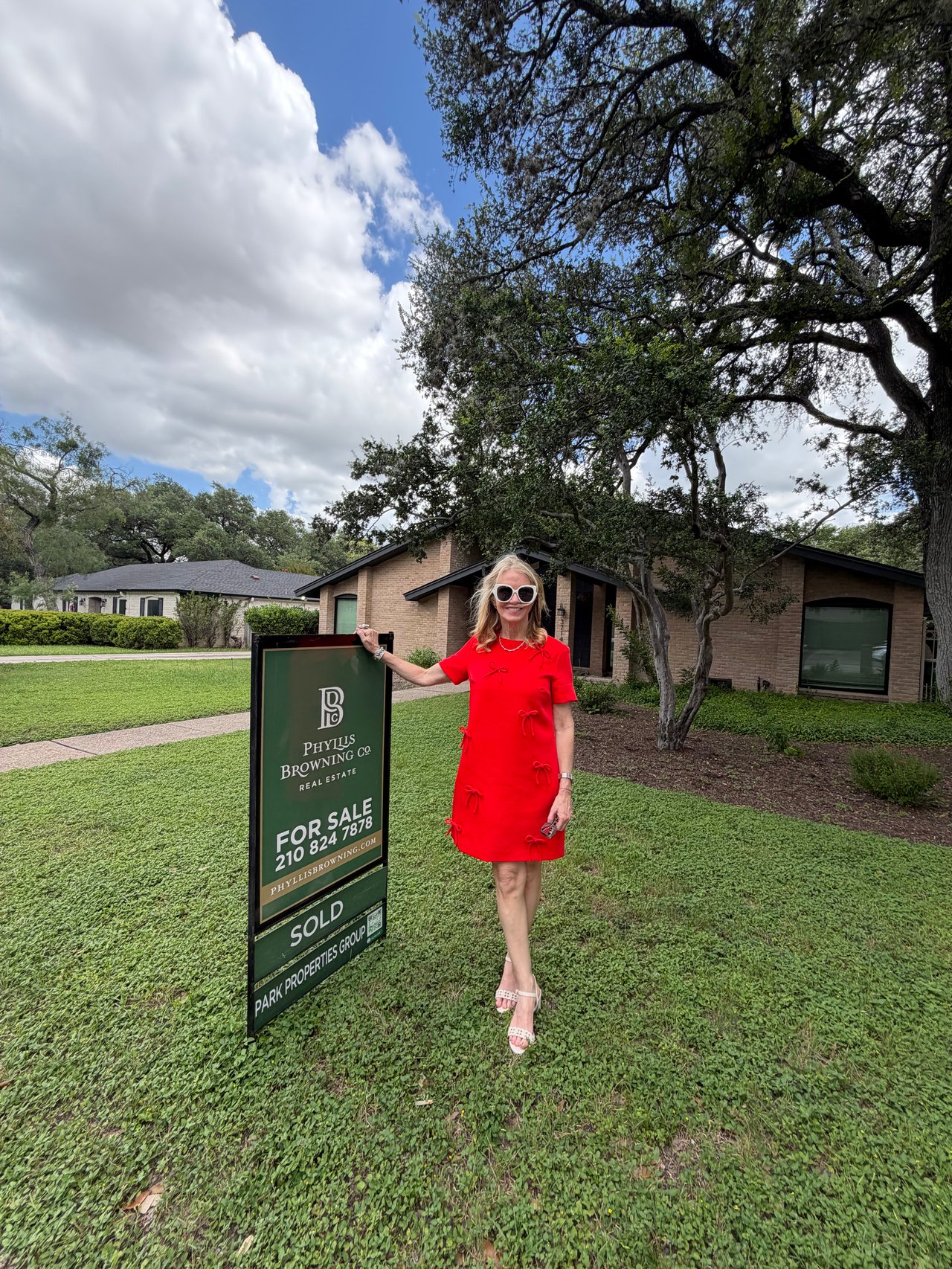
If your listing's marketing footprint ends at the MLS and a few syndicated portals, you're not reaching the buyer who's coming from two states away and has never driven through Alamo Heights. That buyer is real, and they're active in this market right now. The home at 3011 Rustler's Trail sold to a buyer who found it through a social media campaign that reached 586,000 people. That buyer was relocating from out of state and was not scrolling the MLS.
Ask your agent where your home is being marketed, specifically. What's the social reach? Is there targeted advertising? Is there video content? The answer should be specific and verifiable.
Fix #7: Days on Market — When to Consider a Refresh
Days on market accumulate quickly and buyers notice. A listing that's been active for 45 or 60 days carries a stigma that the market attaches automatically, whether or not the original price or presentation was the issue.
If you're at or approaching that threshold, the question isn't whether to do something — it's whether to do something real or cosmetic.
A price reduction alone rarely resets buyer perception. What actually works is a relaunch: a new MLS entry, fresh photography, refreshed staging, updated description, and a full marketing push that treats the listing as if it's new to the market. Done right, a relaunch generates a second wave of interest that can reach buyers who passed on the first run.
The timing matters. The longer you wait, the more entrenched the days-on-market perception becomes. If you're not at 45 days yet but you're seeing low showing volume in week two or three, that's the right time to have the relaunch conversation — before you need it, not after.
Frequently Asked Questions
How many showings should I expect in the first two weeks on the market in Alamo Heights?
A well-priced, well-presented home in Alamo Heights in a normal market should see meaningful showing activity in the first 7–14 days — this is when buyer interest is highest and the listing has the most momentum. If you're in week two with fewer than 4–5 showings, it's time to look at the factors above. Early showing volume is the clearest signal the market gives you.
Should I do open houses if showings are slow?
Open houses can generate foot traffic, but they're not a substitute for fixing the underlying issue. If pricing, photos, or marketing reach are the problem, an open house brings more people to see the same presentation that isn't converting. Address the root cause first. If the presentation is strong and the issue is simply exposure, a broker open house — where you invite buyer's agents in the market to preview the home — can be more effective than a public open house for the Alamo Heights price point.
Is a lockbox safe in Alamo Heights?
Yes. A Supra or similar electronic lockbox tracks every agent access with a time-stamped log. Your agent can see who showed the home and when, and follow up for feedback. The security concern is understandable, but the showing friction of a no-lockbox policy in a market where buyers expect flexible access is a real cost. Most Alamo Heights sellers use a lockbox without issue.
How long should I wait before reconsidering my price?
If showing volume is low from the first week — not just individual offers, but actual scheduled showings — that's a signal to look at pricing quickly, not in 30 days. A price that's generating showings but not offers is a different problem than a price that's not generating showings at all. The former is a negotiation issue; the latter is a positioning issue, and time doesn't fix it.
What does a real relaunch look like vs. just reducing the price?
A real relaunch involves taking the home off the MLS briefly, refreshing the presentation (photography, staging, description), re-entering as a new listing, and running a full marketing campaign on the new entry. The goal is to reset the days-on-market clock and present the home to buyers who've been watching the market as something new and worth considering. A price reduction alone — with the same photos, the same description, the same days-on-market counter ticking — rarely changes buyer behavior the way a full relaunch does.
If your Alamo Heights home is listed and not generating the showings you expected, I'm glad to do a no-obligation review — look at your listing as a buyer would, compare your positioning to active competition, and tell you honestly what I think is happening and what I'd do about it.
Schedule a conversation | (210) 313-2904 | Get a free home valuation
About Caroline Decherd Caroline Decherd is a luxury home specialist with Park Properties Group at Phyllis Browning Company, serving Alamo Heights, Terrell Hills, Olmos Park, and San Antonio's established central neighborhoods. parkpropertiesgroup.com