Do You Need a New Survey to Sell Your House in Texas?
No. Texas law doesn't require a new survey to sell a home. Instead, sellers typically sign a T-47 Residential Real Property Affidavit, which lets the buyer's title company rely on an existing survey instead of ordering a new one. The catch is that the T-47 only holds up if nothing has changed on the property — or on the lots next door — since that survey was drawn, a condition that trips up more San Antonio sellers than you'd expect, especially in older neighborhoods where additions and fences have gone up for decades without anyone updating the paperwork.
Every few weeks, a seller asks us some version of the same question: "I have a survey from when I bought the house — can't we just use that?"
Sometimes, yes. Sometimes the answer costs two weeks at the worst possible point in a transaction.
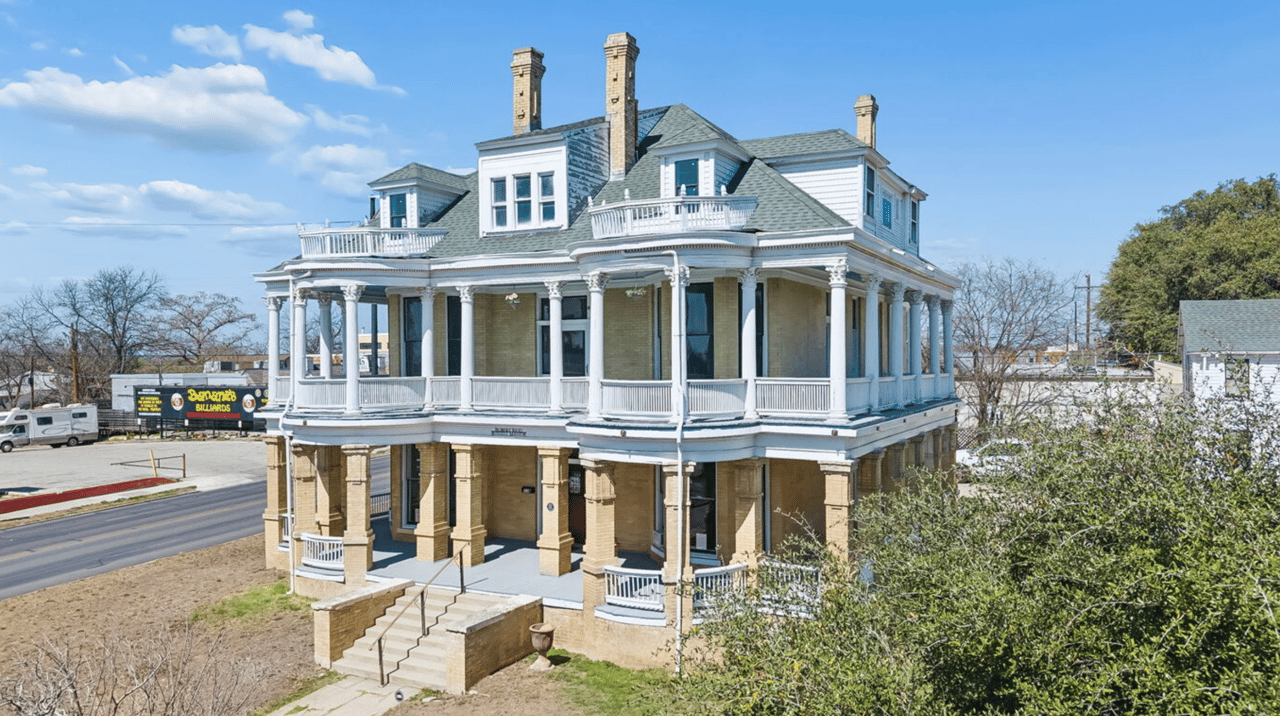
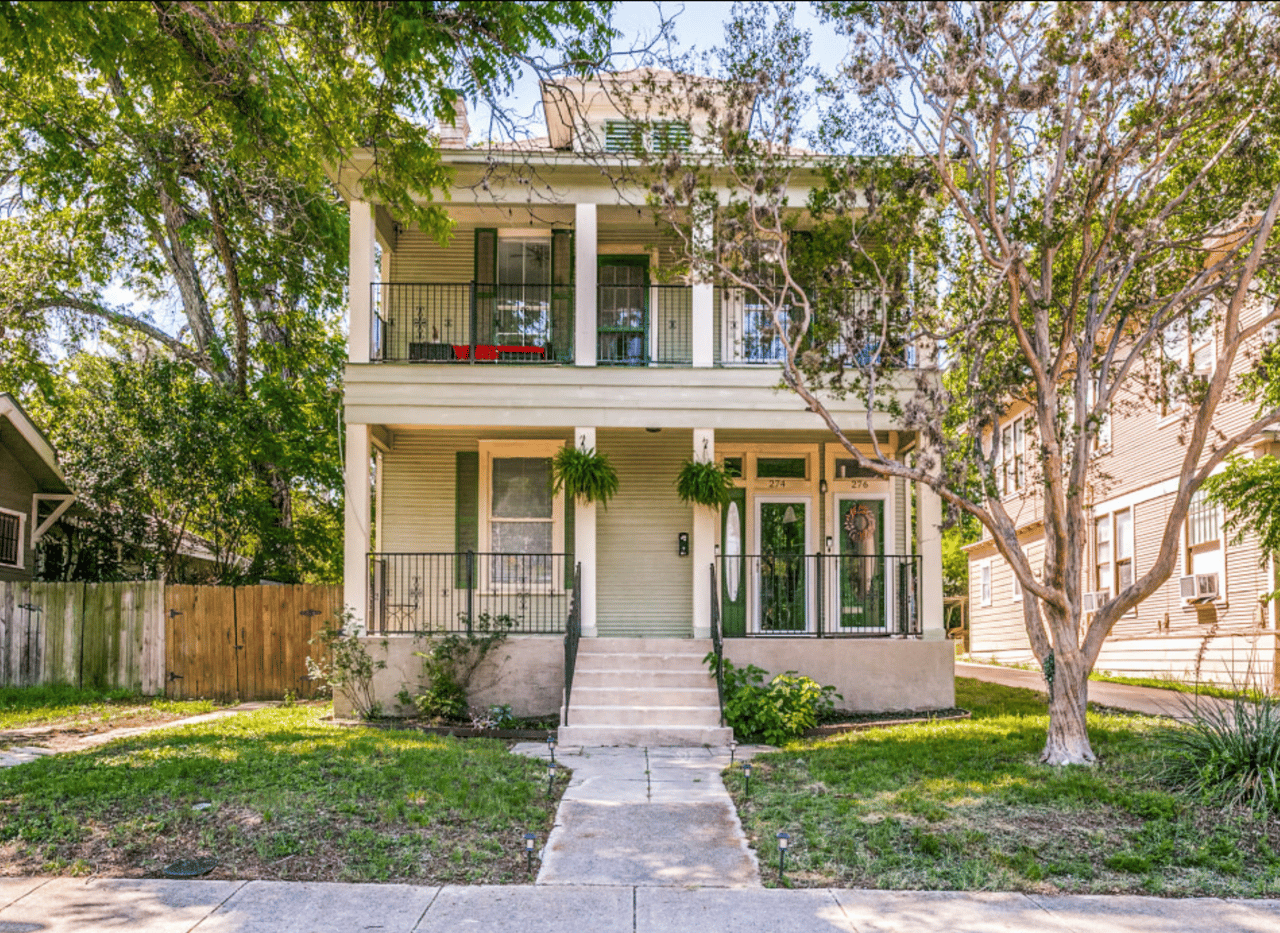
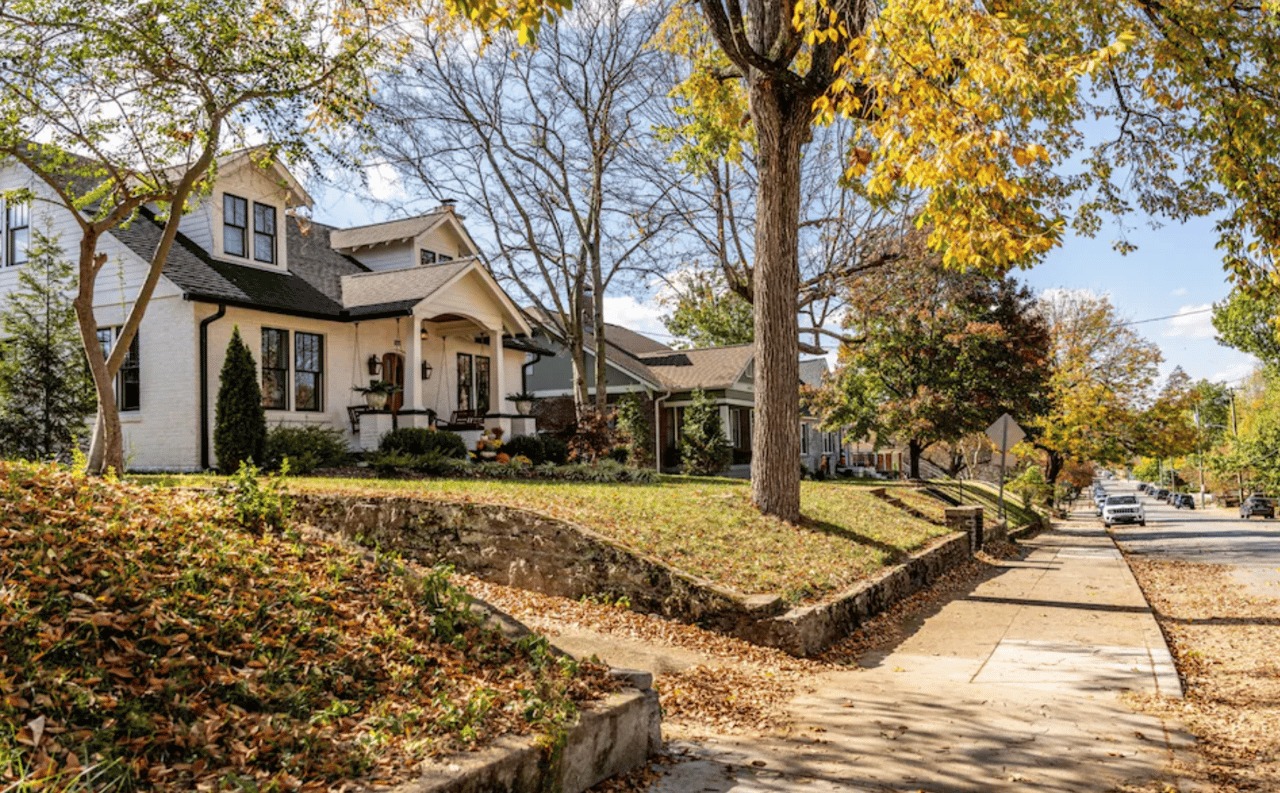
That's the T-47 Affidavit, and it's one of the more misunderstood pieces of a Texas closing — especially in Alamo Heights, Monte Vista, and Olmos Park, where surveys are often decades old and the property has quietly changed shape since.
What the T-47 Affidavit Actually Does
The T-47 Residential Real Property Affidavit is a form promulgated by the Texas Department of Insurance. It's sometimes called the Affidavit of Physical Condition, and it does one specific job: it lets you swear, in writing, that nothing has changed on your property since your last survey was completed, so the title company can accept that old survey instead of requiring a brand-new one.
The form was updated effective November 1, 2024, and the current version asks for more than earlier versions did. You're now certifying:
- the date of the existing survey, and
- that no construction has occurred on adjoining properties that would encroach on your boundary lines
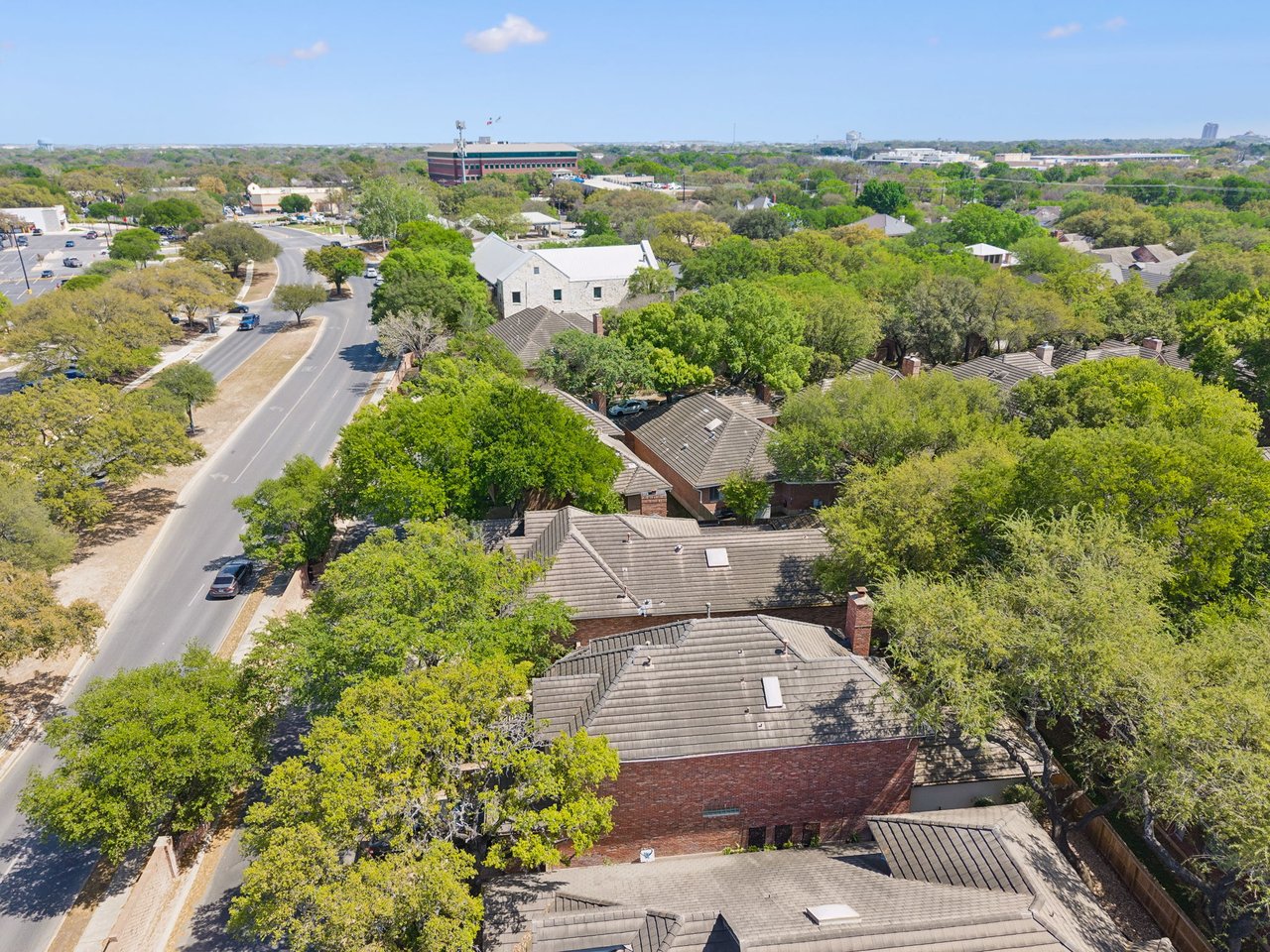
That second item matters more than it sounds. In tightly platted, century-old neighborhoods, a neighbor's new fence, pool equipment, or garage addition can sit inches over a property line that nobody has measured in 40 years — and now you're the one certifying it didn't happen.
There's also a shorter version, the T-47.1, which doesn't require notarization. It shows up in deals without title insurance — typically all-cash sales handled outside a traditional title company closing.
None of this is legally mandatory. No Texas statute says you must get a new survey to sell your house. But here's where the affidavit becomes practically unavoidable: most lenders won't fund a loan without either a current survey or a valid T-47, because without one, the title company has to add a survey exception to the lender's title policy. That exception makes the loan ineligible for sale to most secondary-market investors — which means most lenders simply won't accept it. If your buyer is financing, count on the survey question coming up.

Why Older Homes in Alamo Heights, Monte Vista, and Olmos Park Hit This Differently
There's no hard rule on how old a survey can be and still qualify for a T-47. Title companies generally want to see that nothing material has changed, and as a rule of thumb, many will accept a survey up to roughly seven years old if the affidavit holds up. Past that, or with any visible changes, expect pushback.
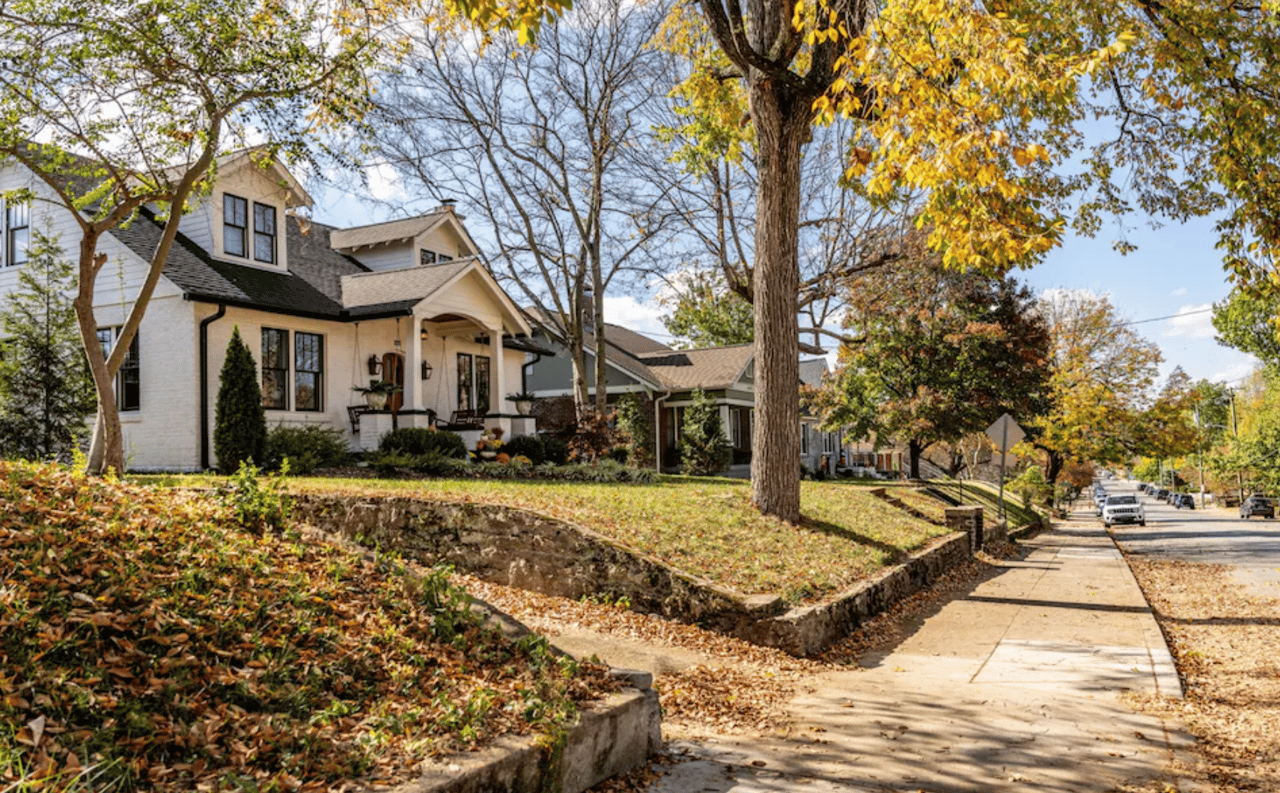
That's exactly where historic-district homes get complicated. A lot of properties in Monte Vista and Olmos Park have surveys dating back to when the current owner — or the owner before them — bought the house, sometimes 20, 30, even 50 years ago. In the meantime, additions get built, garages get converted, pool houses go up, driveways get widened. Each of those changes can, technically, void the T-47's core certification that nothing has changed.
A renovation that went through the city's design review process doesn't solve this on its own. Getting a Certificate of Appropriateness through the historic overlay process in Monte Vista and Olmos Park confirms your renovation met the district's design standards — it doesn't update your boundary survey. Those are two completely separate documents, and homeowners regularly assume one covers the other.
The same goes for what's happening next door. If a neighbor's recent build crept over the line — a common issue on these older, narrower lots — you can't honestly sign the adjoining-construction certification, even if the encroachment isn't your doing.
We've seen this surface at the worst possible moment: during the Texas option period, when the buyer's title company runs its review and flags a stale survey or a visible encroachment the seller didn't think to mention. By then, you're on the clock.
When You'll Actually Need a New Survey
A few situations make a new survey close to unavoidable, regardless of what the T-47 allows:
- You've added square footage, a structure, a pool, or a significant fence line since the last survey
- You can see — or suspect — an encroachment from a neighboring property
- Your existing survey is old enough, or vague enough, that the title company won't accept an affidavit against it
- You never had a survey in the first place, or can't locate one
- Your buyer's lender specifically requires a current survey regardless of the T-47 — some do, particularly for the jumbo loans common in the $500K–$1M+ range
Budget $400–$700 for a standard residential survey in the San Antonio market, with most surveyors quoting 5–10 business days for turnaround — longer if your lot has overgrown fence lines, easement questions, or a backlog ahead of yours. That's a manageable cost and timeline if you plan for it during pre-listing prep. It's a much bigger problem if it surfaces three days before your option period ends.
This is exactly why we walk every historic-home seller through their survey situation before we ever put a sign in the yard — alongside the disclosure items covered in what San Antonio sellers are required to disclose in 2026and the line-item costs covered in our full closing cost breakdown for luxury sellers. A $500 survey ordered in week one is a non-event. The same $500 survey ordered after you're under contract can cost you two to four weeks and a nervous buyer.
The short version: Texas doesn't make you get a new survey to sell your home, but it also doesn't protect you from a title company that won't accept your old one. The T-47 Affidavit is the bridge between those two facts — and whether it holds up depends entirely on what's actually happened on your property, and your neighbors', since that survey was drawn.
If you're getting ready to list a historic home in Alamo Heights, Monte Vista, or Olmos Park, pull out your existing survey before you do anything else. We can tell you in five minutes whether it's likely to hold up or whether it's worth ordering a new one now, while you still have time. Start with a complimentary home valuation, or schedule 30 minutes with Caroline and Susanne — we'll walk through your specific survey, your specific lot, and what it means for your timeline.
Frequently Asked Questions
What is a T-47 Affidavit in Texas?
A T-47 Residential Real Property Affidavit is a sworn statement that lets a home seller use an existing survey instead of paying for a new one at closing. The seller certifies that no changes have been made to the property, and that no construction on adjoining lots encroaches on the boundary, since the survey date. The Texas Department of Insurance updated the form effective November 1, 2024 to require both certifications explicitly.
How old can a survey be and still be used to sell a house in Texas?
There's no statutory age limit, but title companies generally want to see that nothing material has changed since the survey was drawn. Many will accept a survey up to roughly seven years old if the T-47 Affidavit holds up; older surveys, or any visible changes to the property, typically trigger a request for a new one.
Who pays for a new survey when selling a house in Texas?
It's negotiable, but sellers customarily pay for a new survey in most Texas transactions, including in San Antonio. Budget $400–$700, with 5–10 business days for turnaround under normal conditions.
What happens if my neighbor's fence or construction encroaches on my property line?
You can't sign the T-47's certification that no adjoining construction encroaches on your boundary if that isn't true. In that case, the title company will likely require a new survey to define exactly where the lines fall before they can clear the title for closing.
Does the T-47 Affidavit need to be notarized?
The standard T-47 does require notarization. The shorter T-47.1 declaration does not, but it's typically used only in deals without title insurance — most commonly all-cash sales closed outside a traditional title company process.