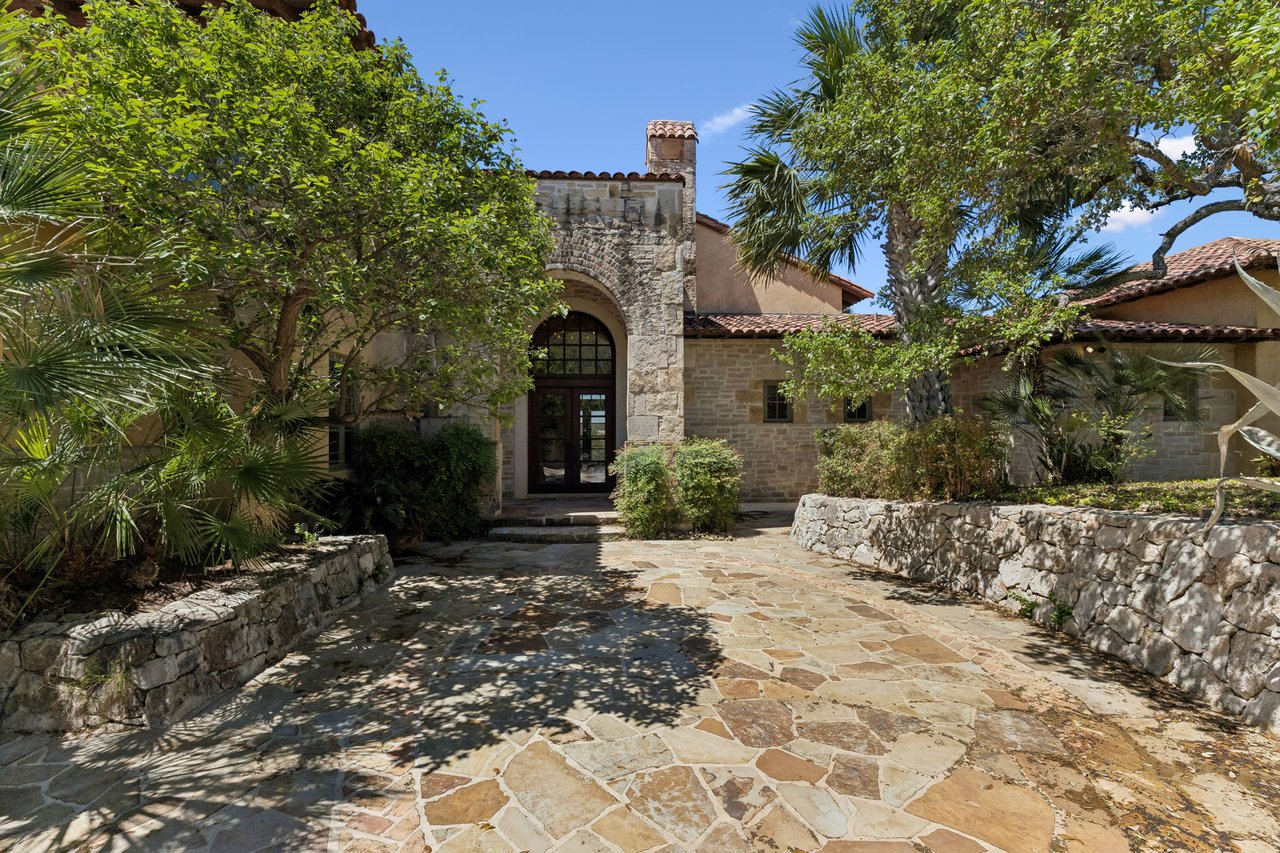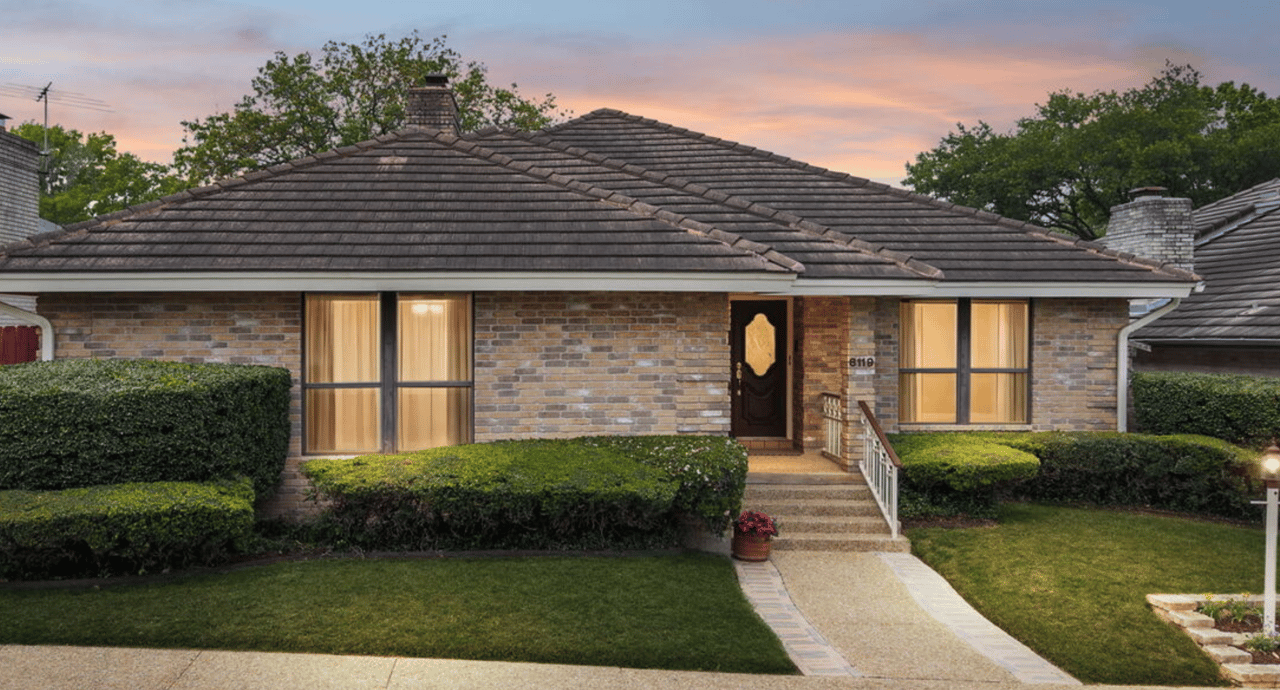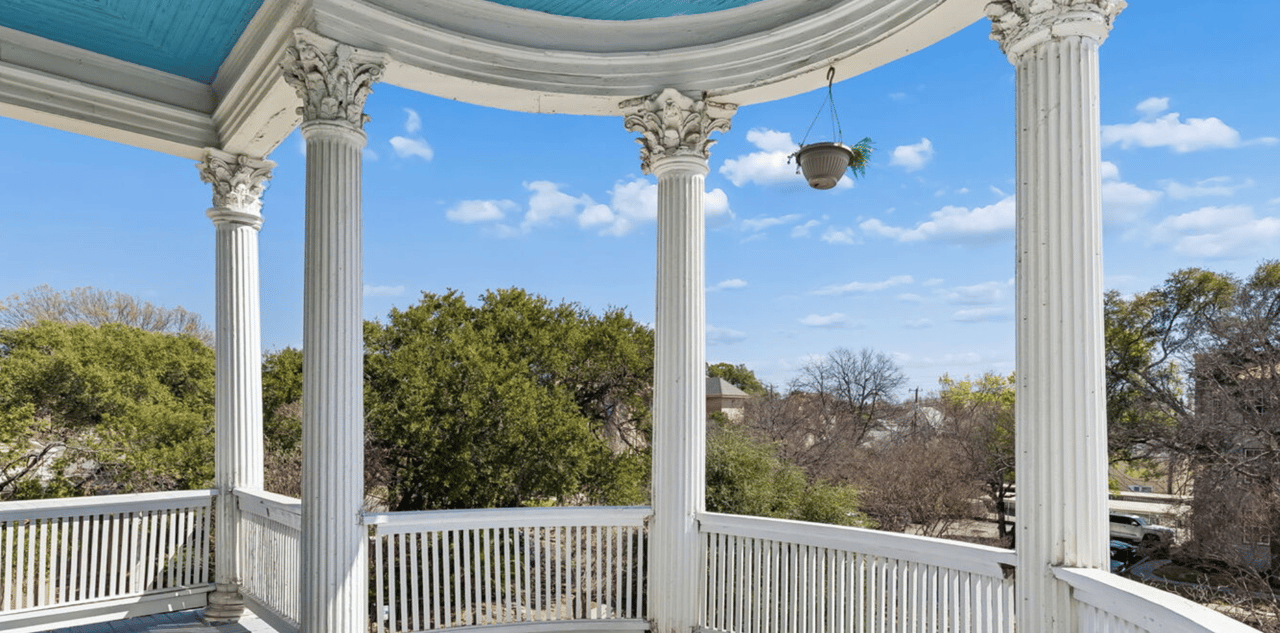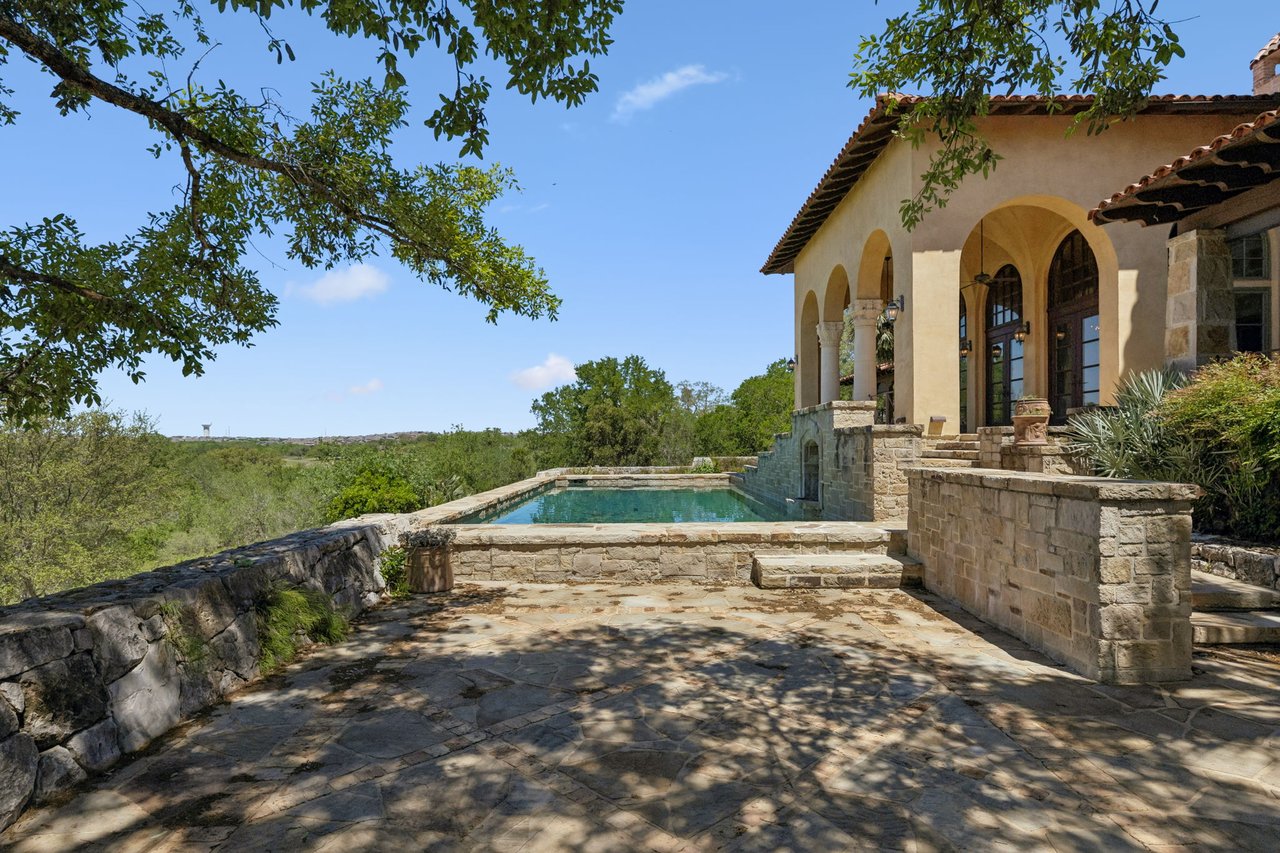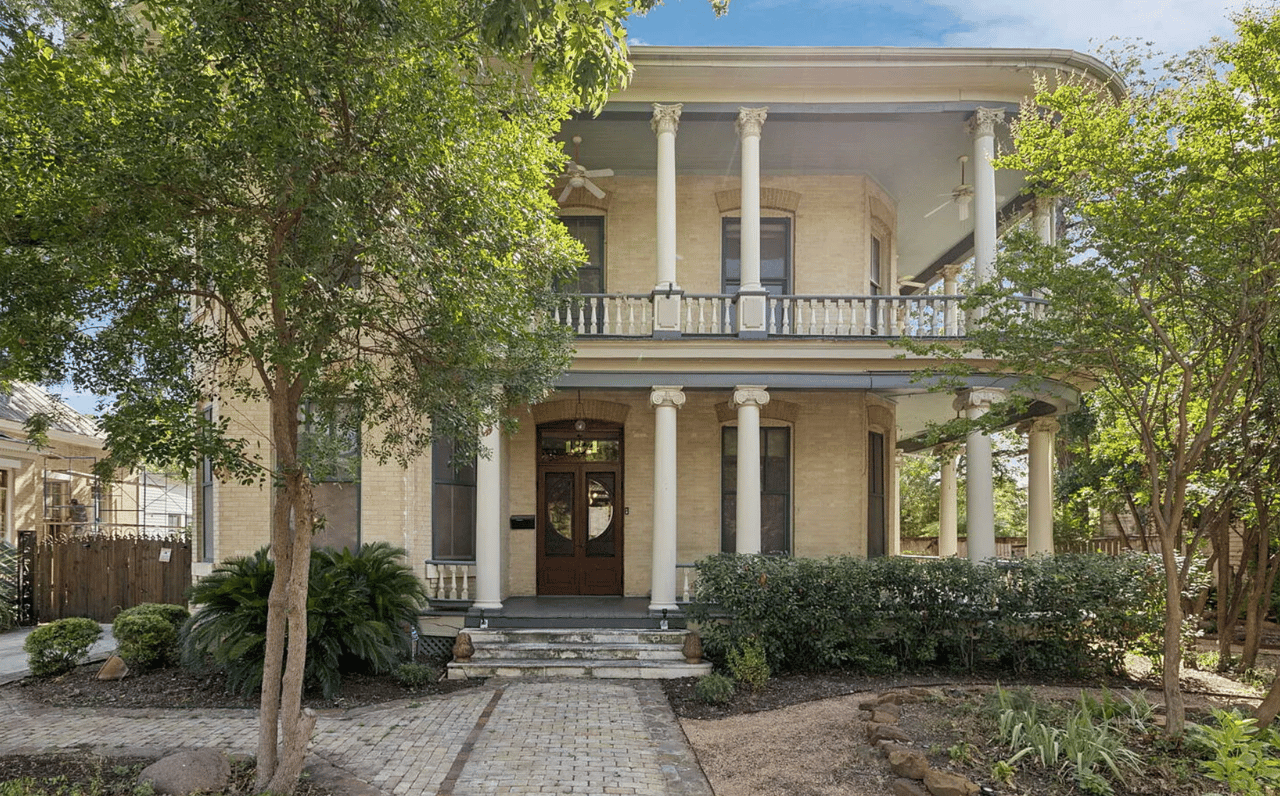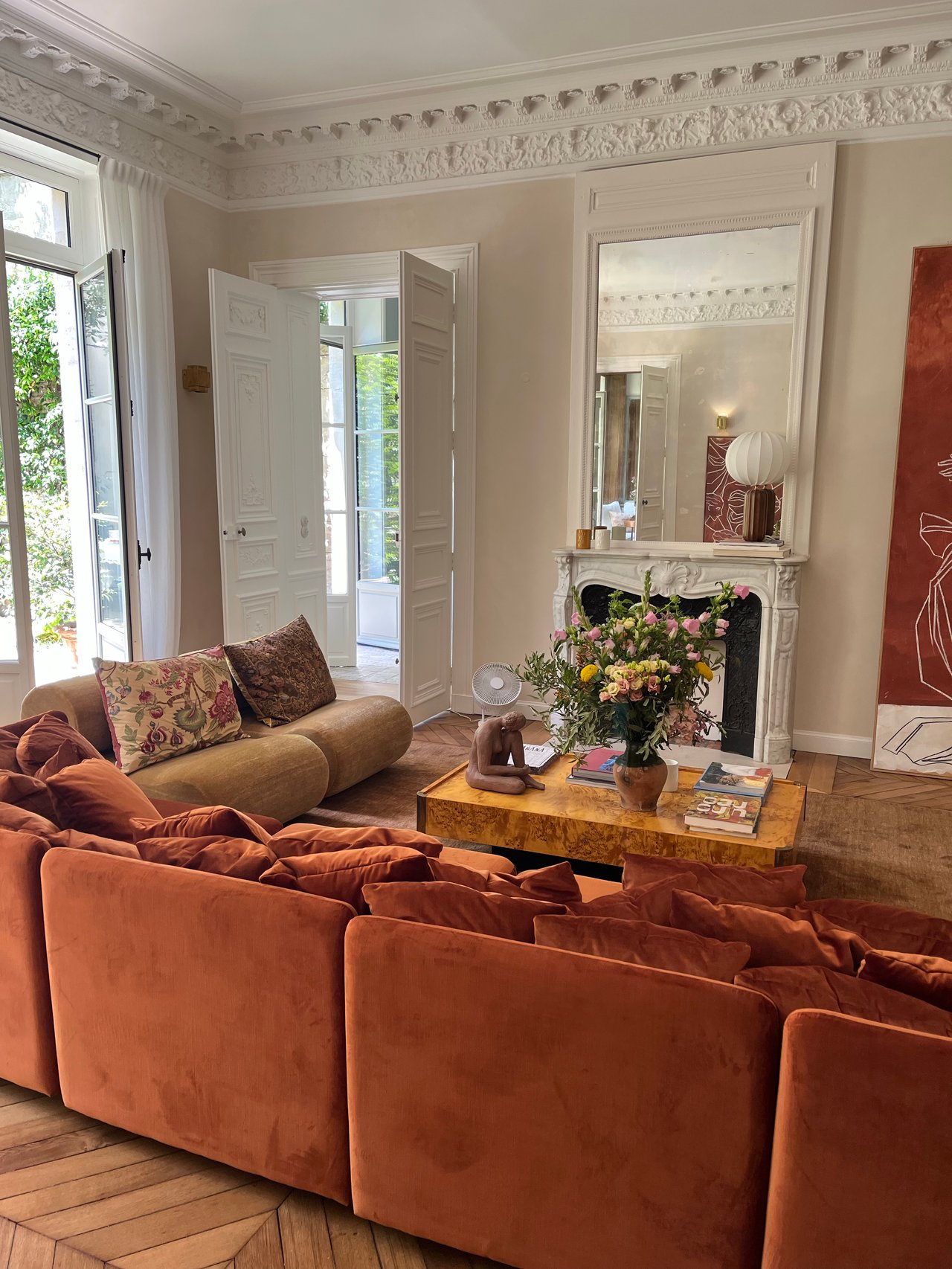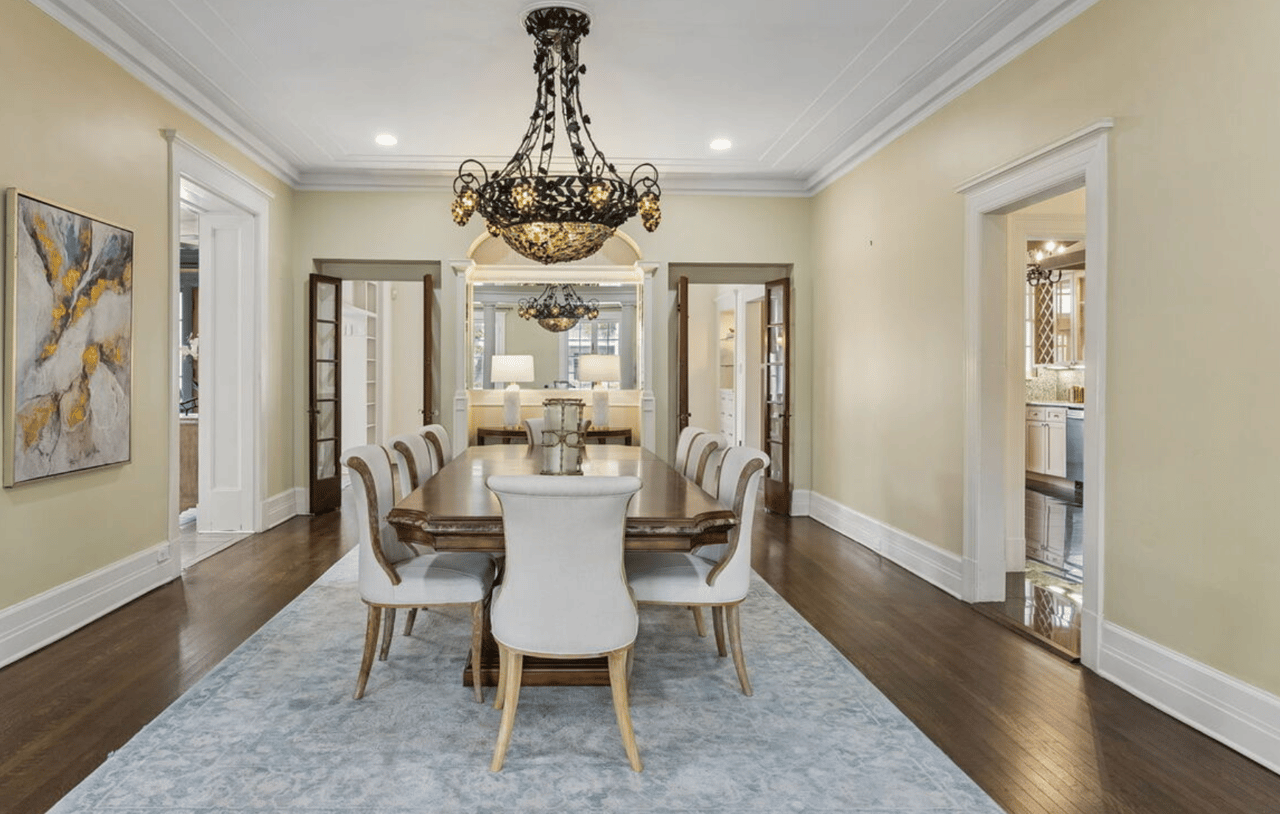
Do Historic Homes Need Staging Before Selling? What Monte Vista Sellers Should Know
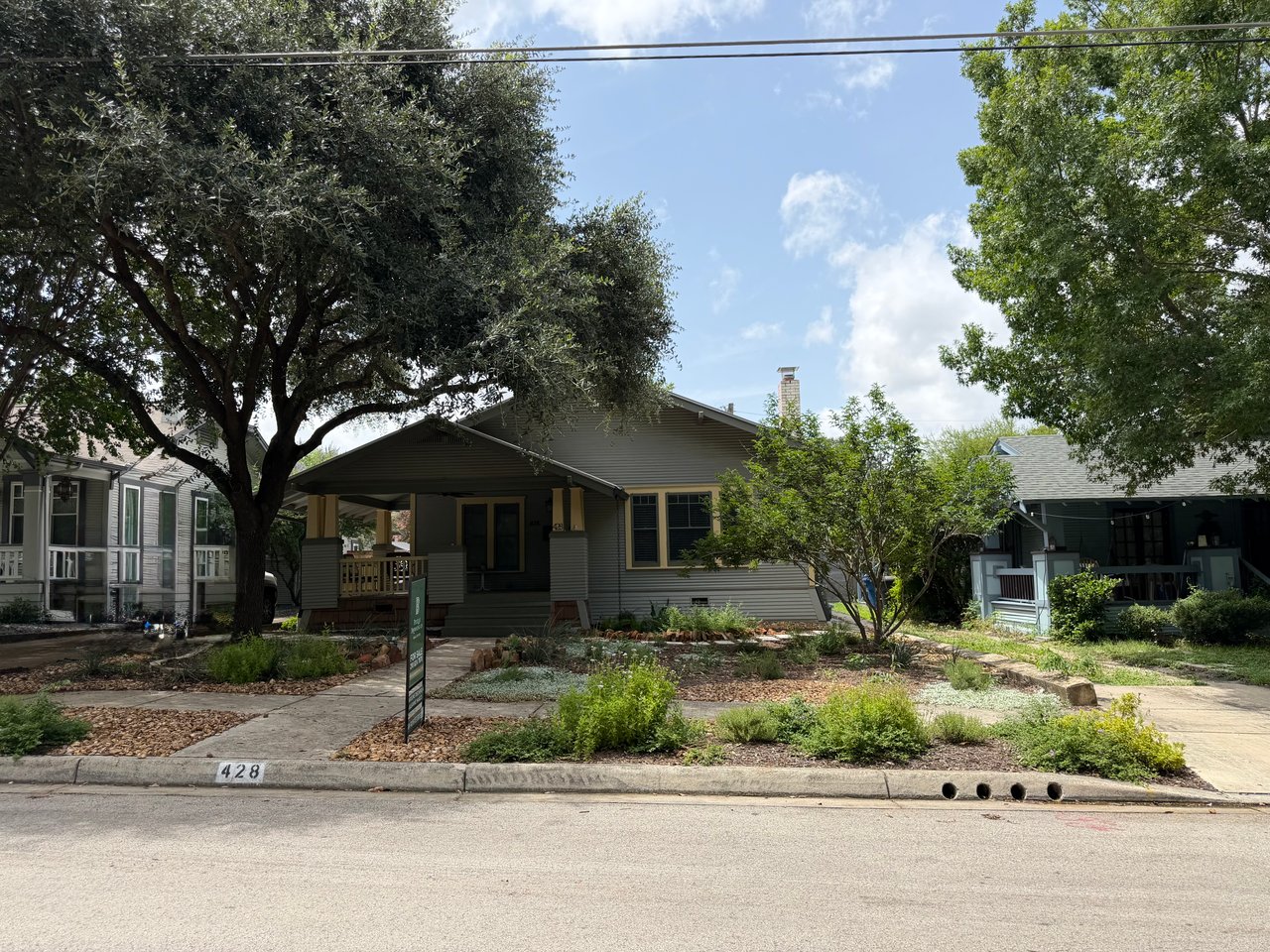
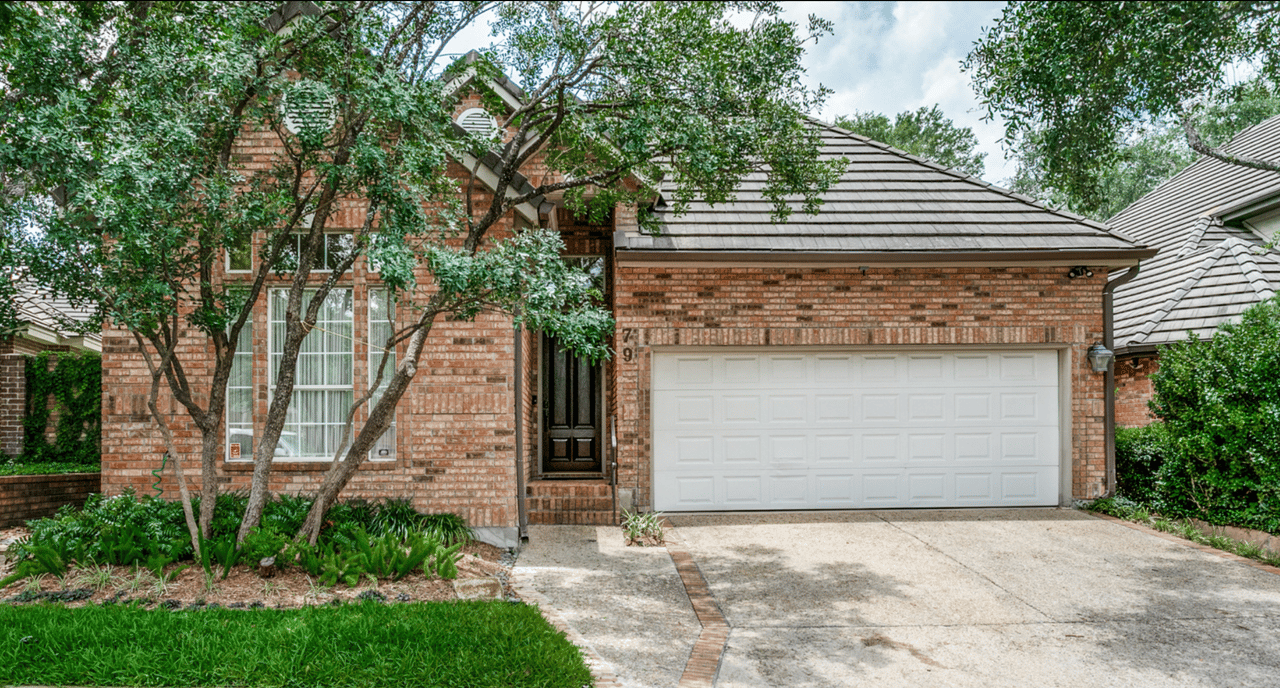
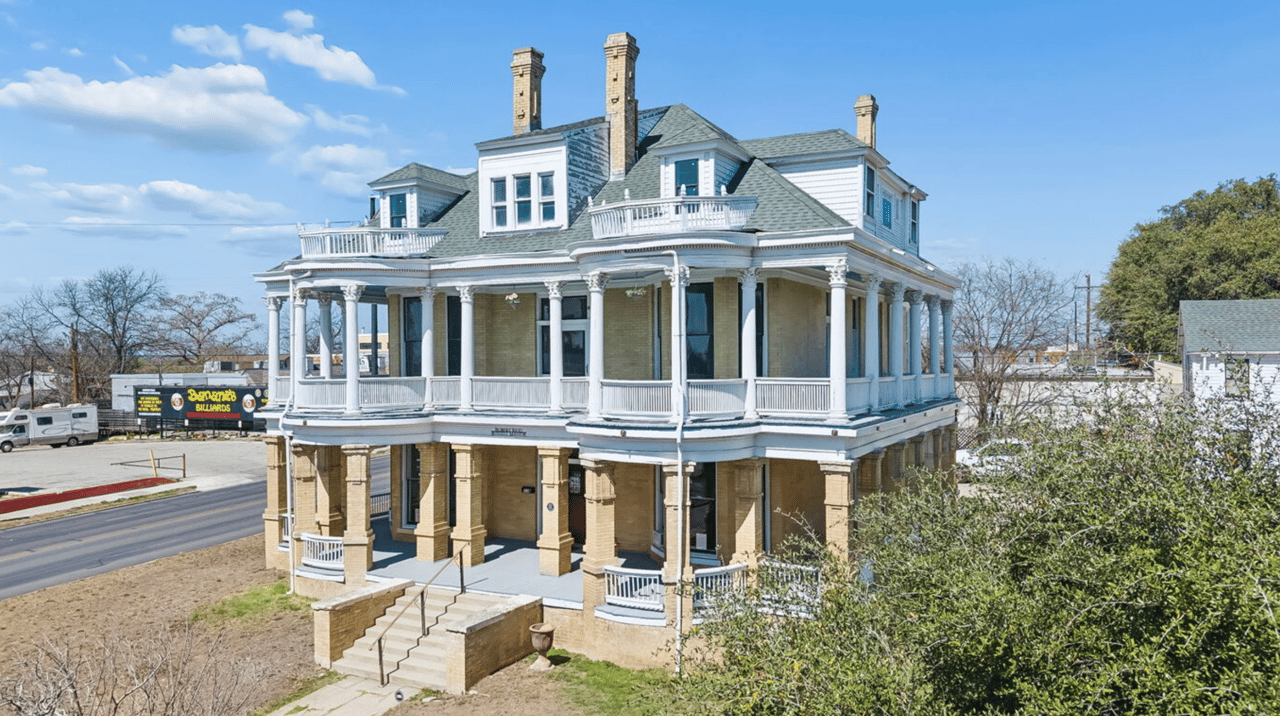
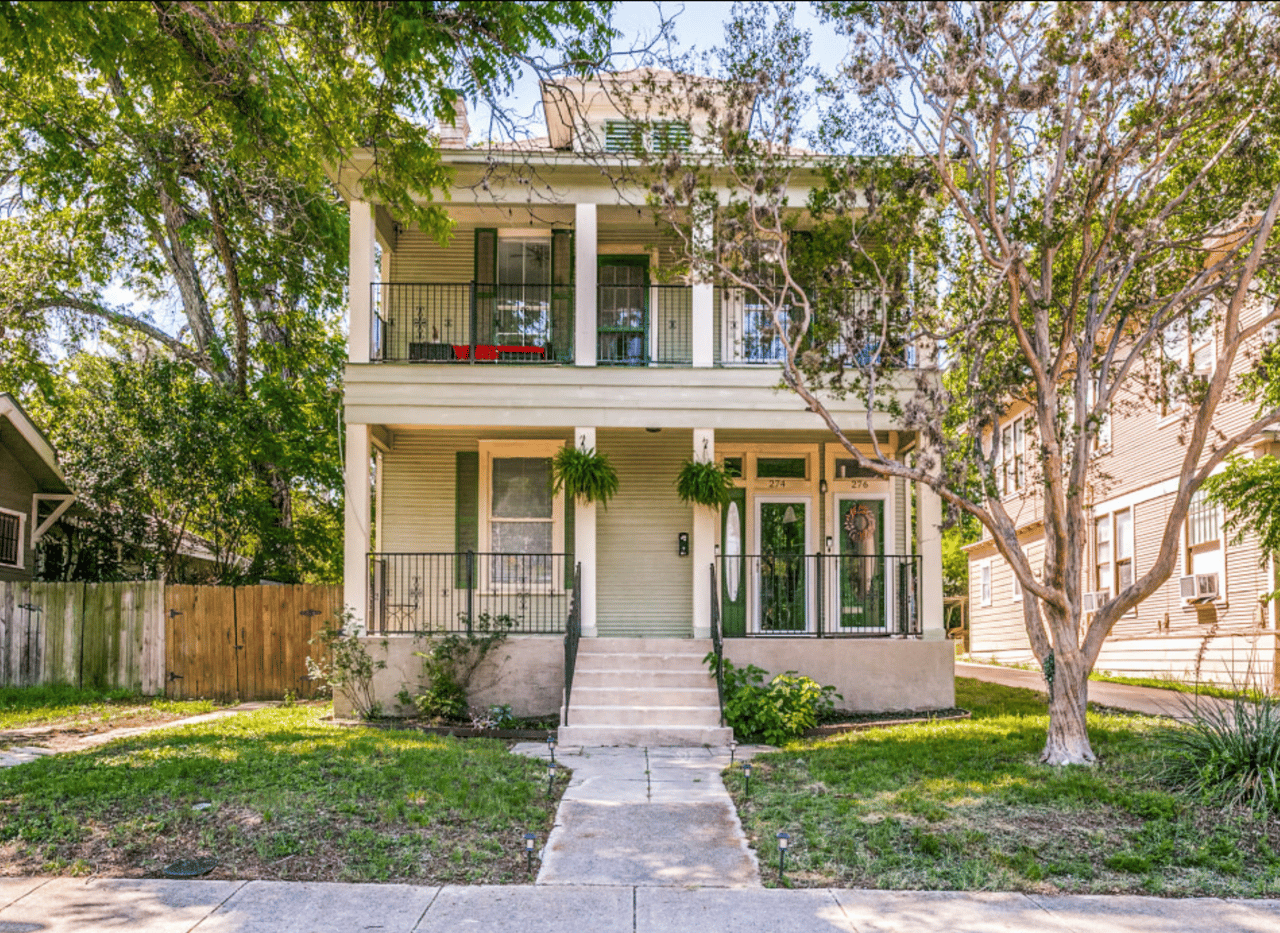
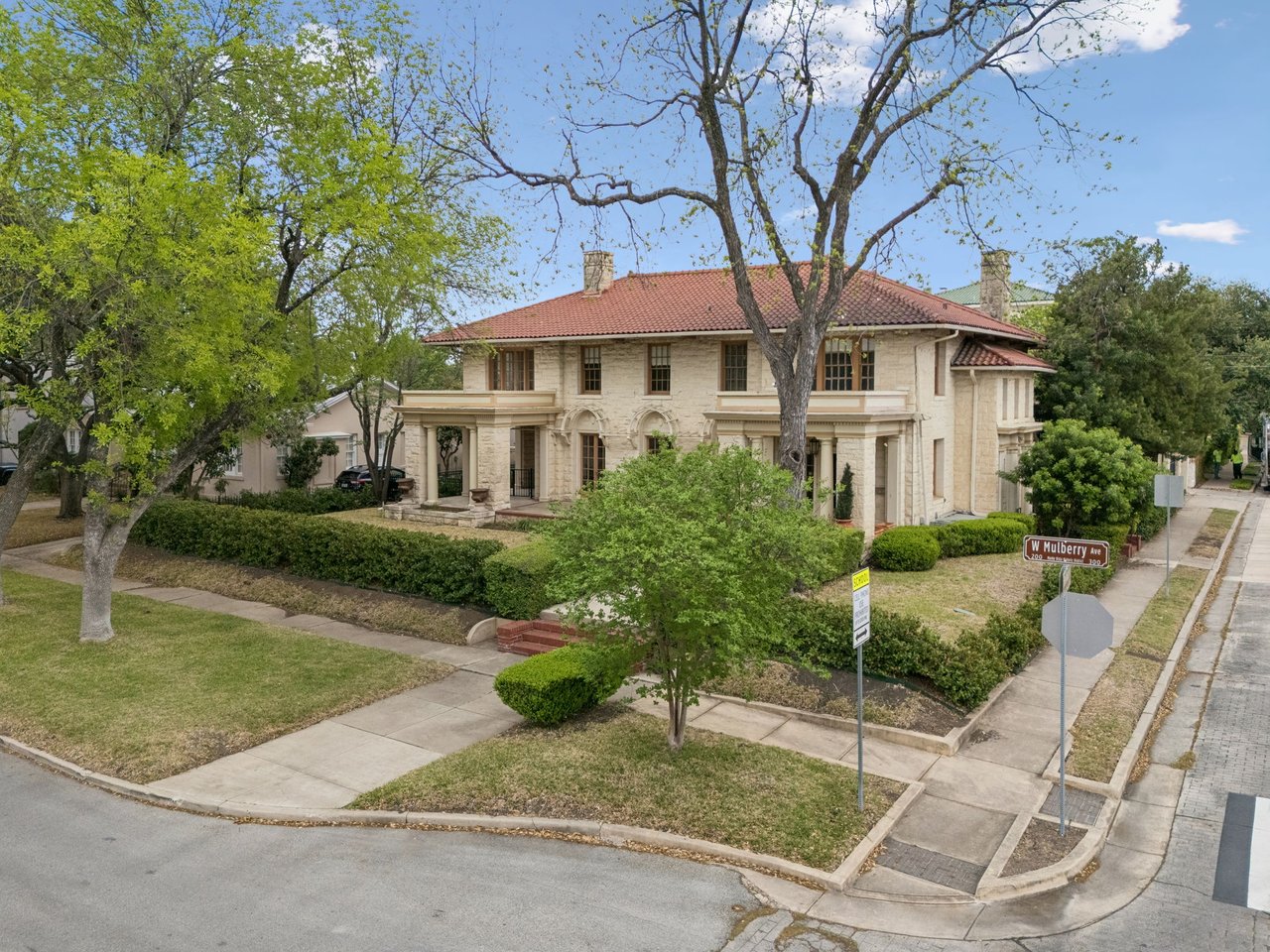
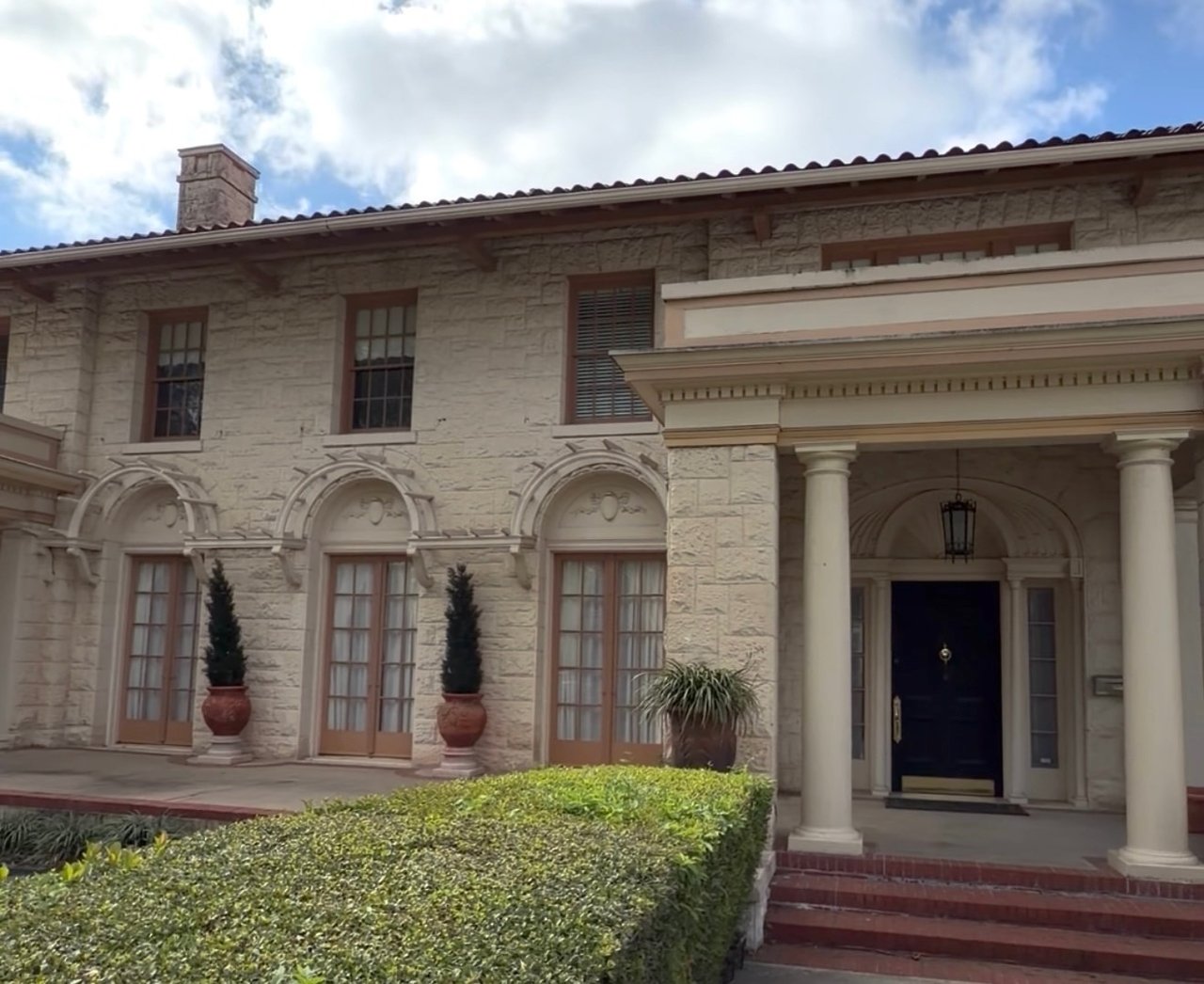
Selling a historic home in Monte Vista is different from selling a newer construction property.
The architecture is different. The layouts are different. And most importantly — buyer expectations are different.
One of the biggest mistakes we see sellers make is assuming that because a home already has character, it automatically presents well online and in person. But in reality, even beautiful historic homes can create hesitation if buyers don’t immediately understand the space.
And in today’s market, hesitation costs sellers time, leverage, and sometimes stronger offers.
Why Staging Matters More in Historic Homes
Staging is not about making your home look “fancy.”
It’s about helping buyers emotionally connect to the home quickly.
Historic homes often have:
- More defined rooms
- Unique layouts
- Architectural details buyers may not be familiar with
- Spaces that function differently from modern homes
Without intentional presentation, buyers start asking questions instead of imagining themselves living there.
The goal of staging is clarity.
When buyers clearly understand:
- how a room functions,
- where furniture fits,
- how the home flows,
they feel more confident moving forward.
And confidence is what drives offers.
Vacant vs Occupied: Does Every Home Need Staging?
Usually, yes — but the strategy changes depending on the situation.
Vacant Historic Homes
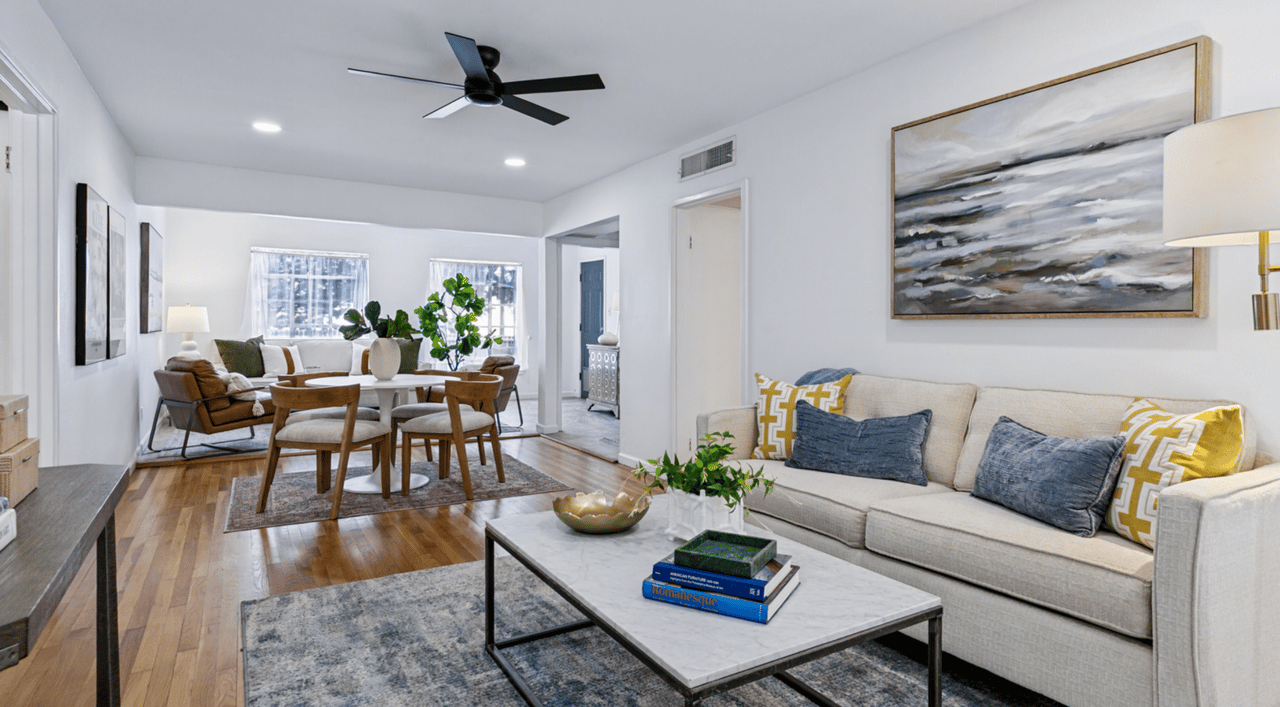
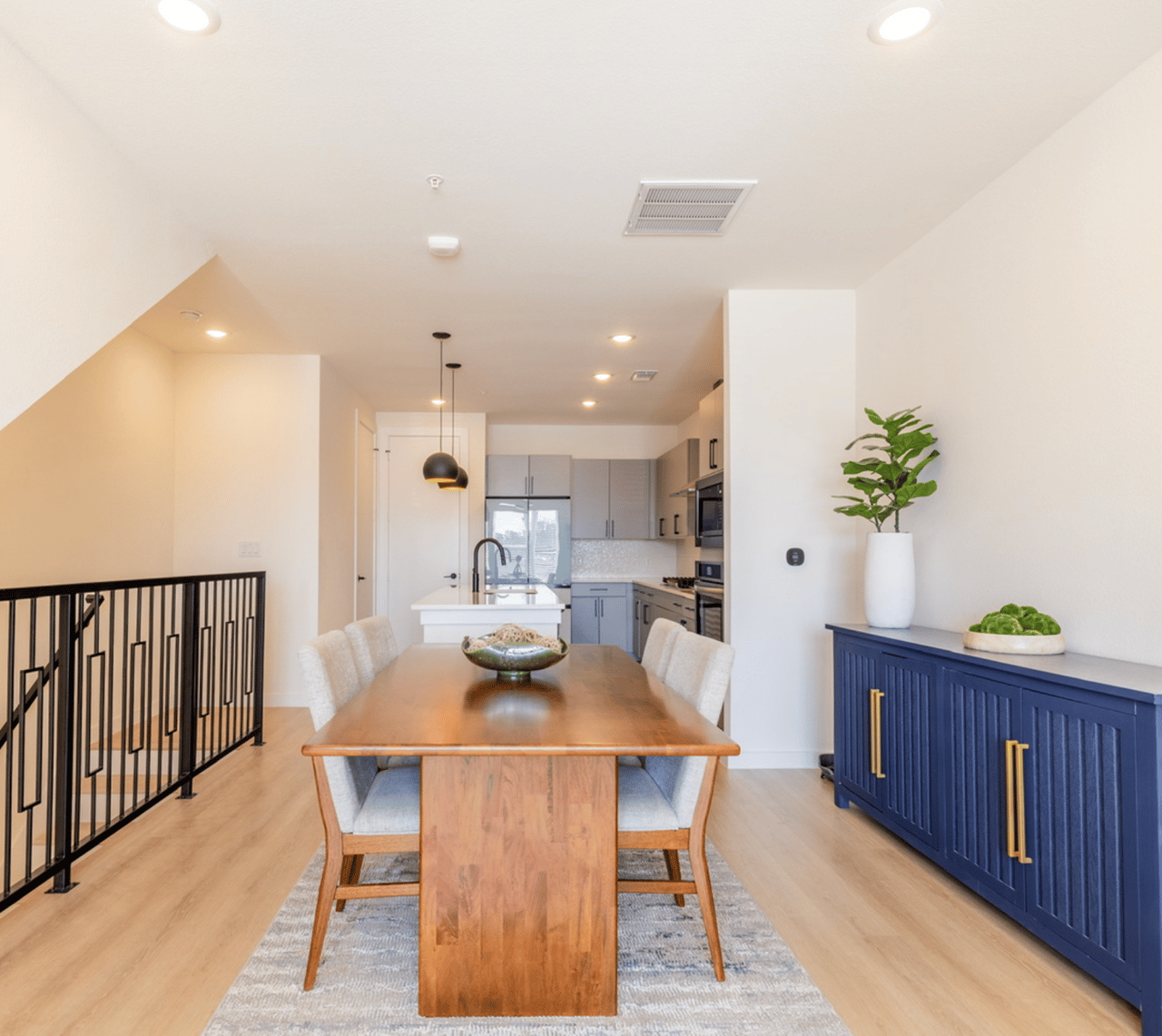
Vacant homes almost always benefit from staging because empty rooms:
- feel smaller,
- photograph poorly,
- and make it harder for buyers to understand scale.
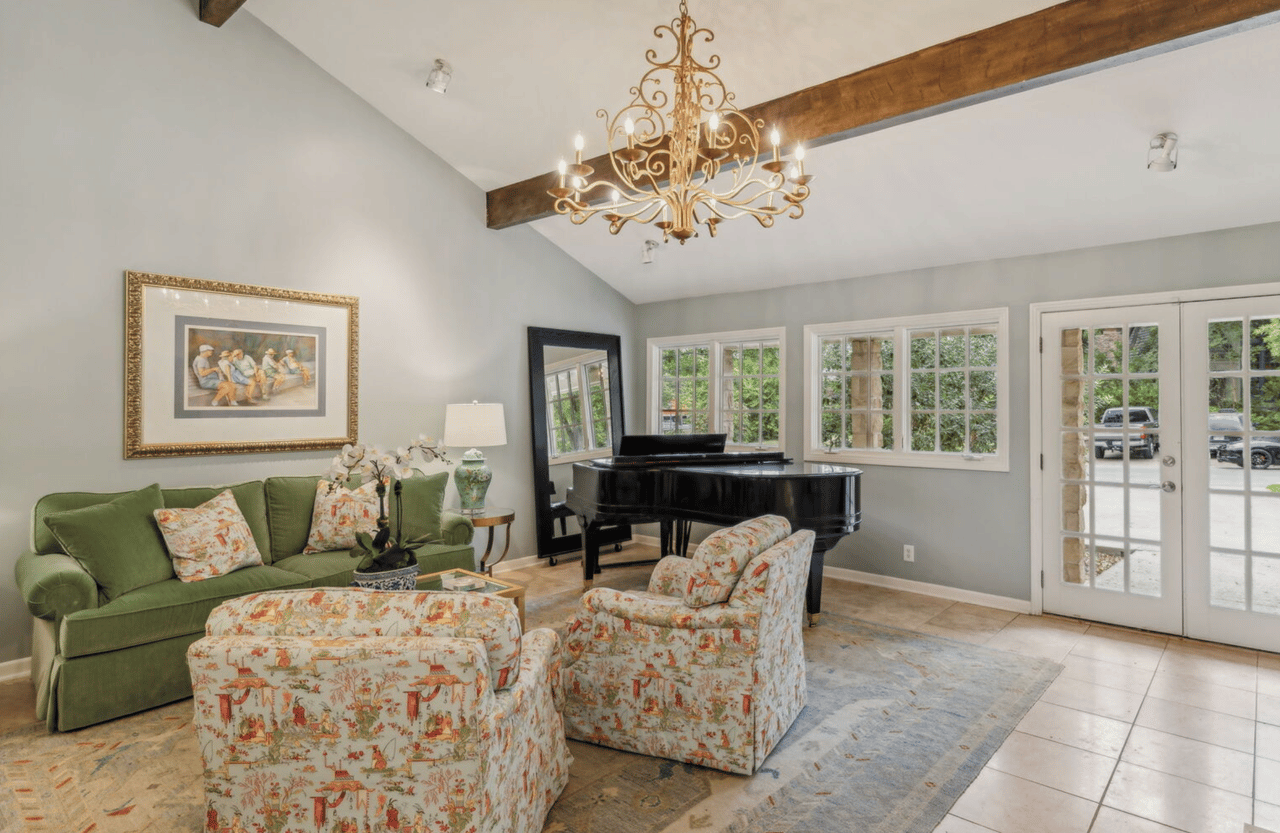
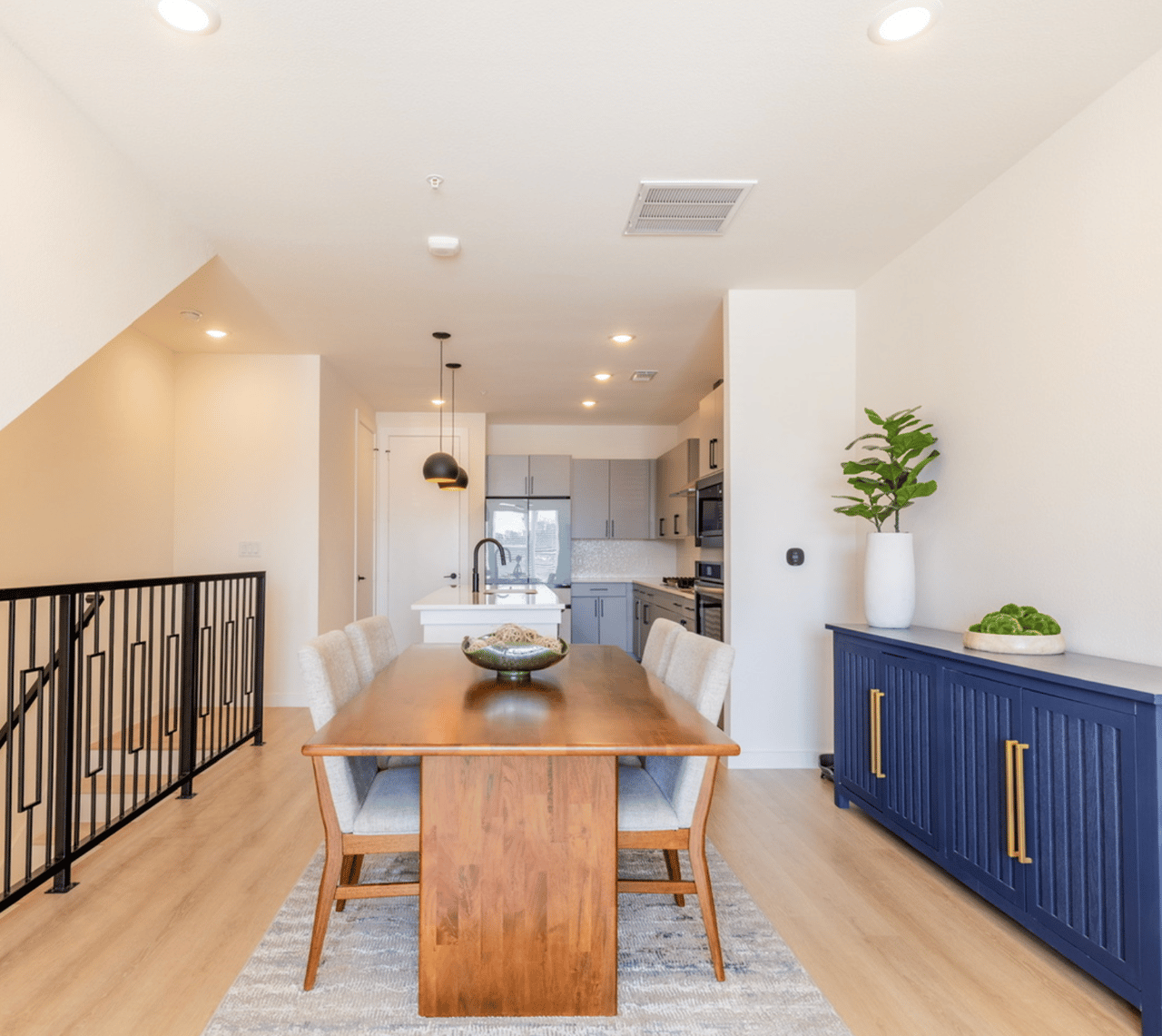
Historic homes especially can feel cold or disconnected without furniture grounding the architecture.
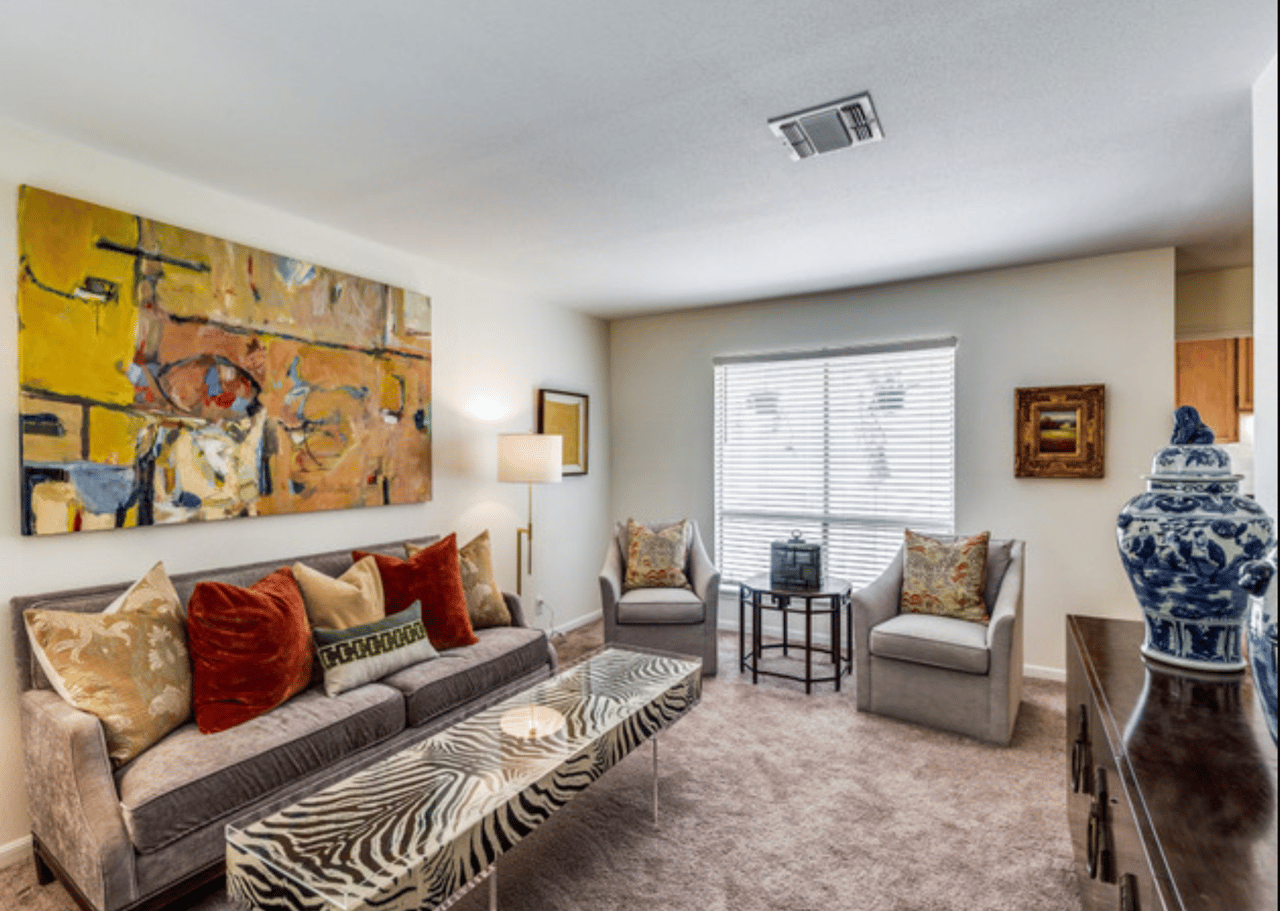
Strategic staging helps buyers emotionally connect to the space instead of simply walking through it.
Occupied Historic Homes
Occupied homes typically need:
- editing,
- decluttering,
- furniture adjustments,
- and depersonalizing.
Living in a home and marketing a home are two completely different things.
Sometimes the home only needs simplification. Other times it needs partial staging to elevate presentation and improve photography.
The Most Important Rooms to Stage
You do not always need to stage every room.
The spaces that usually matter most are:
- Living room
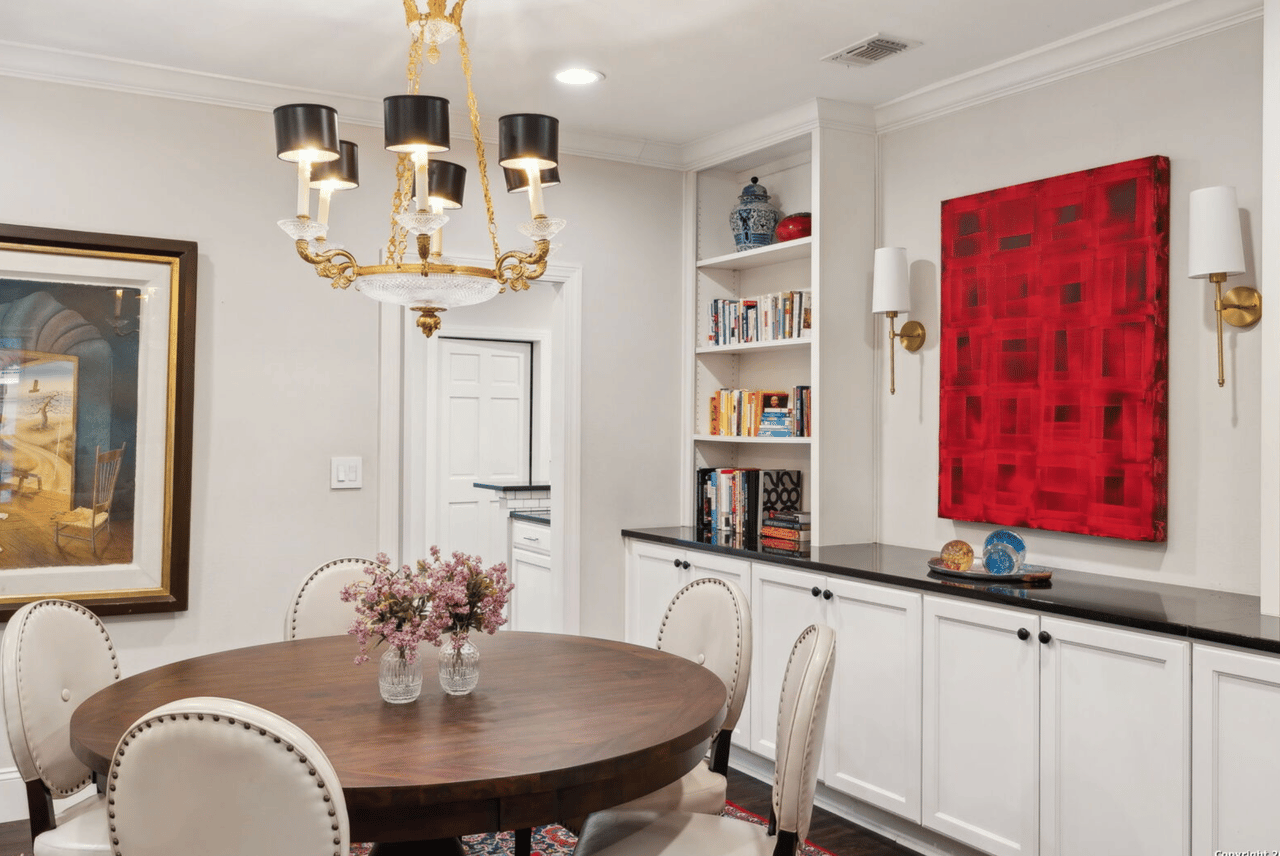
- Dining room
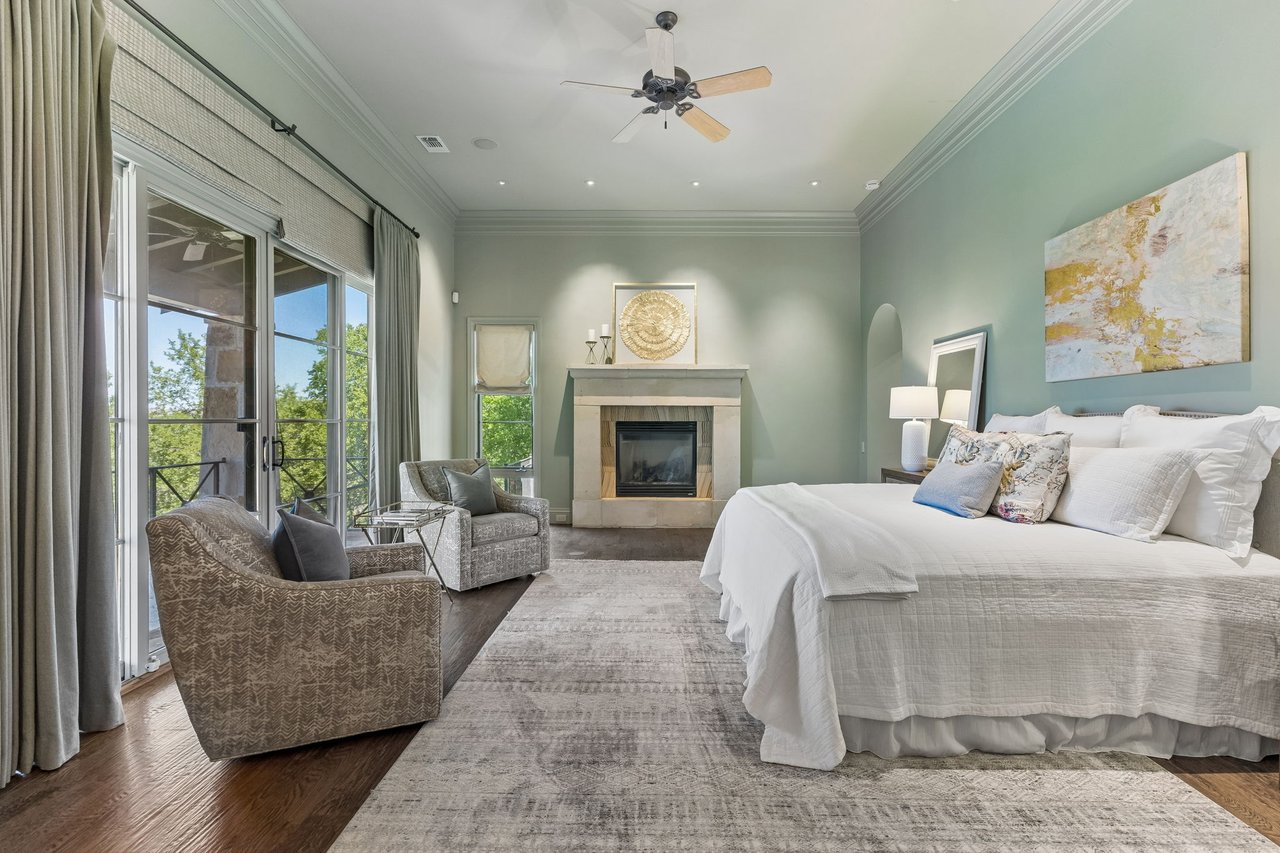
- Primary bedroom
These are the emotional anchor points of the home.
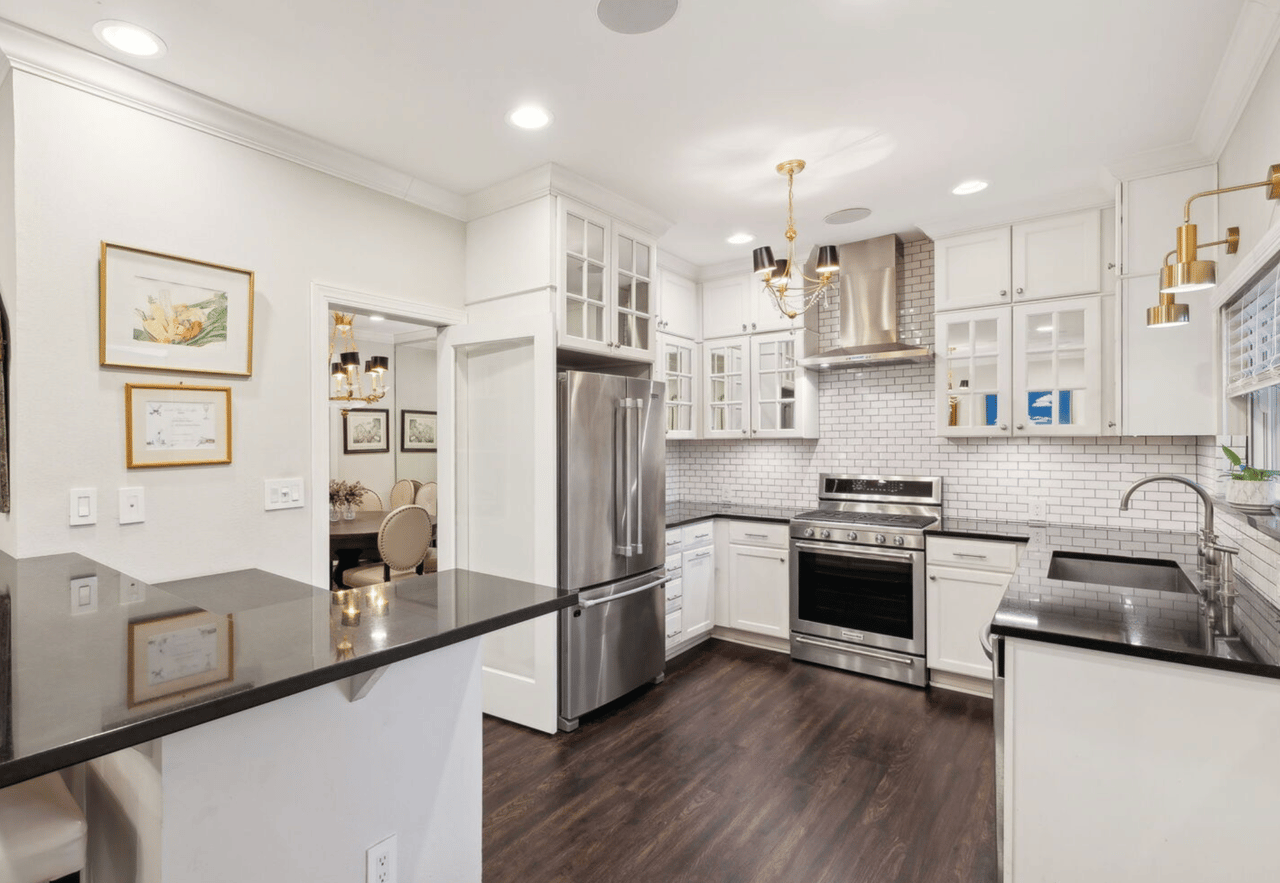
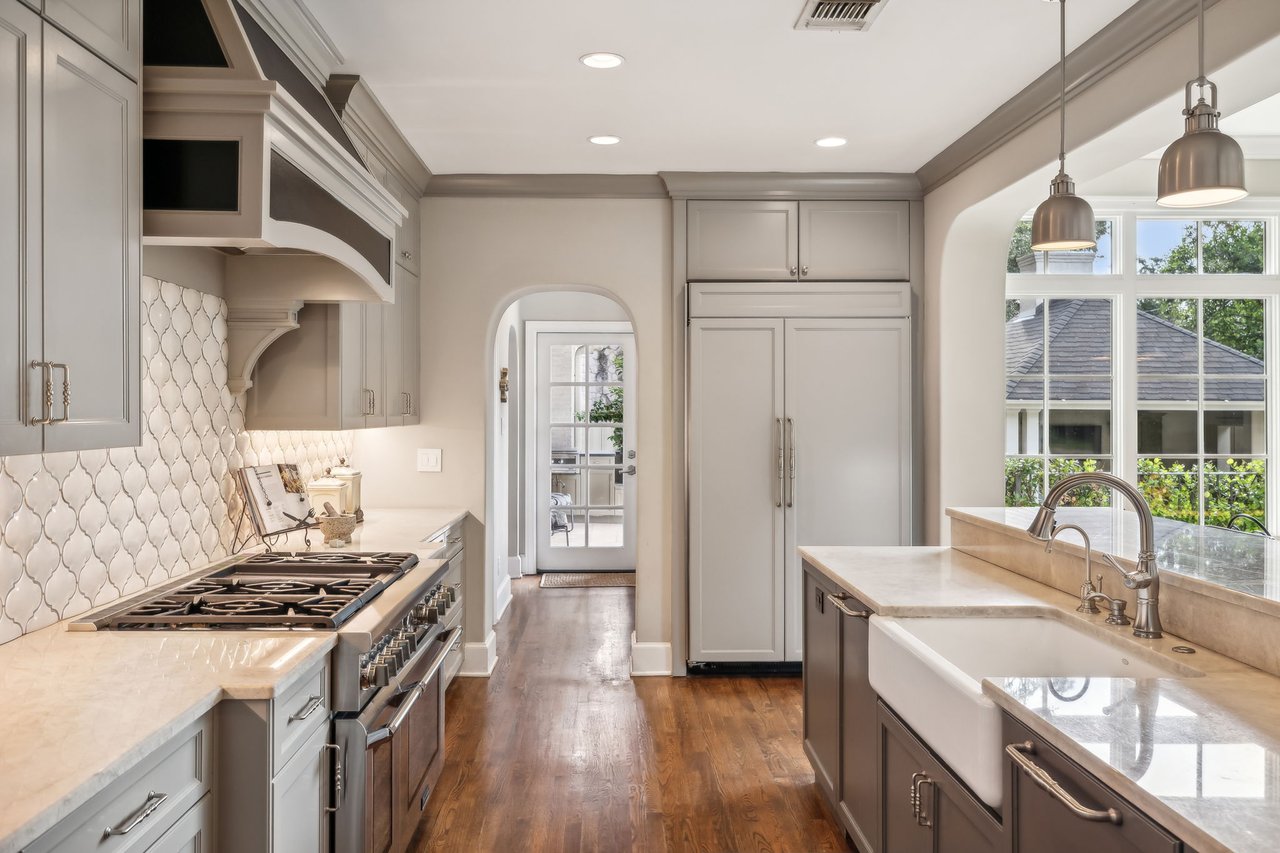
Kitchens and bathrooms are usually styled rather than fully staged, while secondary bedrooms may remain more minimal depending on the listing strategy.
Decluttering vs Staging: What’s the Difference?
This is where many sellers get confused.
Decluttering removes distractions.
Staging creates direction.
A clean room does not automatically feel intentional.
Staging helps buyers understand:
- how the room functions,
- how furniture fits,
- and how daily life feels inside the home.
Especially in Monte Vista homes with unique layouts, that guidance matters more than many sellers realize.
How Much Does Historic Home Staging Cost?
Costs vary depending on:
- home size,
- number of rooms,
- whether the home is vacant or occupied,
- and how long staging remains in place.
Typical ranges:
- Vacant staging: approximately $2,000–$6,000+
- Occupied staging: several hundred to a few thousand dollars
But staging should not be viewed as a standalone expense.
It’s part of your overall launch strategy.
Because how your home presents online directly impacts:
- buyer traffic,
- showing activity,
- emotional response,
- and negotiating leverage.
Why Your First Week on Market Matters So Much
Your first week on market is your strongest opportunity.
That’s when:
- your listing is new,
- buyer attention is highest,
- and momentum is easiest to create.
If your home launches underprepared, you do not fully get that first impression back.
That’s why staging should happen before the listing goes live — not after feedback starts coming in.
What Buyers Actually Remember After a Showing
Buyers rarely remember every square foot number or feature list.
They remember how the home felt.
After showings, buyers compare:
- photos,
- emotional connection,
- layout clarity,
- and overall presentation.
Homes that feel cohesive and intentional stay top of mind.
Homes that feel unfinished create uncertainty.
And uncertainty almost always slows decision-making.
The Biggest Mistakes Monte Vista Sellers Make
Some of the most common mistakes include:
Waiting Too Long
Trying to improve presentation after the home has already been sitting on the market.
Under-Preparing
Assuming a quick clean is enough when the home actually needs structure and direction.
Over-Personalizing
Leaving too many personal items or design choices that distract buyers from envisioning themselves there.
The Goal Isn’t Just to List Your Home — It’s to Position It
Historic homes sell differently.
The goal is not simply to put the property online.
The goal is to:
- create momentum early,
- reduce hesitation,
- attract serious buyers,
- and position the home competitively from day one.
And staging is one of the most effective ways to do that.
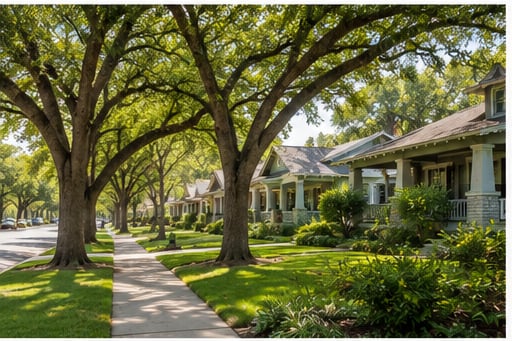
If you’re considering selling a historic home in Monte Vista, Alamo Heights, or another character-filled San Antonio neighborhood, thoughtful preparation before listing can make a significant difference in how your home performs once it hits the market.
Thinking About Selling in Monte Vista?
Park Properties Group specializes in marketing historic and luxury homes throughout Monte Vista, Alamo Heights, Olmos Park, and central San Antonio.
Whether your home needs:
- full staging,
- partial staging,
- decluttering,
- or simply a strategic launch plan,
the right preparation can dramatically influence buyer response from the very beginning.