What Do San Antonio Sellers Have to Disclose About Foundation Issues?
Texas law (Property Code §5.008) requires sellers to disclose known foundation defects on the TREC Seller's Disclosure Notice. In San Antonio, this matters more than almost anywhere else in Texas — roughly 20% of local homes are affected by the city's expansive clay soil. If you know about a problem and don't disclose it, you're not just bending the rules. You're opening yourself up to Texas DTPA treble damages, meaning the buyer could sue for up to three times their actual losses. The good news: you have real options. Repair before listing, disclose as-is with adjusted pricing, or offer a seller credit. Each has a cost. Here's how to think through them.
By Caroline Decherd & Susanne Park | July 31, 2026
San Antonio sits at one of the most geologically challenging spots in Texas for home foundations.
The west side of the city is mostly limestone — stable, predictable, and good for slabs. The east and south sides are where the Taylor and Del Rio clay formations take over. This expansive clay swells when it gets wet and shrinks when it dries. It doesn't matter how well your foundation was poured — after enough wet springs and dry San Antonio summers, that movement adds up.
That's why roughly 20% of San Antonio homes have some degree of foundation movement. Not all of it is serious. A lot of it is manageable. But all of it needs to be handled correctly before you list.
Why San Antonio's Clay Soil Sets the Stage
Most buyers understand that foundation issues exist. What they may not appreciate — especially those relocating from out of state — is how much local geology matters here.
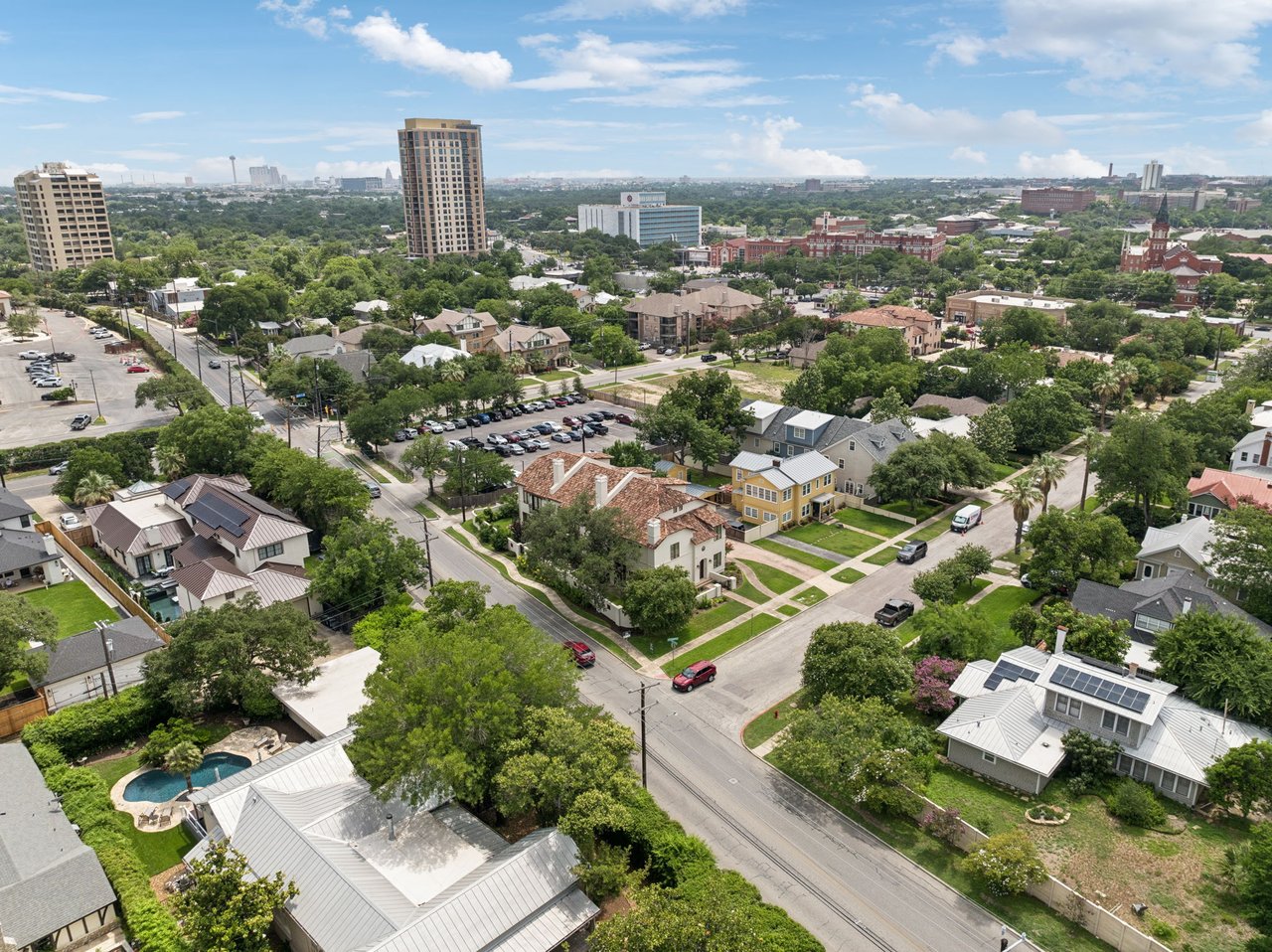
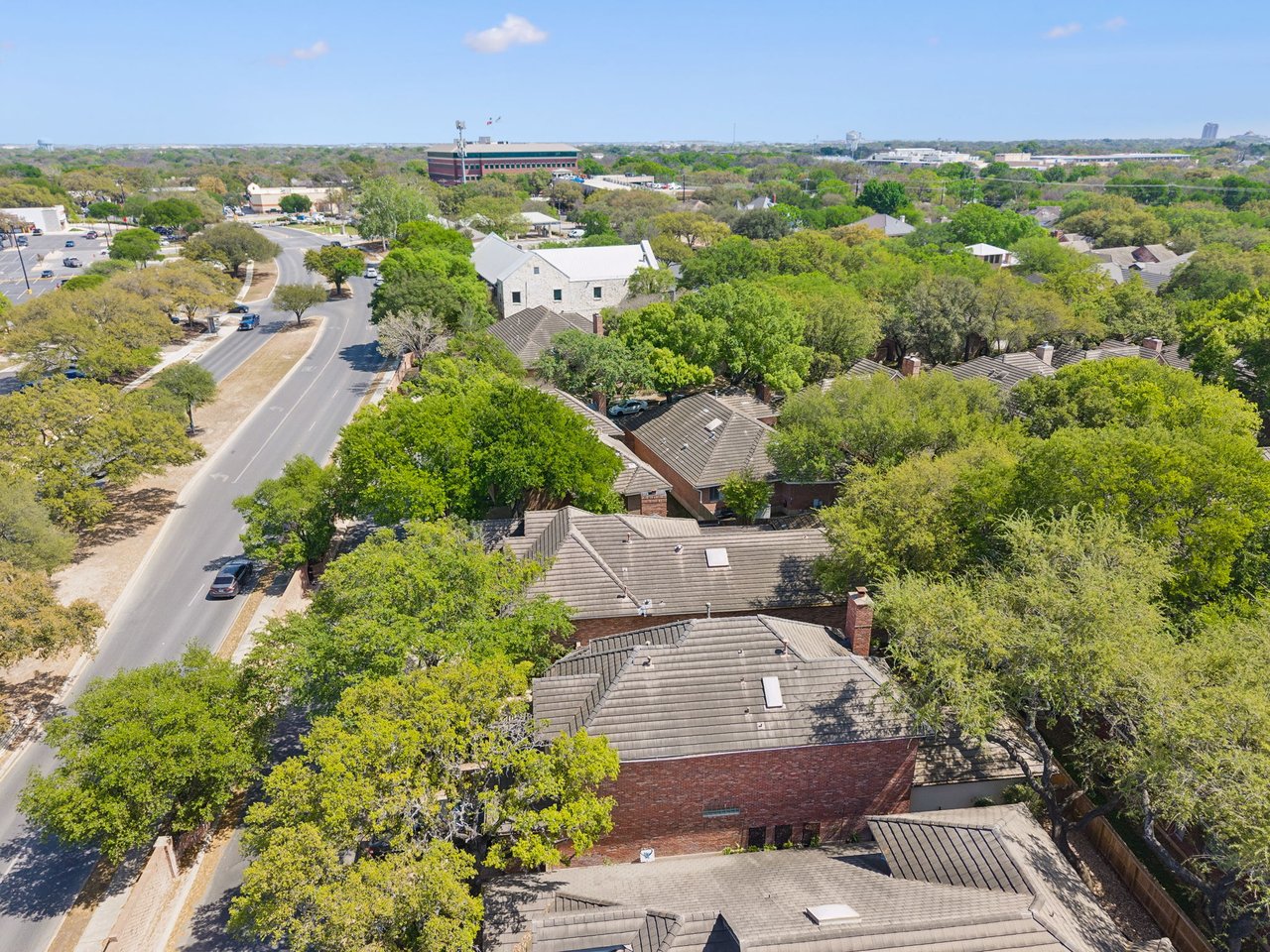
On the Hill Country side of the city, including most of 78209, 78212, and the central neighborhoods, you're more likely to have limestone bedrock close to the surface. Homes in Alamo Heights, Terrell Hills, and Olmos Park tend to fare better than homes built on the flatlands to the south and east. But no neighborhood is immune. Even in the Tri-Cities, homes on larger lots with clay pockets or built before modern drainage standards can show signs of differential settlement.
The telltale signs: diagonal cracks running from window corners, doors and windows that stick in summer but swing freely in winter, uneven floors, and gaps where walls meet ceilings. These aren't cosmetic problems. They're evidence of movement — and when a buyer's inspector walks into your home, this is exactly what they're looking for.
A home inspector who knows San Antonio can identify differential settlement in about five minutes. Assuming the issue will go undetected is one of the costliest assumptions a seller can make.
What Texas Law Actually Requires You to Disclose
The TREC Seller's Disclosure Notice is a detailed form every residential seller in Texas must complete. Under Property Code §5.008, you answer questions about your home's condition based on your actual knowledge — including a specific question about the foundation.
If you know about a problem and mark "no" or leave it blank, you've created serious legal exposure. The Texas Deceptive Trade Practices Act (DTPA) allows buyers to sue for treble damages — up to three times their actual losses, plus attorney's fees — if they can show you knowingly concealed a material defect. Foundation issues routinely get discovered by inspectors during or after a transaction. Concealment almost never holds.
You can read more about the full scope of required disclosures in our post on what San Antonio sellers must disclose in 2026.
One thing worth knowing: disclosing a past repair is not a liability — it's often a selling point. A documented foundation repair with a transferable warranty signals that the issue was professionally addressed. Buyers understand that clay-soil movement is part of the San Antonio landscape. They're not surprised by it. What they don't forgive is finding out about it after closing.
Disclose it accurately, document the work, and let your agent help you position it.
Repair, Seller Credit, or Sell As-Is — What Each Option Really Costs
This is where most sellers have to make a real decision. Here's an honest breakdown.
Repair before listing
Average foundation repair in San Antonio runs about $4,700, though the range is wide. Minor settling treated with foam injection or mudjacking can run $1,500 to $5,000. Pier-and-beam systems average closer to $9,000 to $10,000. Severe structural damage can reach $20,000 to $40,000 or more. Get two or three bids before committing — prices vary meaningfully by contractor and scope.
The case for repairing first: you open your buyer pool completely. FHA, VA, and jumbo lenders will often decline to finance a home with visible foundation problems — which means an unrepaired home attracts cash buyers and investors at a discount, not the full market. In San Antonio's 2026 environment, where luxury inventory above $500K is sitting longer and buyers have more negotiating leverage than they did during the peak years, losing access to financed buyers is a real drag on your outcome.
If you have a repair done, get a transferable warranty. That document travels with the home and gives buyers' lenders something to work with.
Offer a seller credit instead
If repair costs or timelines don't work for you, a seller credit at closing is a legitimate alternative. You agree to reduce the buyer's out-of-pocket costs so they can handle the repair after closing.
The catch: a buyer's lender may not permit a credit on a home where the foundation condition affects the collateral's value. The appraiser or lender may require repair before funding regardless of what you've negotiated. This makes the seller credit path less reliable than it sounds in theory — understanding how buyers are using seller concessions in 2026 is worth reading before you commit to this route.
Talk to your agent before agreeing to a credit. The right structure depends on whether the buyer's financing can accommodate it.
Sell as-is
You can absolutely sell a San Antonio home with foundation issues without repairing it. But go in with clear eyes: your buyer pool shrinks to cash buyers and investors, you'll realistically discount 10% to 15% off market value, and the process often takes longer.
For sellers in specific situations — estates, relocation pressure, distressed timelines — the as-is path can still make sense. The key is modeling both scenarios before you list. The repair cost may pay for itself many times over in net proceeds, even after you write the check.
Frequently Asked Questions
Can I sell a San Antonio home that has foundation issues?
Yes. Texas sellers are not legally required to repair foundation problems before selling. You must disclose known defects on the TREC Seller's Disclosure Notice, but you can list the home as-is, offer a seller credit, or repair before listing. The choice affects your buyer pool, your net proceeds, and your timeline — each option has genuine trade-offs.
Do I have to disclose past foundation repairs?
Yes. Under Texas Property Code §5.008, you must disclose repairs you know about, not just current visible defects. A documented prior repair with a transferable warranty is often a positive signal to buyers — it shows the issue was addressed professionally. Disclose the repair, provide the warranty documentation, and let your agent help you frame it accurately.
How much does foundation repair cost in San Antonio?
Average repair costs in San Antonio run about $4,700, but the range is $1,500 for minor foam injection work to $40,000 or more for severe structural repairs. Pier-and-beam systems typically fall in the $9,000–$10,000 range. Get multiple bids from licensed foundation contractors before deciding.
What happens if I don't disclose foundation issues in Texas?
Knowingly concealing a material defect — including a foundation problem — exposes you to claims under the Texas Deceptive Trade Practices Act. Buyers can sue for up to three times their actual damages plus attorney's fees. Home inspectors routinely find foundation issues, and buyers sometimes discover defects post-closing during repairs. Disclosure is the better legal and practical choice in almost every case.
Will buyers walk away if my home has foundation problems?
Some will, particularly buyers using conventional or government-backed financing who can't get lender approval on an unrepaired home. Others will negotiate on price or request a seller credit. In 2026's San Antonio market, buyers have more leverage to push back on condition issues than they did two years ago. How you handle the disclosure and positioning — before and during the option period — makes a significant difference in whether the deal holds.
The Call to Make Before You List
If your home has a known or suspected foundation issue, the time to think it through is before you list — not during the option period when a buyer's inspector has already shaped expectations.
That might mean getting a structural engineer's assessment, collecting repair bids, or simply having a straight conversation with an agent who knows how San Antonio buyers and lenders are responding to foundation issues right now.
Schedule a call with Caroline or Susanne to walk through your specific situation. No pressure — just a direct conversation about your options and what the numbers actually look like for your home.
About Caroline Decherd & Susanne Marco
Caroline Decherd and Susanne Marco are luxury real estate specialists serving Alamo Heights, Terrell Hills, Olmos Park, and San Antonio's historic central neighborhoods. With deep roots in the community and decades of combined experience, they guide buyers and sellers through one of Texas's most distinctive luxury markets.