What Do Monte Vista and Olmos Park Sellers Need to Know About the Historic Overlay Before Listing?
In Monte Vista and designated Olmos Park areas, most visible exterior changes to a property require a Certificate of Appropriateness (COA) from the City of San Antonio's Office of Historic Preservation — before work begins, not after. This includes window replacements, roofing changes, masonry, fences, additions, and paint on historically unpainted surfaces. Sellers who made these changes without COA approval are required under Texas law to disclose it. Buyers and their inspectors check the City's OHP Public Portal, and unapproved work discovered during the option period creates a real risk of termination, lender issues, or forced credits at closing. The time to identify and address any gaps is before the listing goes live.
Most sellers in Monte Vista and Olmos Park don't think about the historic overlay until a buyer's inspector brings it up — usually on day four of the option period, in a report that includes a line about "exterior modifications with no evidence of COA approval."
By that point, you're already under contract, already mentally planning the move, and suddenly managing a disclosure conversation you weren't prepared for. It doesn't have to go that way. Understanding the Certificate of Appropriateness process before you list gives you time, options, and control.
Here's what sellers in Monte Vista, Olmos Park Terrace, and the surrounding historic neighborhoods need to know.
What the Historic Overlay Actually Means for Your Property
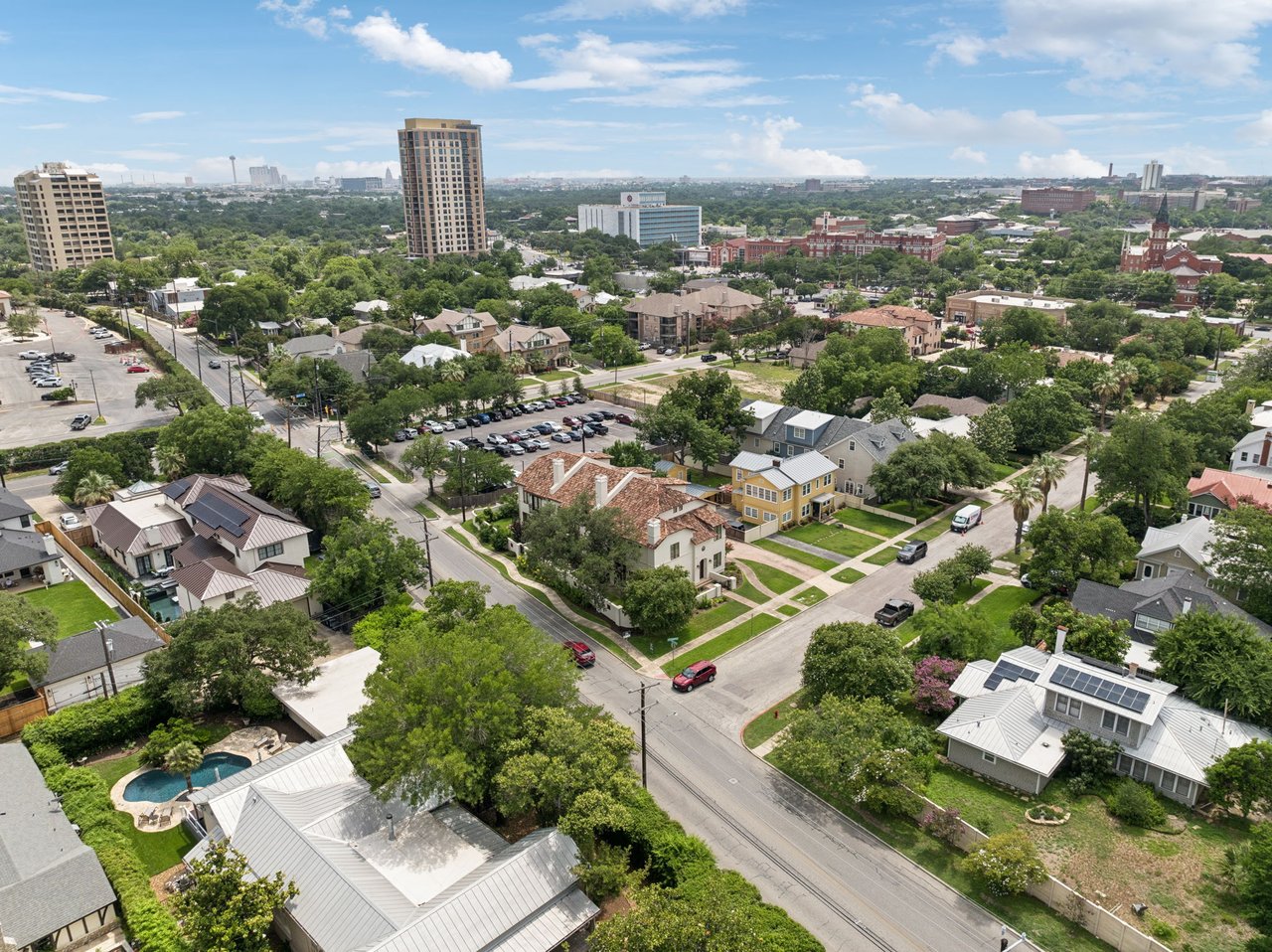
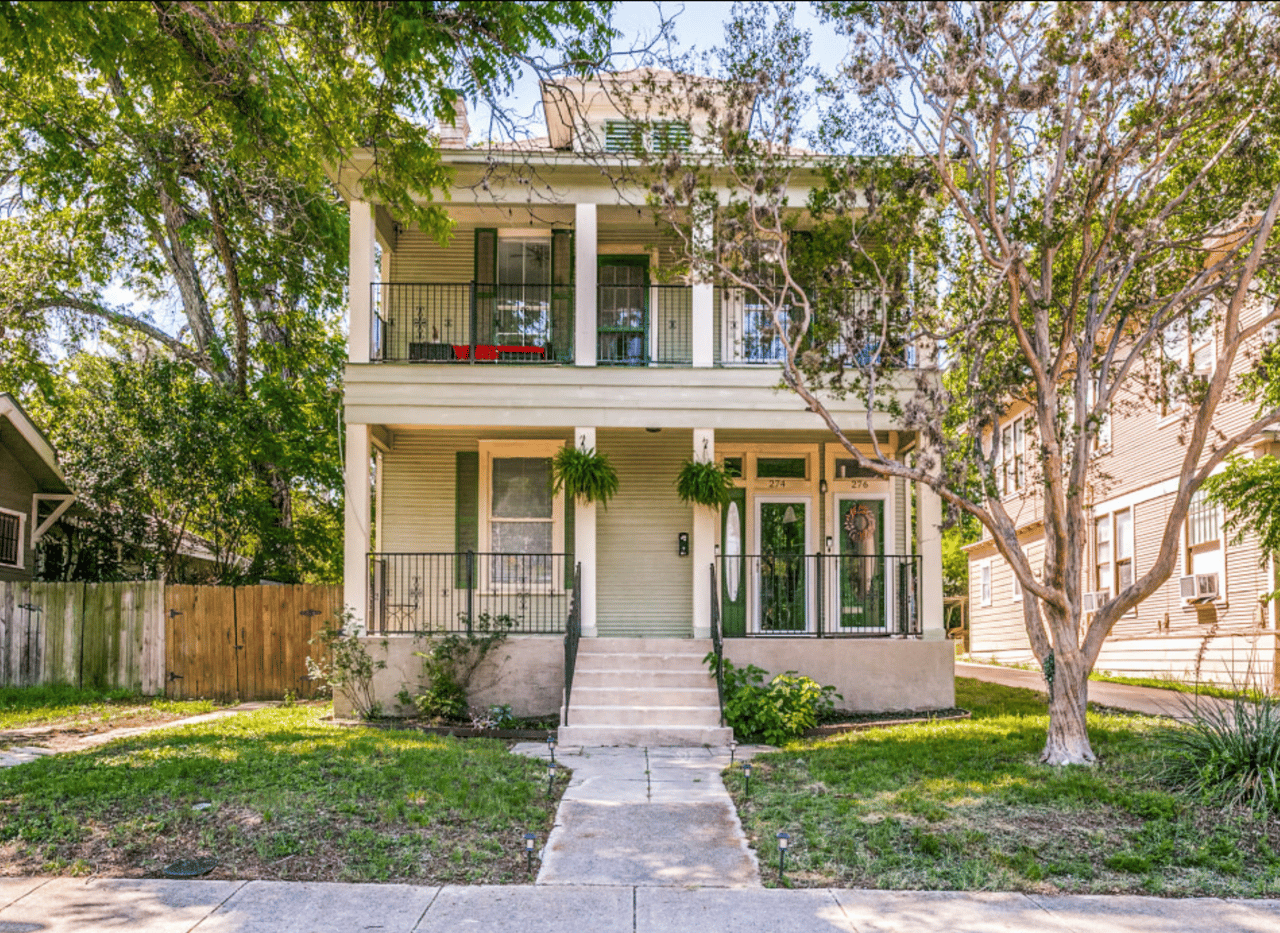
Monte Vista is a designated City of San Antonio Historic District. That status means the neighborhood falls under the oversight of the City's Office of Historic Preservation (OHP) and the Historic and Design Review Commission (HDRC). Any visible exterior change to a property in the district — a change that can be seen from a public right-of-way — requires a Certificate of Appropriateness (COA) before work can begin and before the City will issue a standard building permit for the project.
Olmos Park has a two-layer situation. The incorporated city of Olmos Park has its own architectural review process, separate from the City of San Antonio's system. Olmos Park Terrace, a neighborhood within the broader Olmos Park area, was also designated a City of San Antonio Historic District in 2007. Properties in that designated area fall under the OHP process as well. If you're not sure which layer applies to your specific address, the OHP Public Portal and your listing agent can help you sort it out.
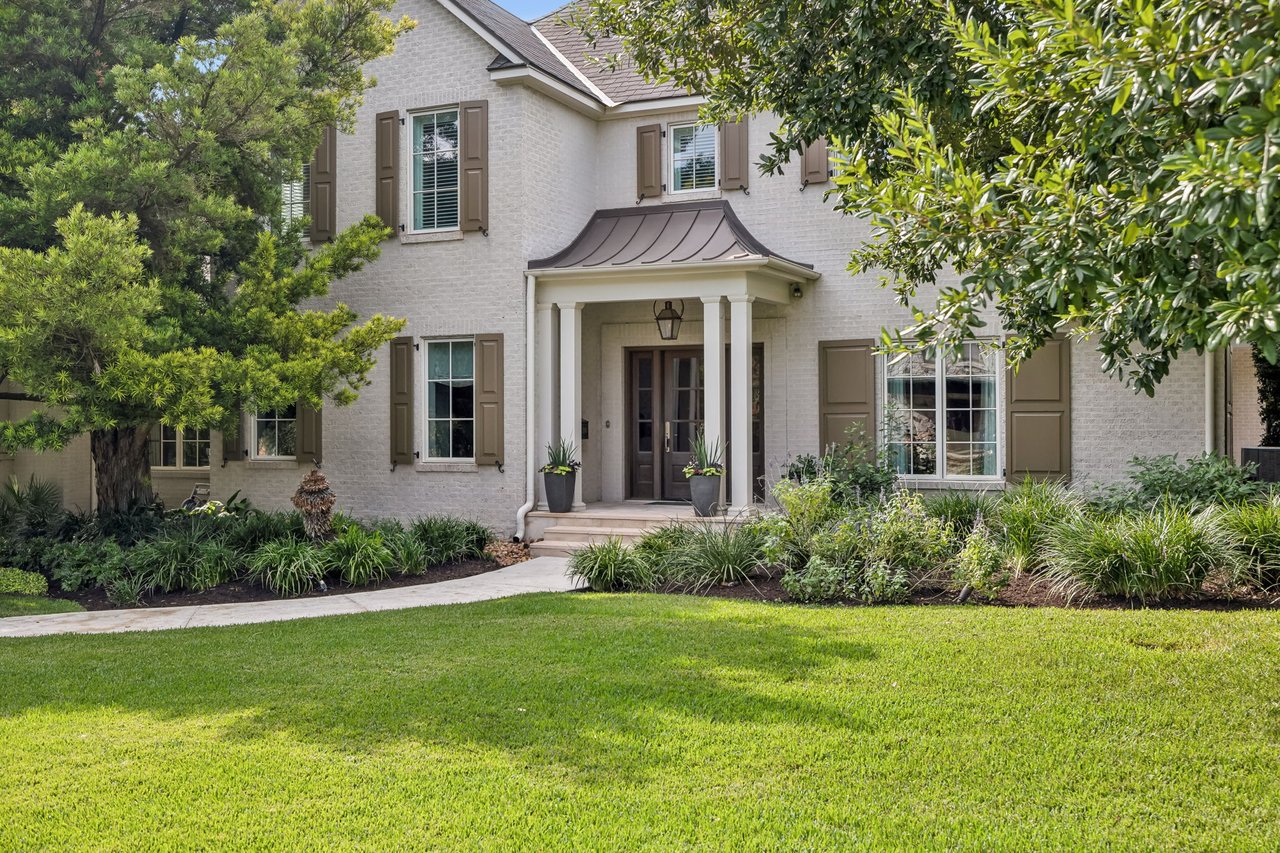
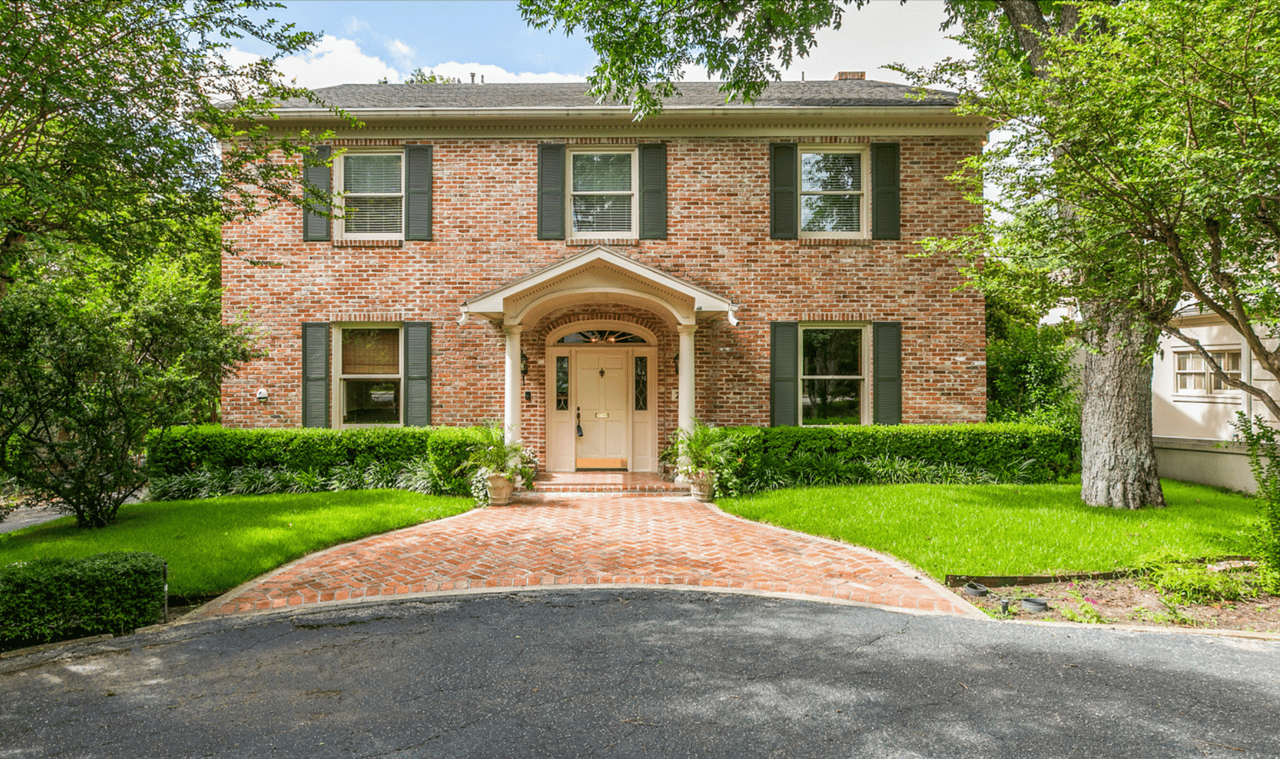
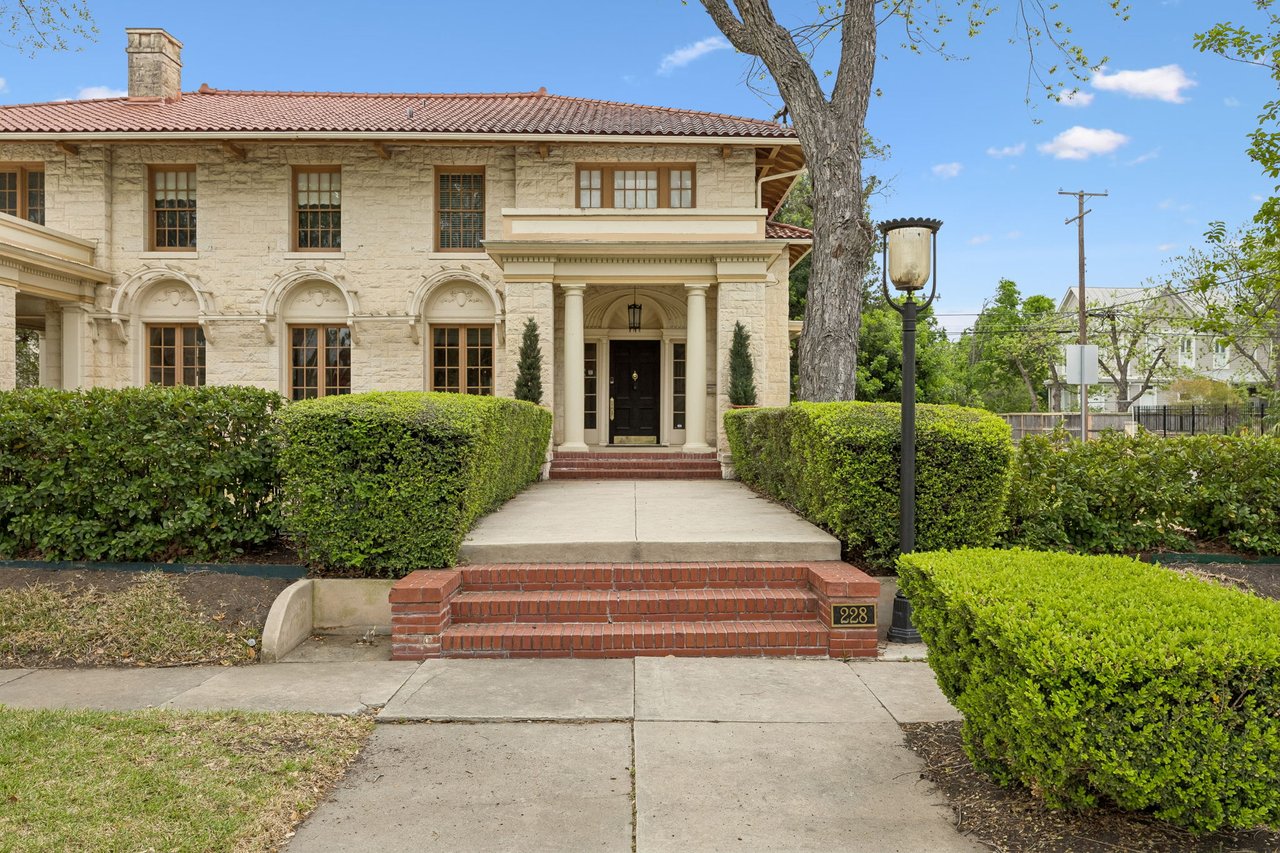
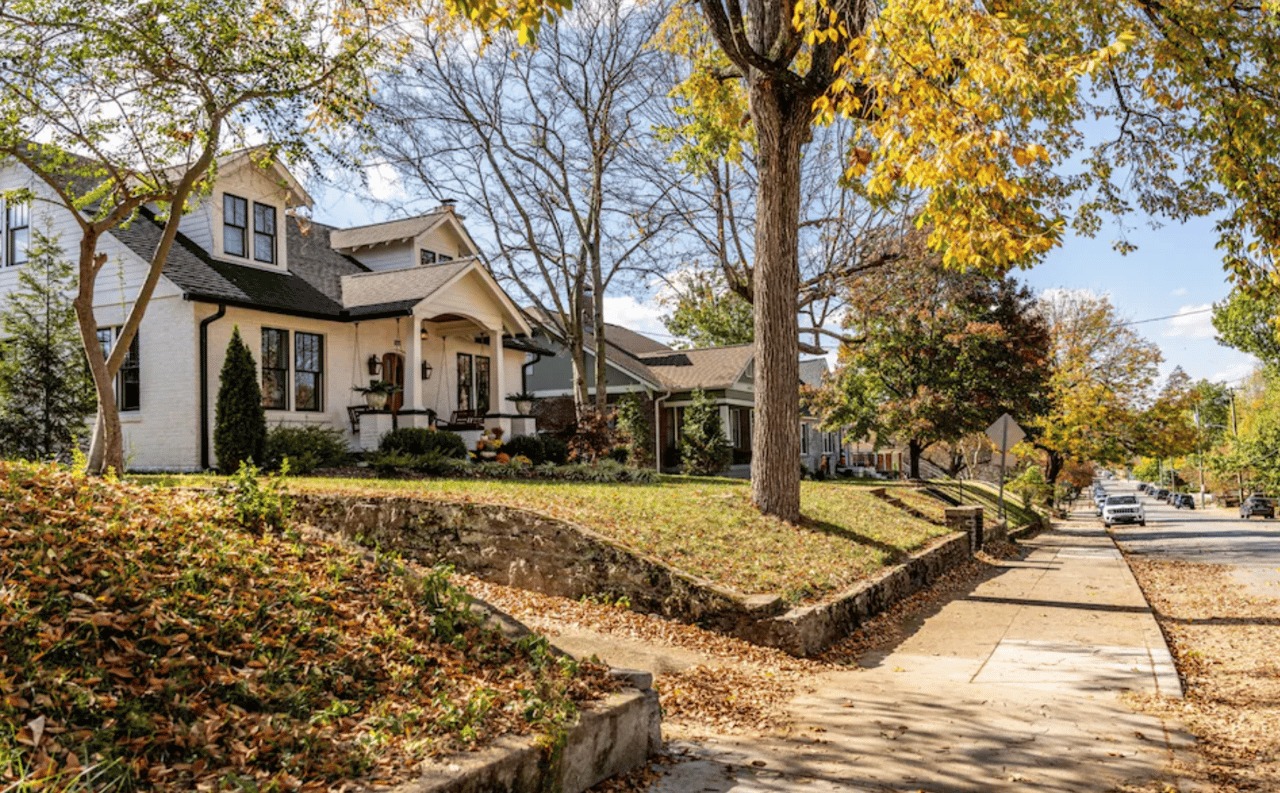
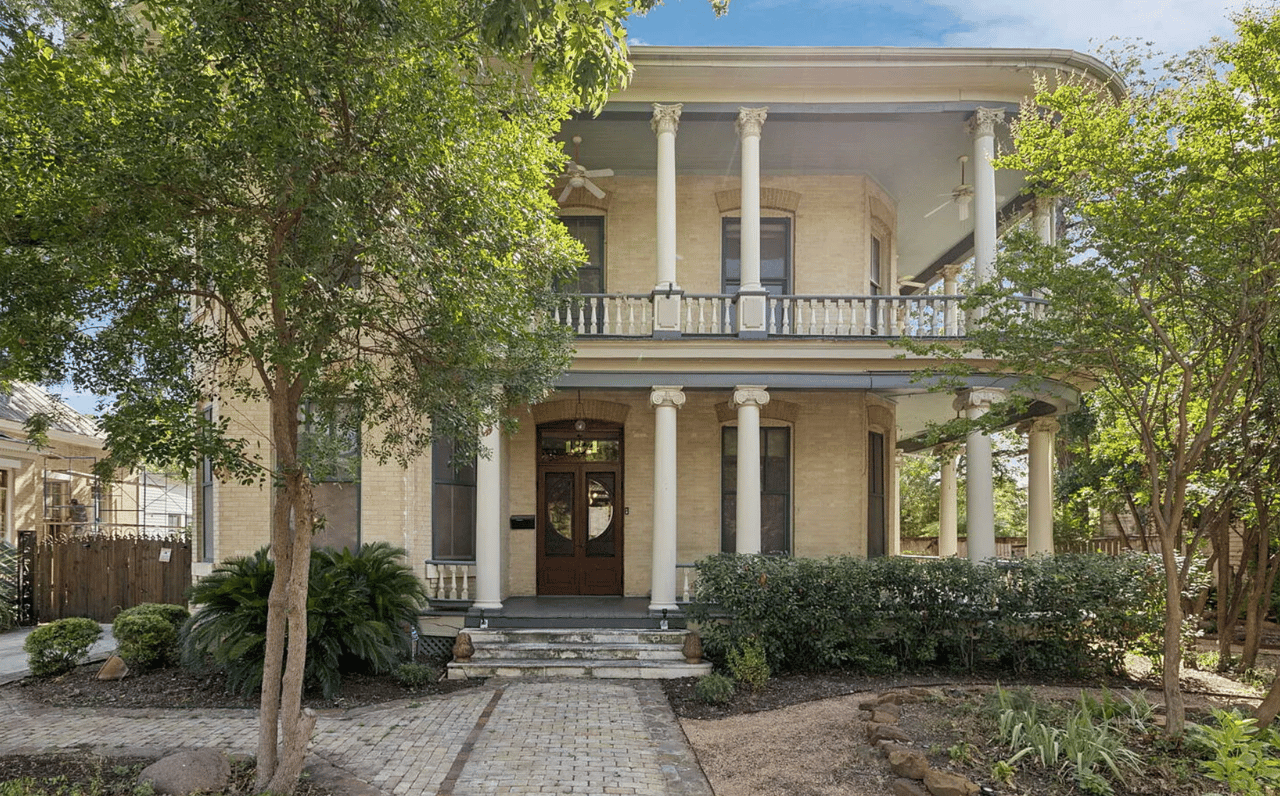
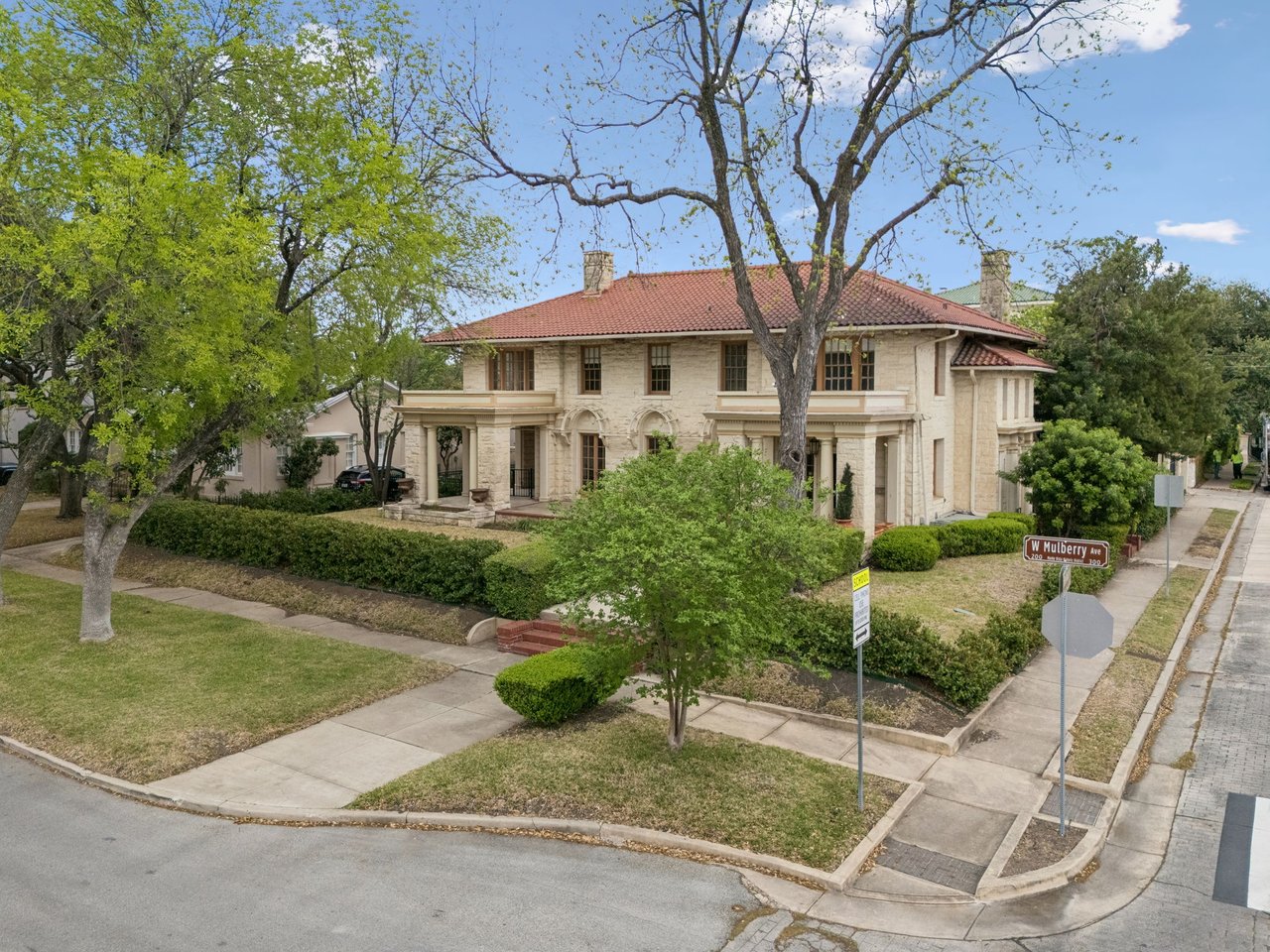
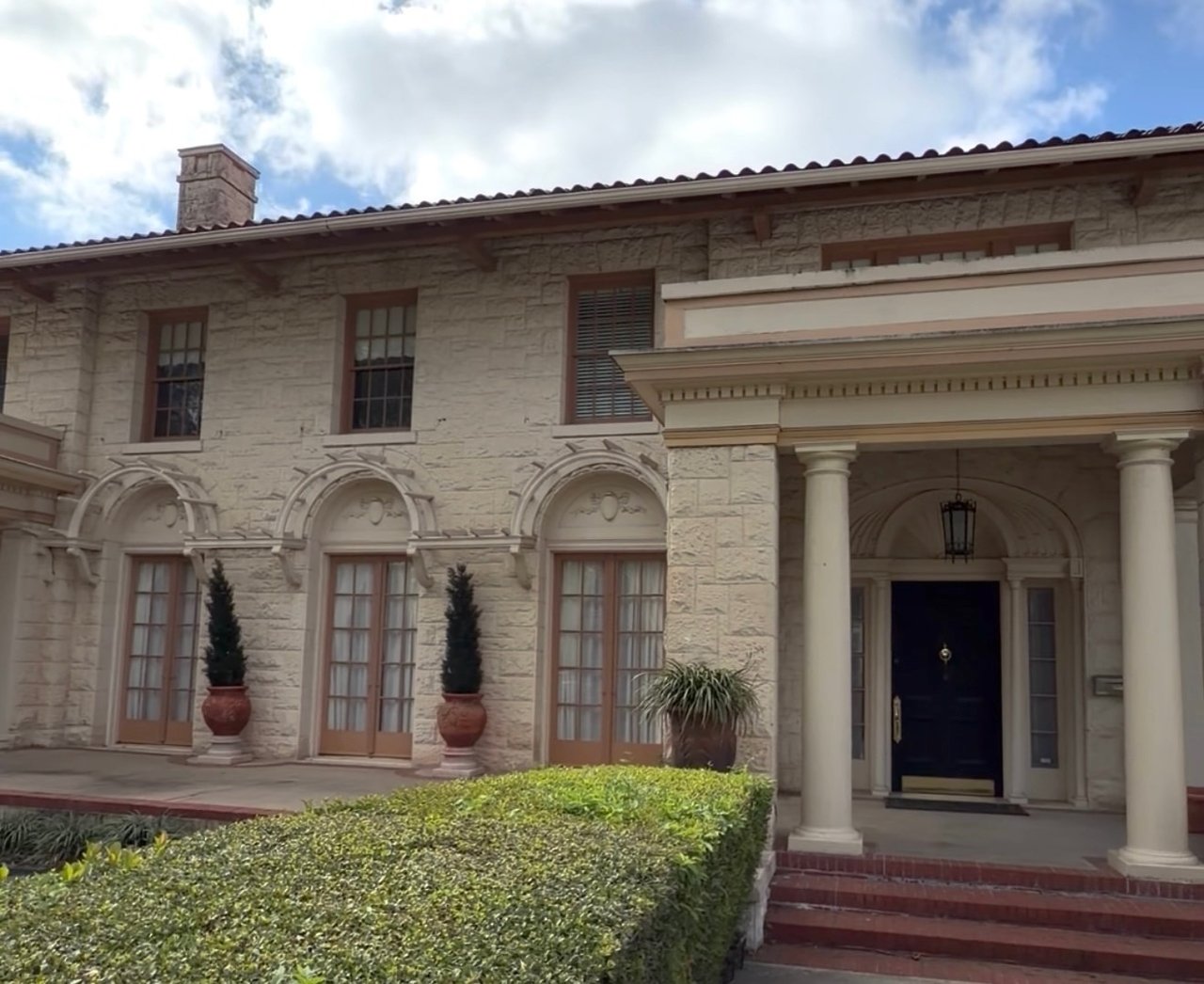
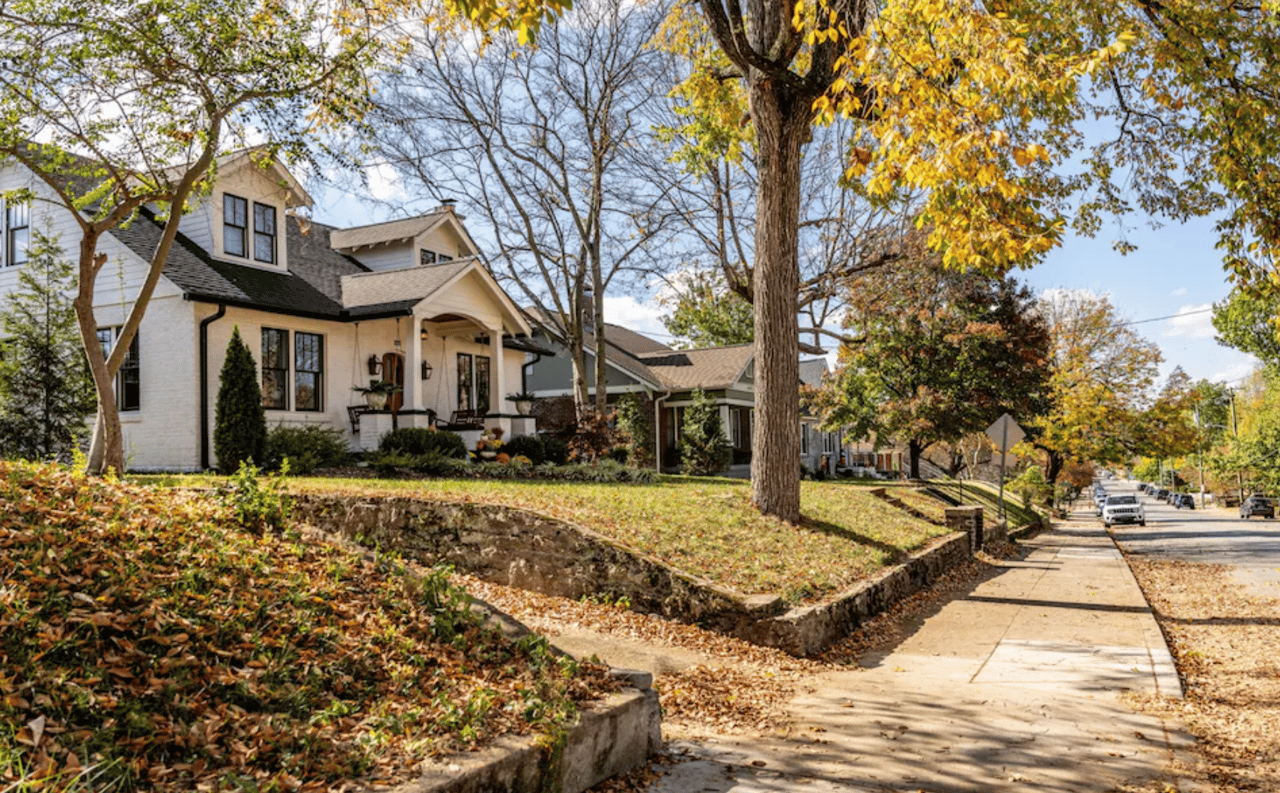
The goal of the overlay isn't to make your life harder. It's to preserve the architectural character that makes these neighborhoods worth what they're worth. Midcentury Mediterranean Revival, Tudor, Colonial Revival, Craftsman bungalows — the buildings in these corridors are irreplaceable, and the overlay is the mechanism for protecting them. As a seller, that overlay is part of why your home commands a premium. It's also part of why buyers and their agents arrive prepared to look for compliance gaps.
What Requires a Certificate of Appropriateness
There are two tracks depending on the scope of work:
Administrative COA — reviewed and approved directly by the OHP staff, typically for smaller or more routine changes. This is faster and doesn't require a full HDRC hearing.
Full COA (HDRC Application) — reviewed by the Historic and Design Review Commission at a scheduled hearing. The HDRC has up to 60 days to render a decision after receiving a completed application. Major additions, structural changes, and projects involving significant character-defining features go this route.
Changes that typically require a COA in Monte Vista and designated Olmos Park properties include:
- Window replacements — especially swapping original wood windows for vinyl. This is one of the most commonly flagged items in historic properties. Replacement windows must match the historic proportions and material profile.
- Roofing material changes — from original materials to anything that alters the visual character of the roof.
- Masonry work — repairs, repointing, additions, or alterations to brick, stone, or stucco.
- Fences — especially front yard fences or anything visible from the street. Privacy fences typically may not exceed six feet in height per Monte Vista guidelines.
- Paint on historically unpainted surfaces — painting brick or masonry that was never painted is generally discouraged and may require review.
- Additions and enclosures — adding square footage, converting a garage, enclosing a porch, or building an accessory structure.
- Exterior lighting, signage, and mechanical equipment visible from the street.
Interior work generally does not require a COA — but it still may require a standard city building permit through Development Services. The two processes are separate.
For a buyer's perspective on what this means when evaluating a historic home, see our post on buying a historic home in Monte Vista and what to expect at inspection.
The Seller's Disclosure Obligation — and What Buyers Will Find
Under Texas Property Code Section 5.008, sellers are required to disclose alterations and additions they know about on the TREC Seller's Disclosure Notice. Knowingly checking "no" when unapproved work exists is fraud, not just an oversight. For historic overlay properties, the disclosure obligation extends to work done without a COA — not only to standard building permits.
Here's the part that catches sellers off guard: buyers in these neighborhoods increasingly know to check. The City of San Antonio maintains an OHP Public Portal at webapp1.sanantonio.gov/OHPPublicPortal where anyone can search a property address and pull up all COA applications, approvals, and enforcement cases on record. An experienced buyer's agent will run that check as a matter of routine. A thorough inspector will flag visible changes that don't appear to have been permitted.
If unapproved work surfaces during the option period, you're looking at one of three outcomes: the buyer requests remediation (which for historic overlay work can take 60+ days and potentially require corrections if the work doesn't meet preservation standards); the buyer requests a credit at closing; or the buyer terminates. Lenders may also decline to finance a property with disclosed, unresolved unpermitted work — creating a second layer of risk mid-transaction.
The cost of retroactive permitting and corrections ranges from a few hundred dollars for a straightforward fence permit to tens of thousands if structural changes don't meet current code. Discovering this before you list is almost always less expensive than discovering it under contract. Our checklist on 10 things Monte Vista sellers should do before listing covers this in the context of your full pre-listing preparation.
What to Do Before You List
Run the OHP Public Portal search on your own address. Go to webapp1.sanantonio.gov/OHPPublicPortal before you do anything else. Search your address and review everything on record: COA applications submitted, approvals granted, enforcement cases opened. Compare that history against what you know was done to the exterior of the home during your ownership — and, if you have records, prior ownership.
Walk the exterior with fresh eyes. Look for windows that don't match the originals, fence lines that may have been added, porch enclosures, additions, paint on brick — anything that might look different from the original architecture. If you're not sure whether something was permitted, assume it might not have been and verify.
Talk to your agent before you go active. A listing agent who knows these neighborhoods understands which changes are routinely flagged, how the OHP process works, and how to frame any known gaps in a way that doesn't blow up a transaction. Some issues are easily resolved with a retroactive administrative COA. Others require more time and planning. You want to know which category you're in before the listing goes live — not after.
Don't over-correct without guidance. Not every unpermitted change requires you to rip it out or spend months in the approval process before listing. Some situations are better handled through disclosure and pricing strategy. Some are better handled by pursuing retroactive approval. Your agent and an OHP consultation can help you figure out which path makes more sense for your specific situation.
If you're planning to sell a home in Monte Vista, Olmos Park, or a neighboring historic corridor and want a clear-eyed assessment of how the overlay affects your listing, start with a complimentary home valuation at consumer.hifello.com. It gives us a starting point to talk through your property's specific situation. Or schedule 30 minutes with Caroline and Susanne — this is the kind of conversation that prevents surprises later.
Frequently Asked Questions
What is the historic overlay in Monte Vista and Olmos Park?
Monte Vista is a designated City of San Antonio Historic District, meaning most visible exterior changes require a Certificate of Appropriateness (COA) from the Office of Historic Preservation before work begins. Olmos Park Terrace is also a City historic district. The incorporated city of Olmos Park maintains its own separate architectural review. Both overlays create disclosure obligations for sellers.
What exterior changes require a Certificate of Appropriateness in San Antonio historic districts?
A COA is required for most visible exterior modifications — window replacements, roofing changes, masonry work, fence installation, paint on historically unpainted surfaces, additions, and structural alterations. Interior work generally doesn't require a COA but may require a standard city building permit. The key test is whether the change is visible from a public right-of-way.
Do I have to disclose unpermitted or unapproved work when selling my historic home in San Antonio?
Yes. Texas Property Code Section 5.008 requires disclosure of alterations and additions on the TREC Seller's Disclosure Notice. Knowingly checking "no" when unapproved work exists is fraud. For historic overlay properties, this includes work done without a COA. Buyers increasingly check the City's OHP Public Portal for COA history — and their inspectors know to flag visible changes that don't appear permitted.
What happens if my buyer's inspector finds unapproved work on my Monte Vista or Olmos Park home?
The buyer will typically request remediation, a price credit, or terminate during the option period. Lenders may also decline to finance. Retroactive permitting for historic overlay properties can take 60+ days and may require corrections if the work doesn't meet preservation guidelines. Discovering this before you list gives you time and options that you won't have once you're under contract.
How do I check the COA history for my property before listing?
Use the City of San Antonio's OHP Public Portal at webapp1.sanantonio.gov/OHPPublicPortal to search your address and view all COA applications, approvals, and enforcement cases on record. Cross-reference that history against your knowledge of exterior changes during your ownership. If you see gaps, consult with your listing agent or the OHP directly before going active.