Can 339 W Woodlawn Ave in Monte Vista be used as a commercial property?
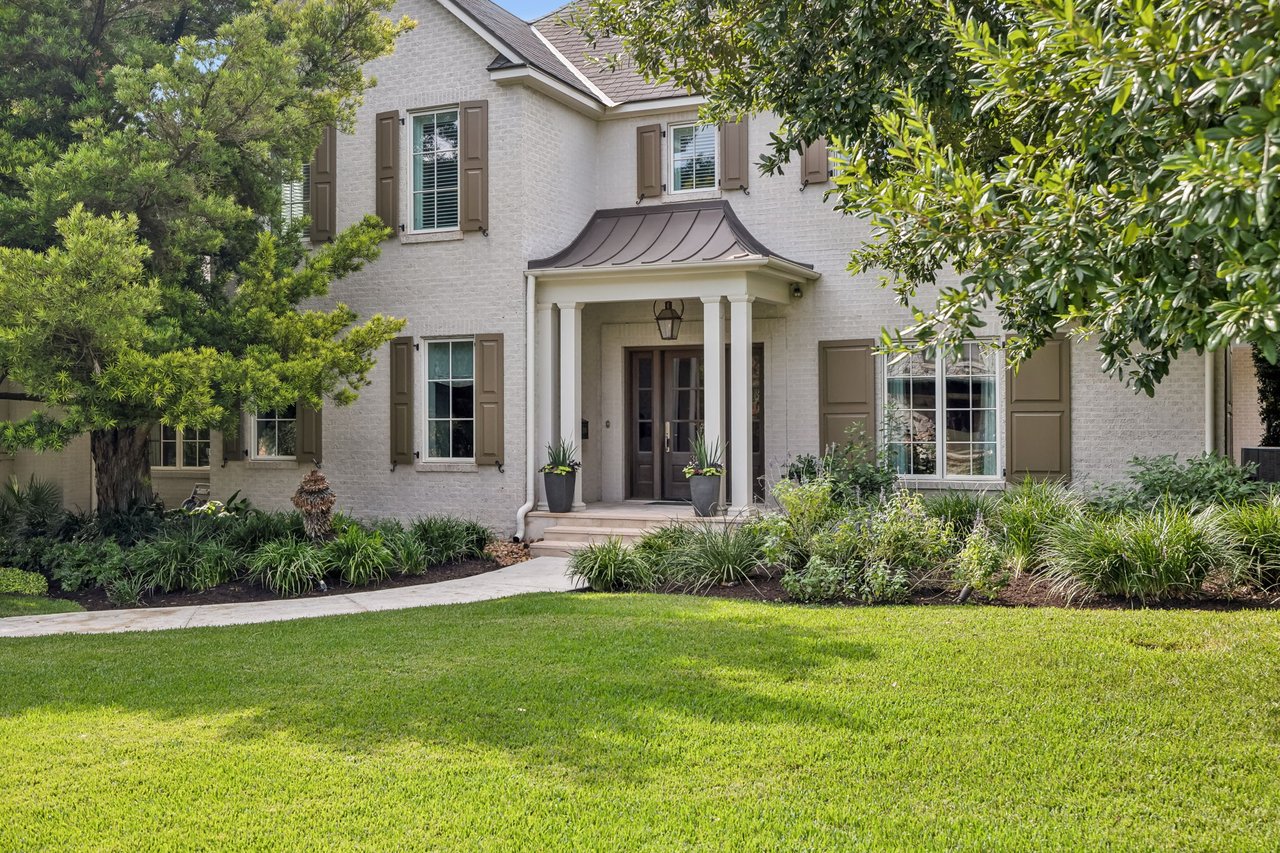
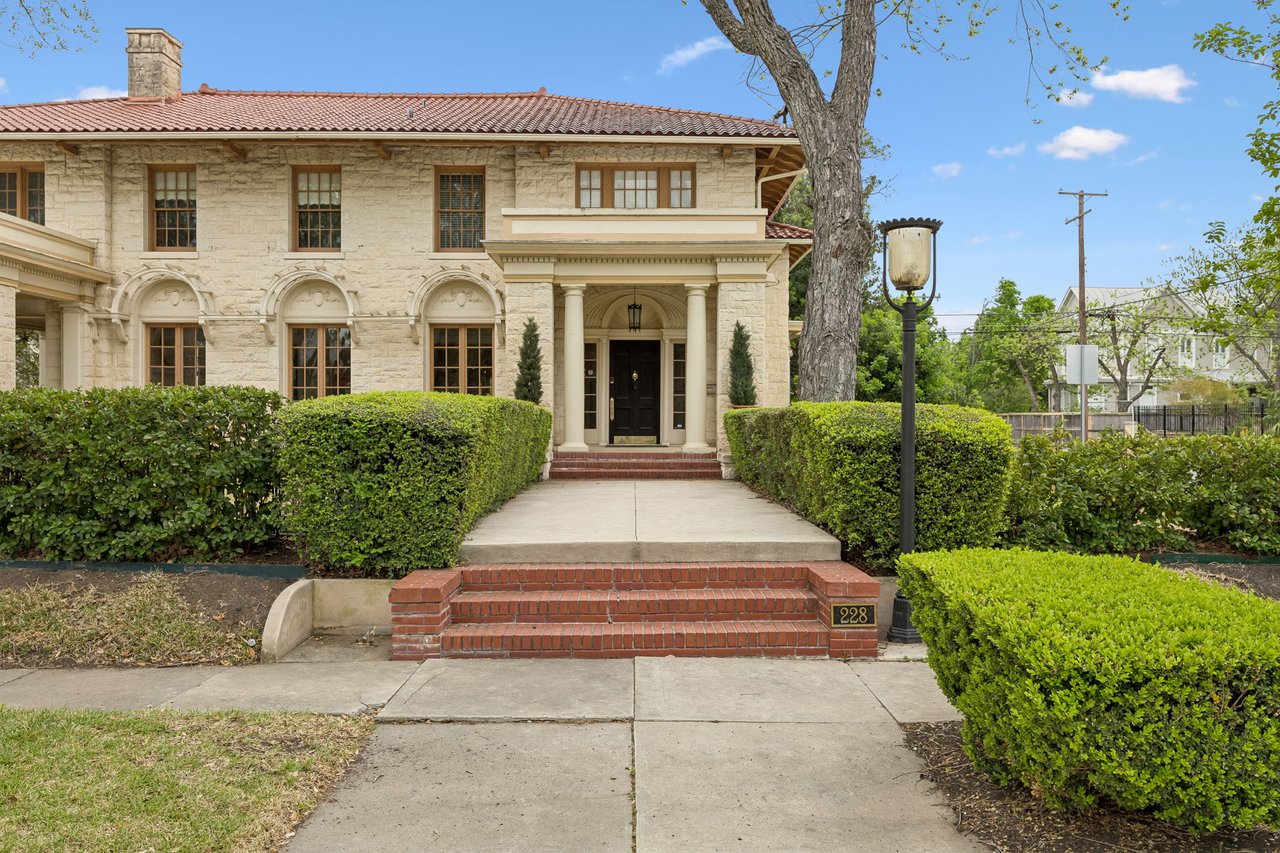
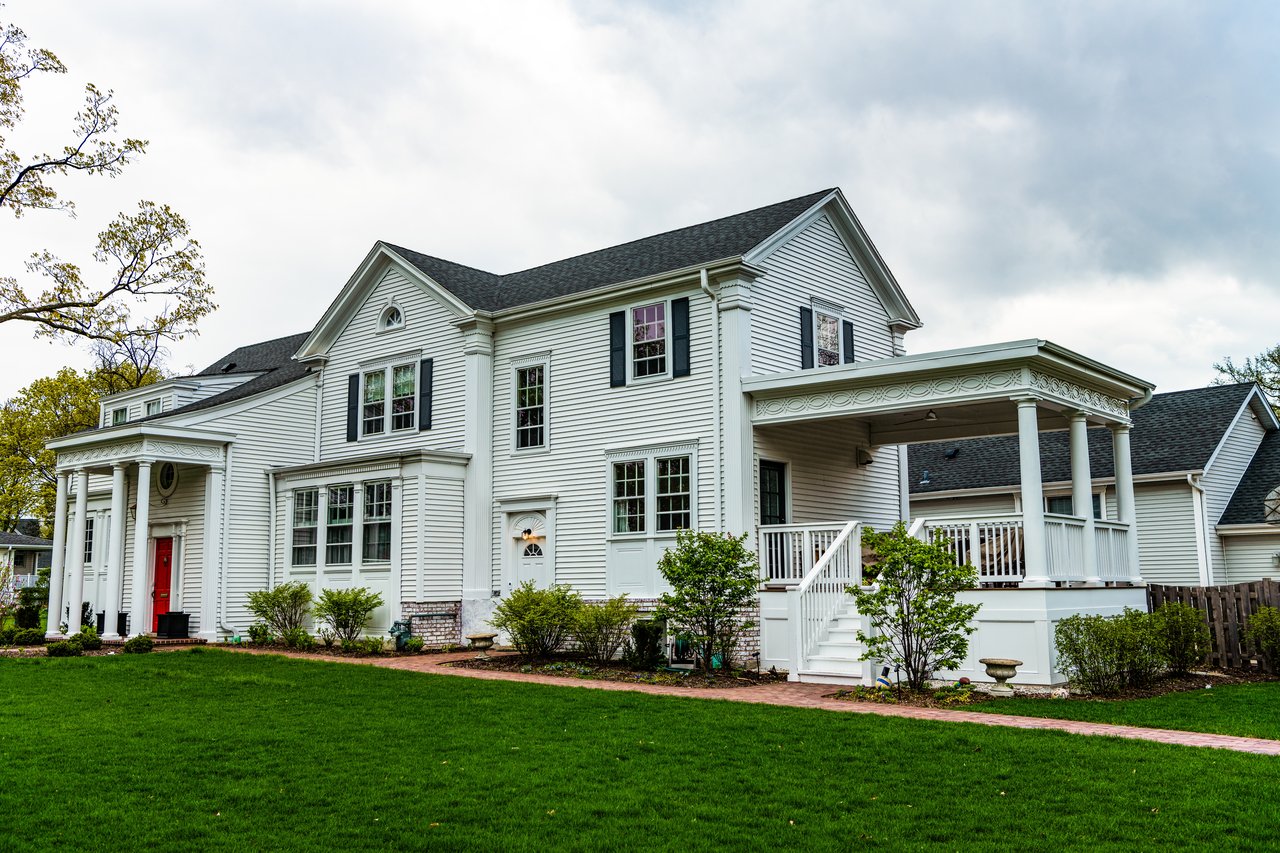
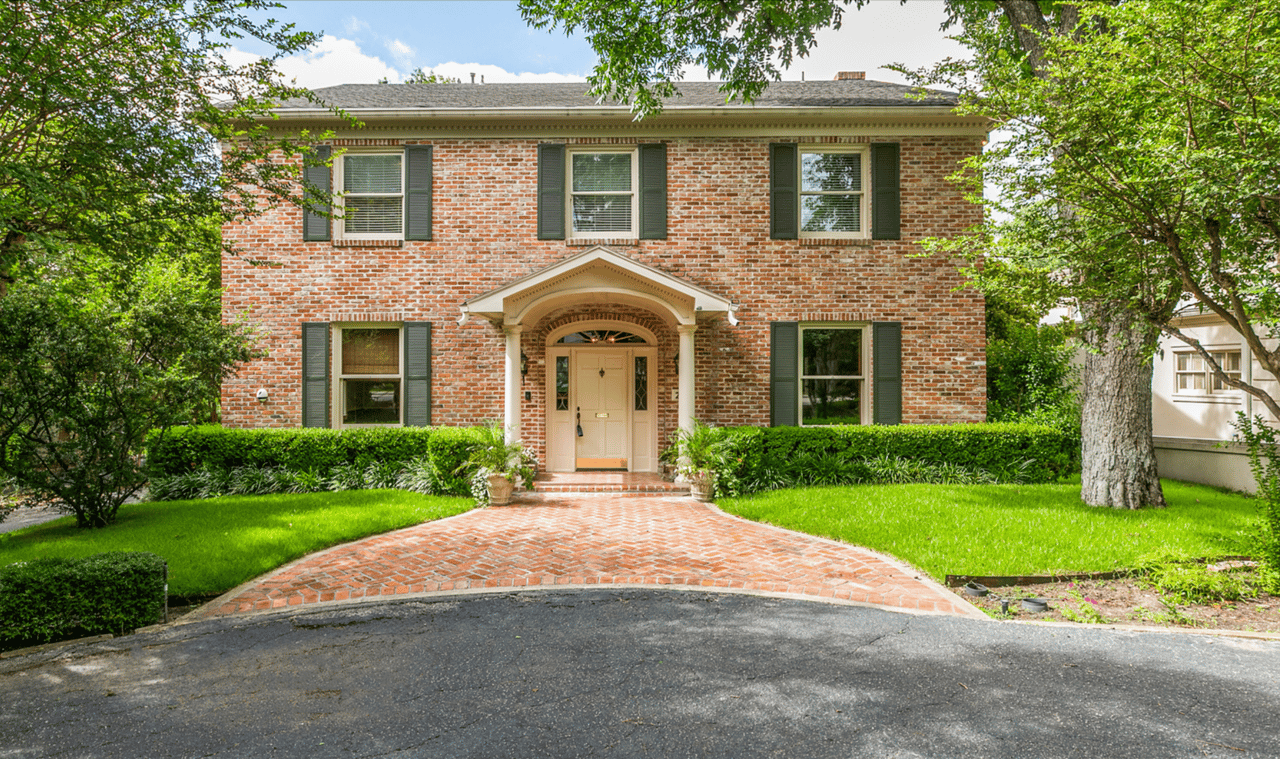
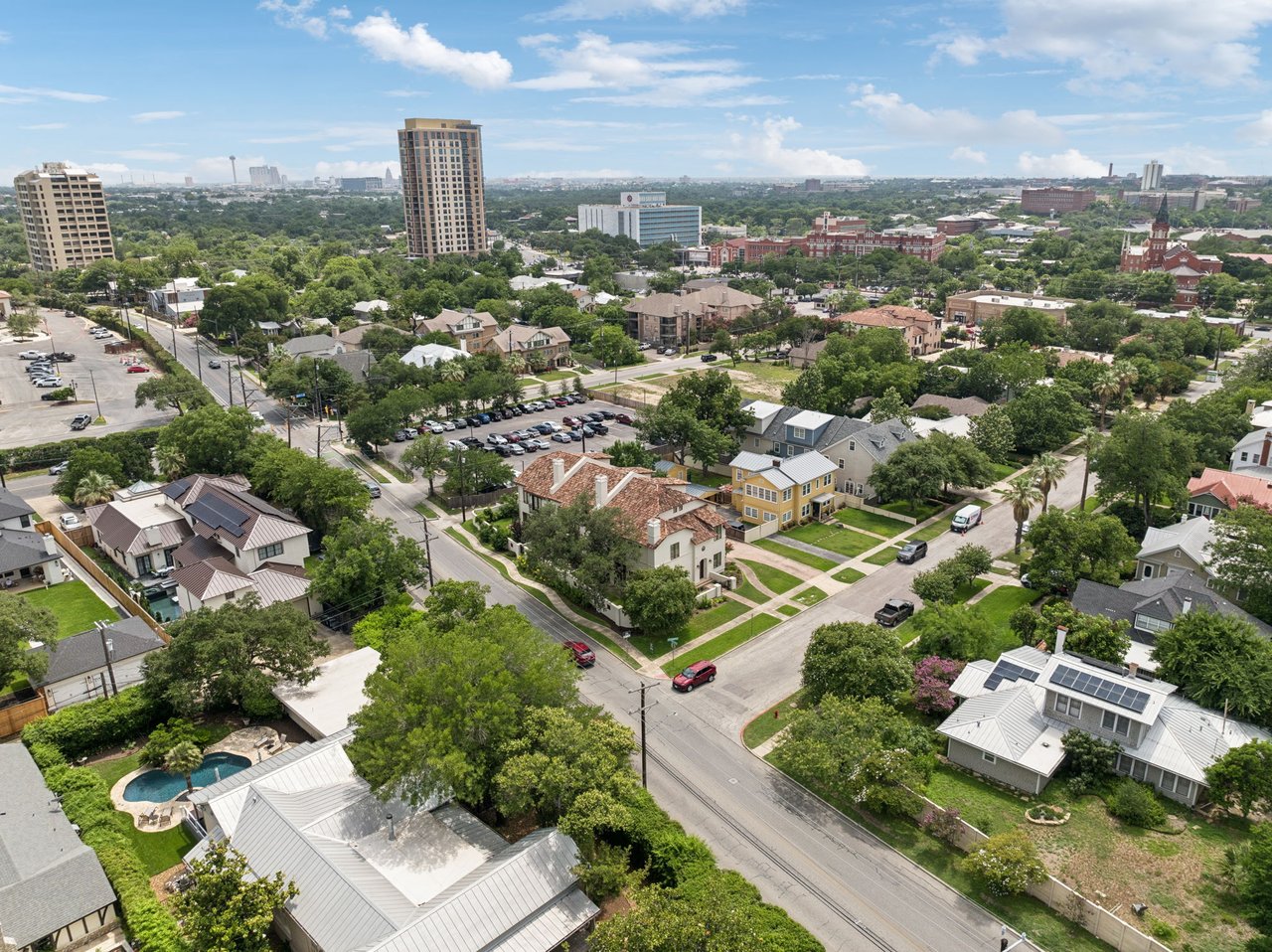
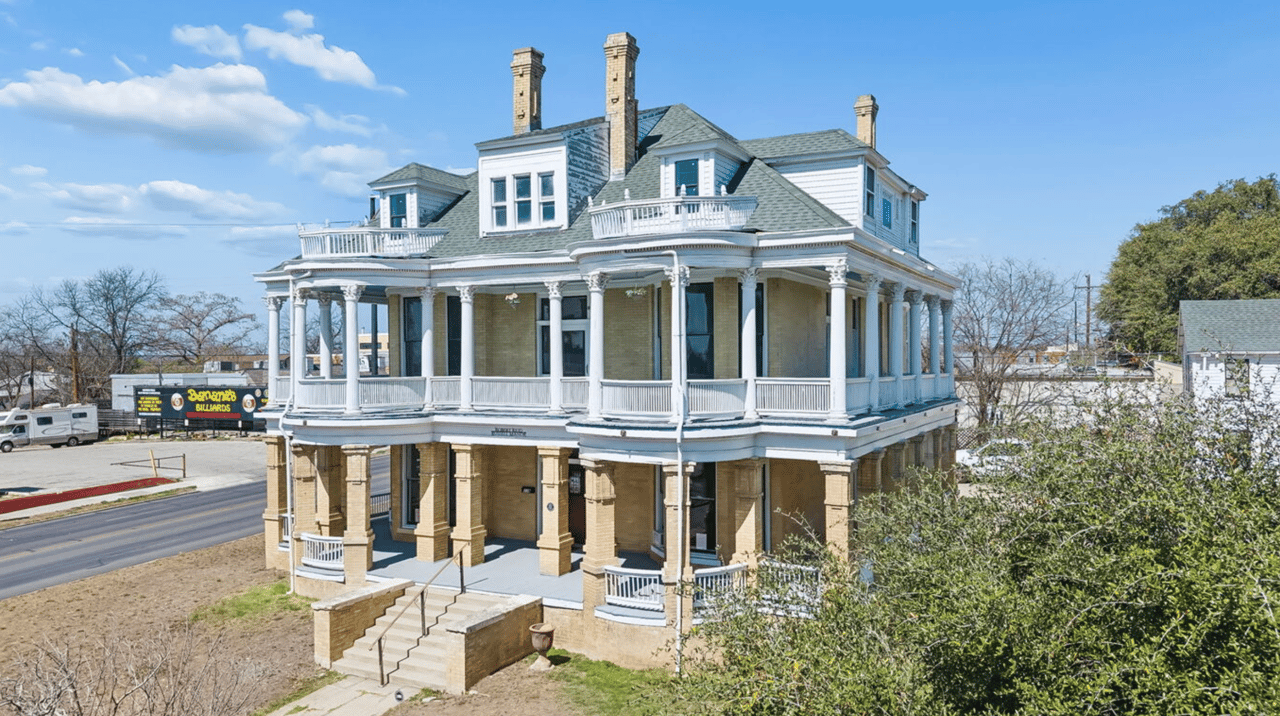
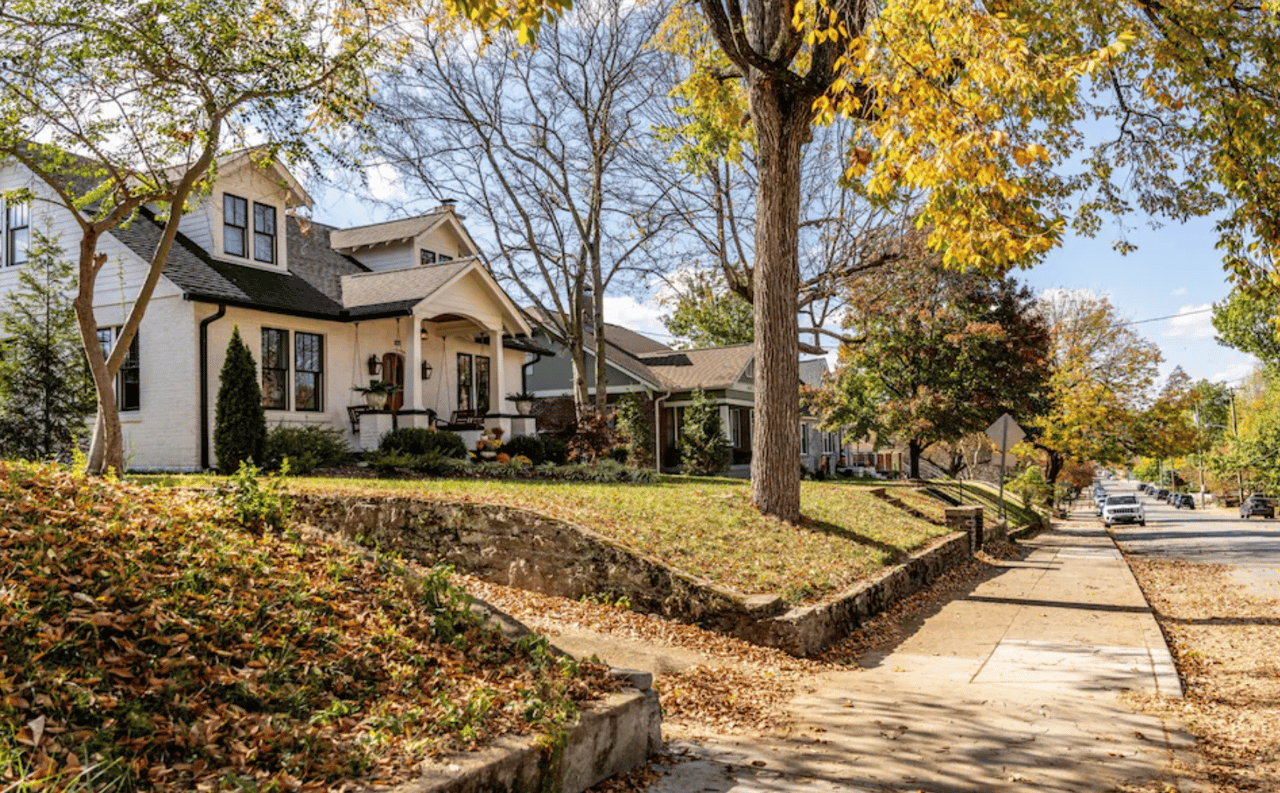
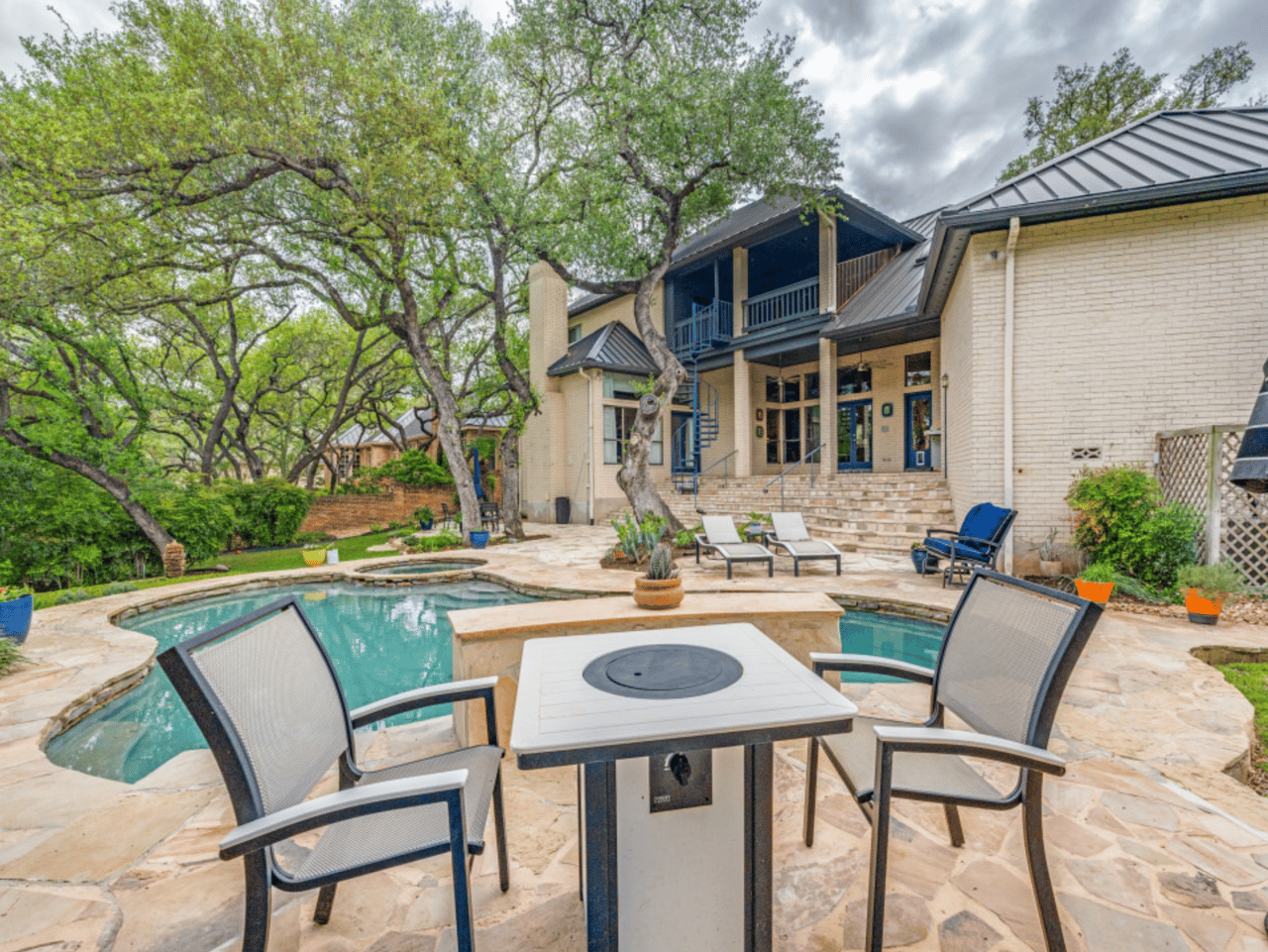
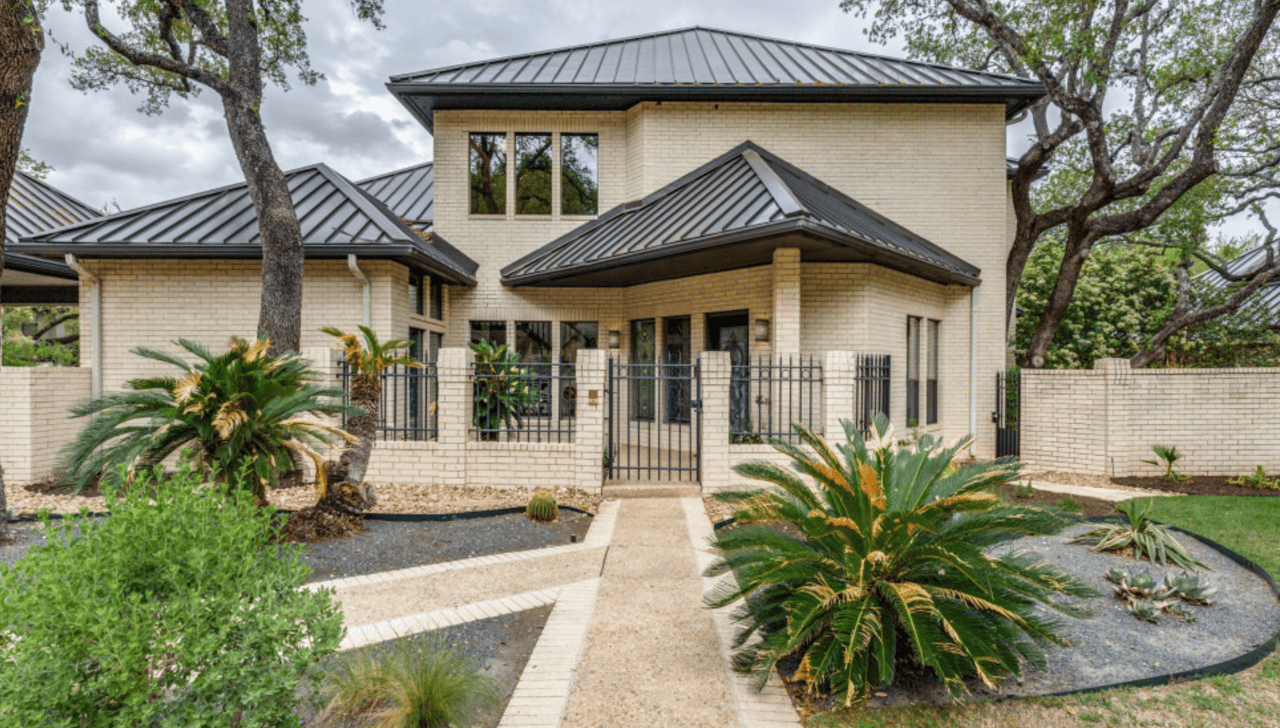
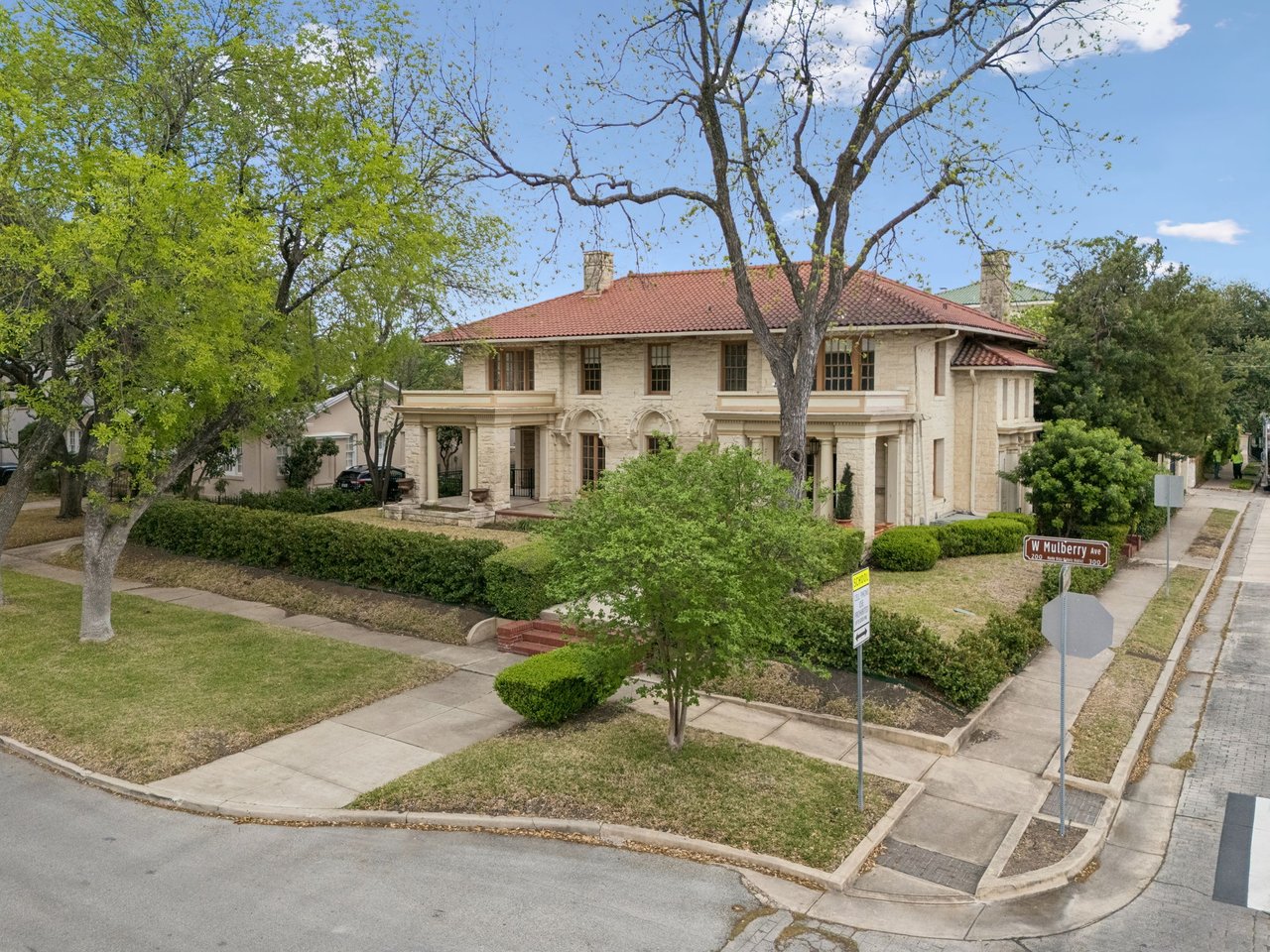
Yes. 339 West Woodlawn Avenue carries multifamily and special-use zoning — a designation that opens this 6,100+ square-foot landmark estate to a range of non-residential uses, including professional offices, law firms, nonprofit headquarters, and executive live-work configurations. The property sits in San Antonio's Monte Vista Historic District, 1.5 miles from Downtown and 2 miles from The Pearl, with a building envelope and streetscape presence that serves client-facing businesses in ways a suburban office park simply cannot replicate.
Most commercial real estate is built to be invisible. Neutral. Interchangeable.
339 West Woodlawn Avenue is none of those things.
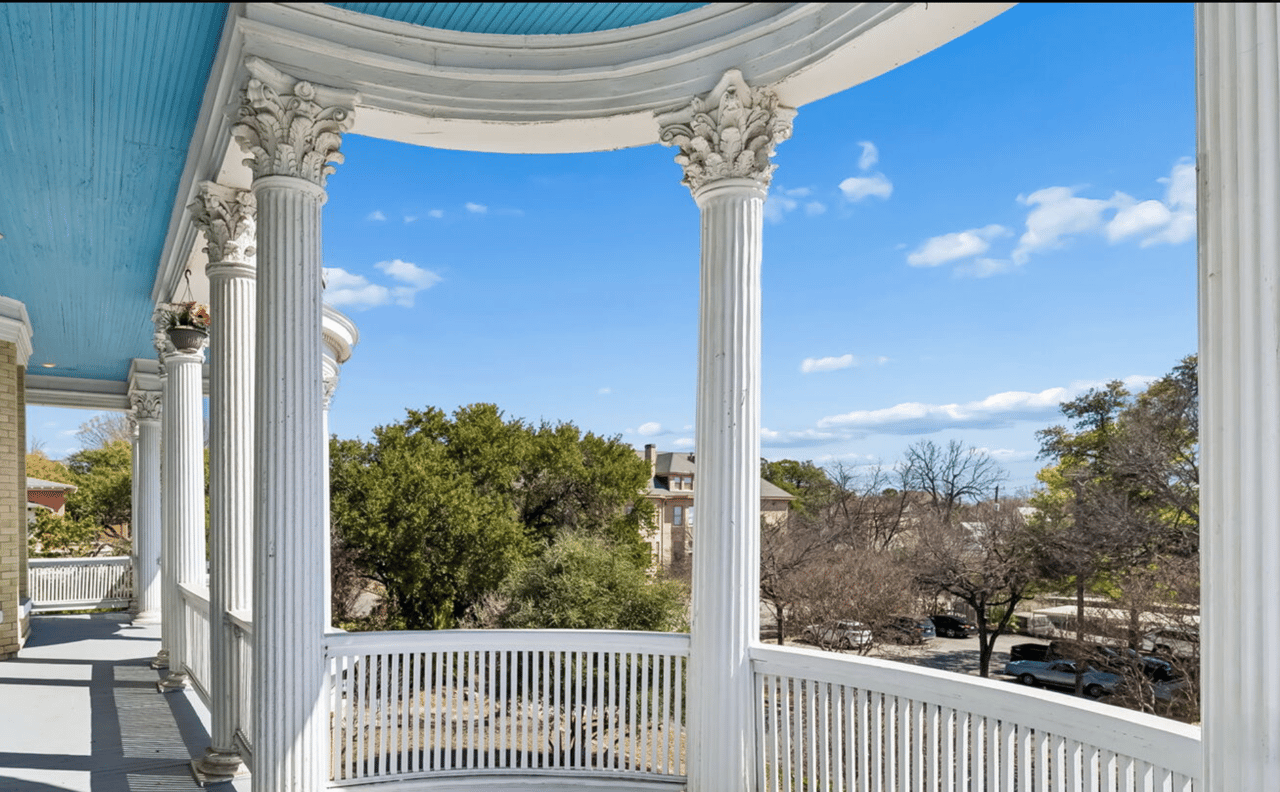
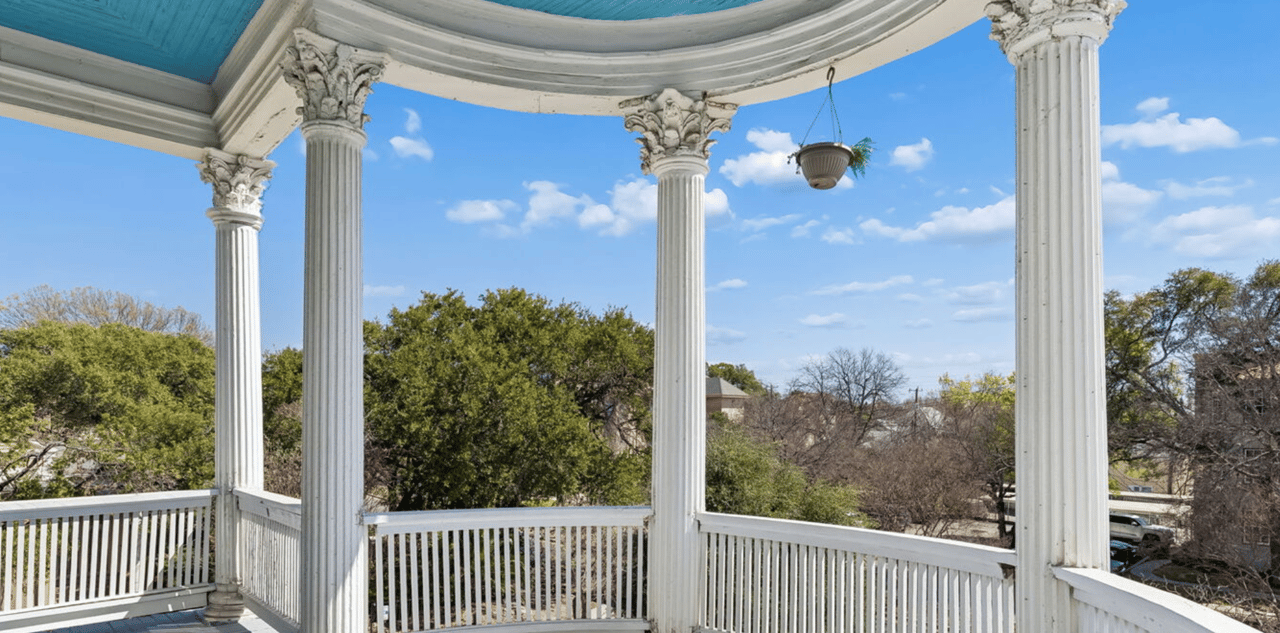
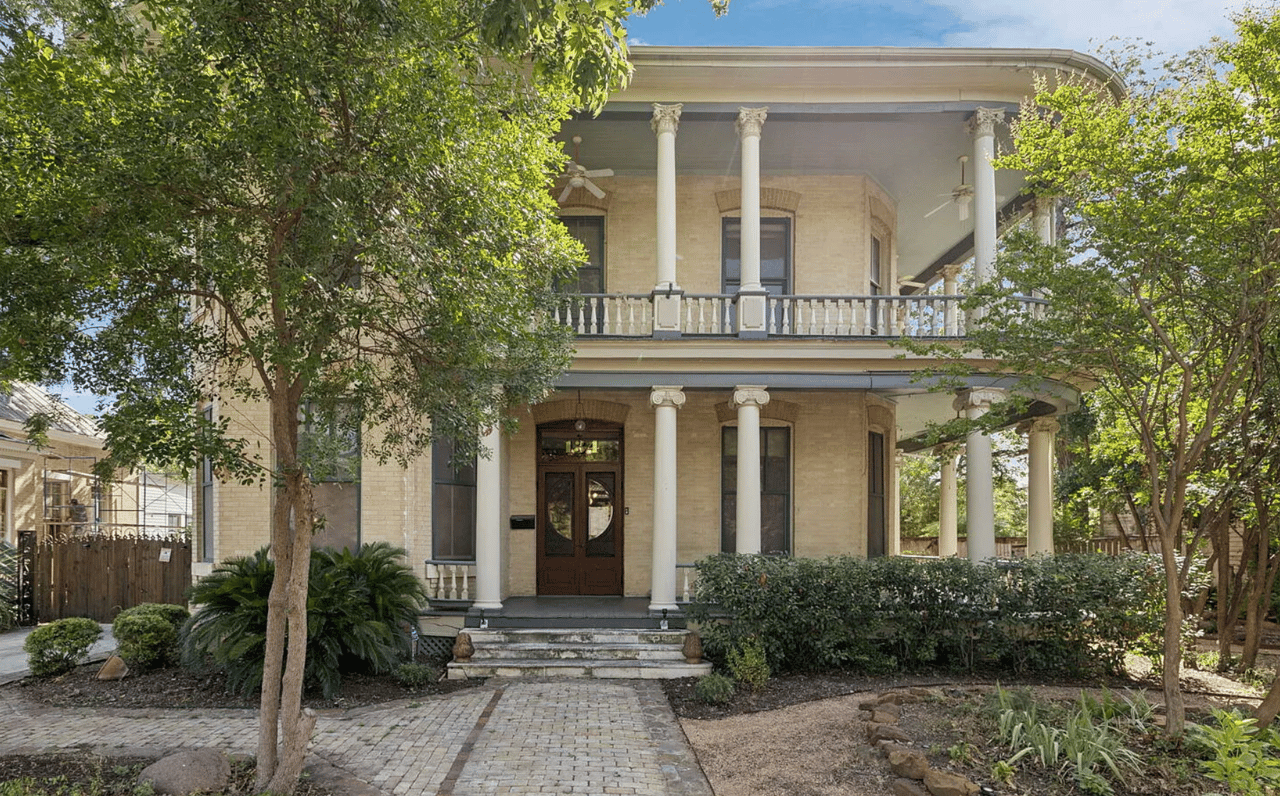
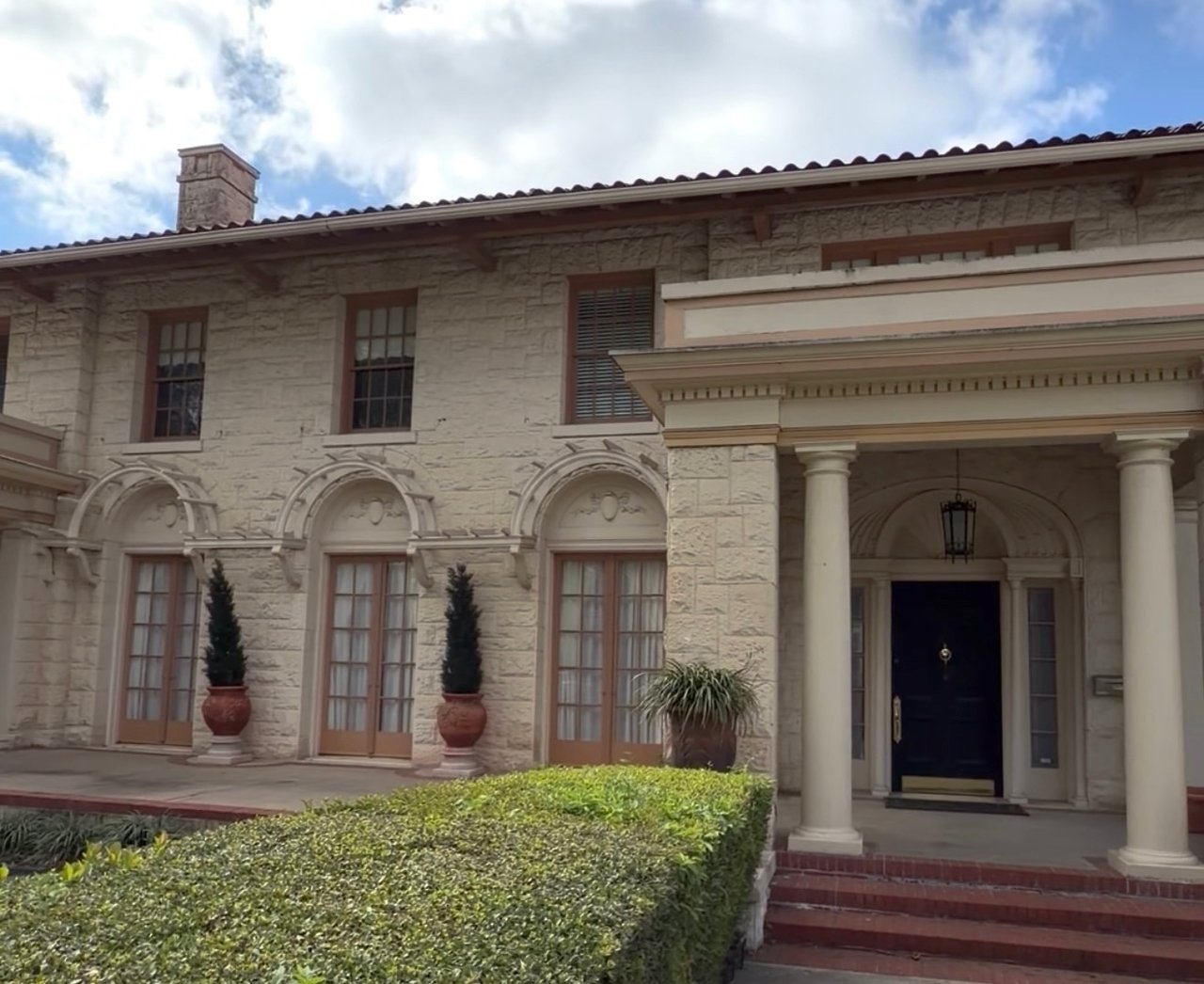
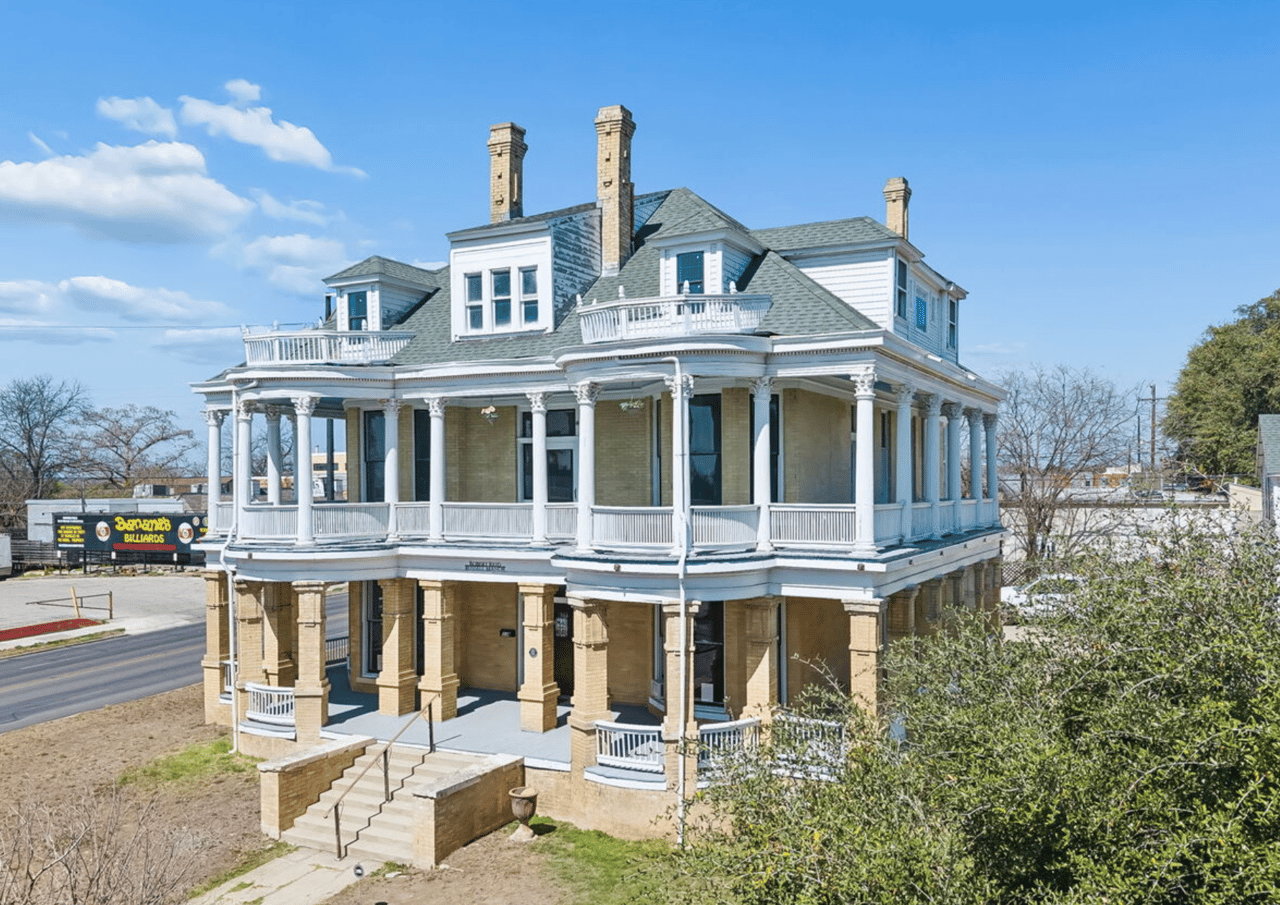
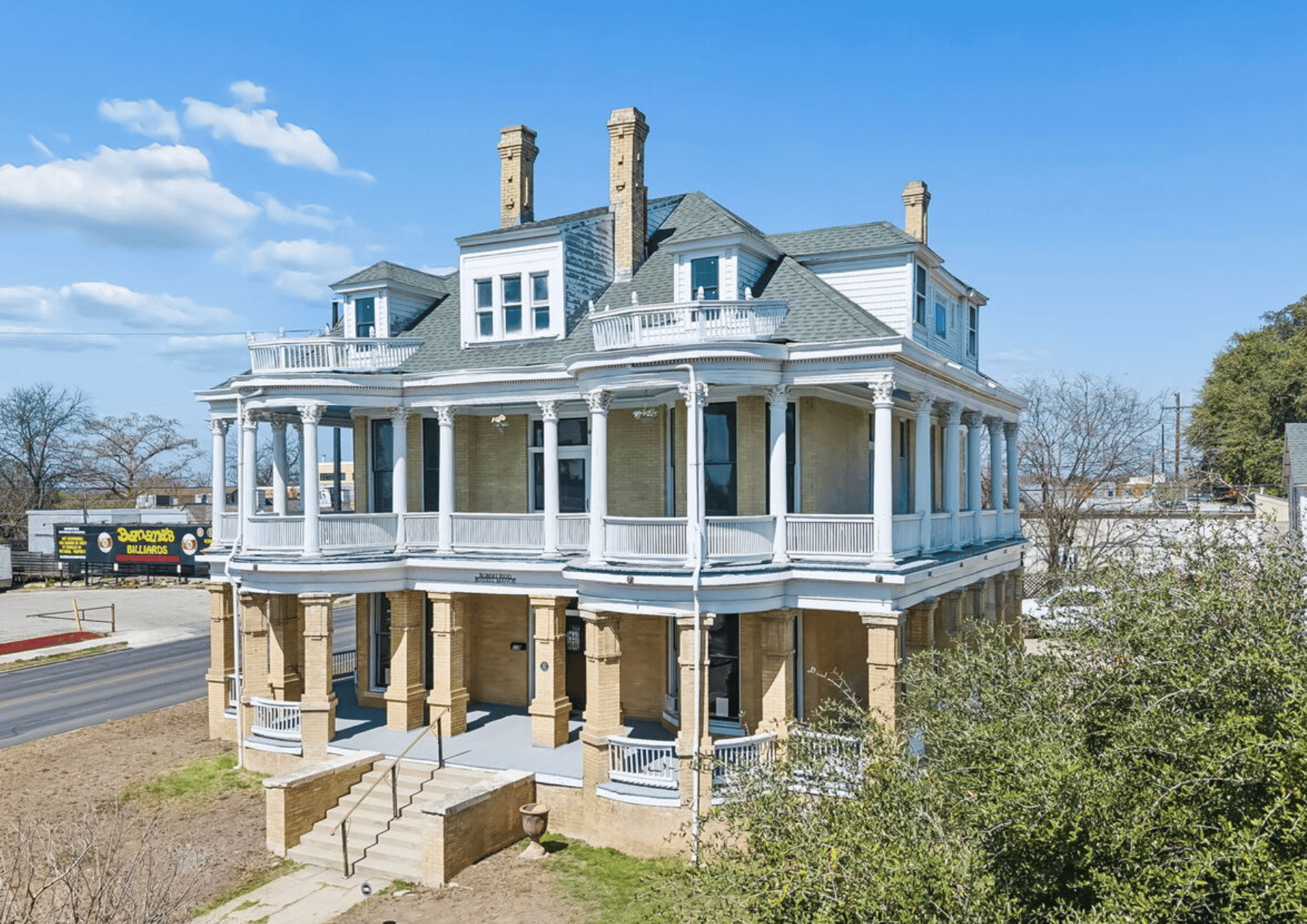
It was raised 14 feet off its foundation in 1911 — a feat covered by the San Antonio Express. It was designed by Robert Reid Russell at the turn of the last century with twin stacked porches, floor-to-ceiling windows, and millwork that announced, from the street, that whoever occupied this building had arrived.
That quality — presence, permanence, distinction — is what this property offers a commercial buyer. And in 2026, it's surprisingly rare to find it.
What the Zoning Actually Allows
The multifamily and special-use zoning at 339 West Woodlawn is not a technicality. It's a real, active designation that makes this property legally viable for a range of commercial and quasi-commercial uses.
What that can look like in practice:
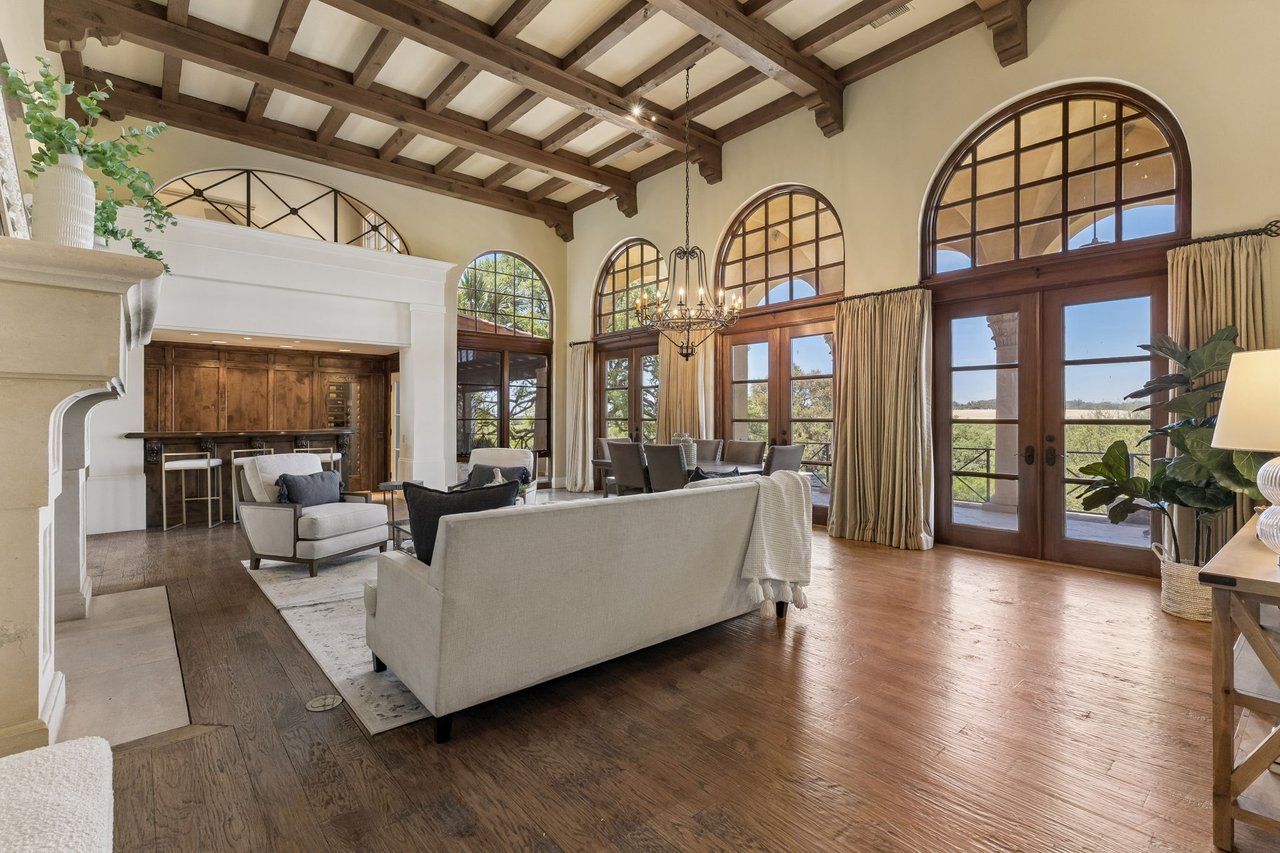
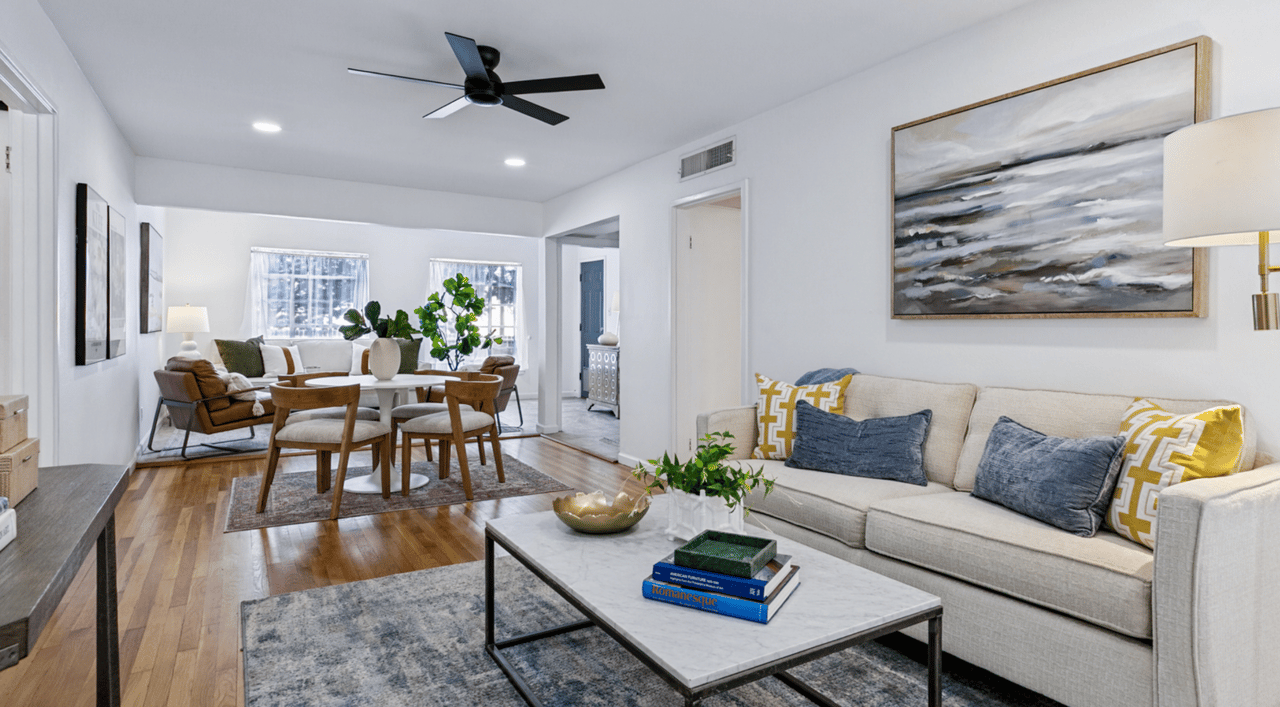
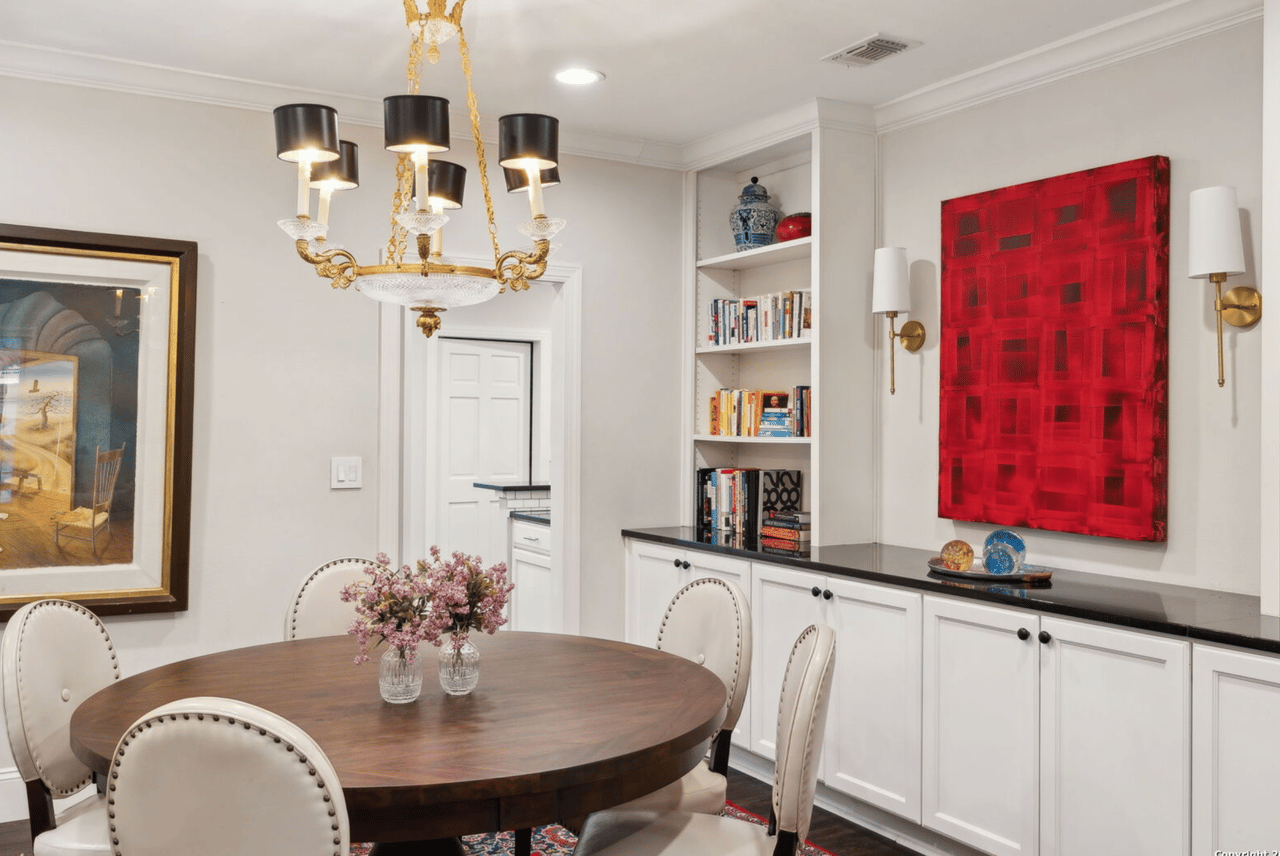
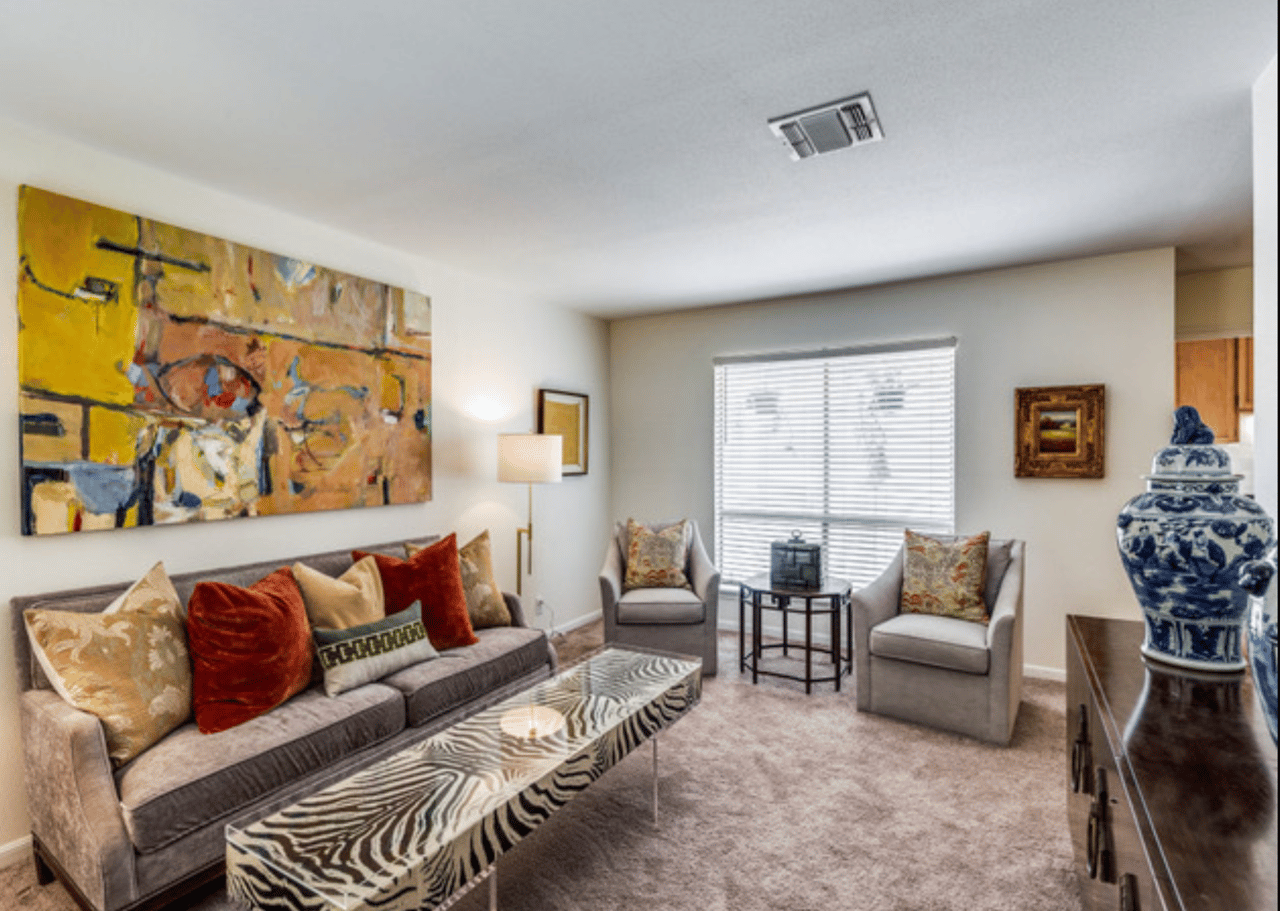
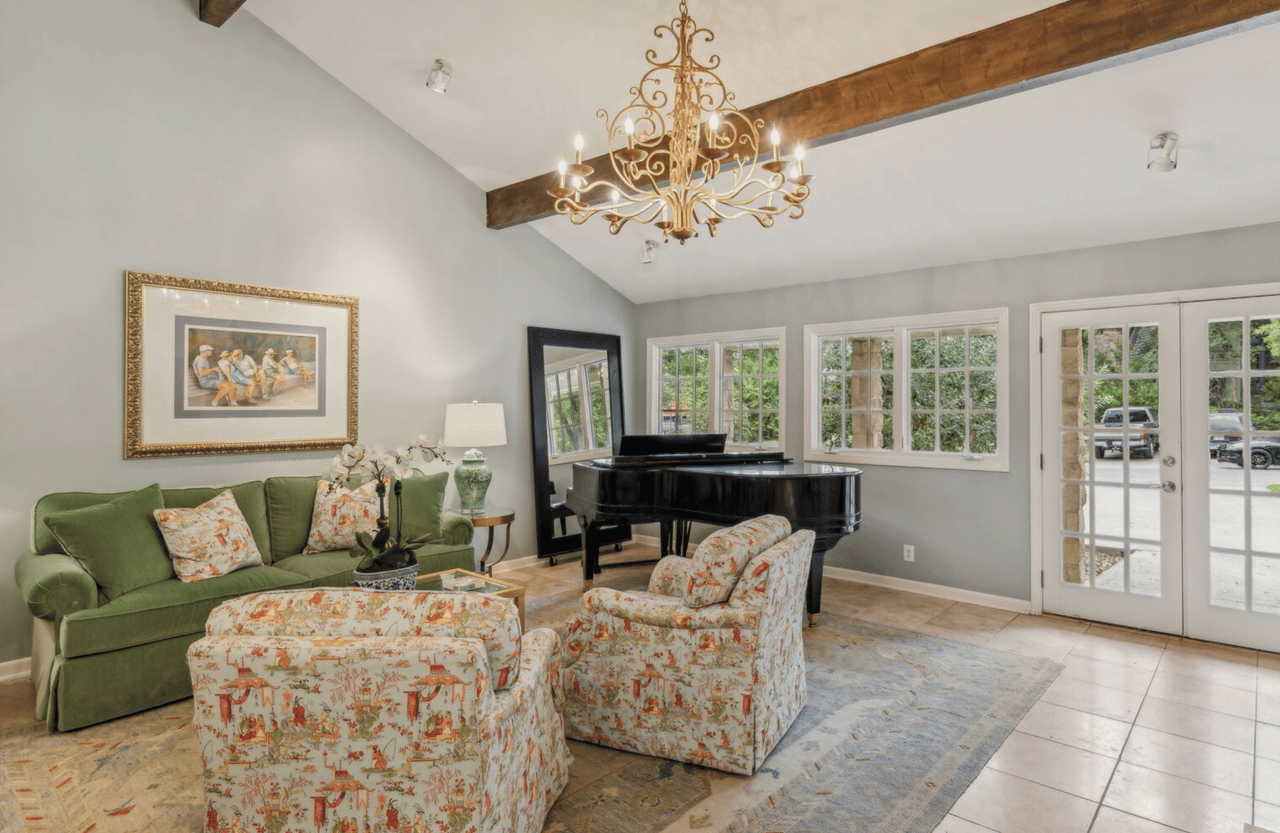
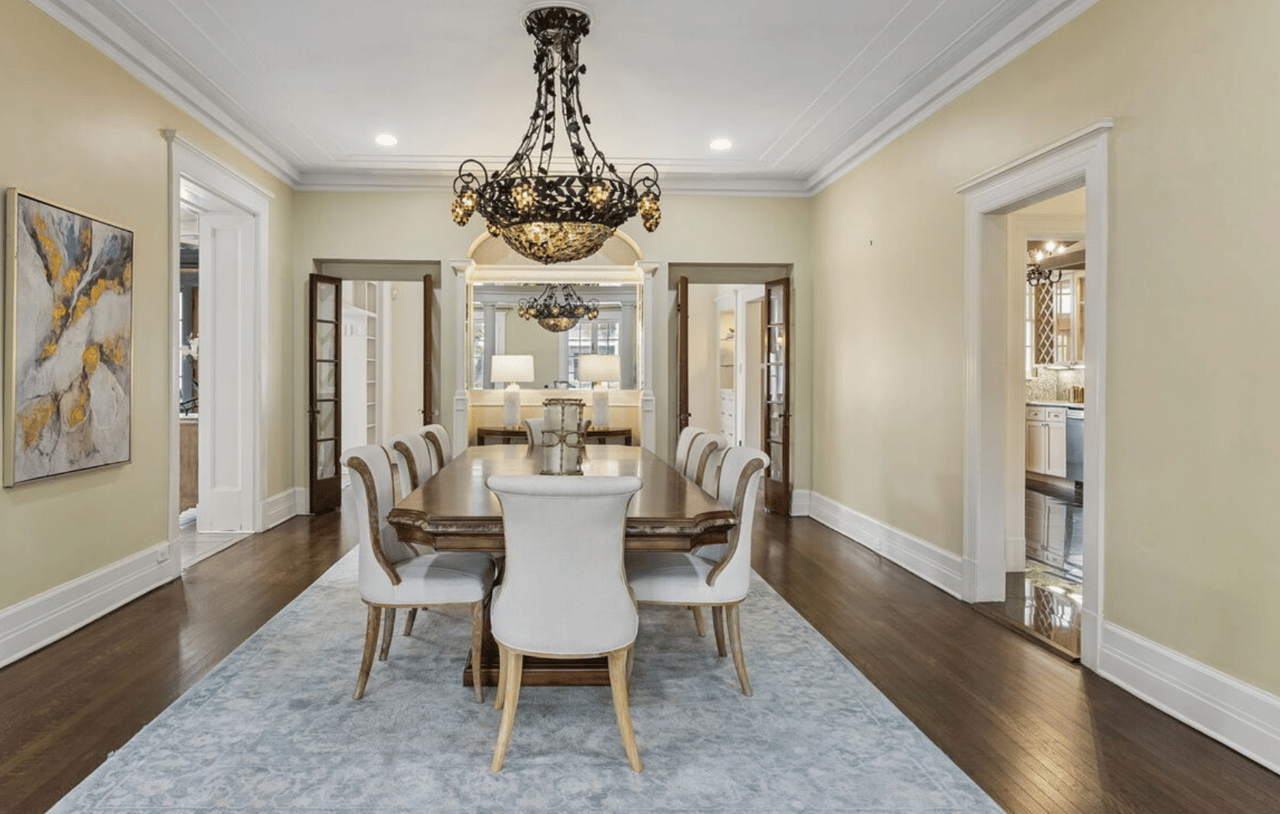
Law firm or professional office. A 6,100-square-foot historic building in Monte Vista is an address that communicates something to clients before the meeting begins. Conference rooms in the formal entertaining spaces. Private offices in the upper bedrooms. A reception in what was once a parlor. The bones were designed for receiving people — the spatial logic translates.
Nonprofit headquarters. Monte Vista has a long history as a home for civic and philanthropic organizations. A building of this scale, with flexible interior rooms, accessible from Downtown, and priced well below what comparable commercial square footage costs in the central business district, makes a compelling case for a nonprofit that needs presence without the overhead of a high-rise lease.
Boutique consulting or advisory firm. The executive suite model — small, high-credibility team, high-touch client relationships — fits this building naturally. You're not filling a suburban office park. You're occupying a building that has its own story, its own reputation, and a neighborhood that reinforces the kind of client relationship you're trying to build.
Executive live-work. For the right principal, this is a both/and — a home and a headquarters in a single property. The scale supports it: enough square footage to maintain genuinely separate living and working environments, zoning that makes it legitimate, and a location close enough to Downtown and The Pearl to function as a real business address.
The Address Argument
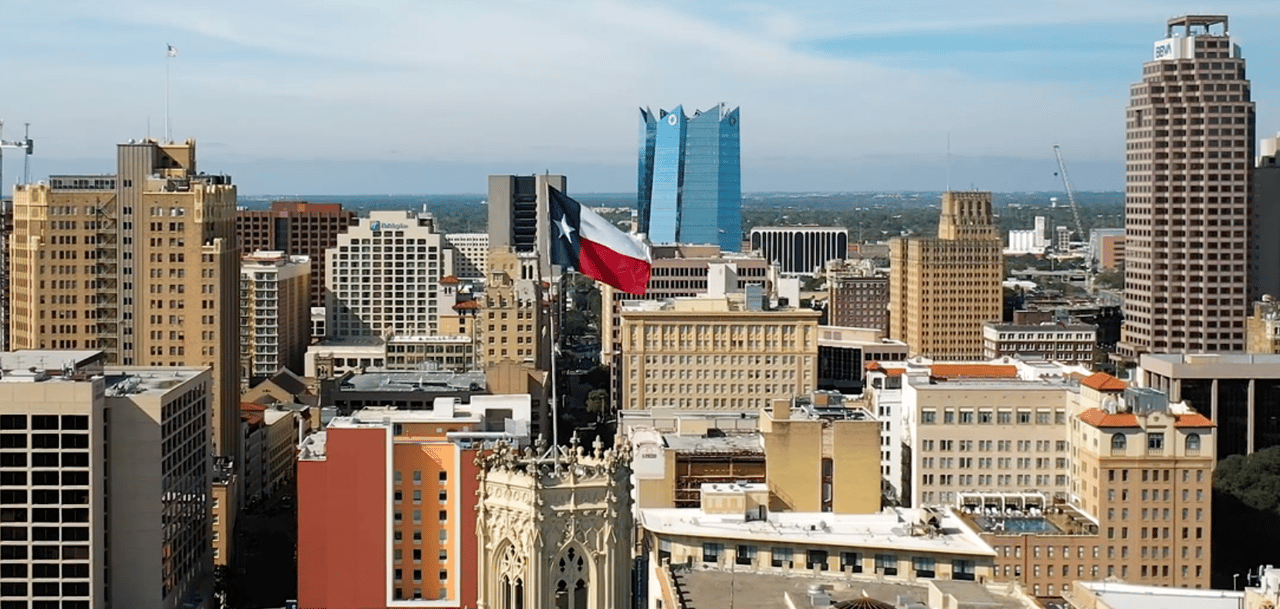
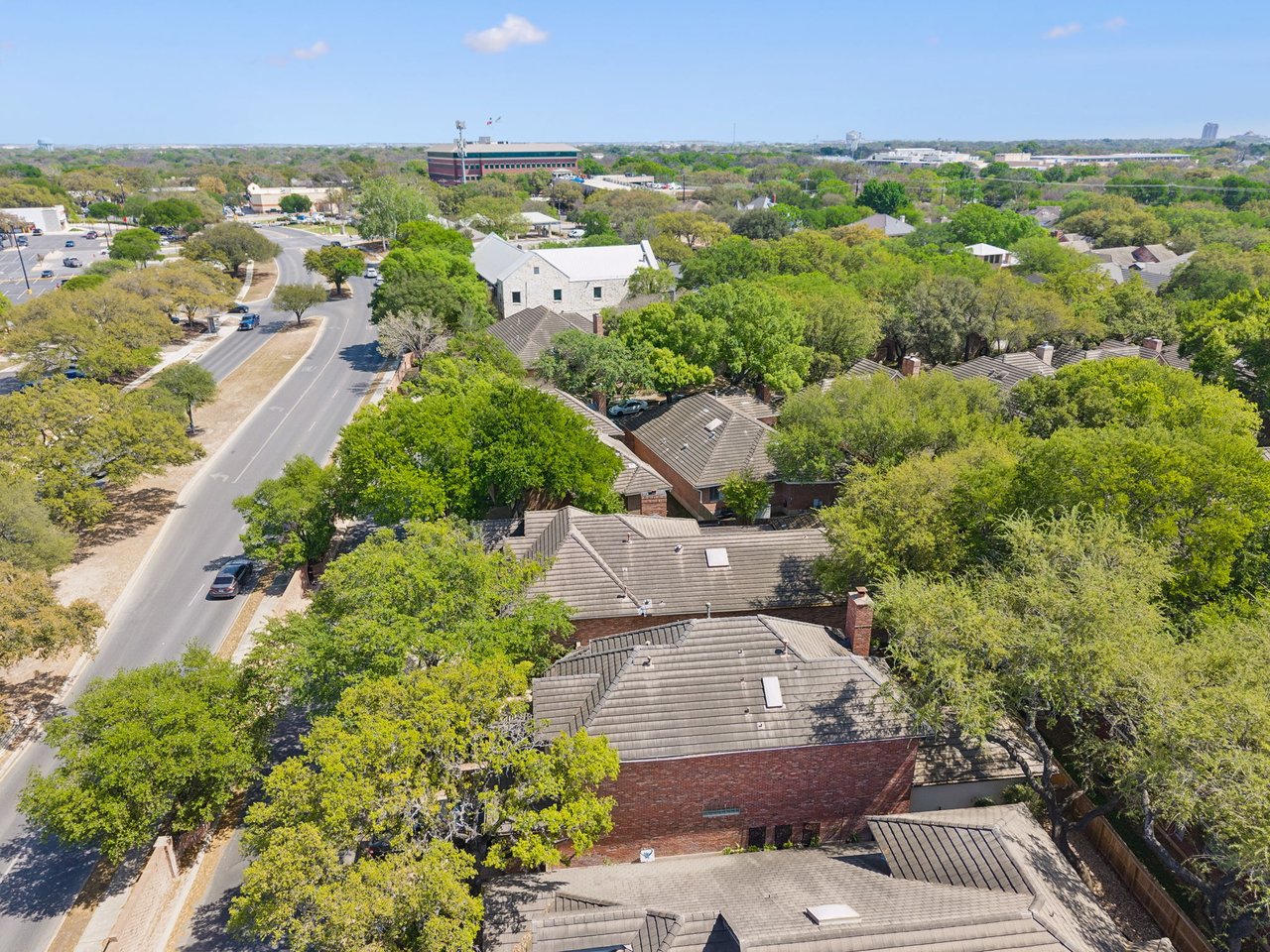
Location in commercial real estate is usually about access — proximity to highways, to clients, to labor pools. All of that applies here: U.S. 281 is one mile away, Downtown is 1.5 miles, the Pearl is 2 miles, San Antonio College is 0.7 miles. Interstate 10 is 1.5 miles.
But the Monte Vista address does something a strip-mall office or a generic co-working floor cannot: it adds credibility on sight.
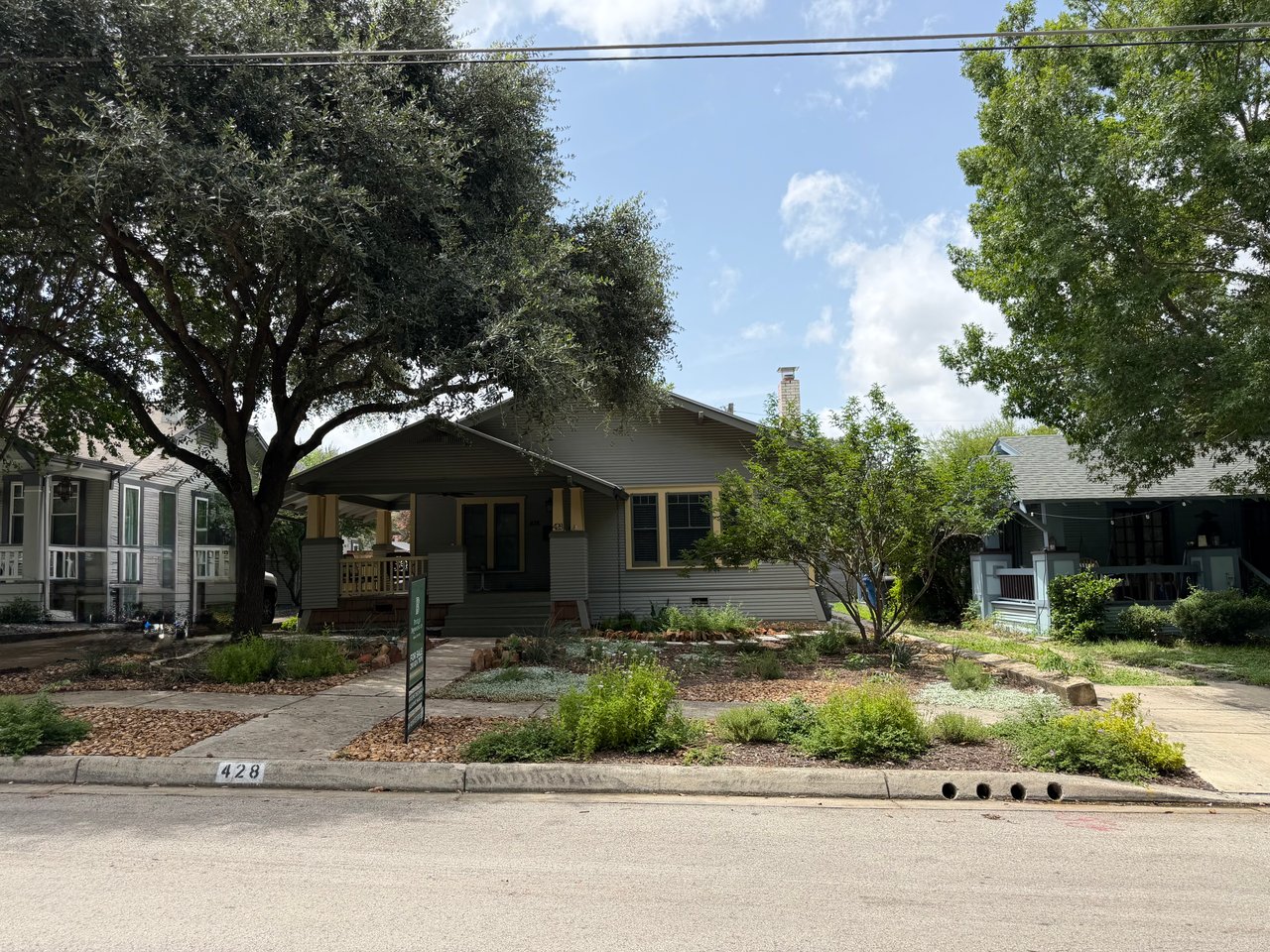
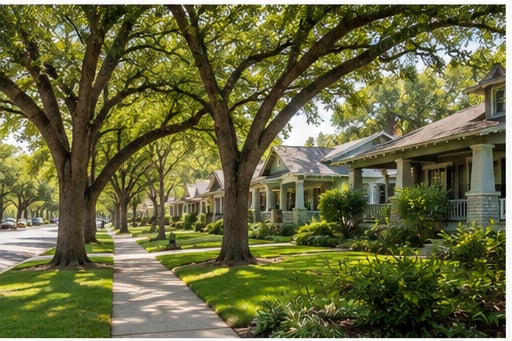
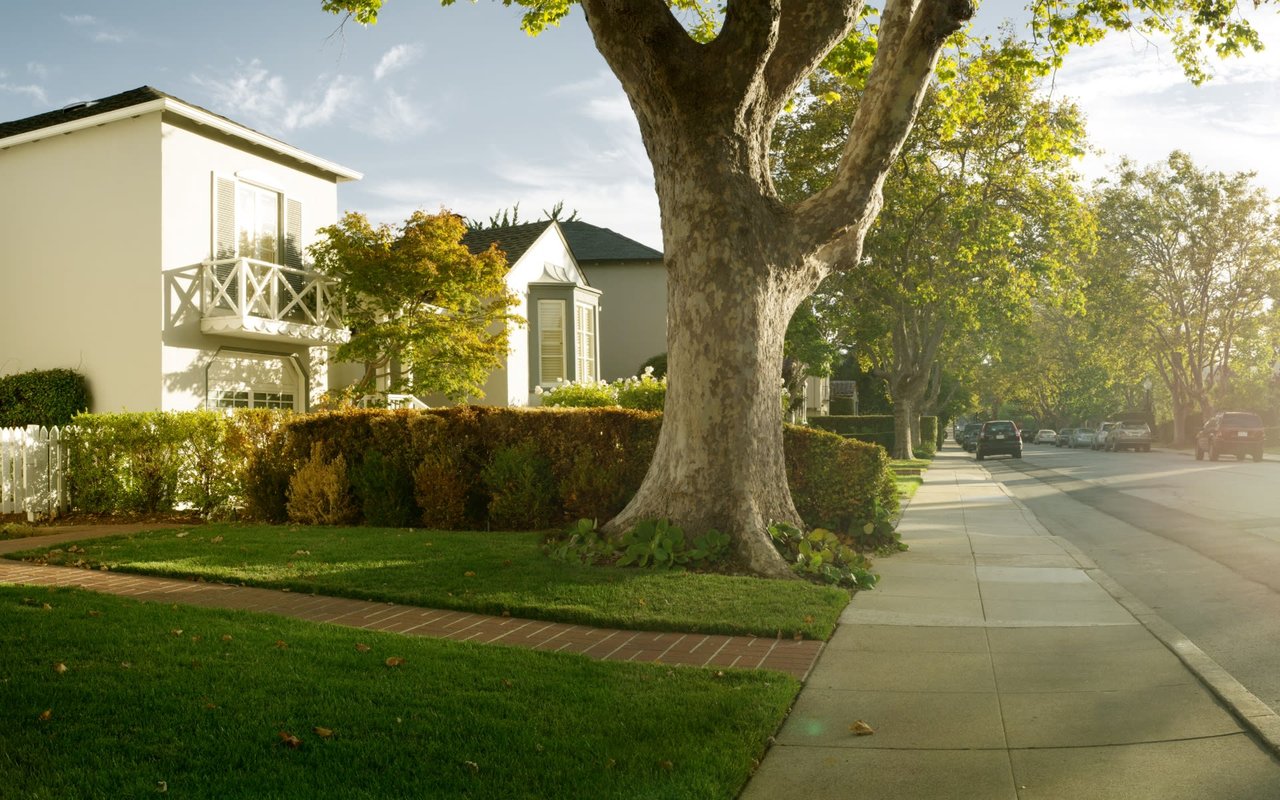
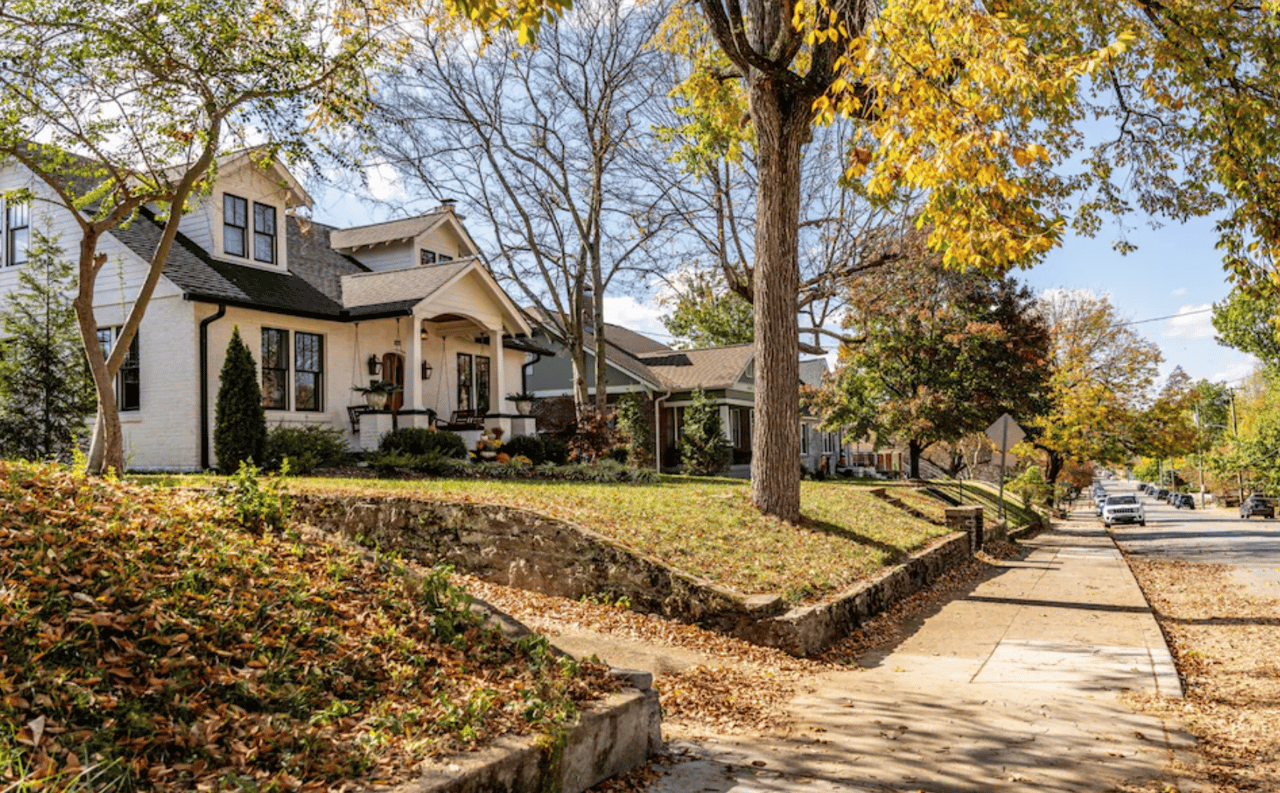
A client who drives down West Woodlawn for a meeting is having a different experience than a client who pulls into a shared parking lot. The neighborhood — wide streets, mature trees, landmark architecture from multiple eras — sets a tone. For law firms, financial advisors, foundations, and consulting practices, that tone is an asset that doesn't show up on a pro forma but that shapes client perception every day.
There's also a practical argument for the walkable coffee shop infrastructure nearby: Gravves Coffee, Folklores Coffee House, and Shotgun House Coffee Roasters are all within a mile. For a team that splits time between the office and nearby meetings, the neighborhood supports how modern professional work actually runs.
The Price Per Square Foot Comparison
$887,000 for 6,100+ square feet in a centrally located San Antonio historic building works out to under $150 per square foot — owned, not leased.
Class A office space in San Antonio's central submarket has been running $30–$45 per square foot annually in lease rates. At the low end, $30/sq ft × 6,100 sq ft = $183,000 per year in occupancy costs, every year, with nothing built and no equity accumulating.
At $887,000 — particularly with the tax incentives available for historic properties in Texas — the buy vs. lease calculus for the right occupant is not close.
Historic Designation and Tax Incentives
Properties in San Antonio's Monte Vista Historic District may be eligible for significant tax benefits:
City of San Antonio Historic Tax Exemption. The City offers property tax exemptions for qualifying historic structures — potentially freezing assessed value for a designated period or providing partial exemption on improvements.
Texas Historic Preservation Tax Credit. The State of Texas offers a 25% credit on qualified rehabilitation expenditures for certified historic structures used in a trade or business.
Federal Historic Tax Credit. The Federal Historic Tax Credit offers a 20% income tax credit on qualified rehabilitation costs for certified historic buildings placed in service for commercial use.
For a buyer undertaking any modernization — upgrading HVAC, electrical, accessibility — these credits can meaningfully reduce the effective acquisition and improvement cost. A commercial buyer's accountant and a historic preservation consultant should review the specific eligibility of this property before purchase, but the zoning and historic designation create real incentive structures that don't exist for generic commercial real estate.
What to Understand Before Buying
A property like this requires a buyer who goes in with clear eyes.
Historic designation comes with review requirements for exterior modifications. The City's Historic and Design Review Commission (HDRC) oversees changes to contributing structures in the Monte Vista Historic District — meaning any visible exterior alteration will need approval. Interior modifications for commercial use typically do not require HDRC review, but any work affecting the character-defining features of the facade does.
The building's age means a thorough inspection is non-negotiable. Systems — HVAC, plumbing, electrical — should be evaluated by professionals experienced with historic properties. The bones of a well-built turn-of-the-century structure are often superior to modern construction, but systems age regardless.
Parking is a practical consideration for commercial use. Monte Vista is a neighborhood; street parking exists, but a high-volume client-facing business should evaluate whether on-site parking can be accommodated or whether proximity to public transit and walkable arrival makes the parking question manageable.
None of these are reasons to walk away. They're reasons to do the work before closing, not after.
Schedule a tour | (210) 313-2904
About Caroline Decherd Caroline Decherd is a luxury and historic home specialist with Park Properties Group at Phyllis Browning Company, serving Alamo Heights, Terrell Hills, Olmos Park, Monte Vista, and San Antonio's established central neighborhoods. parkpropertiesgroup.com