10 Things You Should NOT Have on Your Property When Selling Your Home
By Park Properties Group
When your home goes on the market, it shifts from private living space to a public presentation of value. Buyers aren’t just noticing finishes and square footage — they’re reading signals about condition, care, privacy, and negotiation posture.
At Park Properties Group, we guide sellers through preparation that supports both presentation and leverage. Here are ten things we recommend removing or adjusting before photography, showings, and open houses.
1. Personal Photos and Highly Identifiable Items
Family photo walls, children’s names, school logos, and personalized décor should be minimized.
This protects your privacy and helps buyers connect emotionally with the home as their own future space rather than someone else’s story.
2. Excessive Religious or Political Décor
Strongly personal displays can unintentionally distract buyers or create emotional distance.
Neutral presentation keeps attention where it belongs — on the home itself.
3. Visible Pet Evidence
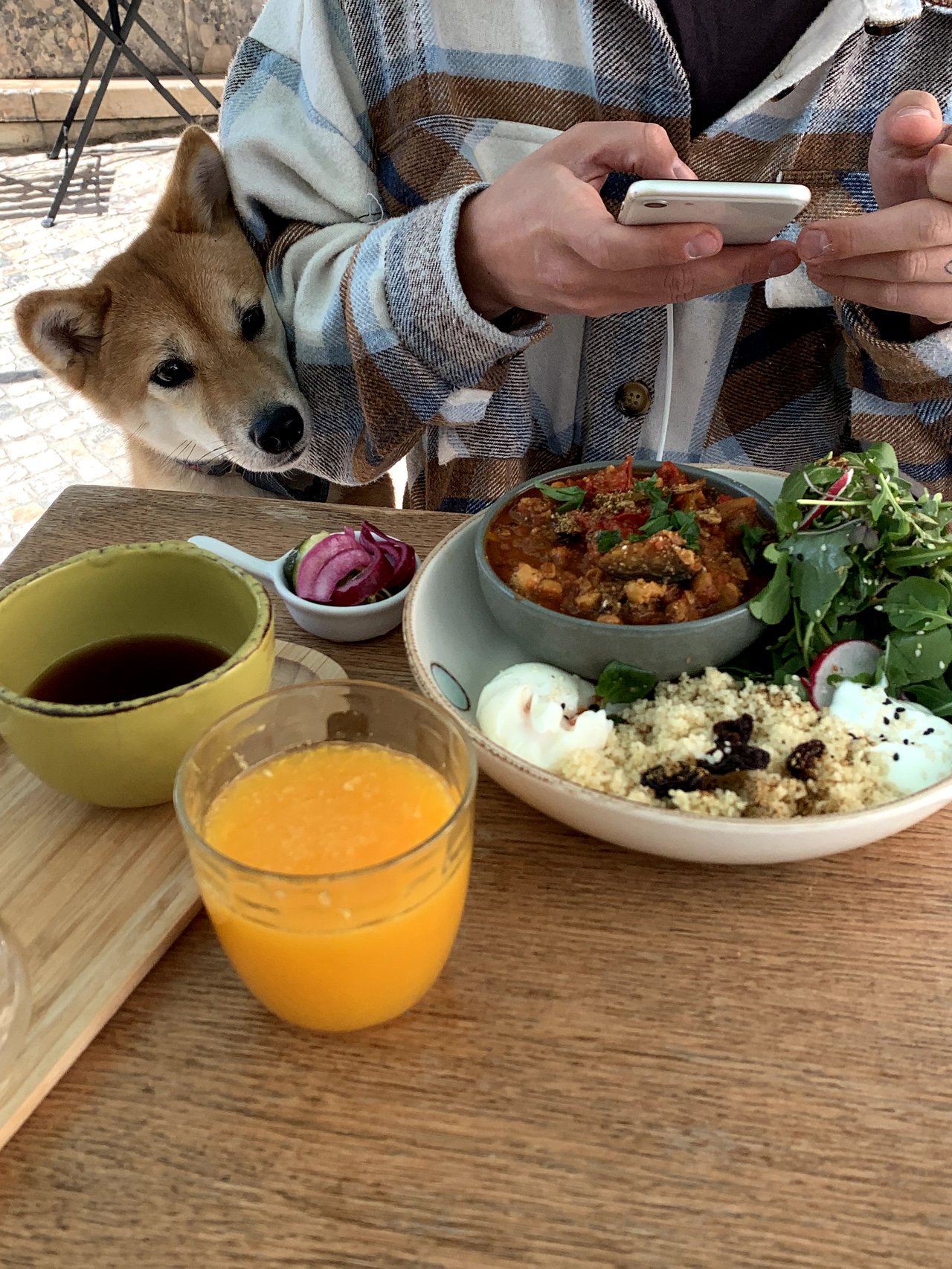
Even well-loved pets can impact how buyers perceive a property.
Before showings, remove:
- litter boxes
- food bowls
- crates
- pet beds
- visible toys
Buyers often react to smell or allergy concerns before they react to layout.
4. Security System Panels Showing Codes or Access Points
Alarm pads, labeled access panels, and visible entry notes can create unnecessary security exposure once a listing becomes public online.
We recommend keeping these areas clean and discreet in photography and tours.
5. Overflowing Closets or Storage Areas
Closets communicate storage capacity.
If they appear crowded, buyers assume the home lacks storage — even when that isn’t true. Editing these spaces before listing creates a stronger impression of function and scale.
6. Small Repair Signals Buyers Will Notice Immediately
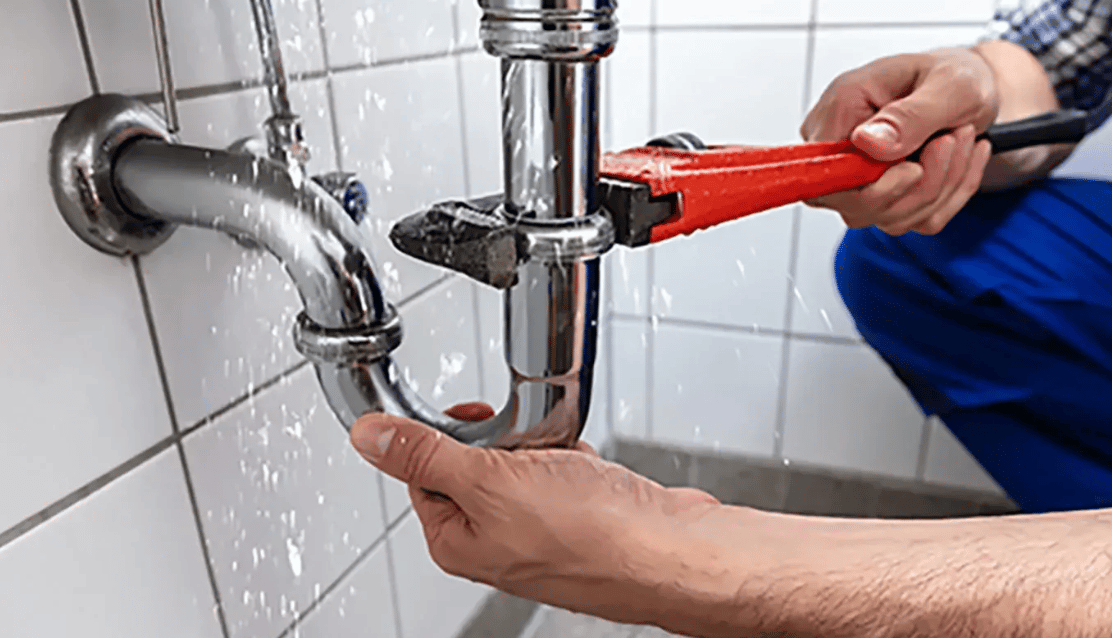
Loose handles, burned-out bulbs, chipped paint, and sticking doors send unintended messages about maintenance.
These are simple adjustments that strengthen buyer confidence before negotiations even begin.
7. Strong Fragrances or Plug-In Air Fresheners
Heavy scents often raise concern about what may be hidden.
A clean, neutral environment consistently performs better than artificial fragrance during showings.
8. Specialty Rooms Without Clear Purpose
Highly customized spaces (craft rooms, niche gyms, storage conversions) can confuse buyers.
Whenever possible, present each room with a recognizable function that supports everyday living.
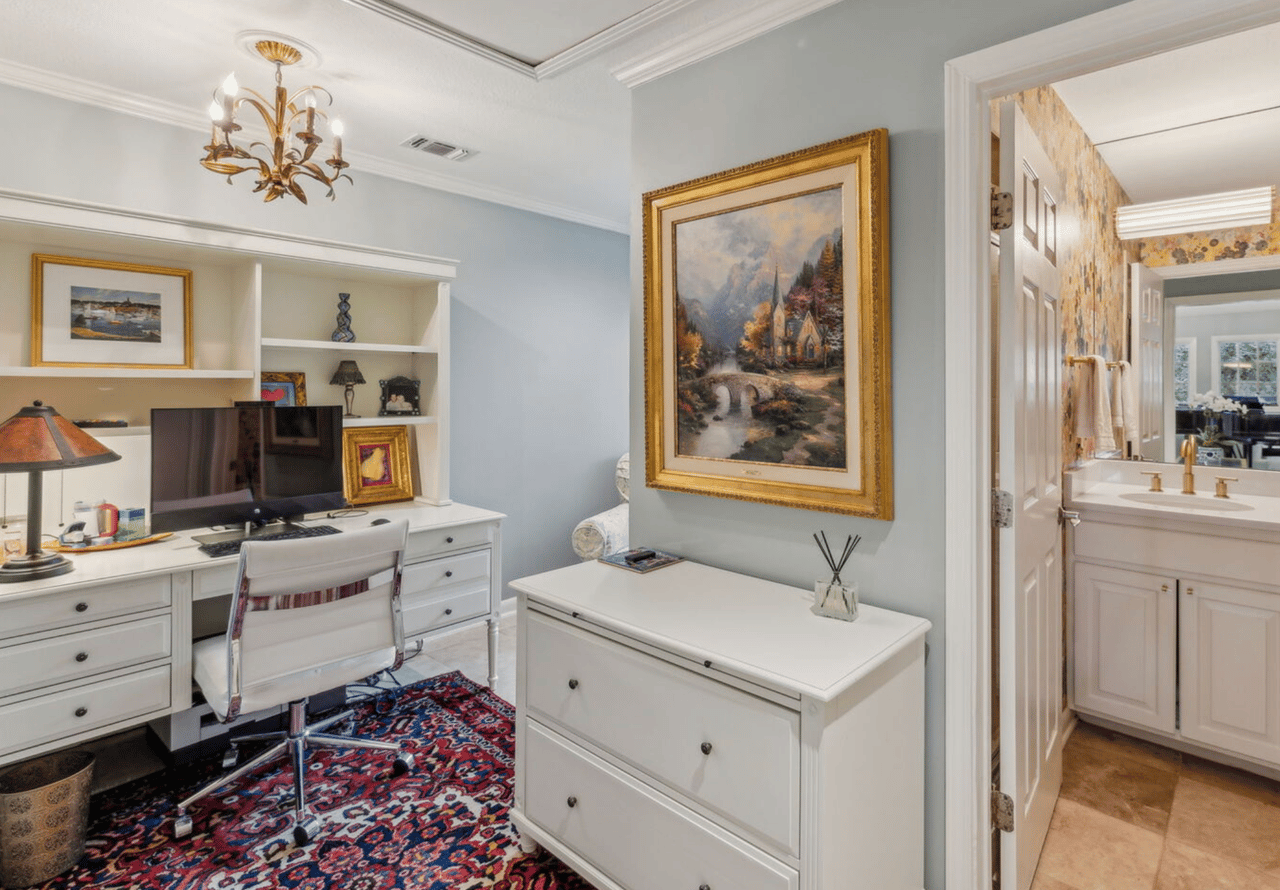
9. Too Many Personal Collections on Display
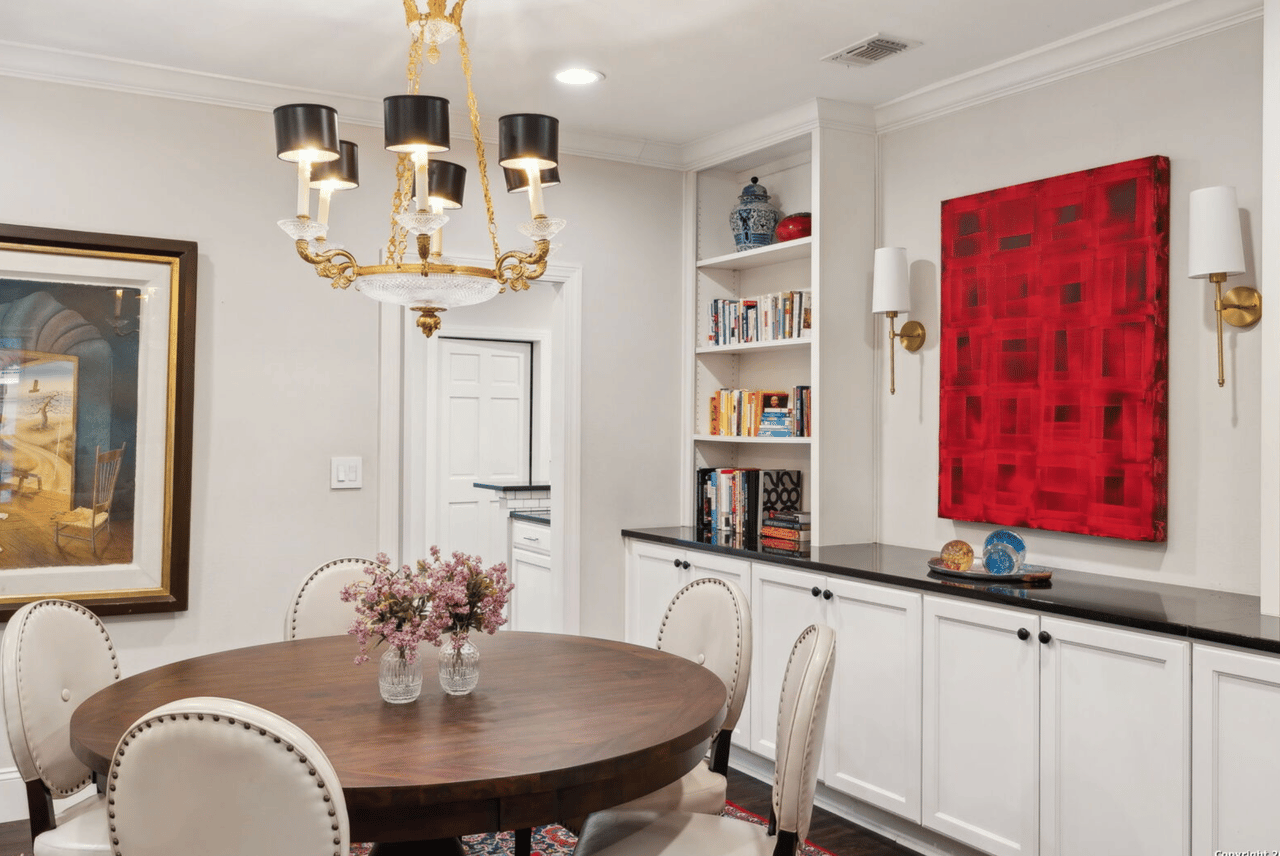
Collections of any kind — figurines, awards, memorabilia, or dense shelving — create visual noise in listing photography.
Editing these areas helps the architecture and layout stand out instead.
10. The Seller During Showings
One of the most important preparation steps is simply stepping out.
Buyers explore more naturally, stay longer, and share more honest reactions when homeowners are not present. That feedback helps us position your home more effectively in the market.
Preparing a Home for Market Is a Strategy Decision
Successful listings aren’t just clean — they’re intentional.
Before launch, we help our clients adjust presentation in ways that protect privacy, support pricing strategy, and strengthen first impressions the moment a buyer sees the home on their phone.
If you’re considering selling this year, we’re happy to walk through what preparation would look like for your property.