How Long Does It Take to Sell an Inherited Home in Bexar County, Texas?
Plan for 4–8 months from the day probate opens to the day the sale closes. Texas law strongly favors independent administration, which lets the executor named in the will sell the property without returning to court for approval at each step. The only document you need before your agent can list the home is letters testamentary issued by Bexar County Probate Court — and those typically arrive within a few weeks of the initial hearing.
By Caroline Decherd & Susanne Marco
Inheriting a home in San Antonio tends to arrive at an already difficult moment. The estate isn't settled, the family may not agree on what to do, and someone is going to bring up selling before anyone has had a chance to understand what that actually involves.
Here's what you need to know before your agent's number gets dialed.
The Document Your Agent Needs Before You Can List
You cannot list an inherited property in Texas until the estate has been opened in probate and you have letters testamentary in hand.
Letters testamentary are the official document issued by Bexar County Probate Court that authorizes you — as the named executor — to act on behalf of the estate. Without them, you have no legal authority to sign a listing agreement, accept an offer, or close a sale. Your agent can't help you yet, no matter how ready the home is.
The process looks like this:
- File the will with Bexar County Probate Court (four courts handle probate in Bexar County)
- Wait approximately two weeks for the first hearing to be scheduled
- Attend the hearing — for an uncontested will with an independent executor, this is typically brief
- Receive letters testamentary, usually within days to weeks of the hearing
Texas law strongly favors independent administration, which is the reason estate sales here move faster than in most states. If the will names an independent executor — which most Texas wills do — you can sell the property, negotiate with buyers, and close without returning to court for each transaction. No judge has to approve the sale price. No court has to sign off on every decision.
That's a meaningful difference from states where dependent administration is the default.
What if there's no will?
Dying without a will (intestate) in Texas doesn't necessarily mean a slower process. The heirs can agree to appoint an independent administrator, which restores most of the same efficiency. The court will still need to establish who the heirs are and what each person's share is, which adds a step — but an uncontested intestate estate in Bexar County can often reach a similar place in a comparable timeframe.
What if the estate qualifies for muniment of title?
If the deceased had no significant debts other than real estate liens, muniment of title may be an option. This is a Texas-specific alternative to full probate administration — no executor is appointed; the court simply issues an order recognizing the will and transferring title. It typically takes 4–6 weeks and costs $2,000–$4,000 in legal fees, making it the fastest and least expensive path when it qualifies. Your attorney determines eligibility.
Bottom line: Attorney first, then agent. Don't list the home before letters testamentary are in hand.

The Tax Picture Most Heirs Get Wrong
Most people who inherit a home assume they're going to owe a large tax bill when they sell. The reality for most San Antonio heirs is considerably better than that.
No Texas inheritance tax. Texas has none. Whatever your relationship to the deceased, the state collects nothing when you inherit.
No Texas state capital gains tax. Texas has no state income tax and no state capital gains tax. The sale of an inherited home generates no Texas tax liability at all.
Federal estate tax. Relevant only to large estates. In 2026, the federal estate tax exemption is $15 million per individual — $30 million for a married couple with proper planning. The vast majority of Bexar County estates fall well below this threshold.
Federal capital gains — and the stepped-up basis. This is where it gets important.
When you inherit a home, the IRS resets your cost basis to the fair market value at the date of death — not what the original owner paid for it. This is called the stepped-up basis, and it's one of the most significant tax advantages in the tax code.
Here's what it means in practice: if your parents bought a home in Alamo Heights in 1985 for $180,000 and it's worth $950,000 today, your basis as the inheritor is $950,000 — not $180,000. Sell it close to that value, and your taxable gain may be minimal or even zero. You are not paying capital gains tax on 40 years of appreciation that occurred before you ever owned the home.
If you sell quickly after inheriting and the sale price is close to the date-of-death value, your federal capital gains exposure is often negligible.
One critical action item: Get a professional appraisal — or a detailed comparative market analysis — completed as close to the date of death as possible. This establishes the stepped-up basis with documentation you can present to the IRS. Without it, you may have difficulty proving the value later.
For a deeper look at how capital gains applies to home sales in Texas, this post on Texas capital gains tax covers the federal exclusions and scenarios that apply to sellers across the state.
When Heirs Disagree — and What It Costs
The most common complication in an inherited home sale isn't paperwork or taxes. It's people.
When multiple heirs inherit a property together, each co-owner has a say in what happens next. If one wants to sell and another wants to keep the home, that disagreement has to be resolved before your agent can do anything meaningful.
There are a few paths:
Negotiated buyout. One heir buys the others' shares at an agreed-upon value. This keeps the property in the family for whoever wants it and gives the others their proceeds. It requires an agreement on value — which may mean an independent appraisal — but it avoids legal conflict entirely.
Mediation. A neutral mediator helps heirs reach an agreement. Significantly less expensive and faster than court, and it preserves relationships.
Partition lawsuit. If heirs cannot agree, any co-owner can file a partition action in Bexar County court to force a sale and divide the proceeds. For a single-family home, courts almost always order a partition by sale — the property is sold and proceeds are split.
The partition lawsuit is the option nobody wants but anyone can trigger. It takes 6–18 months and costs $10,000 or more in legal fees, often eroding a significant portion of what the heirs ultimately receive.
If there's any realistic path to agreement, it will almost always produce a better financial outcome — and a less painful family experience — than litigation.
About the home's condition:
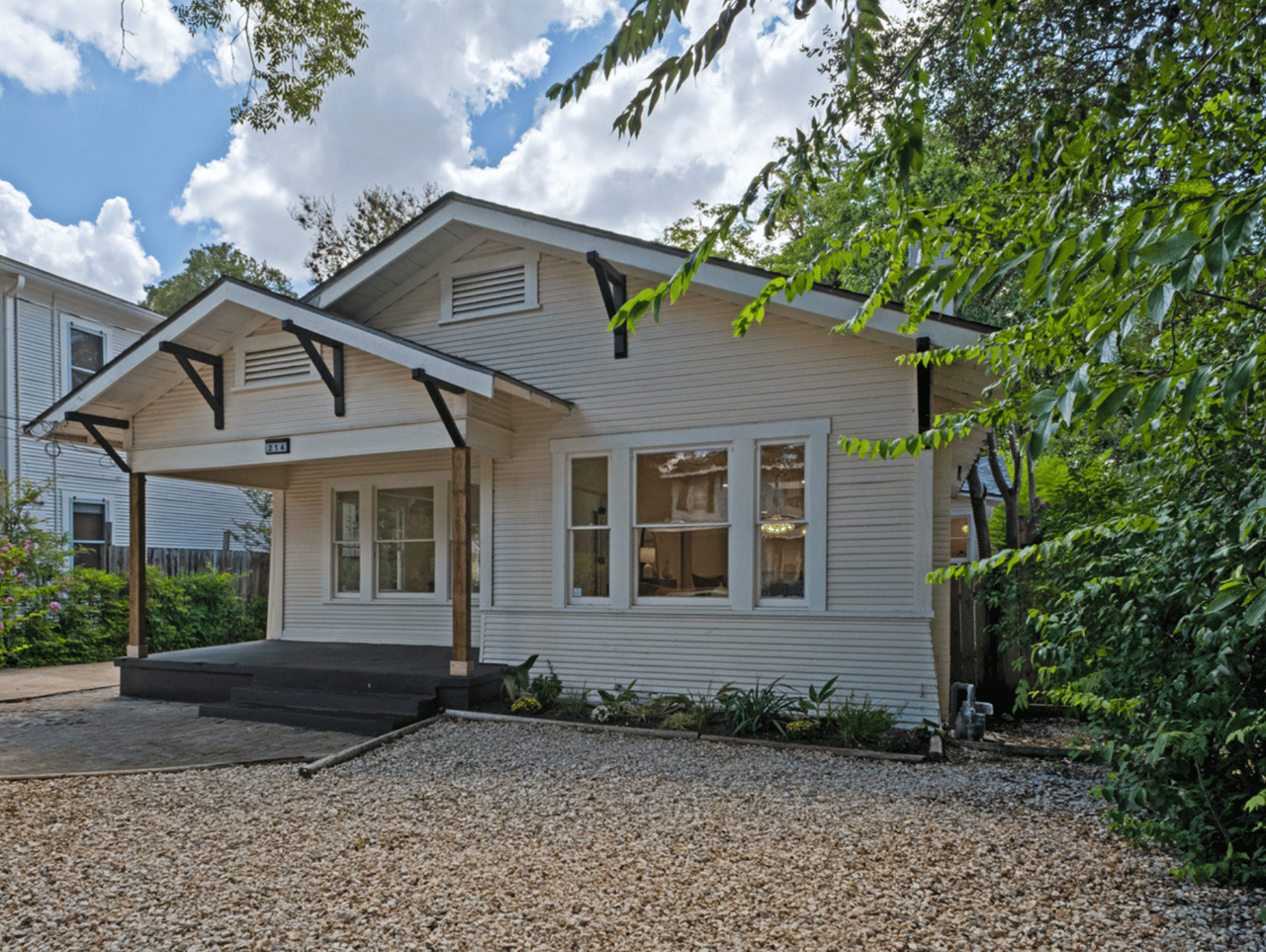
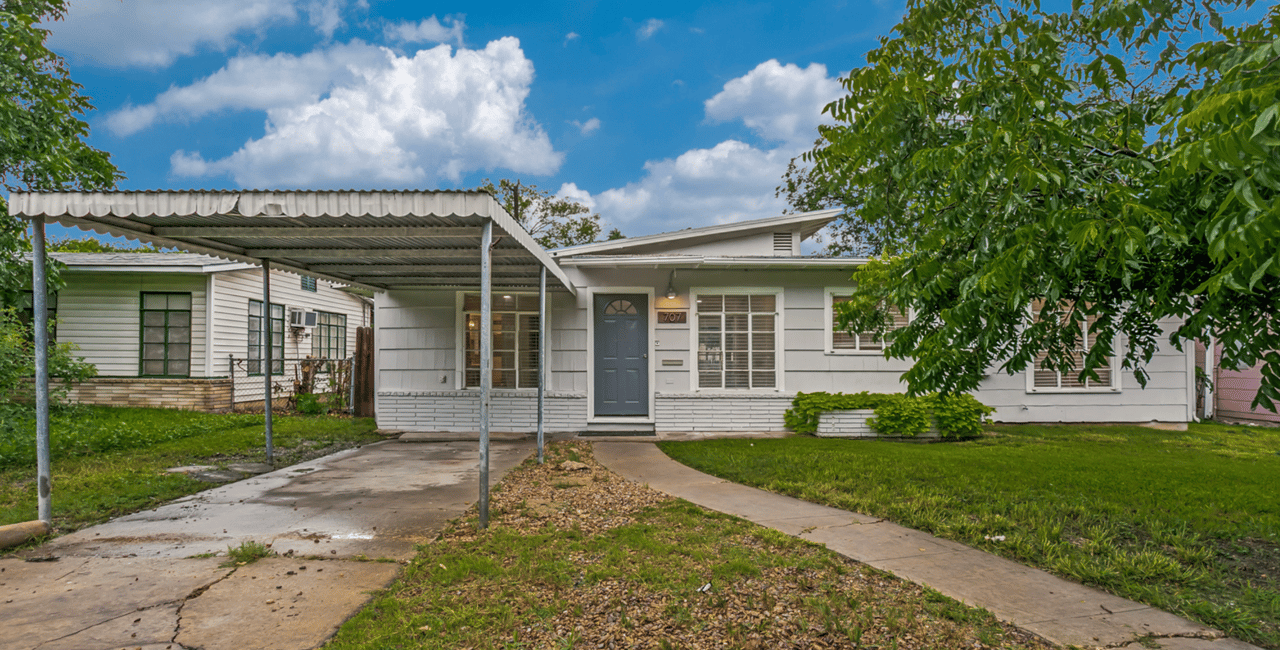
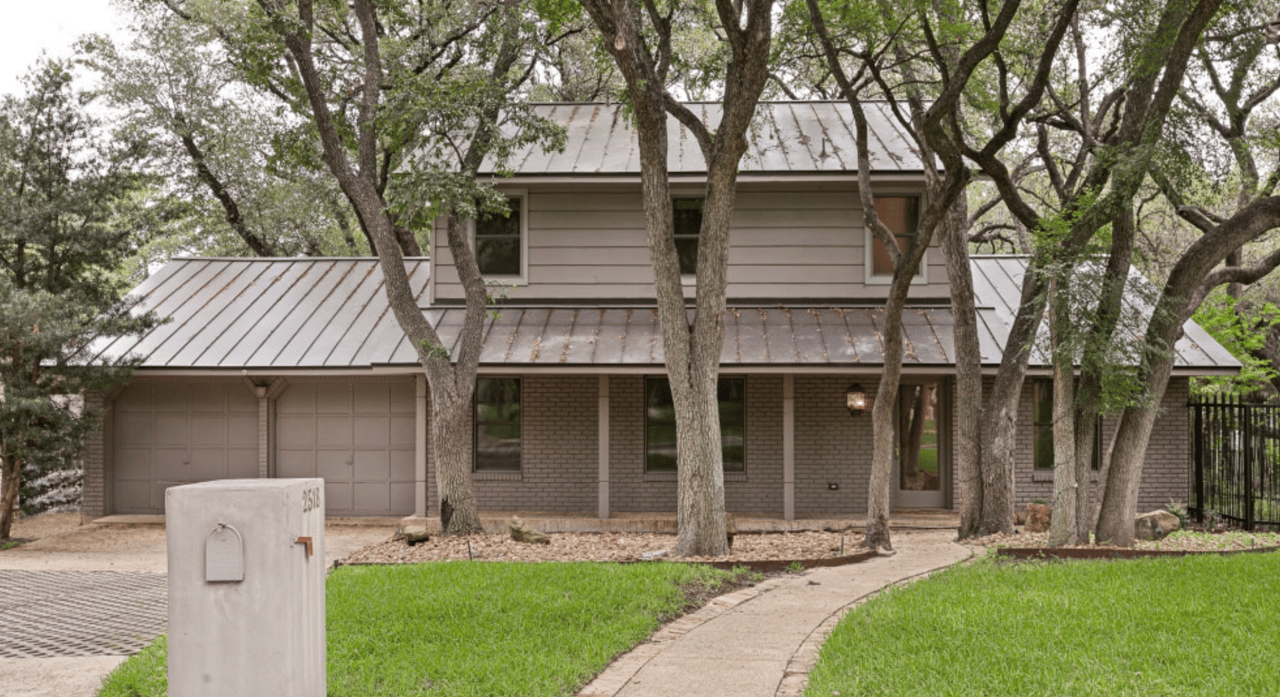
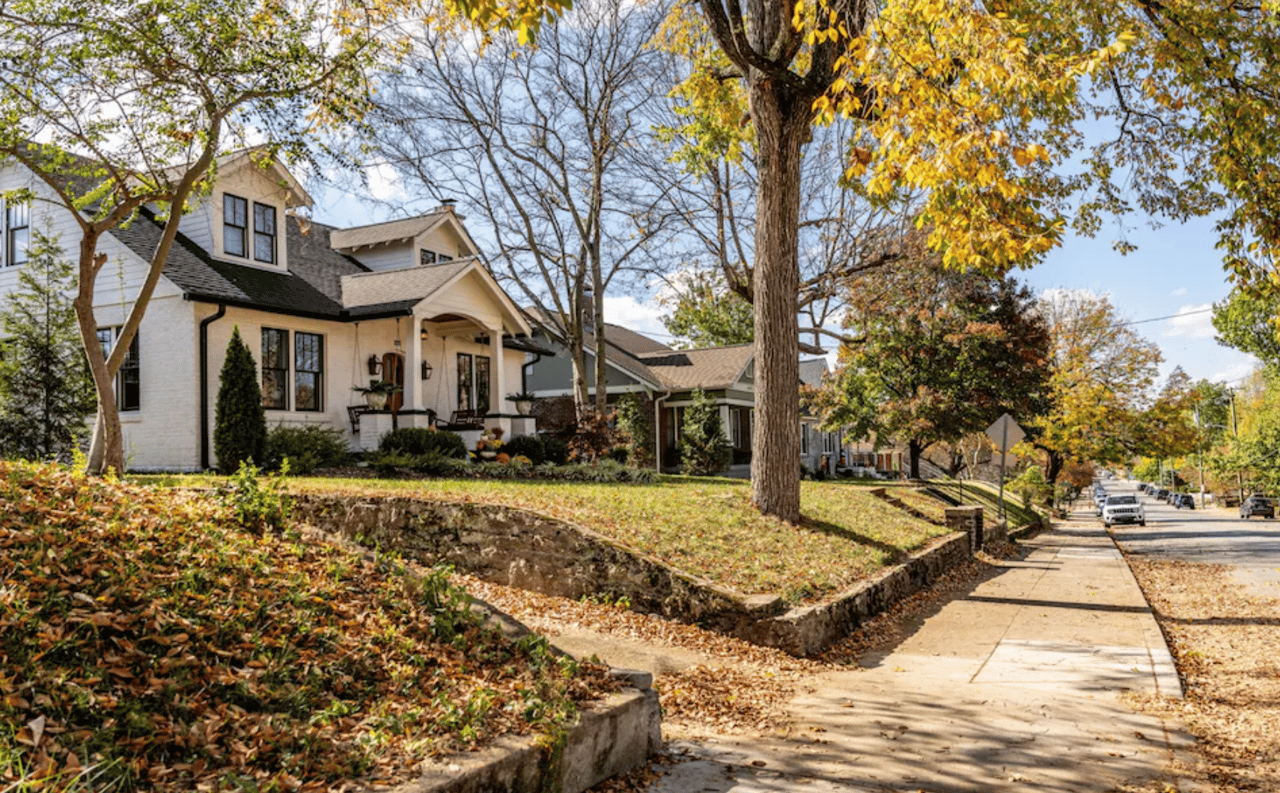
Inherited properties in San Antonio's older neighborhoods — Alamo Heights, Terrell Hills, Monte Vista, Olmos Park — often haven't been updated since they were last occupied. Buyers in this market expect that. An estate sale in a 1940s craftsman or a 1960s ranch isn't expected to compete on finishes with a recently renovated listing.
What matters is accurate pricing that reflects the home's condition, clear disclosure of everything you know about the property (inherited home sellers still carry full TREC disclosure obligations — here's what that requires), and a buyer pool that includes investors and buyers who want to do their own work. An agent who knows this market knows who those buyers are and how to reach them.
Total selling costs typically run 6–10% of the sale price — agent commissions, closing costs, and any deferred maintenance you address before listing.
Frequently Asked Questions
Do I have to go through probate to sell an inherited home in Texas?
In most cases, yes — probate is required to establish legal authority to sell. The executor or administrator needs letters testamentary or letters of administration from Bexar County Probate Court before a sale can close. The exception is muniment of title, a streamlined Texas alternative that transfers title without full probate administration, available when the estate has no unpaid debts aside from real estate liens.
What is muniment of title and how does it work in Texas?
Muniment of title is a Texas court proceeding that recognizes a will and transfers title to heirs without appointing an executor or opening full estate administration. It's faster and less expensive than standard probate — typically 4–6 weeks and $2,000–$4,000 in attorney fees — but it only works when the deceased had no significant unpaid debts other than real estate liens. A Bexar County probate attorney can determine eligibility quickly.
Will I owe taxes when I sell an inherited home in San Antonio?
Texas has no inheritance tax and no state capital gains tax, so the state collects nothing. Federally, the stepped-up basis rule resets your cost basis to the home's fair market value at the date of death. If you sell at or near that value, your federal capital gains exposure is often minimal. Get a professional appraisal or CMA completed as close to the date of death as possible to document the stepped-up basis.
Can I list the home before probate is fully closed?
Yes. You don't need to wait for the estate to be fully closed — you just need letters testamentary in hand. In Texas, an independent administrator can list, negotiate, and close a sale while estate administration is still open. Sale proceeds flow through the estate and are distributed to heirs according to the will or the court's determination. Your title company will walk you through the estate-specific closing documentation.
What if one heir wants to sell and another doesn't?
Any co-owner of the inherited property can file a partition lawsuit in Bexar County court to force a sale. Courts almost always order a partition by sale for single-family homes — the property is sold and proceeds are divided among heirs. However, partition litigation takes 6–18 months and costs $10,000 or more in legal fees, a significant drain on what heirs ultimately receive. Negotiated buyouts and mediation almost always produce better financial outcomes than litigation.
Selling an inherited home in San Antonio follows a specific sequence — attorney, appraisal, probate, letters testamentary, then agent — and skipping steps creates problems that set the process back months. Get the legal piece in place first. Once you have letters testamentary, the home sale itself works like any other transaction in this market.
If you've inherited a property in the Alamo Heights area or anywhere in Bexar County and want to understand what the process looks like for your specific situation, we're happy to walk through it with you. Schedule a conversation here — no pressure, just a clear picture of what to expect and what your options are.
About Caroline Decherd & Susanne Marco
Caroline Decherd and Susanne Marco are the founders of Park Properties Group, a boutique real estate team serving San Antonio's luxury and near-luxury markets — including Alamo Heights, Terrell Hills, Olmos Park, Monte Vista, and surrounding neighborhoods. With extensive experience guiding sellers through complex transactions, including estate sales, divorce situations, and trust-held properties, Caroline and Susanne bring both market expertise and the kind of steady guidance that matters when a sale involves more than just the home. Park Properties Group is licensed in Texas.