What Must San Antonio Home Sellers Disclose in 2026?
Texas home sellers are required to complete the TREC Seller's Disclosure Notice before or on the effective date of any purchase contract. In 2026, TREC adopted six new disclosure requirements, including a brand-new Water Notice form (mandatory July 1, 2026) and a requirement to disclose whether your property was ever uninsurable. The disclosure covers structural conditions, mechanical systems, environmental hazards, legal encumbrances, and — new this year — insurance status, water rights, private roads, and aboveground storage tanks. Sellers who knowingly omit material facts face legal liability after closing.
If you're thinking about listing your San Antonio home this year, there's something you need to know before you put the sign in the yard: Texas just updated its seller disclosure requirements.
On May 4, 2026 — just last month — the Texas Real Estate Commission officially adopted six new items that sellers are now required to disclose. One of them, the Water Notice (a brand-new standalone form, TREC No. 61-0), becomes mandatory on July 1, 2026. Many agents are already using it voluntarily.
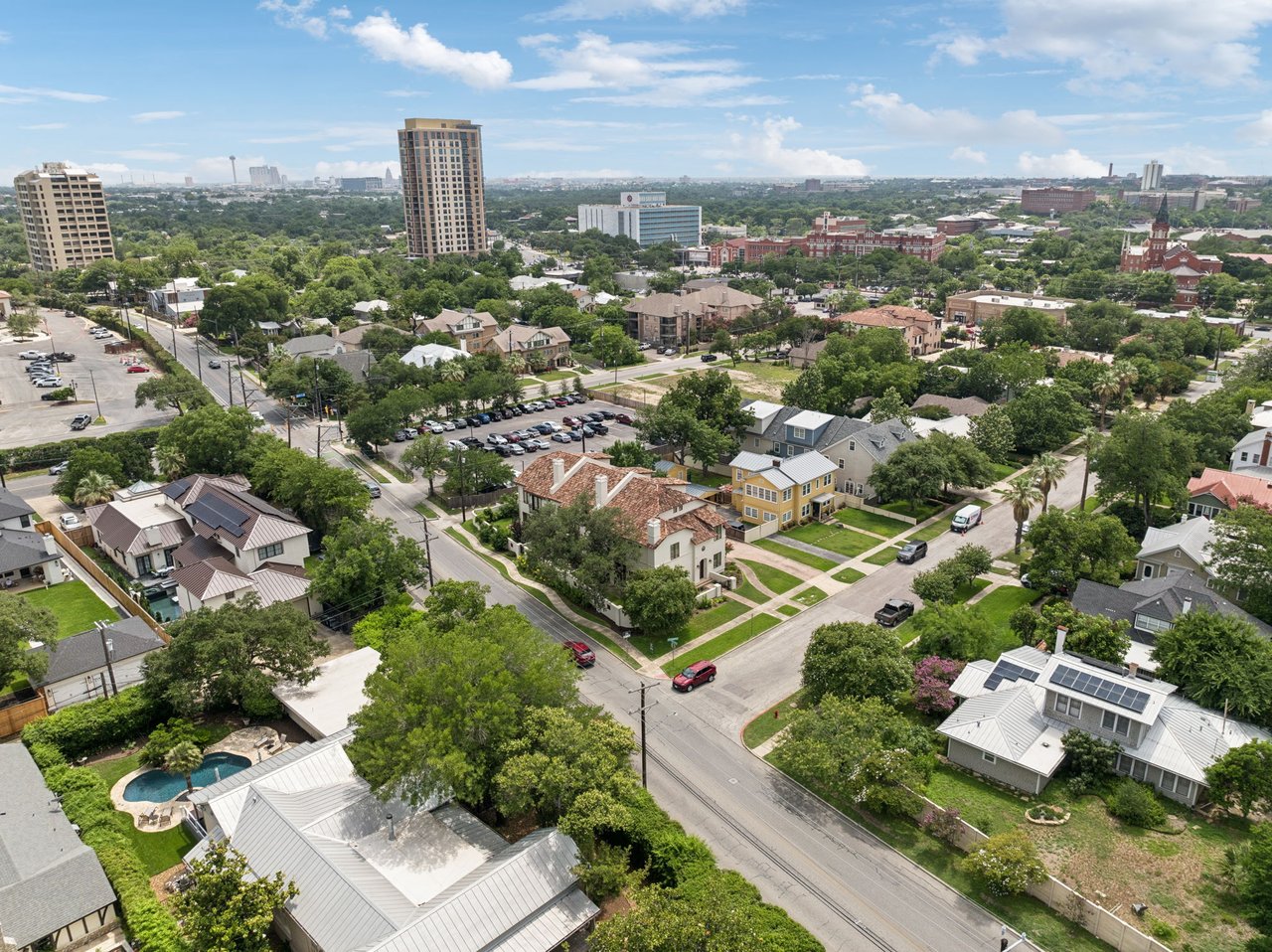
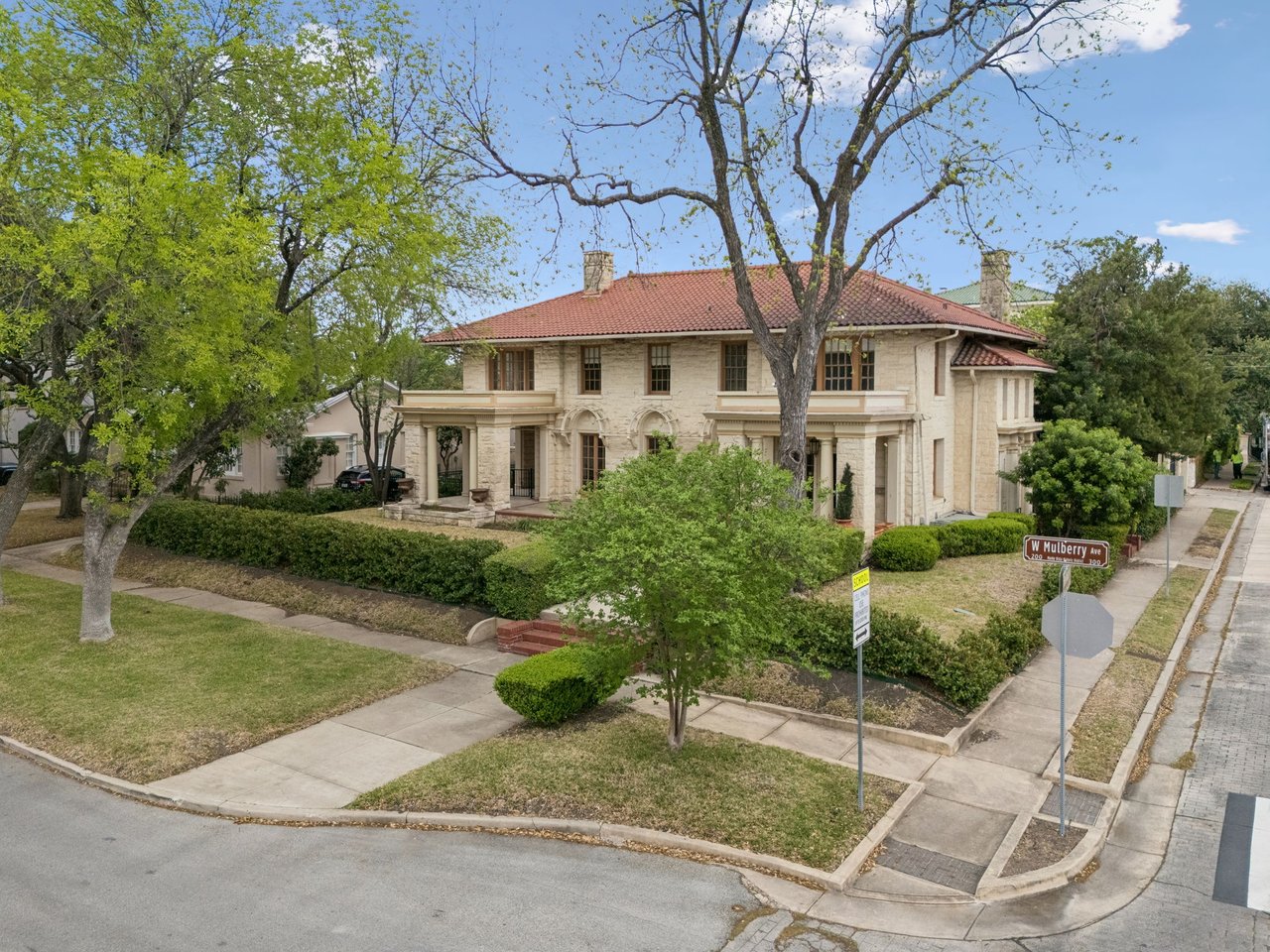
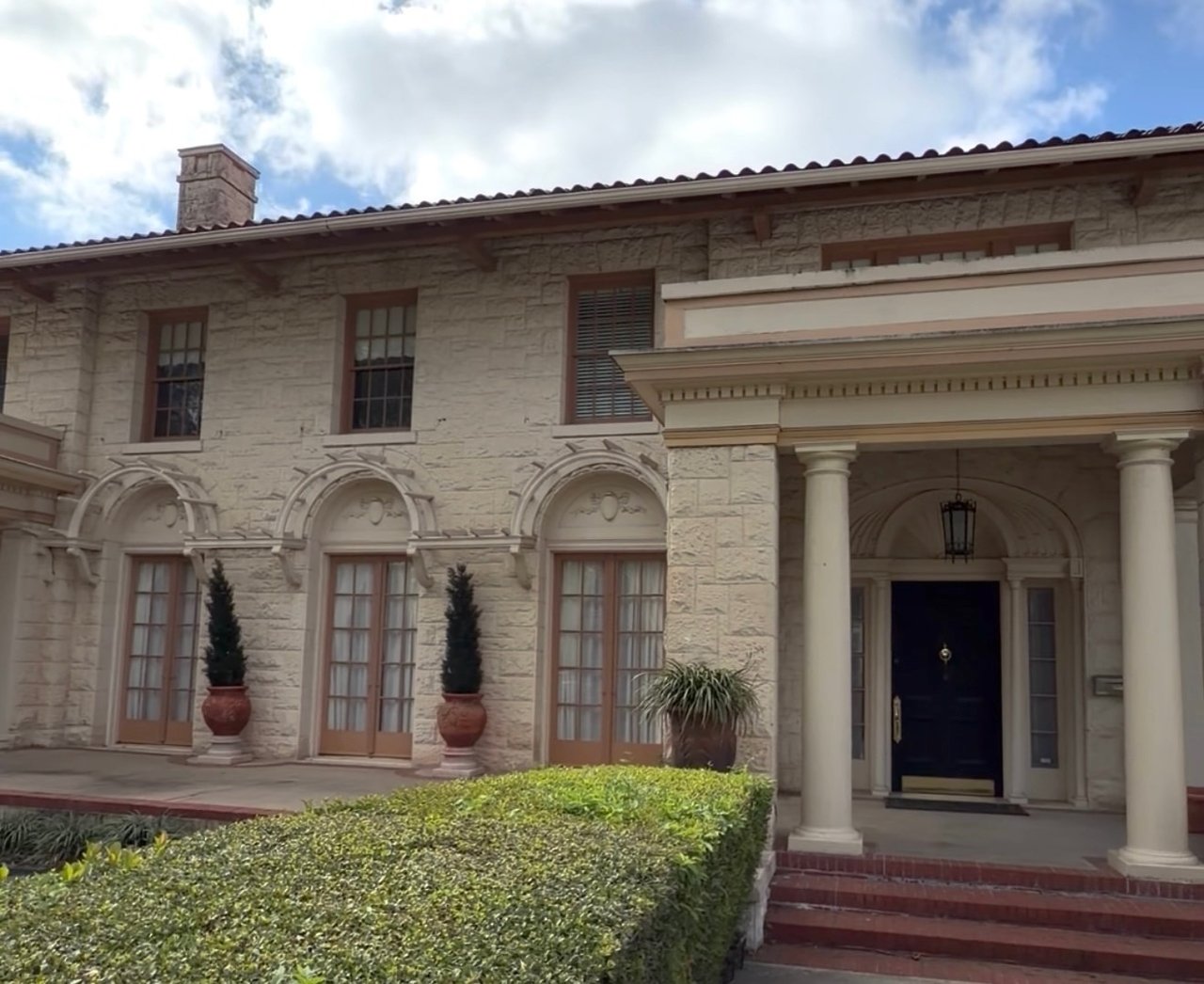
For sellers in San Antonio's luxury neighborhoods — Alamo Heights, Terrell Hills, Olmos Park, Monte Vista, and the historic 78212 corridor — these updates are particularly relevant. Older homes, private wells in some areas, historic renovation work that may or may not have had proper approvals, and deed-restricted communities all have disclosure implications that are easy to underestimate.
This post walks you through what the TREC Seller's Disclosure Notice requires, what changed in 2026, and what the updates mean if your home is in one of San Antonio's established central neighborhoods.
Thinking about selling? Caroline and Susanne share the most common mistakes San Antonio sellers make — and how to avoid them.
What Is the TREC Seller's Disclosure Notice?
In Texas, home sellers are required by law to complete a standardized form called the TREC Seller's Disclosure Notice (currently Form 7-7). It's one of the first things your agent will walk you through when you list your home.
The form covers a wide range of property conditions and circumstances, organized into categories:
- Structural conditions — foundation, walls, roof, floors, driveways, and windows
- Mechanical and systems conditions — HVAC, electrical, plumbing, water heater, and appliances
- Environmental conditions — asbestos, lead-based paint (required for homes built before 1978), radon, mold, underground storage tanks
- Legal and title conditions — HOA membership and fees, deed restrictions, easements, pending litigation, and known violations
- Event history — previous flooding, fire damage, pest infestations, and deaths on the property (in specific circumstances)
- Homestead and ownership status — including whether a Texas homestead exemption is in place (relevant to buyers who plan to apply for their own)
The key rule: you're required to disclose what you know. You are not expected to be a home inspector. But if you know the HVAC is on its last legs, that the foundation was repaired in 2019, or that there was a slow roof leak two years ago — that goes on the form.
Sellers who knowingly omit material facts face real legal exposure. Buyers who discover an undisclosed defect after closing have grounds to pursue damages in Texas courts, which have consistently held that sellers have an affirmative duty to disclose known material conditions even when buyers don't specifically ask.
The disclosure must be delivered to the buyer on or before the effective date of the purchase contract. If you deliver it late, the buyer automatically gains the right to terminate the contract for any reason within seven days of receiving it. This is one reason we encourage sellers to complete the disclosure before listing, not after an offer comes in — it removes a potential termination window during an already nerve-wracking process.
For more on what buyers look for during this phase of the transaction, see our guide to buying a historic home in Monte Vista and what to expect at inspection.
What's New in 2026 — Six Updated Disclosure Requirements
TREC proposed these changes in February 2026, held a public comment period, and officially adopted them on May 4. Here's what changed:
1. Insurance Status Disclosure
Sellers must now disclose whether the property is currently covered by homeowner's insurance — and whether they have ever been denied coverage or been unable to insure the property for any reason.
This is a significant change. If your insurer dropped you after a weather event, flagged the roof, or declined to renew because of a prior claim, that history now travels with the disclosure. Buyers use this information to anticipate their own insurability before closing — and in today's tightening Texas insurance market, this is a legitimate concern.
2. Water Rights — New Standalone Form (Mandatory July 1, 2026)
TREC created an entirely new form: the Water Notice: Seller's Disclosure about Groundwater and Surface Water Rights (Form 61-0). It becomes mandatory on July 1, 2026, though many agents are already using it voluntarily.
This form requires sellers to disclose whether the property is located in a Groundwater Conservation District, whether there are water wells on the property, well depth, water quality test results (if available), pump condition, and any known water supply issues. If the property is served by a private well rather than SAWS or another municipal provider, this section becomes highly relevant.
For most sellers in Alamo Heights, Terrell Hills, and Olmos Park who are on municipal water, this section will be straightforward. For properties in more rural-adjacent areas or with private wells, it requires careful attention.
3. Private Road Disclosure
Sellers must now disclose whether any portion of the access to or from the property involves a private road that the buyer would be financially responsible for maintaining. This matters in gated communities, properties with shared driveways, and certain historic parcels with shared access easements.
4. Aboveground Storage Tanks
If the property has aboveground storage tanks larger than 500 gallons that have stored petroleum products or other chemicals, sellers must now disclose their existence and condition. This is most relevant to larger estate properties and older homes that may have used above-ground fuel oil tanks prior to the widespread adoption of natural gas.
5. Conservation Easements
Sellers must now disclose whether the property is subject to a conservation easement. A conservation easement is a legal agreement that permanently restricts how land can be developed or modified, often in exchange for a tax benefit. Buyers need to know before they purchase — these easements run with the land and are not removed by a sale.
6. Additional Homestead-Related Information
The form now captures more detailed information about homestead status. If your Texas homestead exemption is active, it affects property tax calculations for both you and the incoming buyer. For a refresher on the exemption itself, see our guide: Homestead Exemption in Texas: What Every San Antonio Homeowner Should Do This Year.
What This Means for San Antonio Luxury Home Sellers Specifically
If you own a home in Alamo Heights, Terrell Hills, Olmos Park, Monte Vista, Mahncke Park, or the broader 78209/78212 corridor, a few items deserve extra attention:
Lead paint disclosure. Texas and federal law require sellers to disclose known lead-based paint hazards in homes built before 1978. A huge portion of the homes in Monte Vista, Olmos Park, and Alamo Heights were built in the 1920s, 1930s, and 1940s. If your home is pre-1978, you'll complete a separate Lead-Based Paint Disclosure alongside the TREC form. You are not required to test for lead paint — but if you know it's present, it must be disclosed.
Unpermitted work and historic overlay approvals. The disclosure form requires sellers to disclose any additions or modifications made without required permits. In Monte Vista and Olmos Park, where exterior changes require a Certificate of Appropriateness from the City of San Antonio's Office of Historic Preservation (or the HDRC), this is a real consideration. If you renovated the front porch, replaced windows, installed a fence, or made other exterior changes without going through the OHP approval process, that may need to be disclosed. We walk through this specific issue in our post on 10 Things Monte Vista Sellers Should Do Before Listing Their Home.
Plumbing in older homes. Homes in the 78209 and 78212 corridors frequently have cast iron drain lines, galvanized water supply pipes, or original sewer laterals that are decades old. If you've had a plumber address recurring issues — slow drains, sewer backups, pressure inconsistencies — and you know the root cause, that belongs on the disclosure. See our piece on whether plumbing issues will affect your home sale in Monte Vista for more context.
HOA and deed restriction disclosures. Many neighborhoods in Alamo Heights and Terrell Hills have deed restrictions enforced by homeowners associations. The disclosure requires sellers to confirm HOA membership, disclose any known violations, unpaid dues, or pending assessments, and provide the HOA contact information. If there are outstanding violations — even minor ones — they need to be disclosed and ideally resolved before listing.
Insurance claims history. The new insurance disclosure is worth thinking through carefully. If your roof was replaced after a hail claim, if you filed a water damage claim, or if a prior insurer dropped coverage, your agent needs to know so you can disclose it properly. Buyers in the luxury segment are sophisticated — they'll check.
Completing the Disclosure Accurately Is Worth the Time
The Seller's Disclosure Notice is not a test you pass or fail. It's a record of what you know. Completed honestly and thoroughly, it protects you legally and builds immediate credibility with serious buyers. Completed carelessly or strategically, it's a liability that follows you after the closing table.
The smartest move is to sit down with your agent before you list — not after you're under contract — and work through the form together. Your agent can help you understand what rises to the level of "material" disclosure and what doesn't, and can flag items that may need a contractor assessment before you list.
If you're planning to sell in 2026 and want to work through what you'll need to disclose, we're happy to have that conversation. Start with a complimentary home valuation at consumer.hifello.com — it gives us a current picture of your home's value and opens the door to a real pre-listing strategy conversation. Or if you'd rather talk through specifics now, schedule a 30-minute call with Caroline and Susanne. No pressure, just answers.
Frequently Asked Questions
What is the TREC Seller's Disclosure Notice in Texas?
The TREC Seller's Disclosure Notice (Form 7-7) is a standardized form that Texas home sellers are required to complete and deliver to buyers before or on the effective date of the purchase contract. It covers the condition of structural systems, mechanical equipment, environmental hazards, legal encumbrances, and material facts that could affect a buyer's decision to purchase.
What are the new 2026 disclosure requirements for Texas home sellers?
TREC adopted six new disclosure requirements on May 4, 2026. Sellers must now disclose: whether the property was ever uninsurable or coverage was denied; groundwater and surface water rights via the new standalone Water Notice (Form 61-0, mandatory July 1, 2026); private roads the buyer would be responsible for maintaining; aboveground storage tanks over 500 gallons; whether the property is in a conservation easement; and additional homestead status information.
What happens if a seller fails to disclose a known defect in Texas?
A seller who knowingly omits a material defect in Texas can face legal liability after closing, including claims for fraudulent misrepresentation. Buyers who discover undisclosed defects have grounds to pursue damages. Texas courts hold that sellers have an affirmative duty to disclose known material conditions — even when buyers don't specifically ask.
Do I have to disclose unpermitted work on my San Antonio home?
Yes. The TREC disclosure requires sellers to disclose additions or modifications made without required permits. In Monte Vista and Olmos Park, where exterior changes require a Certificate of Appropriateness from the City of San Antonio's Office of Historic Preservation, work done without OHP approval may need to be disclosed and could complicate the sale.
When does the TREC Seller's Disclosure Notice need to be delivered to the buyer?
The disclosure must be delivered on or before the effective date of the purchase contract. If delivered late, the buyer gains the right to terminate the contract for any reason within seven days of receiving it — which is why completing it accurately before listing is the smarter approach.